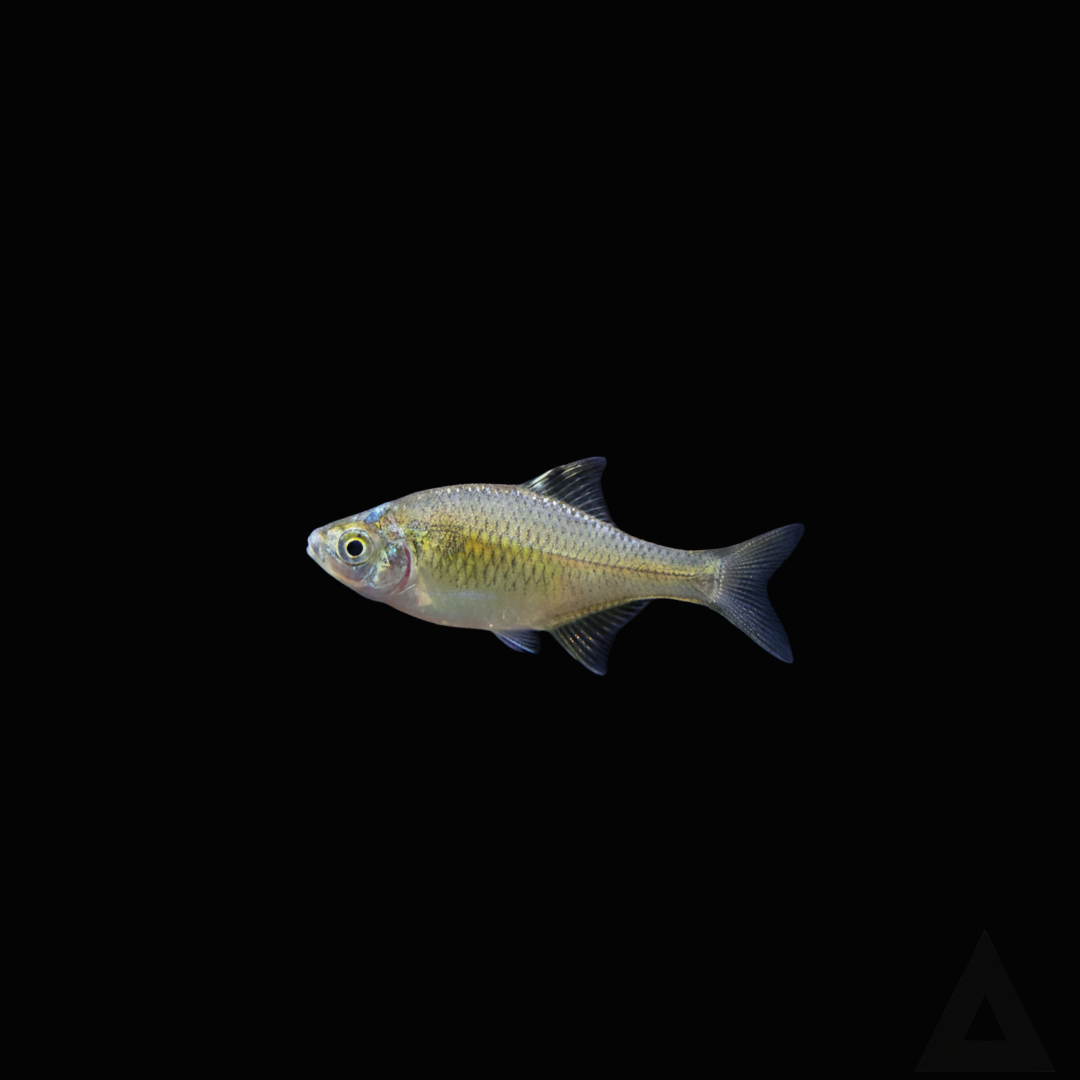
タイリクバラタナゴは、その名の通りバラ色に染まる美しい婚姻色が最大の特徴である小型の淡水魚です。東アジアを原産としながらも、現在では日本全国の池や川で見ることができます。非常に強健で環境適応力が高いため、観賞魚として古くから親しまれてきました。しかし、その圧倒的な生命力ゆえに、日本の在来種であるニッポンバラタナゴとの交雑問題など、生態学的に重要な課題を抱えている魚でもあります。飼育を通じて、自然の美しさと同時に、私たちが守るべき生態系のバランスについても深く考えさせてくれる存在です。The Rosy Bitterling is a small freshwater fish characterized by its stunning rose-colored nuptial hues. Native to East Asia, it can now be found in ponds and rivers across Japan. Due to its robustness and high adaptability, it has long been a popular ornamental fish. However, its overwhelming vitality presents ecological challenges, such as hybridization with the native Japanese Bitterling. Through keeping this species, one can appreciate the beauty of nature while also reflecting on the delicate balance of our ecosystem.
中国大陸、台湾。日本国内では人為的移入により各地に定着。Mainland China, Taiwan. In Japan, it has established itself nationwide due to human introduction.
最大体長 / Max Size
約5cm〜9cm(雄は雌より大型化する傾向にあります)Approx. 5cm to 9cm (males tend to grow larger than females)
寿命 / Lifespan
約3年〜4年Approx. 3 to 4 years
飼育環境 / Aquarium Environment
水槽サイズ / Tank Size
40L以上(45cm規格水槽〜60cm規格水槽が推奨されます)40L or more (standard 45cm to 60cm tanks recommended)
水温 / Temperature
18℃〜24℃(低温には非常に強く、日本の冬でも無加温で越冬可能です)18°C to 24°C (Highly tolerant to low temperatures; can overwinter without heating in Japan)
水質 / Water Quality
中性〜弱アルカリ性(pH 7.0〜8.0程度)、中硬水を好みます。Neutral to slightly alkaline (pH 7.0–8.0), prefers moderately hard water.
レイアウト / Layout
水草を密植したエリアと遊泳スペースを分け、流木や岩で隠れ家を作ります。Separate densely planted areas from swimming spaces, providing hiding spots with driftwood or rocks.
注意点 / Precautions
飛び出し事故が多いため、水槽には必ずフタを用意してください。Provide a secure lid, as they are known to jump out of the tank.
餌と給餌 / Feeding
餌の種類 / Diet
雑食性。人工飼料(フレーク・顆粒)、冷凍赤虫、ブラインシュリンプ。Omnivorous. Flakes, pellets, frozen bloodworms, and brine shrimp.
給餌のポイント / Feeding Tips
付着藻類も食べるため、植物質を含む餌を織り交ぜると健康維持に繋がります。They also eat periphyton, so including plant-based food helps maintain health.
性格と混泳 / Temperament and Tank Mates
性格 / Temperament
比較的温和ですが、繁殖期の雄は縄張り意識が強まり、激しく闘争します。Relatively peaceful, though males become territorial and fight during the breeding season.
混泳の相性 / Compatibility
ドジョウ、ヨシノボリ、ヤマトヌマエビなどのお掃除役の生物と好相性です。Compatible with bottom-dwellers like loaches, gobies, and Amano shrimp.
病気と対策 / Diseases and Prevention
かかりやすい病気 / Common Diseases
白点病、尾腐れ病。導入直後のストレスによる発症が多いです。Ich (White spot disease) and fin rot, often caused by stress after introduction.
対策と予防 / Prevention
急激な水温変化を避け、定期的な換水で清潔な環境を維持してください。Avoid sudden temperature changes and maintain cleanliness through regular water changes.
増やし方(繁殖) / Breeding
繁殖形態 / Reproduction
二枚貝(イシガイなど)の鰓内に卵を産み付ける絶対的寄生繁殖。Obligate brood parasitism; lays eggs inside the gills of live mussels.
繁殖のポイント / Breeding Tips
生きた二枚貝が不可欠です。雌は産卵管を伸ばし、貝の入水管へ挿入します。Requires live mussels. Females extend their ovipositor to insert eggs into the mussel.
雑学と豆知識 / Trivia and Fun Facts
1. バラ色の名の由来と学名の意味1. Etymology of the “Rosy” Name
属名である Rhodeus はギリシャ語でバラ色を意味する rhodeos に由来しています。また種小名の ocellatus は眼状斑があることを示しており、彼らの鮮烈な色彩と特徴を捉えた美しい名前です。The genus name Rhodeus comes from the Greek “rhodeos,” meaning rosy. The species name ocellatus refers to eye-like spots, capturing their vibrant and distinct features.
2. チベット高原の隆起が育んだ進化の歴史2. Evolution Driven by the Uplift of the Tibetan Plateau
分子系統解析によると、タナゴの仲間は約755万年前からのチベット高原の隆起に伴う河川流向の変化や気候変動によって、現在の多様な系統へと分化していったと考えられています。地球規模のダイナミズムが、この小さな魚の進化を形作ったのです。Molecular analysis suggests bitterlings diversified about 7.55 million years ago due to the Tibetan Plateau’s uplift, which altered river paths and climates. Global geological dynamics shaped these small fish.
3. 爆発的な分布拡大を遂げた「系統G」の秘密3. The Secret of “Lineage G’s” Explosive Expansion
現在、日本で広く見られるのは中国大陸由来の系統Gと呼ばれる集団です。この系統は過去に急激な集団拡大を遂げた遺伝的背景を持っており、その高い適応力が日本各地での爆発的な定着を支えたと考えられています。The population widely seen in Japan today belongs to “Lineage G” from mainland China. This lineage has a genetic history of rapid expansion, which accounts for its successful establishment across Japan.
4. ニッポンバラタナゴとの識別点4. Identifying Differences from the Japanese Bitterling
在来種のニッポンバラタナゴとの最大の違いは、腹鰭の前縁にある白い筋の有無です。タイリクバラタナゴには明瞭な白い縁取りがありますが、純粋な在来種にはこれが見られません。この小さな違いが生態系保護の上では大きな意味を持ちます。The clearest difference from the native Japanese Bitterling is the presence of a white edge on the pelvic fin. While the continental subspecies has a distinct white line, pure native ones do not.
5. 飼育者に求められる倫理的責任5. Ethical Responsibilities of Fish Keepers
タイリクバラタナゴは非常に魅力的ですが、在来種との交雑による遺伝的汚染を引き起こす原因にもなります。一度飼い始めたら絶対に野外へ放流せず、最後まで責任を持って飼育することが、アクアリストとしての最も大切な約束です。Though charming, they cause genetic pollution through hybridization with native species. It is an absolute responsibility never to release them into the wild and to keep them until the end.
まとめ / Conclusion
タイリクバラタナゴは、そのバラ色の婚姻色で見る者を魅了し、二枚貝と共生するという驚くべき生態を持つ、非常に知的好奇心を刺激する魚です。丈夫で飼いやすいため、これから日本産淡水魚の飼育を始めたい方にとっても、素晴らしいパートナーとなってくれることでしょう。The Rosy Bitterling fascinates observers with its rosy hues and remarkable symbiotic relationship with mussels. Being hardy and easy to keep, it is an excellent partner for those looking to start keeping Japanese freshwater fish.
しかし同時に、彼らは人間の活動によって本来の生息地を広げ、在来の生態系に大きな影響を与えてしまった歴史の証人でもあります。水槽という小さな世界で彼らの美しさを愛でながら、一歩外に広がる豊かな自然環境を守るための責任感を持ち続けることが、現代のアクアリストに求められる真の姿ではないでしょうか。At the same time, they witness a history where human activity expanded their habitat, impacting native ecosystems. Admiring their beauty in the aquarium while maintaining a sense of responsibility to protect the environment is the true mark of a modern aquarist.



 アイのアクアグッズ案内グッピー・プラティ・モーリーを親子で楽しむ飼育用品|水槽・稚魚保護・ろ過・餌・水草道具の特徴や使い方、選ぶときのポイントをアイが紹介します。記事はコチラ →
 アイのアクアグッズ案内水槽の底砂の選び方|砂・砂利の違いとおすすめ商品道具の特徴や使い方、選ぶときのポイントをアイが紹介します。記事はコチラ →



コメント