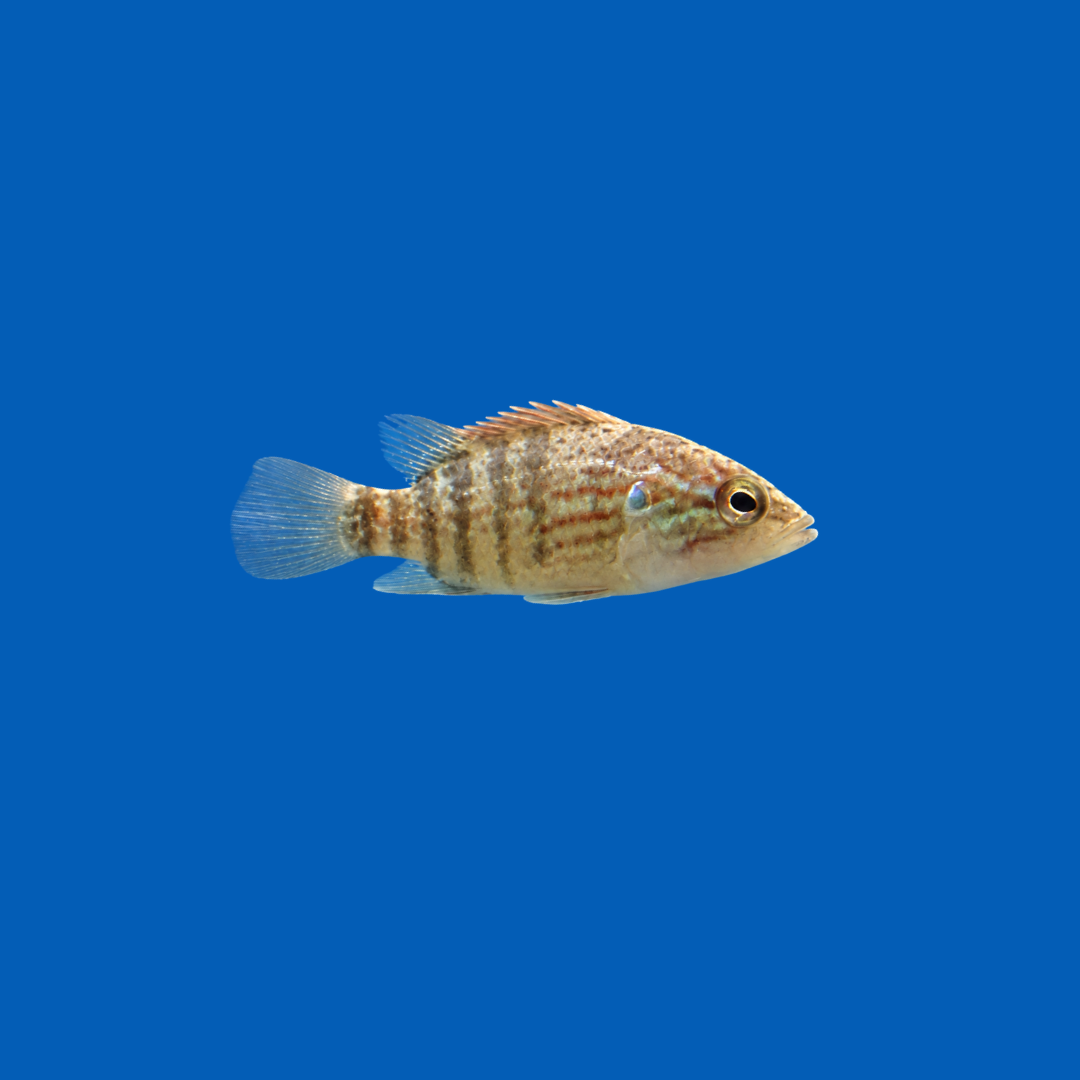
オヤニラミは、西日本と朝鮮半島南部の河川に自然分布する小型の純淡水魚です。鰓蓋の後ろにある大きな眼状紋、環境や状態に応じて変わる体色、獲物へ静かに忍び寄る姿が強い印象を残します。肉食性で縄張り意識も強いため、飼育は単独を基本とし、夏の高水温を避けて安定した環境を保つことが大切です。産み付けられた卵に雄が胸鰭で水を送り、外敵から守る行動も、本種ならではの見どころです。Coreoperca kawamebari is a small, strictly freshwater predatory fish native to rivers in western Japan and the southern Korean Peninsula. Its large eyespot behind the gill cover, changes in coloration with condition and surroundings, and deliberate approach toward prey give it a distinctive presence. Because the species is carnivorous and strongly territorial, solitary housing is the safest basic approach, together with stable conditions that avoid excessive summer heat. The male’s habit of fanning and defending the eggs is another characteristic behavior worth observing.
基本情報 / Basic Information
学名 / Scientific Name
Coreoperca kawamebari (Temminck & Schlegel, 1843)
通称 / Common Name
カワメバル、ヨツメ、ミズクリセイベイなどの地方名があります。Regional Japanese names include Kawamebaru, Yotsume, and Mizukuri-seibei.
分類 / Family
ケツギョ科(Sinipercidae)Family Sinipercidae
英名 / English Name
Japanese perch
分布 / Distribution
日本では保津川・由良川以西の本州、四国北部、九州北部に自然分布し、朝鮮半島南部にも分布します。国内では本来の分布域外に移入された個体群も確認されています。Native to Honshu west of the Hozu and Yura river systems, northern Shikoku, and northern Kyushu in Japan, as well as the southern Korean Peninsula. Introduced populations also occur outside its native Japanese range.
最大体長 / Max Size
成魚は全長約10cmで、最大全長は約13cmです。Adults are commonly about 10 cm in total length, with a reported maximum total length of approximately 13 cm.
寿命 / Lifespan
信頼できる資料では、野生下および飼育下の寿命を示す十分な情報が確認されていません。Reliable information establishing lifespan in the wild or in captivity is not currently available.
飼育環境 / Aquarium Environment
水槽サイズ / Tank Size
成魚1匹なら60cm規格水槽(約60L)を推奨します。繁殖を目的とする一時的な雌雄同居や複数飼育では、90cm規格水槽(約150L)以上でも仕切りや十分な退避場所が必要です。A standard 60 cm aquarium of about 60 L is recommended for one adult. Even in a standard 90 cm aquarium of about 150 L or larger, temporary pairing for breeding or keeping multiple fish requires partitions and ample retreats.
水温 / Temperature
15〜25℃を飼育の目安とし、急変と長時間の高水温を避けます。室温だけでこの範囲を保てない夏は、冷却ファンや水槽用クーラーを使用します。Use 15–25°C as a practical husbandry range, avoiding abrupt changes and prolonged high temperatures. If room temperature cannot maintain this range in summer, use an aquarium fan or chiller.
水質 / Water Quality
中性付近の安定した淡水が基本です。清浄で酸素を十分に含む水を保ち、流れは強くしすぎません。十分に立ち上がったろ過槽を使い、定期換水によって汚れの蓄積を抑えます。Stable freshwater near neutral is a suitable basis for maintenance. Keep the water clean and well oxygenated without creating an excessively strong current. Use a mature biological filter and regular water changes to prevent waste from accumulating.
レイアウト / Layout
流木、丸みのある石、植木鉢や管状の隠れ家、丈夫な活着性水草を組み合わせ、正面から見通せない区画を作ります。隠れ場所だけで水槽内を埋めず、遊泳空間も残します。繁殖を狙う場合は、ヨシの茎を模した棒や垂直に立てた管など、卵を付着させられる面を用意します。Combine driftwood, smooth stones, flowerpots or tube-shaped shelters, and hardy epiphytic plants to create visually separated areas. Do not fill the entire tank with cover; retain open swimming space. For breeding, add a vertical surface such as a rod resembling a reed stem or an upright tube on which eggs can be attached.
注意点 / Precautions
原則として単独飼育が安全です。野外採集は漁業調整規則、保護条例、土地や水面の管理規則を事前に確認し、入手は由来が明確な適法個体を選びます。飼育個体は在来分布域であっても絶対に放流しません。近縁のコウライオヤニラミは2026年9月1日から特定外来生物に指定され、許可のない飼育、保管、運搬、販売、譲渡、輸入、放出などが原則禁止されています。外見だけで不確かな個体は入手せず、専門機関に確認してください。Solitary housing is generally safest. Before collecting wild fish, check fishery regulations, local conservation ordinances, and site rules, and obtain only legally sourced specimens with clear provenance. Never release captive fish, even within the native range. The related Korean perch, Coreoperca herzi, has been designated a Specified Invasive Alien Species in Japan since September 1, 2026; unauthorized keeping, storage, transport, sale, transfer, import, and release are generally prohibited. Do not acquire uncertain fish based on appearance alone; seek identification from a qualified authority.
餌と給餌 / Feeding
餌の種類 / Diet
自然下では水生昆虫、甲殻類、小魚などを捕食します。飼育下では冷凍赤虫、小型の甲殻類、衛生管理された生き餌を使いながら、肉食魚用の沈下性または緩やかに沈む人工飼料へ少しずつ慣らします。単一の餌に偏らせず、複数の餌を組み合わせます。In nature it preys on aquatic insects, crustaceans, and small fish. In captivity, offer frozen bloodworms, small crustaceans, and hygienically cultured live foods while gradually training the fish to accept sinking or slow-sinking pellets formulated for carnivorous fish. Use a varied diet rather than relying on a single food.
給餌のポイント / Feeding Tips
導入直後は食べ慣れた餌で体調を整え、長いピンセットで餌を小刻みに動かして捕食反応を引き出します。慣れたら同じ動きで人工飼料を混ぜ、数週間かけて割合を増やします。成魚は1日1回、腹部がわずかにふくらむ量を目安にし、残餌はすぐに回収します。生き餌用の魚を常用すると病原体の持ち込みや栄養の偏りを招くことがあるため、入手経路と衛生状態を管理します。After introduction, restore condition with familiar foods and use long feeding tweezers to move the food gently and trigger a predatory response. Once the fish associates the tweezers with food, mix in pellets and increase their proportion over several weeks. Feed an adult once daily, only enough to produce a slight abdominal fullness, and remove leftovers promptly. Routine use of feeder fish can introduce pathogens or cause nutritional imbalance, so their source and hygiene must be controlled.
性格と混泳 / Temperament and Tank Mates
性格 / Temperament
物陰を拠点に獲物を待つ肉食魚で、雌雄とも一年を通して明瞭な縄張りを持ちます。特に繁殖期の雄は、産卵場所を中心に縄張りを強く守ります。警戒心を見せる一方で、近づいた魚へ攻撃することがあるため、落ち着いて見える個体でも混泳には注意が必要です。This carnivorous fish waits for prey from cover, and both sexes maintain distinct territories throughout the year. Breeding males defend the area around a spawning site especially strongly. Although the fish can appear wary, it may attack other fish that approach, so even a seemingly calm individual requires caution in a community aquarium.
混泳の相性 / Compatibility
基本的には混泳非推奨です。口に入る小魚やエビは捕食され、同種や同じ隠れ場所を使う魚とは縄張りが重なって争うおそれがあります。混泳を試す場合も、大型水槽に十分な隠れ場所を設け、必ず隔離用水槽または確実な仕切りを用意します。追尾、鰭の損傷、拒食などが見られたら、直ちに分けてください。Community housing is generally not recommended. Small fish and shrimp that fit in its mouth will be preyed upon, while conspecifics and other fish using the same shelters may fight because their territories overlap. If community housing is attempted, use a large tank with ample cover and keep a spare tank or secure divider ready. Separate the fish immediately if persistent chasing, fin damage, or refusal to feed occurs.
病気と対策 / Diseases and Prevention
かかりやすい病気 / Common Diseases
オヤニラミだけに多発すると確認された病気の資料は限られています。飼育下では、擦り傷などをきっかけに生じる水カビ病のほか、白点病や鰭・体表の細菌感染症に注意します。白い粒、綿状の付着物、充血、鰭の損傷、呼吸の乱れ、体を物にこすり付ける動作、拒食は、原因を確認すべき異常のサインです。Published information showing diseases that are especially prevalent in Coreoperca kawamebari is limited. In captivity, watch for water mold following abrasions, as well as white spot disease and bacterial infections of the fins or skin. White spots, cotton-like growth, redness, fin damage, abnormal breathing, rubbing against objects, and loss of appetite are signs that require investigation.
対策と予防 / Prevention
新しい魚や生き餌は別容器で観察し、急な水温変化、過密、残餌、水質悪化を避けます。症状が出た個体は隔離し、水質と水温を確認したうえで原因を絞ります。魚病薬や塩分への耐性は病原体、個体、ろ過生物、水草によって異なるため、自己判断で複数の薬を混ぜたり急激に加温したりせず、製品表示に従い、判断が難しい場合は魚病に詳しい獣医師や専門店へ相談します。Observe new fish and live foods separately before introduction, and avoid abrupt temperature changes, crowding, uneaten food, and deteriorating water quality. Isolate an affected fish and check water parameters and temperature before narrowing down the cause. Tolerance to medications and salt varies among pathogens, individual fish, filter organisms, and plants; do not mix treatments or raise temperature sharply without a diagnosis. Follow product directions and consult an aquatic veterinarian or experienced specialist when uncertain.
増やし方(繁殖) / Breeding
雌雄の判別 / Sexing
平常時の外見だけで確実に判別するのは困難です。繁殖期には成熟した雄の体色が青緑色から黒褐色に濃くなり、鰭の色彩も目立ちます。成熟した雌は産卵前に腹部が丸く張ります。行動と腹部の状態を合わせて判断し、単一の特徴だけに頼らないことが大切です。Reliable sexing by ordinary appearance alone is difficult. During the breeding season, a mature male usually develops a darker blue-green to blackish-brown body and more conspicuous fin coloration, while a gravid female develops a rounded abdomen. Assess behavior and body shape together rather than relying on a single feature.
繁殖形態 / Reproduction
繁殖期は4月下旬から9月に及び、盛期は5月です。ヨシなどの丈夫な茎や葉を産卵場所に選び、表面へ卵を産み付けます。産卵後は雄が縄張りに残り、胸鰭で卵へ水を送りながら外敵から守ります。孵化までの日数は水温によって変わり、水温20〜23℃ではおよそ7〜10日が目安です。The breeding season extends from late April to September and peaks in May. Eggs are deposited on firm stems or leaves, including those of reeds. After spawning, the male remains in the territory, fanning water over the eggs and defending them. Incubation varies with temperature and takes roughly 7–10 days at 20–23°C.
繁殖のポイント / Breeding Tips
十分に成熟した雌雄を別々に仕上げ、広い繁殖水槽に産卵面と複数の隠れ家を用意します。雌を入れた後は必ず観察し、激しい追撃が続く場合や産卵が終わった場合は雌を隔離します。卵を守る雄を驚かせないよう静かに管理し、仔魚が泳ぎ始める時期には親魚による捕食を避けるため別容器へ移します。初期飼料には孵化直後のブラインシュリンプ(アルテミア)幼生など、仔魚の口に合う動く餌を少量ずつ複数回与え、残餌と水質悪化に注意します。Condition mature males and females separately, then provide a spacious breeding tank with suitable spawning surfaces and several shelters. Closely observe the female after introduction and remove her if persistent attacks occur or after spawning is complete. Maintain the guarding male quietly. As larvae become free-swimming, transfer them to a separate rearing container to prevent predation by the parents. Offer newly hatched brine shrimp nauplii or similarly small moving foods in several small meals, while carefully controlling leftovers and water quality.
雑学と豆知識 / Trivia and Fun Facts
1. 四つの眼に見える理由 / 1. Why It Appears to Have Four Eyes
鰓蓋の後端には、本物の眼よりも目立つ縦長の眼状紋があります。見る角度によっては左右で四つの眼を持つ魚のように映るため、「ヨツメ」という地方名も生まれました。行動研究では、この眼状紋が同種間の争いで攻撃行動を引き出す重要な視覚刺激になり得ることが示されています。つまり、単なる飾りではなく、相手が反応する目印として働く可能性があるのです。一方、捕食者に対する効果については、この研究結果だけから断定できません。At the rear edge of each gill cover is a vertically elongated eyespot that may be more conspicuous than the true eye. From some angles the fish seems to have four eyes, inspiring the regional Japanese name Yotsume, meaning “four eyes.” Behavioral research indicates that the eyespot can act as an important visual stimulus that elicits aggression between members of the same species. In other words, it may function as a signal to which rivals respond rather than being merely decorative. Its effect on predators cannot be established from this finding alone.
2. 「カワメバル」から生まれた学名 / 2. A Scientific Name Rooted in Kawamebaru
本種は1843年、テミンクとシュレーゲルによってSerranus kawamebariとして記載され、のちにCoreoperca属へ移されました。原記載には「Kawa-mebari」という日本名が示されており、その呼び名が種小名kawamebariとして現在まで残っています。日本で呼ばれていた魚の名が、そのまま国際的な学名の一部になった例です。Temminck and Schlegel described the species in 1843 as Serranus kawamebari, and it was later transferred to Coreoperca. The original description records the Japanese name Kawa-mebari, which survives in the species name kawamebari. It is an example of a Japanese vernacular fish name becoming part of an internationally used scientific name.
3. 静けさを武器にする捕食者 / 3. A Predator That Uses Stillness
オヤニラミは獲物を見つけても、すぐには突進しません。流木や水草の陰から少しずつ距離を詰め、最後に素早く攻撃します。この一連の動きは、獲物へ近づく段階、静かに忍び寄る段階、攻撃する段階に分けて研究されています。忍び寄る間に獲物との相対的な動きを小さくすることには、攻撃前に気づかれる機会を減らす意味があると考えられます。餌を見つめたまま静止しているように見える時間も、捕食行動の一部なのです。Coreoperca kawamebari does not rush immediately after detecting prey. It closes the distance gradually from behind wood or vegetation and then attacks rapidly. Researchers describe this sequence in terms of approach, stalking, and attack phases. Keeping relative movement between predator and prey small during stalking may reduce the chance of being detected before the strike. A fish that appears motionless while watching food may therefore already be engaged in predatory behavior.
4. 卵を守る雄とムギツクの托卵 / 4. Guarding Males and the Brood Parasitism of Pungtungia herzi
繁殖期の雄は、胸鰭で卵へ水を送り、近づく相手を追い払います。ところが同じ水域に暮らすムギツクは、この守りを利用し、オヤニラミやドンコの産卵場所へ自分の卵を産み付けることがあります。オヤニラミの雄は、混ざったムギツクの卵も孵化まで守ります。ムギツクにとっては別種の子育てを利用できる一方、オヤニラミには他種の卵まで守る負担が生じます。ムギツクの卵を取り除く、あるいは巣を放棄するといった明確な対抗行動が確認されなかった研究もあり、異なる魚の繁殖が密接に結び付いた興味深い例です。During the breeding season, a male fans the eggs with his pectoral fins and drives away intruders. Yet the cyprinid Pungtungia herzi can exploit this defense by depositing its own eggs at the spawning sites of Coreoperca kawamebari or certain sleeper fishes. The male Coreoperca guards the mixed Pungtungia eggs until they hatch. The cyprinid benefits from the parental care of another species, while the host assumes the additional burden of guarding unrelated eggs. One study found no clear countermeasure such as removing the parasitic eggs or abandoning the nest, making this a striking example of the breeding strategies of different river fishes becoming closely intertwined.
5. 化石が語る東アジアの淡水魚史 / 5. Fossils and the Freshwater History of East Asia
オヤニラミの仲間には中新世までさかのぼる化石記録があり、長崎県壱岐島からは化石種Coreoperca maruoiが報告されています。現在の小さなオヤニラミを眺めるとき、その背後には、地形と河川が大きく変化してきた東アジアで淡水性のスズキ型魚類が生き継いだ長い時間があります。水槽の一尾が、数百万年前の淡水環境へ想像をつなぐ存在にもなるのです。Relatives of Coreoperca kawamebari have a fossil record extending back to the Miocene, and the fossil species Coreoperca maruoi has been reported from Iki Island in Nagasaki Prefecture. Behind the small living fish lies a long history of freshwater perch-like fishes persisting through major changes in East Asian landscapes and river systems. A single aquarium specimen can therefore open a window of imagination onto freshwater environments millions of years in the past.
6. 守るべき在来魚と、見分けるべき近縁種 / 6. A Native Fish to Protect and a Relative to Identify
オヤニラミは日本の在来魚ですが、河川改修などで生息環境を失った地域がある一方、人の放流によって本来いなかった水系へ定着した例もあります。在来種という言葉は、国内のどこへ移してもよいという意味ではありません。また、大型になる近縁種コウライオヤニラミは、2026年9月1日から特定外来生物として厳しく規制されています。両種は眼状紋を持ち、若魚では印象だけの識別が危険です。由来の明確な個体を選び、最後まで飼い切ることが、観賞と保全を両立させる出発点です。Coreoperca kawamebari is native to Japan, yet habitat alteration has reduced it in parts of its natural range, while human releases have established it in river systems where it did not originally occur. “Native species” does not mean that a fish may be moved anywhere within the country. Its larger relative, Coreoperca herzi, has been strictly regulated as a Specified Invasive Alien Species since September 1, 2026. Both species have an eyespot, and identifying juveniles by overall impression alone is risky. Choosing a legally sourced fish of documented identity and caring for it for life are the foundations of responsible appreciation and conservation.
まとめ / Conclusion
オヤニラミは、眼状紋のある精悍な姿、獲物へ忍び寄る静かな動き、季節と気分で変化する色彩、そして雄の献身的な卵保護を一つの小さな体に備えた魚です。落ち着いた単独水槽でじっくり向き合うと、派手に泳ぎ回る魚とは異なる、観察するほど深まる魅力を見せてくれます。Coreoperca kawamebari brings together a striking eyespot, a quiet predatory approach, colors that shift with season and mood, and devoted paternal egg care in one small fish. In a calm aquarium of its own, it reveals a kind of fascination that grows through close observation rather than constant display.
適切な水温、清浄な水、落ち着ける隠れ場所を整え、人工飼料への移行を急がず、入手した一尾を最後まで飼い切ることが大切です。飼育個体を野外へ放さず、由来の明確な個体を選ぶ姿勢は、オヤニラミの魅力を長く楽しむことと、地域ごとの自然の個体群を守ることの両方につながります。Suitable temperature, clean water, secure cover, and a patient transition to prepared food are essential, as is a lifelong commitment to every acquired fish. Never releasing captive fish and choosing specimens of documented origin allow aquarists to enjoy the species responsibly while helping protect the distinct wild populations of each region.
Froese, R. & Pauly, D. (eds.). FishBase: Coreoperca kawamebari.(分類、分布、水温情報、生息環境、食性、産卵、雄による卵と仔魚の保護)
資料を開く
Kohda, Y. & Watanabe, M. (1991). “Why is the Eye-like Spot of the Oyanirami Fish Coreoperca kawamebari Located near the Real Eye?” Ethology, 87(1–2), 119–122.(眼状紋と同種間の攻撃行動)
論文を開く
Baba, R. & Karino, K. (1998). “Countertactics of the Japanese aucha perch Siniperca kawamebari against brood parasitism by the Japanese minnow Pungtungia herzi.” Journal of Ethology, 16, 67–72.(ムギツクによる托卵、雄による托卵卵の保護、托卵への対抗行動)
論文を開く
Yabumoto, Y. & Uyeno, T. (2009). “Coreoperca maruoi, a new species of freshwater percoid fish from the Miocene of Iki Island, Nagasaki, Japan.” Bulletin of the Kitakyushu Museum of Natural History and Human History, Series A, 7, 103–112.(壱岐島産の中新世化石種)
論文を開く
MSD Veterinary Manual, “Disorders and Diseases of Fish.”(観賞魚の疾病、ストレス、水質悪化、過密、新規導入魚の隔離、感染予防)
資料を開く






コメント