
解説 / Description
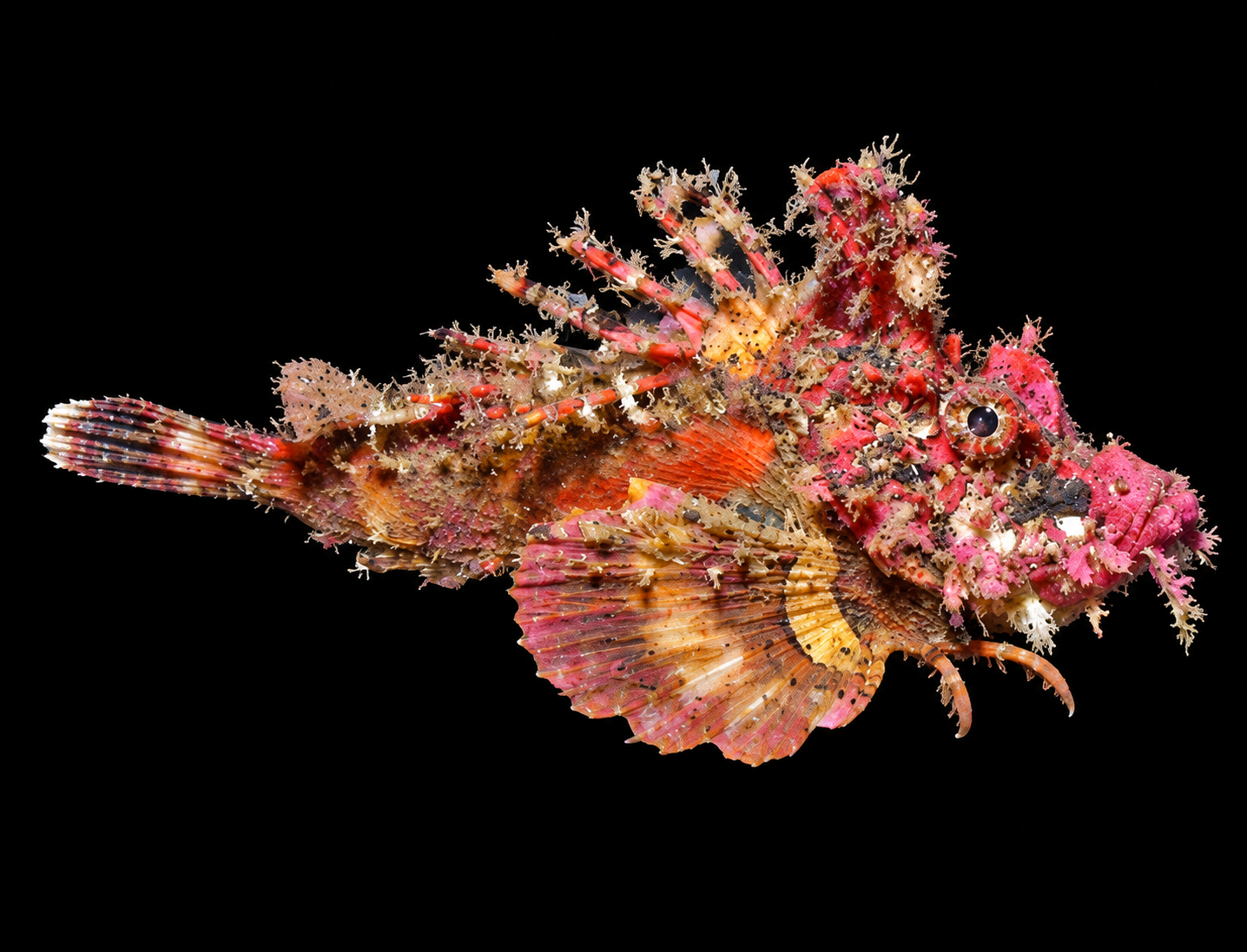
ヒメオニオコゼは、砂や小石に紛れる凹凸のある姿と、海底を歩くような動きが特徴の海水魚です。砂に体の一部を埋め、上方を向いた目で周囲をうかがいながら、小魚やエビが近づくのを待ちます。胸びれの下部には左右それぞれ2本の独立した軟条があり、これを脚のように使ってゆっくりと移動します。灰褐色や赤みを帯びた体色には個体差があり、胸びれを広げたときに見える模様も魅力です。ただし、背びれには強い毒をもつ棘があり、餌付けにも工夫が必要です。海水魚の飼育経験があり、接触事故を防ぐ設備と作業手順を整えられる飼育者に向いています。 The bearded ghoul is a marine fish distinguished by its rough, camouflaged appearance and its ability to walk across the seabed. It rests partly buried, watching its surroundings with upward-facing eyes while waiting for small fish or shrimp to approach. Two separate rays beneath each pectoral fin act like legs during slow movements. Individuals vary from grayish brown to reddish tones, and the spread pectoral fins reveal contrasting patterns. Its dorsal spines are highly venomous, however, and feeding can require patience. This species is best suited to experienced marine aquarists who can provide secure facilities and maintenance procedures that prevent accidental contact.
基本情報 / Basic Information
| 学名 / Scientific Name | Inimicus didactylus (Pallas, 1769) |
|---|---|
| 通称 / Common Name | ヒメオニオコゼ。シーゴブリンなどの流通名で扱われることもありますが、これらの名前は近縁種にも使われます。Bearded ghoul; also traded as sea goblin. Trade names may also refer to related species. |
| 分類 / Family | 条鰭綱・オニオコゼ科(Synanceiidae)・オニオコゼ属(Inimicus)。分類体系によっては、オニオコゼ科をフサカサゴ科に含める扱いもあります。Class Actinopterygii; family Synanceiidae; genus Inimicus. Some classification systems include Synanceiidae within Scorpaenidae. |
| 英名 / English Name | Bearded ghoul, Longsnout stingerfish, Sea goblin, Demon stinger |
| 分布 / Distribution | 東インド洋から西太平洋の熱帯域。日本の琉球列島、東南アジア、オーストラリア北部周辺などに分布します。沿岸の砂泥底やサンゴ礁周辺の砂地で暮らします。Tropical eastern Indian Ocean and western Pacific, including Japan’s Ryukyu Islands, Southeast Asia, and northern Australian waters. It inhabits coastal sand and mud bottoms and sandy areas around reefs. |
| 最大体長 / Max Size | 最大で全長約25cm。販売時の大きさではなく、成魚の大きさを基準に飼育設備を選びます。Up to approximately 25 cm in total length. Plan the aquarium around adult size rather than the size of a newly purchased fish. |
| 寿命 / Lifespan | 飼育下での一般的な寿命を示せるだけの情報はありません。一定の年数で飼育が終わると考えず、長期にわたって世話と安全管理を続けられる体制を整えます。Reliable information is insufficient to establish a typical captive lifespan. Prepare for long-term care and safety management rather than assuming a fixed period of ownership. |
飼育環境 / Aquarium Environment
| 水槽サイズ / Tank Size | 成魚1匹を飼育する設備の例として、120cmワイド水槽(幅120×奥行60×高さ60cm、寸法から計算した容積約432L)が挙げられます。このサイズは本種の飼育に必要な最低水量として確立されたものではなく、広い砂地と作業の余裕を確保するための目安です。実際に入る水量は水位や砂、岩の量によって少なくなります。水量だけでなく底面積を重視し、混泳する場合は相手の成魚サイズに応じてさらに余裕を持たせます。A 120 × 60 × 60 cm aquarium, with a calculated geometric volume of about 432 L, is one practical setup example for a single adult. This is not an established minimum water requirement; it is a planning guideline intended to provide an open sand bed and room for maintenance. Actual water volume is lower because of water level, substrate, and rocks. Prioritize floor space as well as volume, and allow additional room appropriate to the adult sizes of any tank mates. |
|---|---|
| 水温 / Temperature | 飼育時は23〜27℃程度を管理の目安とし、急な変化を避けます。この範囲は生存できる限界を示すものではありません。夏の高水温と酸素不足に注意し、ヒーターは魚が直接触れないようにカバーを付けるか、隔離されたろ過槽に設置します。Use approximately 23–27°C as a practical maintenance range and avoid abrupt changes. This is not a statement of the species’ survival limits. Prevent summer overheating and oxygen depletion, and guard heaters or place them in a separate filtration compartment to prevent direct contact. |
| 水質 / Water Quality | 通常の海水魚飼育に用いる海水で管理し、塩分33〜35‰程度、pH8.0〜8.4を目安に安定させます。比重は25℃付近でおおむね1.025〜1.026に相当しますが、測定器の基準温度や校正方法を確認してください。アンモニアと亜硝酸が検出されない、十分に立ち上がった水槽に導入します。生物ろ過と適切な能力のプロテインスキマーを用い、残餌の回収と定期的な換水で汚れの蓄積を防ぎます。Maintain stable, normal marine aquarium conditions, using approximately 33–35 ppt salinity and pH 8.0–8.4 as practical targets. This corresponds to roughly 1.025–1.026 specific gravity near 25°C, but check the instrument’s reference temperature and calibration instructions. Introduce the fish only into an established aquarium with undetectable ammonia and nitrite. Use biological filtration and an appropriately sized protein skimmer, remove uneaten food, and perform regular water changes. |
| レイアウト / Layout | 角のない細かな海水水槽用の砂を敷き、体を埋めて休める広い場所を設けます。砂の深さは5cm前後を設置時の目安とし、個体の大きさや潜り方に合わせて調整します。厚く敷く場合も、汚れがたまらないよう管理が必要です。岩組みは砂を掘られても崩れないように固定し、日陰と開けた砂地を確保します。照明には明暗の周期を設け、隠れ場所まで強く照らさないようにします。水流は酸素供給を保ちつつ、砂を巻き上げたり、魚に強く当たり続けたりしない向きに調整します。Provide fine, smooth marine aquarium sand and a broad area where the fish can rest partly buried. Around 5 cm is a starting depth, adjusted to the individual’s size and burying behavior. Deeper beds also require careful waste management. Secure rocks so that digging cannot destabilize them, and provide both shade and open sand. Maintain a regular light–dark cycle without brightly illuminating every shelter. Water movement should support oxygenation without stirring up the sand or continuously blasting the fish. |
| 注意点 / Precautions | 背びれの毒棘による刺傷を防ぐことが最優先です。作業前に魚の位置を目視で確かめ、見つからないときは砂へ手や道具を差し込まず、作業を中断します。長柄の道具を使い、手を魚に近づけない手順を徹底してください。ゴム手袋や防刃手袋でも棘の貫通を防げるとは限りません。移動は経験者が丈夫な硬質容器へ誘導して行い、網への絡まりや薄い袋の貫通を避けます。死後も棘には触れないでください。家族にも危険性を伝え、子どもやペットが水槽内に触れないようにします。 万一刺された場合は、直ちに医療機関へ連絡し、速やかに受診してください。息苦しさ、意識の異常などの全身症状があれば119番へ連絡します。傷を切る、吸う、強く絞る、埋まった棘を無理に抜く行為は避けてください。痛みを和らげる応急処置として、患部をやけどしない温度の湯に20分程度浸す方法があります。湯は温度計で確認して45℃を超えないようにし、温度だけで安全と判断せず、皮膚の状態にも注意します。温浴の準備で受診を遅らせず、痛みが軽くなっても受診してください。Preventing injury from the venomous dorsal spines is the highest priority. Locate the fish visually before maintenance. If it cannot be found, stop rather than probing the sand with hands or tools. Use long-handled equipment and procedures that keep hands away from the fish. Rubber or cut-resistant gloves may not prevent spine penetration. Transfers should be performed by an experienced keeper using a sturdy rigid container, avoiding entanglement in nets and punctured thin bags. Do not touch the spines even after the fish has died. Inform household members and prevent children and pets from reaching into the aquarium. If a sting occurs, contact a medical service immediately and obtain prompt assessment. Call 119 in Japan for breathing difficulty, altered consciousness, or other systemic symptoms. Do not cut, suck, or forcefully squeeze the wound, or attempt to extract a deeply embedded spine. Immersing the affected area in non-scalding hot water for about 20 minutes may help relieve pain as first aid. Check the water with a thermometer, do not exceed 45°C, and monitor the skin rather than assuming that temperature alone guarantees safety. Do not delay medical care to prepare immersion, and seek assessment even if the pain improves. |
餌と給餌 / Feeding
| 餌の種類 / Diet | 小魚や甲殻類を食べる肉食魚です。導入時には、口に合う大きさの生きた海産エビなどが必要になる場合があります。水槽に慣れたら、解凍した海産魚やエビなどへの餌付けを試します。特定の魚やエビだけに偏らず、複数の餌を組み合わせてください。乾燥した人工飼料を食べるとは限らないため、購入前にその個体が実際に食べている餌を確認しておくと、その後の給餌を計画しやすくなります。A carnivore that eats small fish and crustaceans. Newly introduced individuals may require suitably sized live marine shrimp or similar prey. Once settled, they can be offered thawed marine fish and shrimp. Provide a varied diet rather than relying exclusively on one prey species. Acceptance of dry prepared foods is uncertain, so confirm what the individual is eating before purchase to plan its feeding needs. |
|---|---|
| 給餌のポイント / Feeding Tips | 薄暗い時間帯に、先端が鋭くない長い給餌器具で餌を口元の少し前に示します。器具を噛ませないようにし、魚を追い回したり、餌を口へ押し込んだりしないでください。成魚では週2〜3回をひとつの目安とし、餌の大きさ、体型、腹部の張り、食欲に応じて量と間隔を調整します。小さな個体には少量をよりこまめに与えます。食べ残しは回収し、混泳相手に奪われず、本種が食べたことを確認してください。活餌の入手元や健康状態にも注意し、食べない状態が続く場合は、餌の種類と飼育環境を早めに見直します。Offer food in subdued light using a long feeding tool with a blunt tip, positioning it just in front of the mouth. Avoid letting the fish bite the tool, chasing it, or forcing food into its mouth. For adults, two or three meals per week can serve as a starting guideline, adjusted to food size, body condition, abdominal fullness, and appetite. Smaller fish need smaller, more frequent meals. Remove leftovers and confirm that the fish, rather than its tank mates, has eaten. Choose live food from reliable sources and monitor its health. Review the diet and aquarium conditions promptly if feeding refusal persists. |
性格と混泳 / Temperament and Tank Mates
| 性格 / Temperament | じっと待つ時間が長い、待ち伏せ型の捕食者です。活発に他魚を追い回すことは少ないものの、近づいた相手が口に入る大きさなら捕食します。動きがおとなしいことと、小さな生き物と安全に暮らせることは別です。休息時にあまり動かないのは自然な行動なので、健康状態は呼吸、体型、食欲も合わせて判断します。A sedentary ambush predator that spends long periods waiting. It rarely chases other fish actively, but will swallow suitable prey that comes within reach. A quiet manner does not make it safe for small tank mates. Limited movement while resting is normal, so assess health using respiration, body condition, and appetite as well. |
|---|---|
| 混泳の相性 / Compatibility | 単独飼育が管理しやすい選択です。小型魚、細身の魚、観賞用エビは捕食されるおそれがあるため避けます。混泳を検討する場合は、口に入らない十分な大きさと体高があり、本種をつつかず、給餌を妨げない相手を慎重に選びます。フグ類やモンガラカワハギ類など、皮膚やひれをかじるおそれのある魚は避けるのが無難です。同種同士でも安全とは限らず、大きさの差による捕食や餌の競合に注意が必要です。Keeping it alone is the simplest management option. Avoid small or slender fish and ornamental shrimp because they may be eaten. Potential companions must be too large and deep-bodied to swallow, must not nip the fish, and must not prevent it from feeding. Puffers, triggerfishes, and other fish likely to bite skin or fins are best avoided. Conspecific groups are not automatically safe: size differences and feeding competition can create problems. |
病気と対策 / Diseases and Prevention
| かかりやすい病気 / Common Diseases | 本種で特に多い病気を示す十分な情報はありませんが、海水魚の白点病などの寄生虫感染、擦り傷からの細菌感染、餌付け不良による衰弱に注意します。体表の凹凸や皮弁は本来の特徴です。新しく生じた白点、ただれ、発赤、目の濁り、呼吸の速まり、腹部のやせなど、普段との違いを観察してください。There is insufficient information to identify diseases that are especially frequent in this species. Potential concerns include marine white spot and other parasitic infections, bacterial infection following abrasions, and wasting caused by poor feeding. A rough surface and skin flaps are normal features. Watch for changes such as new white spots, ulcers, redness, cloudy eyes, rapid breathing, or a sunken abdomen. |
|---|---|
| 対策と予防 / Prevention | 導入前の隔離観察、安定した水温と塩分、十分な酸素供給、確実な給餌を基本にします。鋭い底砂や不安定な岩組みを避け、皮膚を傷つけない環境を整えてください。異常が見られたら、まずアンモニア、亜硝酸、水温、塩分を確認し、必要に応じて魚類を診療できる獣医師へ相談します。薬剤は診断と製品の使用条件に従って用い、自己判断で濃度を上げたり、複数の薬を混ぜたりしないでください。隔離や治療の際も、毒棘に触れない手順を守ります。Base prevention on quarantine observation, stable temperature and salinity, adequate oxygenation, and reliable feeding. Avoid sharp substrate and unstable rockwork. If problems arise, check ammonia, nitrite, temperature, and salinity first, and consult a veterinarian experienced with fish when needed. Use medications according to diagnosis and product instructions; do not arbitrarily increase concentrations or mix treatments. Follow procedures that prevent spine contact during isolation and treatment. |
増やし方(繁殖) / Breeding
| 雌雄の判別 / Sexing | 一般の飼育者が外見だけで雌雄を確実に判別できる方法は、十分に分かっていません。体色や胸びれの模様だけで性別を判断することは避けます。A reliable external sexing method suitable for routine aquarium use is not well established. Coloration or pectoral-fin patterns alone should not be used to assign sex. |
|---|---|
| 繁殖形態 / Reproduction | 卵生です。ただし、本種の産卵条件や卵の特徴、ふ化後の仔魚の育て方について、家庭水槽での繁殖に役立つ情報は限られています。近縁のオニオコゼで知られる繁殖方法を、そのまま本種に当てはめることはできません。An egg-laying species. Practical information on spawning conditions, egg characteristics, and larval care remains limited for home aquariums. Breeding methods used for the related devil stinger cannot automatically be applied to this species. |
| 繁殖のポイント / Breeding Tips | 家庭水槽で再現できる確立した繁殖手順はありません。まずは長期飼育と良好な栄養状態の維持を優先します。繁殖を目的に複数を飼う場合も、雌雄が分からないまま狭い水槽に同居させることは避け、個体同士の干渉を減らせる広さと、安全に隔離できる設備が必要です。胸びれを広げる行動には防御的な役割もあるため、その行動だけで求愛や産卵の前兆とは判断できません。No established, repeatable home-aquarium breeding procedure is available. Prioritize long-term maintenance and good nutrition. A breeding attempt should not involve confining several unsexed fish together; adequate space and facilities for safe separation are essential. Pectoral-fin spreading also serves a defensive role, so that behavior alone does not establish courtship or imminent spawning. |
雑学と豆知識 / Trivia and Fun Facts
| 1. 「2本の指」が語る暮らし / 1. A Life Written in Two Fingers | 種小名の「didactylus」は「2本の指」を意味し、胸びれの下部にある独立した軟条を表しています。軟条とは、ひれを支える筋状の構造です。左右それぞれの2本は、別に生えた脚ではなく、胸びれの一部が膜から離れたものなのです。ヒメオニオコゼはこの軟条で体を支え、底を押すように移動します。魚のひれというと泳ぐためのものを思い浮かべますが、この魚を見ていると、海底で体を支え、歩くためにも役立っていることが分かります。The species name didactylus means “two-fingered,” referring to the separate rays beneath each pectoral fin. Fin rays are the slender structures that support a fin. These two rays on each side are not additional limbs; they are parts of the pectoral fin that are free of the connecting membrane. The fish uses them to support itself and move along the bottom. Although fins are usually associated with swimming, this species shows how they can also support the body and enable walking on the seabed. |
|---|---|
| 2. 動かないことにも意味がある / 2. The Purpose of Stillness | 砂に潜ったヒメオニオコゼは、一見すると何もしていないように見えます。しかし、頭部の上方に突き出した目は、体を隠したまま周囲を見渡すのに適した位置にあります。大きな口も上向きで、上を通る獲物を捕らえる暮らしに合った形です。凹凸のある輪郭と周囲になじむ体色も、姿を気づかれにくくする助けになります。水槽では、どこに落ち着き、どちらを向いて待っているかに目を向けると、動きの少ない時間にもこの魚らしい暮らしが見えてきます。A partly buried bearded ghoul may appear to be doing nothing. Its raised eyes, however, are positioned to watch its surroundings while the body remains concealed. Its large, upward-facing mouth is suited to capturing prey passing above. An irregular outline and background-matching coloration also help it remain unnoticed. In an aquarium, observing where it settles and which direction it faces reveals aspects of its lifestyle even during long periods of stillness. |
| 3. 隠れる体と、見せる胸びれ / 3. A Hidden Body and Revealing Fins | 周囲に紛れる体色に対して、広げた胸びれには目を引く明暗の模様が現れます。外敵などに驚かされた際にひれを広げる動きには、相手をひるませる働きがあると考えられています。普段は見つかりにくくし、見つかったときには目立つ模様を見せるという、場面に応じた防御です。ただし、模様を見ようとして何度も刺激することは避けてください。移動や姿勢の変化の中で自然にひれが開く瞬間を待てば、落ち着いた姿とともにその模様を楽しめます。The camouflaged body contrasts with the striking light and dark markings revealed when the pectoral fins spread. Spreading the fins when disturbed is thought to help startle potential predators. Remaining inconspicuous and displaying conspicuous markings after discovery provide defenses in different situations. Avoid repeatedly provoking the fish to see its markings. Natural movements and changes of posture provide opportunities to observe the fins while allowing the fish to remain settled. |
| 4. 学名に残る分類の歩み / 4. Taxonomic History Preserved in a Name | ヒメオニオコゼは1769年にパラスによって記載され、当初は「Scorpaena didactyla」という学名が与えられていました。その後、オニオコゼ属へ移され、現在の「Inimicus didactylus」として扱われています。学名の後ろにある著者名と年が括弧で囲まれているのは、最初に記載されたときとは属が変わったことを示します。属名の「Inimicus」はラテン語で「敵」を意味します。強い印象を与える名前ですが、その魚が普段見せるのは、砂に身を隠して獲物を静かに待つ姿です。名前の意味と実際の暮らしを見比べるのも、この魚を知る楽しみのひとつです。Pallas described the species in 1769 as Scorpaena didactyla. It was later transferred to Inimicus, producing the current name Inimicus didactylus. Parentheses around the author and date indicate that the species is no longer placed in its original genus. Inimicus is Latin for “enemy.” Despite that striking name, the fish commonly presents a quiet scene: concealed in sand and waiting for prey. Comparing the meaning of its name with its everyday behavior offers another way to appreciate the species. |
| 5. 通称だけでは分からない近縁種 / 5. Similar Relatives Behind Shared Trade Names | 「シーゴブリン」や「デーモンスティンガー」といった名前は、オニオコゼ属の複数の魚に使われることがあります。同じヒメオニオコゼでも体色には幅があるため、赤いか茶色いかだけでは種を判断できません。胸びれの内側の模様は見分ける手掛かりになりますが、産地やほかの形態も合わせて確認することが大切です。日本で食用として知られるオニオコゼも同じ属の仲間ですが、別の種です。購入時に学名や入荷情報を確かめることは、迎える魚を正しく知り、その魚に合った飼育を考える第一歩になります。Names such as sea goblin and demon stinger may be applied to several Inimicus species. Body color also varies within the bearded ghoul, so reddish or brown coloration alone cannot establish identity. Inner pectoral-fin patterns offer useful clues, but locality and other anatomical features must also be considered. The devil stinger familiar as a food fish in Japan belongs to the same genus but is a different species. Checking the scientific name and shipment information helps identify the fish and plan appropriate care. |
まとめ / Conclusion
ヒメオニオコゼの魅力は、砂に溶け込む姿や、胸びれの軟条を使って一歩ずつ進む独特の動きにあります。広い砂地、安定した海水環境、確実に食べられる餌を整えることが、その静かな暮らしを支えます。 The bearded ghoul’s appeal lies in its ability to blend into sand and advance slowly on specialized fin rays. An open sand bed, stable marine conditions, and reliably accepted food support its quiet way of life.
長く付き合うには、毒棘に触れない作業手順を守り、混泳相手の大きさや性質にも気を配ることが欠かせません。無理に動かそうとせず、落ち着いた環境で見守ることで、砂の上にたたずむ姿にも、わずかな動きにも、この魚ならではの存在感を感じられます。 Long-term care requires maintenance procedures that prevent contact with the venomous spines, along with careful consideration of any tank mates’ size and behavior. Allowing the fish to remain undisturbed in a settled environment reveals its distinctive presence, both when it rests on the sand and when it makes its smallest movements.
気になる道具や飼い方を見つけてみませんか?
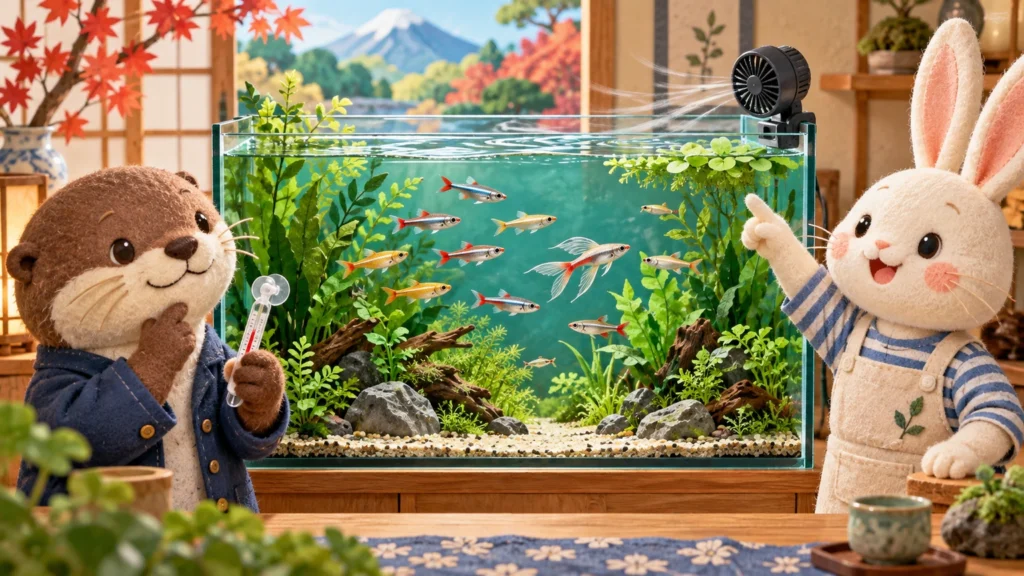 アイのアクアグッズ案内アカヒレの仲間に合わせる飼育用品|無加温・混泳・繁殖の水槽とろ過道具の特徴や使い方、選ぶときのポイントをアイが紹介します。記事はコチラ →
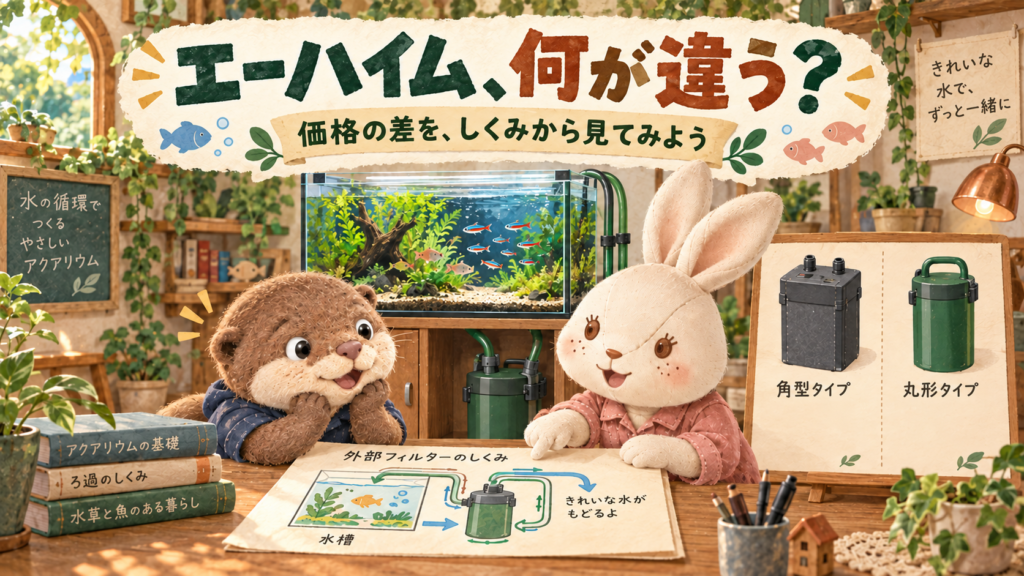 アイのアクアグッズ案内エーハイム、安いのと高いのは何が違う? コタロウと見比べる外部フィルター道具の特徴や使い方、選ぶときのポイントをアイが紹介します。記事はコチラ →
さまざまな飼育テーマをご紹介。リンク先の記事には広告・商品紹介が含まれます。
案内・紹介記事一覧へ →分布マップ
ヒメオニオコゼ(Inimicus didactylus)は、東インド洋から西太平洋の熱帯域に分布します。日本の琉球列島、東南アジア、オーストラリア北部周辺などの沿岸の砂泥底や、サンゴ礁周辺の砂地で暮らします。
地図は分布地域を見渡すための概略表示であり、表示範囲全体に生息することや、正確な分布境界を示すものではありません。マーカーは地理的な目安として設定した代表地点(北緯5°・東経125°)で、実際の採集地点や生息確認地点ではありません。Google Earthのリンクも同じ代表地点を示します。
参考文献
-
Bray, D. J.(2018).
Inimicus didactylus — Longsnout Stingerfish.
Fishes of Australia(Museums Victoria/OzFishNet)。
分類、分布、生息環境、最大全長、胸びれによる移動、食性、毒棘、記載時の学名。 -
FishBase.
Inimicus didactylus (Pallas, 1769) — Bearded ghoul.
学名、琉球列島を含む分布域、体長、生息環境、食性。 -
Wu, T.
Inimicus didactylus — Bearded ghoul.
Animal Diversity Web(University of Michigan)。
形態、胸びれの色彩と雌雄差、繁殖生態および寿命に関する情報の限られた状況。 -
Petty, B. D., Francis-Floyd, R. & Yanong, R. P. E.
Management of Aquarium Fish.
Merck Veterinary Manual.
観賞魚全般の水質管理、導入時の隔離、健康観察、診断に基づく治療と薬剤使用。 -
Merck Veterinary Manual.
Nutritional Diseases of Fish.
魚類全般の栄養管理、偏った餌による栄養上の問題、肉食魚の食性に応じた給餌。 -
Merck Veterinary Manual.
Parasitic Diseases of Fish.
海水魚の白点病を含む寄生虫感染、症状と診断の基本。 -
Australian and New Zealand Committee on Resuscitation(ANZCOR).
Guideline 9.4.5 — First Aid Management of Marine Envenomation.
有毒魚の棘による刺傷への応急処置、温浴による疼痛緩和、医療機関への受診。
閲覧日:2026年10月14日
コメント