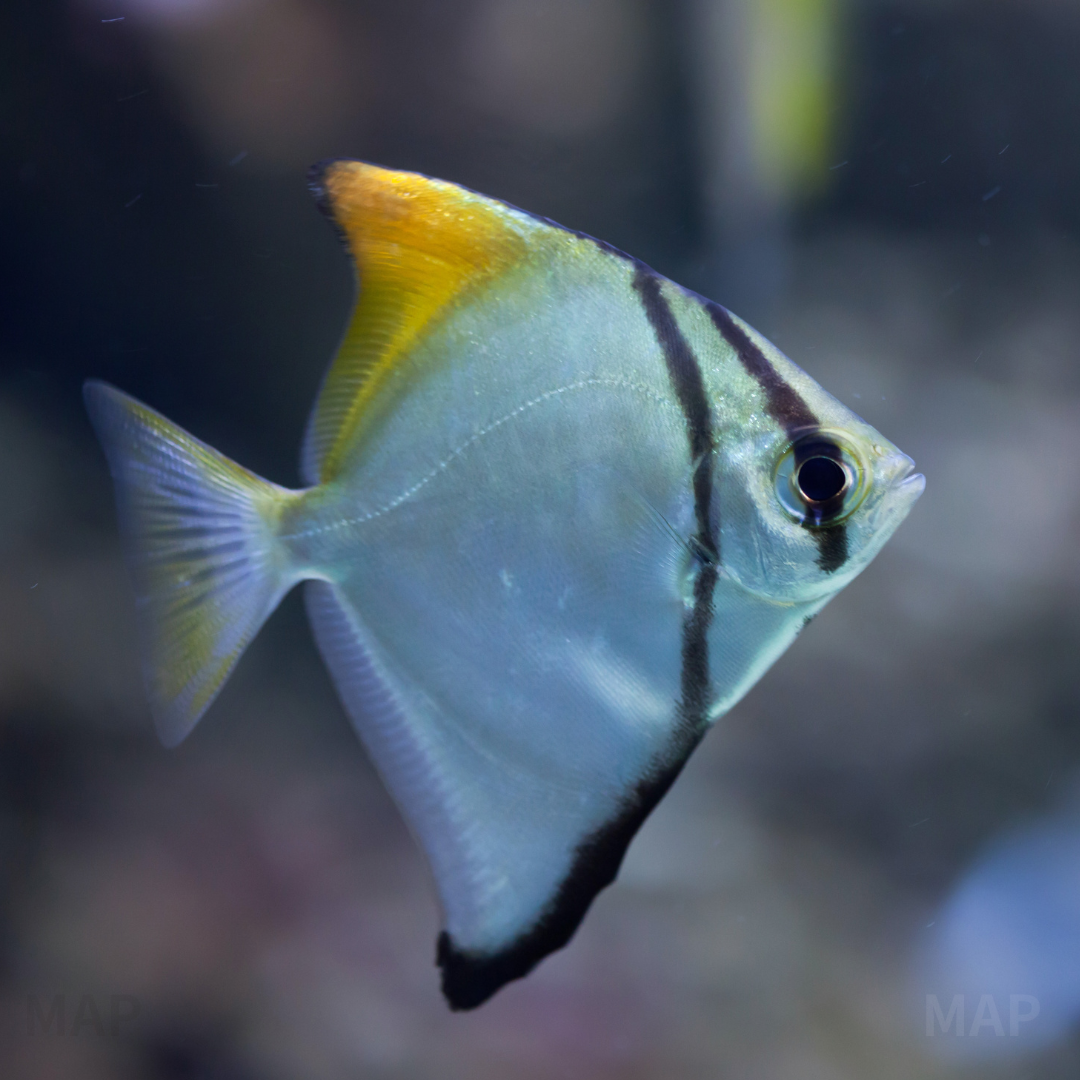
ヒメツバメウオは、左右に極端に平たい「ひし形」の体型と、美しい銀色の光沢が特徴的な熱帯魚です。日本国内では「モノダク」という愛称で親しまれ、主に南西諸島の沿岸部からインド太平洋の広い地域に分布しています。幼魚の時期は背鰭の黄色と頭部を貫く黒いバンドが鮮やかで、マングローブの根の間などをちょこまかと泳ぐ姿が非常に愛らしい魚です。成長するにつれてこの模様は消え、全身が鏡のような銀色に包まれていきます。淡水、汽水、海水のどこでも適応できる驚異的な「広塩性」を持っており、その生理学的なタフさと優雅な群泳は、多くのアクアリストを魅了し続けています。The Silver Moony (Monodactylus argenteus) is characterized by its extremely compressed diamond-shaped body and brilliant silver luster. Commonly known in Japan as Monodaku, it is widely distributed across the Indo-Pacific, including the coastal waters of the Nansei Islands. Juveniles display vivid yellow dorsal fins and two distinct black vertical bands, which fade as they mature into stunning, mirror-like silver adults. Their incredible euryhaline ability to adapt to fresh, brackish, and marine water, combined with their graceful schooling behavior, makes them a perennial favorite in the aquarium hobby.
紅海、東アフリカ沿岸から、サモア、オーストラリア、日本(南西諸島)までRed Sea and East Africa to Samoa, Australia, and Southern Japan (Nansei Islands)
最大体長 / Max Size
約27cm(飼育下では20cm前後が多い)Up to 27cm (typically around 20cm in captivity)
寿命 / Lifespan
約7年から10年Approximately 7 to 10 years
飼育環境 / Aquarium Environment
水槽サイズ / Tank Size
幼魚期は60cm規格水槽でも可能ですが、成魚では120cmワイド水槽(約284リットル以上)が推奨されます。While 60cm tanks suffice for juveniles, adults require at least a 120cm wide tank (approx. 284 liters).
水温 / Temperature
24℃から28℃(安定した温度管理が必要です)24°C to 28°C (stable temperature management is required)
水質 / Water Quality
pH 7.5から8.5(弱アルカリ性)、中硬水から硬水。pH 7.5 to 8.5 (slightly alkaline), medium-hard to hard water.
レイアウト / Layout
遊泳スペースを広く確保し、強い水流を作ることが重要です。幼魚期は流木や岩で隠れ家を作ります。Ensure ample swimming space and provide strong water currents. Use driftwood or rocks for cover during the juvenile stage.
注意点 / Precautions
成長に合わせて塩分比重を上げていく必要があります。完全な淡水での長期飼育は免疫低下を招くため推奨されません。The salinity must be increased as the fish grows. Long-term freshwater housing is not recommended as it weakens their immune system.
餌と給餌 / Feeding
餌の種類 / Diet
雑食性です。人工飼料(顆粒・フレーク)、ブラインシュリンプ、赤虫、茹でたほうれん草などの植物性フード。Omnivorous. They accept flakes, pellets, brine shrimp, bloodworms, and vegetable matter like boiled spinach.
給餌のポイント / Feeding Tips
代謝が激しいため、少量を1日2回から3回に分けて与えます。中層から上層で食べるのを好みます。High metabolism requires small feedings 2-3 times daily. They prefer feeding in the middle to upper water layers.
性格と混泳 / Temperament and Tank Mates
性格 / Temperament
活発で群れを作ることを好みます。少数だと同種間で小競り合いをすることがあります。Active and social schoolers. Small numbers may lead to intra-species squabbles.
混泳の相性 / Compatibility
5匹から10匹程度の群れでの飼育が理想です。他種とは、同程度のサイズの汽水魚や海水魚と混泳可能です。Best kept in groups of 5-10. Compatible with similar-sized brackish or marine fish.
病気と対策 / Diseases and Prevention
かかりやすい病気 / Common Diseases
白点病、ウーディニウム症、浸透圧調整不全による内臓疾患。Ich (White Spot), Velvet Disease (Oodinium), and organ failure due to osmotic stress.
対策と予防 / Prevention
適切な塩分濃度の維持と、強力なろ過による水質安定が不可欠です。導入時の水合わせは慎重に行います。Maintaining correct salinity and stable water quality via strong filtration is vital. Acclimatize carefully when introducing.
増やし方(繁殖) / Breeding
雌雄の判別 / Sexing
外見からの判別は不可能であり、性的二型は認められません。External sexing is impossible; no sexual dimorphism is present.
繁殖形態 / Reproduction
海域でのばら撒き型産卵。家庭の水槽での自然繁殖は極めて困難です。Pelagic egg scattering in marine environments. Spontaneous breeding in home aquariums is extremely rare.
繁殖のポイント / Breeding Tips
近年、ホルモン投与を用いた人工繁殖に成功した例があり、養殖個体の流通が期待されています。Recent breakthroughs using hormone injections have enabled commercial breeding, offering hope for captive-bred supply.
雑学と豆知識 / Trivia and Fun Facts
1. 名前の中に隠された「一本の指」の謎1. The Mystery of the “Single Finger” in Its Name
ヒメツバメウオの属名「Monodactylus」は、ギリシャ語で「一つの指」を意味します。これは、彼らの特徴的に発達した鰭がまるで指のように突き出ていることに由来しています。古代魚の鰭から私たちの「指」が進化したという壮大な歴史を考えると、彼らの名前に「指」という言葉が入っているのは、分類学者が彼らの形態に強い生命の躍動を感じたからかもしれません。The genus name Monodactylus means “single finger” in Greek, referring to the finger-like protrusion of their prominent fins. Considering how the fins of ancient fish evolved into the digits we have today, it is fascinating that taxonomists chose to immortalize this morphological feature in their scientific name.
2. ドラマチックな「生息域の引っ越し」2. A Dramatic Lifelong Journey
彼らは一生のうちに劇的な「引っ越し」を繰り返します。マングローブの河口(汽水)で生まれた稚魚は、天敵から身を守りながら豊富な栄養を食べて育ちます。体が大きくなるにつれて塩分の濃い海へと移動し、最終的にはサンゴ礁が広がる外洋で成魚としての時を過ごします。飼育下で塩分濃度を徐々に上げていく必要があるのは、彼らのこのダイナミックな人生の旅路を再現してあげるためなのです。They undergo a dramatic ontogenetic niche shift throughout their lives. Starting in nutrient-rich mangroves as juveniles to avoid predators, they gradually migrate to high-salinity coastal waters, eventually settling in coral reefs as adults. Aquarists must replicate this journey by gradually increasing salinity to maintain their health.
3. 「寄生虫」の名前にも刻まれたその存在3. Immortalized in Parasite Nomenclature
学術的な世界では、ある生物の名前が別の生物の名前に使われることがあります。ヒメツバメウオに特異的に寄生する粘液胞子虫の一種は「Kudoa monodactyli」と名付けられました。特定の魚を宿主とする寄生虫にその魚の名前が付けられることは、魚類学と寄生虫学が密接に連携してきた証でもあります。少し変わった視点ですが、彼らの存在は科学の歴史の隅々にまで刻まれているのです。In the academic world, the species name of a host is often used to name its parasites. A specific myxozoan that infects the Silver Moony is named Kudoa monodactyli. This reflects the deep connection between ichthyology and parasitology, showing how this fish is integrated into the broader records of scientific history.
4. 食卓と文化を支える「銀色のダイヤモンド」4. The “Silver Diamond” Supporting Local Culture
日本では観賞用として愛されるヒメツバメウオですが、海外の沿岸地域では重要な食料資源でもあります。ひし形の美しい体型から「ダイヤモンドフィッシュ」とも呼ばれ、マングローブ周辺に住む人々にとっては手軽に得られる貴重なタンパク源です。観賞魚として私たちが楽しむ一方で、彼らが現地の先住民文化や食の自給を支えているという事実は、自然界と人間社会の多層的なつながりを教えてくれます。While cherished as ornamental fish in Japan, they are a vital food source in tropical coastal regions. Often called “Diamondfish” for their shape, they provide essential protein for indigenous communities living near mangroves. Their role in supporting local food security highlights the complex relationship between nature and human society.
まとめ / Conclusion
ヒメツバメウオは、その美しい銀色の輝きと独特のフォルムで、水槽の中に圧倒的な存在感をもたらしてくれます。淡水から海水へと適応していく彼らの生理機能は、生命の驚異そのものです。長期飼育のためには、成長に合わせた細やかな塩分濃度の管理と、十分な広さの遊泳スペースが鍵となります。The Silver Moony brings an overwhelming presence to any aquarium with its brilliant silver sheen and unique form. Their physiological ability to adapt from freshwater to seawater is nothing short of a biological marvel. The key to long-term success lies in meticulous salinity management and providing ample room for them to swim as they grow.
最近では養殖技術も進んでおり、より環境に配慮した形でこの素晴らしい魚を迎え入れることができるようになりつつあります。アクアリストとして彼らの成長を見守ることは、熱帯の沿岸生態系の奥深さを学ぶ素晴らしい体験になるでしょう。ぜひ、群れで泳ぐ「銀色の宝石」たちの魅力を存分に味わってください。With advancements in aquaculture, it is becoming possible to enjoy this species in a more sustainable manner. Observing their growth is a fantastic way to learn about the complexities of tropical coastal ecosystems. We hope you fully enjoy the mesmerizing charm of these “silver gems” as they school gracefully in your care.
ICAR-Central Institute of Brackishwater Aquaculture (CIBA). “Breakthrough in Seed Production of Silver Moony (Monodactylus argenteus)”. (ホルモン投与による人工繁殖および仔魚育成技術の研究)

 アイのアクアグッズ案内コケを食べるコイの仲間に合わせる飼育用品|フライングフォックス・アルジイーター・ガラ道具の特徴や使い方、選ぶときのポイントをアイが紹介します。記事はコチラ →
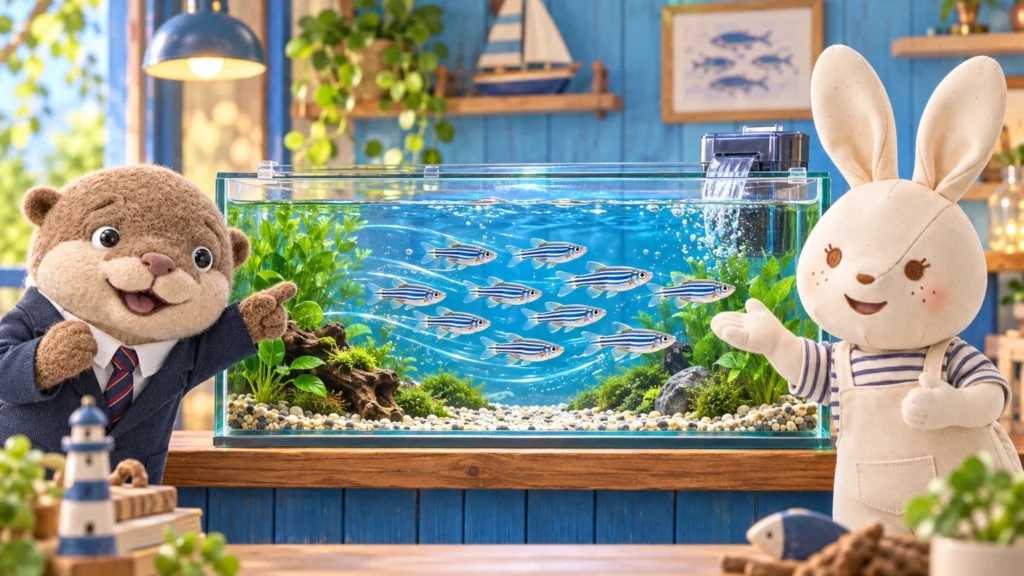 アイのアクアグッズ案内ダニオの仲間に合わせる飼育用品|ゼブラダニオから超小型種まで水槽・ろ過・餌を選ぶ道具の特徴や使い方、選ぶときのポイントをアイが紹介します。記事はコチラ →
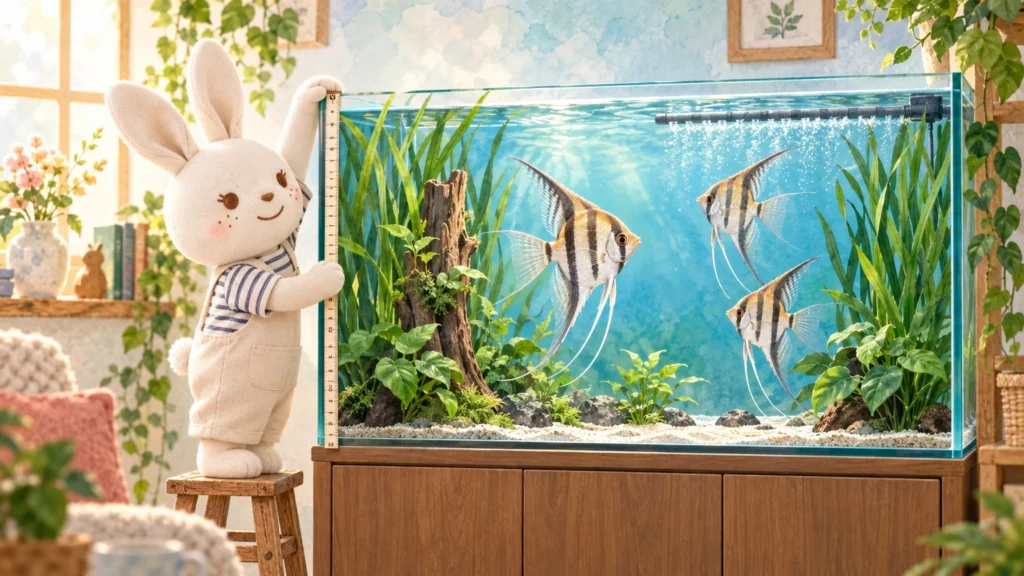 アイのアクアグッズ案内エンゼルフィッシュの飼育用品|高さのある水槽・ろ過・水草・餌の選び方道具の特徴や使い方、選ぶときのポイントをアイが紹介します。記事はコチラ →
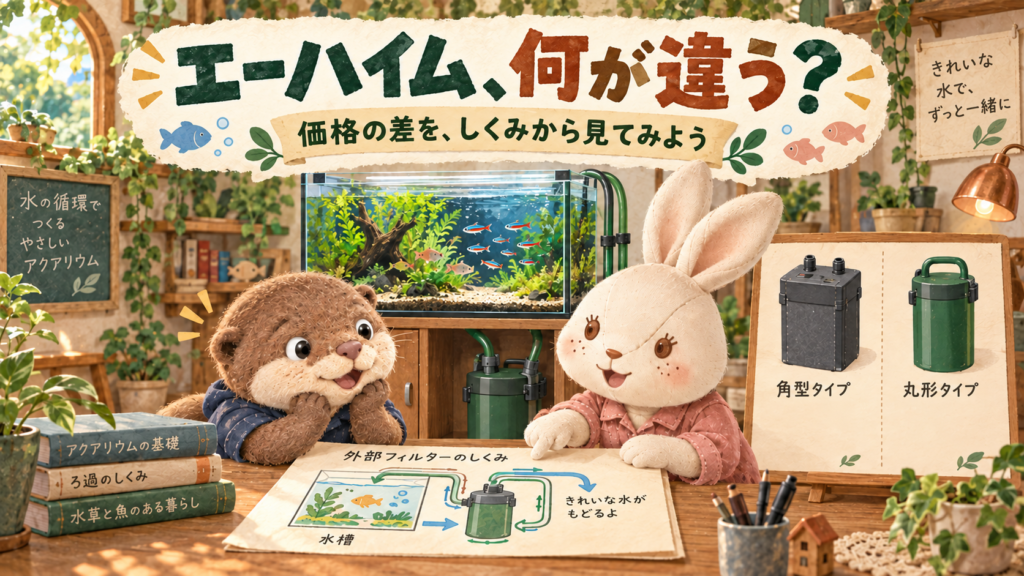 アイのアクアグッズ案内エーハイム、安いのと高いのは何が違う? コタロウと見比べる外部フィルター道具の特徴や使い方、選ぶときのポイントをアイが紹介します。記事はコチラ →
コメント