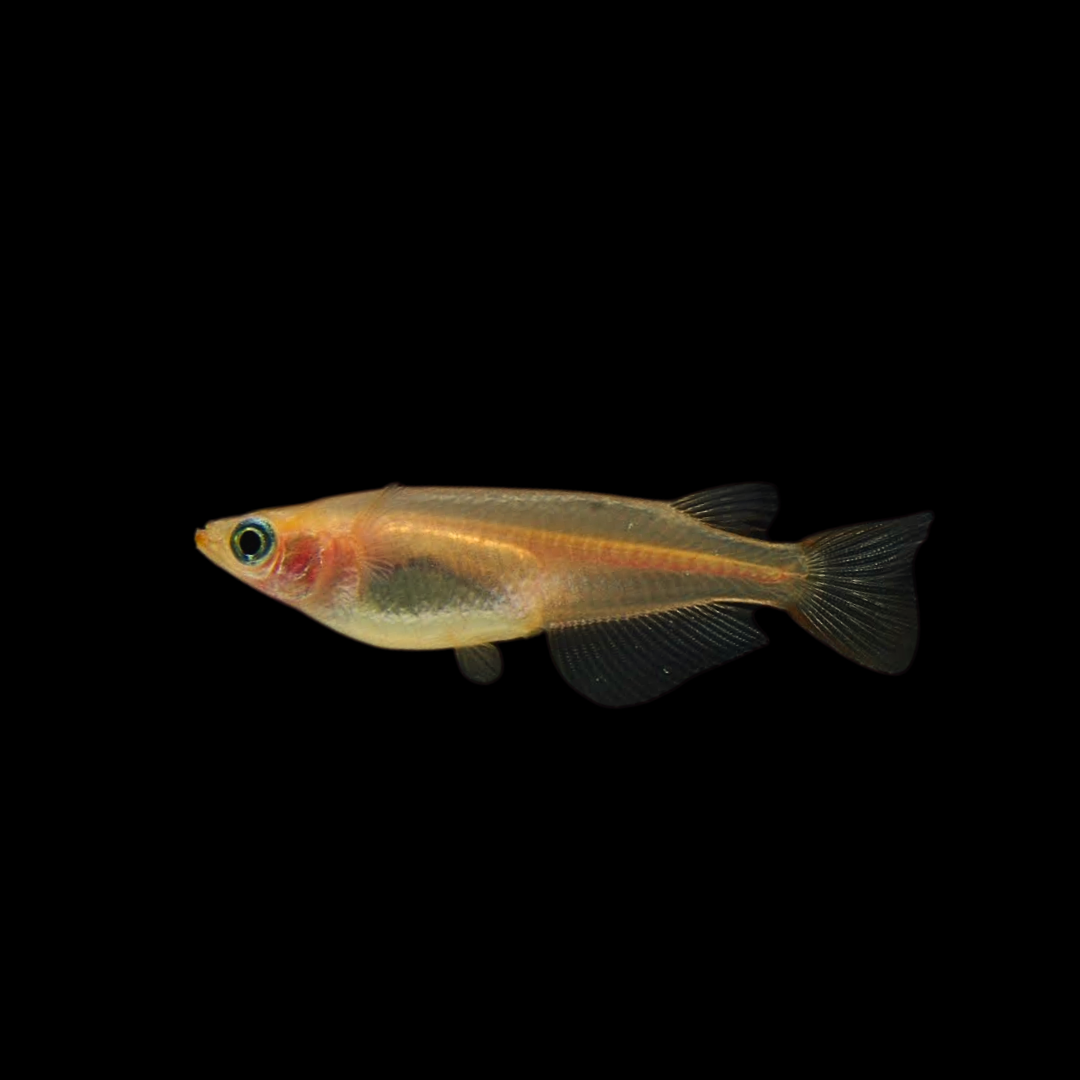
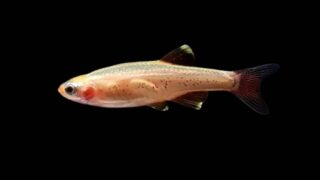
ヒメダカは、日本の観賞魚として長く親しまれてきたオレンジレッド系のメダカです。野生型の黒っぽいメダカに比べて表皮の黒色色素が少なく、明るい緋色から橙色に見える体色が魅力です。小型で丈夫、屋外の睡蓮鉢や室内水槽でも飼いやすく、繁殖も比較的楽しみやすいため、初めてメダカを飼う方にも向いています。ただし、ヒメダカは自然の川や田んぼに放すための魚ではありません。地域ごとに受け継がれてきた野生メダカの遺伝的な個性を守るため、最後まで飼育下で管理することが大切です。Himedaka is an orange-red domestic medaka that has long been familiar as an aquarium fish in Japan. Compared with dark wild-type medaka, it has reduced black pigmentation in the skin, giving it a bright scarlet to orange appearance. It is small, hardy, and easy to keep in indoor aquariums or outdoor bowls, and it breeds readily under suitable conditions, making it a good choice for beginners. However, Himedaka is not a fish to be released into rivers, ponds, or rice fields. To protect the genetic identity of local wild medaka populations, it must be managed responsibly in captivity throughout its life.
基本情報 / Basic Information
学名 / Scientific Name
Oryzias latipes 系のオレンジレッド飼育品種として扱われます。現在の分類では、日本産の野生メダカ類は主にミナミメダカ Oryzias latipes とキタノメダカ Oryzias sakaizumii に分けて扱われるため、観賞魚として流通するヒメダカと地域固有の野生集団は同一視しないよう注意します。 domestic orange-red strain. In current taxonomy, Japanese wild medaka are mainly treated as the southern medaka Oryzias latipes and the northern medaka Oryzias sakaizumii, so aquarium Himedaka should not be confused with local wild populations.
通称 / Common Name
ヒメダカ、緋メダカ、赤メダカ、オレンジメダカHimedaka, orange-red medaka, red medaka, orange medaka
分類 / Family
ダツ目 アドリアニクチス科 メダカ属。日本の観賞魚分野では、慣用的に「メダカ科」と説明される場合もあります。Beloniformes, Adrianichthyidae, genus Oryzias. In Japanese aquarium contexts, it may also be informally described as belonging to the medaka family.
英名 / English Name
Orange-red medaka, Himedaka, Japanese rice fish
分布 / Distribution
ヒメダカは野生分布を持つ種ではなく、日本国内の観賞魚市場で広く流通する飼育品種です。原種にあたる日本産メダカ類は、低地の池、水田、用水路、流れのゆるい小川などに適応してきました。地域ごとの遺伝的な違いが大きいため、購入個体や飼育個体を自然環境へ放すことは避けます。Himedaka is a domestic aquarium strain rather than a wild species with its own natural distribution. Its wild Japanese relatives inhabit lowland ponds, rice fields, irrigation channels, and slow-moving streams. Because local genetic differences are important, purchased or captive fish should never be released into natural habitats.
最大体長 / Max Size
約3〜4cm。飼育環境、年齢、系統によって多少前後します。About 3–4 cm, with some variation depending on strain, age, and care conditions.
寿命 / Lifespan
一般的には約1〜3年。低密度で水質を安定させ、急な水温変化や過度な繁殖負荷を避けると長生きしやすくなります。Usually about 1–3 years. Stable water quality, low stocking density, avoiding sudden temperature shifts, and reducing excessive breeding stress help them live longer.
飼育環境 / Aquarium Environment
水槽サイズ / Tank Size
少数飼育なら30cm規格水槽程度から可能ですが、水質の安定性を考えると45cm規格水槽以上がおすすめです。屋外では睡蓮鉢、プラ舟、トロ舟などでも飼育できます。繁殖や稚魚育成を考える場合は、親魚用、採卵用、稚魚用の容器を分けると管理しやすくなります。A small group can be kept from a standard 30 cm tank, but a 45 cm tank or larger is recommended for better water stability. Outdoors, they can also be kept in ceramic bowls, plastic tubs, or shallow breeding containers. For breeding, it is easier to separate adult, egg-collection, and fry-rearing containers.
水温 / Temperature
飼育はおおよそ15〜28℃で可能です。繁殖を狙う場合は20℃以上、特に25℃前後が扱いやすい目安です。冬に水温が10℃前後まで下がると活動が鈍くなり、屋外では半冬眠に近い状態で越冬します。夏の小さな容器では水温が上がりすぎやすいため、日陰や水量の確保が重要です。They can generally be kept at about 15–28°C. For breeding, keep the water above 20°C, with around 25°C being a practical target. In winter, when temperatures approach 10°C, outdoor fish become less active and overwinter in a semi-dormant state. In small outdoor containers, summer overheating is a common risk, so shade and sufficient water volume are important.
水質 / Water Quality
中性付近から弱アルカリ性の水で飼いやすい魚です。比較的幅広い水質に適応しますが、急変は苦手です。小型魚であっても過密飼育ではアンモニアや亜硝酸が蓄積しやすいため、立ち上げ済みのろ過、定期的な換水、底の汚れの除去を意識します。They are easy to keep in neutral to slightly alkaline water. They tolerate a fairly broad range of water conditions, but sudden changes should be avoided. Even though they are small, overcrowding can quickly lead to ammonia or nitrite buildup, so established filtration, regular water changes, and removal of bottom debris are important.
レイアウト / Layout
水草、浮草、産卵床を入れると落ち着きやすく、卵の回収もしやすくなります。上から鑑賞する場合は、睡蓮鉢や浅めの容器に砂利、石、水生植物を組み合わせると、昔ながらの上見の雰囲気を楽しめます。屋外では鳥や猫、ヤゴなどの捕食者対策も考えておくと安心です。Aquatic plants, floating plants, and spawning mops help the fish feel secure and make egg collection easier. For top-view appreciation, a shallow bowl with gravel, stones, and aquatic plants creates a traditional Japanese viewing style. Outdoors, it is also wise to consider protection from predators such as birds, cats, and dragonfly larvae.
注意点 / Precautions
飛び出し、急な水温変化、酸欠、過密飼育に注意します。屋外飼育では大雨による容器からの流出を防ぐため、水位や排水経路を管理してください。ヒメダカは野生メダカと交雑する可能性があるため、飼いきれなくなっても川、池、田んぼ、学校ビオトープなどへ放流してはいけません。Watch for jumping, sudden temperature changes, oxygen shortage, and overcrowding. In outdoor setups, manage water level and overflow paths so fish cannot escape during heavy rain. Because Himedaka can interbreed with wild medaka, never release them into rivers, ponds, rice fields, or school biotopes, even if you can no longer keep them.
餌と給餌 / Feeding
餌の種類 / Diet
メダカ専用の人工飼料を基本に、繁殖期には高タンパクな餌を補助的に与えると状態を上げやすくなります。ミジンコ、ブラインシュリンプ幼生、イトメなどの生餌や冷凍餌も利用できます。稚魚には微細な粉餌、ゾウリムシ、ワムシ、植物プランクトンを含むグリーンウォーターが有効です。Use a quality medaka pellet or flake food as the staple diet, and supplement with protein-rich foods during the breeding season. Live or frozen foods such as daphnia, newly hatched brine shrimp, and tubifex worms can also be used. For fry, very fine powdered foods, infusoria, rotifers, and green water containing phytoplankton are useful.
給餌のポイント / Feeding Tips
成魚には数分で食べ切れる量を1日1〜2回、繁殖期は少量を複数回に分けて与えると管理しやすくなります。低水温期は消化が落ちるため、活動が鈍い日は無理に与えません。食べ残しは水を汚す原因になるため、特に小さな容器では控えめな給餌を心がけます。Feed adults once or twice a day in amounts they can finish within a few minutes. During the breeding season, several small meals can be easier to manage. In cold periods, digestion slows, so avoid feeding when the fish are inactive. Uneaten food pollutes the water, especially in small containers, so feed lightly and observe carefully.
性格と混泳 / Temperament and Tank Mates
性格 / Temperament
温和で群れをつくりやすい小型魚です。オス同士が軽く追い合うことはありますが、十分な水量と隠れ場所があれば大きな問題になりにくい魚です。単独よりも複数匹で飼うと、自然な泳ぎや繁殖行動を観察しやすくなります。They are peaceful small fish that tend to form loose groups. Males may chase each other lightly, but serious problems are unlikely when there is enough water volume and cover. Keeping several individuals makes it easier to observe natural swimming and breeding behavior.
混泳の相性 / Compatibility
同じく温和で口の小さい小型魚、ミナミヌマエビ、石巻貝などとは相性が良い傾向があります。金魚、大型魚、肉食魚、動きの激しい魚、ヒレをつつく魚との混泳は避けます。繁殖を重視する場合は、卵や稚魚が食べられやすいため、単種飼育または稚魚の隔離が安心です。They generally do well with other peaceful small fish, Neocaridina shrimp, and algae-eating snails. Avoid goldfish, large fish, predatory fish, very active species, and fin nippers. If breeding is the priority, single-species keeping or separating fry is safer because eggs and fry are easily eaten.
病気と対策 / Diseases and Prevention
かかりやすい病気 / Common Diseases
白点病、尾ぐされ病、水カビ病、エロモナス症、やせ、過密や水質悪化に伴う体表の荒れなどに注意します。ヒメダカは丈夫な魚ですが、小型で体力が限られるため、水質悪化や急な温度変化が重なると一気に調子を崩すことがあります。Watch for ich, fin rot, fungal infections, Aeromonas-related problems, wasting, and skin irritation caused by overcrowding or poor water quality. Himedaka is hardy, but because it is small, it can decline quickly when poor water quality and sudden temperature changes occur together.
対策と予防 / Prevention
予防の基本は、過密を避けること、ろ過や換水で水質を安定させること、新しく迎えた個体をすぐ本水槽へ入れず観察することです。異常が出た個体は早めに隔離し、症状に合った市販薬や塩水浴を慎重に使います。薬浴中は水温、酸素、薬量の管理を丁寧に行い、稚魚や弱った個体には負担をかけすぎないようにします。Prevention is based on avoiding overcrowding, maintaining stable water with filtration and water changes, and observing new fish before adding them to the main tank. Isolate affected fish early and use appropriate aquarium medications or salt baths carefully. During treatment, manage temperature, oxygen, and dosage closely, and avoid over-stressing fry or already weakened fish.
増やし方(繁殖) / Breeding
雌雄の判別 / Sexing
オスは背ビレに切れ込みが見られ、尻ビレが大きく平行四辺形に近い形になります。メスは腹部がふっくらし、尻ビレはオスほど大きく広がりません。繁殖期にはメスの腹部に卵が見え、朝方に腹へ卵を付けて泳ぐ姿も観察できます。Males usually have a notch in the dorsal fin and a larger, more parallelogram-shaped anal fin. Females have a rounder belly and a smaller anal fin. During the breeding season, eggs may be visible in the female’s abdomen, and females may be seen carrying eggs near the vent in the morning.
繁殖形態 / Reproduction
卵生です。朝方に交尾して産卵し、受精卵はしばらくメスの腹部に付いたあと、水草や産卵床に付着します。親魚は卵や稚魚を食べることがあるため、採卵して別容器で孵化させる方法がよく用いられます。They are egg-layers. Spawning usually occurs in the morning, and the fertilized eggs remain attached to the female for a while before being deposited on plants or spawning mops. Adults may eat eggs or fry, so eggs are often collected and hatched in a separate container.
繁殖のポイント / Breeding Tips
繁殖を安定させる条件は、水温、明るい時間、栄養状態の3つです。実用上は水温20℃以上、できれば25℃前後、1日12〜14時間程度の明期、十分な栄養をそろえると産卵を狙いやすくなります。卵はカビたものを取り除き、稚魚はグリーンウォーターや微細な初期餌で餓死を防ぎます。屋外では春から夏が繁殖の中心で、秋は越冬に向けて体力を付ける時期、冬は基本的に給餌を控える時期になります。Stable breeding depends mainly on temperature, light period, and nutrition. In practice, water above 20°C, preferably around 25°C, about 12–14 hours of light per day, and sufficient nutrition make spawning more likely. Remove fungused eggs, and prevent fry starvation with green water or very fine first foods. Outdoors, spring to summer is the main breeding season; autumn is for building body condition before winter, and winter is a time to reduce or stop feeding.
雑学と豆知識 / Trivia and Fun Facts
1. 江戸の水鉢文化と上見の楽しみ / 1. Edo-period water bowls and top-view appreciation
ヒメダカの魅力は、横から眺める水槽だけでなく、上から眺める鉢でもよく伝わります。江戸時代の浮世絵や園芸文化には、小さな魚を水鉢で楽しむ暮らしの気配が見られます。陶器の器に水を張り、水草を浮かべ、そこに小さなメダカが泳ぐだけで、庭がなくても手元に小さな水辺が生まれます。現代の睡蓮鉢飼育は、こうした上見文化を今に引き継ぐ楽しみ方ともいえます。Himedaka’s charm is not limited to side-view aquariums; it is also well suited to top-view bowls. Edo-period visual culture and gardening traditions suggest that people enjoyed small fish in water bowls. A ceramic vessel, aquatic plants, and a few tiny medaka are enough to create a small waterside scene even without a garden. Modern outdoor bowl keeping continues this tradition of appreciating fish from above.
2. 緋色の体色を生む遺伝的背景 / 2. The genetic background of the orange-red body color
ヒメダカの明るい体色は、表皮のメラニン沈着が少なくなることで現れます。この特徴は古くからb遺伝子座の劣性形質として知られ、現在では slc45a2 遺伝子座との関係が示されています。目まで赤くなるアルビノとは異なり、ヒメダカでは目が黒く見える個体が多いため、体だけが明るく抜けて見えます。身近な観賞魚でありながら、色素形成の仕組みを学べる小さな教材でもあります。Himedaka’s bright color appears because melanin deposition in the skin is reduced. This trait has long been known as a recessive character at the b locus, and modern studies associate it with the slc45a2 locus. Unlike albino fish with reddish eyes, many Himedaka retain dark-looking eyes, so the body alone appears bright and orange. It is a familiar aquarium fish, but also a small living example of how pigmentation works.
3. 小さな魚が支えた日本の遺伝学 / 3. A small fish that supported Japanese genetics
メダカは観賞魚であると同時に、遺伝学の歴史でも重要な魚です。1921年に會田龍雄が発表した体色遺伝の研究は、メダカの性染色体と体色形質の関係を示す重要な仕事として知られています。その後もメダカは、性決定、性分化、発生、環境化学物質の影響を調べる実験動物として使われてきました。小さな水槽で飼える魚が、研究の世界では大きな役割を担ってきたのです。Medaka is not only an aquarium fish but also an important animal in the history of genetics. Tatsuo Aida’s 1921 work on body-color inheritance is known as an important study linking medaka color traits with sex chromosomes. Since then, medaka has been used to study sex determination, sex differentiation, development, and the effects of environmental chemicals. A fish small enough for a modest aquarium has played a remarkably large role in research.
4. 宇宙で卵を産んだメダカ / 4. Medaka that spawned in space
1994年、メダカはスペースシャトルの微小重力実験で使われました。選抜された個体は宇宙空間で交尾し、産卵し、卵は孵化まで進みました。この成果は、脊椎動物の生殖や発生が微小重力下でどこまで成り立つのかを考えるうえで、象徴的な実験として知られています。日常の睡蓮鉢で泳ぐ小さな魚が、宇宙生物学の話題にもつながっているところに、メダカという生き物の奥深さがあります。In 1994, medaka were used in a microgravity experiment aboard the Space Shuttle. Selected individuals mated and laid eggs in space, and the eggs developed to hatching. This result is known as a symbolic experiment for considering how vertebrate reproduction and development can proceed under microgravity. The same small fish that swims in an everyday bowl also connects to the story of space biology.
5. 放流してはいけない理由 / 5. Why release is not acceptable
ヒメダカは明るい体色のため自然界では捕食されやすいと考えられますが、それだけで遺伝的攪乱のリスクが消えるわけではありません。研究では、ヒメダカが野生型メダカと交配できること、また一部の野外集団でヒメダカ由来と考えられる遺伝的な痕跡が確認されていることが報告されています。野生メダカは地域ごとに異なる歴史を持つ生き物です。飼育者が放流しないという選択を徹底することは、身近な自然を守るための具体的な行動になります。Himedaka’s bright coloration may make it more vulnerable to predators in the wild, but that alone does not remove the risk of genetic disturbance. Studies have reported that Himedaka can mate with wild-type medaka and that some wild populations show genetic signs thought to originate from commercial orange-red strains. Wild medaka populations have local histories and genetic identities. For keepers, never releasing captive fish is a concrete way to protect nearby nature.
まとめ / Conclusion
ヒメダカは、明るい緋色の体色、丈夫さ、繁殖のしやすさを兼ね備えた、日本のアクアリウム文化を代表する小型魚です。30〜45cm規格水槽や睡蓮鉢から始めやすく、水温、光、餌を整えれば、産卵から稚魚の成長までを身近に観察できます。派手さだけでなく、季節の移ろいや小さな命の変化を感じさせてくれるところが、この魚の大きな魅力です。Himedaka is a representative small fish of Japanese aquarium culture, combining a bright orange-red body color, hardiness, and ease of breeding. It is easy to start with a standard 30–45 cm tank or an outdoor bowl, and with suitable temperature, light, and food, keepers can observe spawning and fry growth at close range. Its appeal is not only its color, but also the way it brings seasonal change and the quiet movement of small lives into everyday view.
同時に、ヒメダカは観賞魚、教材、研究生物という複数の顔を持つ、奥行きのある生き物です。その価値を長く楽しむためには、よく食べ、よく泳ぎ、安心して繁殖できる環境を整えること、そして決して野外へ放さないことが欠かせません。水槽や鉢の中で大切に世代をつなぐことが、ヒメダカの魅力を守り、地域の野生メダカを守ることにもつながります。At the same time, Himedaka has several faces: aquarium fish, educational animal, and research organism. To enjoy its value over the long term, keepers should provide an environment where it can feed, swim, and breed safely, and should never release it outdoors. Letting generations continue responsibly within aquariums and bowls is the best way to preserve the charm of Himedaka while also protecting local wild medaka populations.


 アイのアクアグッズ案内コケを食べるコイの仲間に合わせる飼育用品|フライングフォックス・アルジイーター・ガラ道具の特徴や使い方、選ぶときのポイントをアイが紹介します。記事はコチラ →
 アイのアクアグッズ案内水換え・底砂掃除の道具の選び方|砂利・砂・ソイルに合うクリーナーとポンプ道具の特徴や使い方、選ぶときのポイントをアイが紹介します。記事はコチラ →



コメント