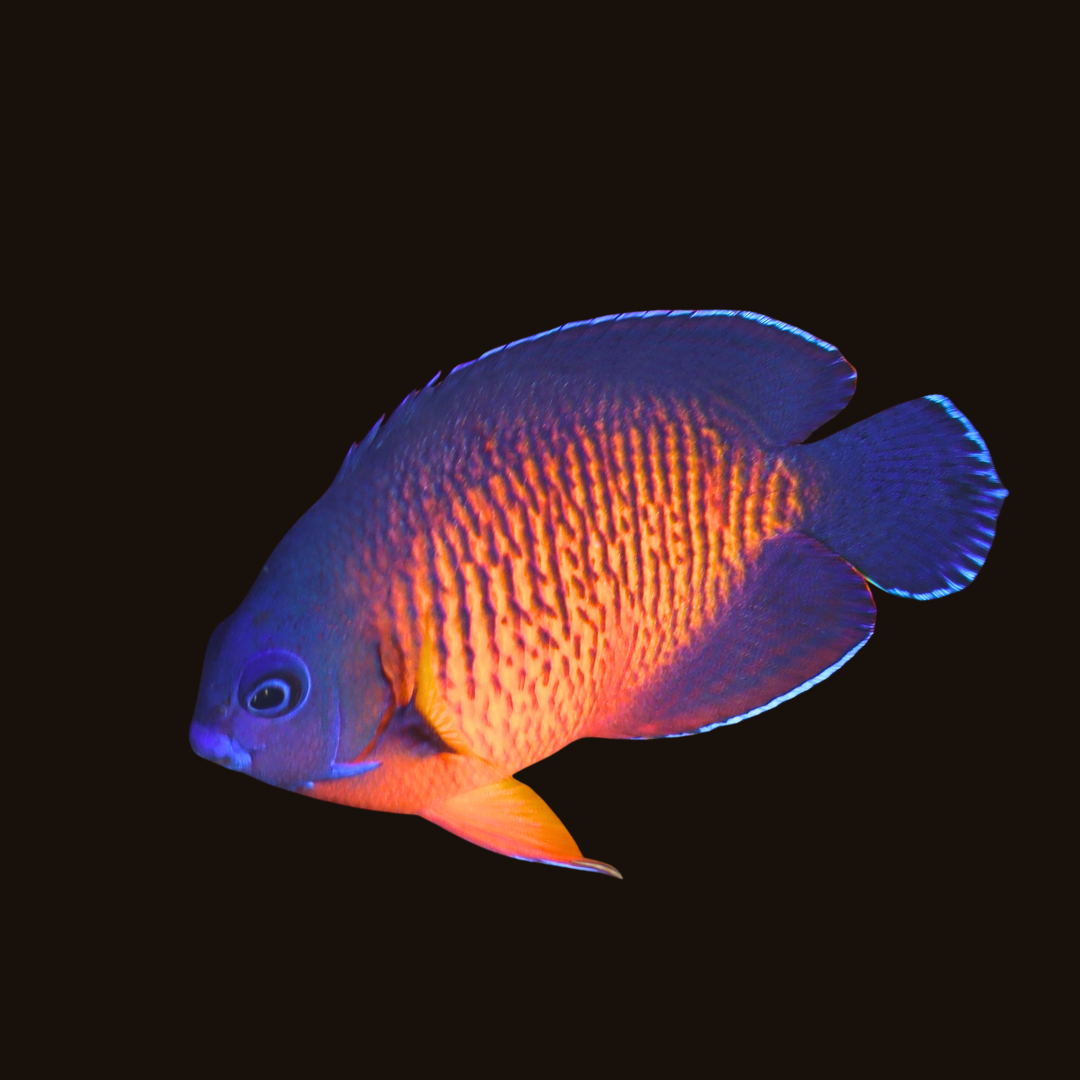
ルリヤッコは、インド太平洋の広い海域に生息する小型のキンチャクダイの仲間です。深い藍色と鮮やかなオレンジ色のコントラストが非常に美しく、その名の通り「瑠璃色」に輝く姿はサンゴ礁の宝石のようです。海水魚飼育において非常にポピュラーな存在であり、その理由は美しさだけでなく、水質変化に対する強健さと、人工飼料に餌付きやすいという飼育のしやすさにあります。地域によって色彩のバリエーションが豊かなことも特徴で、コレクション性の高さも魅力の一つです。The Coral Beauty Angelfish is a small pomacanthid species inhabiting a wide range of the Indo-Pacific region. The contrast between its deep indigo blue and vibrant orange is exceptionally beautiful, shining like a jewel of the coral reef as its Japanese name “Luriyakko” (Lapis Lazuli Angelfish) suggests. It is highly popular in the marine aquarium hobby, not only for its aesthetics but also for its hardiness against water quality changes and ease of transitioning to artificial feeds. It is also known for its rich color variations depending on the region, which adds to its appeal as a collectible species.
基本情報 / Basic Information
学名 / Scientific Name
Centropyge bispinosa
通称 / Common Name
ルリヤッコTwo-spined Angelfish
分類 / Family
ニザダイ目 キンチャクダイ科 ケントロピゲ属Order Acanthuriformes, Family Pomacanthidae, Genus Centropyge
英名 / English Name
Coral Beauty Angelfish, Twospined Angelfish
分布 / Distribution
インド太平洋(アフリカ東岸からポリネシアまで。紅海やハワイを除く)Indo-Pacific (from East Africa to French Polynesia, excluding the Red Sea and Hawaii)
最大体長 / Max Size
約 10.0 cm ~ 11.5 cmApproximately 10.0 cm to 11.5 cm
寿命 / Lifespan
飼育下で約 5年 ~ 10年Approximately 5 to 10 years in captivity
飼育環境 / Aquarium Environment
水槽サイズ / Tank Size
60 cm 規格水槽(約 60 L)以上推奨Recommended 60 cm standard tank (approx. 60 L) or larger
ライブロックを多めに配置し、複雑な隠れ家を作る。藻類が発生する環境が望ましい。Arrange plenty of live rock to create complex hiding places. Environments where algae can grow are desirable.
注意点 / Precautions
導入初期は警戒心が強いため、落ち着ける場所を確保する。高水温にはやや弱いため、夏場のクーラー管理は必須。They are cautious during the initial introduction, so ensure a calm space. They are somewhat sensitive to high temperatures, making a chiller essential in summer.
餌と給餌 / Feeding
餌の種類 / Diet
雑食性。人工飼料(植物性・動物性)、イサザアミ、ブラインシュリンプ。Omnivorous. Artificial feed (vegetable and animal-based), mysis shrimp, brine shrimp.
給餌のポイント / Feeding Tips
藻類を好むため、スピルリナ等を含む植物性飼料をメインに与えると体色が維持しやすい。一日数回に分けて少量ずつ与える。Since they prefer algae, providing a diet primarily of vegetable-based feed containing spirulina helps maintain their body color. Feed small amounts several times a day.
性格と混泳 / Temperament and Tank Mates
性格 / Temperament
やや気が強いが、他種に対しては比較的寛容。Somewhat territorial but relatively tolerant of other species.
混泳の相性 / Compatibility
同属(ケントロピゲ属)とは激しく争うため避ける。サンゴ水槽では、LPSのポリプをつつく可能性があるため注意が必要。Avoid housing with members of the same genus (Centropyge) as they will fight aggressively. In reef tanks, use caution as they may nip at LPS coral polyps.
病気と対策 / Diseases and Prevention
かかりやすい病気 / Common Diseases
白点病、ウーディニウム病。Marine Ich (White Spot Disease), Velvet Disease (Oodinium).
対策と予防 / Prevention
導入前のトリートメントが有効。水質の安定とストレス軽減が最大の予防策となる。Quarantine before introduction is effective. Maintaining stable water quality and reducing stress are the best preventive measures.
増やし方(繁殖) / Breeding
雌雄の判別 / Sexing
オスの方が大きく、背鰭や臀鰭の末端がより尖る傾向がある。ハレムの中の最大個体がオスとなる。Males tend to be larger, and the tips of their dorsal and anal fins are more pointed. The largest individual in a harem becomes the male.
繁殖形態 / Reproduction
雌性先熟の雌雄同体。ペアまたはハレムで日没時に放卵放精を行う。Protogynous hermaphrodites. They perform pelagic spawning in pairs or harems at sunset.
繁殖のポイント / Breeding Tips
水槽内での産卵は可能だが、仔魚の口が極めて小さいため、初期餌料としてカイアシ類の確保が最大の難関となる。Spawning in tanks is possible, but since the larvae’s mouths are extremely small, securing copepods as initial feed is the greatest challenge.
雑学と豆知識 / Trivia and Fun Facts
1. 学名に刻まれた「二つの棘」の秘密1. The Secret of the “Two Spines” in its Scientific Name
ルリヤッコの学名「Centropyge bispinosa」には、彼らの興味深い身体的特徴が隠されています。種小名の「bispinosa」は、ラテン語で「2つの棘」を意味し、これは彼らの頬の部分(前鰓蓋骨)にある2本の顕著な棘に由来しています。かつてはこのシルエットが牛を連想させることから「カウフィッシュ」と呼ばれた歴史もあり、この棘は外敵に襲われた際に岩の隙間で自分を固定する「アンカー」のような役割を果たしているのです。The scientific name “Centropyge bispinosa” hides an interesting physical characteristic. The species name “bispinosa” means “two spines” in Latin, referring to the two prominent spines on their preoperculum (cheek). Historically, their silhouette led them to be called “cowfish” in some regions. These spines function like anchors, helping them wedge themselves into rock crevices when threatened by predators.
2. 驚異の色彩変異と「タイガーテール」2. Extraordinary Color Variations and the “Tiger Tail”
ルリヤッコは海水魚界でも屈指のカラーバリエーションを誇ります。標準的な藍色とオレンジの個体だけでなく、モーリシャス近海で見られる、全身にトラのような縞模様が入る「タイガーテール」と呼ばれる個体や、水深の深い場所に生息する黄色みの強い「深場型」などが存在します。これらはかつて別種と考えられたこともありましたが、現在では生息環境や水深による表現型の違いであることが分かっています。Coral Beauties boast some of the most diverse color variations in the marine fish world. Beyond the standard indigo and orange, there are “Tiger Tail” morphs from Mauritius with tiger-like stripes across their bodies, and “Deepwater Morphs” with strong yellow tones found at greater depths. While once thought to be different species, they are now understood to be phenotypic variations influenced by their environment and depth.
3. 歴史を変えた「一般愛好家」による繁殖成功3. A Breeding Success by a Hobbyist That Changed History
小型ヤッコの繁殖は、仔魚の餌が極小であることから長年「不可能」とされてきました。しかし2016年、アメリカの一般のアクアリストであるキャシー・リーヒ氏が、自宅の設備でルリヤッコの完全養殖に成功するという快挙を成し遂げました。この成功は、適切な生餌(カイアシ類)の培養さえ確立できれば、研究機関でなくとも繁殖が可能であることを世界に証明し、観賞魚のサステナビリティに大きな希望を与えたのです。Breeding pygmy angelfish was long considered “impossible” due to the microscopic size of the larvae’s food. However, in 2016, an American hobbyist named Kathy Leahy achieved the remarkable feat of full captive-breeding of Coral Beauties in her home setup. This success proved to the world that with proper live food (copepod) cultivation, breeding is possible even outside major research institutions, offering great hope for the sustainability of the aquarium trade.
4. 人工ハイブリッド(交雑種)の誕生4. The Birth of Artificial Hybrids
ケントロピゲ属の仲間は、遺伝的に非常に近い関係にあり、自然界でも稀に交雑が起こります。インドネシアの養殖施設「バリ・アクアリッチ」では、ルリヤッコとマルチカラーエンゼルの人工的な交雑に成功しています。このハイブリッド個体は両種の色鮮やかな特徴を併せ持ち、まさに芸術品のような美しさを見せました。こうした研究は、ヤッコたちの進化の過程を解き明かす重要な鍵となっています。Members of the genus Centropyge are genetically very close, and hybridization occasionally occurs in nature. The “Bali Aquarich” facility in Indonesia successfully produced an artificial hybrid between a Coral Beauty and a Multicolor Angelfish. These hybrid individuals possess the vibrant characteristics of both parents, appearing as living works of art. Such research serves as a crucial key to unraveling the evolutionary processes of angelfish.
まとめ / Conclusion
ルリヤッコは、その強健さと圧倒的な美しさから、まさに海水魚アクアリウムの入門種にして至高の存在と言えます。初心者の方にとっては、人工飼料への順応性の高さが心強い味方となり、熟練の方にとっては地域変異個体の奥深さが探求心を刺激して止まないでしょう。サンゴ水槽に放たれたルリヤッコが、ライブロックの間を優雅に泳ぎ回る姿は、日々の疲れを癒やしてくれる最高の風景となります。The Coral Beauty Angelfish, with its hardiness and overwhelming beauty, is truly both an entry-level species and a supreme presence in the marine aquarium. For beginners, its high adaptability to artificial feed makes it a reliable companion, while for experts, the depth of regional variations continues to stimulate the spirit of exploration. The sight of a Coral Beauty gracefully swimming through live rock in a reef tank provides the ultimate scenery to soothe daily fatigue.
近年では人工繁殖技術も飛躍的に進歩しており、将来的に私たちの水槽で「養殖個体」が当たり前になる日が近づいています。野生の資源を大切にしながら、この美しい「海の宝石」を末永く見守り、育てていく喜びをぜひ体感してください。ルリヤッコとの出会いが、あなたのアクアリウムライフをより一層輝かしいものにしてくれることを願っています。In recent years, captive-breeding technology has advanced dramatically, and the day when “aquacultured individuals” become common in our tanks is approaching. While valuing wild resources, please experience the joy of watching over and raising this beautiful “jewel of the sea” for many years to come. I hope that encountering the Coral Beauty Angelfish will make your aquarium life even more brilliant.
IUCN (2024). The IUCN Red List of Threatened Species: Centropyge bispinosa.
WoRMS – World Register of Marine Species. (2024). Centropyge bispinosa (Gunther, 1860).
FishBase. (2024). Species Summary: Centropyge bispinosa (Two-spined angelfish).
Gunther, A. (1860). Catalogue of the fishes in the British Museum. Vol. 2. (Original Description).
生態学・人口統計学的研究
James Cook University / Australian Institute of Marine Science (AIMS). Demographic studies of Centropyge bispinosa across the Great Barrier Reef and Coral Sea.
Tanaka, H. (2024). Photographic records and analysis of aberrant color morphs in Pygmy Angelfishes.


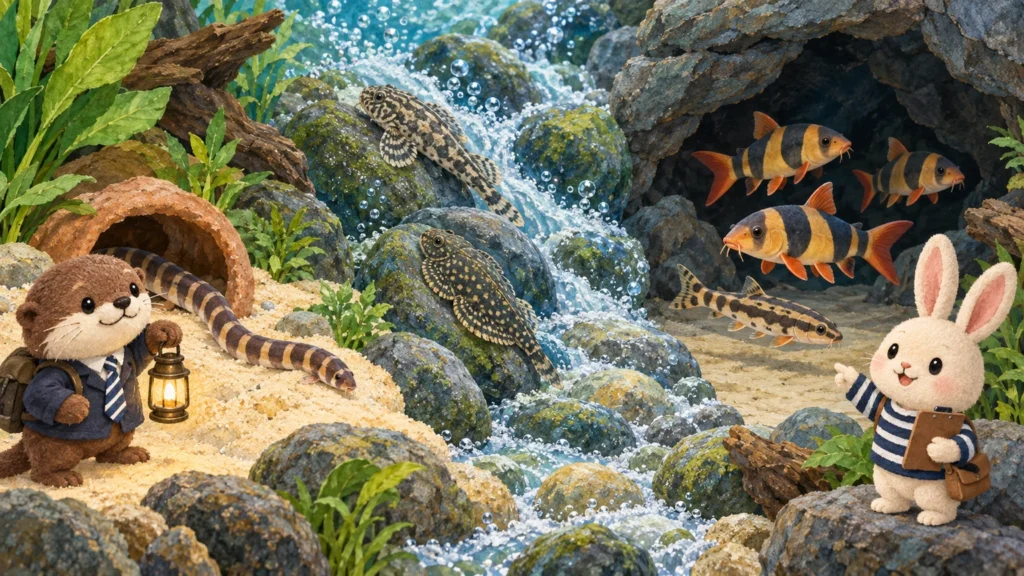 アイのアクアグッズ案内ローチの仲間に合わせる飼育用品|クーリー・流水性・ボーシャの水槽と底砂道具の特徴や使い方、選ぶときのポイントをアイが紹介します。記事はコチラ →
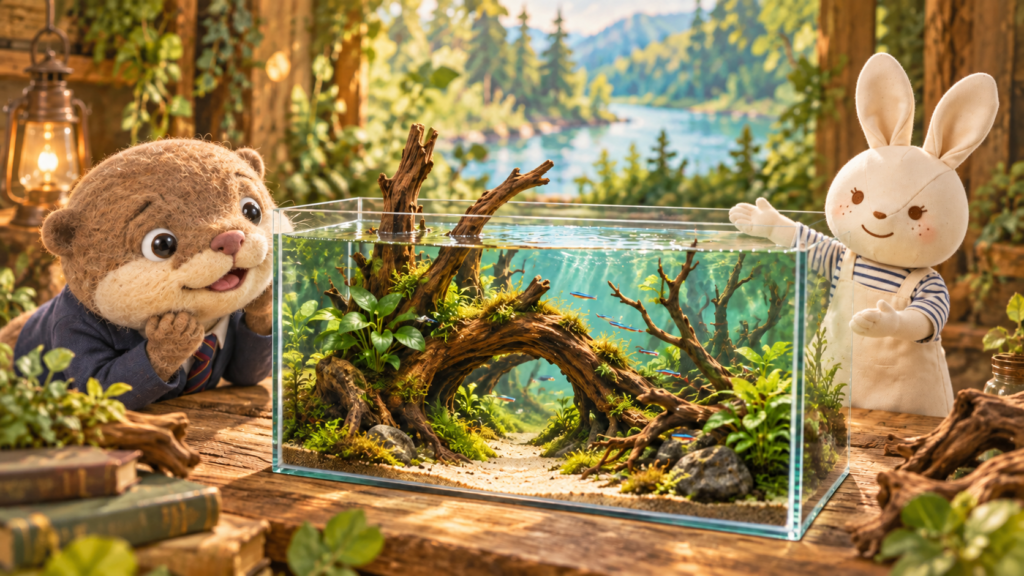 アイのアクアグッズ案内水槽の流木の選び方|枝・マングローブ・アク抜きとおすすめ商品水槽に小さな森を作る流木。枝流木やマングローブという名前の違いから、魚の隠れ家、水草の取り付け、浮く・水が茶色くなるときの準備まで、アイとコタロウが商品とともに案内します。記事はコチラ →
 アイのアクアグッズ案内おとひめ物語|養殖生まれの餌を、わが家の魚に合う一粒へ道具の特徴や使い方、選ぶときのポイントをアイが紹介します。記事はコチラ →
 アイのアクアグッズ案内マジックリーフ物語|一枚の葉がアクアリウム用品になるまで道具の特徴や使い方、選ぶときのポイントをアイが紹介します。記事はコチラ →



コメント