

解説 / Description
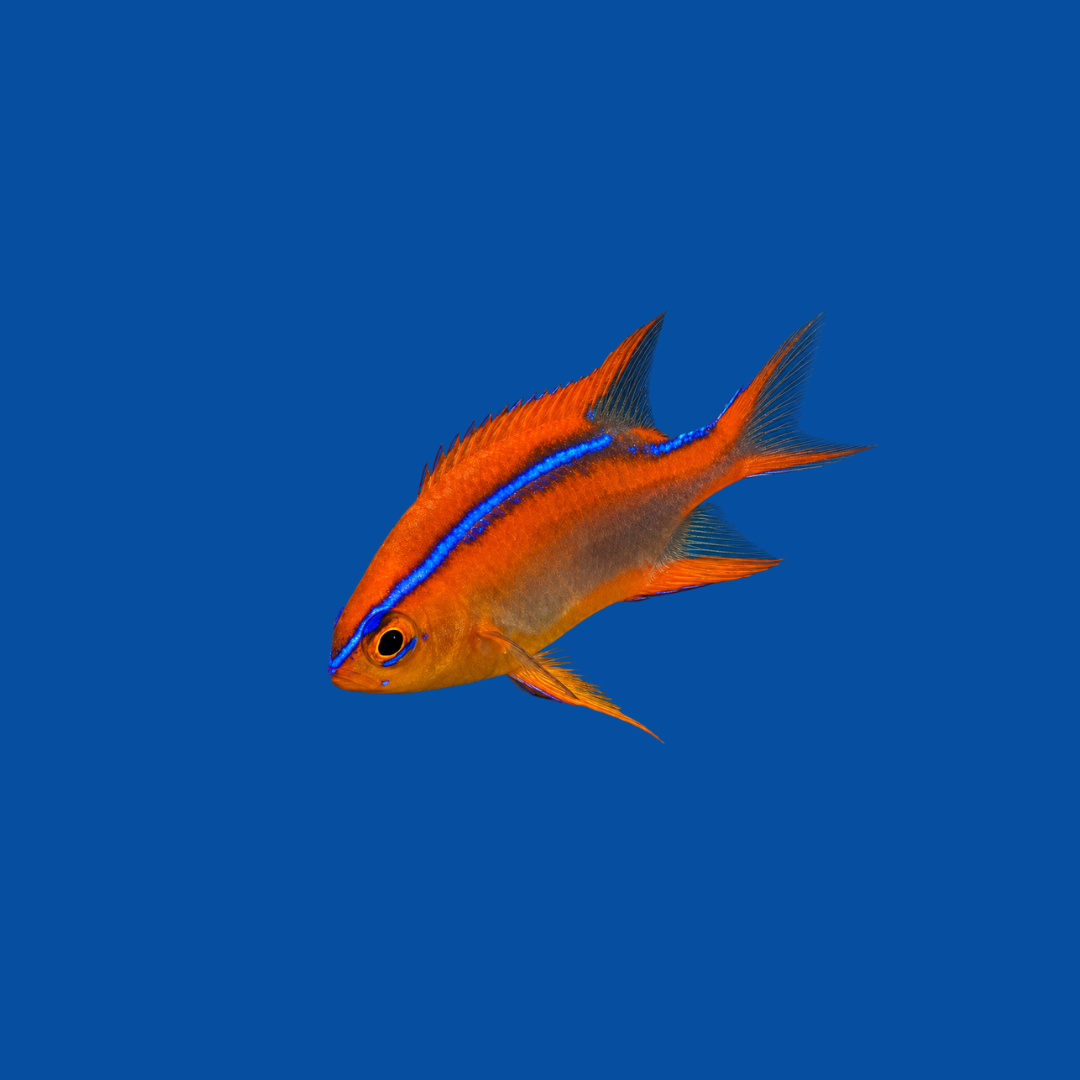
クロスズダムセルは、インドネシアのスラウェシ島やモルッカ諸島周辺を中心とする西部中部太平洋のサンゴ礁域に生息するスズメダイの仲間です。日本の海水魚流通では「バリダムセル」や「オレンジダムセル」といった名前で扱われることもあり、幼魚期の明るいオレンジ色と細い青色ラインがよく目を引きます。 Cross’s damsel is a damselfish from reef-associated habitats in the western central Pacific, especially around Sulawesi and the Moluccas in Indonesia. In the Japanese marine aquarium trade, it may also be sold as Bali damsel or orange damsel, and juveniles are especially noticeable for their bright orange body and narrow blue stripe.
成長すると体色は灰褐色から暗色へ落ち着き、幼魚期の鮮やかな印象とは大きく異なる姿になります。丈夫で餌付きやすい海水魚ですが、成魚は自分の行動範囲を守ろうとする傾向が強く、小型水槽や温和な魚との混泳ではトラブルが起こりやすくなります。迎える際は、幼魚の美しさだけで判断せず、成長後の体格と性格まで見越した飼育計画が大切です。 As it matures, the body color becomes grayish brown to dark, giving the adult a very different impression from the juvenile. It is a hardy marine fish that usually accepts prepared foods readily, but adults tend to defend their chosen area strongly. Small tanks and peaceful tank mates can therefore lead to problems. This species should be chosen with its adult size and temperament in mind, not only for its juvenile colors.
基本情報 / Basic Information
| 学名 / Scientific Name | Neoglyphidodon crossi Allen, 1991 |
|---|---|
| 通称 / Common Name | クロスズダムセル、バリダムセル、オレンジダムセルCross’s damsel, Orange damsel, Bali damsel |
| 分類 / Family | 条鰭綱、スズメダイ科、スズメダイ亜科、ヒレナガスズメダイ属。上位分類は資料によって表記が揺れるため、ここでは科と属を中心に示しています。Actinopterygii, family Pomacentridae, subfamily Pomacentrinae, genus Neoglyphidodon. Higher-level placement may vary among references, so this entry emphasizes the family and genus. |
| 英名 / English Name | Cross’s damsel |
| 分布 / Distribution | 西部中部太平洋。信頼性の高い魚類データベースでは、インドネシアのスラウェシ島およびモルッカ諸島周辺から知られる種とされています。水深1〜12mほどの保護された湾内、ラグーン、岩礁やサンゴ礁の浅い溝に生息します。Western central Pacific. Major fish databases record the species from around Sulawesi and the Moluccas in Indonesia. It inhabits protected bays, lagoons, rocky areas, and shallow gutters of coral reefs at roughly 1–12 m depth. |
| 最大体長 / Max Size | 約10cm。流通時は小さな幼魚が中心ですが、成長後は体高のあるしっかりした体つきになります。About 10 cm. It is often sold as a small juvenile, but adults develop a deeper, more robust body. |
| 寿命 / Lifespan | 本種単独の明確な飼育寿命データは限られます。近縁のスズメダイ類と同様に、安定した環境では複数年の長期飼育を目指せます。Clear species-specific lifespan data in captivity is limited. As with related damselfish, multi-year care is a realistic goal when the aquarium is stable. |
飼育環境 / Aquarium Environment
| 水槽サイズ / Tank Size | 単独飼育でも90cm規格水槽以上を目安にすると安心です。混泳を前提にする場合は、120cm規格水槽以上、または同等以上の水量と遊泳空間を用意します。販売サイズが小さくても、成魚の行動範囲と縄張り意識を考えると、30cm・45cmクラスの小型水槽には向きません。A standard 90 cm tank or larger is a safer baseline even for a single specimen. For community setups, a standard 120 cm tank or an equivalent volume and swimming space is preferable. Although juveniles are sold small, their adult activity and territorial behavior make them unsuitable for 30 cm or 45 cm class nano tanks. |
|---|---|
| 水温 / Temperature | 24〜27℃前後を目安に安定させます。急な水温変化を避け、日本の夏場は水槽用クーラーや冷却ファン、冬場はヒーターを使って管理します。 Keep the temperature stable at around 24–27°C. Avoid sudden swings, using an aquarium chiller or cooling fan in hot Japanese summers and a heater in winter. |
| 水質 / Water Quality | 海水比重は1.020〜1.025、pHは8.0〜8.4を目安にします。丈夫な魚ではありますが、安定したろ過、定期的な換水、過剰給餌を避ける管理が長期維持の基本です。Aim for a specific gravity of 1.020–1.025 and a pH of 8.0–8.4. It is a hardy fish, but stable filtration, regular water changes, and controlled feeding are the foundation of long-term care. |
| レイアウト / Layout | ライブロックを複雑に組み、隠れ家と視線を遮る境界を複数作ります。開けた遊泳スペースを残しつつ、岩陰や小さな洞窟を用意すると、個体が落ち着きやすくなり、混泳時の逃げ場も確保できます。Arrange live rock to create multiple shelters and visual barriers. Leave open swimming space while providing crevices and small caves, helping the fish settle and giving tank mates places to retreat. |
| 注意点 / Precautions | 成長に伴って攻撃性が目立ちやすくなります。混泳水槽では、ほかの魚が水槽に慣れてから本種を最後に導入すると、縄張り形成による攻撃をやや抑えやすくなります。サンゴ水槽に入れる場合も、魚同士の相性と遊泳空間を優先して判断します。Aggression tends to become more apparent with age. In community aquaria, add this species last after the other fish have settled, which can help reduce territory-based aggression. In reef tanks, compatibility with other fish and available swimming space should be considered first. |
餌と給餌 / Feeding
| 餌の種類 / Diet | 雑食性です。海水魚用の人工飼料を主食にし、冷凍イサザアミ、ブラインシュリンプ、細かく刻んだアサリやイカ、クリル、スピルリナ入りフードなどを組み合わせます。It is omnivorous. Use quality marine flakes or pellets as the staple, supplemented with frozen mysids, brine shrimp, finely chopped clam or squid, krill, and spirulina-based foods. |
|---|---|
| 給餌のポイント / Feeding Tips | 餌付きはよく、食欲も旺盛です。食べ残しは水質悪化につながるため、1日1〜2回を目安に、短時間で食べ切れる量を与えます。動物質と植物質を偏りなく与えると、体型とコンディションを保ちやすくなります。It usually accepts food readily and has a strong appetite. Uneaten food can quickly affect water quality, so feed once or twice daily, offering only what is consumed in a short time. A balanced mix of animal- and plant-based foods helps maintain body condition. |
性格と混泳 / Temperament and Tank Mates
| 性格 / Temperament | 野外では単独で見られることが多いとされ、飼育下でも自分の居場所を守ろうとする性質が出やすい魚です。幼魚期は比較的おとなしく見えることがありますが、成長すると岩場や水槽の一角を中心に、ほかの魚を追い払う行動が目立つことがあります。In the wild it is often reported as solitary, and in aquaria it readily defends its chosen area. Juveniles may appear relatively calm, but as the fish matures it may chase other fish away from a rock structure or a favored part of the tank. |
|---|---|
| 混泳の相性 / Compatibility | 温和な小型スズメダイ、ハタタテハゼのような遊泳性ハゼ、小型ベラ、テンジクダイ類との混泳は避けた方が安全です。混泳候補は、本種より体格があり、過度に臆病ではないヤッコ類、ハギ・ニザダイ類、メギス類などに限られます。同種同士は争いやすいため、一般的な家庭水槽では1水槽1匹を基本にします。Avoid peaceful small damselfish, firefish-type gobies, small wrasses, and cardinalfish. Better candidates are larger and reasonably assertive fish such as angelfish, tangs, and dottybacks. Multiple individuals are likely to fight, so one specimen per home aquarium is the safest approach. |
病気と対策 / Diseases and Prevention
| かかりやすい病気 / Common Diseases | 本種だけが特にかかりやすい病気はよく知られていません。海水魚全般と同じく、白点病、ウーディニウム症、細菌性のヒレや体表のトラブルには注意します。輸入直後や導入直後は、輸送ストレスによる体力低下も見落とさないようにします。No disease is known to be uniquely common in this species. As with marine fish in general, watch for marine ich, marine velvet, and bacterial fin or skin problems. Newly imported or newly introduced specimens may also be weakened by shipping stress. |
|---|---|
| 対策と予防 / Prevention | 購入時は体表、呼吸、泳ぎ方を確認し、可能であれば検疫水槽で観察してから本水槽へ移します。水温と比重を安定させ、過密飼育を避けることが重要です。追い回しによる傷は感染の入口になりやすいため、混泳相手の選定も病気予防の一部として考えます。Check the skin, breathing, and swimming behavior before purchase, and observe the fish in quarantine when possible before adding it to the display tank. Stable temperature and salinity, along with avoiding overcrowding, are important. Wounds from chasing can become infection points, so compatibility planning is also part of disease prevention. |
増やし方(繁殖) / Breeding
| 雌雄の判別 / Sexing | 外見だけで雌雄を確実に見分けるのは難しい魚です。成熟した個体では、繁殖期の行動、産卵場所への関心、卵を守る行動などから推測します。Reliable sexing by appearance is difficult. In mature fish, sex may be inferred from breeding behavior, interest in a spawning site, and egg-guarding behavior. |
|---|---|
| 繁殖形態 / Reproduction | 卵生で、岩肌などの基質に粘着性の底生卵を産み付けます。繁殖期にはペアを作り、産卵後はオスが卵を守りながら胸鰭で水を送ります。It is oviparous and lays adhesive demersal eggs on a substrate such as rock. During breeding it forms pairs, and after spawning the male guards and fans the eggs with the pectoral fins. |
| 繁殖のポイント / Breeding Tips | 水槽内で産卵行動が見られる可能性はありますが、仔魚を育てるには適切なサイズの生きた初期餌料と安定した育成環境が必要です。一般家庭で稚魚まで育てる難易度は高く、流通個体は野生採集個体が中心と考えられます。Spawning may occur in aquaria, but raising larvae requires suitable live first foods and a stable rearing environment. Raising fry at home is difficult, and trade specimens are thought to be mostly wild-caught. |
雑学と豆知識 / Trivia and Fun Facts
| 1. 学名に残る研究者への敬意 / 1. A name that honors a researcher | 種小名のcrossiは、ノーバート・J・クロス氏にちなむ献名です。本種を記載したジェラルド・R・アレン博士は、サンゴ礁魚類の研究でよく知られる人物です。学名は単なる記号ではなく、研究者同士の協力や魚類学の歩みを静かに伝える手がかりにもなります。The species name crossi honors Norbert J. Cross. Gerald R. Allen, who described the species, is well known for his work on coral reef fishes. Scientific names are not just labels; they can also preserve traces of collaboration and the history of ichthyology. |
|---|---|
| 2. 幼魚と成魚で印象が変わる魚 / 2. A fish that changes dramatically with age | クロスズダムセルの大きな特徴は、幼魚と成魚で見た目の印象が変わることです。幼魚はオレンジ色の体に青いラインが入り、水槽内でもよく目立ちます。成魚になると色は落ち着き、観賞魚としての派手さは控えめになりますが、その変化はサンゴ礁で生きる魚の成長段階を感じさせるものです。幼魚の色だけでなく、成魚の渋い姿まで受け入れて飼育できるかが、本種を迎える前の大切な判断材料になります。One of the defining features of Cross’s damsel is the difference between juveniles and adults. Juveniles stand out with an orange body and a blue stripe. Adults become much more subdued, and their ornamental appeal becomes less flashy, but this change reflects a natural life-stage shift on the reef. Before choosing this species, it is important to appreciate not only the juvenile colors but also the more restrained adult appearance. |
| 3. 流通名と産地名は同じとは限らない / 3. Trade names do not always equal collection locality | 日本では「バリダムセル」という名前で見かけることがありますが、流通名は必ずしも厳密な自然分布や採集地を示すものではありません。魚類データベースでは、本種の分布はスラウェシ島やモルッカ諸島周辺として扱われています。観賞魚の名前には、見た目、輸入ルート、販売上の分かりやすさが反映されることもあるため、飼育情報を調べるときは学名で確認するのが確実です。In Japan, this fish may be encountered under the name Bali damsel, but trade names do not always indicate the exact natural range or collection locality. Major fish databases treat this species as occurring around Sulawesi and the Moluccas. Aquarium names may reflect appearance, import routes, or ease of sale, so checking information by scientific name is the most reliable approach. |
| 4. 安価で丈夫な魚ほど、将来の姿を想像したい / 4. Hardy, inexpensive fish still need long-term planning | クロスズダムセルは丈夫で餌付きやすく、幼魚はとても魅力的です。そのため、初めての海水魚として目に留まりやすい一方、成長後の縄張り意識を見落とすと混泳の難しさが表面化します。購入時の小ささではなく、成魚になったときの行動範囲、混泳相手、ライブロックの配置まで想像しておくことで、この魚との付き合い方は大きく変わります。Cross’s damsel is hardy, feeds readily, and is very attractive as a juvenile. These qualities can make it appealing to newer marine aquarists, but overlooking its adult territoriality can lead to compatibility problems. Planning for its adult range of movement, tank mates, and live-rock layout changes the way this fish can be kept successfully. |
まとめ / Conclusion
クロスズダムセルは、幼魚期の鮮やかな色彩と、成魚期の落ち着いた存在感をあわせ持つ海水魚です。小さな幼魚として販売されることが多いものの、成長後は体つきがしっかりし、縄張りを意識した行動も目立つようになります。長く健やかに飼うためには、最初から広めの水槽と複雑な岩組みを用意し、混泳相手を慎重に選ぶことが欠かせません。 Cross’s damsel combines the vivid coloration of a juvenile with the calmer presence of an adult reef fish. Although it is often sold as a small juvenile, it develops a stronger body and more territorial behavior as it grows. Long-term care requires a spacious tank from the start, a complex rock layout, and carefully chosen tank mates.
幼魚の華やかさだけでなく、成長とともに変わっていく姿まで受け止められる環境であれば、本種は水槽内にサンゴ礁のスズメダイらしい力強さを添えてくれます。ライブロックの間を巡り、自分の居場所を確かめるように泳ぐ姿は、丈夫さだけでは語りきれない個性を感じさせてくれるでしょう。 When kept in an environment that accepts not only its juvenile beauty but also its changing adult character, this species brings the assertive presence of a reef damselfish to the aquarium. As it moves through the live rock and patrols its chosen space, it shows a personality that goes beyond simple hardiness.

気になる道具や飼い方を見つけてみませんか?
 アイのアクアグッズ案内旅行中、お魚のごはんはどうする? 自動給餌器・使える餌・スマート水槽の選び方旅行中の魚の餌やりを助ける自動給餌器を、アイとコタロウが紹介。時間指定、おかわり給餌、対応するフレークや顆粒、設置台、スマホ管理、一体型水槽、留守番フードまで、使いどころと選び方を案内します。記事はコチラ →
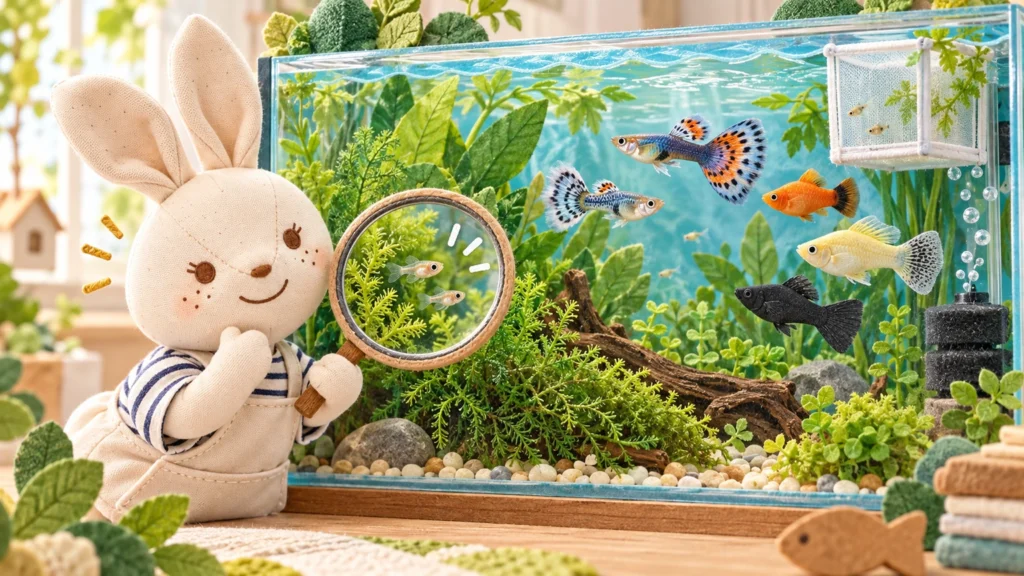 アイのアクアグッズ案内グッピー・プラティ・モーリーを親子で楽しむ飼育用品|水槽・稚魚保護・ろ過・餌・水草道具の特徴や使い方、選ぶときのポイントをアイが紹介します。記事はコチラ →
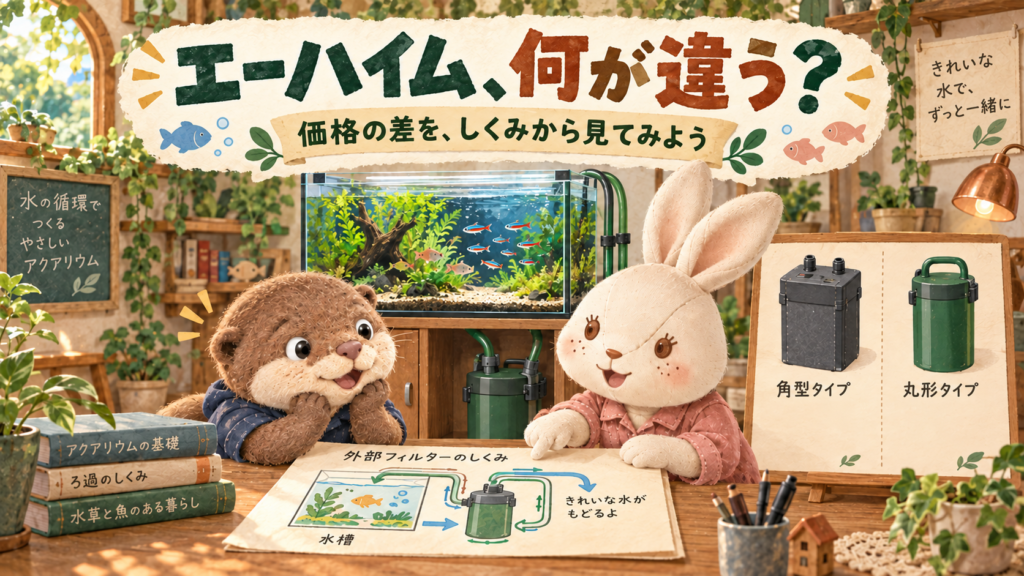 アイのアクアグッズ案内エーハイム、安いのと高いのは何が違う? コタロウと見比べる外部フィルター道具の特徴や使い方、選ぶときのポイントをアイが紹介します。記事はコチラ →
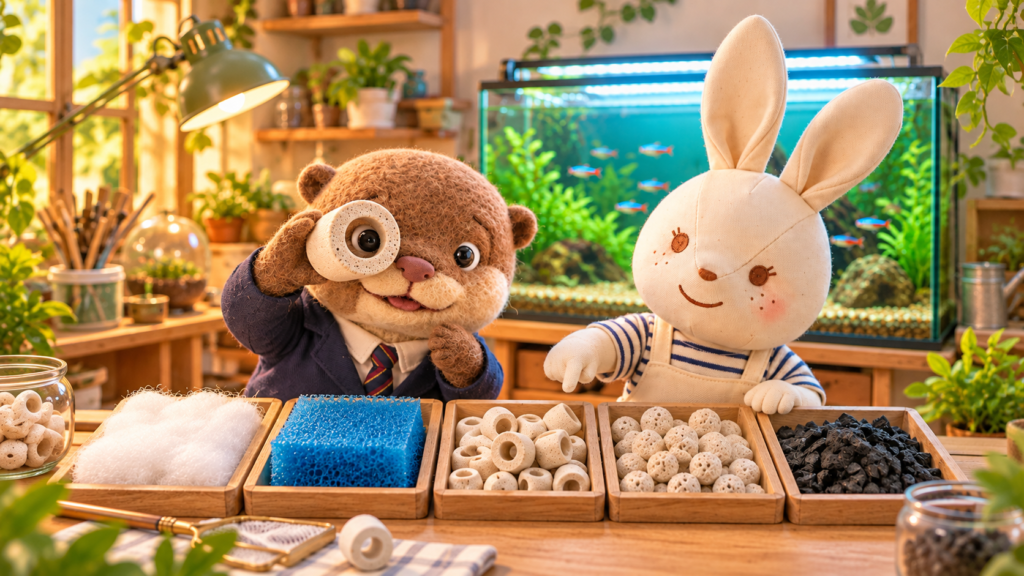 アイのアクアグッズ案内水槽のろ材の選び方|ウール・リング・活性炭の違いとおすすめ商品フィルターの中の綿や石は何をしている? アイとコタロウが、ウール・スポンジ・セラミック・焼結ガラス・活性炭・ゼオライトを比較。機種との相性、入れ方、洗い方と交換まで商品とともに紹介します。記事はコチラ →
さまざまな飼育テーマをご紹介。リンク先の記事には広告・商品紹介が含まれます。
案内・紹介記事一覧へ →分布マップ
クロスズダムセルは、西部中部太平洋のうち、インドネシアのスラウェシ島およびモルッカ諸島周辺を中心に知られています。この地図では、分布イメージを示すための概略代表地点を表示しています。
このマーカーは分布欄の内容から作成した概略プロットです。実際の採集地点や厳密な生息範囲を示すものではありません。
参考文献
この記事では、店舗・通販サイト・個人ブログ・まとめサイトを除外し、分類、分布、生息環境、飼育条件、繁殖、病気や導入時の注意点を確認できる資料を中心に参照しています。種そのものに関する情報は魚類データベースを優先し、飼育管理と病気については大学・獣医学系の資料を補助的に用いています。
-
FishBase: Neoglyphidodon crossi, Cross’ damsel
Froese, R. and Pauly, D. eds. FishBase. Neoglyphidodon crossi Allen, 1991.
https://fishbase.se/summary/neoglyphidodon-crossi
主な確認範囲:分類階層、学名、分布、1〜12mの生息深度、岩礁・サンゴ礁の浅い溝や保護された湾・ラグーンという生息環境、最大体長、鰭条数、繁殖形態、底生卵、オスによる卵保護。 -
World Register of Marine Species: Neoglyphidodon crossi Allen, 1991
WoRMS Editorial Board. World Register of Marine Species.
https://www.marinespecies.org/aphia.php?p=taxdetails&id=278812
主な確認範囲:海産生物名としての受容名、分類上の位置づけ、著者名と記載年の照合。 -
GBIF Backbone Taxonomy: Neoglyphidodon crossi Allen, 1991
GBIF Secretariat. GBIF Backbone Taxonomy checklist dataset.
https://www.gbif.org/species/2398575
主な確認範囲:学名表記、分類群データベース上の照合、外部データベース間での名称確認。 -
University of Florida IFAS Extension: 4-H Marine Aquarium Project Book
UF/IFAS Extension. 4-H Marine Aquarium Project Book: Youth Project Guide to Starting and Maintaining a Saltwater Aquarium System.
https://ask.ifas.ufl.edu/publication/4H433
主な確認範囲:海水水槽の水温、比重、pH、アンモニア・亜硝酸・硝酸塩の確認、定期的な水質検査、換水、プロテインスキマーやろ過管理の考え方。 -
MSD Veterinary Manual: Parasitic Diseases of Fish
MSD Veterinary Manual. Parasitic Diseases of Fish.
https://www.msdvetmanual.com/exotic-and-laboratory-animals/aquarium-fish/parasitic-diseases-of-fish
主な確認範囲:海水魚で問題になる白点病に相当するCryptocaryon irritans、外部寄生虫、症状確認、隔離・治療管理の基本的な考え方。 -
Hadfield and Clayton, 2011: Fish quarantine: current practices in public zoos and aquaria
Hadfield, C. A. and Clayton, L. A. 2011. Journal of Zoo and Wildlife Medicine, 42(4): 641–650. doi: 10.1638/2011-0034.1.
https://pubmed.ncbi.nlm.nih.gov/22204059/
主な確認範囲:新規導入魚の検疫、既存水槽へ感染症を持ち込むリスクの低減、観察・診断・処置のために隔離期間を設ける意義。




コメント