
解説 / Description
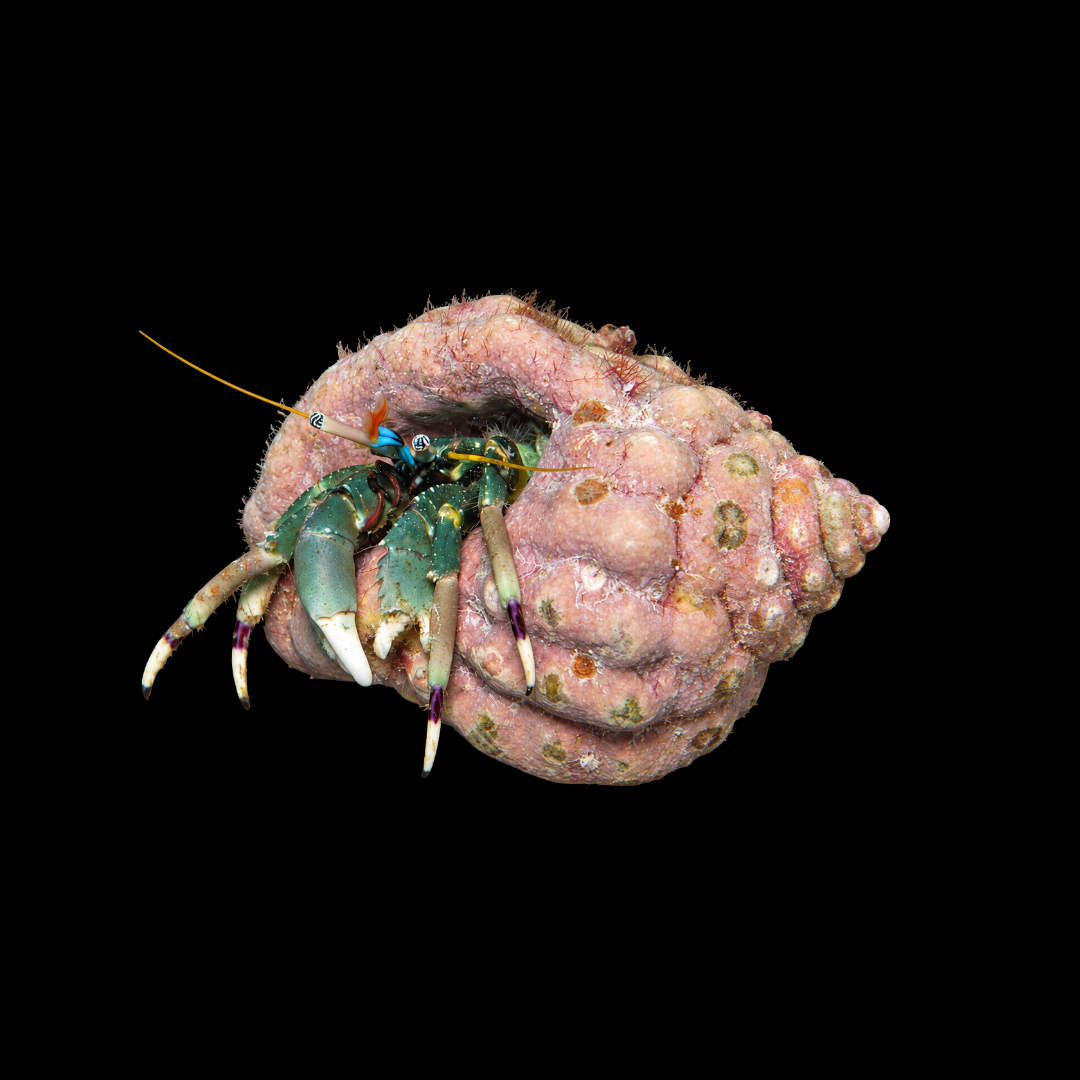
ツマジロサンゴヤドカリは、インド太平洋の暖かい海に暮らす海産のヤドカリです。オリーブグリーンの体に、歩脚の末端にある暗色帯と白い部分がよく映えます。淡い桃色の眼柄や、青と橙色を帯びる第1触角も、近くで観察したくなる魅力です。岩の表面をはさみでつまみながら移動し、付着藻類や残餌などを食べるため、海水水槽ではお掃除役として親しまれています。ただし、残餌だけでは餌が不足することがあり、成長に合った貝殻も必要です。安定した海水と十分な餌、宿替え用の空の貝殻を用意すると、その小さな暮らしをじっくり楽しめます。 The hidden hermit crab is a marine hermit crab from warm waters of the Indo-Pacific. Its olive-green body contrasts with dark bands and white areas near the ends of its walking legs. Pale pink eyestalks and blue-and-orange antennules reward close observation. It picks at rock surfaces for attached algae and leftover food, making it a familiar aquarium scavenger. However, leftovers may not provide enough food, and suitable shells are needed as it grows. Stable seawater, adequate feeding, and spare empty shells allow its everyday behavior to be enjoyed in detail.
基本情報 / Basic Information
| 学名 / Scientific Name | Calcinus latens (Randall, 1840) |
|---|---|
| 通称 / Common Name | ツマジロサンゴヤドカリ。「サンゴヤドカリ」「ヤドカリミックス」といった名称は複数種を含む場合があるため、購入時は種名と実際の個体を確認します。Hidden hermit crab. General labels such as “coral hermit crabs” or “mixed hermit crabs” may include several species, so confirm the species and inspect the actual animal before purchase. |
| 分類 / Family | 節足動物門・甲殻亜門・軟甲綱・十脚目・異尾下目・ホンヤドカリ上科・ヤドカリ科・サンゴヤドカリ属。Phylum Arthropoda; subphylum Crustacea; class Malacostraca; order Decapoda; infraorder Anomura; superfamily Paguroidea; family Diogenidae; genus Calcinus. |
| 英名 / English Name | Hidden hermit crab |
| 分布 / Distribution | 東アフリカ沿岸からインド洋、東南アジア、オーストラリア、ハワイや南太平洋の島々にかけて広く分布します。日本では本州南部以南の暖かい沿岸域や琉球列島などに見られ、潮間帯の岩礁や浅いサンゴ礁に生息します。Widely distributed from eastern Africa through the Indian Ocean and Southeast Asia to Australia, Hawaii, and South Pacific islands. In Japan it occurs along warm coasts of southern Honshu and farther south, including the Ryukyu Islands. It inhabits intertidal rocky shores and shallow coral reefs. |
| 最大体長 / Max Size | 種全体の最大体長を確実に示せる情報は限られます。甲長約14.4mmの雄の記録がありますが、これは調べられた標本の大きさであり、本種の成長限界を示す値ではありません。貝殻の長さ、脚を広げた大きさ、甲長はそれぞれ異なるため、販売時のサイズ表記では測定部位を確認してください。Reliable information establishing the species’ maximum body size is limited. A male with a carapace length of approximately 14.4 mm has been recorded, but this is a specimen measurement rather than a demonstrated growth limit. Shell length, leg span, and carapace length are different measurements; check what a seller’s size description refers to. |
| 寿命 / Lifespan | 飼育下の寿命を一律に示せる確かな情報は限られます。購入時の年齢も通常は分からず、何年生きるかを正確に見積もることは困難です。水温と塩分を安定させ、十分な栄養と適切な宿貝を確保することが、長期飼育の基本です。Reliable information establishing a uniform captive lifespan is limited. Age at purchase is usually unknown, making an accurate estimate of remaining lifespan difficult. Stable temperature and salinity, adequate nutrition, and suitable shells are fundamental to long-term care. |
飼育環境 / Aquarium Environment
| 水槽サイズ / Tank Size | 少数飼育では、45cm規格水槽程度から、水量に余裕のある環境を用意すると管理しやすくなります。幅45×奥行30×高さ30cmなら、寸法から計算した容量は約40Lです。魚との混泳には60cm規格水槽(幅60×奥行30×高さ36cm、寸法上の容量約65L)以上を目安にし、混泳魚の大きさや数も考慮してください。実際の水量は水位や底砂、岩の量によって少なくなります。小型水槽でも飼育は可能ですが、水温や塩分が変わりやすいため、初心者は水量に余裕を持たせると安心です。For a few individuals, an aquarium around the standard 45 cm size provides a manageable starting point with reasonable water volume. A 45 × 30 × 30 cm tank has a calculated geometric capacity of about 40 L. For fish communities, consider a standard 60 cm tank measuring 60 × 30 × 36 cm, approximately 65 L by dimensions, or larger according to the fish species and stocking level. Actual water volume is lower because of water level, substrate, and rock. Smaller tanks can work, but temperature and salinity fluctuate more readily. |
|---|---|
| 水温 / Temperature | 熱帯性の海水水槽では、24~26℃を日常管理の目安にし、急変を避けます。これは飼育時の管理目標であり、本種の生存可能な温度範囲や最適温度が厳密に確定しているという意味ではありません。夏は冷却設備、冬はヒーターを使い、温度計で実際の水温を確認してください。 For a tropical marine aquarium, approximately 24–26°C is a practical routine target, with abrupt changes avoided. This is a husbandry target rather than a precisely established survival range or optimum for the species. Use cooling equipment in summer and a heater in winter, and verify the actual temperature with a thermometer. |
| 水質 / Water Quality | 海水で飼育します。塩分約33~35‰、pH8.1~8.4を一般的な海水水槽の管理目安とし、アンモニアと亜硝酸が検出されない、ろ過の安定した水槽に導入します。比重では25℃でおおむね1.024~1.026が目安ですが、計器の基準温度や校正状態を確認してください。蒸発した分は塩を加えない真水で補い、水換えには水温と塩分を合わせた人工海水を使います。目標値へ急に合わせるのではなく、変動を小さく保つことが大切です。Keep this species in seawater. General marine-aquarium targets are approximately 33–35 ppt salinity and pH 8.1–8.4, with undetectable ammonia and nitrite in an established aquarium. A specific gravity of roughly 1.024–1.026 at 25°C provides a practical guide, but check the instrument’s reference temperature and calibration. Replace evaporation with freshwater without added salt, and use temperature- and salinity-matched seawater for water changes. Avoid abrupt corrections. |
| レイアウト / Layout | ライブロックや海水用の岩を安定させて配置し、身を隠せる隙間と歩き回れる場所を作ります。底砂は必須ではありませんが、薄く敷くと自然な雰囲気を楽しめます。水が滞留しない程度の水流を確保し、ポンプの吸水口には保護を施してください。宿替え用には、現在の宿貝と同程度から少し大きい、開口部の形や内部の広さが異なる空の巻貝殻を複数用意します。塗装や装飾加工のない、清潔なものを使います。Secure live rock or marine-safe rock to provide sheltered crevices and accessible surfaces. Substrate is optional, though a thin layer creates a natural appearance. Maintain circulation without stagnant areas and protect pump intakes. Offer several clean, unpainted empty gastropod shells, ranging from the current shell size to slightly larger, with different openings and internal spaces. |
| 注意点 / Precautions | 導入時は水温と塩分を確認し、その差に応じて慎重に水合わせを行います。淡水浴や銅を含む魚病薬の使用は避け、ほかの薬剤も無脊椎動物に使用できるか確認してください。脱皮前後に隠れた個体を無理に探し出したり、殻から引き抜いたりしないことが大切です。岩やサンゴは倒れないように固定し、配線沿いなどの脱走経路をふさぎます。ヨウ素やカルシウムは、脱皮不全を防ぐ目的でむやみに添加せず、適切な人工海水での水換えと栄養管理を基本にしてください。Check temperature and salinity before introduction and acclimate carefully according to the differences. Avoid freshwater dips and copper-containing fish medications; verify invertebrate compatibility before using other products. Do not disturb animals hiding around a molt or pull them from their shells. Secure rocks and corals and block escape routes around cables. Do not indiscriminately add iodine or calcium to prevent molting problems; prioritize suitable seawater, routine water changes, and adequate nutrition. |
餌と給餌 / Feeding
| 餌の種類 / Diet | 付着藻類や細かな有機物を利用する雑食性です。飼育下では、海水用の沈下性人工飼料や、藻類・スピルリナを配合した飼料を中心に、少量のオキアミや魚介類の細片などを組み合わせます。コケの種類によって食べ方は異なり、すべてのコケや、赤ゴケと呼ばれるシアノバクテリアを食べるとは限りません。An omnivore that feeds on attached algae and small organic particles. Offer sinking marine foods and algae- or spirulina-containing diets, supplemented with small pieces of krill or other seafood. Grazing varies with the type of growth present; it should not be expected to eat every alga or cyanobacterial mat. |
|---|---|
| 給餌のポイント / Feeding Tips | 水槽内の餌の量と個体の食べ方を見ながら、少量ずつ補助給餌します。魚に餌を奪われる場合は、消灯前後に隠れ場所の近くへ餌を沈めると届きやすくなります。食べ残しは回収し、底にたまり続けないようにしてください。新しい水槽やコケの少ない水槽では、特に餌不足に注意します。お掃除役として導入しても、餌を食べて排泄する生体であることに変わりはなく、水換えや底の清掃は引き続き必要です。Supplement in small amounts according to available food and observed feeding. If fish intercept the food, place sinking portions near shelter around lights-out. Remove leftovers and prevent persistent accumulation. Newly established or very clean aquariums require particular attention to food shortages. Like other animals, this crab produces waste, so its presence does not replace water changes or substrate maintenance. |
性格と混泳 / Temperament and Tank Mates
| 性格 / Temperament | 比較的穏やかで、岩の表面や隙間を探索して過ごします。暗くなってから活発になる個体もいますが、水槽内では日中の採餌も観察できます。一方で、宿貝や餌を巡る争いは起こり得ます。小型で温和に見えても、ほかの生体に危害を加えないとは限りません。Usually relatively mild-tempered, spending time exploring rock surfaces and crevices. Some individuals become more active after dark, although daytime feeding can also be observed. Competition over food and shells remains possible, and a small, apparently peaceful crab is not guaranteed to be harmless to every tank mate. |
|---|---|
| 混泳の相性 / Compatibility | 甲殻類を捕食しない小型ハゼ類やテンジクダイ類などとは組み合わせやすく、サンゴ水槽でも飼育されます。ただし、移動中に小さなサンゴ片を落としたり、ポリプに接触したりすることがあるため、サンゴを固定して様子を観察します。生きた巻貝への攻撃や、脱皮直後のほかのヤドカリへの干渉も起こり得ます。空の貝殻と餌を十分に用意し、過密を避けてください。フグ類、モンガラカワハギ類、甲殻類を食べるベラ類、タコ、大型のカニ、攻撃性の強いヤドカリとの混泳は避けます。Small gobies, cardinalfishes, and other fish that do not prey on crustaceans are generally suitable companions. It is also kept in coral aquariums, but may dislodge small coral fragments or contact polyps, so secure corals and monitor interactions. Attacks on living snails or interference with freshly molted hermit crabs are possible. Provide sufficient food and empty shells and avoid crowding. Exclude puffers, triggerfishes, crustacean-eating wrasses, octopuses, large crabs, and strongly aggressive hermit crabs. |
病気と対策 / Diseases and Prevention
| かかりやすい病気 / Common Diseases | 本種で多発する病気について、まとまった飼育情報は限られます。管理上は、脱皮不全、餌不足による衰弱、塩分や水温の急変による不調、外傷や外骨格の異常に注意します。これらの不調が、すべて感染症によるものとは限りません。野外由来の個体には寄生生物が付いていることもありますが、体の多くが宿貝に隠れているため、外観だけでは原因を判断しにくい場合があります。Species-specific information on frequently occurring captive diseases is limited. Practical concerns include unsuccessful molting, nutritional weakness, stress from sudden salinity or temperature changes, injuries, and abnormal exoskeleton condition. These problems are not necessarily infectious. Wild-collected animals may carry parasites, but much of the body is concealed inside the shell, making diagnosis from appearance alone difficult. |
|---|---|
| 対策と予防 / Prevention | 水質と給餌状況を定期的に確認し、導入後は採餌、歩き方、殻への引っ込み方を観察します。動きが鈍い場合は、まず水温、塩分、アンモニア、亜硝酸、混泳相手からの攻撃の有無を確認してください。脱皮殻は死骸によく似るため、すぐに死亡と決めつけず、宿貝に個体が残っていないか、無理に触れずに観察します。脱皮中の個体を手で助けようとしたり、寄生生物らしきものを無理にはがしたりしないでください。隔離が必要な場合も、水温と塩分の合った、ろ過の安定した海水環境を用意します。Check water conditions and feeding regularly, and observe feeding, walking, and withdrawal into the shell after introduction. If activity declines, first examine temperature, salinity, ammonia, nitrite, and aggression from companions. A shed exoskeleton can resemble a dead crab, so observe whether the animal remains in its shell without forcing contact. Do not manually assist a molt or forcibly remove suspected parasites. If isolation is needed, provide established seawater with matching temperature and salinity. |
増やし方(繁殖) / Breeding
| 雌雄の判別 / Sexing | 雄は雌より大型になる傾向がありますが、体やはさみの大きさだけでは確実に判別できません。通常、雌の生殖孔は第3胸脚の基部、雄は第5胸脚の基部にあります。ここでいう胸脚は、はさみ脚を第1対として数えます。雌は腹部の付属肢に卵を抱えますが、生殖孔や腹部は宿貝に隠れて見えにくい部分です。判別のために無理に殻から取り出すことは避けてください。Males tend to grow larger than females, but body or claw size alone is insufficient for reliable sexing. Female gonopores are normally at the bases of the third pereopods, and male gonopores at the fifth, counting the claw-bearing pair as the first. Females carry eggs on abdominal appendages. These structures are usually concealed inside the shell; do not force an animal out for inspection. |
|---|---|
| 繁殖形態 / Reproduction | 卵生で、雌が腹部に卵を抱えます。海産ヤドカリ類では一般に、孵化後は海水中を漂うゾエア幼生として過ごし、脱皮を重ねてグラウコトエと呼ばれる段階へ移ります。グラウコトエはメガロパに相当する幼生段階で、その後、貝殻を利用する底生生活へ移行します。本種の幼生育成でも、親と同じ姿の子が直接生まれる生き物とは異なる管理が必要です。An egg-laying species in which females carry eggs on the abdomen. Marine hermit crabs generally hatch as planktonic zoeae and, through successive molts, reach a stage called the glaucothoe. This is the hermit-crab equivalent of a megalopa, preceding the transition to shell-using benthic life. Rearing this species therefore requires a different approach from caring for animals that produce miniature versions of their parents. |
| 繁殖のポイント / Breeding Tips | 抱卵や幼生の放出が見られても、一般的な混泳水槽で稚ヤドカリまで育てるのは容易ではありません。幼生は魚に食べられたり、ろ過装置に吸い込まれたりします。育成を試みる場合は専用の幼生水槽を用意し、穏やかな通気と清潔な海水を維持します。幼生が食べられる大きさの餌を用意し、実際に摂餌できているか確認することも必要です。貝殻を利用し始める時期には、ごく小さな空の貝殻を用意します。本種について家庭向けの確立した育成手順は限られるため、特定の餌や設備だけで繁殖を保証することはできません。Egg carrying or larval release does not mean juveniles will readily develop in a community aquarium. Larvae may be eaten or drawn into filtration. Breeding attempts require a dedicated larval tank, gentle aeration, clean seawater, and appropriately sized food, with feeding verified by observation. Very small empty shells are needed when shell use begins. Established home-rearing protocols for this species are limited, so no particular food or equipment alone can guarantee success. |
雑学と豆知識 / Trivia and Fun Facts
| 1. 白い脚先と「隠れる」学名 / 1. White Feet and a Name Meaning “Hidden” | 「ツマジロ」は、脚の末端が白く見える姿に由来する名前です。歩脚のいちばん先の節は指節と呼ばれ、本種ではその付け根側が暗色、先端側が白くなり、さらに先には小さな黒い爪があります。脚の配色だけでなく、淡い桃色の眼柄も合わせて見ることが、似たサンゴヤドカリを見分ける手掛かりになります。一方、種小名の latens はラテン語で「隠れている」を意味します。岩陰から顔を出し、刺激を受けると殻へ引っ込む姿を眺めると、和名と学名がそれぞれ違う特徴を伝えていることに気づきます。The Japanese name refers to the white ends of the walking legs. The terminal segment, or dactyl, has a dark basal area and a white distal area, followed by a tiny black claw. Pale pink eyestalks provide another useful identification clue. The Latin epithet latens means “hidden.” Its appearance from rock crevices and retreat into its shell show how the Japanese and scientific names highlight different features. |
|---|---|
| 2. 学名の括弧に残る分類の歴史 / 2. Taxonomic History in Parentheses | ツマジロサンゴヤドカリは、もともと Pagurus latens という学名で記載され、現在はサンゴヤドカリ属の Calcinus に分類されています。学名の後ろの「(Randall, 1840)」にある括弧は、最初に記載されたときから属が変わったことを示します。また、かつて別種として名付けられた Calcinus intermedius なども、現在は本種の異名として扱われています。異名とは、同じ種に付けられた別の学名のことです。古い記録に現在とは違う名前があっても、それだけで別の生き物とは限らず、分類を見直してきた経緯が名前に残っている場合があります。Originally described as Pagurus latens, this species is now placed in Calcinus. Parentheses around “Randall, 1840” indicate a change from the original genus. Names such as Calcinus intermedius are now treated as synonyms: different scientific names applied to the same species. An older name may therefore reflect taxonomic revision rather than a different animal. |
| 3. 貝殻は家であり、成長を支える資源 / 3. Shells as Homes and Essential Resources | ヤドカリの腹部は、はさみや歩脚ほど硬く守られていません。巻貝の空殻は、その柔らかい部分を包む大切な住まいです。ツマジロサンゴヤドカリの宿貝利用については、殻の大きさや重さ、利用する貝殻の種類が調べられてきました。殻は大きければよいわけではなく、体の収まり方や持ち運びやすさも関わります。水槽では、空殻の入口を探ったり、殻を動かしたりしてから選ぶ様子が見られることがあります。形や大きさの異なる殻を複数用意することで、成長した体に合う住まいを選べる環境を整えられます。A gastropod shell protects the soft abdomen. Research on this species has examined the size, weight, and types of shells it uses. A larger shell is not automatically better: fit and ease of carrying also matter. Crabs may probe openings and manipulate shells before choosing. Providing shells of different shapes and sizes allows them to select a suitable home as they grow. |
| 4. 岩陰では、見えるものだけが手掛かりではない / 4. Chemical Clues in a Sheltered World | サンゴのかけらや岩が重なる場所では、周囲を見通しにくくなります。ツマジロサンゴヤドカリは、視覚だけでなく、水中に含まれる物質も手掛かりにします。本種を対象とした実験では、捕食者であるタコに由来する化学刺激を含む海水に触れると、ほかの条件よりも防御的な行動に費やす時間が長くなりました。これは、相手の姿が見えなくても、水中の化学的な情報に反応して行動を変えられることを示しています。触角を動かす小さなしぐさも、周囲を探る感覚活動の一部です。岩陰で暮らすヤドカリにとって、水は呼吸の場であるとともに、周囲の情報を運ぶものでもあります。Overlapping rocks and coral rubble restrict visibility. This crab uses not only sight but also substances carried in the water. In an experiment, exposure to seawater containing chemical cues from a predatory octopus increased the time spent in defensive behavior compared with other treatments. This shows that chemical information can alter behavior without the predator being visible. Antennular movements also form part of its sensory activity. Water provides both a medium for respiration and information about its surroundings. |
| 5. 脱皮と宿替えは別々の出来事 / 5. Molting and Changing Shells Are Different | 水槽で見つかる、はさみや脚の形が残った薄い殻は、ヤドカリ自身が脱ぎ捨てた外骨格かもしれません。脱皮は体を成長させるための過程で、宿替えは住まいとして使っている巻貝殻を選び直す行動です。どちらも成長に関わりますが、必ず同時に起こるわけではありません。脱皮直後は新しい外骨格が柔らかいため、岩陰などで身を守ることが重要になります。姿が見えないからといって隠れ場所を崩すと、無防備な体をさらしてしまうことがあります。水質を保ち、無理に触れずに見守ることが、この時期の大切な世話になります。A thin, crab-shaped covering may be a shed exoskeleton. Molting allows the body to grow; shell changing replaces the gastropod shell used as a home. They need not occur together. The new exoskeleton is soft after a molt, making shelter important. Dismantling a hiding place may expose a vulnerable animal. Maintaining good water conditions and avoiding forced contact are essential during this period. |
| 6. 雌雄の特徴が重なる個体もいる / 6. Individuals with Both Male and Female Features | アカバ湾のツマジロサンゴヤドカリでは、雄と雌の両方の生殖孔を持つ「間性」の個体が報告されています。生殖孔は、体の外側に開く生殖器官の出口です。この報告は、外見上の雌雄の特徴が、すべての個体で明確に二つに分かれるわけではないことを示しています。ただし、両方の生殖孔があることと、卵と精子をともに作って繁殖できることは同じではありません。体の特徴と実際の生殖機能は分けて確かめる必要があり、原因についても、貝殻不足や水質変化だけで説明できるとは限りません。雌雄を判断するときも、見える特徴だけで結論を急がないことが大切です。Intersex individuals with both male and female gonopores have been reported from an Aqaba Gulf population. Gonopores are external openings of the reproductive system. The finding shows that external sexual features do not always fall into two clear categories. Having both types of opening does not establish the ability to produce both eggs and sperm and reproduce in both roles. External anatomy and reproductive function require separate assessment, and the cause cannot simply be attributed to shell shortages or water conditions. |
まとめ / Conclusion
ツマジロサンゴヤドカリは、白い脚先を動かしながら岩を巡る姿が愛らしい、海水水槽の小さな住人です。付着藻類や残餌をついばむ様子に加え、触角で周囲を探るしぐさや、貝殻を選ぶ慎重な行動にも観察の楽しみがあります。お掃除役として迎える場合も、十分な餌と安心して隠れられる場所を用意することが大切です。 With white-tipped legs moving across the rocks, the hidden hermit crab brings quiet interest to a marine aquarium. Beyond grazing and scavenging, its sensory movements and careful shell choices reward observation. Even when introduced as a cleaner, it needs sufficient food and secure shelter.
水温と塩分を安定させ、成長に合う空の貝殻をそろえ、脱皮の間は静かに見守る。こうした日々の世話が、落ち着いて暮らせる環境につながります。岩陰からそっと顔を出し、再び歩き始める小さな姿は、海の生き物の暮らしを身近に感じさせてくれるでしょう。 Keep temperature and salinity stable, provide suitable spare shells, and allow quiet shelter during molting. These everyday choices create a secure home. Watching it emerge from a crevice and resume its patient exploration offers a close connection with life in the sea.
気になる道具や飼い方を見つけてみませんか?
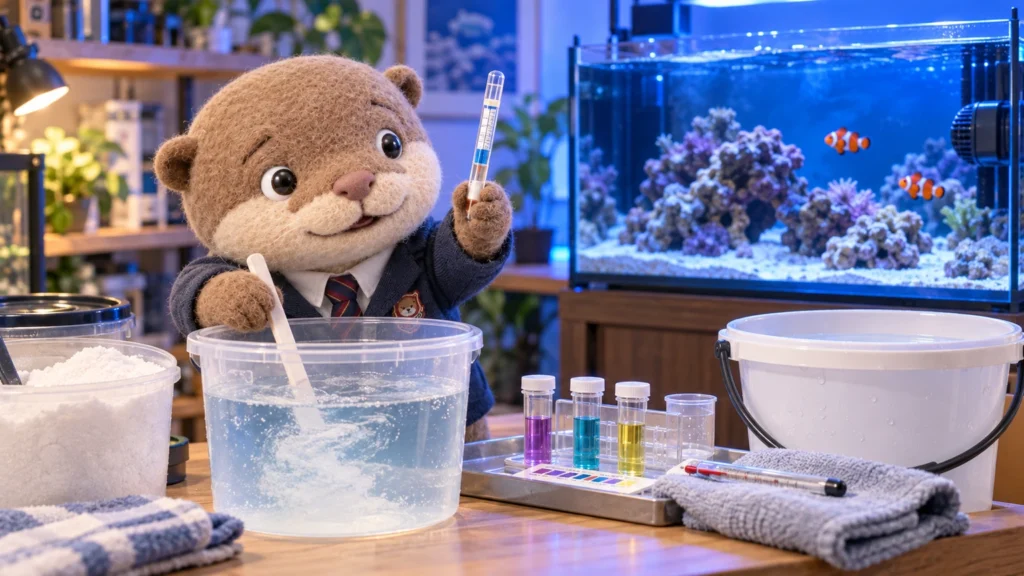 アイのアクアグッズ案内海水魚初心者の必需品|水槽・人工海水・比重計・水質検査道具の特徴や使い方、選ぶときのポイントをアイが紹介します。記事はコチラ →
 アイのアクアグッズ案内水槽ライトの選び方|魚の見え方・水草・海水で選ぶおすすめ照明道具の特徴や使い方、選ぶときのポイントをアイが紹介します。記事はコチラ →
さまざまな飼育テーマをご紹介。リンク先の記事には広告・商品紹介が含まれます。
案内・紹介記事一覧へ →分布マップ
ツマジロサンゴヤドカリ(Calcinus latens)は、東アフリカ沿岸からインド洋、東南アジア、オーストラリア、ハワイや南太平洋の島々にかけて広く分布します。日本では、本州南部以南の暖かい沿岸域や琉球列島などに見られます。
地図は分布地域全体を見渡すための概略表示であり、表示範囲のすべてに生息していることを示すものではありません。マーカーは代表地点として設定した沖縄周辺で、実際の採集地点ではありません。Google Earthのリンクも、この代表地点を開きます。
参考文献
-
World Register of Marine Species(WoRMS):Calcinus latens (Randall, 1840)
WoRMS/DecaNet。閲覧日:2026年10月12日。
学名、分類、命名者、異名。
-
BISMaL:Calcinus latens ツマジロサンゴヤドカリ
海洋研究開発機構(JAMSTEC)・海洋生物の多様性情報。閲覧日:2026年10月12日。
和名、分類、日本周辺の出現記録。
-
The genus Calcinus (Paguridea, Diogenidae) from the Mariana Islands including three new species
Wooster, D. S.(1984). Micronesica, 18(2): 121–162. University of Guam.
本種の形態・色彩、標本の甲長、広域分布、サンゴ礁での生息環境。
-
Utilization of Shell Resources by the Hermit Crabs Calcinus latens and Calcinus gaimardii at Kenting, Southern Taiwan
Shih, H.-T. & Mok, H.-K.(2000). Journal of Crustacean Biology, 20(4): 786–795.
本種の宿貝利用、貝殻の種類・大きさ・重さと個体の関係。
-
Ecological studies on the hermit crab Calcinus latens (Paguroidea: Diogenidae), from Aqaba Gulf, Egypt; Part (II), some morphological aspects of intersexuality phenomenon
Obuid-Allah, A. H., Abd El-Wakeil, K. F., Al-Hammady, M. A. M. & Said, E. S. A.(2019). Egyptian Journal of Aquatic Biology and Fisheries, 23(2): 397–409.
本種の雌雄による形態差、生殖孔、間性個体の観察。
-
Larval Development of Dardanus crassimanus (H. MILNE-EDWARDS) (Crustacea, Decapoda, Diogenidae) Reared in the Laboratory: 1. Zoeal stages
Imahara, Y.(1989). Proceedings of the Japanese Society of Systematic Zoology, 39: 20–28.
海産ヤドカリ類の幼生発育の基礎。同じヤドカリ科の別種における、孵化からゾエア期を経てグラウコトエに至る飼育研究。
-
4-H Marine Aquarium Project Book: Youth Project Guide to Starting and Maintaining a Saltwater Aquarium System
Caskey, P.(2023). UF/IFAS Extension, University of Florida, 4-H433.
一般的な海水水槽の水温・塩分管理、水質測定、水換え、蒸発分の補水。
-
Use of Copper in Marine Aquaculture and Aquarium Systems
Yanong, R. P. E. UF/IFAS Extension, University of Florida, FA165.
銅を用いた魚病治療が無脊椎動物に及ぼす毒性と、海水水槽での薬剤使用上の注意。
-
Environmental Diseases of Aquatic Animals in Aquatic Systems
Francis-Floyd, R., Yanong, R. P. E. & Petty, B. D. Merck Veterinary Manual. 2026年6月更新。
水生動物一般の環境性疾患。水温・塩分・pH・アンモニア・亜硝酸などの確認と、水質に起因する不調の評価。
コメント