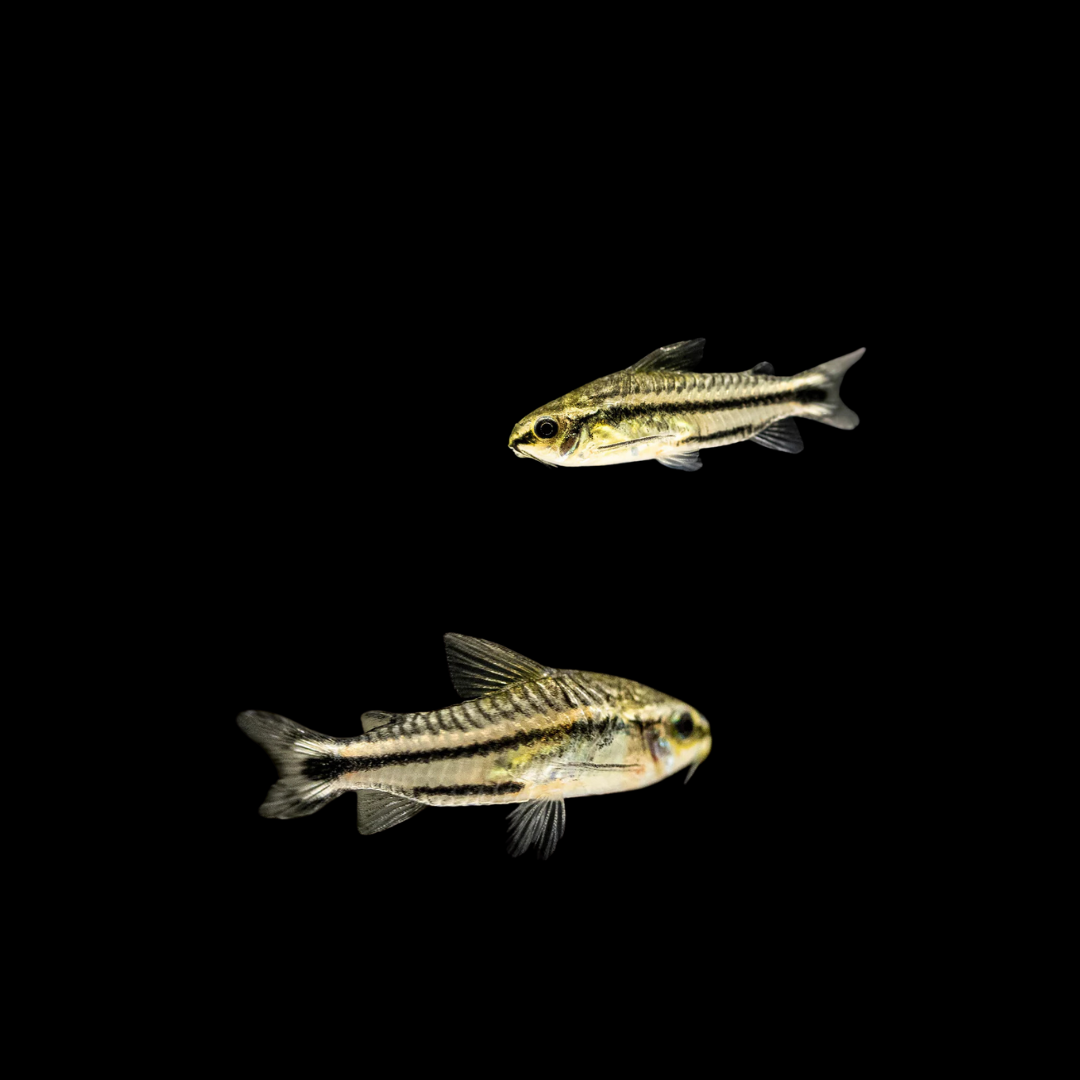
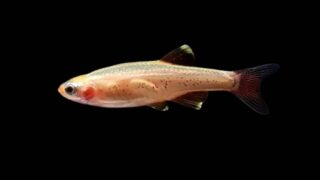
コリドラス・ピグミーは、南米原産の非常に小型なコリドラス類として親しまれている熱帯魚です。一般的なコリドラスのように底だけを移動するのではなく、水槽の中層を群れで泳ぐことも多く、小型水槽でも動きのある景色を作りやすい点が大きな魅力です。近年の分類整理により、学名は従来の Corydoras pygmaeus から Gastrodermus pygmaeus と扱われるようになっていますが、日本の流通では現在も「コリドラス・ピグミー」や「ピグミーコリドラス」の名前で広く知られています。体が小さいぶん水質変化や餌不足の影響を受けやすいため、安定した環境と沈む餌を意識した管理が大切です。The pygmy corydoras is a very small South American armored catfish that has long been popular in the aquarium hobby. Unlike many corydoradine catfishes that spend most of their time on the bottom, this species often swims in loose groups through the middle layers of the aquarium, giving even a small tank a lively impression. Following recent taxonomic revision, it is now treated as Gastrodermus pygmaeus rather than Corydoras pygmaeus, although the name “pygmy corydoras” remains widely used in the aquarium trade. Because of its tiny body size, stable water conditions and reliable access to sinking foods are especially important.
ナマズ目 カリクティス科 コリドラス亜科 ガストロデルムス属Order Siluriformes, family Callichthyidae, subfamily Corydoradinae, genus Gastrodermus
英名 / English Name
Pygmy Corydoras
分布 / Distribution
南米アマゾン水系。主にブラジルのマデイラ川流域から知られ、中部アマゾン周辺の記録も扱われることがあります。Amazon basin in South America, known mainly from the Madeira River basin in Brazil, with some sources also treating records from the central Amazon region.
最大体長 / Max Size
標準体長で約2.1cm、全長ではおおむね2.5〜3cm前後。メスのほうがやや大きく、ふっくらしやすい傾向があります。About 2.1 cm standard length, usually around 2.5–3 cm in total length. Females tend to be slightly larger and fuller-bodied.
寿命 / Lifespan
飼育下ではおおむね2〜3年程度が目安です。長期飼育には導入時の水合わせ、餌の行き渡り、水質の安定が重要です。Usually around 2–3 years in aquariums. Careful acclimation, reliable feeding, and stable water quality are important for long-term maintenance.
飼育環境 / Aquarium Environment
水槽サイズ / Tank Size
小型種のため30cmキューブ水槽程度から飼育できますが、群れでの行動を楽しむなら45cm規格水槽以上が扱いやすいです。複数匹で落ち着く魚なので、単独飼育よりも6匹以上を目安に導入すると本来の動きが出やすくなります。It can be kept from around a 30 cm cube tank, but a 45 cm standard aquarium or larger is easier for keeping a group. It is best kept in groups of six or more rather than singly.
水温 / Temperature
22〜26℃前後が目安です。高温に寄せすぎるよりも、23〜25℃程度で安定させると管理しやすくなります。Around 22–26°C is suitable. A stable range around 23–25°C is generally easy to manage.
水質 / Water Quality
弱酸性〜中性の軟水から中程度の水質に向きます。pHは6.0〜7.5前後を目安にし、急な変化を避けることが大切です。新規立ち上げ直後の不安定な水槽ではなく、ろ過が安定した水槽へ導入してください。Soft to moderately hard, slightly acidic to neutral water is suitable. A pH around 6.0–7.5 is a useful guide, and sudden changes should be avoided. Introduce them to a biologically stable aquarium rather than a newly set-up tank.
レイアウト / Layout
細かい砂や粒の細かいソイルを使い、水草、流木、落ち葉風のシェルターなどで隠れ場所を作ると落ち着きます。底を探る行動をするため、角のある粗い砂利は口ひげを傷める原因になりやすく、避けたほうが安心です。Use fine sand or fine-grained soil and provide cover with plants, driftwood, and leaf-litter-like shelters. Coarse or sharp gravel can damage the delicate barbels and is best avoided.
注意点 / Precautions
導入直後の水温差や水質差に弱いため、温度合わせと水合わせは慎重に行います。また、体が小さいため残り餌やろ過不足による水質悪化の影響も受けやすい魚です。少量の換水を定期的に行い、底床に汚れを溜めすぎない管理が必要です。They are sensitive to sudden temperature and water chemistry changes, so careful acclimation is important. Their small size also makes them vulnerable to poor water quality caused by excess food or inadequate filtration, so regular small water changes and clean substrate maintenance are necessary.
餌と給餌 / Feeding
餌の種類 / Diet
沈降性のコリドラス用タブレット、細かな沈下性顆粒フード、冷凍アカムシを細かくしたもの、ブラインシュリンプ、清潔に管理されたイトメやマイクロワームなどを食べます。口が小さいため、粒が大きい餌は崩してから与えると食べやすくなります。They accept sinking corydoras tablets, fine sinking granules, finely chopped frozen bloodworms, brine shrimp, clean tubifex-type foods, and microworms. Because their mouths are small, larger foods should be broken into smaller pieces.
給餌のポイント / Feeding Tips
中層を泳ぐ姿が目立ちますが、餌は底で探すことが多い魚です。テトラやラスボラなどの混泳魚が先に餌を食べてしまうと、コリドラス・ピグミーだけが痩せることがあります。消灯前や他魚に餌を与えた後に、沈む餌を少量ずつ底へ届かせる工夫が大切です。Although they often swim in midwater, they usually feed from the bottom. In community tanks, faster fish such as tetras or rasboras may eat most of the food first, leaving the pygmy corydoras underfed. Offer small amounts of sinking food after the other fish are fed or near lights-out.
性格と混泳 / Temperament and Tank Mates
性格 / Temperament
非常に温和で、他魚を攻撃することはほとんどありません。臆病な面もありますが、複数匹で飼育すると安心しやすく、水槽に慣れると底だけでなく中層を軽やかに群泳する姿も見られます。It is very peaceful and rarely shows aggression toward other fish. It can be shy, but groups settle more easily, and once comfortable they often swim lightly through the middle of the aquarium as well as along the bottom.
混泳の相性 / Compatibility
小型カラシン、ラスボラ、小型レインボーフィッシュ、温和な小型エビなどとの相性が良好です。口に入るサイズの稚魚や稚エビは捕食される可能性がありますが、成体の小型エビとは比較的合わせやすい組み合わせです。大型魚、気の強い魚、底を激しく占有する魚との混泳は避けたほうが安全です。Good tank mates include small tetras, rasboras, small rainbowfish, and peaceful dwarf shrimp. Very small fry or baby shrimp may be eaten, but adult dwarf shrimp are often compatible. Avoid large, aggressive, or strongly territorial bottom-dwelling fish.
病気と対策 / Diseases and Prevention
かかりやすい病気 / Common Diseases
白点病、尾ぐされ病、口ひげの損傷やそこからの細菌感染、痩せによる体力低下に注意が必要です。特に導入直後は輸送ストレスや水質差の影響で調子を崩しやすい時期です。Watch for ich, fin rot, barbel damage followed by bacterial infection, and wasting caused by insufficient feeding. The period just after introduction is especially risky because of transport stress and changes in water conditions.
対策と予防 / Prevention
予防の基本は、安定した水質、滑らかな底床、十分な隠れ場所、そして餌が確実に届く環境作りです。薬浴が必要な場合は小型ナマズ類であることを考慮し、薬剤の種類や濃度を慎重に選びます。普段から体型の痩せ、ヒレの乱れ、群れから離れる行動を観察しておくことが重要です。Prevention depends on stable water quality, smooth substrate, adequate cover, and reliable feeding. If medication is needed, choose and dose treatments carefully because this is a small catfish. Regularly observe body condition, fin quality, and whether individuals are separating from the group.
増やし方(繁殖) / Breeding
雌雄の判別 / Sexing
成熟したメスはオスよりやや大きく、上から見ると腹部に丸みが出やすくなります。オスは比較的細身で、成熟するとヒレ先がややシャープに見えることがあります。Mature females are slightly larger and fuller-bodied, especially when viewed from above. Males are usually slimmer and may show slightly more pointed fin tips as they mature.
繁殖形態 / Reproduction
卵生です。コリドラス類に見られるTポジションをとり、メスが腹びれで卵を抱えた後、ガラス面や水草の葉などに粘着卵を産み付けます。親魚は卵を保護しないため、食卵を防ぐには卵や親魚を分ける管理が必要です。It is an egg-laying species. The pair adopts the typical corydoradine T-position, after which the female carries adhesive eggs between her pelvic fins and places them on glass, plant leaves, or similar surfaces. The parents do not guard the eggs, so eggs or adults should be separated to reduce egg predation.
繁殖のポイント / Breeding Tips
状態の良い親魚を複数匹で飼い込み、ブラインシュリンプや冷凍餌などで栄養をつけると産卵につながりやすくなります。水換えによる軽い水温低下や溶存酸素量の上昇がきっかけになることもあります。稚魚は非常に小さいため、初期飼料にはインフゾリア、マイクロワーム、孵化直後のブラインシュリンプなど、口に入る細かな餌を用意しておくことが大切です。Condition a group of healthy adults with nutritious foods such as brine shrimp and frozen foods. A water change that slightly lowers the temperature and increases oxygen can help trigger spawning. The fry are extremely small, so prepare very fine first foods such as infusoria, microworms, or newly hatched brine shrimp.
雑学と豆知識 / Trivia and Fun Facts
1. 「コリドラス」から「ガストロデルムス」へ / 1. From Corydoras to Gastrodermus
コリドラス・ピグミーは長く Corydoras pygmaeus として親しまれてきましたが、コリドラス亜科の分類再編により、現在は Gastrodermus pygmaeus として扱われます。Gastrodermus はもともと古い属名で、腹部の構造などに注目して提唱された名前です。近年の分子系統解析と形態研究によって、かつて広くまとめられていたコリドラス類が複数の属へ整理され、本種もその流れの中でガストロデルムス属に置かれるようになりました。とはいえ、観賞魚としての通称はすぐには変わらないため、国内では今後もしばらく「コリドラス・ピグミー」という名前で流通すると考えられます。The pygmy corydoras was long known as Corydoras pygmaeus, but recent revision of Corydoradinae now treats it as Gastrodermus pygmaeus. Gastrodermus is an older genus name originally associated with features such as the structure of the belly. Modern molecular and morphological studies reorganized the broad traditional concept of Corydoras into several genera, placing this species in Gastrodermus. In the aquarium trade, however, the familiar common name “pygmy corydoras” will likely remain in use for some time.
2. 底ものなのに中層を泳ぐ小さなナマズ / 2. A tiny catfish that also swims in midwater
多くのコリドラス類は底を中心に生活しますが、コリドラス・ピグミーは水槽の中層をふわっと群れで泳ぐことがあります。この行動は、同じ小型種のハスタートゥスなどにも見られる特徴で、底面だけでなく水槽全体を使う魚として楽しめます。ただし、泳ぐ場所と餌を食べる場所は必ずしも同じではなく、最終的には底に落ちた細かな餌を探すことが多い点に注意が必要です。Many corydoradine catfishes live mostly on the bottom, but the pygmy corydoras often swims in loose groups through the middle layer of the aquarium. This behavior is also seen in some other tiny species such as Gastrodermus hastatus, making them enjoyable fish that use more than just the substrate. However, where they swim and where they feed are not always the same, and they still often search for fine food on the bottom.
3. 似た小型種との見分け方 / 3. How to distinguish it from similar tiny species
コリドラス・ピグミーは、体側をまっすぐ走る黒いラインが大きな目印です。似た小型種のハスタートゥスは尾柄部の黒斑が目立ち、ハブローススはより底棲傾向が強く、体つきや模様の印象も異なります。小さな魚ほど一見すると似て見えますが、ラインの入り方と遊泳の仕方を合わせて見ると判別しやすくなります。A clear black stripe running along the side of the body is the key feature of the pygmy corydoras. The similar Gastrodermus hastatus is more notable for the dark marking on the caudal peduncle, while the salt-and-pepper cory has a different body pattern and tends to stay closer to the bottom. With tiny fish, body markings and swimming behavior are both useful for identification.
4. 小さいからこそ餓死に注意 / 4. Its small size makes starvation easy to miss
コリドラス・ピグミーは小さく、体力の余裕も大きくありません。混泳水槽では「他の魚がよく食べているから大丈夫」と思っていても、実際には本種まで餌が届いていないことがあります。お腹の丸みがなくなっていないか、底で餌を探す時間が十分にあるかを観察し、必要に応じて消灯前に沈む餌を与えるなどの工夫をしておくと安心です。Because the pygmy corydoras is tiny, it has little reserve body condition. In a community aquarium, it is easy to assume feeding is sufficient because other fish are eating well, even when little food reaches this species. Check whether the belly remains gently rounded and whether the fish have enough time to feed from the bottom. Offering sinking food near lights-out can be very helpful.
まとめ / Conclusion
コリドラス・ピグミーは、小さな体と中層を泳ぐ独特の行動が魅力の小型ナマズです。新しい分類では Gastrodermus pygmaeus として扱われますが、飼育上は従来どおり「小型で温和なチビコリ」として楽しめる魚です。群れで飼うことで落ち着きやすく、45cm規格水槽前後でも十分に魅力を引き出せます。The pygmy corydoras is a tiny catfish with a charming body size and unusual midwater swimming behavior. Although it is now treated taxonomically as Gastrodermus pygmaeus, it remains the familiar peaceful “pygmy cory” in aquarium care. It settles best in groups and can show its appeal even in a modest aquarium around 45 cm in size.
一方で、体が小さいぶん導入時の水合わせ、底床の選び方、餌の行き渡りには細かな配慮が必要です。滑らかな底床と安定した水質を用意し、沈降性の餌をきちんと届けることができれば、初心者にも十分楽しめる一方で、繁殖や分類の背景まで掘り下げられる奥深い魚です。At the same time, its small size means that acclimation, substrate choice, and reliable feeding require careful attention. With smooth substrate, stable water, and appropriate sinking foods, it is enjoyable even for beginners, while also offering deeper interest through breeding and modern taxonomy.


 アイのアクアグッズ案内海水魚初心者の必需品|水槽・人工海水・比重計・水質検査道具の特徴や使い方、選ぶときのポイントをアイが紹介します。記事はコチラ →
 アイのアクアグッズ案内水槽用ヒーターの選び方|固定式・温度調節式と、水量に合うW数の考え方水槽の魚は冬に寒くない? アイとコタロウが水温計から固定式・温度調節式・分離式ヒーターまで比較。水量と室温に合うW数、設置場所、水換えや交換の注意点を、国内メーカーの商品とともに紹介します。記事はコチラ →



コメント