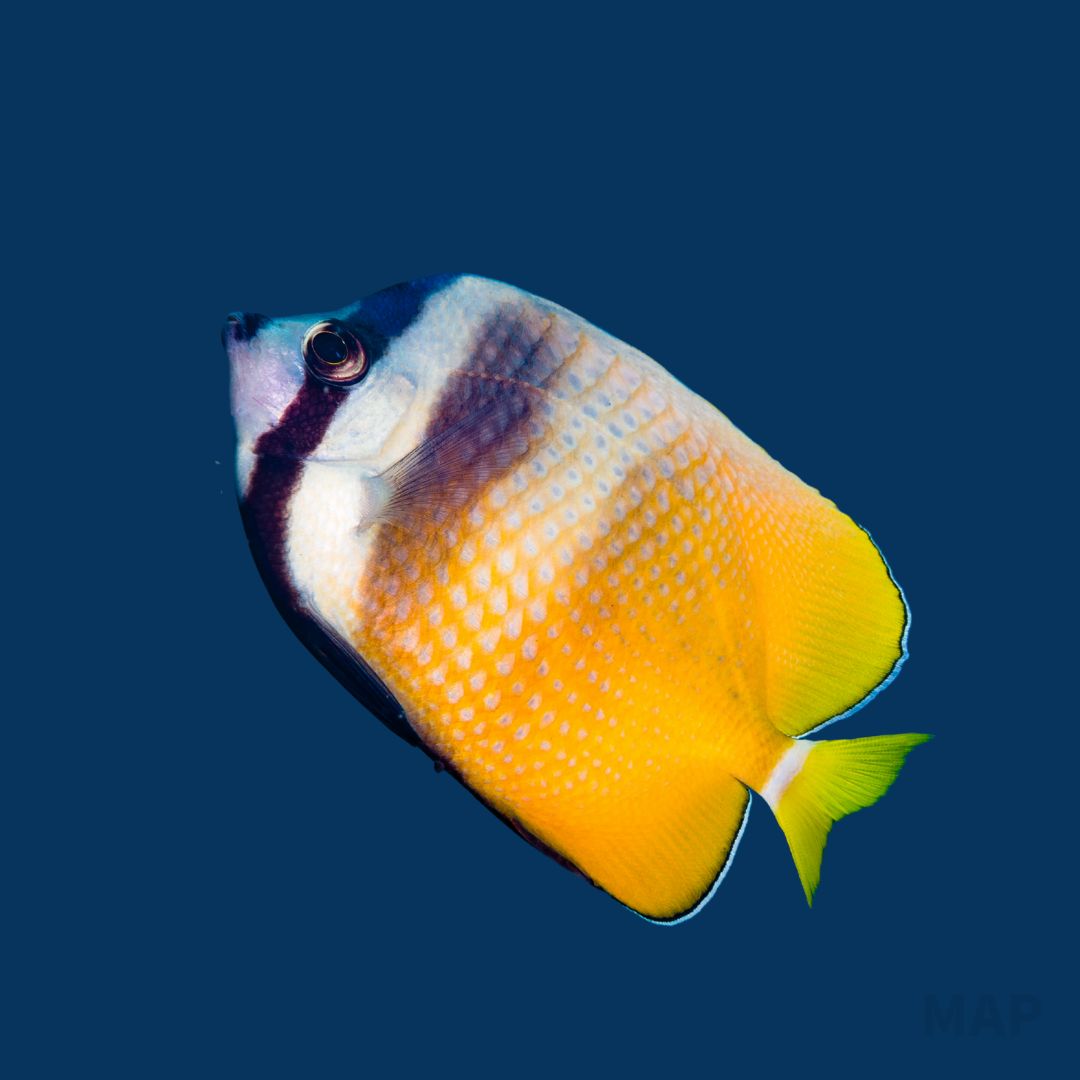
ミゾレチョウチョウウオは、チョウチョウウオ科の中でも比較的適応能力が高く、飼育しやすい部類に入る種です。その名の通り、体側にミゾレ(霙)を散らしたような繊細な色彩パターンを持ち、成長するにつれて眼を通る黒いバンドの上部が鮮やかなルミナスブルーに輝くのが大きな魅力です。野生下ではサンゴのポリプから動物プランクトンまで幅広く口にする雑食性であり、その食の幅広さが水槽飼育における餌付けのしやすさに繋がっています。また、水槽内の厄介者であるセイタカイソギンチャク(カーリー)を捕食することがあるため、駆除の目的で導入されることも多い魚種です。The Sunburst Butterflyfish (Chaetodon kleinii) is a relatively hardy and adaptable species within the family Chaetodontidae, making it a good candidate for aquarium keeping. As its Japanese name “Mizore” (meaning sleet) suggests, it features a delicate spotted pattern across its body. A distinctive charm of this species is the luminous blue highlight that appears above the black eye bar as it matures. In the wild, it is an omnivore with a broad diet ranging from coral polyps to zooplankton, which contributes to its relative ease of feeding in captivity. It is also often introduced to aquariums to help control Aiptasia anemones, as it is known to prey on them.
紅海からインド洋、西太平洋(東限はハワイ周辺まで)Widely distributed across the Red Sea, Indian Ocean, and West Pacific (as far east as Hawaii).
最大体長 / Max Size
約15cmApproximately 15 cm
寿命 / Lifespan
約5年から7年以上(飼育環境による)Approximately 5 to 7+ years (depending on the environment)
飼育環境 / Aquarium Environment
水槽サイズ / Tank Size
理想は300リットル以上(90cm規格水槽以上)。単独であれば200リットル前後でも維持可能です。Ideally 300 liters or more (at least a 90cm standard tank). Can be maintained in around 200 liters if kept alone.
水温 / Temperature
24度から26度24 to 26 degrees Celsius
水質 / Water Quality
pH 8.1から8.4、比重 1.020から1.025(清浄な海水)pH 8.1 to 8.4, Specific Gravity 1.020 to 1.025 (Clean saltwater)
レイアウト / Layout
隠れ家となるライブロックと、十分な遊泳スペースの両立A balance of live rock for hiding spots and ample swimming space is essential.
注意点 / Precautions
海水魚一般の注意として、白点病への対策が必要です。銅製剤の使用は慎重に行うのが安全です。General precautions for marine fish apply, including Ich prevention. Copper treatments should be administered with caution.
餌付きやすく、配合飼料にもすぐ順応します。1日2回から3回に分けて、少しずつ与えるのが健康的です。Easily acclimated to various foods, including pellets. Feeding small amounts 2 to 3 times a day is recommended.
性格と混泳 / Temperament and Tank Mates
性格 / Temperament
穏やか。他種を激しく攻撃することは少ないですが、強い魚に負けないよう配慮が必要です。Generally peaceful. Rarely aggressive towards other species, but should not be housed with overly dominant tank mates.
混泳の相性 / Compatibility
穏やかな中型魚と好相性。サンゴ水槽では、ポリプを突く個体差があるため注意して観察してください。Good with other peaceful medium-sized fish. Monitor closely in reef tanks, as individuals may nip at coral polyps.
病気と対策 / Diseases and Prevention
かかりやすい病気 / Common Diseases
白点病、リンホシスチス病、ウーディニウム病Marine Ich, Lymphocystis, and Amyloodinium.
対策と予防 / Prevention
水質の安定とストレス軽減。発症時は個体の様子を見ながら、低比重療法や適切な薬浴を検討します。Maintain stable water quality and reduce stress. If symptoms appear, consider hyposalinity or appropriate medicinal baths based on the fish’s condition.
増やし方(繁殖) / Breeding
雌雄の判別 / Sexing
外見上の明確な差異はありません。ペア形成時の行動から判別します。No clear external differences. Determined by behavioral patterns during pair bonding.
繁殖形態 / Reproduction
卵生。ペアで浮遊卵を放出するタイプです。Oviparous. A pelagic spawner that releases eggs into the water column.
繁殖のポイント / Breeding Tips
水槽内での繁殖・育成は極めて困難です。自然下では特定の環境条件下で産卵が行われます。Breeding and raising fry in aquaria is extremely challenging and rarely achieved in captivity.
雑学と豆知識 / Trivia and Fun Facts
1. 18世紀の博物学とクライン氏への敬意 / 1. 18th Century Natural History and Honor to Mr. Klein
学名の種小名「kleinii」は、18世紀のドイツで活躍した多才な博物学者ヤコブ・テオドール・クラインにちなんでいます。1790年にブロッホが正式に記載した際、先駆的な研究者であったクラインへの敬意を込めて命名されました。当時の博物学は、知識人たちのネットワークと貴重な標本コレクションによって支えられており、この魚の名にもその歴史の重みが刻まれています。The specific epithet “kleinii” honors Jacob Theodor Klein, a versatile 18th-century German naturalist. When Marcus Elieser Bloch formally described the species in 1790, he did so in recognition of Klein’s pioneering work. This naming reflects the historical significance of the intellectual networks and specimen collections that fueled natural history during that era.
2. 日本の磯で見かける「季節回遊魚」のエピソード / 2. Tales of “Seasonal Migrants” in Japanese Tide Pools
日本の本州沿岸では、夏から秋にかけて黒潮に乗って流れてくるチョウチョウウオの仲間が観察されます。これらは冬を越せない運命にあるため「死滅回遊魚(季節回遊魚)」と呼ばれます。ミゾレチョウチョウウオも地域によってはその一つとして数えられ、採集家たちの間では季節の訪れを感じさせる存在です。厳しい冬が来る前に水槽へと招き入れ、大切に育てる文化が日本のアクアリウムシーンには根付いています。Along the coasts of Japan, various butterflyfish arrive from the south on the Kuroshio Current between summer and autumn. Often called “Seasonal Migrants” because they cannot survive the Japanese winter, these fish, including the Sunburst Butterflyfish in certain areas, are a sign of the seasons for collectors. A unique aspect of the Japanese hobby is the tradition of rescuing and raising these fish in warm aquariums before the winter chill sets in.
3. 共生研究を支える「モデル生物」との意外な関係 / 3. An Unexpected Link to “Model Organisms” in Symbiosis Research
ミゾレチョウチョウウオは、水槽内の害虫セイタカイソギンチャク(カーリー)の捕食者として利用されることがあります。このカーリー、実は海洋科学の世界では「共生系を研究するための重要なモデル生物」として非常に重宝されています。サンゴと同じように褐虫藻を宿す単純な系を持つため、白化現象のメカニズム解明に欠かせない存在なのです。アクアリストが駆除に頭を悩ませる対象が、実は地球の海を救う研究を支えているという事実は、非常に興味深いパラドックスと言えるでしょう。The Sunburst Butterflyfish is often used by aquarists to control Aiptasia anemones. Interestingly, Aiptasia serves as a vital “model organism” in marine science for studying symbiosis. Because they host zooxanthellae in a simpler system than corals, they are indispensable for researching the mechanisms of coral bleaching. It is a fascinating paradox that a creature considered a pest in aquariums is actually a cornerstone of research aimed at saving the world’s oceans.
まとめ / Conclusion
ミゾレチョウチョウウオは、その落ち着いた色彩と比較的丈夫な性質から、チョウチョウウオ飼育の第一歩として非常にお勧めできる魚種です。人工飼料への順応も早く、適切な環境さえ整えれば、長期にわたってその優雅な泳ぎを楽しむことができます。With its understated beauty and relatively hardy nature, the Sunburst Butterflyfish is an excellent choice for those starting out with butterflyfish. Its quick adaptation to prepared foods makes it a rewarding inhabitant that can be enjoyed for many years provided its environmental needs are met.
カーリー駆除に関しては個体差があることや、サンゴへの影響を考慮する必要はありますが、それを含めた行動の多様性こそが本種の魅力でもあります。歴史ある博物学の物語や、科学研究との意外な繋がりを感じながら、日々の観察を楽しんでみてはいかがでしょうか。While there is individual variation in their appetite for Aiptasia and potential risks to corals, these behavioral complexities are part of what makes this species so engaging. We hope you enjoy daily observations of this fish, keeping in mind its rich historical roots and its curious connection to modern scientific research.



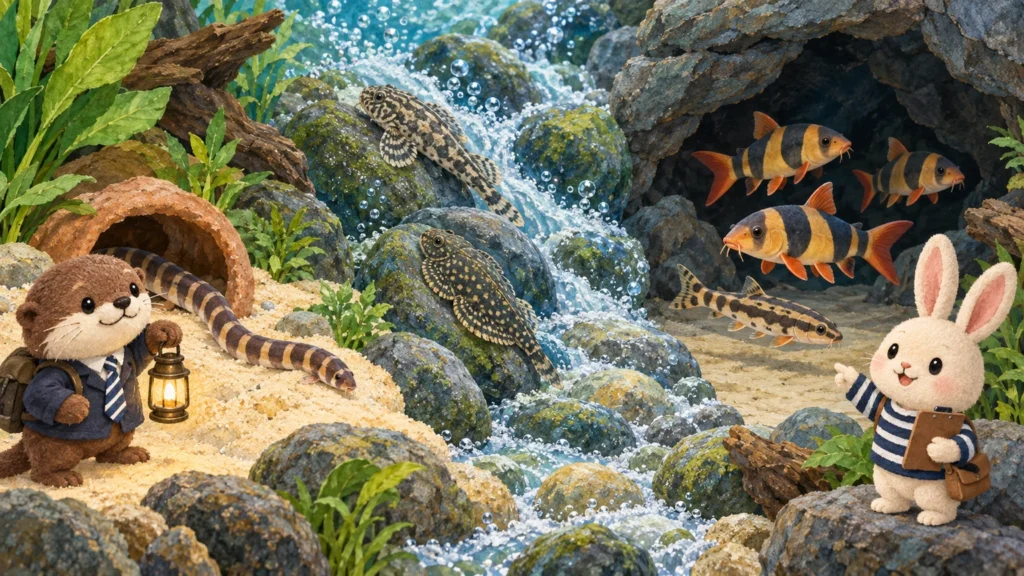 アイのアクアグッズ案内ローチの仲間に合わせる飼育用品|クーリー・流水性・ボーシャの水槽と底砂道具の特徴や使い方、選ぶときのポイントをアイが紹介します。記事はコチラ →
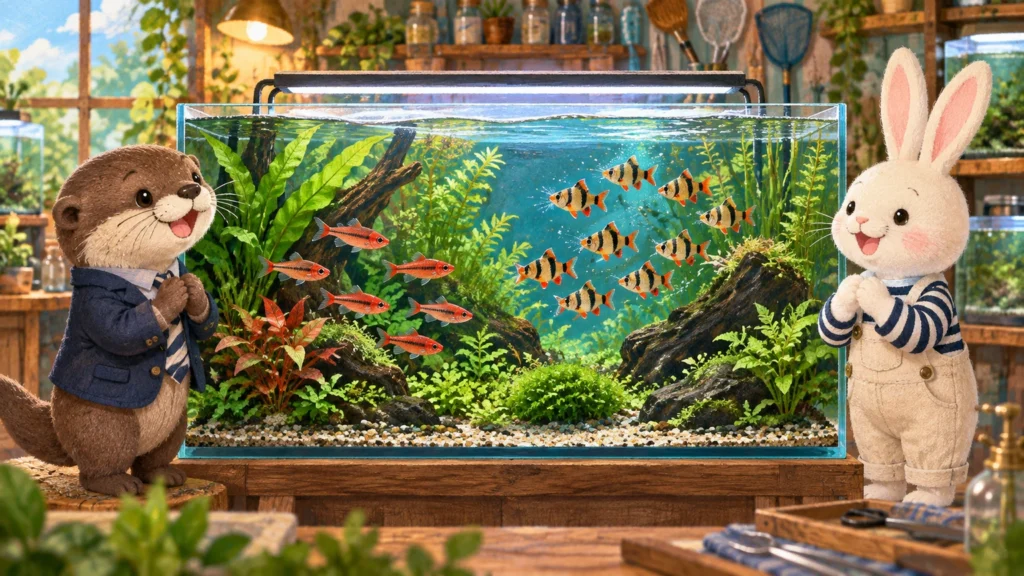 アイのアクアグッズ案内バルブの仲間に合わせる飼育用品|チェリーバルブ・スマトラ・中型種の水槽とろ過道具の特徴や使い方、選ぶときのポイントをアイが紹介します。記事はコチラ →
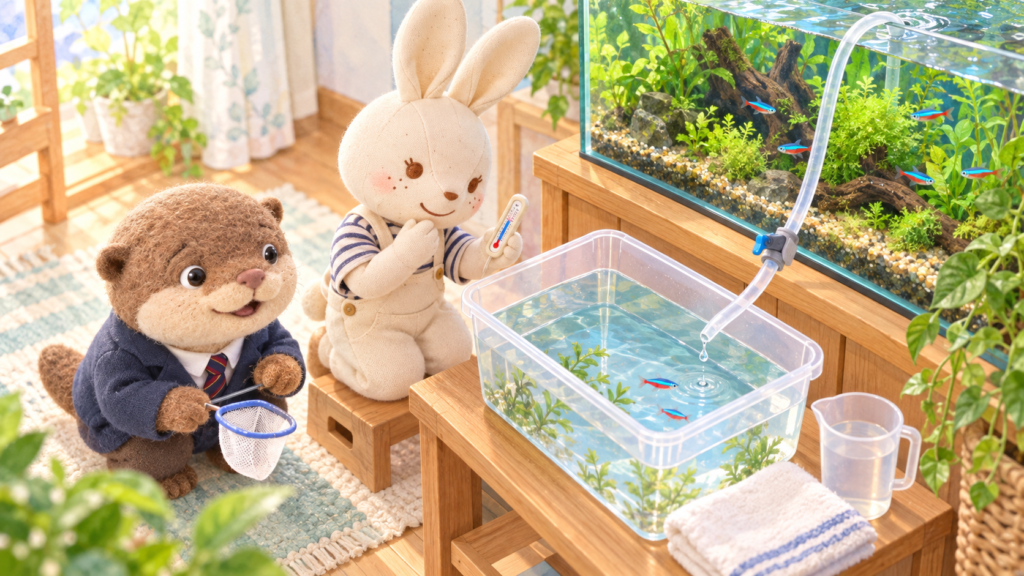 アイのアクアグッズ案内水合わせの道具とやり方|魚を迎える前にそろえたい容器・点滴キット・ネット買ってきた魚はすぐ水槽に入れていい? 水温合わせと水合わせの違いから、透明ケース・点滴キット・ネットの選び方、時間をかけすぎない注意点まで、アイとコタロウが紹介します。記事はコチラ →
 アイのアクアグッズ案内水草トリミングの道具とやり方|ハサミ・ピンセットを水草に合わせて選ぼう伸びすぎた水草は切っていい? 有茎草の差し戻し、前景草の絨毯、流木のモスを整える場面から、水草用ハサミ・ピンセット・ゴミ取りネットの選び方と片付けを紹介します。記事はコチラ →



コメント