

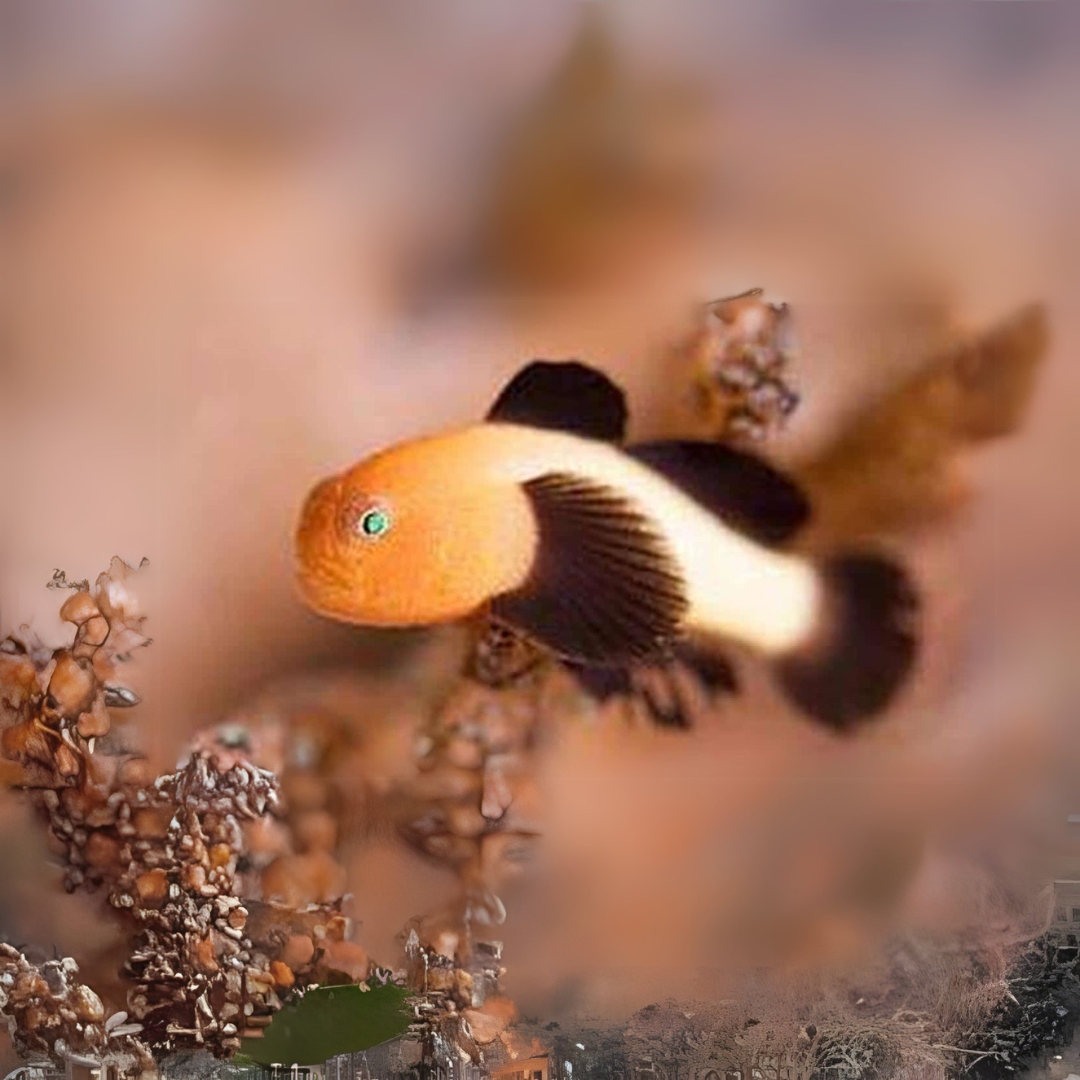
解説 / Description
パンダダルマハゼは、淡い白から黄色みを帯びた体と黒いひれが目を引く、サンゴ礁性のとても小さな海水魚です。観賞魚としては「パンダ」の名で親しまれますが、自然界では枝状サンゴのすき間に強く結びついた専門性の高い暮らしをしています。特にハナヤサイサンゴ属の仲間を住み家として利用することが知られ、そこは隠れ家であり、餌場であり、繁殖場所でもあります。そのため飼育では、魚の小ささだけを見て簡単な小型魚と考えるのではなく、サンゴが健康に維持できるリーフタンクの一員として迎えることが大切です。 The Panda Coral Goby is a very small coral-reef fish with a pale white to yellowish body and striking black fins. In the aquarium hobby it is loved for its panda-like appearance, but in nature it has a highly specialized life closely tied to the spaces among branching corals. It is especially known from colonies of Pocillopora corals, which serve as shelter, feeding sites, and breeding places. For this reason, it should not be treated as an easy fish simply because it is small. It is best kept as part of a reef aquarium capable of maintaining healthy branching corals.
基本情報 / Basic Information
| 学名 / Scientific Name | Paragobiodon lacunicolus。文献やデータベースにより. In some references and databases, Paragobiodon lacunicolaと扱われる場合があります。 is used instead. |
|---|---|
| 通称 / Common Name | パンダダルマハゼ、ブラックフィンコーラルゴビーPanda Coral Goby, Blackfin Coral Goby |
| 分類 / Family | ハゼ目ハゼ科ダルマハゼ属Order Gobiiformes, family Gobiidae, genus Paragobiodon |
| 英名 / English Name | Blackfin Coral Goby, Panda Coral Goby |
| 分布 / Distribution | 紅海・東アフリカからインド洋、西部から中部太平洋のサンゴ礁域にかけて分布します。日本周辺では南西諸島や小笠原方面など暖かい海域に関連して扱われ、観賞魚としては東南アジアなどからの野生採集個体が不定期に流通します。It occurs across coral reef regions from the Red Sea and East Africa through the Indian Ocean to the western and central Pacific. Around Japan it is associated with warm southern waters such as the Ryukyu and Ogasawara regions. In the aquarium trade, wild-caught specimens from areas such as Southeast Asia appear irregularly. |
| 最大体長 / Max Size | 約3cm。国内流通個体は1〜2cm前後で販売されることも多いです。About 3 cm. Aquarium specimens are often sold at around 1–2 cm. |
| 寿命 / Lifespan | 本種だけを対象にした確実な平均寿命データは多くありません。飼育下では、安定したリーフ環境、適した枝状サンゴ、継続的な微小餌の供給が整えば数年単位で維持できる可能性があります。Reliable species-specific average lifespan data are limited. In captivity, it may be maintained for several years when a stable reef environment, suitable branching coral, and a steady supply of tiny foods are provided. |
飼育環境 / Aquarium Environment
| 水槽サイズ / Tank Size | 魚そのものは非常に小さいため、熟練者であれば30cmキューブ水槽、約25L前後のナノリーフでも候補になります。ただし、宿主となる枝状サンゴの安定維持を考えると、45cm規格水槽、約35L以上、できれば60cm規格水槽、約57L以上のリーフタンクの方が管理しやすいです。The fish itself is extremely small, so experienced keepers may consider a 30 cm cube nano reef of around 25 L. However, because stable maintenance of its branching coral shelter is the real challenge, a 45 cm standard tank of around 35 L or larger, and preferably a 60 cm standard reef tank of around 57 L or larger, is easier to manage. |
|---|---|
| 水温 / Temperature | 24〜26℃前後を中心に、急変を避けて安定させます。サンゴと魚の両方に負担が出るため、短時間の高水温や大きな日較差は避けてください。 Keep the aquarium stable around 24–26°C. Avoid sudden changes, short periods of high temperature, and large daily swings because both the coral and the fish can be stressed. |
| 水質 / Water Quality | 比重1.023〜1.026、pH 8.1〜8.4、アルカリ度8〜12dKHを目安に、SPSサンゴを維持できる清浄で安定した海水環境を目指します。硝酸塩やリン酸塩はゼロにこだわりすぎるより、急上昇や大きな変動を避けることが大切です。Aim for a clean and stable marine environment suitable for SPS corals, with specific gravity around 1.023–1.026, pH 8.1–8.4, and alkalinity around 8–12 dKH. Rather than chasing absolute zero nutrients, avoid sudden rises or large fluctuations in nitrate and phosphate. |
| レイアウト / Layout | 最も重視したいのは、ハナヤサイサンゴ属を中心とした細かく枝分かれするSPSサンゴです。ショウガサンゴやトゲサンゴなど、枝間に身を隠せるサンゴも候補になります。ミドリイシ類は同じサンゴハゼ類で利用されることがありますが、本種についてはハナヤサイサンゴ類を中心に考える方が安全です。ライブロックだけの魚水槽では落ち着きにくく、拒食や痩せの原因になることがあります。The most important layout element is finely branching SPS coral, especially Pocillopora. Similar branching corals such as Stylophora or Seriatopora may also provide useful shelter. Acropora is used by some coral gobies, but for this species it is safer to plan primarily around Pocillopora-type corals. In a fish-only tank with live rock alone, the fish may fail to settle and may become thin from poor feeding. |
| 注意点 / Precautions | 体が小さく、驚くとすき間へ飛び込むため、オーバーフローの吸い込み、フィルター吸水口、飛び出し対策を必ず確認します。水槽には目の細かいフタやジャンプガードを使い、吸水口にはスポンジやガードを装着します。サンゴの枝に定着した個体を無理に追い出すと大きなストレスになるため、観察よりも安心できる隠れ場所を優先してください。Because the fish is tiny and may dart into gaps when startled, check overflow boxes, filter intakes, and jump prevention carefully. Use a fine lid or jump guard, and cover intakes with sponges or guards. Forcing a settled fish out of its coral branches is stressful, so prioritize secure shelter over ease of viewing. |
餌と給餌 / Feeding
| 餌の種類 / Diet | 冷凍ベビーブラインシュリンプ、冷凍コペポーダ、細かく刻んだ冷凍イサザアミ、微粒タイプの海水魚用人工飼料など、口に入る小さな動物性餌を中心に与えます。入荷直後は人工飼料より冷凍の微小餌の方が反応しやすいことがあります。Feed tiny meaty foods that fit its mouth, such as frozen baby brine shrimp, frozen copepods, finely chopped frozen mysid shrimp, and very small marine fish pellets or powders if accepted. Newly imported specimens often respond better to small frozen foods than to dry prepared foods. |
|---|---|
| 給餌のポイント / Feeding Tips | 本種はサンゴの枝間から大きく離れて餌を追うことが少ないため、スポイトで枝の近くへそっと餌を届ける個別給餌が有効です。給餌時だけ一時的に水流を弱め、少量を1日2〜3回に分けると、食べ残しと餌の取りこぼしを抑えやすくなります。混泳魚が多い水槽では、餌を食べているかを必ず目で確認してください。This species rarely leaves the coral branches to chase food far into the water column, so gentle target feeding near the coral with a pipette is helpful. Temporarily reducing flow during feeding and offering small amounts two or three times a day can reduce waste and missed meals. In a community tank, always visually confirm that the goby is actually eating. |
性格と混泳 / Temperament and Tank Mates
| 性格 / Temperament | 基本的には温和で臆病です。水槽内を活発に泳ぎ回る魚ではなく、枝状サンゴの中にとどまって周囲をうかがうように暮らします。ただし、同じサンゴを住み家にしようとする同種や近縁種には、体の小ささに似合わない縄張り行動を見せることがあります。It is generally peaceful and shy. It is not an active open-water swimmer, but lives by staying within branching coral and watching its surroundings. However, it may show territorial behavior toward its own kind or close relatives attempting to use the same coral shelter. |
|---|---|
| 混泳の相性 / Compatibility | 混泳相手は、小型で温和なハゼ類、ギンポ類、ネズッポ類など、餌を独占しにくい魚が向いています。ハタ類、メギス類、大型ヤッコ、モンガラカワハギ類など、捕食性や攻撃性の強い魚との混泳は避けます。小型水槽では1匹、またはすでに落ち着いたペアでの飼育が無難です。Suitable tank mates include small peaceful gobies, blennies, dragonets, and other calm fishes that are unlikely to monopolize food. Avoid predatory or aggressive fishes such as groupers, dottybacks, large angelfish, and triggerfishes. In small aquariums, keeping one individual or an already settled pair is safest. |
病気と対策 / Diseases and Prevention
| かかりやすい病気 / Common Diseases | 白点病などの外部寄生虫、細菌感染、輸送後の拒食や痩せに注意します。近縁のコバンハゼ属では毒性のある体表分泌物が研究されていますが、本種について同じ内容を断定するのは避けるべきです。飼育上は、体表粘液の状態を保ち、ストレスで粘液層が傷まないようにすることを重視します。Watch for marine ich and other external parasites, bacterial infections, refusal to feed, and weight loss after transport. Toxic skin secretions have been studied in the related genus Gobiodon, but the same claim should not be stated as certain for this species. In care, focus on protecting the mucus coat and avoiding stress that can damage it. |
|---|---|
| 対策と予防 / Prevention | 安定した水質、適した枝状サンゴ、静かな混泳環境、こまめな給餌確認が一番の予防になります。導入時は点滴法などでゆっくり水合わせを行い、入荷直後は隔離や観察期間を設けると安心です。サンゴ水槽で薬剤を使うと無脊椎動物へ影響が出ることがあるため、治療が必要な場合は隔離水槽で慎重に行います。The best prevention is stable water quality, suitable branching coral, calm tank mates, and regular confirmation that the fish is eating. Acclimate slowly, such as by drip acclimation, and consider a separate observation period after purchase. Medications can affect invertebrates in reef tanks, so treatment should be performed carefully in a separate hospital tank when necessary. |
増やし方(繁殖) / Breeding
| 雌雄の判別 / Sexing | 外見だけで雌雄を確実に判別するのは難しいです。サンゴに住むハゼ類では、ペア内で大きい個体がオス、小さい個体がメスとして機能する傾向が知られます。近縁のダルマハゼ類やコバンハゼ類では双方向性性転換が報告されていますが、本種単独の飼育記事では、同様の可能性を示す表現にとどめるのが正確です。Reliable sexing by appearance alone is difficult. In coral-dwelling gobies, the larger individual in a pair often functions as the male and the smaller as the female. Bi-directional sex change has been reported in related Paragobiodon and Gobiodon gobies, but for this species-specific care article it is more accurate to describe this as a likely related pattern rather than overstate it. |
|---|---|
| 繁殖形態 / Reproduction | 枝状サンゴの奥にある基質面へ粘着卵を産みつける基質産卵型です。ダルマハゼ類では、親魚がサンゴの一部をかじって小さな産卵面を作り、産卵後に主にオスが卵を守り、胸びれで水を送る行動が知られます。孵化後の仔魚はしばらく浮遊生活を送ります。It is a substrate spawner that attaches adhesive eggs to surfaces deep within branching coral. In Paragobiodon gobies, the parents may clear a small nesting surface by biting the coral, after which the male mainly guards and fans the eggs. After hatching, the larvae spend a period in the plankton. |
| 繁殖のポイント / Breeding Tips | 落ち着いたペアと適した枝状サンゴがあれば産卵が期待できる場合があります。しかし、仔魚は非常に小さく、初期飼料として微細なワムシや微細藻類を安定して用意する必要があります。一般家庭で稚魚まで育てる難易度は高く、挑戦する場合は親魚水槽とは別に、仔魚専用水槽と餌料培養を準備します。Spawning may be possible when a settled pair has suitable branching coral. However, the larvae are extremely small and require a reliable supply of tiny rotifers and microalgae as first foods. Raising them to juvenile stage is difficult in a home aquarium, and anyone attempting it should prepare a dedicated larval tank and live-food cultures separate from the parent tank. |
雑学と豆知識 / Trivia and Fun Facts
| 1. 学名には表記ゆれがある / 1. The scientific name has a spelling issue | 本種は1911年にRuppellia lacunicolaとして記載され、その後ダルマハゼ属へ移されました。現在もFishBaseなどではParagobiodon lacunicolusとして広く扱われますが、Catalog of Fishesや一部の地域データベースではParagobiodon lacunicolaを現在名として示す例があります。国内の観賞魚流通ではParagobiodon lacunicolusの表記がよく見られるため、本記事では流通上の分かりやすさを保ちながら、表記ゆれも併記しました。This species was described in 1911 as Ruppellia lacunicola and was later placed in Paragobiodon. It is still widely treated as Paragobiodon lacunicolus in sources such as FishBase, while Catalog of Fishes and some regional databases list Paragobiodon lacunicola as the current name. Because Paragobiodon lacunicolus is commonly seen in the aquarium trade, this article keeps that familiar usage while noting the alternative spelling. |
|---|---|
| 2. 宿主サンゴはハナヤサイサンゴ類を中心に考える / 2. Think first of Pocillopora-type host corals | 本種はハナヤサイサンゴ属との結び付きが深く、Pocillopora damicornisを宿主とする記録があります。2023年のシンガポールの報告では、Pocillopora acutaの枝にとまる個体も確認されました。P. damicornisには外見がよく似た複数の種が含まれてきた経緯があるため、サンゴの流通名だけで宿主を判断しないことが大切です。This fish is closely associated with Pocillopora corals, with records from P. damicornis. A 2023 report from Singapore documented an individual resting among branches of P. acuta. Because P. damicornis has historically included a complex of similar species, a coral trade name alone is not enough to identify the host. |
| 3. サンゴのSOS行動は近縁種の知見として扱う / 3. Coral SOS behavior should be treated as evidence from relatives | サンゴが有毒海藻に触れたとき、化学的な手がかりでハゼを呼び寄せ、海藻を除去させるという研究はとても魅力的です。ただし、この行動が詳しく示された代表例はAcropora nasutaとGobiodon histrio、Paragobiodon echinocephalusの組み合わせです。パンダダルマハゼも同じサンゴ依存性の強い仲間として似た役割を持つ可能性はありますが、本種で直接確認された事実のように書くのは避け、近縁種から見える生態的背景として紹介するのが誠実です。The study showing corals using chemical cues to recruit gobies to remove harmful algae is fascinating. However, the best-known example involves Acropora nasuta with Gobiodon histrio and Paragobiodon echinocephalus. The Panda Coral Goby may play similar roles as a closely coral-dependent species, but it should not be written as a directly confirmed fact for this species. It is more accurate to present it as ecological context from close relatives. |
| 4. 毒性粘液は断定しない方がよい / 4. Toxic mucus should not be overstated | コバンハゼ属では、捕食者を避けるために役立つ毒性の体表分泌物が研究されています。一方で、ダルマハゼ属全体やパンダダルマハゼそのものに、同じ強さの毒性粘液があると断言できる資料は限られます。飼育記事では「毒で守られているから丈夫」と読む人に伝わる表現は避け、体表粘液を傷めないようにストレスと水質を管理する、という実用的な注意に置き換える方が安全です。Toxic skin secretions have been studied in the related genus Gobiodon and may help deter predators. However, there is limited evidence to state that all Paragobiodon, or this species specifically, have the same level of toxic mucus. In a care article, it is safer to avoid implying that the fish is hardy because it is protected by toxin, and instead emphasize practical care: reduce stress and maintain water quality so the mucus coat remains healthy. |
| 5. 性転換は魅力的だが、表現は慎重に / 5. Sex change is fascinating, but wording matters | サンゴの枝という小さな家で暮らす魚にとって、配偶者を探して外へ泳ぎ出すことは大きな危険を伴います。そのため、ダルマハゼ類やコバンハゼ類では、相手との組み合わせに応じて性を変える双方向性性転換が進化したと考えられています。とくにParagobiodon echinocephalusやGobiodonの仲間で研究されていますが、パンダダルマハゼの記事では「本種でもその生態を理解するうえで重要な近縁群の特徴」として扱うのが、読み物としても科学的にもバランスが取れています。For a fish living in a small coral home, leaving to search for a mate can be dangerous. In Paragobiodon and Gobiodon gobies, bi-directional sex change is thought to reduce that risk by allowing pairing with the available partner. This has been studied especially in Paragobiodon echinocephalus and species of Gobiodon. For the Panda Coral Goby, it is best presented as an important feature of its close relatives that helps explain the ecology of coral-dwelling gobies. |
| 6. 国内流通では不定期入荷の小型専門種 / 6. In the Japanese trade, it is an irregularly available specialty nano fish | 国内では1〜2cmほどの小さな個体が販売されることがあります。入荷や価格は時期によって変わりますが、購入時に優先したいのは体の痩せ具合と餌付きです。店頭で食べている餌を確認し、自宅でも用意できるか、落ち着ける宿主サンゴを維持できるかを考えて迎えましょう。Specimens offered in Japan may be only 1–2 cm long. Availability and prices vary, but body condition and feeding response matter more when choosing a fish. Find out what it is eating at the shop and ensure that you can provide both suitable food and appropriate host coral at home. |
まとめ / Conclusion
パンダダルマハゼは、見た目の可愛らしさに反して、飼育ではかなり専門性のある小型海水魚です。成功の中心は、魚のサイズに合わせて水槽を小さくすることではなく、ハナヤサイサンゴ類を中心とした枝状サンゴが安定して育つ環境を整え、その中で本種が安心して隠れ、確実に餌を食べられるようにすることです。 The Panda Coral Goby is adorable, but its care is specialized. Success does not come from choosing a tank simply because the fish is small. It comes from creating a stable reef environment where Pocillopora-type branching corals can thrive and where the goby can hide securely and feed reliably.
今回のリフレッシュ版では、学名の表記ゆれ、宿主サンゴ、サンゴ防衛行動、毒性粘液、双方向性性転換について、直接確認されている事実と近縁種からの推定を分けて記述しました。長期飼育を目指す場合は、購入前に餌付きと痩せ具合を確認し、導入前から宿主となる枝状サンゴと微小餌を準備しておくと、サンゴの奥から顔をのぞかせる本来の姿を楽しみやすくなります。 In this refreshed version, the scientific-name variation, host corals, coral-defense behavior, toxic mucus, and bi-directional sex change are described by separating confirmed facts from cautious inferences based on close relatives. For long-term care, check feeding and body condition before purchase, and prepare suitable branching coral and tiny foods before introducing the fish. This will make it much easier to enjoy its natural behavior as it peeks out from within the coral branches.

気になる道具や飼い方を見つけてみませんか?
 アイのアクアグッズ案内エンゼルフィッシュの飼育用品|高さのある水槽・ろ過・水草・餌の選び方道具の特徴や使い方、選ぶときのポイントをアイが紹介します。記事はコチラ →
 アイのアクアグッズ案内水合わせの道具とやり方|魚を迎える前にそろえたい容器・点滴キット・ネット買ってきた魚はすぐ水槽に入れていい? 水温合わせと水合わせの違いから、透明ケース・点滴キット・ネットの選び方、時間をかけすぎない注意点まで、アイとコタロウが紹介します。記事はコチラ →
 アイのアクアグッズ案内海水魚の底砂の選び方|サンゴ砂・ライブサンドとおすすめ商品道具の特徴や使い方、選ぶときのポイントをアイが紹介します。記事はコチラ →
 アイのアクアグッズ案内水草トリミングの道具とやり方|ハサミ・ピンセットを水草に合わせて選ぼう伸びすぎた水草は切っていい? 有茎草の差し戻し、前景草の絨毯、流木のモスを整える場面から、水草用ハサミ・ピンセット・ゴミ取りネットの選び方と片付けを紹介します。記事はコチラ →
さまざまな飼育テーマをご紹介。リンク先の記事には広告・商品紹介が含まれます。
案内・紹介記事一覧へ →参考文献・根拠資料
この記事では、店舗・通販ページ、個人ブログ、一般的なまとめサイトは参考文献から除外し、分類、分布、生息環境、飼育条件、繁殖、病気や注意点を支える資料として、魚類データベース、博物館・大学・獣医学系機関の資料、査読論文を中心に選定しています。
注:水槽サイズ、給餌回数、国内での入荷頻度などは、学術文献だけで一律に確定できない実用的な編集情報を含みます。そのため、下記では「分類・生態・健康管理の根拠」として信頼性の高い資料に絞り、販売価格や在庫情報を根拠資料には含めていません。
分類・名称・分布・形態
-
分類・学名
Fricke, R., Eschmeyer, W. N. & van der Laan, R. Eschmeyer’s Catalog of Fishes: Genera, Species, References. California Academy of Sciences.
本種の原記載名、タイプ産地、現在有効名、分布域、科階級の確認に使用。
Eschmeyer’s Catalog of Fishes の種ページ -
分類・異名
WoRMS Editorial Board. World Register of Marine Species: Paragobiodon lacunicola / Paragobiodon lacunicolus.
Paragobiodon lacunicolus と Paragobiodon lacunicola の扱い、受容名・異名関係の確認に使用。
WoRMS taxon page -
基本情報
Froese, R. & Pauly, D. (eds.). FishBase: Paragobiodon lacunicolus, Blackfin coral goby.
分類、英名、最大体長、分布、水深、体色、鰭条数、Pocillopora damicornis との関係の確認に使用。
FishBase species summary -
分布・識別
Bray, D. J. (2024). Blackfin Coralgoby, Paragobiodon lacunicola. Fishes of Australia.
オーストラリア周辺を含む分布、枝状サンゴでの生息、最大体長、鱗・鰭条・近似種との識別点の確認に使用。
Fishes of Australia species page -
近似種
Suzuki, T. & Randall, J. E. (2011). Paragobiodon kasaii, a New Gobiid Fish from Japan and Palau. Bulletin of the National Museum of Nature and Science, Series A, 37(3), 155-161.
ニセパンダダルマハゼに相当する近似種 Paragobiodon kasaii の記載と、本種との識別に関する裏付けとして使用。
国立科学博物館 Bulletin 掲載号ページ
生息環境・宿主サンゴ・共生行動
-
宿主サンゴ
Rajendran, N. & Jaafar, Z. (2023). Biodiversity Record: New record of the coralgoby, Paragobiodon lacunicolus, in Singapore. Nature in Singapore, 16, e2023092. DOI: 10.26107/NIS-2023-0092.
Pocillopora acuta との関係、Pocillopora damicornis 複合群への注意、東アフリカから琉球・小笠原方面を含む分布記述の補強に使用。
Nature in Singapore 論文PDF -
サンゴ防衛
Dixson, D. L. & Hay, M. E. (2012). Corals Chemically Cue Mutualistic Fishes to Remove Competing Seaweeds. Science, 338, 804-807. DOI: 10.1126/science.1225748.
Acropora nasuta、Gobiodon histrio、Paragobiodon echinocephalus で確認された化学シグナルを介したサンゴ防衛行動の説明に使用。本種そのものへの直接断定は避けるための根拠にもなる資料。
PubMed Central 掲載ページ -
毒性粘液
Schubert, M., Munday, P. L., Caley, M. J., Jones, G. P. & Llewellyn, L. E. (2003). The Toxicity of Skin Secretions from Coral-Dwelling Gobies and their Potential Role as a Predator Deterrent. Environmental Biology of Fishes, 67, 359-367. DOI: 10.1023/A:1025826829548.
コバンハゼ属 Gobiodon の体表分泌物に関する研究。記事では、パンダダルマハゼ本種に同等の毒性を断定せず、近縁群の知見として慎重に扱うために使用。
SpringerLink abstract
繁殖・社会構造・性転換
-
産卵・親魚保護
Lassig, B. R. (1976). Field observations on the reproductive behaviour of Paragobiodon spp. (Osteichthyes: Gobiidae) at Heron Island, Great Barrier Reef. Marine Behaviour and Physiology, 3, 283-293. DOI: 10.1080/10236247609378517.
Paragobiodon 属の産卵行動、宿主サンゴ内での繁殖行動を支える基礎文献として使用。
Taylor & Francis abstract -
一夫一婦・卵保護
Kuwamura, T., Yogo, Y. & Nakashima, Y. (1993). Size-assortative Monogamy and Paternal Egg Care in a Coral Goby Paragobiodon echinocephalus. Ethology, 95, 65-75. DOI: 10.1111/j.1439-0310.1993.tb00457.x.
近縁のアカネダルマハゼにおけるサイズ選択的一夫一婦制、サンゴ枝上への産卵、オスによる約4日間の卵保護の根拠として使用。
Wiley Online Library abstract -
双方向性性転換
Kuwamura, T., Nakashima, Y. & Yogo, Y. (1994). Sex change in either direction by growth-rate advantage in the monogamous coral goby, Paragobiodon echinocephalus. Behavioral Ecology, 5(4), 434-438. DOI: 10.1093/beheco/5.4.434.
Paragobiodon echinocephalus における雌雄両方向の性転換、宿主サンゴ間移動リスクとペア形成の説明に使用。
Oxford Academic abstract -
近縁群の比較
Nakashima, Y., Kuwamura, T. & Yogo, Y. (1996). Both-ways sex change in monogamous coral gobies, Gobiodon spp. Environmental Biology of Fishes, 46, 281-288. DOI: 10.1007/BF00005004.
コバンハゼ属における双方向性性転換と、宿主サンゴに強く依存する魚が危険な移動を減らす適応として性転換を行うという説明の補助に使用。
SpringerLink abstract
飼育条件・病気・注意点
-
リーフ水質
UF/IFAS Extension. 4-H Marine Aquarium Project Book: Youth Project Guide to Starting and Maintaining a Saltwater Aquarium System.
リーフ水槽の塩分、比重、水温、pH、RO水、プロテインスキマー、水換えなど、飼育条件の一般的な基準を支える資料として使用。
UF/IFAS Extension publication -
水質管理
Yanong, R. P. E. Fish Health Management Considerations in Recirculating Aquaculture Systems: General Recommendations and Problem-Solving Approaches. UF/IFAS Extension.
アンモニア、亜硝酸、pH、アルカリ度、水温、塩分、溶存酸素を継続測定し、行動・摂餌変化を健康管理のシグナルとして見る根拠に使用。
UF/IFAS Extension FA101 -
海水白点病
Yanong, R. P. E. Cryptocaryon irritans Infections (Marine White Spot Disease) in Fish. UF/IFAS Extension.
海水魚の白点病 Cryptocaryon irritans の症状、生活環、診断の難しさ、早期対応の必要性の説明に使用。
UF/IFAS Extension FA164 -
病気予防
Merck Veterinary Manual / MSD Veterinary Manual. Disorders and Diseases of Fish; Routine Health Care of Fish; “Normal” Reference Ranges for Routine Water Quality Analysis.
ストレス、 poor water quality、過密、検疫不足が病気の原因になりやすいこと、皮膚と粘液が保護バリアとして重要であること、海水のpH・アンモニア・溶存酸素などの管理項目の確認に使用。
Merck Veterinary Manual: Disorders and Diseases of Fish
MSD Veterinary Manual: Routine Health Care of Fish
Merck Veterinary Manual: Water Quality Reference Ranges
参考文献の最終確認日:2026年6月13日。学名はデータベース間で Paragobiodon lacunicolus と Paragobiodon lacunicola の扱いが分かれるため、資料を探す際は両方の表記で確認すると情報を見つけやすくなります。




コメント