

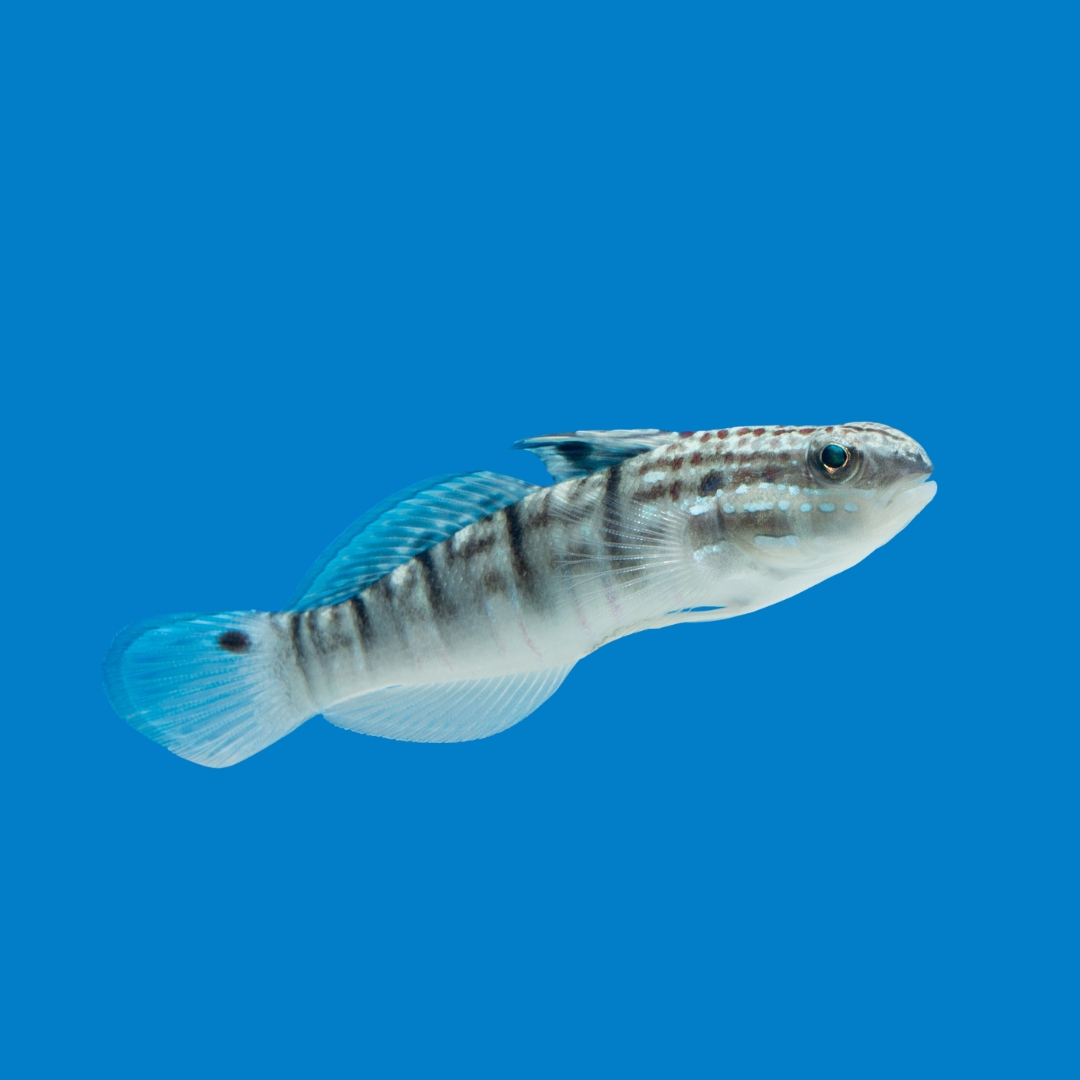
解説 / Description
サラサハゼは、砂地やガレ場をゆっくり移動しながら砂を口に含み、エラから砂を排出して小さな底生生物や有機物をこし取る海水性のハゼです。更紗を思わせる複雑な帯模様と、底床を少しずつ耕すような行動が魅力で、サンゴ水槽や海水魚水槽では底砂の状態を観察するうえでも存在感のある魚です。ただし、単なる「お掃除役」として導入すると痩せやすく、長期飼育には成熟した底砂、こまめな給餌、飛び出し防止、安定した水質管理が欠かせません。 Amblygobius phalaena is a marine goby that moves over sandy and rubble substrates, taking mouthfuls of sand and expelling it through the gills while extracting tiny benthic organisms and organic matter. Its intricate barred pattern and substrate-sifting behavior make it an engaging species in marine aquaria. However, it should not be treated simply as a cleanup fish; long-term care requires mature sand, frequent feeding, secure covers, and stable marine water quality.
基本情報 / Basic Information
| 学名 / Scientific Name | Amblygobius phalaena (Valenciennes, 1837) |
|---|---|
| 通称 / Common Name | サラサハゼ、更紗ハゼWhitebarred goby, Banded goby |
| 分類 / Family | 条鰭類、ハゼ目、ハゼ科、サラサハゼ属。古い資料や便宜的な記述ではスズキ目として扱われる場合がありますが、ここでは現在広く用いられるハゼ目として整理します。Ray-finned fishes; order Gobiiformes; family Gobiidae; genus Amblygobius. Some older or practical references may place gobies within Perciformes, but this article follows the commonly used Gobiiformes treatment. |
| 英名 / English Name | Whitebarred goby, Banded goby, Sleeper banded goby |
| 分布 / Distribution | 西部から中部太平洋に広く分布し、フィリピンからソシエテ諸島、北は琉球列島、南は南部オーストラリア、ロード・ハウ島、ラパ島、ミクロネシア周辺まで記録されています。Widely distributed in the western and central Pacific, from the Philippines to the Society Islands, north to the Ryukyu Islands, and south to southern Australia, Lord Howe Island, Rapa Island, and Micronesia. |
| 最大体長 / Max Size | 全長約15cm。流通個体はこれより小さい若魚が多く、飼育下での成長には個体差があります。About 15 cm total length. Retail specimens are often smaller juveniles or subadults, and growth in aquaria varies by individual and husbandry. |
| 寿命 / Lifespan | 飼育下ではおおむね2〜5年程度が目安です。採集状態、餌付き、栄養管理、底床環境によって大きく左右されます。Often around 2 to 5 years in aquaria, depending strongly on collection condition, feeding response, nutrition, and substrate quality. |
飼育環境 / Aquarium Environment
| 水槽サイズ / Tank Size | 単独飼育でも60cmワイド水槽以上、できれば底面積に余裕のある90cm規格水槽以上が安心です。混泳やペア飼育を考える場合は、90cm規格水槽から90cmワイド水槽以上を目安にし、砂地の面積を十分に確保します。A 60 cm wide tank or larger is a practical minimum for a single fish, while a standard 90 cm tank or larger is more comfortable. For community setups or a confirmed pair, prioritize a large footprint, such as a standard to wide 90 cm aquarium or larger. |
|---|---|
| 水温 / Temperature | 24〜27℃前後を安定して維持します。急な水温変化と夏季の高水温には注意し、必要に応じて水槽用クーラーを使用します。 Maintain a stable temperature around 24 to 27°C. Avoid sudden temperature swings and use a chiller if summer heat becomes a problem. |
| 水質 / Water Quality | 海水魚用の標準的な水質を保ち、比重は1.023〜1.025前後、pHは8.1〜8.4を目安にします。硝酸塩は低めに維持し、餌を多く与える分、ろ過能力と定期換水を重視します。Maintain standard marine aquarium conditions, with specific gravity around 1.023 to 1.025 and pH around 8.1 to 8.4. Keep nitrate low; because this species often needs frequent feeding, filtration and regular water changes are especially important. |
| レイアウト / Layout | 細目からパウダー状のサンゴ砂やアラゴナイトサンドを敷き、口やエラを傷つけにくい底床にします。砂を掘るため、ライブロックは砂の上に不安定に置かず、底面や台座でしっかり支えます。隠れ家になる岩陰と、採餌できる開けた砂地の両方を用意します。Use fine coral sand or aragonite sand that is gentle on the mouth and gills. Because this goby digs, do not balance live rock loosely on top of the sand; support rockwork securely on the tank bottom or on stable stands. Provide both sheltered areas and open sand for foraging. |
| 注意点 / Precautions | 驚いた時に飛び出すことがあるため、フタやメッシュスクリーンで隙間をふさぎます。砂を巻き上げるため、底面に置いたLPSサンゴなどへ砂がかからない配置にします。新規立ち上げ直後で底砂の微小生物が乏しい水槽では痩せやすいので、導入時期にも注意します。Use a tight-fitting lid or mesh cover because the fish may jump when startled. Its sand-sifting can deposit sand on corals, so avoid placing delicate LPS corals where they will be buried. Newly set up aquaria with little microfauna in the sand are risky because the fish may lose condition. |
餌と給餌 / Feeding
| 餌の種類 / Diet | 自然下では砂中の小型無脊椎動物、有機物、藻類を含む底生性の餌をこし取ります。飼育下では冷凍ブラインシュリンプ、冷凍イサザアミ、細かい海水魚用フード、沈下性ペレット、スピルリナ配合フードなどを組み合わせます。In the wild it sifts benthic foods such as small invertebrates, organic matter, and algae from the sand. In aquaria, offer a varied diet such as frozen brine shrimp, frozen mysis-type foods, finely sized marine foods, sinking pellets, and spirulina-based foods. |
|---|---|
| 給餌のポイント / Feeding Tips | 痩せを防ぐため、導入直後は1日2〜3回を目安に少量ずつ与え、腹部のへこみを毎日観察します。餌付きが弱い個体には、スポイトで目の前の砂地へ冷凍餌をそっと落とすと反応しやすくなります。人工飼料へは急に切り替えず、冷凍餌に少量混ぜて慣らします。To prevent weight loss, feed small amounts two to three times daily at first and check the belly every day. For hesitant feeders, gently place frozen food onto the sand in front of the fish with a pipette. Transition to prepared foods gradually by mixing them with accepted frozen foods. |
性格と混泳 / Temperament and Tank Mates
| 性格 / Temperament | 他種には比較的温和ですが、底床付近を自分の生活圏として利用します。砂地を共有する近縁ハゼや同種に対しては、個体差はあるものの強く張り合うことがあります。Generally peaceful toward many other fish, but it treats the lower part of the aquarium as its living area. It may compete strongly with conspecifics or similar sand-sifting gobies, depending on the individual and tank size. |
|---|---|
| 混泳の相性 / Compatibility | 遊泳層が異なる小型から中型の海水魚とは比較的合わせやすい魚です。一方、同種の複数飼育は、明確なペアで広い水槽を用意できる場合を除き避けるのが安全です。底砂の餌を競合する小型ベラ類や他のベントス食性ハゼとの組み合わせでは、餌不足と縄張り争いに注意します。It usually mixes well with small to medium marine fish that occupy different swimming levels. Keeping multiple individuals is best avoided unless they are a confirmed pair in a spacious tank. Be cautious with small wrasses and other benthic-feeding gobies because they may compete for food and territory. |
病気と対策 / Diseases and Prevention
| かかりやすい病気 / Common Diseases | 白点病などの一般的な海水魚の病気に加え、導入初期の拒食、腹部のへこみ、輸送や採集由来と考えられる衰弱が問題になりやすい魚です。砂をふるう魚のため、粗い底砂による口やエラへの負担にも注意します。In addition to common marine fish diseases such as marine ich, early refusal to feed, a sunken belly, and stress-related decline after shipping are common concerns. Coarse substrate can also irritate the mouth and gills of a sand-sifting fish. |
|---|---|
| 対策と予防 / Prevention | 購入時は腹部がふっくらし、砂を口に含む動作や餌への反応が見られる個体を選びます。導入前後は可能な範囲で隔離観察を行い、急な比重差や水温差を避けて慎重に水合わせします。水質を安定させ、細かい底砂と十分な給餌で体力を落とさないことが最も大切です。Select individuals with a rounded belly that show sand-sifting behavior and respond to food. Quarantine or observe new arrivals whenever possible, and acclimate carefully to avoid sudden salinity or temperature changes. Stable water quality, fine substrate, and sufficient feeding are the best preventive measures. |
増やし方(繁殖) / Breeding
| 雌雄の判別 / Sexing | 外見だけでの雌雄判別は難しく、通常販売時に確実な判別は期待しにくい魚です。自然下ではペアで行動することが知られますが、水槽内で無理に複数匹を合わせると争うことがあります。Sexing by appearance is difficult, and reliable sex identification is uncommon at retail. The species is known to occur in pairs in nature, but forcing multiple individuals together in aquaria can lead to aggression. |
|---|---|
| 繁殖形態 / Reproduction | 一夫一婦的なペア形成が報告され、巣穴内に卵を産み付け、主に雄が卵を保護するとされています。産卵が半月周期と同調することも報告されています。Monogamous pair formation has been reported. Eggs are deposited in a burrow and are mainly tended by the male parent. Spawning has also been reported to synchronize with semilunar periods. |
| 繁殖のポイント / Breeding Tips | 家庭水槽での繁殖は観察例があっても、仔魚育成まで安定して成功させる難易度は高いと考えられます。ペアが成立しても、卵保護中の雄は採餌時間が減る可能性があるため、普段から十分な栄養状態を保つことが重要です。仔魚にはごく小さな初期餌料と専用の育成環境が必要になります。Spawning may be observed in aquaria, but raising larvae successfully is considered difficult. Even if a pair forms, the guarding male may reduce feeding activity, so maintaining excellent condition beforehand is important. Larvae require very small first foods and a dedicated rearing setup. |
雑学と豆知識 / Trivia and Fun Facts
| 1. 更紗模様という名前の美しさ / 1. The beauty behind the Japanese name | サラサハゼの「サラサ」は、複雑な染め模様を持つ更紗に由来するとされます。体側の帯模様や頭部の細かな線は、派手な色彩で目立つ魚とは違い、砂地や岩陰に溶け込むための実用的な模様でもあります。観賞魚として眺めると、その控えめな色の中に、底生魚らしい生活史と日本語名の情緒が重なって見えてきます。The Japanese name Sarasa-haze is thought to refer to sarasa, a patterned textile. The bars and fine lines on the head are not merely decorative; they also help the fish blend into sand and rubble. In an aquarium, this subtle pattern reveals both its benthic lifestyle and the poetic character of its Japanese name. |
|---|---|
| 2. 砂を食べているようで、砂を選別している / 2. It appears to eat sand, but it is sorting food from sand | サラサハゼは砂そのものを栄養源としているわけではありません。砂を口に含み、そこに混じる小さな無脊椎動物、有機物、藻類などを選り分けています。この行動は水槽内では底床を動かす働きとして見えますが、魚にとっては毎日の食事そのものです。そのため「底砂をきれいにしてくれる魚」という見方だけでなく、「底砂から常に餌を探している魚」と理解することが長期飼育につながります。This goby is not feeding on sand itself. It takes sand into the mouth and separates tiny invertebrates, organic matter, and algae from the grains. In aquaria this looks like substrate maintenance, but for the fish it is daily feeding. Understanding it as a fish constantly searching for food in the sand is essential for long-term care. |
| 3. 月のリズムと巣穴の子育て / 3. Lunar rhythms and burrow care | 本種では、半月周期に同調した産卵や雄による卵保護が報告されています。砂地で暮らす小さな魚が、巣穴の奥で卵に新鮮な水を送り続ける姿は、単純な「掃除役」という印象を大きく変えてくれます。水槽内でそこまでの繁殖を再現するのは簡単ではありませんが、巣穴を掘れる底砂と落ち着ける岩陰を用意する意味を理解する助けになります。Spawning synchronized with semilunar periods and male egg care have been reported for this species. The image of a small sand-dwelling fish tending eggs inside a burrow reveals far more than its reputation as a cleanup fish. Although full breeding success in aquaria is difficult, this behavior explains why suitable sand depth and secure shelters matter. |
| 4. 流通個体を選ぶ時の視点 / 4. A responsible view when selecting specimens | サラサハゼのような海水魚は、採集、輸送、問屋、小売店を経て水槽にやって来ます。入荷直後で痩せている個体や、餌をまったく追わない個体は、飼育者の努力だけでは立て直しにくい場合があります。購入時には価格だけでなく、腹部の状態、呼吸、砂をふるう動作、ショップでの餌付き、採集や入荷状態に関する説明を確認すると、魚にも飼育者にもやさしい選択になります。Marine aquarium fish pass through collection, shipping, wholesalers, and retailers before reaching the home aquarium. A newly imported fish that is already thin or completely uninterested in food can be difficult to recover. When buying, check not only the price but also belly condition, respiration, sand-sifting behavior, feeding response, and any information the shop can provide about collection and arrival condition. |
まとめ / Conclusion
サラサハゼは、砂をふるう行動と更紗模様が魅力の海水性ハゼです。分布や最大体長、繁殖生態などには信頼できる記録がありますが、飼育面では個体の状態や餌付きによる差が大きいため、記事では断定を避け、長期飼育で重要な底砂、給餌、飛び出し防止を中心に整理しました。 Amblygobius phalaena is an appealing marine goby known for its sand-sifting behavior and barred pattern. While distribution, maximum size, and breeding biology are documented, aquarium success varies greatly with individual condition and feeding response. For that reason, this guide emphasizes substrate, feeding, and jump prevention rather than overconfident claims.
導入する際は、成熟した海水水槽に細かい底砂を用意し、腹部がふっくらした餌付きのよい個体を選ぶことが大切です。環境が合えば、砂地を丹念に探索する姿を通じて、サンゴ礁の底辺を支える小さな生き物たちの世界を水槽内で感じさせてくれる魚です。 When introducing this species, prepare a mature marine aquarium with fine sand and select a well-conditioned specimen that feeds reliably. In the right environment, its careful exploration of the sand offers a window into the small benthic world that supports reef ecosystems.

気になる道具や飼い方を見つけてみませんか?
 アイのアクアグッズ案内水合わせの道具とやり方|魚を迎える前にそろえたい容器・点滴キット・ネット買ってきた魚はすぐ水槽に入れていい? 水温合わせと水合わせの違いから、透明ケース・点滴キット・ネットの選び方、時間をかけすぎない注意点まで、アイとコタロウが紹介します。記事はコチラ →
 アイのアクアグッズ案内コケを食べるコイの仲間に合わせる飼育用品|フライングフォックス・アルジイーター・ガラ道具の特徴や使い方、選ぶときのポイントをアイが紹介します。記事はコチラ →
 アイのアクアグッズ案内金魚を長く楽しむ飼育用品|水槽・フィルター・エアレーション・水換え道具の特徴や使い方、選ぶときのポイントをアイが紹介します。記事はコチラ →
 アイのアクアグッズ案内水槽フィルターの選び方|外掛け・外部・上部から小型オーバーフローまで道具の特徴や使い方、選ぶときのポイントをアイが紹介します。記事はコチラ →
さまざまな飼育テーマをご紹介。リンク先の記事には広告・商品紹介が含まれます。
案内・紹介記事一覧へ →参考文献・参照資料
本記事では、店舗・通販サイト、個人ブログ、まとめサイトを参考文献から除外し、分類、分布、生息環境、飼育条件、繁殖、病気や導入時の注意点を支えるために、魚類分類データベース、博物館系データベース、査読論文、検疫・病原体管理に関する公的・学術的資料を中心に選定しました。
-
World Register of Marine Species. Amblygobius phalaena (Valenciennes, 1837).
分類、学名の受容状況、シノニム、海産種であることの確認に使用。ハゼ目 Gobiiformes、ハゼ科 Gobiidae、サラサハゼ属 Amblygobius として扱う根拠。
https://www.marinespecies.org/aphia.php?p=taxdetails&id=278655 -
Froese, R. and Pauly, D. Editors. FishBase. Amblygobius phalaena, Whitebarred goby.
最大体長、分布、礁域性・海水性、砂を口に含んで小型無脊椎動物・有機物・藻類をこし取る採餌行動、単独またはペアで見られる生態、半月周期の産卵や雄の卵保護に関する基礎確認に使用。
https://www.fishbase.se/summary/Amblygobius-phalaena.html -
Bray, D.J. 2020. Amblygobius phalaena in Fishes of Australia.
体側の帯模様、眼を通る暗色線、背びれ・尾柄部の黒色斑などの外見的特徴、オーストラリア周辺を含む分布、生息場所、砂中の餌をこし取る採餌、雄が巣穴内の卵を世話する記述の補強に使用。
https://fishesofaustralia.net.au/home/species/75 -
Takegaki, T. 2000. Monogamous Mating System and Spawning Cycle in the Gobiid Fish, Amblygobius phalaena (Gobiidae). Environmental Biology of Fishes 59: 61–67.
沖縄・瀬底島での野外研究に基づく、一夫一婦制、ペアによる縄張りと巣穴利用、半月周期の産卵、雄による卵保護など、繁殖欄と雑学欄の中核情報に使用。
https://doi.org/10.1023/A:1007651718465 -
Chiu, P.-S., Ho, S.-W., Huang, C.-H., Lee, Y.-C. and Lin, Y.-H. 2023. Captive Reproductive Behavior, Spawning, and Early Development of White-Barred Goby Amblygobius phalaena (Valenciennes, 1837) and Examined Larval Survival and Viability at Different Water Temperatures and Salinities. Fishes 8(7): 364.
飼育下での繁殖行動、初期発生、仔魚の温度・塩分条件への反応を確認するために使用。記事内の繁殖情報と、飼育条件を断定しすぎないための補助資料。
https://doi.org/10.3390/fishes8070364 -
Arthur, J.R. Fish and Shellfish Quarantine: The Reality for Asia-Pacific. FAO.
観賞魚を含む水生生物の移動に伴う病原体リスク、検疫の意義、導入前後の管理という考え方を支える資料として使用。記事内の病気予防、導入時の隔離・観察、安易な導入を避ける注意喚起の根拠。
https://www.fao.org/4/w3594e/W3594E02.htm -
Kent, M.L. et al. 2009. Recommendations for Control of Pathogens and Infectious Diseases in Fish Research Facilities. Comparative Biochemistry and Physiology Part C 149(2): 240–248.
病原体管理、隔離期間、施設内での感染拡大防止の一般原則を確認するために使用。サラサハゼ固有の病名を断定する資料ではなく、病気と対策欄における予防重視の記述を支える補助資料。
https://pmc.ncbi.nlm.nih.gov/articles/PMC3270489/
注記: 水槽サイズ、底砂の厚み、飛び出し防止、混泳時の競合などの飼育実務は、上記の自然史・採餌生態・繁殖生態・検疫資料を踏まえた実用上の提案です。個体の大きさや同居魚、設備に応じた調整が必要です。ショップの商品説明や通販ページは、価格や流通状況の確認には使える場合がありますが、この記事の参考文献リストからは除外しています。




コメント