

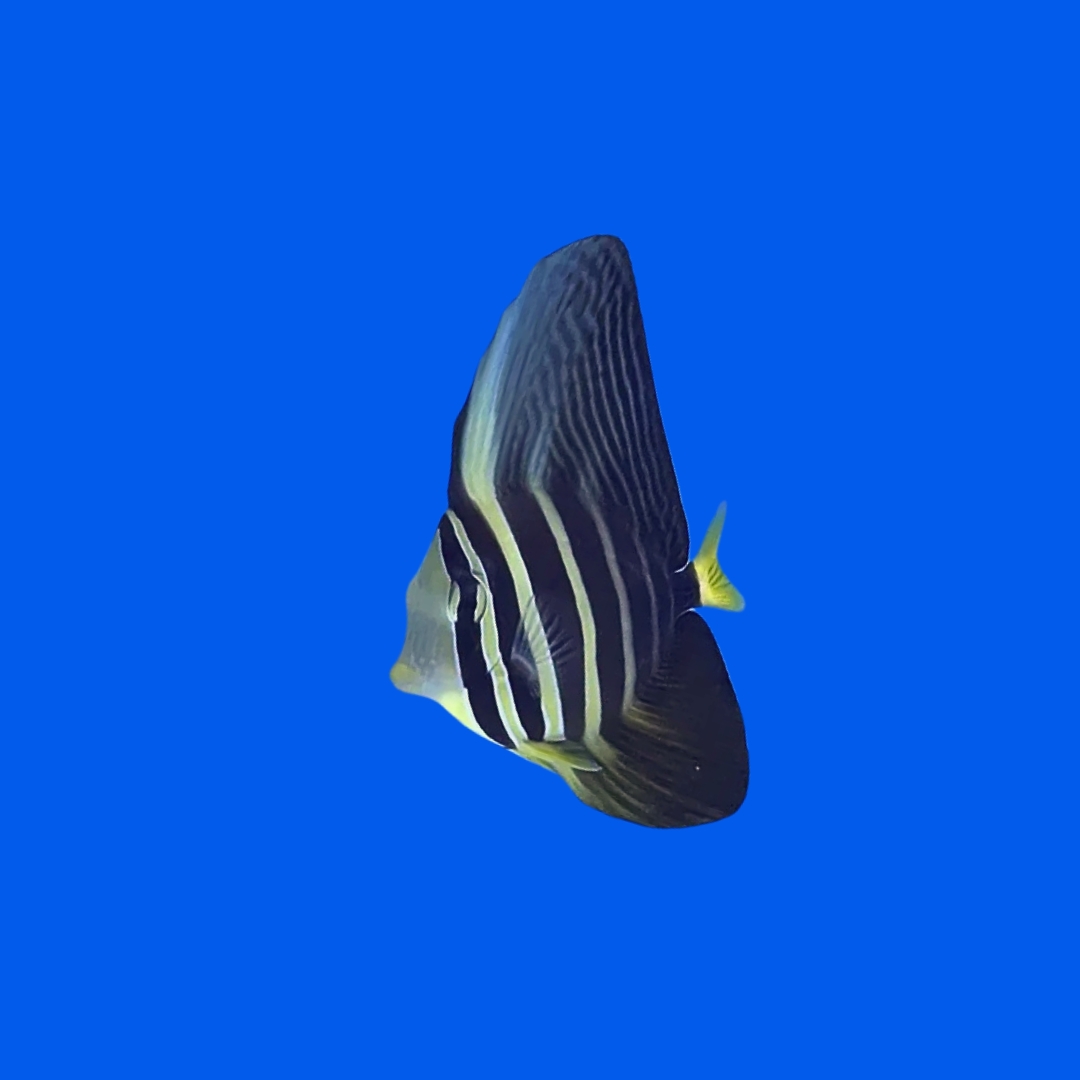
解説 / Description
ヒレナガハギは、帆のように大きく広がる背ビレと尻ビレ、縦帯模様が印象的なニザダイ科の海水魚です。幼魚は黄色味が強く華やかで、成長すると落ち着いた褐色系の体色に細かな黄色い線や斑点が入り、より重厚な雰囲気になります。丈夫な種類として流通しますが、成魚はかなり大きくなり、日中よく泳ぎ回るため、長期飼育では広い遊泳スペースと安定した水質、植物質を中心にした給餌が重要です。 The Sailfin Tang is a marine surgeonfish known for its tall sail-like dorsal and anal fins and bold vertical markings. Juveniles are often brighter and more yellow, while adults become more subdued with fine yellow lines and spots. Although it is considered a hardy aquarium fish, it grows large and is an active swimmer, so long-term care requires ample swimming space, stable marine water quality, and a diet rich in plant-based foods.
基本情報 / Basic Information
| 学名 / Scientific Name | Zebrasoma velifer |
|---|---|
| 通称 / Common Name | ヒレナガハギ、セイルフィンタン、セイルフィンサージョンフィッシュSailfin Tang, Pacific Sailfin Tang, Sailfin Surgeonfish |
| 分類 / Family | ニザダイ目 ニザダイ科 ヒレナガハギ属Order Acanthuriformes, family Acanthuridae, genus Zebrasoma |
| 英名 / English Name | Sailfin Tang / Pacific Sailfin Tang |
| 分布 / Distribution | 東部インド洋のクリスマス島周辺から中・西部太平洋にかけて分布し、日本、ハワイ、ピトケアン諸島、オーストラリア北部から東部などで記録されます。紅海や西部インド洋に広く分布する近縁種とは混同しないよう注意が必要です。Distributed from the eastern Indian Ocean around Christmas Island across the western and central Pacific, including Japan, Hawaii, the Pitcairn Islands, and northern to eastern Australia. It should not be confused with its close Indian Ocean relative. |
| 最大体長 / Max Size | 野生下では最大で約40cm前後とされます。水槽内でも20cmを超えることがあるため、小型水槽での終生飼育には向きません。Reported to reach around 40 cm in the wild. In aquaria it can still exceed 20 cm, so it is not suitable for lifelong care in small tanks. |
| 寿命 / Lifespan | 飼育下では数年から10年以上が目安です。正確な寿命は導入時の状態、水槽サイズ、栄養、水質管理に大きく左右されます。In captivity, several years to over 10 years is a practical expectation. Actual lifespan depends strongly on initial condition, tank size, nutrition, and water quality management. |
飼育環境 / Aquarium Environment
| 水槽サイズ / Tank Size | 幼魚は一時的に90cm規格水槽程度でも管理できますが、終生飼育では少なくとも120cm規格水槽以上、できれば120cmワイド水槽から150cm以上の水槽が安心です。成魚は体高があり、よく泳ぐため、水量だけでなく横方向の遊泳距離を重視します。Juveniles can be managed temporarily in a standard 90 cm tank, but lifelong care should use at least a standard 120 cm tank, preferably a 120 cm wide tank or 150 cm class system. Adults are deep-bodied and active, so horizontal swimming space matters as much as water volume. |
|---|---|
| 水温 / Temperature | 24〜27℃を目安に安定させます。急な水温低下や日内変動は白点病などのきっかけになりやすいため、ヒーターと水槽用クーラーで季節変化を抑えると安心です。 Maintain a stable range of about 24–27°C. Sudden drops or daily swings can trigger stress and disease, so both a heater and aquarium chiller may be needed depending on the season. |
| 水質 / Water Quality | 海水魚向けの安定した水質を維持します。比重は1.020〜1.025前後、pHは8.1〜8.4前後を目安にし、アンモニアと亜硝酸は検出されない状態を保ちます。硝酸塩は低めに管理し、強めのろ過、プロテインスキマー、定期的な換水を組み合わせると状態を保ちやすくなります。Maintain stable marine conditions: specific gravity around 1.020–1.025, pH around 8.1–8.4, and undetectable ammonia and nitrite. Keep nitrate low through strong filtration, protein skimming, and regular water changes. |
| レイアウト / Layout | ライブロックを使って隠れ家と採餌面を作りつつ、前面や中央にはしっかり泳げる空間を残します。複雑すぎる岩組みで遊泳スペースを削りすぎないことが大切です。Use live rock to provide shelters and grazing surfaces, while leaving open swimming space at the front and center. Avoid rockwork that is so dense it restricts movement. |
| 注意点 / Precautions | 尾柄部にはニザダイ科特有の鋭い棘があります。網で追い回すと体を傷めたり、棘が網に絡んだりすることがあるため、移動時は容器でそっと誘導します。また、狭い水槽ではストレスや攻撃性が出やすくなります。Like other surgeonfishes, it has sharp caudal peduncle spines. Avoid chasing it with a net; guide it gently into a container when moving it. Cramped tanks can increase stress and aggression. |
餌と給餌 / Feeding
| 餌の種類 / Diet | 植物食傾向の強い雑食性です。海藻入り人工飼料、スピルリナ配合フード、乾燥海苔、海藻系フードを中心に、補助的に冷凍ブラインシュリンプやイサザアミなどを与えます。An omnivore with a strong herbivorous tendency. Offer marine algae-based pellets or flakes, spirulina foods, dried nori, and seaweed-based foods, with frozen brine shrimp or mysid shrimp as occasional supplements. |
|---|---|
| 給餌のポイント / Feeding Tips | 一度に大量に与えるより、少量を複数回に分けて与えると体型を維持しやすくなります。ライブロックの藻類もついばみますが、それだけでは長期維持に不足しやすいため、海藻クリップなどで植物質を安定して補います。Feed small amounts several times a day rather than one large meal. It will graze on algae growing on live rock, but this is usually not enough for long-term health, so provide regular plant matter with a feeding clip or similar method. |
性格と混泳 / Temperament and Tank Mates
| 性格 / Temperament | 他種に対しては比較的協調性がありますが、成長すると縄張り意識が出ることがあります。特に藻類を食べる魚や体型の似た魚とは競合しやすくなります。Generally manageable with many unrelated fish, but adults may become territorial. Competition is more likely with other algae grazers or similarly shaped fishes. |
|---|---|
| 混泳の相性 / Compatibility | クマノミ類、ハゼ類、ベラ類、小型から中型の温和な魚とは合わせやすいです。一方で、同種同士、ヒレナガハギ属の近縁種、他の大型ハギ類との混泳は争いになりやすいため、基本は1水槽1匹が安全です。複数のハギを入れる場合は、かなり広い水槽と十分な隠れ家、導入順の工夫が必要です。It can be kept with clownfishes, gobies, wrasses, and many peaceful small to medium marine fishes. However, conspecifics, other Zebrasoma species, and large tangs can fight, so one individual per tank is the safest rule. Multiple tangs require a very large system, abundant hiding places, and careful introduction order. |
病気と対策 / Diseases and Prevention
| かかりやすい病気 / Common Diseases | 海水性白点病、肌荒れ、細菌感染、頭部・側線侵食症が問題になりやすい魚です。ニザダイ科は体表トラブルが目立ちやすく、導入直後や水温変動、栄養不足、水質悪化の影響を受けやすい傾向があります。Marine ich, skin irritation, bacterial infections, and head and lateral line erosion can be concerns. Tangs often show skin-related problems when stressed by transport, temperature swings, poor nutrition, or deteriorating water quality. |
|---|---|
| 対策と予防 / Prevention | 新規導入時は可能な限り検疫し、痩せ、白点、呼吸の荒さ、擦り付け行動を確認してから本水槽へ入れます。白点病治療で銅系薬剤を使う場合は、サンゴやエビなどの無脊椎動物がいる水槽では使用せず、隔離水槽で濃度管理を行います。頭部・側線侵食症については、活性炭の粉じんや栄養、水質など複数要因が関わる可能性があるため、海藻中心の栄養、清浄な水質、粉じんの少ないろ材管理を心がけます。Quarantine new arrivals whenever possible and check for weight loss, white spots, labored breathing, or scratching before introduction. Copper medications for marine ich must not be used in reef tanks containing corals or shrimp; use a separate treatment tank and monitor concentration carefully. For head and lateral line erosion, possible contributors include carbon dust, nutrition, and water quality, so maintain a seaweed-rich diet, clean water, and low-dust filtration practices. |
増やし方(繁殖) / Breeding
| 雌雄の判別 / Sexing | 外見からの雌雄判別は難しく、一般的な観賞魚飼育では確実に見分ける方法はほとんどありません。成熟個体ではオスの方がやや大きくなる可能性がありますが、個体差も大きいため決め手にはなりません。Sexing by appearance is difficult, and there is no reliable method for most hobbyists. Mature males may be somewhat larger, but individual variation makes this an unreliable indicator. |
|---|---|
| 繁殖形態 / Reproduction | 自然下では水中に卵と精子を放つ浮遊卵タイプの産卵を行います。成魚は単独またはペアで見られることがあり、産卵行動は潮汐や時間帯と関係するとされています。In the wild, it is a pelagic egg-spawner, releasing eggs and sperm into the water column. Adults may be seen singly or in pairs, and spawning activity is associated with timing such as tide and time of day. |
| 繁殖のポイント / Breeding Tips | 家庭水槽での繁殖は非常に難しく、一般的な飼育目標は繁殖よりも長期健康維持になります。もし繁殖を狙う場合は、十分な水量、成熟した複数個体、浮遊仔魚に対応した専用設備と初期餌料の準備が必要です。Breeding in a home aquarium is extremely difficult, so the realistic goal is long-term health rather than reproduction. Any breeding attempt would require a very large system, mature individuals, and specialized larval-rearing facilities and first foods. |
雑学と豆知識 / Trivia and Fun Facts
| 1. 名前に込められた「帆を持つ魚」 / 1. A fish that carries a sail | ヒレナガハギの魅力は、名前の通り長く高く伸びるヒレにあります。学名の種小名 velifer は「帆を持つ」という意味合いで解釈され、背ビレと尻ビレを大きく広げた姿をよく表しています。幼魚がヒレを広げて泳ぐ姿は特に華やかで、海水魚ショップでも目を引く存在です。The appeal of the Sailfin Tang is captured in its name: the tall fins look like a sail. The specific name velifer is interpreted as “bearing a sail,” a fitting description when the dorsal and anal fins are fully extended. Juveniles, in particular, look striking when they swim with their fins spread wide. |
|---|---|
| 2. インド洋の近縁種との違い / 2. How it differs from its Indian Ocean relative | ヒレナガハギは、インド洋に多いインディアンセイルフィンタンにとてもよく似ています。過去には近い関係として扱われてきた経緯がありますが、太平洋側を中心に分布するヒレナガハギとの違いを知っておくと、流通名や産地表示を読むときに混乱しにくくなります。The Sailfin Tang closely resembles the Indian Sailfin Tang. Because the two have a history of close taxonomic comparison, knowing that this species is mainly associated with the Pacific helps avoid confusion when reading trade names and locality labels. |
| 3. コケ取り役として頼れるが、餌抜きは禁物 / 3. A helpful grazer, but not a substitute for feeding | ライブロックやガラス面をついばむ姿から「お掃除役」として期待されることがあります。しかし、藻類を食べてくれることと、餌を与えなくてよいことは別問題です。水槽内のコケは量も種類も不安定なので、健康な体型と発色を維持するには、海藻や植物質の人工飼料を日常的に与える必要があります。Because it grazes on algae growing on rocks and glass, it is often valued as a cleanup helper. However, eating algae does not mean it can be left unfed. Aquarium algae are inconsistent in both amount and nutritional value, so regular seaweed and plant-based prepared foods are essential for body condition and coloration. |
| 4. 大きなヒレより大切なのは横に泳げる空間 / 4. Swimming room matters more than fin height | ヒレナガハギは体高が目立つため、つい水槽の高さに注目しがちです。もちろん高さも無駄ではありませんが、実際の飼育でより重要なのは横方向に泳げる距離です。岩組みを見栄えよく作り込むほど泳ぐ場所が減ることもあるため、レイアウトは「隠れ家」と「回遊できる空間」の両立を意識します。Its tall body and fins draw attention to tank height, but horizontal swimming distance is even more important. Decorative rockwork can reduce usable space, so the best layout balances shelters with open areas for cruising. |
まとめ / Conclusion
ヒレナガハギは、幼魚の華やかさと成魚の存在感をどちらも楽しめる、海水魚水槽の主役候補です。植物質をよく食べ、ライブロックの藻類もついばむため、リーフタンクでも人気があります。 The Sailfin Tang can be a centerpiece marine fish, offering both the bright appeal of juveniles and the impressive presence of adults. Its algae-grazing behavior also makes it popular in reef-style aquariums.
一方で、成長後のサイズ、泳ぐ量、同属や他のハギ類との相性には注意が必要です。小さな幼魚から迎える場合でも、将来の大型水槽を前提に、安定した水質と海藻中心の食事を整えて飼育しましょう。 At the same time, its adult size, activity level, and compatibility with other tangs require planning. Even when starting with a small juvenile, prepare for a larger future tank, stable water quality, and a seaweed-rich diet.

気になる道具や飼い方を見つけてみませんか?
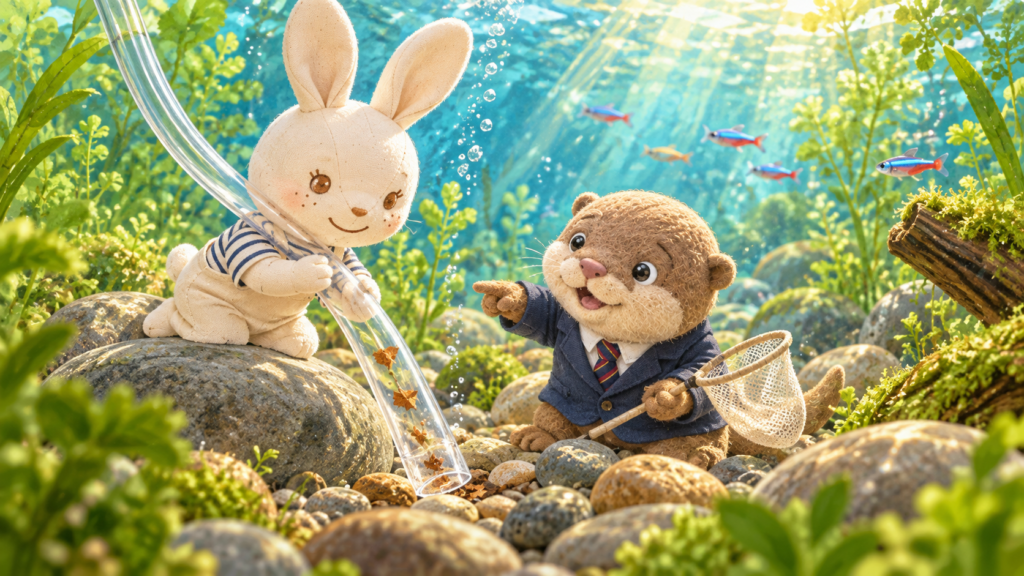 アイのアクアグッズ案内水換え・底砂掃除の道具の選び方|砂利・砂・ソイルに合うクリーナーとポンプ道具の特徴や使い方、選ぶときのポイントをアイが紹介します。記事はコチラ →
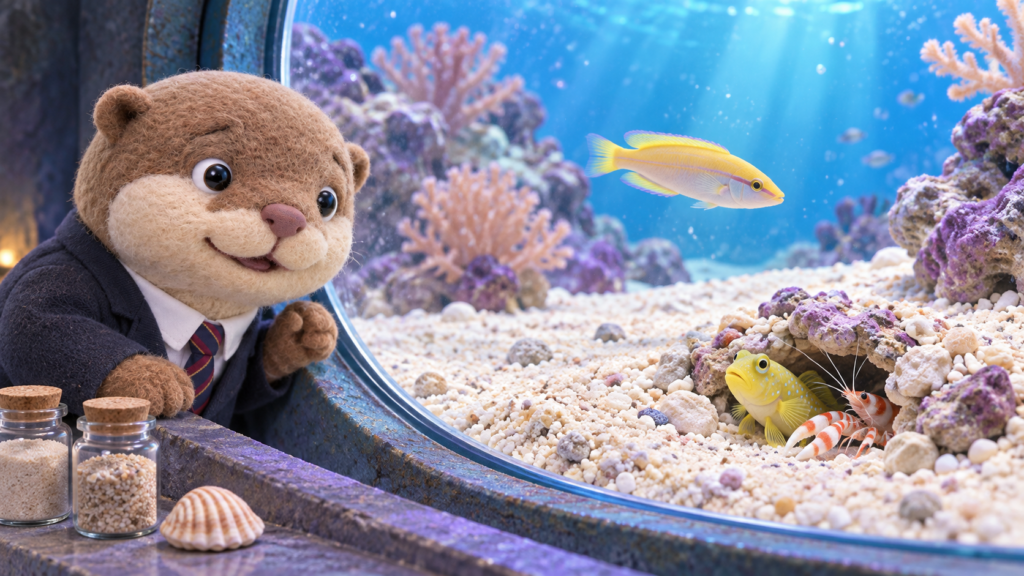 アイのアクアグッズ案内海水魚の底砂の選び方|サンゴ砂・ライブサンドとおすすめ商品道具の特徴や使い方、選ぶときのポイントをアイが紹介します。記事はコチラ →
さまざまな飼育テーマをご紹介。リンク先の記事には広告・商品紹介が含まれます。
案内・紹介記事一覧へ →▶ 記事の生体をAMAZONで買う ▶ 記事の生体をYahooで買う
参考文献・参照資料
この記事の分類、分布、生息環境、飼育条件、繁殖、病気や注意点を確認するために参照した資料です。店舗、通販サイト、個人ブログ、まとめサイトは除外し、魚類データベース、博物館・国際機関系データベース、専門書、査読論文を中心に選定しています。
分類・学名・分布・自然下での生態
- Fricke, R., Eschmeyer, W. N. & Van der Laan, R. (eds.). Eschmeyer’s Catalog of Fishes.
用途:学名、命名者、シノニム、分類上の扱いの確認。
Catalog of Fishes - WoRMS Editorial Board. World Register of Marine Species: Zebrasoma velifer (Bloch, 1795).
用途:海産種としての分類階級、受容名、学名表記の確認。
World Register of Marine Species - Froese, R. & Pauly, D. (eds.). FishBase: Zebrasoma velifer.
用途:最大サイズ、分布、生息水深、食性、繁殖様式など、種の基本情報の確認。
FishBase species summary - Abesamis, R. et al. (2012). Zebrasoma veliferum. The IUCN Red List of Threatened Species.
用途:自然分布、保全状況、生息環境、野外での一般的な個体群評価の確認。
IUCN Red List - Bray, D. J. Zebrasoma veliferum, Fishes of Australia. Museums Victoria.
用途:オーストラリア周辺を含む分布、形態、生息環境、幼魚の出現範囲の確認。
Fishes of Australia - Randall, J. E. (2001). Surgeonfishes of Hawaiʻi and the World. Mutual Publishing / Bishop Museum Press.
用途:ニザダイ科魚類の形態、生態、分布、尾柄部の棘など、専門的な種解説の補強。 - Allen, G. R. & Erdmann, M. V. (2012). Reef Fishes of the East Indies. Tropical Reef Research.
用途:東南アジアから西部太平洋にかけてのサンゴ礁魚類相、分布、生息環境の確認。 - Choat, J. H. (1991). The biology of herbivorous fishes on coral reefs. In P. F. Sale (ed.), The Ecology of Fishes on Coral Reefs. Academic Press.
用途:サンゴ礁における草食性魚類の摂食生態、藻類利用、グレイジング行動の背景確認。
飼育条件・水質・給餌・混泳上の注意
- Spotte, S. (1992). Captive Seawater Fishes: Science and Technology. Wiley-Interscience.
用途:海水魚飼育における水質管理、塩分、濾過、閉鎖循環環境での基本的な管理理論の確認。 - Michael, S. W. (2005). Reef Aquarium Fishes: 500+ Essential-to-Know Aquarium Species. Microcosm / T.F.H.
用途:観賞魚としてのニザダイ科魚類の飼育難易度、混泳、給餌、大型水槽を前提とした管理上の注意の確認。
病気・治療・予防に関する資料
- Colorni, A. (1987). Biology of Cryptocaryon irritans and strategies for its control. Aquaculture.
用途:海水性白点病の原因生物である Cryptocaryon irritans の生活環と制御方法の確認。 - Colorni, A. & Burgess, P. (1997). Cryptocaryon irritans Brown 1951, the cause of “white spot disease” in marine fish: an update. Aquarium Sciences and Conservation, 1, 217–238.
用途:海水性白点病の症状、生活環、治療上の考え方、再感染リスクの確認。
DOI: 10.1023/A:1018360323287 - Noga, E. J. (2010). Fish Disease: Diagnosis and Treatment, 2nd ed. Wiley-Blackwell.
用途:魚病診断、外部寄生虫、薬浴、隔離治療など、病気対策を断定しすぎないための総合的な確認。 - Hemdal, J. F. & Odum, R. A. (2011). The Role of Activated Lignite Carbon in the Development of Head and Lateral Line Erosion in the Ocean Surgeon. North American Journal of Aquaculture, 73(4), 489–492.
用途:HLLEと活性炭、とくに粉じんを含む活性炭運用との関連を慎重に記述するための確認。 - Stamper, M. A., Kittell, M. M., Patel, E. E. & Corwin, A. L. (2011). Effects of full-stream carbon filtration on the development of head and lateral line erosion syndrome (HLLES) in ocean surgeon. Journal of Aquatic Animal Health, 23(3), 111–116.
用途:HLLEとカーボン濾過の関連について、単一原因として断定せず、関連要因として扱うための補強。
DOI: 10.1080/08997659.2011.608608
注記:販売価格、入荷状況、店舗ごとの在庫、通販ページの飼育コメントは、時期や店舗方針によって変動しやすいため、この参考文献リストからは除外しています。




コメント