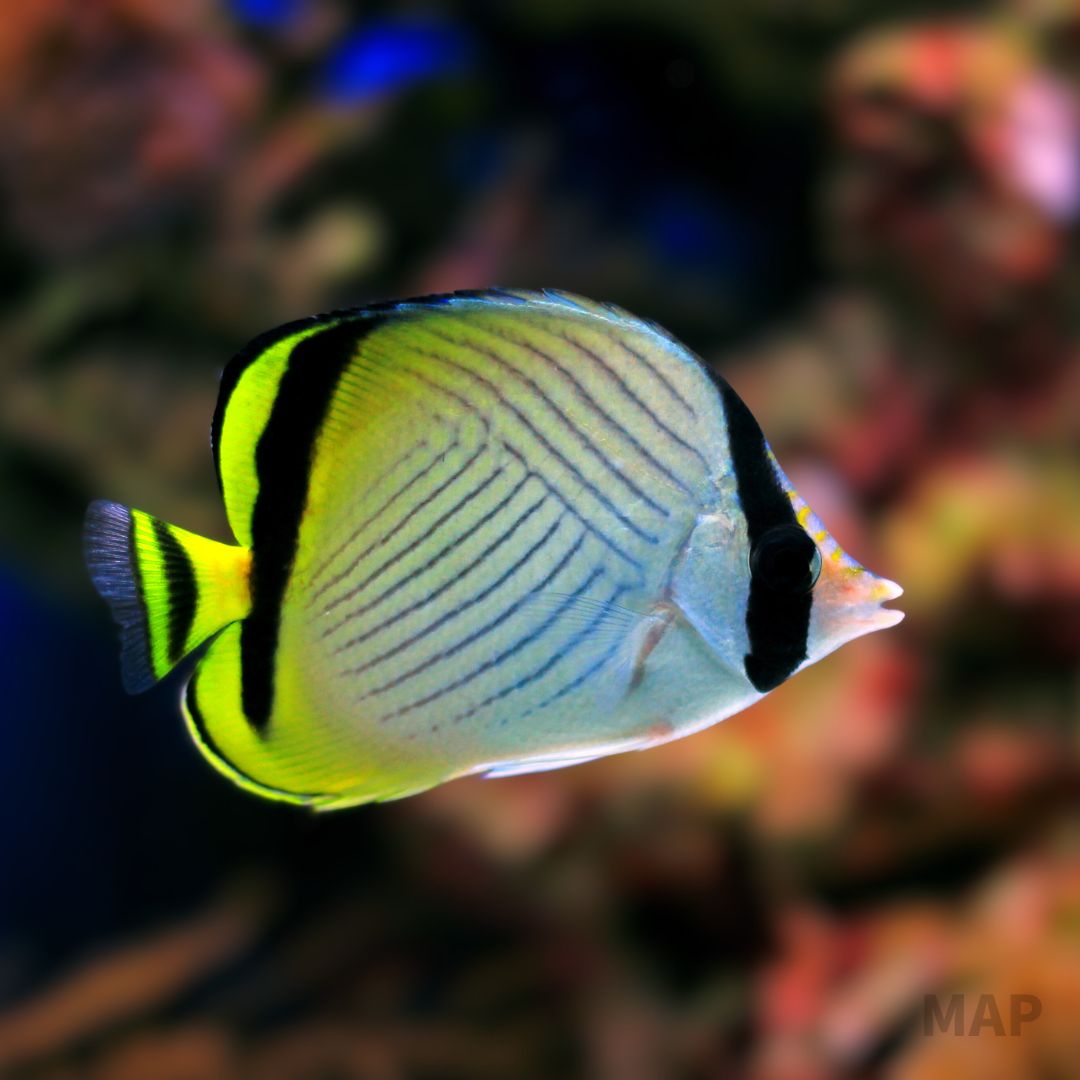
フウライチョウチョウウオは、サンゴ礁を彩るチョウチョウウオ科の中でも、際立った適応能力と美しさを兼ね備えた種です。体側に描かれた複雑な網目状のシェブロン・パターンは、視覚的に複雑なサンゴ礁の背景に溶け込み、捕食者の目を欺く高度なカモフラージュとして機能しています。多くの近縁種が特定のサンゴポリプのみを食べる偏食家であるのに対し、本種は藻類から底生無脊椎動物まで幅広く口にする雑食性を獲得しました。この柔軟な食性が、インド太平洋全域という広大な分布域と、厳しい環境変化にも耐えうる強靭な生命力の源となっています。The Vagabond Butterflyfish is a standout species within the Chaetodontidae family, combining remarkable adaptability with stunning beauty. The intricate chevron pattern on its body functions as a sophisticated camouflage, deceiving predators against the visually complex backdrop of coral reefs. Unlike many related species that are obligate corallivores, this fish has evolved an omnivorous diet, feeding on everything from algae to benthic invertebrates. This dietary flexibility is the key to its vast distribution across the Indo-Pacific and its resilience in the face of environmental changes.
基本情報 / Basic Information
学名 / Scientific Name
Chaetodon vagabundus
通称 / Common Name
フウライチョウチョウウオVagabond Butterflyfish
分類 / Family
スズキ目チョウチョウウオ科Perciformes, Chaetodontidae
英名 / English Name
Vagabond butterflyfish
分布 / Distribution
インド太平洋全域(紅海、南日本からオーストラリア、トゥアモトゥ諸島まで)Indo-Pacific: Red Sea and East Africa to the Line and Tuamotu islands, north to southern Japan, south to the Lord Howe and Austral islands.
最大体長 / Max Size
約23cm(飼育下では15cm前後が多い)Up to 23 cm (usually around 15 cm in captivity).
寿命 / Lifespan
5年から7年(適切な管理下で9年以上の記録あり)5 to 7 years (over 9 years recorded under optimal care).
飼育環境 / Aquarium Environment
水槽サイズ / Tank Size
120cm規格水槽(約300L)以上を推奨Recommended tank size: 120cm standard (approx. 300L) or larger.
水温 / Temperature
22度から28度(安定した水温管理が重要)22 to 28 degrees Celsius (stable temperature is crucial).
水質 / Water Quality
pH 8.1から8.4、比重 1.020から1.025(高めのアルカリ度を維持)pH 8.1 to 8.4, Specific Gravity 1.020 to 1.025. Maintain high alkalinity.
レイアウト / Layout
複雑な岩組みによる隠れ家と、十分な遊泳スペースの両立A combination of complex rockwork for hiding and ample open space for swimming.
注意点 / Precautions
サンゴやイソギンチャクを捕食するため、サンゴ水槽には不向きですNot reef-safe; they will prey on corals and anemones.
餌と給餌 / Feeding
餌の種類 / Diet
雑食性。アサリ、冷凍シュリンプ、人工飼料(乾燥粒餌)Omnivorous. Clams, frozen shrimp, and prepared artificial pellet foods.
給餌のポイント / Feeding Tips
初期は「アサリ」を貝殻ごと与えて摂餌本能を刺激し、徐々に人工飼料へ移行させますInitially, use fresh clams in the shell to stimulate feeding instincts, then gradually transition to pellets.
性格と混泳 / Temperament and Tank Mates
性格 / Temperament
比較的温和ですが、同種や似た体色の魚には攻撃的になることがありますGenerally peaceful, but can be aggressive towards conspecifics or similar-looking species.
混泳の相性 / Compatibility
基本は単独飼育。他科(ハギ、スズメダイ等)との混泳は比較的容易ですBest kept singly. Compatibility with other families like Tangs or Damselfish is relatively good.
病気と対策 / Diseases and Prevention
かかりやすい病気 / Common Diseases
海水白点病(クリプトカリオン・イリタンス)に非常に弱いですHighly susceptible to Marine Ich (Cryptocaryon irritans).
対策と予防 / Prevention
殺菌灯の設置、徹底した水質管理、導入時の慎重なトリートメントInstall a UV sterilizer, maintain strict water quality, and perform careful quarantine upon arrival.
増やし方(繁殖) / Breeding
雌雄の判別 / Sexing
外見での判別は困難ですが、ペアは常に寄り添って泳ぎますDifficult to distinguish by appearance; however, pairs are known to swim closely together.
繁殖形態 / Reproduction
卵生。夕暮れ時にペアで産卵し、卵は浮遊しますOviparous. They spawn in pairs at dusk, and the eggs are pelagic.
繁殖のポイント / Breeding Tips
浮遊幼生期間が約38日間と長いため、家庭用水槽での育成は極めて困難ですThe long pelagic larval duration of about 38 days makes captive rearing extremely difficult.
雑学と豆知識 / Trivia and Fun Facts
1. 学名が語る「放浪者」の物語 / 1. The Story of the “Vagabond” in Its Scientific Name
学名の「vagabundus」はラテン語で「放浪する」「定住しない」という意味を持っています。これは、彼らが特定のサンゴに執着せず、広い範囲を移動しながら餌を探す生態を表現したものです。和名の「フウライ」もまた、風の吹くままに現れる「風来坊」に由来しており、学名の意味を見事に日本語の文脈へと翻訳した秀逸な命名と言えます。The species name “vagabundus” comes from the Latin word for “wandering” or “unsettled.” This reflects their ecology of not sticking to a specific coral but moving across wide areas in search of food. The Japanese name “Furai” also stems from a term for a wanderer, beautifully capturing the essence of the scientific name.
2. チョウチョウウオ属の「毛の歯」 / 2. The “Hair-Teeth” of the Chaetodon Genus
属名の「Chaetodon」は、ギリシャ語の「毛(chaite)」と「歯(odontos)」を組み合わせたものです。その名の通り、彼らの口内にはブラシのような微細な毛状の歯が並んでおり、これを使って岩やサンゴの表面から、傷をつけることなくポリプや藻類を効率よく削ぎ取って食べています。The genus name “Chaetodon” is a combination of the Greek words for “hair” (chaite) and “tooth” (odontos). As the name suggests, they possess fine, brush-like teeth that allow them to efficiently scrape polyps and algae from rock and coral surfaces.
3. 幼魚時代だけの「偽りの眼」 / 3. The “False Eye” of Juveniles
幼魚の時期には、背鰭の後方に黒い大きな斑点(眼状斑)が見られます。これは捕食者に対して、どちらが頭かを誤認させ、致命傷を避けるためのデコイ(囮)です。成長し、生存能力が高まるにつれてこの斑点は消失していきます。このような個体発生に伴う形態の変化も、本種の興味深い生態の一つです。Juveniles possess a large black spot (eyespot) on the rear of their dorsal fin. This acts as a decoy to confuse predators about which end is the head, helping the fish avoid fatal attacks. As they grow and their survival skills improve, this spot eventually disappears.
まとめ / Conclusion
フウライチョウチョウウオは、その幾何学的な美しさだけでなく、過酷な自然界を生き抜くための「適応の知恵」が詰まった魚です。サンゴ礁という限られた環境に依存しすぎず、広い海を自由に、そして逞しく生きるその姿は、観賞魚としての枠を超えた生命の力強さを私たちに教えてくれます。The Vagabond Butterflyfish is more than just a geometric beauty; it is a fish packed with adaptive wisdom for surviving the harsh natural world. By not over-relying on a limited coral environment and living freely and resiliently in the vast ocean, it teaches us the strength of life beyond its role as an aquarium fish.
飼育においては、初期の餌付けと病気への対策が鍵となりますが、一度環境に馴染めば、長きにわたって水槽の主役として君臨してくれるでしょう。丁寧な観察と管理を通じて、この「海の放浪者」との深い絆を育んでみてください。Acclimation and disease prevention are the keys to successful husbandry, but once established, they will reign as a centerpiece of your aquarium for many years. Through careful observation and care, we hope you can foster a deep bond with this wanderer of the seas.



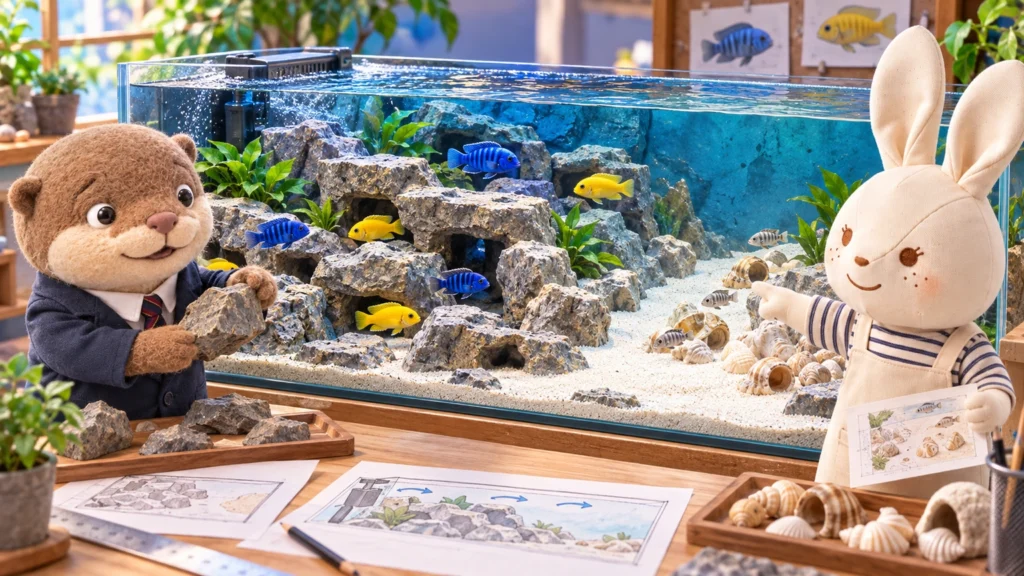 アイのアクアグッズ案内アフリカンシクリッドの飼育用品|水槽・ろ過・底砂・岩組み・餌の選び方道具の特徴や使い方、選ぶときのポイントをアイが紹介します。記事はコチラ →
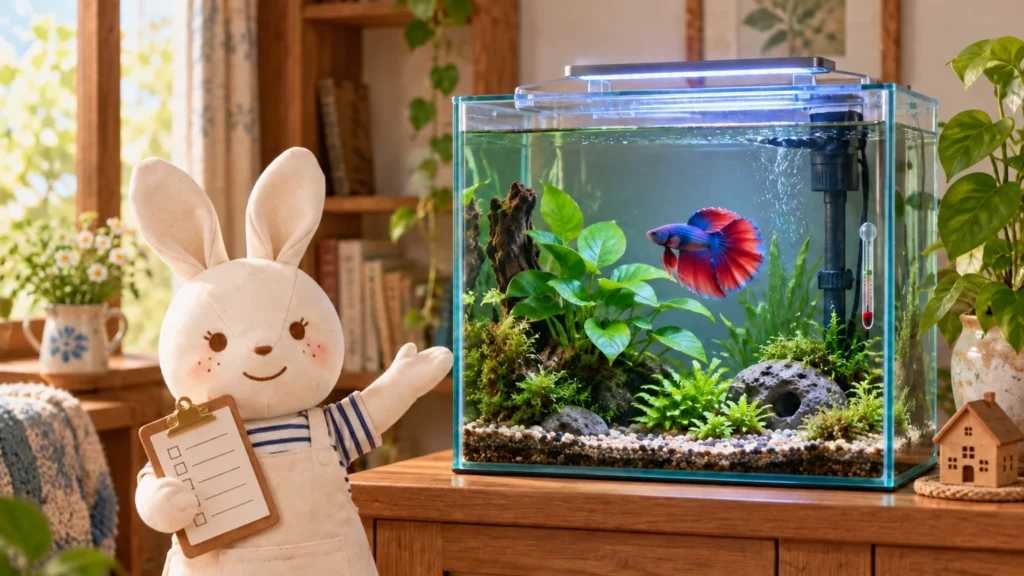 アイのアクアグッズ案内ベタの一匹飼いを楽しむ|水槽・ヒーター・ふた・フィルターの選び方ベタの一匹飼いに向く水槽容量、ふたと空気層、ヒーターと水温計、弱い水流のフィルターを、コタロウとアイの会話で分かりやすく解説します。記事はコチラ →
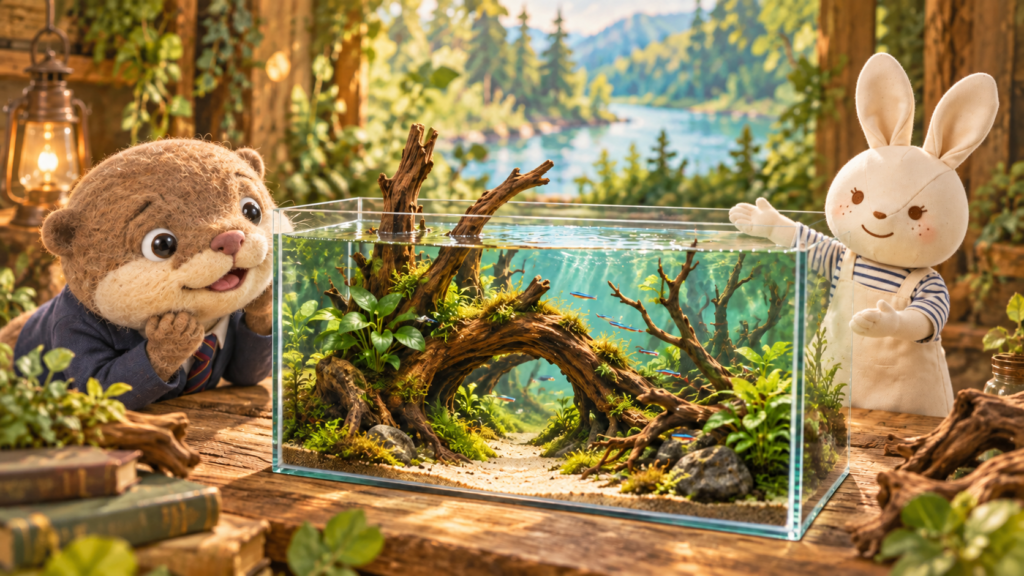 アイのアクアグッズ案内水槽の流木の選び方|枝・マングローブ・アク抜きとおすすめ商品水槽に小さな森を作る流木。枝流木やマングローブという名前の違いから、魚の隠れ家、水草の取り付け、浮く・水が茶色くなるときの準備まで、アイとコタロウが商品とともに案内します。記事はコチラ →
 アイのアクアグッズ案内水草水槽のCO₂添加|3つの方式の選び方とおすすめ用品道具の特徴や使い方、選ぶときのポイントをアイが紹介します。記事はコチラ →



コメント