

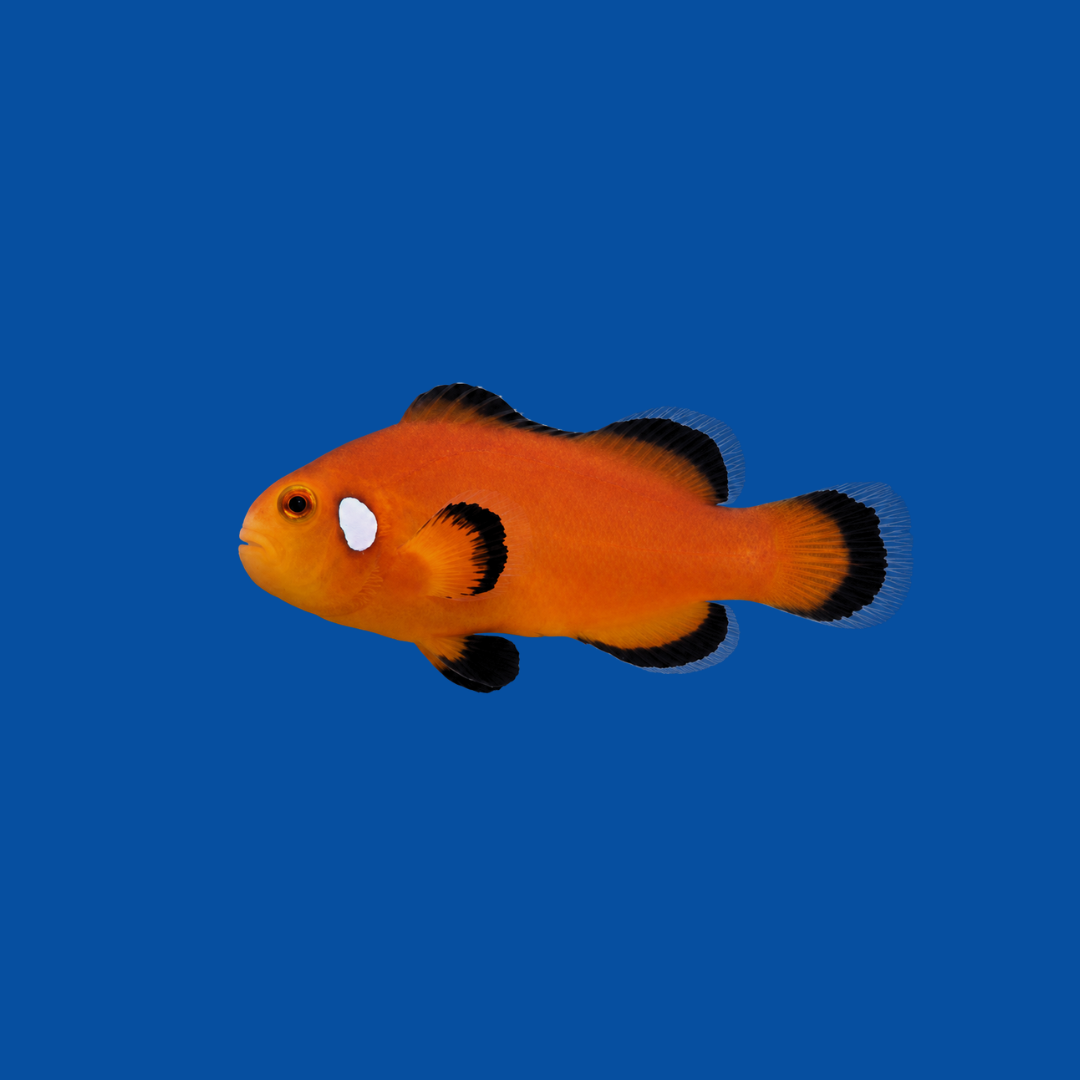
解説 / Description
キャラメルドミノオセラリスは、カクレクマノミを基礎とする人工繁殖の改良品種です。国内流通では「キャラメルドミノオセラリス」という品種名が用いられ、暗い橙色から褐色、黒褐色へとつながる深みのある体色と、頭部付近に残る白斑や短い不規則な白模様が特徴とされています。白斑の形や面積、体色の濃さには個体差があり、同じ品種名で流通する個体でも外見は一様ではありません。 The Caramel Domino Ocellaris is a captive-bred ornamental strain based on the ocellaris clownfish. In the Japanese aquarium trade, the name is used for fish characterized by deep dark-orange, brown, or blackish-brown coloration and reduced white markings that commonly remain as a spot or short irregular patch near the head. The size and shape of the white markings, as well as the depth of body color, vary considerably among individuals.
流通上の品種名であり、独立した種や亜種ではありません。基本的な生態と飼育条件はカクレクマノミに準じます。ブリード個体は人工飼料に慣れていることが多く、海水魚の中では導入しやすい部類ですが、病気にかからないわけではなく、水質の急変にも強いとは限りません。また、キャラメルドミノ形質の正確な遺伝様式や、成長後の発色を一律に予測できる公開資料は限られています。購入時には品種名だけで判断せず、個体の健康状態、親魚や系統の情報、成長例を確認することが大切です。 This is a trade strain name, not a separate species or subspecies, and its basic biology and care requirements follow those of the ocellaris clownfish. Captive-bred individuals often accept prepared foods readily and are comparatively approachable for marine aquarists, but they are not immune to disease or sudden changes in water conditions. Public information is also insufficient to define the exact inheritance of the Caramel Domino phenotype or to predict every fish’s adult coloration. Selection should therefore be based not only on the strain name but also on health, lineage information, and documented growth examples.
基本情報 / Basic Information
| 学名 / Scientific Name | Amphiprion ocellaris Cuvier, 1830 |
|---|---|
| 通称 / Common Name | キャラメルドミノオセラリス、キャラメルドミノ、カクレクマノミ改良品種Caramel Domino Ocellaris, designer ocellaris clownfish |
| 分類 / Family | スズメダイ科・クマノミ属。目などの上位分類は、採用する分類体系によって表記が異なります。Family Pomacentridae, genus Amphiprion. Higher-level placement, including the order, varies among taxonomic systems. |
| 英名 / English Name | Caramel Domino Ocellaris Clownfish |
| 分布 / Distribution | 人工繁殖品種のため、この品種固有の野生分布はありません。原種のカクレクマノミは東部インド洋から西部太平洋に分布し、アンダマン・ニコバル諸島、東南アジア、フィリピン、インドネシア、オーストラリア北西部、台湾、琉球列島周辺などで確認されています。自然下では、浅く穏やかなサンゴ礁や礁湖で宿主となるイソギンチャクと生活します。This captive-bred strain has no natural range of its own. The wild-type ocellaris clownfish occurs from the eastern Indian Ocean through the western Pacific, including the Andaman and Nicobar Islands, Southeast Asia, the Philippines, Indonesia, northwestern Australia, Taiwan, and the Ryukyu Islands. In nature it inhabits shallow, sheltered reefs and lagoons in association with host sea anemones. |
| 最大体長 / Max Size | 全長約11cm。成熟したペアでは、社会的に優位なメスがオスより大きくなります。Up to approximately 11 cm in total length. In an established pair, the socially dominant female grows larger than the male. |
| 寿命 / Lifespan | 適切な環境では10年以上飼育されることがあります。カクレクマノミでは飼育下12年の記録が示されており、クマノミ類全体では20年以上生存した個体も報告されています。ただし、キャラメルドミノオセラリスだけを対象とした寿命資料は確認されておらず、実際の寿命は導入時の状態、水質、栄養、疾病管理によって大きく変わります。More than ten years is possible under appropriate care. A captive age of twelve years has been recorded for A. ocellaris, and individuals exceeding twenty years have been reported in the clownfish group. However, no lifespan dataset specific to the Caramel Domino strain is available, and actual longevity depends strongly on initial health, water stability, nutrition, and disease management. |
飼育環境 / Aquarium Environment
| 水槽サイズ / Tank Size | 単独飼育では45cm規格水槽(おおむね30〜40L)以上、ペアを長期飼育する場合は60cm規格水槽(約55〜65L)以上を目安にします。小さな水槽でも一時的な飼育は可能ですが、水量が多いほど水温、塩分、窒素化合物の変動を抑えやすく、成熟後の縄張りにも余裕を持たせられます。As a practical guideline, use at least a standard 45 cm aquarium of roughly 30–40 L for one fish and a standard 60 cm aquarium of roughly 55–65 L or larger for a long-term pair. Temporary care is possible in smaller systems, but greater water volume offers better stability and more room for adult territorial behavior. |
|---|---|
| 水温 / Temperature | 24〜27℃を目安に、日内変動をできるだけ小さく保ちます。夏は水槽用クーラーや冷却設備、冬はサーモスタット付きヒーターを使用し、短時間で大きく変化する状況を避けます。 Maintain approximately 24–27°C with minimal daily fluctuation. Use an aquarium chiller or suitable cooling equipment in summer and a thermostatically controlled heater in winter, avoiding rapid temperature changes. |
| 水質 / Water Quality | 比重1.023〜1.026、pH 8.0〜8.4を目安にします。比重は測定器の基準温度を確認し、屈折計を使用する場合は定期的に校正します。アンモニアと亜硝酸は検出されない状態を維持し、硝酸塩は20mg/L以下を一つの管理目標とします。蒸発した水分は塩水ではなく、カルキを除いた淡水またはRO水で補います。Aim for a specific gravity of 1.023–1.026 and pH 8.0–8.4. Check the reference temperature of the measuring device and calibrate refractometers regularly. Ammonia and nitrite should remain undetectable, while nitrate below about 20 mg/L is a useful management target. Replace evaporated water with dechlorinated freshwater or RO water rather than saltwater. |
| レイアウト / Layout | ライブロックや人工岩で隠れ場所と落ち着ける壁面を作り、前面には遊泳空間を残します。水流は強すぎない範囲で循環させ、水面を適度に揺らしてガス交換を確保します。イソギンチャクはクマノミの飼育に必須ではありません。導入する場合は、十分に成熟した水槽で、照明、水流、水質などイソギンチャク側の要求を満たす必要があります。Create sheltered areas and resting surfaces with live rock or inert rockwork while retaining open swimming space. Provide moderate circulation and enough surface movement for gas exchange. A host anemone is not required for the clownfish. If one is added, the aquarium must be mature enough to meet the anemone’s more demanding requirements for light, flow, and water quality. |
| 注意点 / Precautions | 生物ろ過が安定していない新設水槽への導入は避けます。水合わせは、販売店の飼育水との塩分差や輸送時間を確認したうえで行い、劣化した輸送水へ長時間とどめないようにします。新規個体は本水槽へ直接入れず、可能であれば隔離水槽で状態を確認します。小型水槽で複数のペアや別種のクマノミを同居させると、激しく争うことがあります。フタや配線まわりの隙間も点検し、飛び出しを防ぎます。Avoid introducing the fish into a new aquarium before biological filtration has stabilized. Acclimation should reflect the salinity difference and transport time, without leaving the fish unnecessarily long in deteriorating shipping water. Whenever possible, observe new arrivals in quarantine before transfer to the display. Multiple pairs or different clownfish species may fight severely in small aquariums. Check the lid and cable openings to reduce the risk of jumping. |
餌と給餌 / Feeding
| 餌の種類 / Diet | 動物食・雑食性海水魚向けの小粒ペレットを主食にし、冷凍イサザアミ、冷凍ブラインシュリンプ、細かくしたオキアミ類、海藻原料を含むフードなどを補助的に組み合わせます。国内で入手しやすい「ひかりプレミアム メガバイトレッド S」は、メーカーがクマノミを対象魚としている緩沈下性飼料で、主食候補の一つです。植物質を補う場合は、クマノミの副食として案内されているメガバイトグリーン Sなどを少量組み合わせる方法もあります。Use a small pellet formulated for carnivorous or omnivorous marine fish as the staple, supplemented with frozen mysids, frozen brine shrimp, finely chopped krill, and foods containing marine algae. Hikari Premium Megabite Red S is one readily available slow-sinking option in Japan and is specifically marketed for clownfish. A small amount of a plant-rich food, such as Megabite Green S, may also be used as a supplementary item. |
|---|---|
| 給餌のポイント / Feeding Tips | 幼魚は1日2〜3回、成魚は1日1〜2回を目安に、短時間で食べ切れる量を与えます。食べ残しが岩陰や底面にたまる場合は多すぎます。繁殖を目指すペアには、体格と水質を確認しながら給餌回数や餌の種類を増やします。腹部が常に大きく膨れるほど与える必要はありません。給餌量を増やしたときは、換水や底部清掃の頻度も見直します。Feed juveniles two to three times per day and adults about once or twice, offering only what can be consumed promptly. Food collecting behind rocks or on the bottom indicates overfeeding. For a breeding pair, increase meal frequency and variety while monitoring body condition and water quality. Persistent abdominal distension is unnecessary, and heavier feeding should be matched by more attentive water changes and cleaning. |
性格と混泳 / Temperament and Tank Mates
| 性格 / Temperament | カクレクマノミはクマノミ類の中では比較的温和ですが、成長すると定位置や産卵床の周辺に縄張りを持ちます。ペアでは大きいメスが優位となり、小さいオスを追うことがあります。短い追尾や、小さい個体が体を小刻みに震わせる行動は、順位確認の場面で見られます。ただし、片方が長時間隅へ追い込まれる、餌を食べられない、ヒレが傷むといった状態では隔離が必要です。The ocellaris clownfish is comparatively mild among clownfishes, but adults defend a preferred area and spawning site. In a pair, the larger female is dominant and may chase the smaller male. Brief chasing and submissive body-quivering can occur while rank is being established. Separation is necessary if one fish is persistently trapped, unable to feed, or suffering fin damage. |
|---|---|
| 混泳の相性 / Compatibility | 温和で大きさの近いハゼ類、ハタタテハゼ類、小型テンジクダイ類などとは合わせやすい傾向があります。大型の肉食魚、攻撃性の強いスズメダイ、別のクマノミのペアとの同居は避けます。サンゴや多くの観賞用甲殻類を積極的に捕食する魚ではありませんが、気に入ったサンゴへ繰り返し体をこすり付け、サンゴが開きにくくなる場合があります。It generally combines well with peaceful, similarly sized fishes such as gobies, firefish, and small cardinalfishes. Avoid large predators, highly aggressive damselfishes, and additional clownfish pairs. It does not normally prey on corals or most ornamental crustaceans, although repeated hosting behavior in a favored coral may prevent the coral from expanding fully. |
病気と対策 / Diseases and Prevention
| かかりやすい病気 / Common Diseases | 海水魚白点病、ウーディニウム病(ベルベット病)、ブルックリネラ症などに注意します。白い点、細かな粉をまぶしたような外観、体を岩へこする動作、呼吸の速まり、食欲低下、厚い粘液、色あせなどは異常のサインです。これらは外見が似る場合がある一方、原因と治療法は同じではありません。見た目だけで病名や薬剤を決めつけないことが重要です。Watch for marine ich, marine velvet, and brooklynellosis. Warning signs include white spots, a fine dusty coating, rubbing against rocks, rapid breathing, loss of appetite, heavy mucus, and fading color. These diseases can appear similar, but their causes and treatments are not identical. Medication should not be selected from appearance alone. |
|---|---|
| 対策と予防 / Prevention | 新規個体は観察しやすい隔離水槽で数週間管理し、呼吸、食欲、排泄、体表の変化を確認してから本水槽へ移します。異常が見られた場合は、サンゴや無脊椎動物のいない治療水槽へ隔離し、可能であれば顕微鏡検査などで原因を確認します。銅剤は海水魚白点病やウーディニウム病で用いられることがありますが、濃度管理が必要で、サンゴ水槽には使用できません。ブルックリネラ症などで用いられるホルマリン系処置も魚と人の双方に危険を伴うため、製品説明と専門家の指示に従います。淡水浴は一時的な症状軽減につながる場合がありますが、根治療法ではなく、弱った魚には負担となります。魚体を指でこすったり、粘液を無理に落としたりしてはいけません。Keep new arrivals in an easily observed quarantine aquarium for several weeks and monitor breathing, appetite, feces, and skin condition before transfer to the display. If abnormalities appear, move the fish to a treatment tank without corals or invertebrates and, when possible, confirm the cause through microscopic examination or professional diagnosis. Copper may be used for marine ich or velvet, but it requires measured dosing and must not be used in a reef display. Formalin-based procedures used for conditions such as brooklynellosis can be hazardous to both fish and people and should follow product instructions and expert guidance. A freshwater dip may provide temporary relief in selected cases, but it is not a complete cure and can burden a weakened fish. Never rub the body or forcibly remove protective mucus. |
増やし方(繁殖) / Breeding
| 雌雄の判別 / Sexing | クマノミ類は雄性先熟型の雌雄同体です。若魚は社会順位に応じて成熟し、群れで最も大きく優位な個体がメス、次順位の個体が繁殖可能なオスとなります。成立したペアでは、通常は大きく丸みのある個体がメス、小さい個体がオスです。未成熟個体の将来の性別を外見だけで確実に判定することはできません。Clownfishes are protandrous hermaphrodites. Juveniles mature according to social rank: the largest dominant individual becomes female, and the next-ranking fish becomes the breeding male. In an established pair, the larger, fuller-bodied fish is usually the female and the smaller fish the male. The future sex of an immature individual cannot be determined reliably from appearance alone. |
|---|---|
| 繁殖形態 / Reproduction | 基質産卵型です。メスが岩、素焼き鉢、タイルなどの平らな面に粘着性の卵を産み、オスが受精させます。産卵後は主にオスが胸ビレで卵へ水を送り、未受精卵や傷んだ卵を取り除きながら守ります。26〜28℃前後では、産卵からおよそ7〜10日後の消灯後に孵化する例が多く見られますが、孵化日は水温、親魚、飼育条件によって前後します。This is a substrate-spawning fish. The female deposits adhesive eggs on a flat rock, clay pot, tile, or similar surface, and the male fertilizes them. The male performs most egg care by fanning the clutch and removing failed eggs. At approximately 26–28°C, hatching commonly occurs about seven to ten days after spawning and usually after lights-out, although timing varies with temperature, broodstock, and husbandry conditions. |
| 繁殖のポイント / Breeding Tips | 明確な体格差のある若魚2匹からペア形成を待つ方法がありますが、相性が成立するまで攻撃の程度を観察し、必要に応じて隔離します。確実性を高めたい場合は、すでに相性が確認されたペアを選びます。水質と照明時間を安定させ、平らな産卵基質を用意し、親魚には多様で栄養価の高い餌を与えます。孵化直前には卵の中の眼が銀色に見えるようになります。仔魚育成に挑戦する場合は、孵化前からシオミズツボワムシと植物プランクトンを準備し、孵化後は栄養強化したワムシを初期餌料として与えます。成長に合わせて孵化直後のアルテミア幼生、細粒人工飼料へ段階的に移行します。切り替え時期は成長と摂餌を見ながら調整します。キャラメルドミノ形質の正確な遺伝様式は公開情報からは確定できず、子の色彩や白斑には幅が生じる可能性があります。Two juveniles with a clear size difference may form a pair, but aggression must be observed and separation provided when necessary. A previously confirmed compatible pair offers greater predictability. Keep water quality and the light cycle stable, provide a flat spawning surface, and feed the broodstock a varied, nutrient-rich diet. Shortly before hatching, the embryos’ eyes become visibly silver. For larval rearing, establish rotifer and phytoplankton cultures before the hatch. Feed enriched rotifers first, then introduce newly hatched Artemia and fine prepared foods gradually as growth and feeding ability permit. The exact inheritance of the Caramel Domino phenotype has not been established in public sources, and offspring may vary widely in color and white markings. |
雑学と豆知識 / Trivia and Fun Facts
| 1. 品種名と学名は役割が異なる / 1. Strain names and scientific names serve different purposes | 「キャラメルドミノ」は、観賞魚流通で色彩や模様を識別するための品種名です。生物学的にはカクレクマノミと同じAmphiprion ocellarisであり、野生に同名の地域個体群が存在するわけではありません。改良品種の呼称は、ブリーダーや流通経路によって選抜基準や系統背景が完全には一致しない場合があります。成魚の姿や繁殖結果を知りたいときは、品種名に加えて、親魚の写真、成長記録、系統情報を確認すると判断しやすくなります。“Caramel Domino” is an aquarium-trade strain name used to distinguish color and pattern. Biologically, the fish remains Amphiprion ocellaris; there is no wild regional population with this name. Selection standards and lineage backgrounds may not be identical among breeders or supply chains. Photographs of the parents, growth records, and lineage information therefore provide valuable context when considering adult appearance or breeding results. |
|---|---|
| 2. 白いバンドには発生の順序がある / 2. White bars follow a developmental sequence | クマノミの白いバンドは、幼魚の変態期に頭部側から尾側へ向かって順に形成されます。クマノミ類を比較した研究では、バンドが少ない種ほど尾側のバンドから順に失われる傾向も示され、発生の順序と進化の方向が結び付いていると考えられています。また、白帯を作る反射色素胞の働きや、甲状腺ホルモンが形成時期に関わることも明らかになっています。ただし、これらはクマノミ類の白帯形成に関する知見であり、キャラメルドミノ固有の原因遺伝子を特定したものではありません。Clownfish white bars form during metamorphosis in sequence from the head toward the tail. Comparative research also shows that species with fewer bars tend to lose the rear bars first, linking developmental order with evolutionary pattern change. Iridophore activity and thyroid hormones are involved in the timing of bar formation. These findings explain general mechanisms in clownfishes, however, and do not identify a strain-specific causal gene for the Caramel Domino phenotype. |
| 3. 成長後の色は保証できない / 3. Adult coloration cannot be guaranteed | キャラメル系の流通説明では、成長に伴って黒みが増す個体や、褐色を長く保つ個体が紹介されます。しかし、この品種だけを対象に色彩変化を定量的に追跡した公開研究は確認されていません。体色は遺伝的背景に加え、年齢、栄養、健康状態、照明の見え方などにも左右されます。幼魚時の色を完成形と決めつけず、将来の変化を個体差として受け止める姿勢が、この品種を選ぶうえで重要です。Trade descriptions of caramel-type strains often show some fish becoming darker with age while others retain more brown coloration. However, no publicly available study has quantitatively tracked color development specifically in this strain. Appearance can be influenced by genetic background, age, nutrition, health, and lighting. Juvenile color should therefore not be treated as a guaranteed final form. |
| 4. 国内ブリードを支える生産と流通 / 4. Domestic breeding and distribution support availability | 神畑養魚が運営する業者向けサイトKBOでは、「キャラメルドミノオセラリス カミハタブリード」が日本産として掲載されています。神畑養魚は鹿児島県南九州市の南九州養殖センターで、天然海水と温暖な環境を生かした海水魚のブリードに取り組んでいます。国内生産は国際輸送を避けやすいという利点がありますが、ブリード個体であっても輸送後の休養、健康確認、水合わせが不要になるわけではありません。産地やブランドは判断材料の一つとし、呼吸、体表、泳ぎ、食欲を確認して個体を選ぶことが基本です。The trade-only KBO platform operated by Kamihata lists the Kamihata-bred Caramel Domino Ocellaris as Japanese-produced stock. Kamihata breeds marine fishes at its Minami-Kyushu Aquaculture Center in Kagoshima Prefecture, using the area’s natural seawater and warm climate. Domestic production can reduce international transport, but captive-bred fish still require recovery, health observation, and appropriate acclimation after shipping. Origin and brand are useful indicators, while breathing, skin condition, swimming behavior, and feeding response remain central to individual selection. |
| 5. 性転換は社会順位と結び付いている / 5. Sex change is tied to social rank | クマノミ類の群れでは、最大個体がメス、次に大きい個体が繁殖オスとなり、それより小さい個体は下位に位置します。メスがいなくなるとオスがメスへ性転換し、次順位の個体が繁殖オスへ移行します。宿主となるイソギンチャクの周囲にとどまり、順位が上がる機会を待つ行動は、危険な外洋を移動するより生存上有利な戦略と考えられています。家庭の水槽では逃げ場が限られるため、この社会構造を再現しようとして多数を小型水槽へ入れると、下位個体が衰弱するおそれがあります。In clownfish groups, the largest individual is female, the second largest is the breeding male, and smaller fish occupy subordinate ranks. If the female disappears, the male changes sex and the next-ranking fish develops into the breeding male. Remaining near a host anemone while waiting for rank advancement is considered less risky than crossing open reef habitat. In an aquarium, however, escape space is limited, and crowding several fish into a small system can cause severe stress or injury to subordinates. |
| 6. 寿命は長いが、30年と断定はできない / 6. Longevity is notable, but thirty years is not a strain-specific fact | カクレクマノミでは飼育下12年の記録が示され、クマノミ類を対象とした研究では20年以上生存した種が確認されています。また、近縁種のペルクラ(Amphiprion percula)では、野生メスの平均寿命を約30年と推定した研究があります。これらはクマノミ類が小型魚として長寿になり得ることを示しますが、キャラメルドミノオセラリスが必ず20年、30年生きるという意味ではありません。それでも、数年で飼い切る魚ではなく、設備の更新や生活環境の変化まで見据えて迎えるべき生体です。A captive age of twelve years is recorded for A. ocellaris, and research on clownfishes has identified species capable of living beyond twenty years. A separate study estimated a life expectancy of about thirty years for wild females of the closely related orange clownfish, A. percula. These findings show that clownfishes can be remarkably long-lived for small fishes, but they do not mean that every Caramel Domino Ocellaris will live twenty or thirty years. Even so, this is an animal that should be acquired with long-term aquarium and lifestyle planning in mind. |
まとめ / Conclusion
キャラメルドミノオセラリスは、深い橙褐色から黒褐色へつながる体色と、一匹ごとに異なる白斑を楽しめるカクレクマノミの改良品種です。外見の個性に目を奪われやすい一方で、選ぶ際に優先したいのは、呼吸が安定していること、体表やヒレに異常がないこと、人工飼料を食べていることです。品種名から成魚の色や模様を決めつけず、その個体の状態と系統情報を丁寧に確認することで、導入後の変化にも落ち着いて向き合えます。 The Caramel Domino Ocellaris is a designer form of the ocellaris clownfish valued for its deep orange-brown to blackish-brown coloration and individually distinctive white markings. Its appearance is immediately attractive, but selection should first prioritize steady breathing, intact skin and fins, and a reliable feeding response to prepared food. Treating the strain name as a guide rather than a promise of final color or pattern makes it easier to understand and appreciate each fish’s development.
十分に立ち上がった水槽、安定した水温と塩分、食べ残しを出さない給餌、慎重な健康管理が整えば、落ち着いた遊泳だけでなく、ペアの順位関係や産卵床を守る行動まで観察できるようになります。個性的な模様とクマノミ本来の社会性を併せ持つこの品種は、時間をかけて育てるほど存在感を増し、長く付き合える水槽の主役となるでしょう。 With a mature aquarium, stable temperature and salinity, controlled feeding, and careful health management, the fish can reveal far more than its color pattern. A settled pair may display rank-related behavior, site fidelity, and eventually the care of a spawning surface. Combining distinctive appearance with the complex social life of a clownfish, this strain develops a stronger presence as it matures and can become a long-term focal animal in the aquarium.

気になる道具や飼い方を見つけてみませんか?
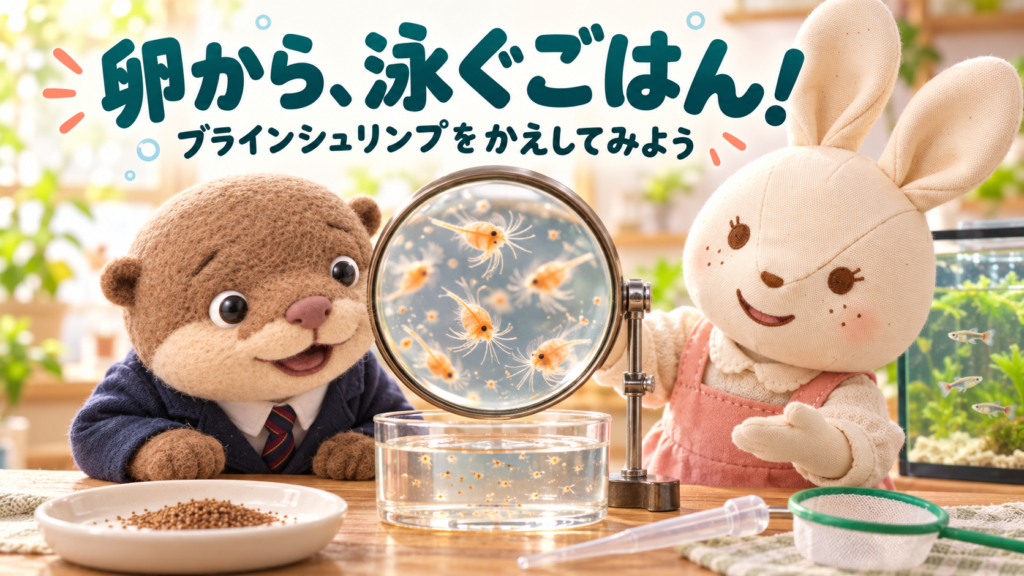 アイのアクアグッズ案内そのごはん、泳いでる! 卵から始めるブラインシュリンプの孵化と道具選び道具の特徴や使い方、選ぶときのポイントをアイが紹介します。記事はコチラ →
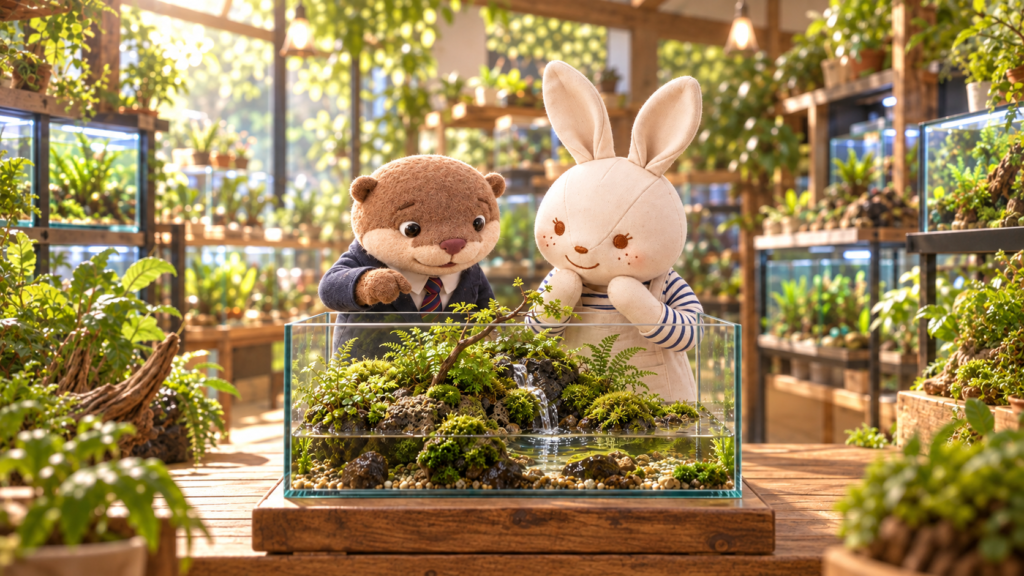 アイのアクアグッズ案内水槽の中に陸地がある!? コタロウと探るアクアテラリウムのメカニズム滝の水はどこから来るの? 白い霧の正体は? アイとコタロウが、水の循環、隠れたポンプ、霧の装置、陸上の植物と水草の葉の変化から、アクアテラリウムのメカニズムを探ります。記事はコチラ →
さまざまな飼育テーマをご紹介。リンク先の記事には広告・商品紹介が含まれます。
案内・紹介記事一覧へ →分布マップ
キャラメルドミノオセラリスは人工繁殖品種のため、品種固有の野生分布はありません。地図には、原種のカクレクマノミが分布する東部インド洋から西部太平洋の中心的な海域を、概略代表地点として示しています。
このプロットは、アンダマン・ニコバル諸島、東南アジア、フィリピン、インドネシア、オーストラリア北西部、台湾、琉球列島周辺に及ぶ原種の広い分布をイメージしやすくするための概略表示です。実際の採集地点、個体の確認地点、厳密な生息範囲を示すものではありません。
参考文献・根拠資料
キャラメルドミノオセラリスはカクレクマノミを基礎とする流通上の改良品種であるため、分類・分布・自然下の生息環境については原種の Amphiprion ocellaris を扱う資料を参照しています。飼育条件、繁殖、疾病対策については、査読論文、公的な水産・獣医学資料、国際的な生物データベースに限定しました。店舗、通販サイト、個人ブログ、まとめサイトは含めていません。
-
World Register of Marine Species(WoRMS). Amphiprion ocellaris Cuvier, 1830.学名の有効性、命名者、スズメダイ科・クマノミ属への分類を確認するための国際的な海洋生物分類データベース。資料を開く 参照日:2026年7月12日
-
Froese, R. and Pauly, D.(eds.)FishBase. Amphiprion ocellaris.インド西太平洋における分布、浅く穏やかな礁湖とサンゴ礁での生息、宿主イソギンチャクとの関係、最大体長、底生粘着卵、雄による卵保護などの基礎情報を支える資料。資料を開く 参照日:2026年7月12日
-
Roux, N., Logeux, V., Trouillard, N., et al.(2021). A star is born again: Methods for larval rearing of an emerging model organism, the False clownfish Amphiprion ocellaris. Journal of Experimental Zoology Part B: Molecular and Developmental Evolution, 336(4), 376–385.親魚の維持、水温・塩分・pH・窒素化合物の管理、産卵基質、消灯後の孵化、ワムシ・植物プランクトン・アルテミアを用いた仔魚育成を直接扱う飼育プロトコル。DOIを開く 公開PDFを開く
-
Casas, L., Saborido-Rey, F., Ryu, T., Michell, C., Ravasi, T. and Irigoien, X.(2016). Sex Change in Clownfish: Molecular Insights from Transcriptome Analysis. Scientific Reports, 6, 35461.クマノミ類の大きさに基づく社会順位、優位なメスと繁殖オスの構成、オスからメスへの性転換を支える査読研究。DOIを開く
-
Divya, S. P., Kumar, T. T. A., Rajasekaran, R. and Balasubramanian, T.(2011). Larval rearing of clownfish using Brachionus plicatilis rotifer as starter food. ScienceAsia, 37, 179–185.クマノミ仔魚の初期餌料として小型のワムシが重要であること、グリーンウォーターとワムシを用いた区で生残率が改善したことを示す給餌試験。DOIを開く 公開PDFを開く
-
Yanong, R. P. E.(2021). Cryptocaryon irritans Infections(Marine White Spot Disease)in Fish. University of Florida IFAS Extension, FA164.海水魚白点病の原因、生体上と環境中を移行する生活環、白点だけに頼らない診断、隔離と長期的な治療管理を支える獣医学・水産学資料。資料を開く
-
Francis-Floyd, R. and Floyd, M. R.(2011). Amyloodinium ocellatum, an Important Parasite of Cultured Marine Fish. Southern Regional Aquaculture Center Publication No. 4705.ウーディニウム病(海水魚ベルベット病)の原因となる渦鞭毛藻、皮膚・鰓への寄生、粉状またはビロード状の外観、急速な進行と早期対応の重要性を説明する公的資料。公開PDFを開く
-
Diamant, A.(1998). Brooklynella hostilis(Hartmannulidae), a pathogenic ciliate from the gills of maricultured sea bream. Bulletin of the European Association of Fish Pathologists, 18(1), 33–36.ブルックリネラが海水魚の鰓上皮を損傷し、出血、上皮剥離、呼吸障害を引き起こす病原性繊毛虫であることを示す魚病学報告。公開PDFを開く
-
Yanong, R. P. E.(2024). Use of Copper in Marine Aquaculture and Aquarium Systems. University of Florida IFAS Extension, FA165.銅剤が海水魚白点病やウーディニウム病の遊泳感染期に作用すること、治療濃度の測定が必要であること、魚種差と無脊椎動物への毒性に注意すべきことを支える資料。資料を開く
-
Francis-Floyd, R. and Pouder, D. B.(2023). Use of Formalin to Control Fish Parasites. University of Florida IFAS Extension, VM061.ホルマリンが外部寄生性原虫などに用いられる一方、溶存酸素を低下させる危険があり、十分な通気と厳密な用量管理を要することを示す資料。資料を開く
注:上記資料は、原種であるカクレクマノミの生物学と一般的な海水魚飼育・魚病管理を裏付けるものです。「キャラメルドミノ」という品種名の選抜基準、品種固有の遺伝様式、成長後の発色を直接証明する学術資料ではありません。薬剤治療は製品ごとの有効成分と濃度を確認し、可能であれば魚類診療に対応する獣医師または魚病の専門家へ相談してください。




コメント