

解説 / Description
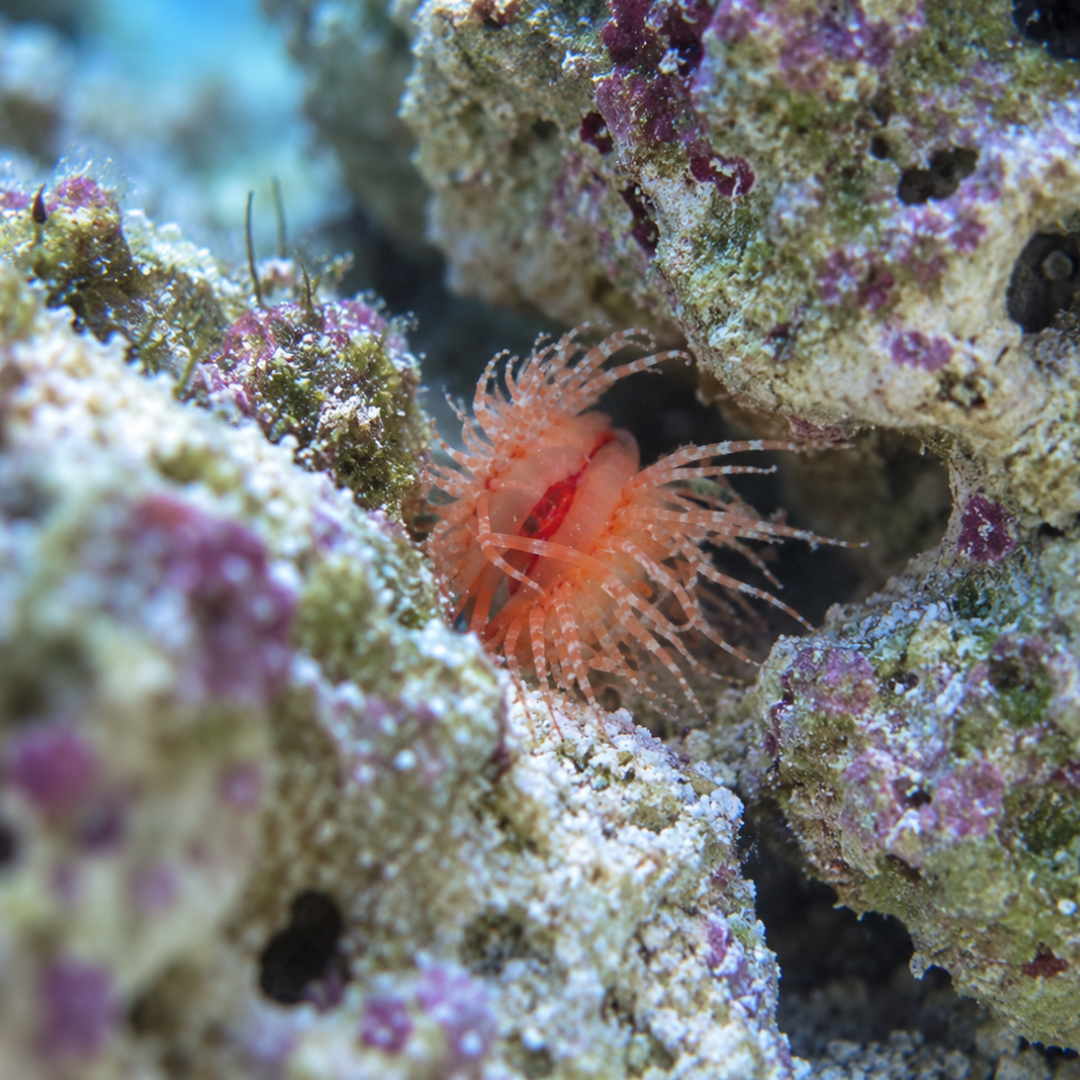
ウスユキミノガイは、標準和名をウスユキミノというミノガイ科の小型二枚貝です。薄く半透明な殻の間から赤橙色の細長い外套膜触手を多数伸ばし、危険を感じると殻を素早く動かして水を押し出し、短い距離を泳いで逃げることがあります。自然下では岩礫の間や転石の下などに見られ、足糸で基質に付着します。水中の微細な粒子を利用する濾過摂食性の二枚貝であるため、飼育では水質を安定させるだけでなく、餌となる微細な懸濁物を確保することが重要です。ただし、本種に特化した長期飼育データは多くなく、飼育条件の数値には一般的な海水水槽や近縁種の知見を参考にした目安も含まれます。 Limaria hirasei, commonly called Usuyukimino in Japanese, is a small file clam in the family Limidae. Numerous reddish-orange mantle tentacles extend from its thin, translucent shell, and when disturbed it can move its valves rapidly and make short escape swims by forcing water outward. In nature it occurs among rocky rubble and beneath stones, attaching to the substrate with byssal threads. As a suspension-feeding bivalve, it depends on fine particles carried in the water. Species-specific long-term aquarium data are limited, so some husbandry values given here should be understood as practical targets based on general marine-aquarium practice and information from related file clams rather than experimentally established limits for L. hirasei.
基本情報 / Basic Information
| 学名 / Scientific Name | Limaria hirasei (Pilsbry, 1901) |
|---|---|
| 通称 / Common Name | 標準和名:ウスユキミノ。ウスユキミノガイとも呼ばれます。Japanese name: Usuyukimino; also called Usuyukimino-gai. No widely established English vernacular name is in common use. |
| 分類 / Family | 軟体動物門・二枚貝綱・翼形亜綱・ミノガイ目・ミノガイ科・ユキミノガイ属Phylum Mollusca; Class Bivalvia; Subclass Pteriomorphia; Order Limoida; Family Limidae; Genus Limaria |
| 英名 / English Name | No widely established standardized English name |
| 分布 / Distribution | 日本では房総から九州にかけて記録があり、沖縄県西表島からも標本記録があります。潮間帯付近から水深約50mまでの岩礫の間などで見つかります。国外では朝鮮半島から香港周辺にかけての記録があります。Recorded in Japan from the Boso region southward to Kyushu, with a specimen record from Iriomote Island in Okinawa. It has been reported among rock and gravel from the intertidal zone to roughly 50 m depth. Outside Japan, records extend from Korea southward toward the Hong Kong region. |
| 最大体長 / Max Size | 殻高約3cm。原記載の個体は殻長18mm・殻高21mmで、国内資料では殻長約23mm・殻高約30mmの個体が記録されています。Shell height about 3 cm. The original description gives a specimen 18 mm long and 21 mm high, while Japanese reference material records shells around 23 mm long and 30 mm high. |
| 寿命 / Lifespan | 本種について、信頼できる寿命の目安となるデータは確認されていません。No reliable species-specific lifespan estimate has been established for L. hirasei. |
飼育環境 / Aquarium Environment
| 水槽サイズ / Tank Size | 本種固有の推奨水槽サイズを示す飼育データは確認されていません。体は小型ですが、水質と餌環境の安定性を考えると、60cm規格水槽(約57L)以上を実用上の目安にすると管理しやすくなります。水槽サイズそのものより、十分に立ち上がった海水水槽で急変の少ない環境を維持することが重要です。No species-specific minimum aquarium size has been established. Although the animal itself is small, a mature 60 cm standard aquarium of roughly 57 L or larger is a practical starting point because it offers greater stability in water quality and suspended-food availability. Tank maturity and stability are more important than the nominal tank size alone. |
|---|---|
| 水温 / Temperature | 飼育上の目安として22〜25℃程度で安定させます。本種の厳密な適温を比較した飼育試験は確認されていないため、数値を追うことより急激な温度変化を避けることを優先します。 A practical husbandry target is about 22–25°C. Because controlled studies defining a precise optimal temperature for this species are not available, avoiding abrupt temperature changes is more important than treating this range as a strict biological limit. |
| 水質 / Water Quality | 本種固有の耐容限界を示す飼育試験は確認されていません。一般的な海水水槽の安定した管理値として、比重1.024〜1.026、pH 8.1〜8.4を目安にし、アンモニア・亜硝酸は検出されない状態を保ちます。硝酸塩5ppm以下、リン酸塩0.1ppm以下は保守的な管理目安であり、本種に必須と実証された閾値ではありません。カルシウム400〜440ppm、マグネシウム1250〜1350ppm程度の自然海水に近い組成を維持し、急変を避けます。ストロンチウムの本種専用の追加投与量は確立していないため、良質な人工海水と定期換水を基本とし、測定せずに過剰添加しないようにします。Controlled husbandry studies defining species-specific tolerance limits have not been established for L. hirasei. As practical marine-aquarium targets, specific gravity around 1.024–1.026 and pH 8.1–8.4 can be used, with ammonia and nitrite kept undetectable. Nitrate below about 5 ppm and phosphate below about 0.1 ppm are conservative management targets, not experimentally proven requirements for this species. Calcium around 400–440 ppm and magnesium around 1250–1350 ppm keep the water close to normal marine conditions. No species-specific strontium supplementation requirement is known, so regular water changes with a reliable salt mix are preferable to unmeasured dosing. |
| レイアウト / Layout | 自然下では岩礫の間や転石の下で見つかるため、ライブロックや岩組みにすき間や陰をつくり、明るい場所から退避できる環境を用意します。足糸を固定しやすい粗めのサンゴ礫や小石を配置し、水流は微細な餌が届く程度に確保します。触手へ強い直線水流を当てる配置は避けます。Because the species is found among rocky rubble and beneath stones in nature, provide crevices and shaded areas within the rockwork so it can retreat from exposed positions. Coarse coral rubble or small stones offer attachment points for byssal threads. Maintain enough flow to carry fine suspended food past the animal, but avoid a strong direct jet against the tentacles. |
| 注意点 / Precautions | 殻は薄く壊れやすいため、網で強く押さえたり、岩へ挟み込んだりしないでください。足糸で定着した個体を無理に引き剥がすことも避けます。ユキミノガイ属では強い刺激に対する触手の自切が知られているため、本種でも触手を直接つかむような扱いは避けるのが安全です。2025年には本種の外套腔と触手から共生性のヨコエビが新種記載されましたが、この研究は淡水浴や薬剤ディップの安全性を検証したものではありません。導入時の処置は一律に行わず、対象生体への負担と病害生物を持ち込むリスクの双方を考えて判断します。The shell is thin and fragile, so avoid compressing the animal in a net, wedging it between rocks, or forcibly pulling away an individual that has attached with byssal threads. Tentacle autotomy is documented in the genus Limaria, so direct handling of the tentacles should be avoided. A commensal amphipod was described in 2025 from the mantle cavity and tentacles of L. hirasei, but that study did not test the safety of freshwater or chemical dips. Any introduction treatment should therefore balance stress to the clam against the risk of introducing unwanted organisms rather than being applied automatically. |
餌と給餌 / Feeding
| 餌の種類 / Diet | 本種そのものを対象にした詳細な給餌試験は確認されていませんが、ユキミノガイ属の近縁種は植物プランクトン、微細藻類、細菌、デトリタスなどを利用する懸濁物食者として知られています。飼育下では植物プランクトン系の餌や、無脊椎動物向けの液状・微粒子フードを候補とし、粒の大きい餌を直接与える方法には頼らないようにします。Detailed feeding trials on L. hirasei itself are not available, but related Limaria species are suspension feeders that use phytoplankton, microalgae, bacteria, and detrital particles. In aquaria, phytoplankton-based foods and liquid or very fine particulate foods for marine invertebrates are reasonable options. Husbandry should not rely on offering large food items directly. |
|---|---|
| 給餌のポイント / Feeding Tips | 本種について給餌頻度の基準は確立していません。一度に多量を入れるのではなく、少量の微細な餌を定期的に水中へ行き渡らせ、水質とのバランスを見ながら調整します。給餌時にスキマーや細かな物理濾過を短時間弱める場合は、個体の少し上流へ餌を放ち、水流に乗せて届けます。スポイトの先端や強い噴流を触手へ直接当てず、給餌後は通常の濾過へ戻して水質悪化を防ぎます。No species-specific feeding frequency has been established. Rather than adding a large amount at once, distribute small quantities of fine food regularly and adjust according to water quality and the animal’s condition. If skimming or fine mechanical filtration is reduced briefly during feeding, release food gently upstream so the current carries it toward the clam. Avoid directing a pipette or strong jet at the tentacles, and restore normal filtration afterward. |
性格と混泳 / Temperament and Tank Mates
| 性格 / Temperament | 他の生体へ攻撃するタイプではなく、普段は岩礫の間や陰にとどまります。刺激を受けると殻を素早く動かして泳ぎ、別の場所へ移動することがあります。落ち着いている個体を観察のために動かしたり、遊泳を誘発したりする必要はありません。It is not an aggressive animal and normally remains among rubble or in sheltered positions. When disturbed, it may move its valves rapidly and swim to another location. There is no need to reposition a settled individual or deliberately provoke swimming for observation. |
|---|---|
| 混泳の相性 / Compatibility | 混泳相手は、本種を捕食したり、長い触手を繰り返しつついたりしない生体を選びます。カニ類、肉食性巻貝、ヒトデ類、貝をつつく魚など、二枚貝を捕食する可能性のある生体との同居は避けた方が安全です。相手の種類だけでなく、実際に触手へ接触や攻撃が続いていないかを観察します。Choose tank mates that are unlikely to prey on the clam or repeatedly nip its long tentacles. Crabs, predatory gastropods, sea stars, and mollusc-picking fish can present a risk and are best avoided. Compatibility should be judged by actual behavior as well as by species name, with particular attention to repeated contact or picking at the tentacles. |
病気と対策 / Diseases and Prevention
| かかりやすい病気 / Common Diseases | アクアリウム下のウスユキミノガイについて、特定の疾病が「かかりやすい病気」として確立された情報は確認されていません。飼育では、餌不足、輸送や接触による外傷、急激な比重・温度変化、水質悪化など、疾病以外の要因による衰弱にも注意が必要です。No aquarium disease is well established as being particularly characteristic of L. hirasei. In husbandry, decline may also result from non-disease factors such as inadequate food, transport or handling injury, abrupt changes in salinity or temperature, and deteriorating water quality. |
|---|---|
| 対策と予防 / Prevention | 十分に立ち上がった水槽へ慎重に水合わせをして導入し、比重・水温・pHの急変を避けます。微細な餌を確保しながら定期的な換水を行い、殻や触手への直接的な接触を減らします。状態が悪いときは、病気と決めつける前に、餌の不足、水流、足場、水質、捕食やついばみの有無を確認します。淡水浴や薬剤処理は本種で安全性が確立しているわけではないため、予防目的で一律に行わず、必要性を個別に判断します。Acclimate carefully into a mature system and avoid abrupt changes in salinity, temperature, and pH. Maintain access to fine suspended food while carrying out regular water changes, and minimize direct contact with the shell and tentacles. If the animal declines, first check food availability, flow, attachment substrate, water quality, and possible predation or picking. Freshwater and chemical treatments have not been established as safe for this species, so they should not be applied automatically as routine prophylaxis. |
増やし方(繁殖) / Breeding
| 雌雄の判別 / Sexing | 本種について、外見から確実に雌雄を判別できる方法は確認されていません。近縁のユキミノガイ属には雌雄異体の種が知られますが、その特徴をウスユキミノへそのまま当てはめることはできません。No reliable external method for sexing L. hirasei has been established. Separate sexes are known in related Limaria species, but those reproductive traits cannot simply be assumed to apply identically to L. hirasei. |
|---|---|
| 繁殖形態 / Reproduction | 本種そのものの繁殖生態は詳しく分かっていません。近縁のユキミノガイ属では、雌雄が分かれ、水中へ配偶子を放出した後に浮遊幼生期を経る種が知られています。ただし、ウスユキミノで同じ繁殖時期や幼生期間が確認されているわけではありません。The reproductive biology of L. hirasei itself is poorly documented. Related Limaria species are known to have separate sexes, release gametes into the water, and pass through a planktonic larval stage. The timing and duration of these stages have not been established specifically for L. hirasei. |
| 繁殖のポイント / Breeding Tips | 家庭水槽での計画的な繁殖方法は確立していません。近縁種の生活史からは浮遊幼生を管理する段階が必要になる可能性がありますが、本種について必要な餌、幼生期間、着底条件などの具体的な方法は情報不足です。まずは成体を安定して維持できる環境を整えることが前提になります。A repeatable home-aquarium breeding method has not been established. Based on related species, a planktonic larval phase may need to be managed, but species-specific information on larval food, duration, and settlement conditions is lacking. Stable long-term maintenance of the adults is therefore the first prerequisite. |
雑学と豆知識 / Trivia and Fun Facts
| 1. 「閉じきれない殻」が生んだ別の守り方 / 1. A shell that cannot fully close led to a different defense | ウスユキミノガイの殻は薄く、前方が大きく、後方もわずかに開くため、アサリのように殻を密閉して身を守ることができません。そこで目を引くのが、殻の外へ長く伸びる多数の触手です。ユキミノガイ属では、強い刺激を受けた触手を自切し、粘液とともに捕食者への防御に役立てる例が知られています。ウスユキミノの薄い殻、泳いで逃れる行動、長い触手をあわせて見ると、硬い殻だけに頼らないミノガイ類の防御のあり方が見えてきます。The shell of L. hirasei is thin, gaping broadly in front and slightly behind, so it cannot protect itself by sealing the valves tightly like many familiar clams. Its numerous long mantle tentacles are therefore especially conspicuous. In Limaria, tentacle autotomy and mucus-based deterrence are documented as defensive responses. Viewed together with the swimming escape response, these traits illustrate a form of defense that does not depend on a tightly closing, heavy shell. |
|---|---|
| 2. 二枚貝なのに「泳ぐ」 / 2. A bivalve that can swim | 危険を感じたウスユキミノガイは、左右の殻を連続して素早く動かし、水を押し出して短い距離を泳ぎます。岩礫の間で暮らす小型二枚貝が自力で泳ぐ姿は印象的で、薄い殻はこうした移動の負担を小さくすると考えられます。一方、この遊泳は刺激を受けたときの逃避行動でもあります。観察のためにわざと驚かせるのではなく、自然に起きたときだけ静かに見守るのが適切です。When threatened, L. hirasei can repeatedly move its valves and force water outward, producing short bursts of swimming. A self-propelled file clam moving out from among rubble is striking, and the thin shell is thought to reduce the burden of this movement. Because swimming also functions as an escape response to disturbance, it should not be deliberately provoked for display. |
| 3. 1901年の原記載は長崎県平戸から / 3. The 1901 original description traces back to Hirado | 本種は1901年、アメリカの貝類学者ヘンリー・A・ピルスブリーによってLima hiraseiとして記載されました。原記載には産地として「Hirado, prov. Hizen, Kiusiu, Japan」、現在の長崎県平戸周辺が示され、採集者としてY. Hiraseの名が記されています。種小名hiraseiは、この平瀬與一郎にちなむ献名として扱われています。現在の受容名はLimaria hiraseiで、属がLimaからLimariaへ移されたため、著者名と年は括弧で表記されます。ひとつの学名から、原記載当時の分類と現在の分類の変化までたどることができます。The species was described in 1901 by the American malacologist Henry A. Pilsbry as Lima hirasei. The original description gives the locality as “Hirado, prov. Hizen, Kiusiu, Japan,” corresponding to the Hirado area of present-day Nagasaki Prefecture, and names Y. Hirase as the collector. The epithet hirasei is treated as honoring Yoichiro Hirase. The accepted name today is Limaria hirasei; because the species was transferred from the original genus Lima to Limaria, the author and year are placed in parentheses. The scientific name therefore also records a change in classification since the original description. |
| 4. 2025年、殻のすき間から新種のヨコエビ / 4. In 2025, a new amphipod was described from its mantle cavity | 2025年9月、三重県菅島で採集されたウスユキミノの外套腔と触手から、新種のユキミノノマルハサミヨコエビLeucothoe limidicolaが記載されました。マルハサミヨコエビ属では二枚貝と共生する例が少なく、この新種は同属で世界6種目、日本では初めて報告された二枚貝共生性の種です。研究が直接示したのは、ウスユキミノの体を住みかとして利用する小型甲殻類が実際に存在するという事実です。一匹の二枚貝を詳しく調べることで、これまで見落とされていた共生関係が見つかることを示した点に、この発見の面白さがあります。In September 2025, a new amphipod, Leucothoe limidicola, was described from the mantle cavity and tentacles of L. hirasei collected at Sugashima Island in Mie Prefecture. Bivalve associations are uncommon within Leucothoe, and the new species was reported as the sixth bivalve-associated species in the genus worldwide and the first recorded from Japan. The study directly demonstrates that a small crustacean can use L. hirasei as its host. Its broader significance is that close examination of a single bivalve can reveal symbiotic relationships that had previously been overlooked. |
| 5. 足糸でつくる「自分の居場所」 / 5. Byssal threads help create a secure home | ウスユキミノは足糸で岩礫などへ付着します。近縁種Limaria hiansでは、足糸に砂礫や海藻片などを絡めて巣をつくり、個体が密集する場所では複雑な生息空間を形成することが知られています。ウスユキミノについて同じ規模の巣や生物礁が確認されているわけではないため、近縁種の生態をそのまま当てはめることはできません。それでも、水槽内に足糸を固定できる礫や岩のすき間を用意することには、本種が自然に付着できる足場を確保するという実用的な意味があります。L. hirasei attaches to rock and rubble with byssal threads. Its relative Limaria hians is well known for binding gravel, shell fragments, algae, and other material into nests, and dense populations can create structurally complex habitat. Comparable reef-scale nest building has not been demonstrated for L. hirasei, so that ecology should not be transferred directly from the related species. Even so, providing rubble and crevices in an aquarium has the practical value of giving L. hirasei a substrate to which it can attach naturally. |
| 6. 「きれいな水」と「十分な餌」の両立が最大の難所 / 6. The central husbandry challenge is balancing clean water with enough food | 濾過摂食性の二枚貝を飼うときは、水質をきれいに保つことと、水中に餌となる微細な粒子を残すことの両立が課題になります。プロテインスキマーや細かな物理濾過は水質管理に役立つ一方、懸濁している粒子も除去します。反対に餌を過剰に加えると、有機物や栄養塩の増加につながります。ウスユキミノについて最適な給餌量は確立していないため、少量ずつ与えながら水質と個体の状態を見て調整することが大切です。特別な添加剤に頼るより、餌が届く時間と水質維持のバランスを整えることが長期管理の中心になります。Keeping a suspension-feeding bivalve involves balancing clean water with the presence of fine suspended food. Protein skimmers and fine mechanical filters help manage water quality, but they also remove suspended particles. Adding too much food in compensation can increase organic load and nutrients. Because an optimal feeding rate has not been established for L. hirasei, small amounts should be adjusted according to water quality and the animal’s condition. The central husbandry issue is therefore balancing feeding opportunity with water-quality control rather than relying on a particular additive. |
まとめ / Conclusion
ウスユキミノは、薄く半透明な殻の間から赤橙色の触手を広げ、刺激を受けると自力で泳ぐこともある小型の二枚貝です。岩礫の間で足糸を使って付着する普段の姿と、必要なときに素早く移動する姿には、一般的な二枚貝とは異なるミノガイ類の暮らし方が表れています。 Limaria hirasei is a small bivalve with a thin, translucent shell, reddish-orange tentacles, and the unusual ability to make short swimming movements when disturbed. Its usual habit of attaching among rocky rubble with byssal threads, together with its sudden escape behavior, shows a way of life that differs markedly from the more familiar image of a stationary clam.
飼育では、安定した海水環境を保ちながら微細な餌を確保し、足糸で落ち着いて付着できる岩礫やすき間を用意します。本種に特化した飼育データが限られているからこそ、数値を厳密な条件として扱うのではなく、急変や過度な刺激を避け、日々の状態を観察しながら管理することが大切です。環境が合えば、長い触手の動きや独特の逃避行動を通して、ミノガイ類ならではの生態を身近に観察できます。 In aquaria, the main goals are to maintain stable seawater conditions, provide access to fine suspended food, and offer rubble or crevices where the clam can attach securely with byssal threads. Because species-specific husbandry data remain limited, the listed values should be treated as practical targets rather than rigid biological requirements. Avoid abrupt changes and unnecessary disturbance, and use the animal’s day-to-day condition to guide management. Under suitable conditions, its long tentacles and distinctive escape behavior offer a close view of the unusual biology of file clams.
気になる道具や飼い方を見つけてみませんか?
 アイのアクアグッズ案内水槽用浄水器の選び方|水換えを楽にするタイプとROの違い道具の特徴や使い方、選ぶときのポイントをアイが紹介します。記事はコチラ →
 アイのアクアグッズ案内エーハイム、安いのと高いのは何が違う? コタロウと見比べる外部フィルター道具の特徴や使い方、選ぶときのポイントをアイが紹介します。記事はコチラ →
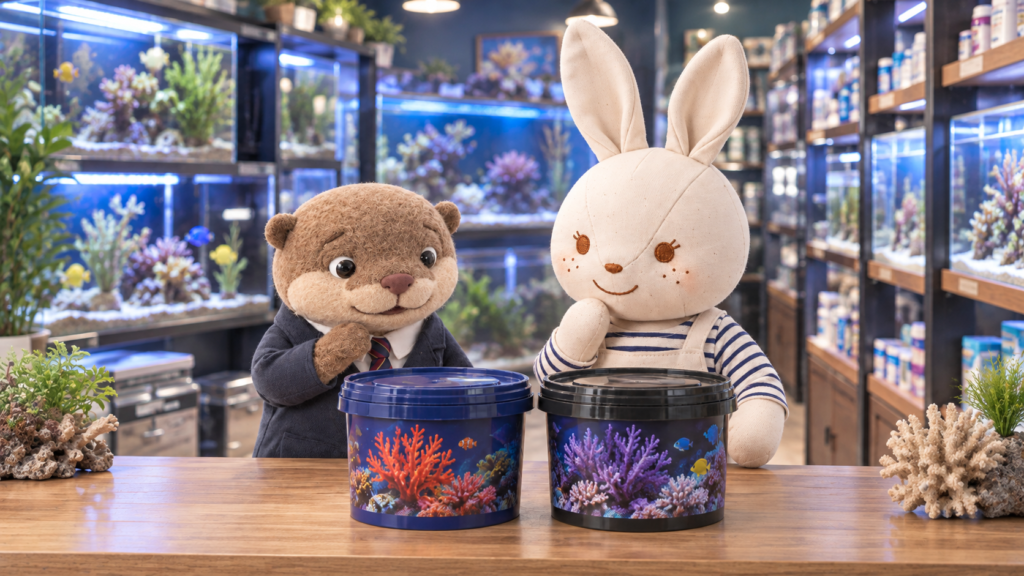 アイのアクアグッズ案内ショップで見かけるカラフルなバケツ。いったい何が入ってる?道具の特徴や使い方、選ぶときのポイントをアイが紹介します。記事はコチラ →
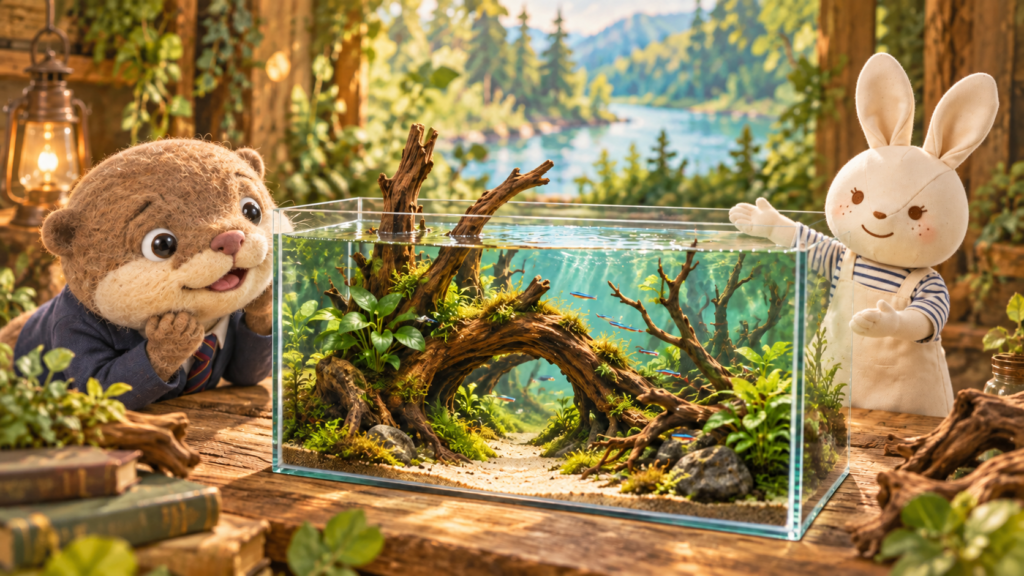 アイのアクアグッズ案内水槽の流木の選び方|枝・マングローブ・アク抜きとおすすめ商品水槽に小さな森を作る流木。枝流木やマングローブという名前の違いから、魚の隠れ家、水草の取り付け、浮く・水が茶色くなるときの準備まで、アイとコタロウが商品とともに案内します。記事はコチラ →
さまざまな飼育テーマをご紹介。リンク先の記事には広告・商品紹介が含まれます。
案内・紹介記事一覧へ →分布マップ
ウスユキミノガイ(Limaria hirasei)は、日本では房総から九州にかけて記録があり、沖縄県西表島からも標本記録があります。国外では朝鮮半島から香港周辺にかけて記録されています。下の地図では、これらの分布地域を含む北西太平洋西部を概略的に表示しています。
この地図は文献上の分布地域をもとにした概略表示です。表示されているマーカーは分布範囲を把握しやすくするために設定した代表地点であり、実際の採集地点や生息地点を示すものではありません。
参考文献
-
分類・学名
MolluscaBase eds. (2026). Limaria hirasei (Pilsbry, 1901). World Register of Marine Species (WoRMS). 参照先 (2026年9月25日閲覧) -
原記載・形態
Pilsbry, H. A. (1901). New mollusca from Japan, the Loo Choo Islands, Formosa and the Philippines. Proceedings of the Academy of Natural Sciences of Philadelphia, 53: 193–210. Lima hirasei の原記載はp.209。 Biodiversity Heritage Library -
日本産種の同定・分布
奥谷喬司 編著 (2017). 『日本近海産貝類図鑑』第2版. 東海大学出版部. 国立国会図書館サーチ -
国内分布・生息環境
九州大学総合研究博物館. 池辺進一貝類コレクション「Limaria (Platilimaria) hirasei (PILSBRY)」標本IK-12-383. 沖縄県西表島古見産標本、および「房総~九州:潮間帯~水深50m、岩礫の間」の生態情報。 九州大学総合研究博物館データベース (2026年9月25日閲覧) -
近縁種の防御・遊泳・足糸
Gilmour, T. H. J. (1967). The defensive adaptations of Lima hians (Mollusca, Bivalvia). Journal of the Marine Biological Association of the United Kingdom, 47(1): 209–221. DOI -
近縁種の摂食・繁殖・生態
Marine Life Information Network (MarLIN). “Limaria hians beds in tide-swept sublittoral muddy mixed sediment.” 懸濁物食性、捕食者との関係、雌雄異体、浮遊幼生、足糸による巣形成などの既往研究を整理した生態レビュー。 MarLIN (2026年9月25日閲覧) -
一般的な二枚貝の飼育・繁殖・疾病管理
Helm, M. M., Bourne, N. & Lovatelli, A. (2004). Hatchery Culture of Bivalves: A Practical Manual. FAO Fisheries Technical Paper No. 471. Food and Agriculture Organization of the United Nations. 海水品質、温度・塩分、微細藻類による給餌、産卵・受精、浮遊幼生の飼育、疾病と死亡要因を扱う。 FAO -
本種の共生生物・取り扱い上の背景
Hanaoka, T., Goto, R., Nakajima, H. & Kodama, M. (2025). A new species of the genus Leucothoe Leach, 1814 (Crustacea: Amphipoda: Leucothoidae) associated with a limid bivalve from Sugashima Island, Japan. Zootaxa, 5696(4): 567–589. DOI




コメント