

解説 / Description
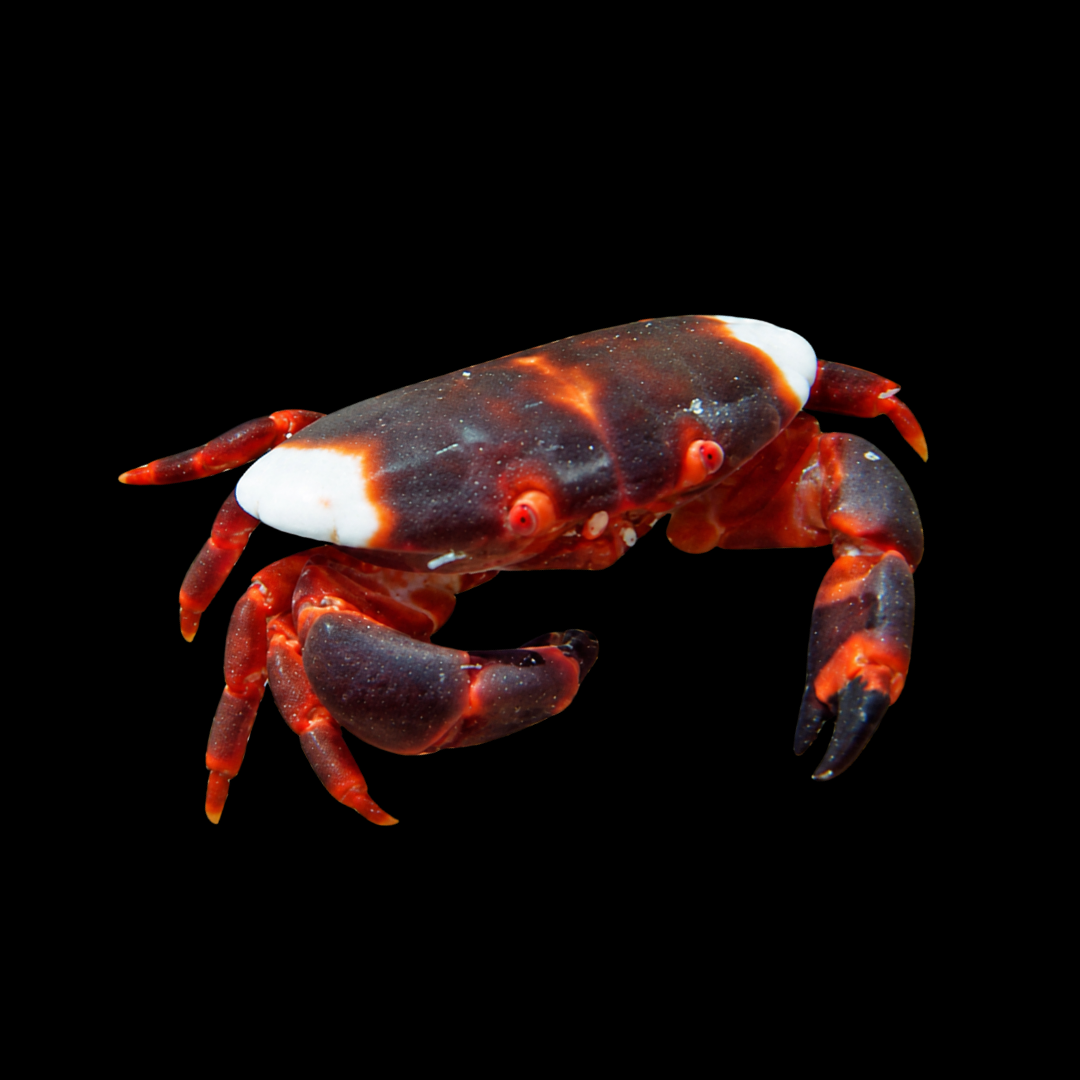
オオベニオウギガニは、サンゴ礁や浅い岩礁に暮らすオウギガニ科の海産ガニです。横に広い甲羅を持ち、成長に伴って白い部分が減り、橙色から赤褐色、赤紫色の体色が目立つようになります。岩の下や隙間を利用するため、海水水槽ではライブロックに付随して持ち込まれる可能性があります。ただし、本種が国内でどの程度流通・混入しているかは明らかではありません。オウギガニ科には強い自然毒を蓄える種類がありますが、その情報だけで本種の個体ごとの毒性を判断することはできません。食用にはせず、飼育する場合はほかの生体から隔離して、安全に観察できる環境を整えましょう。 Liomera cinctimanus is a marine xanthid crab found in coral reef and shallow rocky habitats. It has a broad carapace, and its white areas diminish during growth as orange, brick-red, or reddish-violet coloration becomes more prominent. Its use of spaces beneath and between rocks means it could arrive in an aquarium with live rock, although its frequency in the Japanese trade is not established. Some xanthid species accumulate potent natural toxins, but this alone does not establish the toxicity of an individual of this species. Never use it as food, and provide separate housing for safe observation.
基本情報 / Basic Information
| 学名 / Scientific Name | Liomera cinctimanus (White, 1847) |
|---|---|
| 通称 / Common Name | オオベニオウギガニ。国内で広く定着した別の流通名は確認されていません。Oo-beni-ougigani in Japanese. No additional widely established Japanese trade name is confirmed. |
| 分類 / Family | 節足動物門・甲殻亜門・軟甲綱・十脚目・短尾下目・オウギガニ科・ベニオウギガニ属。Arthropoda; Crustacea; Malacostraca; Decapoda; Brachyura; Xanthidae; genus Liomera. |
| 英名 / English Name | Colorful Reef Crab(海外の観賞生物情報で使われる呼称。統一された標準英名ではありません) (used in aquarium references; not a universally standardized common name) |
| 分布 / Distribution | 日本、オーストラリア、アフリカ東岸を含むインド・西太平洋に広く分布します。東太平洋のカリフォルニア半島周辺からガラパゴス諸島にも記録があり、分布はインド・西太平洋だけに限られません。Widely distributed in the Indo-West Pacific, including Japan, Australia, and the east coast of Africa. Records also extend through the eastern Pacific from Baja California to the Galápagos Islands. |
| 最大体長 / Max Size | 甲幅5cmを超える個体が学術資料に記載されています。ただし、種としての厳密な最大値は明らかではありません。カニの大きさは、脚を広げた幅ではなく甲羅の幅で示します。Individuals exceeding 5 cm in carapace width are described in scientific literature, although the precise maximum size is not established. Size is expressed as carapace width rather than total leg span. |
| 寿命 / Lifespan | 本種の野外および飼育下での寿命について、確かな情報はありません。Reliable species-specific information on lifespan in the wild or in captivity is unavailable. |
飼育環境 / Aquarium Environment
| 水槽サイズ / Tank Size | 本種に適した最低水量や規格水槽のサイズは確立されていません。単独飼育では、隠れ家を置ける底面積に加え、水質を安定させられる水量と濾過を確保してください。小さな隔離ケースは一時的な収容にとどめ、継続飼育には十分に通水する専用区画か独立水槽を用意します。No species-specific minimum volume or standard aquarium size has been established. Provide enough floor space for shelter, together with sufficient water volume and filtration to maintain stable conditions. Small isolation boxes are suitable for temporary holding; continued care requires a dedicated compartment with adequate water exchange or a separate aquarium. |
|---|---|
| 水温 / Temperature | 24〜26℃は一般的な熱帯性海水水槽の管理目安ですが、本種の最適水温として実証された範囲ではありません。入手時の水温や産地が分かる場合はそれを参考にし、急な温度変化を避けてください。A temperature of 24–26°C is a general reference for tropical marine aquariums, not a demonstrated optimum for this species. Use known source conditions as a guide and avoid sudden temperature changes. |
| 水質 / Water Quality | 人工海水を使用し、塩分約33〜35‰、pH約8.0〜8.4を一般的な海水飼育の目安とします。比重では25℃でおおむね1.025〜1.026に相当しますが、測定器の校正や温度補正に注意してください。アンモニアと亜硝酸が検出されない、十分に立ち上がった環境を用意します。蒸発で失われるのは水分なので、足し水には真水を使います。これらの数値は、本種固有の適正範囲や耐性を示すものではありません。Use marine aquarium salt, with approximately 33–35 ppt salinity and pH 8.0–8.4 as general marine husbandry references. This corresponds roughly to a specific gravity of 1.025–1.026 at 25°C; account for instrument calibration and temperature correction. Provide an established aquarium with undetectable ammonia and nitrite. Replace evaporated water with freshwater because evaporation removes water rather than salt. These values are not established species-specific requirements or tolerance limits. |
| レイアウト / Layout | 体を収められる隠れ家と、倒れにくい岩組みを用意します。岩は底面から安定して支え、移動や捕獲の際に取り外せる隠れ家も設けると管理しやすくなります。水槽にはフタを取り付け、配管やコードの周囲に脱出できる隙間を残さないようにしてください。濾過槽で管理する場合も、ポンプや配管へ入り込めない専用区画が必要です。Provide appropriately sized shelters and stable rockwork supported from the aquarium bottom. A removable shelter can simplify relocation and capture. Fit a lid and close gaps around plumbing and cables. Sump housing also requires a dedicated compartment that prevents access to pumps and pipes. |
| 注意点 / Precautions | 人が食べたり、飼育魚やペットの餌にしたりしないでください。外見や産地から毒の有無を判断することはできません。また、麻痺性貝毒やフグ毒は通常の調理加熱では十分に無毒化できません。移動には容器や長いピンセットを使い、ハサミで挟まれるけがを防ぎます。手袋だけを過信せず、作業後は手を洗ってください。混入個体を取り除く際は、隠れている岩を別容器へ移すか、餌を入れた捕獲器を使います。岩を強く振り回す方法は避け、飼育個体を海へ放流しないでください。子どもやペットが触れられないよう管理し、万一食べてしまった場合は症状を待たずに医療機関へ連絡します。しびれや呼吸の異常があれば119番へ通報してください。Never eat this crab or use it as food for aquarium animals or pets. Appearance and collection location cannot establish whether an individual contains toxins. Ordinary cooking does not reliably render paralytic shellfish toxins or tetrodotoxin harmless. Use a container or long forceps when moving the crab to prevent pinching injuries. Do not rely solely on gloves, and wash your hands afterward. Remove unwanted individuals by transferring their sheltering rock to a separate container or using a baited trap. Avoid violently swinging rocks, and never release captive animals into the sea. Prevent access by children and pets. If ingestion occurs, contact medical services without waiting for symptoms; call Japan’s emergency number, 119, if numbness or breathing difficulties develop. |
餌と給餌 / Feeding
| 餌の種類 / Diet | 本種の食性や、飼育下で適した餌についての詳しい情報は限られています。給餌を試す場合は、海水性甲殻類用の沈下性人工飼料や小さく切った魚介類を少量ずつ与え、実際に食べるかを確認してください。水槽内の残餌だけで十分に養えるとは限りません。Detailed information on this species’ diet and suitable captive foods is limited. When testing foods, offer small portions of sinking marine crustacean food or finely cut seafood and confirm that the crab eats them. Incidental aquarium leftovers may not provide adequate nutrition. |
|---|---|
| 給餌のポイント / Feeding Tips | 個体が活動する時間に、隠れ家の近くへ少量の餌を置きます。食べ残しは回収し、食欲と水質を見ながら量や頻度を調整してください。脱皮前後には食べなくなることがありますが、食欲の低下が続く場合は水質なども確認します。餌を変えても、体内の毒がなくなると判断することはできません。Offer a small portion near the shelter when the individual is active. Remove leftovers and adjust quantity and frequency according to appetite and water quality. Feeding may stop around molting, but persistent loss of appetite also warrants checking aquarium conditions. A change in diet does not establish that an animal has become toxin-free. |
性格と混泳 / Temperament and Tank Mates
| 性格 / Temperament | 岩の下や隙間を利用するため、常に姿を見せるとは限りません。隠れているときは無理に引き出さず、暗い時間帯も含めて、いつ活動するかを観察するとよいでしょう。本種を完全な夜行性としたり、ほかの生体への攻撃性を一律に決めつけたりするだけの情報はありません。Its use of spaces beneath and between rocks means it may remain hidden for extended periods. Avoid forcing it out; instead, observe when it becomes active, including during dark periods. Available information does not justify describing every individual as exclusively nocturnal or uniformly aggressive. |
|---|---|
| 混泳の相性 / Compatibility | 小型魚、エビ、貝、サンゴとの相性について、十分な飼育情報がありません。安全な混泳を前提にせず、単独飼育を基本にします。本種が必ず魚やサンゴを食べるとは断定できませんが、接触による損傷や捕食の可能性には配慮が必要です。同種同士の組み合わせも、争いや脱皮直後の損傷を避けるため慎重に判断してください。Adequate husbandry information on compatibility with small fish, shrimp, mollusks, and corals is unavailable. Use solitary housing rather than assuming safe coexistence. Predation on fish or corals is not established as inevitable, but possible injury and predation require consideration. Combining individuals of the same species also warrants caution because of potential conflict and vulnerability after molting. |
病気と対策 / Diseases and Prevention
| かかりやすい病気 / Common Diseases | 本種に特有の病気や、その発症頻度は明らかではありません。甲殻類に共通する管理上の問題として、急な塩分変化、水質悪化、脱皮時の損傷、脚やハサミのけがに注意します。動かないカニのようなものを見つけた場合は、脱皮殻でないかも確認してください。Species-specific diseases and their frequency are not well documented. General crustacean husbandry concerns include abrupt salinity changes, deteriorating water quality, molting injuries, and damage to legs or claws. An apparently motionless crab may be an empty exoskeleton rather than the animal itself. |
|---|---|
| 対策と予防 / Prevention | 導入時は温度と塩分を徐々に合わせ、日常管理では水質測定と残餌の回収を続けます。脱皮中や直後は触らず、静かに隠れられる場所を確保してください。魚用の銅を含む薬剤を安易に使用せず、脱皮を促す目的でヨウ素などの添加剤を過剰に投与しないようにします。異常が続く場合は、水生生物に詳しい専門家へ相談しましょう。Acclimate gradually to temperature and salinity, monitor water quality, and remove uneaten food. Leave the crab undisturbed during and immediately after molting, with access to a quiet shelter. Do not casually use copper-containing fish medications or overdose iodine and other additives to promote molting. Seek advice from an aquatic animal professional if abnormalities persist. |
増やし方(繁殖) / Breeding
| 雌雄の判別 / Sexing | 一般にカニ類では、腹面に折り畳まれた腹部の形が判別の手がかりになります。雄では細く、成熟した雌では幅広い形になる傾向がありますが、幼体は判別が難しい場合があります。確認するときは素手でつかんだり無理に裏返したりせず、透明容器越しに観察してください。In crabs generally, the shape of the folded abdominal flap helps distinguish the sexes. It tends to be narrower in males and broader in mature females, while juveniles can be difficult to sex. Observe through a transparent container rather than grasping the crab by hand or forcibly turning it over. |
|---|---|
| 繁殖形態 / Reproduction | 雌が腹部に卵を抱え、孵化した幼生が浮遊生活を経て稚ガニになる海産ガニです。本種では、稚ガニになる直前の「メガロパ」と呼ばれる幼生段階が研究されています。親と同じ姿の小さなカニがそのまま孵化するのではなく、成長の途中で姿や生活場所が変わります。Females carry eggs beneath the abdomen, and larvae pass through planktonic development before becoming juvenile crabs. The species’ megalopa, the larval stage immediately preceding the juvenile crab, has been studied. Eggs do not hatch directly into miniature adults; appearance and habitat change during development. |
| 繁殖のポイント / Breeding Tips | 家庭水槽での繁殖に使える、確かな飼育手順は確認されていません。抱卵や孵化が見られても、幼生が濾過装置に吸い込まれたり、適した餌を得られなかったりするため、稚ガニまで育つとは限りません。繁殖を試みる場合は親とは別の幼生飼育環境が必要になりますが、本種に適した餌や発育日数、飼育条件についての情報は不足しています。No verified home-aquarium breeding protocol is available. Egg carrying or hatching does not guarantee juvenile survival, because larvae may be removed by filtration or fail to obtain suitable food. Breeding attempts require a larval environment separate from the adults, but information on appropriate food, development time, and species-specific rearing conditions remains insufficient. |
雑学と豆知識 / Trivia and Fun Facts
| 1. 名前に残る分類の歴史 / 1. A History Preserved in Scientific Names | このカニは1847年にAdam WhiteによってCarpilius cinctimanusとして記載され、その後、ベニオウギガニ属のLiomeraに移されました。現在の学名で著者名と年が括弧に入っているのは、最初に記載されたときとは属が異なることを示しています。Danaが1852年に記載したLiomera lataや、Booneが1927年に記載したLiomera cocosanaも、現在では同じ種を指す同物異名として扱われています。国内の資料や学術文献ではLiomera cinctimanaという綴りも使われるため、記録を調べるときは両方の表記を知っておくと役立ちます。こうした別名は分類の見直しの歴史を物語りますが、すべてが体色の違いによる誤認から生まれたとはいえません。Adam White described this crab in 1847 as Carpilius cinctimanus, and it was subsequently placed in Liomera. Parentheses around the author and year indicate that its present genus differs from the original one. Liomera lata, described by Dana in 1852, and Liomera cocosana, described by Boone in 1927, are now treated as synonyms. The spelling Liomera cinctimana also appears in Japanese references and scientific literature, so both spellings are useful when researching records. These names reflect taxonomic revision, but their origins cannot all be attributed to misidentification caused by coloration. |
|---|---|
| 2. 成長とともに変わる甲羅の色 / 2. A Carapace That Changes Color with Growth | 幼い個体では、白い甲羅と赤紫色の脚の対比が目を引きます。成長すると甲羅の色づいた部分が広がり、白い部分は側縁に残る程度になります。大きな個体ではその白色も薄れ、甲羅全体が赤くなると記載されています。体色は赤紫色だけでなく、橙色や赤褐色としても表現されるため、成体が必ず同じ色になると考える必要はありません。また、鮮やかな色を持つことだけでは、捕食者に毒を知らせる警戒色として働いているとは断定できません。成長に伴う色の変化は観察の楽しみですが、毒の有無や強さを見分ける指標にはなりません。Young individuals can show a striking contrast between a white carapace and reddish-violet legs. Colored areas expand during growth, leaving white mainly along the lateral margins. In larger individuals, this white fades and the carapace becomes entirely red. Color descriptions also include orange and brick red, so adults should not be expected to share one uniform hue. Bright coloration alone does not demonstrate a warning function against predators. The changes are interesting to observe, but they cannot indicate the presence or strength of toxins. |
| 3. カニの毒と、種ごとの違い / 3. Crab Toxins and Species Differences | オウギガニ科には、サキシトキシンなどの麻痺性貝毒や、フグ毒として知られるテトロドトキシンを蓄える種類があります。これらの毒素は、神経や筋肉の細胞にある電位依存性ナトリウムチャネルを阻害します。つまり、細胞が信号を伝えるためのイオンの通り道を塞ぎ、しびれや麻痺を引き起こすのです。麻痺性貝毒が微細藻類から食物網を通じて動物へ移ることは知られていますが、テトロドトキシンの起源や蓄積経路には未解明の部分があります。本種の毒成分や毒量を説明する際には、ほかの有毒ガニの分析結果と区別する必要があります。オウギガニ科の有毒種に関する知見を、そのまま本種のすべての個体へ当てはめることはできません。毒性を外見から判断できない以上、食べないことが安全管理の基本です。Some xanthid crabs accumulate paralytic shellfish toxins such as saxitoxin, or tetrodotoxin, familiar as a pufferfish toxin. These substances inhibit voltage-gated sodium channels in nerve and muscle cells. In practical terms, they block an ion pathway needed for electrical signaling, causing numbness and paralysis. Transfer of paralytic shellfish toxins from microscopic algae through food webs is established, while aspects of tetrodotoxin origins and accumulation remain unresolved. Findings from other poisonous crabs must be distinguished from analyses of this species. They cannot establish the toxin content of every individual of Liomera cinctimanus. Because appearance cannot determine toxicity, preventing ingestion is fundamental. |
| 4. ライブロックの隙間に暮らす住人 / 4. A Resident of Live Rock Crevices | ライブロックには、石灰藻や微生物だけでなく、さまざまな小動物が付随することがあります。岩の隙間に暮らすカニもその一員ですが、見つけたカニを体色だけでオオベニオウギガニと判断するのは避けましょう。甲羅やハサミの形も記録し、同定が難しい場合は専門家に確認してもらうと確実です。導入前に別容器で観察すると、付随する生物を見つけやすくなります。ただし、キュアリングは主に、死んだ付着生物の分解に伴う水質悪化を管理する工程です。実施しても、岩の中のカニがすべて取り除かれるわけではありません。流通する岩には養殖品や人工素材もあり、すべてが天然のサンゴ礁から直接採取されたものではありません。Live rock may carry various small animals alongside coralline algae and microorganisms. Crevice-dwelling crabs are among them, but coloration alone is insufficient to identify one as Liomera cinctimanus. Record carapace and claw features and seek expert help when identification is difficult. Observation in a separate container before introduction can reveal accompanying animals. Curing primarily manages water deterioration caused by decaying attached organisms; it does not guarantee removal of every crab within the rock. Cultured rock and artificial materials are also traded, so not all products are collected directly from natural coral reefs. |
| 5. DNAでつながる幼生と成体 / 5. Linking Larvae and Adults Through DNA | 海に浮かぶカニの幼生は、成体と姿が大きく異なるため、外見だけでは何の種類か分からないことがあります。2021年の研究では、DNA配列を既存の記録と照合する「DNAバーコーディング」を用いて、本種を含むカニ類のメガロパが同定・記載されました。研究全体ではCOIや16S rRNAの配列が使われ、本種の同定では16S rRNAの照合結果が検討されています。幼生と成体が結びつくことで、その種が海の中でどのように成長するかを調べやすくなります。一方、本種名で登録された参照配列どうしにも大きな違いが見つかりました。DNAは有力な手がかりですが、照合先の記録が正しいかを検討することも欠かせないのです。Planktonic crab larvae can differ greatly from adults, making identification by appearance difficult. A 2021 study used DNA barcoding, the comparison of DNA sequences with existing records, to identify and describe megalopas of several crab species, including this one. The study used COI and 16S rRNA sequences overall, with 16S rRNA comparisons examined for this species. Linking larvae to adults helps researchers investigate development in the sea. However, substantial differences were also found among reference sequences registered under this species’ name. DNA provides valuable evidence, but the reliability of the reference records still requires scrutiny. |
| 6. 神経毒研究と冷戦史の接点 / 6. Neurotoxin Research and Cold War History | 有毒ガニの研究でも扱われるサキシトキシンには、食中毒研究とは別に、冷戦期の情報機関による毒素研究との接点があります。1960年のU-2撃墜事件では、パイロットのフランシス・ゲーリー・パワーズが、毒物を用いた器具を銀貨に隠して携行していたことが公的記録に残っています。ただし、これは毒素の歴史であり、オオベニオウギガニがその調達源だったことを示すものではありません。海の自然毒に関する研究は、食品安全や生化学だけでなく、こうした歴史ともつながっています。Saxitoxin, also studied in poisonous crabs, has connections to Cold War intelligence research as well as food poisoning research. Official records describe U-2 pilot Francis Gary Powers carrying a concealed poison device in a silver dollar during his 1960 flight. This concerns the history of the toxin and does not establish that Liomera cinctimanus was its source. Marine natural toxin research therefore connects food safety and biochemistry with aspects of history. |
まとめ / Conclusion
オオベニオウギガニは、成長に伴って変わる甲羅の色と、岩陰で暮らす姿が印象的な海産ガニです。隠れ家から現れる様子を静かに観察すると、目立つ場所にいる生体とは違った楽しみがあります。 Liomera cinctimanus is a marine crab distinguished by its changing carapace coloration and life among rocky shelters. Quietly watching it emerge offers a different experience from observing animals that remain constantly in view.
飼育に関する情報はまだ限られているため、一般的な海水飼育の目安を本種の確立された条件と混同せず、個体の様子と水質を確認しながら管理することが大切です。ほかの生体から隔離し、脱出と誤食を防ぐ環境を整えることで、その姿を落ち着いて見守れます。 Husbandry information remains limited, so general marine aquarium guidance should not be confused with established requirements for this species. Monitor both the animal and water conditions. Separate accommodation and measures to prevent escape and ingestion provide a suitable setting for careful observation.

気になる道具や飼い方を見つけてみませんか?
 アイのアクアグッズ案内旅行中、お魚のごはんはどうする? 自動給餌器・使える餌・スマート水槽の選び方旅行中の魚の餌やりを助ける自動給餌器を、アイとコタロウが紹介。時間指定、おかわり給餌、対応するフレークや顆粒、設置台、スマホ管理、一体型水槽、留守番フードまで、使いどころと選び方を案内します。記事はコチラ →
 アイのアクアグッズ案内水槽のエアーポンプの選び方|水深・音・泡で選ぶおすすめ用品道具の特徴や使い方、選ぶときのポイントをアイが紹介します。記事はコチラ →
 アイのアクアグッズ案内アカヒレの仲間に合わせる飼育用品|無加温・混泳・繁殖の水槽とろ過道具の特徴や使い方、選ぶときのポイントをアイが紹介します。記事はコチラ →
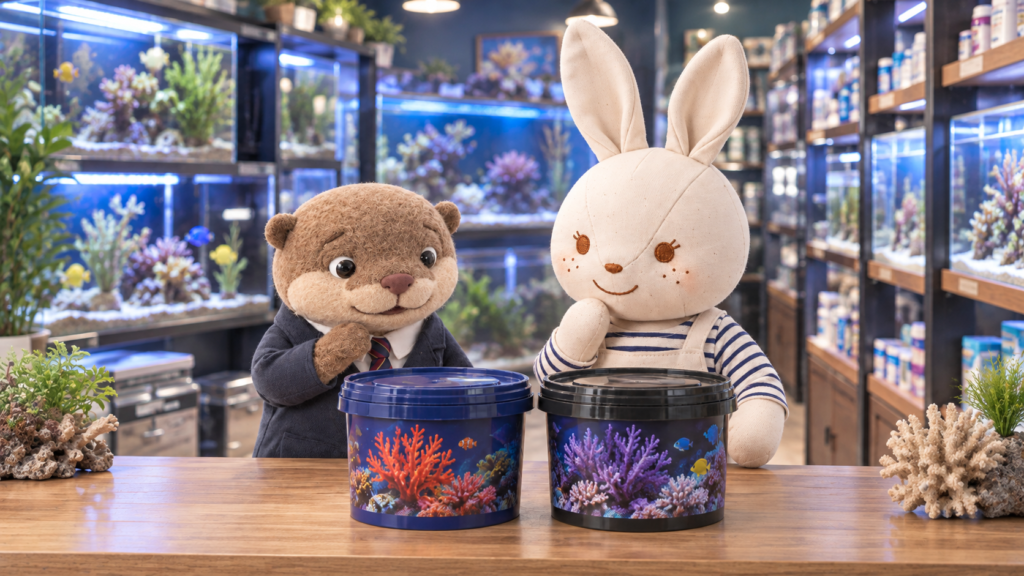 アイのアクアグッズ案内ショップで見かけるカラフルなバケツ。いったい何が入ってる?道具の特徴や使い方、選ぶときのポイントをアイが紹介します。記事はコチラ →
さまざまな飼育テーマをご紹介。リンク先の記事には広告・商品紹介が含まれます。
案内・紹介記事一覧へ →分布マップ
オオベニオウギガニ(Liomera cinctimanus)は、日本・オーストラリア・アフリカ東岸を含むインド・西太平洋に広く分布します。東太平洋のカリフォルニア半島周辺からガラパゴス諸島にも記録があります。
地図は分布地域全体を見渡すための概略表示です。表示範囲内のすべての海域に生息することを示すものではありません。マーカーは北緯26度・東経128度に置いた代表地点で、実際の採集地点や分布の中心を示していません。Google Earthのリンクも同じ代表地点を開きます。
参考文献
-
WoRMS Editorial Board.World Register of Marine Species:Liomera Dana, 1851 および所属種の分類情報.
WoRMS:Liomera の分類・同物異名一覧
対象:学名、属の位置づけ、Liomera lata・Liomera cocosana の同物異名関係。 -
Takeda, M. & Takakura, H.(2025).Further notes on some subtidal crabs (Crustacea: Decapoda: Brachyura) from Suruga Bay, the Pacific coast of central Japan.Aquatic Animals, 2025, AA2025-8.
J-STAGE:論文全文(PDF)
対象:本種の分類史、国内外の分布、岩の下からの採集記録、成長に伴う体色変化、甲幅5cmを超える個体についての記述。 -
Marco-Herrero, E., Cuesta, J. A. & González-Gordillo, J. I.(2021).DNA barcoding allows identification of undescribed crab megalopas from the open sea.Scientific Reports, 11, 20573.DOI: 10.1038/s41598-021-99486-4.
PubMed Central:論文全文
対象:本種のメガロパの同定・形態記載、浮遊幼生段階、DNAバーコーディング、本種名で登録された参照配列の不整合。 -
Francis-Floyd, R., Yanong, R. P. E. & Petty, B. D..Environmental Diseases of Aquatic Animals in Aquatic Systems.Merck Veterinary Manual.
Merck Veterinary Manual:水生動物の環境性疾患
対象:水質測定、アンモニア・亜硝酸、pH、塩分、水温変化と健康管理の一般原則。 -
Yanong, R. P. E..Use of Copper in Marine Aquaculture and Aquarium Systems.University of Florida, IFAS Extension, FA165.
フロリダ大学:海水飼育における銅の使用
対象:海水飼育で使われる銅の毒性、無脊椎動物への影響、銅を含む薬剤の使用上の注意。 -
厚生労働省.自然毒のリスクプロファイル:二枚貝:麻痺性貝毒.
厚生労働省:麻痺性貝毒の詳細情報
対象:サキシトキシン類の作用、毒を産生する微細藻類、食物網を介した毒化、有毒オウギガニ類、加熱に対する性質と中毒症状。 -
厚生労働省.自然毒のリスクプロファイル:魚類:フグ毒.
厚生労働省:フグ毒の詳細情報
対象:テトロドトキシンの作用、通常の調理加熱で分解しない性質、中毒症状。




コメント