

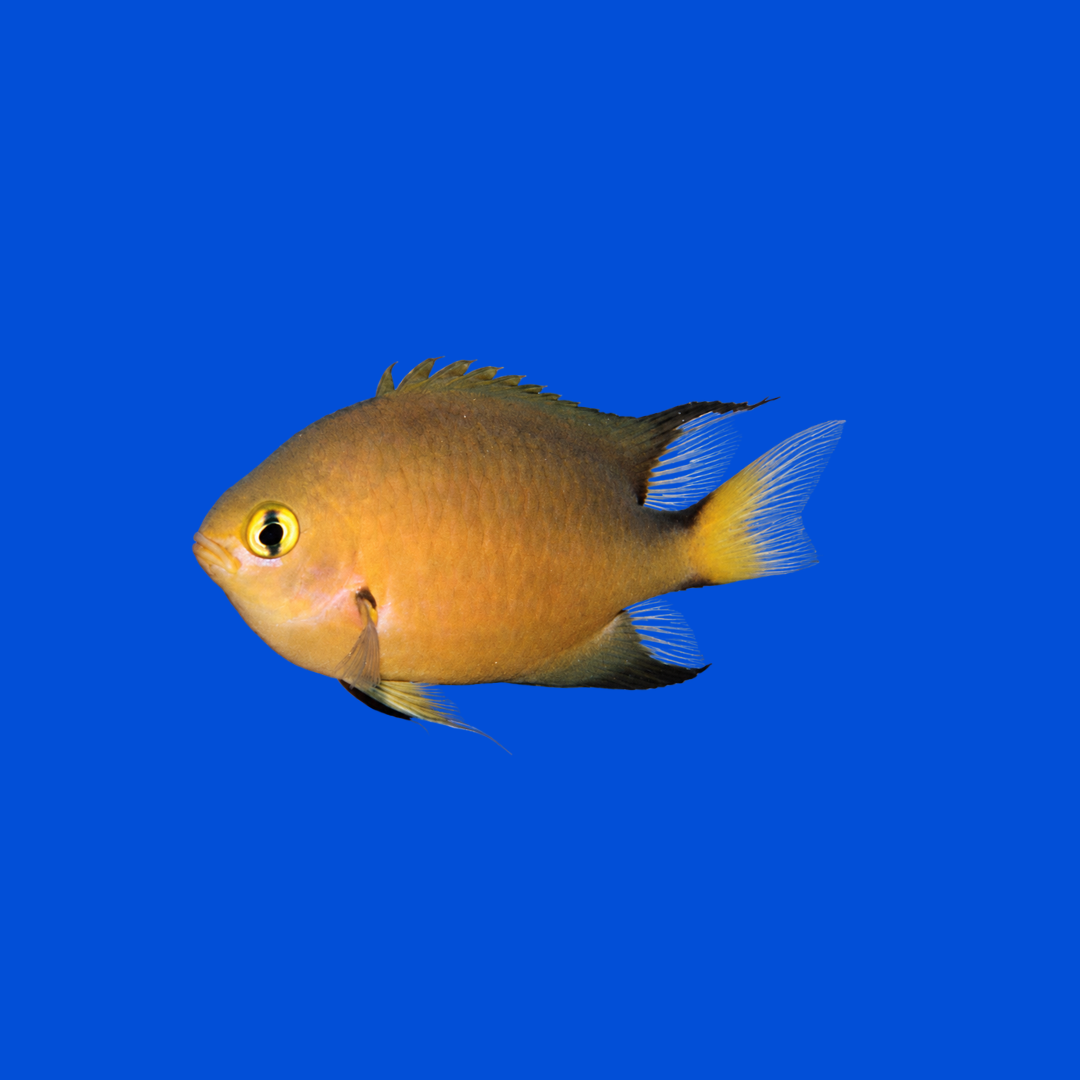
解説 / Description
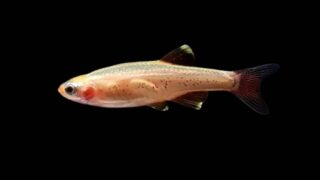
ヒレグロスズメダイは、インド洋東部から西部太平洋のサンゴ礁域に分布する小型のスズメダイです。体色はオレンジがかった褐色を基調とし、胸鰭基部の黒斑、尾柄や尾鰭の黒い縁取り、黄色みを帯びた虹彩がよい識別点になります。派手な青いスズメダイ類とは印象が異なりますが、ライブロックやサンゴの間を機敏に泳ぐ姿には、落ち着いたリーフフィッシュらしい魅力があります。飼育面では比較的丈夫で人工飼料にも慣れやすい一方、成長後は縄張り意識が出やすいため、混泳相手とレイアウトを丁寧に考えることが大切です。 Pycnochromis atripes is a small damselfish found on coral reefs from the eastern Indian Ocean to the western Pacific. It has an orangish-brown body, a black mark at the base of the pectoral fin, dark edging on the caudal peduncle and tail, and yellowish irises that help identify it. It is not as flashy as many bright blue damselfishes, but its quick movements among live rock and corals give it the quiet appeal of a natural reef fish. In aquaria, it is generally hardy and often adapts well to prepared foods, but mature individuals can become territorial, so tank mates and layout should be planned carefully.
基本情報 / Basic Information
| 学名 / Scientific Name | Pycnochromis atripes |
|---|---|
| 通称 / Common Name | ヒレグロスズメダイ、ヒレグロDark-fin chromis |
| 分類 / Family | スズメダイ科・Chrominae亜科・Pycnochromis属。国内資料ではヒメスズメダイ属として扱われる場合があります。Family Pomacentridae, subfamily Chrominae, genus Pycnochromis. In some Japanese references, the genus is treated under the Japanese name associated with Hime-suzumedai. |
| 英名 / English Name | Dark-fin chromis |
| 分布 / Distribution | インド洋東部から西部太平洋にかけて分布します。クリスマス島、オーストラリア北西部の礁域、インドネシア、フィリピン周辺からキリバス、トンガ方面にかけて記録があり、北限側では日本南部でも確認されています。Distributed from the eastern Indian Ocean to the western Pacific. It is recorded from areas such as Christmas Island, northwestern Australian reefs, Indonesia and the Philippines to Kiribati and Tonga, and it also occurs in southern Japan near the northern edge of its range. |
| 最大体長 / Max Size | 全長約9cmAbout 9 cm total length |
| 寿命 / Lifespan | 本種単独の確実な飼育下寿命データは多くありません。安定した環境では、近縁の小型スズメダイ類と同じく数年単位での飼育が見込めます。Reliable aquarium lifespan data for this species specifically is limited. Under stable conditions, it can be expected to live for several years, as with many small related damselfishes. |
飼育環境 / Aquarium Environment
| 水槽サイズ / Tank Size | 長期飼育では総水量60L以上、目安として60cm規格水槽以上が扱いやすいサイズです。単独飼育なら小型水槽でも維持できる場合がありますが、水質変化が早く、縄張り行動も強く出やすくなるため、余裕のある水槽の方が安定します。複数飼育や混泳を考える場合は、90cm規格水槽以上を検討すると管理しやすくなります。For long-term care, at least 60 L, roughly a standard 60 cm aquarium or larger, is recommended. A single individual may be maintained in a smaller tank, but water quality changes more quickly and territorial behavior can become more noticeable. For groups or community setups, a standard 90 cm aquarium or larger is easier to manage. |
|---|---|
| 水温 / Temperature | 24〜27℃前後を目安に、急変させず安定させます。サンゴ礁性の海水魚として高めの水温にも適応しますが、家庭水槽では夏場の過昇温と冬場の低温を避けることが重要です。 Keep the temperature stable at around 24–27°C. As a reef-associated marine fish it tolerates warm tropical conditions, but in home aquaria it is important to avoid summer overheating and winter chilling. |
| 水質 / Water Quality | 一般的な海水魚水槽の比重とpHを保ち、アンモニアと亜硝酸は検出されない状態を維持します。丈夫な魚ですが、硝酸塩の蓄積を放置すると色つやや免疫状態に影響するため、定期的な換水と十分な濾過で清浄な海水を保ちます。導入直後は特に水質の急変を避けてください。Maintain standard marine aquarium salinity and pH, with ammonia and nitrite at undetectable levels. Although hardy, it should not be kept in deteriorating water; accumulated nitrate can affect color and condition. Regular water changes and adequate filtration are important, especially during the acclimation period. |
| レイアウト / Layout | ライブロックを使い、岩陰、アーチ、洞窟状の隠れ家を複数作ります。自然界ではサンゴが豊かな外洋側のリーフパスや礁斜面で、底近くを単独または小群で見られるため、隠れ家と中層を泳げる空間の両方を用意すると落ち着きます。サンゴを積極的に食害する魚ではないため、リーフタンクにも導入しやすい種類です。Use live rock to create several shaded areas, arches, caves, and retreats. In the wild it occurs singly or in small groups near the bottom in coral-rich outer reef passes and slopes, so it benefits from both hiding places and open midwater swimming space. It is generally considered suitable for reef aquaria because it does not normally feed on coral polyps. |
| 注意点 / Precautions | 購入直後の個体は輸送ストレスを受けていることがあります。水合わせを丁寧に行い、強い魚がいる水槽では先に逃げ込める場所を整えてから導入します。同種や近縁のスズメダイ類に対しては攻撃的になることがあるため、小型水槽での複数飼育は避けるか、十分な隠れ家と観察期間を設けて慎重に行います。New arrivals may be stressed from transport. Acclimate them carefully and prepare retreats before introduction, especially in tanks with assertive fish. They may become aggressive toward conspecifics or related damselfishes, so keeping multiple individuals in a small tank should be avoided or attempted only with ample hiding places and close observation. |
餌と給餌 / Feeding
| 餌の種類 / Diet | 自然界では主に水中を漂う小型の動物プランクトンなどを食べます。飼育下では海水魚用の顆粒飼料やフレークフードを主食にし、冷凍イサザアミ、ブラインシュリンプ、細かくしたクリルなどを補助的に与えると、餌付きとコンディションを保ちやすくなります。In nature, it feeds mainly on small zooplankton drifting in the water column. In aquaria, high-quality marine pellets or flakes can be used as the staple diet, supplemented with frozen mysid-type shrimp, brine shrimp, and finely chopped krill to support appetite and condition. |
|---|---|
| 給餌のポイント / Feeding Tips | 1日1〜2回、数分で食べ切れる量を与えます。餌付きはよい傾向がありますが、残餌が底に残るほど与えると水質悪化を招きます。導入初期に人工飼料への反応が弱い場合は、冷凍餌を少量混ぜてから徐々に人工飼料へ慣らすとよいでしょう。Feed once or twice a day, offering only what it can finish within a few minutes. It often feeds readily, but uneaten food left on the bottom will degrade water quality. If a new specimen is reluctant to take prepared foods, mix in a small amount of frozen food and gradually transition it to prepared diets. |
性格と混泳 / Temperament and Tank Mates
| 性格 / Temperament | 幼魚期は比較的おとなしく見えることがありますが、成長して水槽に慣れると、自分の岩場や隠れ家周辺を守る行動が出やすくなります。極端に凶暴な魚として扱う必要はありませんが、スズメダイらしい縄張り意識を持つ魚として計画的に導入することが大切です。Juveniles may appear relatively mild, but once established and mature, they often defend their chosen rockwork or retreat. It does not need to be treated as an extremely aggressive fish, but it should be introduced with the territorial nature of damselfishes in mind. |
|---|---|
| 混泳の相性 / Compatibility | 相性を取りやすいのは、遊泳層や体型が異なるハゼ類、カエルウオ・ギンポ類、丈夫な小型ヤッコ類などです。同じスズメダイ類、クマノミ類、体型や色彩が似た魚とは競合しやすいため注意します。ライブロックを一塊にせず、島状に分けて視線が切れる場所を作ると、追い回しや攻撃の集中を和らげやすくなります。Good candidates include gobies, blennies, and hardy dwarf angelfishes that use different spaces or have different body shapes. Caution is needed with other damselfishes, clownfishes, and similarly shaped or colored fish. Dividing the rockwork into separate islands and creating visual barriers can help reduce chasing and focused aggression. |
病気と対策 / Diseases and Prevention
| かかりやすい病気 / Common Diseases | スズメダイ類としては丈夫な部類ですが、導入直後、急な水温変化、水質悪化が重なると白点病、擦れ傷からの細菌感染、ストレスによる拒食が起こることがあります。It is generally hardy for a damselfish, but newly introduced or stressed specimens may develop marine ich, bacterial infections from abrasions, or appetite loss when rapid temperature changes or poor water quality are present. |
|---|---|
| 対策と予防 / Prevention | 購入時は体表の白点、ヒレの欠け、痩せ、呼吸の速さを確認します。導入時は急な比重差や水温差を避け、必要に応じて隔離水槽で観察します。日常管理では、水温の安定、十分な溶存酸素、適切な水流、定期的な換水を保つことが予防の基本です。When buying, check for white spots, damaged fins, emaciation, and rapid breathing. During introduction, avoid sudden salinity or temperature changes and observe in quarantine if needed. For daily care, stable temperature, good oxygenation, appropriate water flow, and regular water changes are the foundation of prevention. |
増やし方(繁殖) / Breeding
| 雌雄の判別 / Sexing | 外見だけで雌雄を安定して判別するのは難しい魚です。繁殖期には、雄が産卵床を清掃し、縄張り防衛や求愛行動を強めることで、性別を推測する手がかりになる場合があります。Reliable sexing by appearance alone is difficult. During the breeding period, a male may clean a nest site and show stronger territorial or courtship behavior, which can provide clues. |
|---|---|
| 繁殖形態 / Reproduction | 卵生で、岩面やサンゴ礫などの基質に沈性の粘着卵を産み付けます。スズメダイ類に典型的な繁殖様式で、雄が卵を守り、ヒレで新鮮な水を送る保護行動を行います。It is an egg-laying species that deposits adhesive demersal eggs on substrates such as rock surfaces or coral rubble. As is typical for many damselfishes, the male guards the eggs and fans them with his fins. |
| 繁殖のポイント / Breeding Tips | 家庭水槽で産卵行動が見られる可能性はありますが、孵化した仔魚は小さく、浮遊幼生期の育成にはワムシなどの微細な初期餌、安定した水質、専用の育成容器が必要です。一般的な観賞目的の飼育では、繁殖そのものよりも、ペア形成時や産卵期に強まる攻撃性を管理することが現実的なポイントになります。Spawning may occur in home aquaria, but the larvae are small and require tiny first foods such as rotifers, stable water quality, and a dedicated rearing system during the pelagic larval stage. For general ornamental keeping, managing increased aggression during pair formation or spawning is usually more practical than attempting full larval rearing. |
雑学と豆知識 / Trivia and Fun Facts
| 1. ChromisからPycnochromisへ / 1. From Chromis to Pycnochromis | ヒレグロスズメダイは、以前はChromis atripesとして扱われていました。近年のスズメダイ科の系統研究では、従来のChromis属が自然なまとまりとして整理しきれないことが示され、Pycnochromis属が再び用いられるようになりました。水槽で見慣れた魚の名前にも、研究の進展によって変わっていく生物分類の物語が重なっています。This species was formerly treated as Chromis atripes. Recent systematic studies of damselfishes showed that the traditional genus Chromis could not fully represent natural evolutionary lineages, and the genus Pycnochromis was revived. Even a familiar aquarium fish can carry a changing taxonomic story as research progresses. |
|---|---|
| 2. 名前に表れた黒いヒレ / 2. The Dark Fins Reflected in the Name | 種小名のatripesは、黒っぽさを示す語と、足や下部の付属器官を示す語に由来するとされます。和名の「ヒレグロ」も、腹鰭や胸鰭基部の黒斑といった本種の特徴を端的に表しています。学名、英名、和名のいずれも、まず黒いヒレまわりに注目すると覚えやすい魚です。The species name atripes is understood to derive from words referring to dark coloration and lower appendages. The Japanese name “Hireguro,” meaning dark-finned, also points directly to features such as the dark pelvic fins and black mark at the pectoral-fin base. Its scientific, English, and Japanese names all make the dark fin area an easy first clue for identification. |
| 3. サンゴ礁の斜面を好む小さなプランクトン食者 / 3. A Small Planktivore of Reef Slopes | 本種は、サンゴが豊かな外洋側のリーフパスや礁斜面で、底の近くを単独または小群で行動する魚として知られます。水流に乗って流れてくる小さな餌をついばみ、危険を感じると岩陰やサンゴの間へ逃げ込む暮らし方は、水槽内でライブロックの周囲を出入りする行動にもよく表れます。This species is known from coral-rich outer reef passes and slopes, where it occurs singly or in small groups near the bottom. It picks small drifting food items from the water column and retreats into rockwork or coral when threatened, a lifestyle that is often echoed in aquaria as it moves in and out of live rock shelters. |
| 4. 季節来遊魚として出会うこともある魚 / 4. A Fish That May Appear as a Seasonal Visitor | 日本の温帯域では、黒潮に運ばれた南方系の幼魚が晩夏から秋に見られることがあります。こうした魚は以前「死滅回遊魚」と呼ばれることが多くありましたが、近年は海流がもたらす季節の出会いとして「季節来遊魚」と表現される場面も増えています。ヒレグロスズメダイも、地域や年によってはそのような海の変化を感じさせる存在になります。In temperate parts of Japan, juveniles of southern species carried by the Kuroshio Current may appear from late summer to autumn. These fishes were often called “doomed migrants” in the past, but the more positive expression “seasonal visitors” is increasingly used. Depending on the region and year, this species can be one of those small signs of changing seasonal seas. |
| 5. 丈夫さに頼りすぎない飼育が長期維持の近道 / 5. Hardiness Should Not Replace Good Husbandry | ヒレグロスズメダイは丈夫で餌付きもよいことから、初心者にも扱いやすい海水魚として紹介されることがあります。ただし、丈夫さは水質悪化や過密飼育に無制限に耐えるという意味ではありません。隠れ家を用意し、相性のよい魚を選び、清浄な海水を保つことで、この魚らしい落ち着いた美しさが長く保たれます。Because it is hardy and usually feeds readily, Pycnochromis atripes is sometimes recommended as a manageable marine fish for newer aquarists. Hardiness, however, does not mean unlimited tolerance of poor water quality or overcrowding. Providing shelters, choosing compatible tank mates, and maintaining clean seawater are the keys to preserving its quiet beauty over the long term. |
まとめ / Conclusion
ヒレグロスズメダイは、黒く引き締まったヒレまわりと黄色みを帯びた眼が印象的な、落ち着いた雰囲気の小型スズメダイです。丈夫で餌付きやすい反面、成長すると縄張り意識が出やすいため、60cm規格水槽以上を目安に、ライブロックで隠れ家と視線を切る構造を整えることが飼育の基本になります。 Pycnochromis atripes is a small damselfish with a calm appearance, marked by dark fin areas and yellowish eyes. It is hardy and usually feeds readily, but mature individuals can become territorial. A standard 60 cm aquarium or larger, with live rock shelters and visual barriers, provides a practical foundation for keeping it well.
派手な色彩で強く主張する魚ではありませんが、サンゴや岩組みの間をすばやく泳ぐ姿には、健康なサンゴ礁を思わせる自然な魅力があります。混泳相手を選び、清浄で安定した環境を用意できれば、リーフタンクに静かな奥行きと生き生きとした動きを添えてくれる存在になります。 It is not a fish that relies on bright coloration alone, but its quick movements among corals and rockwork carry the natural charm of a healthy reef. With suitable tank mates and a clean, stable environment, it adds quiet depth and lively movement to a reef aquarium.

気になる道具や飼い方を見つけてみませんか?
 アイのアクアグッズ案内水槽のエアーポンプの選び方|水深・音・泡で選ぶおすすめ用品道具の特徴や使い方、選ぶときのポイントをアイが紹介します。記事はコチラ →
 アイのアクアグッズ案内水草水槽のCO₂添加|3つの方式の選び方とおすすめ用品道具の特徴や使い方、選ぶときのポイントをアイが紹介します。記事はコチラ →
 アイのアクアグッズ案内水草用ソイルの選び方|土・砂の違いとおすすめ商品道具の特徴や使い方、選ぶときのポイントをアイが紹介します。記事はコチラ →
 アイのアクアグッズ案内そのごはん、泳いでる! 卵から始めるブラインシュリンプの孵化と道具選び道具の特徴や使い方、選ぶときのポイントをアイが紹介します。記事はコチラ →
さまざまな飼育テーマをご紹介。リンク先の記事には広告・商品紹介が含まれます。
案内・紹介記事一覧へ →分布マップ
ヒレグロスズメダイは、インド洋東部から西部太平洋にかけて広く分布し、日本南部でも確認されています。この地図では、分布イメージをつかみやすいように概略範囲と代表地点を示しています。
この地図は、記事内の分布情報をもとにした概略プロットです。実際の採集地点や厳密な生息範囲を示すものではありません。
参考文献・参照資料
本種の分類、分布、生息環境、形態的特徴、繁殖様式、飼育時の水質管理、病気予防に関する記述を確認するため、店舗・通販・個人ブログ・まとめサイトを除外し、魚類データベース、博物館系データベース、学術論文、大学・獣医学系資料、国際機関資料を中心に参照しました。
-
Froese, R. and Pauly, D. (eds.). FishBase: Pycnochromis atripes, Dark-fin chromis.
学名、英名、分布、最大体長、形態形質、生息環境、昼行性、卵生・沈性卵、雄による卵保護など、本種の基礎情報の主な確認資料として参照。
https://fishbase.se/summary/Pycnochromis-atripes -
Tang, K. L., Stiassny, M. L. J., Mayden, R. L. and DeSalle, R. (2021). Systematics of Damselfishes. Ichthyology & Herpetology, 109(1): 258–318.
旧 Chromis 属を含むスズメダイ科の分子系統解析、Pycnochromis 属の再整理、分類学的背景の根拠として参照。
https://doi.org/10.1643/i2020105 -
World Register of Marine Species (WoRMS): Chromis atripes Fowler & Bean, 1928.
原記載名、分類上の扱い、海産生物分類データベース上の学名確認に使用。現在の属名表記との照合資料として参照。
https://www.marinespecies.org/aphia.php?p=taxdetails&id=273713 -
Bray, D. J. Fishes of Australia: Darkfin Puller, Chromis atripes Fowler & Bean 1928.
形態的特徴、分布域、深度、食性、最大体長、IUCN評価、原記載情報の補助確認資料として参照。
https://fishesofaustralia.net.au/home/species/2311 -
Reef Life Survey: Pycnochromis atripes – Darkfin puller.
熱帯インド太平洋域での分布、生息水深、ドロップオフを好む傾向、リーフ調査に基づく生息環境情報の補助資料として参照。
https://reeflifesurvey.com/species/pycnochromis-atripes/ -
Animal Diversity Web, University of Michigan Museum of Zoology: Pomacentridae (Damselfishes).
スズメダイ科に共通する縄張り行動、産卵床の準備、沈性卵、雄による卵保護・送水行動、繁殖期の攻撃性に関する一般的背景として参照。
https://animaldiversity.org/accounts/Pomacentridae/ -
Yanong, R. P. E. (UF/IFAS Extension). Cryptocaryon irritans Infections (Marine White Spot Disease) in Fish.
海水魚の白点病、症状、生活環、診断上の注意、感染時のリスク評価など、病気と予防の記述を支える資料として参照。
https://ask.ifas.ufl.edu/publication/FA164 -
Merck Veterinary Manual: Parasitic Diseases of Fish.
観賞魚に見られる寄生虫症、Cryptocaryonを含む海水魚の寄生虫対策、隔離水槽での治療・管理方針の獣医学的確認資料として参照。
https://www.merckvetmanual.com/exotic-and-laboratory-animals/aquarium-fish/parasitic-diseases-of-fish -
FAO. Procedures for the quarantine of live aquatic animals.
新規導入個体の隔離、病原体持ち込みリスク、観賞用水生動物の検疫という観点から、導入時の注意点を補強する資料として参照。
https://openknowledge.fao.org/server/api/core/bitstreams/ec3204f1-dd76-43a7-a29f-ff5dd7b02785/content




コメント