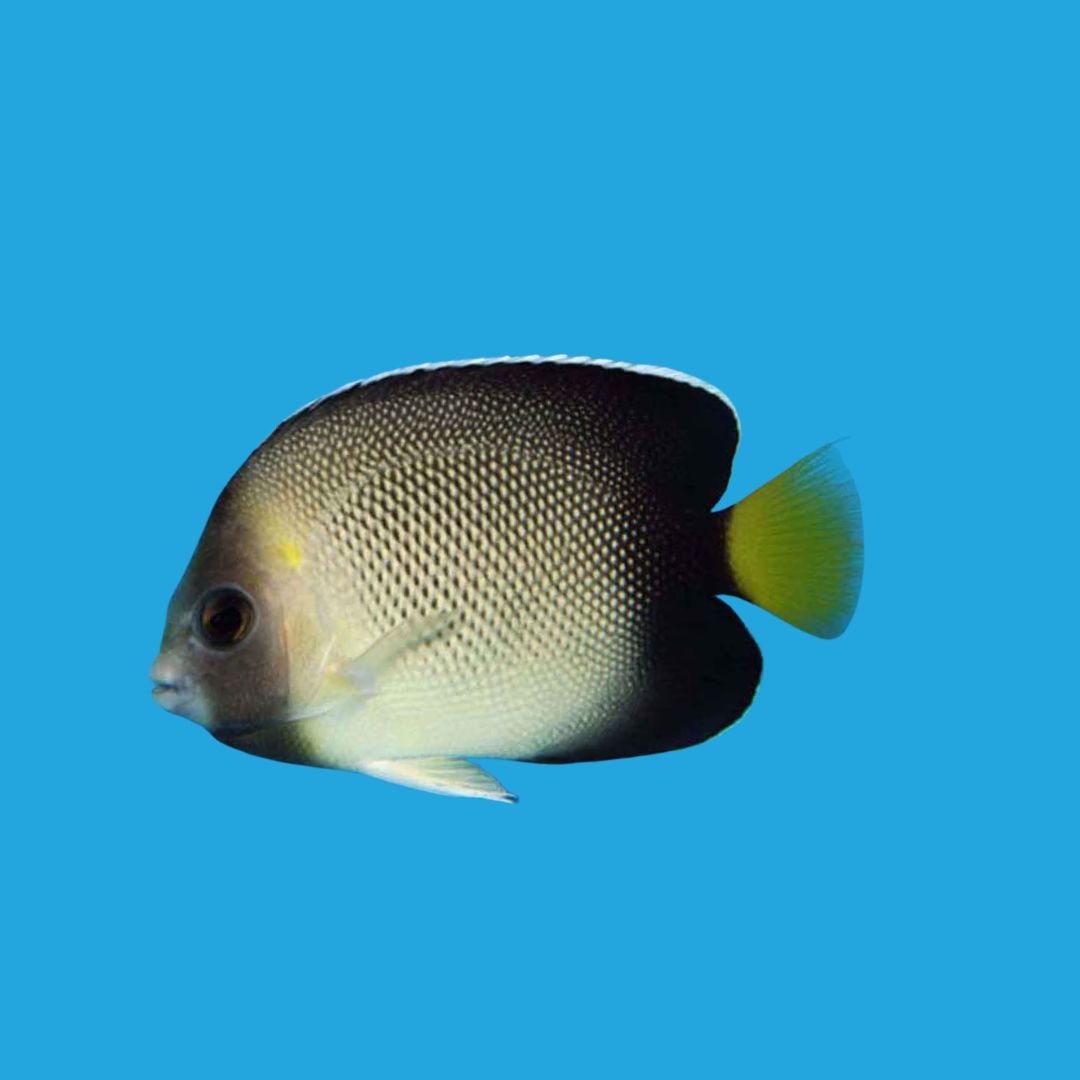
クロシテンヤッコは、インド洋のサンゴ礁に生息するキンチャクダイ科の中型魚です。クリーム色からグレーの体色に、鱗が描く網目状のグラデーション、そして鮮やかな黄色の尾鰭が特徴で、英語圏ではその色彩からスモーク・エンゼルフィッシュとも呼ばれます。ヤッコ類の中では非常に丈夫で、水槽環境への順応性が高く、落ち着いた平和な性格を持つことから、海洋アクアリウムの入門種からベテランまで広く愛されている魚種です。The Yellowtail Angelfish (Apolemichthys xanthurus) is a medium-sized marine fish inhabiting the coral reefs of the Indian Ocean. Characterized by a cream to grey body with a lattice-like gradient pattern and a vibrant yellow caudal fin, it is also known as the Smoke Angelfish. Among angelfishes, it is exceptionally hardy and adaptable to aquarium environments. Its peaceful temperament makes it a favorite for both beginners and experienced marine aquarists.
西部インド洋(モーリシャス、モルディブ、スリランカ、インド東海岸など)Western Indian Ocean (Mauritius, Maldives, Sri Lanka, and East Coast of India)
最大体長 / Max Size
約15cmApprox. 15 cm
寿命 / Lifespan
約10年から15年以上(適切な飼育環境下)Approx. 10 to 15+ years under proper care
飼育環境 / Aquarium Environment
水槽サイズ / Tank Size
単独飼育で113L以上(60cmワイド水槽〜90cm規格水槽)。混泳や長期飼育には265L以上(90cm〜120cm水槽)を強く推奨。At least 113 liters (60cm wide to 90cm standard tank) for a single specimen. Over 265 liters (90cm to 120cm tank) is highly recommended for community tanks.
水温 / Temperature
23℃から26℃(熱帯海域の恒温状態を維持)23°C to 26°C (Maintain a stable tropical temperature)
水質 / Water Quality
比重 1.020から1.025、pH 8.0から8.3。アンモニアや亜硝酸は検出されない環境。Specific Gravity 1.020 to 1.025, pH 8.0 to 8.3. Ensure ammonia and nitrite levels are zero.
レイアウト / Layout
多孔質のライブロックを複雑に積み上げ、多くの隠れ家(ケーブ)を作る。遊泳スペースも確保すること。Stack porous live rocks complexly to create many caves and hiding spots, while ensuring open swimming space.
注意点 / Precautions
強すぎる直射的な照明は退色の原因となるため、青色波長主体のやや落ち着いた照度(250から500 lux)が推奨されます。Direct, intense lighting may cause color fading. Moderate blue-spectrum lighting (250-500 lux) is recommended for best coloration.
餌と給餌 / Feeding
餌の種類 / Diet
雑食性。冷凍のイサザアミ、ブラインシュリンプ、海綿成分配合のヤッコ専用ペレット、海苔やスピルリナ入りのフレーク。Omnivorous. Frozen mysis shrimp, brine shrimp, specialized angelfish pellets containing sponge material, and nori or spirulina flakes.
給餌のポイント / Feeding Tips
導入初期はイサザアミなどで餌付け、徐々に人工飼料に慣らします。海綿と植物性栄養素をバランスよく与えるローテーション給餌が理想です。Start with mysis shrimp to encourage feeding, then gradually transition to artificial food. A rotation diet of sponge-based and plant-based foods is ideal.
性格と混泳 / Temperament and Tank Mates
性格 / Temperament
キンチャクダイ科の中では極めて温和で平和的。Highly peaceful and gentle among the Pomacanthidae family.
混泳の相性 / Compatibility
小型魚や他の温和な魚種との混泳は良好。サンゴ水槽ではLPS(オオバナサンゴ等)を食害する恐れがあるため注意が必要です。Good compatibility with small fishes and other peaceful species. Caution is needed in reef tanks as they may nip at LPS corals.
病気と対策 / Diseases and Prevention
かかりやすい病気 / Common Diseases
海水白点病(Cryptocaryon irritans)。閉鎖環境では爆発的に増殖しやすい病気です。Marine Ich (Cryptocaryon irritans). This parasite can rapidly multiply in closed aquarium environments.
対策と予防 / Prevention
隔離水槽での低比重療法(比重 1.008から1.010)または銅イオン療法が有効です。これら二つの療法の併用は絶対に避けてください。Hyposalinity treatment (SG 1.008 to 1.010) or copper treatment in a quarantine tank is effective. Never combine these two treatments.
増やし方(繁殖) / Breeding
雌雄の判別 / Sexing
外見での判別は困難ですが、成熟個体は安定したペアを形成します。Difficult to distinguish visually, but mature individuals form stable pairs.
繁殖形態 / Reproduction
浮遊性卵。夕方にペアで上昇しながら放精・放卵を行います。Pelagic spawners. They release sperm and eggs while rising in the water column at dusk.
繁殖のポイント / Breeding Tips
個人レベルでの繁殖は非常に困難ですが、現在は米国の研究所などで人工繁殖(キャプティブブリード)技術が確立されています。While breeding at home is extremely difficult, commercial captive breeding technology has been established by research labs in the US.
雑学と豆知識 / Trivia and Fun Facts
1. 「平和な魚」という名前の由来 / 1. Origin of the Name “Peaceful Fish”
属名の「Apolemichthys」は、古代ギリシャ語で「争いのない(apolemos)」と「魚(ichthys)」を組み合わせた言葉です。これは、タテジマキンチャクダイなどの他属に見られるような激しい闘争心が相対的に低く、平和的な行動をとるという本属の特徴をよく表しています。まさに「平和の象徴」のようなヤッコなのです。The genus name “Apolemichthys” combines the Ancient Greek words “apolemos” (without war/peaceful) and “ichthys” (fish). It perfectly describes the peaceful temperament of this genus, which is less aggressive compared to other angelfish like the Pomacanthus genus.
2. 専門家も間違えた分類学の逸話 / 2. A Taxonomic Anecdote: Even Experts Make Mistakes
クロシテンヤッコは、近縁のイエローイヤーエンゼル(A. xanthotis)と非常に姿が似ています。かつて権威ある海洋生物学者ジェラルド・アレンらが著した図鑑において、これら両種の写真が誤って入れ替わって掲載されるというミスが起きました。プロの分類学者でさえ混同してしまうほど、彼らの境界線は繊細で興味深いものなのです。The Yellowtail Angelfish is so similar to its relative, the Yellow-ear Angelfish (A. xanthotis), that in an authoritative guide by Dr. Gerald Allen, the photos of the two species were accidentally swapped. This historical anecdote shows how closely related and visually similar these species are.
3. 暗がりの環境が美しさを作る / 3. Dim Light Creates Beauty
最新の研究データによれば、クロシテンヤッコは強い直射日光を避け、やや水深のある薄暗い岩陰を好みます。実際に低照度(250から500 lux)で飼育された個体は、皮膚のカロテノイド含有量が高まり、最も鮮やかなコントラストを示すことが科学的に証明されています。美しい黒と黄色の発色を引き出すには、「落ち着いた照明」が鍵となります。Scientific studies indicate that Yellowtail Angelfish prefer dim, sheltered habitats. Individuals raised in low-light environments (250-500 lux) show higher carotenoid levels and more vibrant coloration compared to those in bright light. Moderate lighting is the secret to bringing out their best colors.
4. 幻の交雑種「アーミテージエンゼル」 / 4. The Legendary Hybrid: “Armitage Angel”
自然界では、本種とシテンヤッコ(A. trimaculatus)の間で稀に交雑が起こります。この個体はかつて独立した新種「アーミテージエンゼル」として記載されていました。両親の特徴を併せ持つその姿は美しく、非常に希少です。特筆すべきは、シテンヤッコの虚弱さをクロシテンヤッコの強健さが補い、非常に飼育しやすい個体になると言われています。In the wild, this species occasionally hybridizes with the Flagfin Angelfish (A. trimaculatus). This hybrid was once mistakenly classified as a separate species, “Apolemichthys armitagei.” They are rare and highly prized, often inheriting the hardiness of the Yellowtail Angelfish while retaining the beauty of the Flagfin.
5. 養殖技術が切り拓く未来 / 5. The Future Forged by Breeding Technology
かつてキンチャクダイの人工繁殖は不可能と言われてきましたが、米国のPoma Labsなどの最先端施設がこの壁を突破しました。養殖(キャプティブブリード)されたクロシテンヤッコは、生まれながらに人工飼料に餌付いており、病原菌のリスクも皆無です。このようなサステナブルな技術が、日本のアクアリウムシーンの未来を支えています。Captive breeding of angelfish was once thought impossible, but labs like Poma Labs in the US have achieved breakthroughs. Captive-bred specimens are robust, parasite-free, and pre-conditioned to accept pellets, representing a sustainable future for the hobby.
まとめ / Conclusion
クロシテンヤッコは、その上品で落ち着いた色彩と、初心者にも優しい強健な性質を併せ持つ、まさにインド洋の至宝です。適切な水質管理と、少し薄暗い落ち着いた環境を提供することで、彼らは水槽内で本来の輝きを存分に見せてくれるでしょう。The Yellowtail Angelfish is a true gem of the Indian Ocean, combining sophisticated coloration with a hardy nature suitable for beginners. By providing stable water conditions and a calm, slightly dim environment, you can fully enjoy their natural splendor in your home aquarium.
平和を象徴するその名の通り、他の魚たちとも良好な関係を築きやすい本種は、あなたのコミュニティタンクをより豊かで調和の取れたものにしてくれるはずです。この図鑑が、皆様とクロシテンヤッコの素晴らしい出会いの手助けとなれば幸いです。True to its name symbolizing peace, this species builds harmonious relationships with tank mates, enriching your community aquarium. We hope this guide helps you in creating a wonderful life with your Yellowtail Angelfish.
・The IUCN Red List of Threatened Species 2010. “Apolemichthys xanthurus”
(保全状況および国際的な流通制限に関するステータスの参照元)
・Gerald R. Allen, Roger Steene, Mark Allen (1998). “A Guide to Angelfishes and Butterflyfishes” Tropical Reef Research.
(キンチャクダイ科の分類、学名の由来、およびイエローイヤーエンゼルとの比較情報の参照元)
・”Effects of light intensity on the growth, survival, and skin carotenoid content of Yellowtail angelfish Apolemichthys xanthurus”
(低照度環境が成長率およびカロテノイド色素沈着に与える影響に関する学術的データの参照元)
・Edward Turner Bennett (1833). “Observations on a collection of fishes from Mauritius with descriptions of new genera and species” Proceedings of the Zoological Society of London.
(原記載論文:学名命名の歴史的背景に関する参照元)


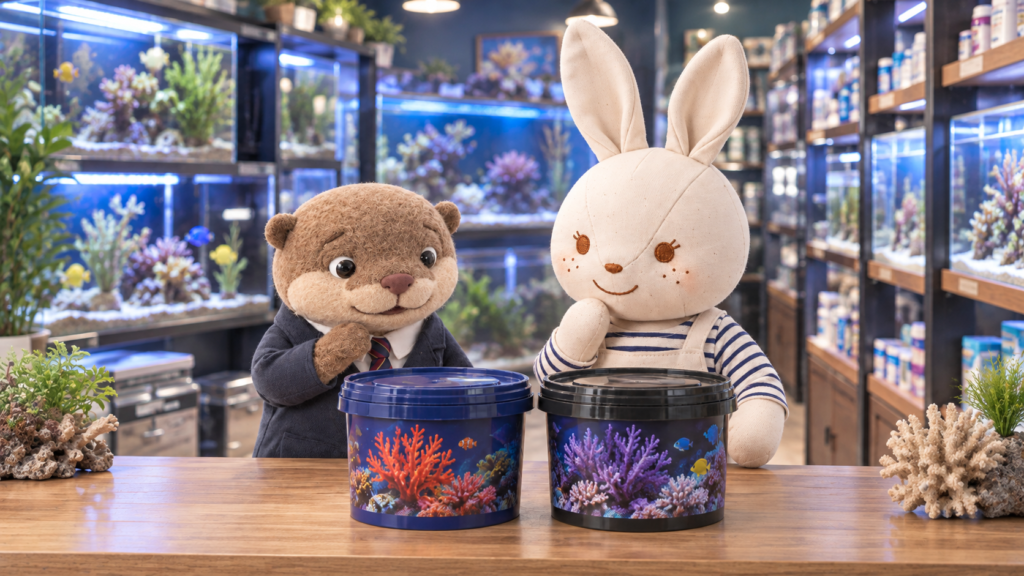 アイのアクアグッズ案内ショップで見かけるカラフルなバケツ。いったい何が入ってる?道具の特徴や使い方、選ぶときのポイントをアイが紹介します。記事はコチラ →
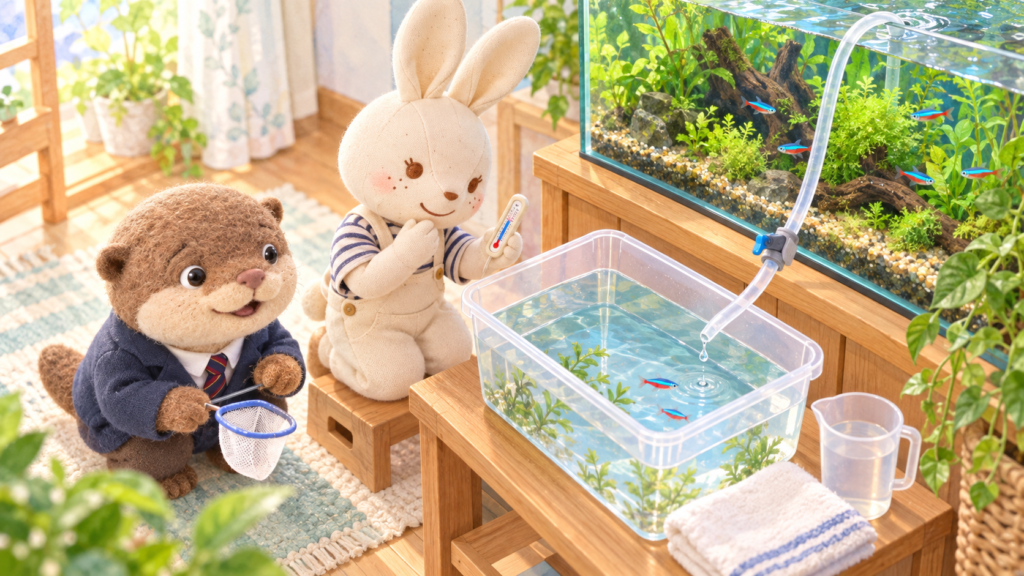 アイのアクアグッズ案内水合わせの道具とやり方|魚を迎える前にそろえたい容器・点滴キット・ネット買ってきた魚はすぐ水槽に入れていい? 水温合わせと水合わせの違いから、透明ケース・点滴キット・ネットの選び方、時間をかけすぎない注意点まで、アイとコタロウが紹介します。記事はコチラ →
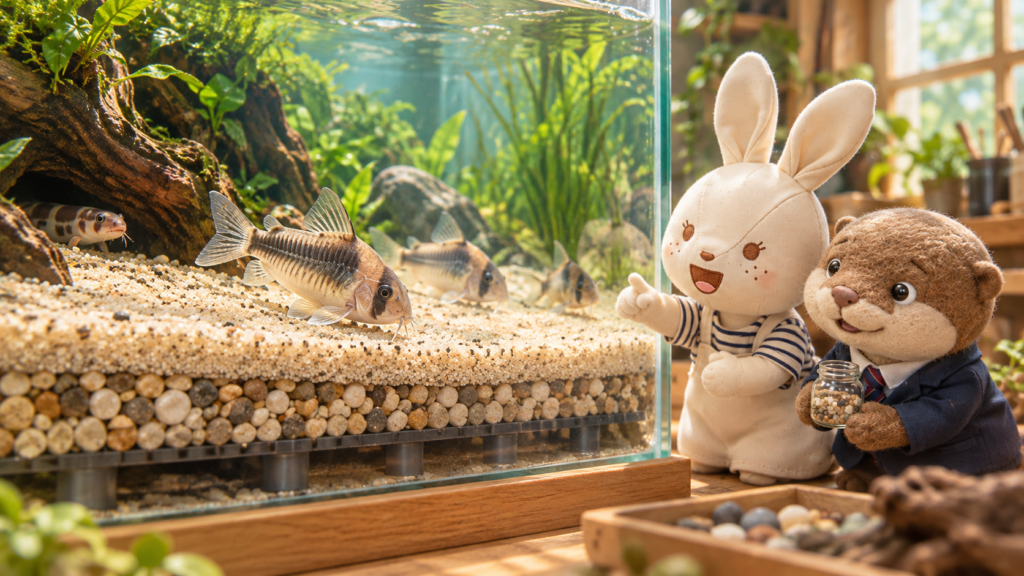 アイのアクアグッズ案内水槽の底砂の選び方|砂・砂利の違いとおすすめ商品道具の特徴や使い方、選ぶときのポイントをアイが紹介します。記事はコチラ →
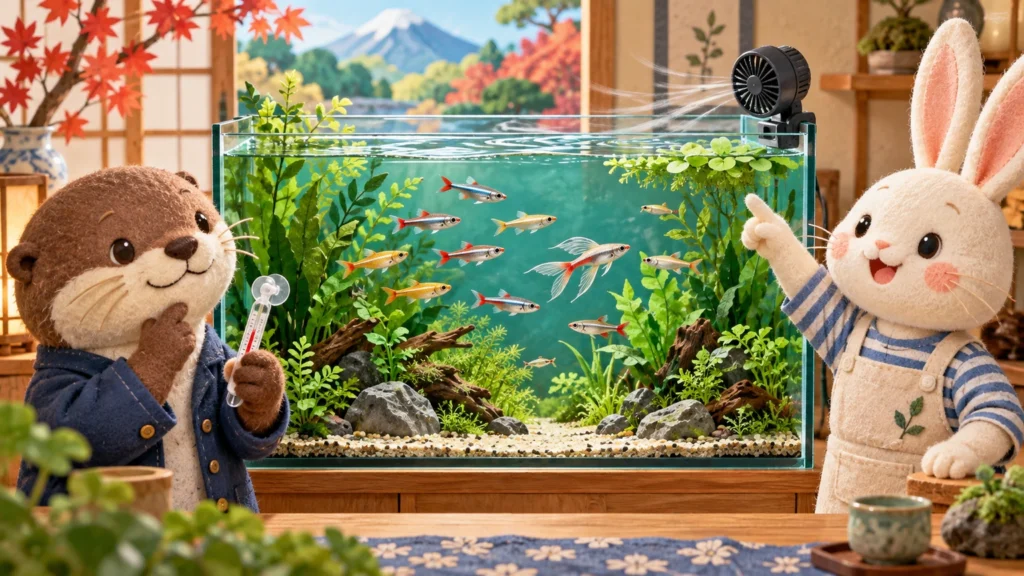 アイのアクアグッズ案内アカヒレの仲間に合わせる飼育用品|無加温・混泳・繁殖の水槽とろ過道具の特徴や使い方、選ぶときのポイントをアイが紹介します。記事はコチラ →



コメント