
解説 / Description
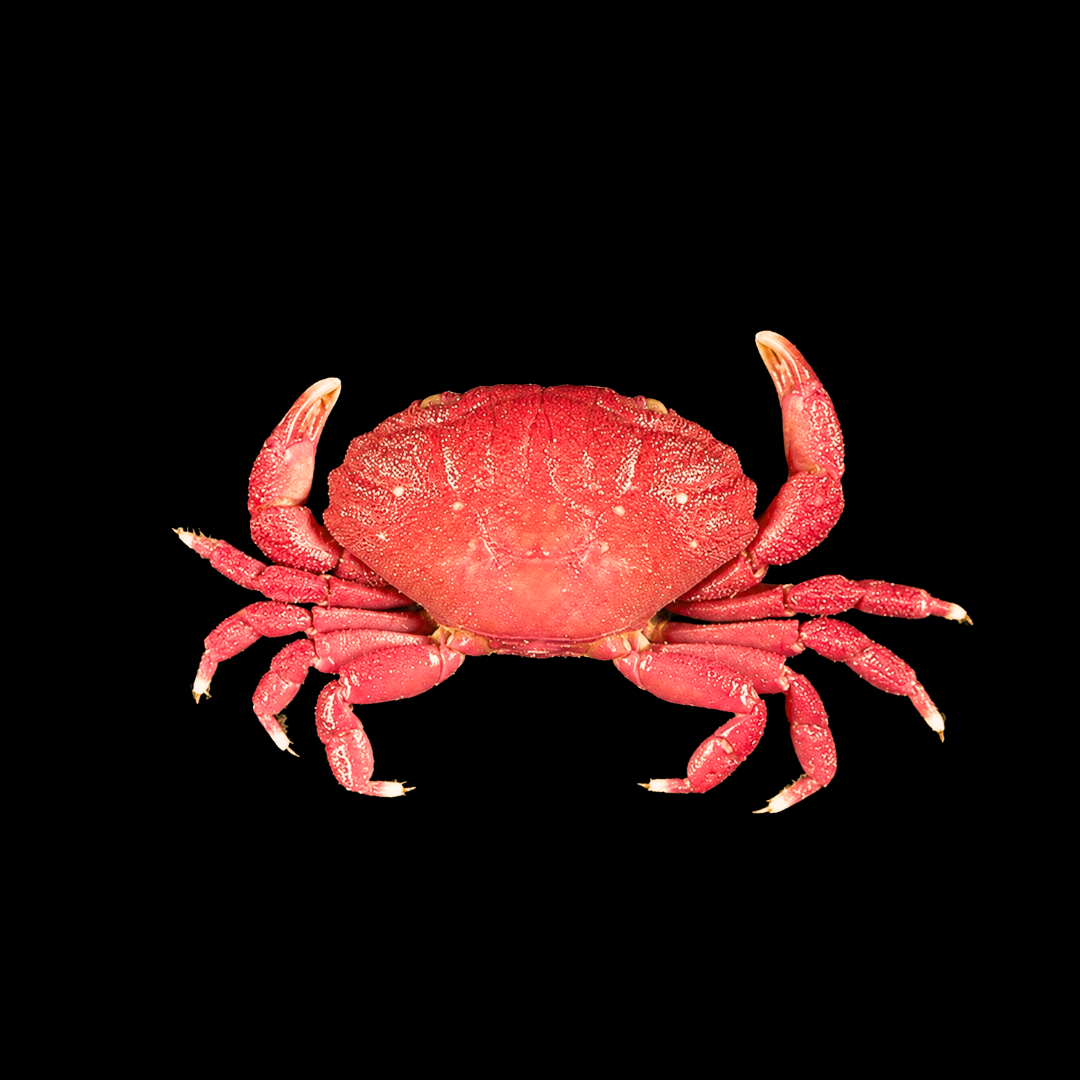
ツブベニオウギガニは、赤色から赤紫色の甲羅に細かな粒状の突起をまとった、小型の海水性のカニです。横に広い甲羅には、溝で区切られた盛り上がりがあり、近くで見ると繊細な立体模様を楽しめます。自然界ではサンゴ礁の隙間や石の下に生息するため、水槽でも体を隠せる場所を用意しましょう。観賞用の販売名「ストロベリークラブ」は本種だけを指す名前ではなく、その名称だけでは種類を特定できません。本種の食性や長期飼育に関する情報は限られているため、コケ取り能力やサンゴへの無害性を前提にせず、食べる餌や周囲の生き物との関わりを確かめながら飼育することが大切です。 Liomera margaritata is a small marine crab with a red to reddish-violet carapace covered in fine granules. Grooves divide its broad shell into raised regions, creating an intricate three-dimensional pattern. In nature, it inhabits reef crevices and spaces beneath stones, so provide places where it can conceal its body. The aquarium trade name “strawberry crab” is not exclusive to this species and cannot establish its identity. Information on its diet and long-term captive care is limited. Observe what it eats and how it interacts with other animals rather than assuming reliable algae control or coral safety.
基本情報 / Basic Information
| 学名 / Scientific Name | Liomera margaritata (A. Milne-Edwards, 1873) |
|---|---|
| 通称 / Common Name | 標準和名はツブベニオウギガニ。観賞用の流通では「ストロベリークラブ」と呼ばれる場合がありますが、この販売名は類似するカニにも使われるため、学名との一致を確認する必要があります。The standard Japanese name is Tsubu-beni-ougigani. It may be sold as a “strawberry crab,” but this trade name is also used for similar crabs, so the scientific identification needs to be checked. |
| 分類 / Family | 節足動物門・軟甲綱・十脚目・短尾下目・オウギガニ科・ベニオウギガニ亜科・ベニオウギガニ属。Phylum Arthropoda; class Malacostraca; order Decapoda; infraorder Brachyura; family Xanthidae; subfamily Liomerinae; genus Liomera. |
| 英名 / English Name | 本種だけを指す、広く定着した英名は確認されていません。Strawberry crab は類似種にも使われる流通名です。No widely established English name exclusive to this species is confirmed. “Strawberry crab” is a trade name also applied to similar species. |
| 分布 / Distribution | 紅海やマダガスカルから東南アジア、日本、ニューカレドニアなどに至るインド西太平洋。国内では相模湾、紀伊半島、琉球列島などから知られ、駿河湾でも記録されています。サンゴ礁の隙間や石の下などに生息します。The Indo-West Pacific, from the Red Sea and Madagascar through Southeast Asia to Japan and New Caledonia. Japanese records include Sagami Bay, the Kii Peninsula, the Ryukyu Islands, and Suruga Bay. It inhabits reef crevices and spaces beneath stones. |
| 最大体長 / Max Size | 確実な最大値は不明です。小型種で、甲幅23.7mm・甲長13.7mmの雄の採集記録があります。甲幅は甲羅の最も広い部分、甲長は前後の長さを指し、この測定値に脚は含まれません。また、一個体の大きさを種の最大サイズとみなすことはできません。A confirmed maximum is unknown. This is a small species; one collected male measured 23.7mm in carapace width and 13.7mm in carapace length. These measurements describe the shell’s greatest width and front-to-back length, excluding the legs. An individual measurement does not establish the species’ maximum size. |
| 寿命 / Lifespan | 本種に限定した、信頼できる寿命の情報はありません。購入時の年齢が分からない場合、飼育できた期間だけでは本来の寿命を判断できません。Reliable species-specific lifespan information is unavailable. When the age at purchase is unknown, survival time in captivity does not establish the natural lifespan. |
飼育環境 / Aquarium Environment
| 水槽サイズ / Tank Size | 本種に必要な最小水槽サイズは確立されていません。飼育を検討する際は、30cmキューブ水槽(総容量約27L)や60cm規格水槽(総容量約60L)などで、隠れ家と水質の安定を確保できるかを確認してください。一般に水量の多い水槽ほど急な水質変化を抑えやすくなります。実際の水量は、水位や岩、底砂の量によって総容量より少なくなります。An established minimum tank size is unavailable for this species. When considering a 30cm cube aquarium, about 27L gross capacity, or a standard 60cm aquarium, about 60L gross capacity, check that it can provide secure shelters and stable water conditions. Greater water volume generally helps buffer sudden changes. Actual volume is lower than gross capacity because of the water level, rock, and substrate. |
|---|---|
| 水温 / Temperature | 一般的な海水水槽の管理目安は24~26℃程度ですが、本種固有の最適温度が確認されているわけではありません。購入先の管理温度を確認し、急な温度変化や夏場の過度な高温を避けましょう。Around 24–26°C is a general marine aquarium management range, not a confirmed optimum for this species. Check the supplier’s holding temperature and avoid abrupt changes or excessive summer heat. |
| 水質 / Water Quality | ろ過が十分に機能している海水水槽を使用します。一般的な管理目安は塩分33~35‰程度、pH8.0~8.4、炭酸塩硬度7~10dKH程度です。比重は25℃でおおむね1.025~1.026ですが、測定器の校正や温度補正を確認してください。アンモニアと亜硝酸は検出されない状態を保ち、十分な酸素供給と適度な水流を確保します。これらは本種専用の飼育条件ではなく、一般的な海水水槽の目安です。数値を合わせようとして急に水質を変えないことも大切です。Use a marine aquarium with established biological filtration. General management targets are salinity around 33–35‰, pH 8.0–8.4, and alkalinity around 7–10dKH. Specific gravity is approximately 1.025–1.026 at 25°C; check the instrument’s calibration and temperature compensation. Keep ammonia and nitrite undetectable and provide adequate oxygenation and moderate circulation. These are general marine aquarium targets, not species-specific requirements. Avoid abrupt adjustments merely to reach a particular number. |
| レイアウト / Layout | 岩を安定して組み、体全体を隠せる隙間を複数用意します。脱皮後も落ち着いて過ごせるよう、隠れ家には強い水流が直接当たらない配置にしましょう。底砂が必須であるという情報はありません。小さなサンゴや岩は転倒しないよう固定し、配管や機器の周囲に脱走できる隙間がないかも確認してください。Build stable rockwork with several crevices large enough to conceal the entire crab. Protect shelters from direct, forceful flow so the crab can remain undisturbed after molting. Substrate is not known to be essential. Secure small corals and rocks against displacement, and check for escape routes around plumbing and equipment. |
| 注意点 / Precautions | 導入時は水温と塩分の差を確認し、急な変化を避けて飼育水に慣らします。銅を含む魚病薬は同じ水槽で使用しないでください。移動には容器や網を使い、ハサミで挟まれないように扱って、作業後は手を洗いましょう。また、観賞用のカニを食用にしないでください。脱皮を促す目的でのヨウ素添加は、本種で有効性や必要量が確立されていないため、測定せずに定期添加することは避けます。Check temperature and salinity differences before introduction and acclimate without abrupt changes. Do not use copper-based fish medications in the same aquarium. Transfer the crab with a container or net, avoid pinching injuries, and wash your hands afterward. Never eat ornamental crabs. The effectiveness and required dose of iodine supplementation for molting have not been established for this species, so avoid routine unmeasured dosing. |
餌と給餌 / Feeding
| 餌の種類 / Diet | 本種の食性に関する詳しい情報は限られています。飼育では、雑食性の海産甲殻類に与える餌を参考に、沈下性の甲殻類用飼料や海水魚用飼料、無調味の海苔、細かくしたエビや貝のむき身などを少量ずつ試し、食べるものを確認します。これらが本種に最適な餌として確立されているわけではありません。コケや魚の食べ残しだけで十分に養えるとは考えないようにしましょう。Detailed information on this species’ diet is limited. Foods used for omnivorous marine crustaceans can guide cautious trials: offer small amounts of sinking crustacean or marine fish food, unseasoned nori, or finely chopped shrimp and shelled mollusk meat, and verify consumption. These foods are not established as an optimal diet for this species. Do not assume that algae and leftover fish food alone provide adequate nutrition. |
|---|---|
| 給餌のポイント / Feeding Tips | 個体が活動している時間に、隠れ家の近くへ少量を与えます。消灯前後も観察の機会になりますが、本種に適した給餌頻度は確立されていないため、食べる量や食べ残しを見て調整してください。傷みやすい餌の残りは取り除きます。姿が見えないことを理由に餌を大量に追加せず、脱皮前後には食欲が落ちる場合もあるため、無理に隠れ家から出さないようにしましょう。Offer a small portion near the shelter when the crab is active. The period around lights-out may provide an opportunity to observe it, but an appropriate feeding frequency has not been established for this species. Adjust feeding to actual consumption and leftovers, and remove uneaten perishable foods. Do not add large amounts simply because the crab is hidden. Appetite may decrease around molting, so avoid forcing it from its shelter. |
性格と混泳 / Temperament and Tank Mates
| 性格 / Temperament | 自然界では岩の隙間や石の下を利用します。飼育下での活動時間やほかの生き物に対する行動は十分に分かっていないため、実際の様子を観察しましょう。昼間に姿が見えないだけで岩を崩して探す必要はありません。小型でもハサミを持つカニなので、底生生物への干渉や餌をめぐる競合には注意してください。In nature, it uses rock crevices and shelters beneath stones. Its captive activity patterns and interactions with other animals are not well documented, so observe the individual. Being out of sight during the day does not justify dismantling the rockwork. Despite its small size, it has claws and may interfere with bottom-dwelling animals or compete for food. |
|---|---|
| 混泳の相性 / Compatibility | 本種について、混泳相手ごとの安全性は確立されていません。混泳による接触を避けたい場合は単独飼育を検討してください。混泳させる場合は、小型のエビや貝、底で休む小魚、ほかのカニとの関わりを観察し、攻撃や食害が見られたら隔離します。サンゴへの無害性も保証できません。フグ類、モンガラカワハギ類、大型のベラ類、タコなど、甲殻類を捕食する生物との組み合わせは避けましょう。複数のカニを同居させる場合も、争いや脱皮直後の個体への攻撃に備える必要があります。Compatibility with particular tank mates has not been established for this species. Consider separate housing if avoiding interactions is a priority. In a community aquarium, monitor encounters with small shrimp, snails, bottom-resting fish, and other crabs, and separate animals if attacks or damage occur. Coral safety is not guaranteed. Avoid crustacean predators such as puffers, triggerfish, large wrasses, and octopuses. Housing multiple crabs also requires preparation for conflict and attacks on newly molted individuals. |
病気と対策 / Diseases and Prevention
| かかりやすい病気 / Common Diseases | 本種に特有の病気や、その発生頻度は十分に分かっていません。飼育上は、脱皮の失敗、外傷、栄養不足、水質悪化や急な塩分変化による不調に注意します。脚の欠損、異常な変色、長く続く摂餌停止が見られた場合は、脱皮に伴う変化と決めつけず、水質や混泳相手からの攻撃の有無を確認してください。Species-specific diseases and their frequency are poorly documented. Captive concerns include failed molts, injuries, inadequate nutrition, deteriorating water quality, and sudden salinity changes. Missing limbs, unusual discoloration, or prolonged refusal of food warrant checks of water conditions and possible attacks rather than being attributed automatically to molting. |
|---|---|
| 対策と予防 / Prevention | 水質を安定させ、餌を食べていることを確認し、安全な隠れ家を維持することが基本です。蒸発した分は淡水で補い、換水用の海水は水温と塩分を合わせます。脱皮中の殻を引っ張ったり、脱皮直後の柔らかい体に触れたりしないでください。脱皮殻は死骸に似ており、カニが食べることもあるため、取り除く前に確認しましょう。不調時には、原因を確かめずにヨウ素や薬剤を加えず、まず水質と周囲の生き物との関係を見直してください。Maintain stable water conditions, verify feeding, and provide secure shelters. Replace evaporated water with freshwater and match replacement seawater to the aquarium’s temperature and salinity. Never pull on the shell during a molt or touch the soft body afterward. A shed exoskeleton can resemble a dead crab and may be eaten by the crab, so identify it before removal. If the animal appears unwell, first review water quality and interactions with other animals rather than adding iodine or medications without understanding the cause. |
増やし方(繁殖) / Breeding
| 雌雄の判別 / Sexing | 腹側に折りたたまれた腹部の形が手掛かりになります。本種の雄には細い腹部が記載されており、一般にカニの成熟した雌は、卵を抱えるため雄より腹部が幅広くなります。小さな個体では判別が難しいため、確認のために無理に裏返したり、腹部を開いたりしないでください。The abdomen folded beneath the body provides a useful clue. A narrow abdomen is described in males of this species. In crabs generally, mature females have a broader abdomen than males to accommodate eggs. Small individuals can be difficult to sex; avoid forcibly turning them over or unfolding the abdomen. |
|---|---|
| 繁殖形態 / Reproduction | 一般的な海産のカニでは、雌が腹部で卵を抱え、孵化した幼生は海中で浮遊生活を送ります。多くはゾエア幼生、メガロパ幼生を経て稚ガニとなり、底で暮らすようになります。ただし、本種について、幼生の段階数や各段階の期間など、飼育に利用できる詳しい情報は十分に確認されていません。In marine crabs generally, females carry eggs beneath the abdomen, and the hatchlings live as planktonic larvae. Many develop through zoeal and megalopa stages before becoming bottom-dwelling juvenile crabs. Detailed information suitable for captive propagation, including the number and duration of larval stages, has not been adequately confirmed for this species. |
| 繁殖のポイント / Breeding Tips | 家庭の水槽で安定して増やせる方法は確認されていません。一般的な海産カニの幼生育成では、魚による捕食やろ過装置への吸い込みを避けるため、別の育成水槽と微小な生き餌が必要になります。本種に適した餌の大きさや量、稚ガニへ成長するための条件には不明な点が多く、抱卵が見られても、そのまま水槽内で増えるとは限りません。A reliable method for propagation in a home aquarium has not been confirmed. Rearing marine crab larvae generally requires a separate system and microscopic live foods to avoid predation by fish and losses to filtration. Suitable food sizes, feeding quantities, and conditions for development into juvenile crabs remain uncertain for this species. An egg-bearing female does not mean that the population will increase in the aquarium. |
雑学と豆知識 / Trivia and Fun Facts
| 1. 真珠を思わせる名前と分類の歩み / 1. A Pearl-Like Name and a Changing Classification | 種小名の margaritata は、真珠で飾られたような姿を意味するラテン語に由来します。甲羅に並ぶ細かな粒を見ると、その名前がよく似合うことに気づきます。1873年にアルフォンス・ミルヌ=エドワールが記載した際の名前は Carpilodes margaritatus で、後に現在の Liomera margaritata として扱われるようになりました。学名に添えられた記載者名と年が括弧に入っているのは、最初に記載された属から所属が変わったことを示します。日本では酒井恒の著作にも登場し、カニの分類研究の中で長く記録されてきました。The epithet margaritata derives from Latin meaning pearl-adorned. The fine granules on its shell make the name particularly fitting. Alphonse Milne-Edwards described it in 1873 as Carpilodes margaritatus; it was later placed in Liomera as Liomera margaritata. Parentheses around the author and year show that the species is no longer assigned to its original genus. It also appears in Tsune Sakai’s works, forming part of the long record of crab taxonomy in Japan. |
|---|---|
| 2. 色よりも甲羅の模様が語る正体 / 2. Shell Structure Reveals More Than Color | 赤い体色と細かな粒は印象的ですが、似た色のカニがすべて同じ種類とは限りません。分類では、甲羅の盛り上がりを分ける溝の位置や、隣り合う区画のつながり方を詳しく調べます。つまり、色だけでなく、甲羅の立体的な形が種類を見分ける手掛かりになるのです。「ストロベリークラブ」という販売名は外見を分かりやすく伝えますが、種類を特定する名前ではありません。購入時に甲羅やハサミの写真を残しておくと、成長を記録するとともに、後から種類を確かめる際にも役立ちます。Red coloration and fine granules are memorable, but similarly colored crabs need not belong to the same species. Taxonomists examine the grooves separating raised shell regions and the connections between neighboring regions. The shell’s three-dimensional structure, rather than color alone, therefore helps identify the species. “Strawberry crab” describes an appearance but does not establish an identity. Photographs of the shell and claws taken at purchase can document growth and assist later identification. |
| 3. 浅い岩陰から深い海へ / 3. From Shallow Shelters to Deeper Water | サンゴ礁に暮らす小さなカニですが、生息場所は熱帯のごく浅い海に限られません。国内には相模湾の水深85mからの記録があり、駿河湾では浅いカキの集まる場所でも確認されています。また、2009年に済州島沖で採集された個体は、2011年に韓国からの初記録として報告されました。こうした発見は、どこに生息するのかを知る大切な手掛かりです。ただし、一個体の採集だけでは、その場所で冬を越せるのか、繁殖しているのかまでは分かりません。温暖化によって分布が広がったと判断するにも、継続した観察が必要です。Although associated with reefs, this small crab is not confined to very shallow tropical water. Japanese records include a depth of 85m in Sagami Bay and shallow oyster beds in Suruga Bay. A specimen collected off Jeju Island in 2009 was reported in 2011 as the first Korean record. Such discoveries help establish where it occurs. A single collection, however, does not show whether the crab can overwinter or reproduce there. Attributing a range expansion to warming also requires continued observation. |
| 4. 鮮やかな色と毒性は分けて考える / 4. Color and Toxicity Require Separate Evidence | オウギガニ科には、フグ毒のテトロドトキシンや麻痺性貝毒を持つことが確認された種類がいます。しかし、同じ科に属するという理由だけで、本種も同じ毒を高濃度で持つとは断定できません。本種の毒成分や量、赤い体色が捕食者への警告として働くかどうかも、十分に確認されていない点です。見た目から毒の有無を判断することはできず、有毒なカニは通常の加熱で安全になるとも限りません。観賞用のカニは食用にせず、その姿や行動を楽しみましょう。Some xanthid crab species are confirmed to contain tetrodotoxin or paralytic shellfish toxins. Family membership alone does not establish that this species contains the same toxins at high concentrations. Its toxin composition and quantity, and whether its red coloration warns predators, are not adequately confirmed. Appearance cannot determine toxicity, and ordinary cooking does not necessarily make toxic crabs safe. Keep ornamental crabs for observation, never for consumption. |
| 5. お掃除役にも食事が必要 / 5. A Cleanup Animal Still Needs Food | 岩をつまむ姿を見ると、頼もしいお掃除役に思えるかもしれません。ただし、その動作だけでは何を食べているのか分かりません。本種がバロニアなどの特定の藻類を確実に除去するという評価にも、十分な裏づけが必要です。また、魚の食べ残しを食べても、含まれていた栄養分が水槽から消えるわけではありません。カニの体に取り込まれたり、排泄物になったりするため、水換えやろ過の手入れは引き続き必要です。水槽の管理をカニに任せきりにせず、カニ自身が餌を食べられているかも確かめましょう。A crab picking at rocks may look like a useful cleanup animal, but that movement alone does not reveal what it is eating. Claims that this species reliably removes particular algae, such as bubble algae, need adequate evidence. Eating leftover fish food also does not make its nutrients disappear from the aquarium. They enter the crab’s body or become waste, so water changes and filter maintenance remain necessary. Continue maintaining the aquarium and verify that the crab itself receives food. |
| 6. 脱皮を支えるのは安定した日常 / 6. Stable Daily Care Supports Molting | 脱皮直後のカニは体が柔らかく、硬い甲羅に守られていません。安心して隠れられる場所を用意し、触らずに見守ることが大切です。脱皮を調節するエクジステロイドはステロイド系のホルモンであり、「ヨウ素がその材料だから定期添加が必要」という説明は適切ではありません。本種でヨウ素添加が脱皮の成功率を高めることも、確認されていません。脱皮のために添加剤を増やすよりも、人工海水を正しく使い、塩分を安定させ、餌と隠れ家を確保する日常の管理を大切にしましょう。A newly molted crab is soft and lacks the protection of a hardened shell. Provide a secure retreat and allow it to recover without handling. Ecdysteroids that regulate molting are steroid hormones; the claim that routine iodine dosing is necessary because iodine is their building material is incorrect. Improved molting success from iodine supplementation has not been demonstrated for this species. Focus on correct marine salt preparation, stable salinity, adequate food, and secure shelters rather than increasing additives to encourage molting. |
まとめ / Conclusion
ツブベニオウギガニは、赤色から赤紫色の甲羅と細かな粒状の突起が美しい、小さな海のカニです。岩の隙間に身を寄せる姿を眺める楽しみがあり、飼育では安定した海水と安心して隠れられる場所が大切になります。 Liomera margaritata is a small marine crab distinguished by its red to reddish-violet shell and fine granules. Watching it shelter among the rocks is part of its appeal. Stable seawater and secure hiding places are central to its care.
販売名だけで種類や性質を判断せず、餌を食べる様子や混泳相手との関係、脱皮前後の変化を見守りましょう。お掃除役としての期待だけでなく、一匹の生き物として向き合うことで、岩陰から姿を見せるひとときを楽しめます。 Do not judge its identity or behavior from a trade name alone. Observe feeding, interactions with tank mates, and changes around molting. Caring for it as an individual animal makes each appearance from its rocky shelter something to enjoy.
気になる道具や飼い方を見つけてみませんか?
 アイのアクアグッズ案内水合わせの道具とやり方|魚を迎える前にそろえたい容器・点滴キット・ネット買ってきた魚はすぐ水槽に入れていい? 水温合わせと水合わせの違いから、透明ケース・点滴キット・ネットの選び方、時間をかけすぎない注意点まで、アイとコタロウが紹介します。記事はコチラ →
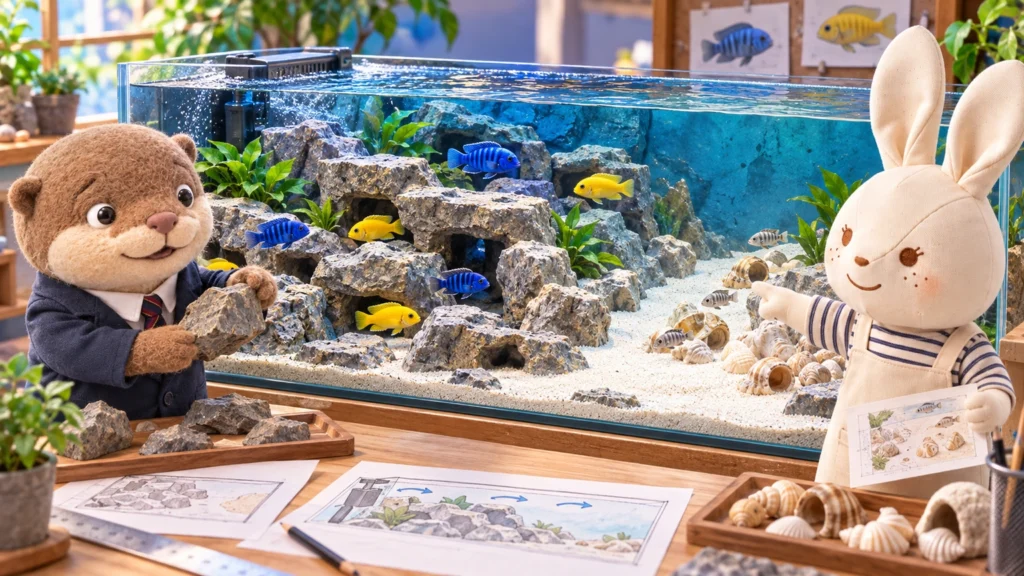 アイのアクアグッズ案内アフリカンシクリッドの飼育用品|水槽・ろ過・底砂・岩組み・餌の選び方道具の特徴や使い方、選ぶときのポイントをアイが紹介します。記事はコチラ →
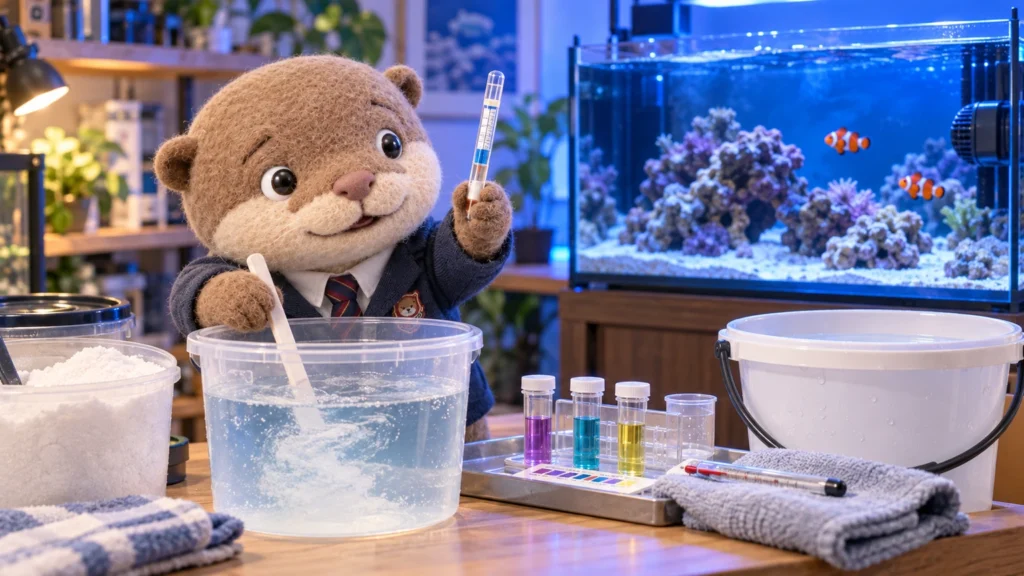 アイのアクアグッズ案内海水魚初心者の必需品|水槽・人工海水・比重計・水質検査道具の特徴や使い方、選ぶときのポイントをアイが紹介します。記事はコチラ →
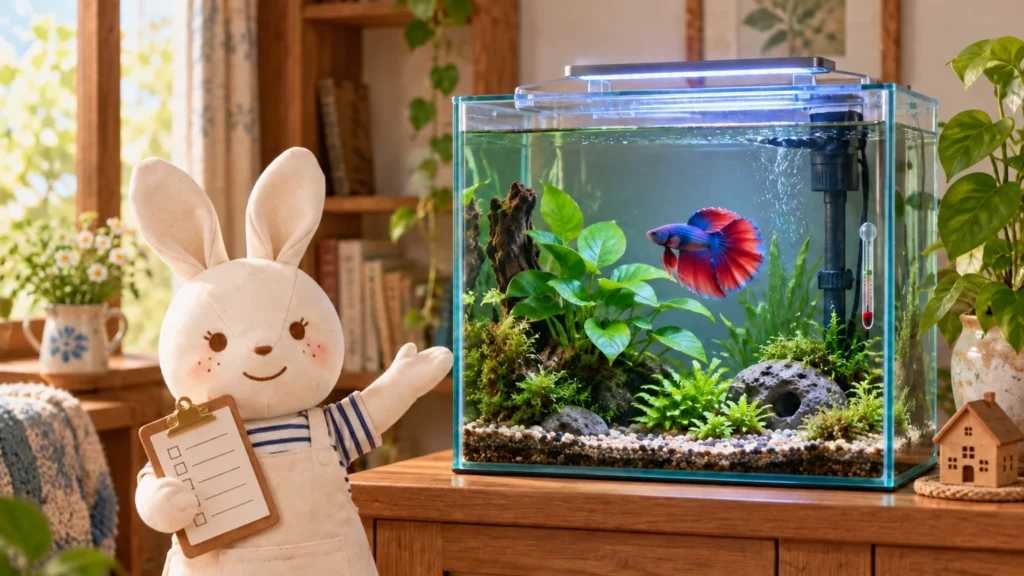 アイのアクアグッズ案内ベタの一匹飼いを楽しむ|水槽・ヒーター・ふた・フィルターの選び方ベタの一匹飼いに向く水槽容量、ふたと空気層、ヒーターと水温計、弱い水流のフィルターを、コタロウとアイの会話で分かりやすく解説します。記事はコチラ →
さまざまな飼育テーマをご紹介。リンク先の記事には広告・商品紹介が含まれます。
案内・紹介記事一覧へ →分布マップ
ツブベニオウギガニ(Liomera margaritata)は、紅海やマダガスカルから東南アジア、日本、ニューカレドニアなどに至るインド西太平洋に分布します。日本では相模湾、紀伊半島、琉球列島などから知られ、駿河湾でも記録されています。
地図は分布地域全体を見渡すための概略表示です。表示範囲内のすべての海域に生息することを示すものではありません。マーカーの北緯10度・東経110度は表示用に設定した代表地点であり、実際の採集地点ではありません。Google Earthのリンクも同じ代表地点を開きます。
参考文献
-
WoRMS:Liomera margaritata (A. Milne-Edwards, 1873)
World Register of Marine Species(海洋生物の分類データベース)。学名、記載者、分類上の位置づけを確認できます。 -
Lee, S. H. & Ko, H. S.(2011)New Records of Three Xanthid Crabs (Decapoda: Brachyura: Xanthidae) from Jejudo Island in Korea
Korean Journal of Systematic Zoology, 27(2), 183–190。ツブベニオウギガニの形態、体色、生息環境、分布、雄の測定値、および2009年の採集に基づく韓国初記録を扱う原著論文です。 -
Takeda, M. & Takakura, H.(2025)Further notes on some subtidal crabs (Crustacea: Decapoda: Brachyura) from Suruga Bay, the Pacific coast of central Japan
Aquatic Animals, 2025, AA2025-8。ツブベニオウギガニの駿河湾での採集記録、甲羅の特徴、和名、国内外の分布を扱い、相模湾の水深85mからの既往記録にも言及しています。 -
Merck Veterinary Manual:Management of Aquarium Fish
水槽のろ過、水質管理、アンモニアと亜硝酸の監視、および銅による無脊椎動物への毒性を解説する獣医学資料です。水槽管理と薬剤使用上の注意に関する一般資料であり、本種固有の適温や必要水槽サイズを示すものではありません。 -
Shelley, C. & Lovatelli, A.(2011)Mud crab aquaculture — A practical manual
FAO Fisheries and Aquaculture Technical Paper, No. 567, 78 pp.。ノコギリガザミ属を対象とし、抱卵、ゾエア・メガロパ期、幼生用水槽、生き餌、共食い、疾病管理を解説しています。海産カニの繁殖と管理を理解するための比較資料であり、ツブベニオウギガニの繁殖手順や飼育数値を確立する資料ではありません。 -
The crustacean ecdysone cassette: A gatekeeper for molt and metamorphosis(2018)
The Journal of Steroid Biochemistry and Molecular Biology。甲殻類の脱皮と変態に関わるエクジソン系の調節機構を扱う総説です。脱皮ホルモンの説明を支える資料であり、本種へのヨウ素添加の効果を検証した研究ではありません。 -
国立保健医療科学院 H・CRISIS:No.25002 ウモレオウギガニによる食中毒(2024、沖縄県、麻痺性貝毒)
沖縄県の食中毒事例を掲載した公的資料です。ゆで汁と殻から麻痺性貝毒が検出された事例を通じ、オウギガニ科の有毒種と加熱後の危険性を確認できます。対象はウモレオウギガニであり、ツブベニオウギガニの毒性を直接示す資料ではありません。

コメント