


解説 / Description
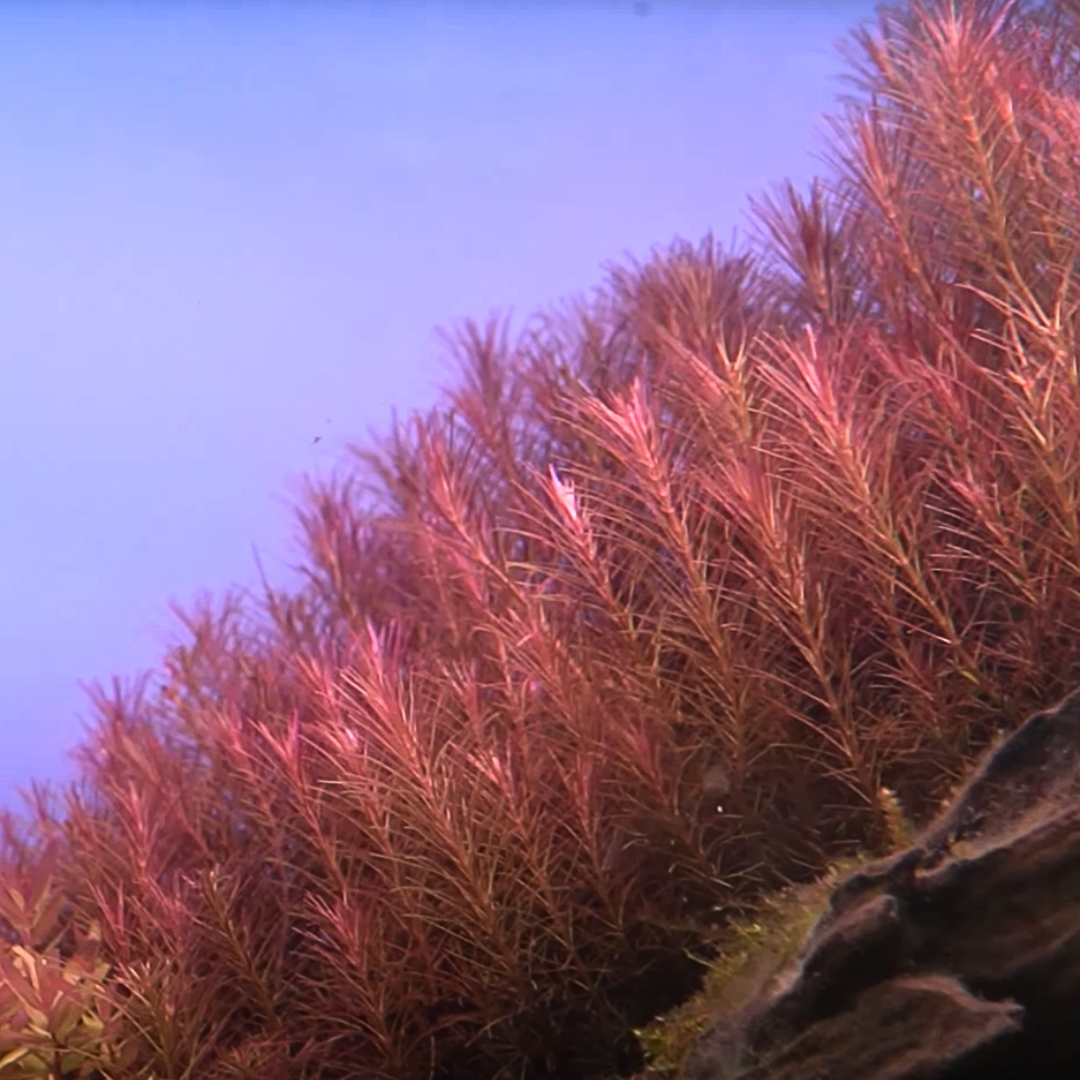
ロタラ・ワリッキーは、日本では「リスノシッポ(リスノオ)」という通称で古くから親しまれている有茎草の代表格です。針のように細く繊細な葉が茎を囲むように輪生し、光り輝くオレンジから鮮烈な赤色に染まる姿は、まさに水中の芸術品と呼ぶにふさわしい美しさを持っています。水草レイアウトにおいては、その独特の質感と色彩が視線を惹きつけるフォーカルポイントとして重宝されますが、本来の美しさを引き出すには高光量と安定したCO2添加が不可欠であり、アクアリストの腕が試される種でもあります。 Rotala wallichii, widely known by the common name Whorly Rotala, is a quintessential stem plant celebrated for its delicate, needle-like leaves that grow in whorls around the stem. When provided with optimal conditions, it transforms into a brilliant display of orange to vivid red, resembling a masterwork of aquatic art. In aquascaping, its unique texture and coloration make it a prized focal point, though it demands high light intensity and stable CO2 injection to reach its full potential, representing a rewarding challenge for dedicated aquarists.
基本情報 / Basic Information
| 学名 / Scientific Name | Rotala wallichii |
|---|---|
| 通称 / Common Name | リスノシッポ、リスノオWhorly Rotala, Rotala Wallichii |
| 分類 / Family | ミソハギ科(Lythraceae)キカシグサ属(Rotala)Lythraceae / Genus Rotala |
| 分布 / Distribution | インド、東南アジア、中国などの熱帯アジア圏Tropical Asia, including India, Southeast Asia, and China. |
| 育成難易度 / Difficulty | 中級〜上級(美しい発色には環境管理が必須)Moderate to Difficult (Environmental management is essential for vivid color). |
育成環境 / Cultivation Environment
| 光量 / Light | 高光量(60cm規格水槽で2400〜3000ルーメン以上を推奨)High (Recommended 2400-3000 lumens or more for a standard 60cm tank). |
|---|---|
| CO2添加 / CO2 Injection | 必須(60cm規格水槽で1秒に1滴〜1.5滴程度を安定供給)Essential (Stable supply of about 1 drop per 1-1.5 seconds for a standard 60cm tank). |
| 水質 / Water Quality | 弱酸性(pH 5.5 – 7.0)、軟水(GH 2 – 8)を好むPrefers slightly acidic (pH 5.5 – 7.0) and soft water (GH 2 – 8). |
| 底床 / Substrate | 水草用ソイルが最適(栄養分を含み、pHを低く保てるもの)Aqua soil is ideal (Nutrient-rich and capable of maintaining low pH). |
レイアウト / Layout
| 配置 / Positioning | 中景から後景(密度を高めて群生させると効果的)Mid-ground to Background (Most effective when planted in dense clusters). |
|---|---|
| 注意点 / Precautions | 葉が非常に繊細なため、お掃除役の魚やエビによる食害に注意。Leaves are extremely delicate; be cautious of grazing by utility fish or shrimp. |
増やし方(トリミング) / Propagation & Trimming
| 増やし方 / Propagation | 差し戻し、またはカットした脇芽からの増殖Propagation via replanting cuttings or side shoots from trimmed nodes. |
|---|---|
| トリミング / Trimming | ピンチカット(切り戻し)によって密度を高める。頂端を差し戻して更新する。Use pinch-cutting to increase density. Renew the cluster by replanting the healthy tops. |
病気と対策(コケなど) / Pests & Algae
| かかりやすい病気 / Common Issues | 水質急変による頂端の縮れ、アオミドロなどの糸状コケの付着。Stunted growth tips due to sudden water quality changes; attachment of filamentous algae. |
|---|---|
| 対策と予防 / Prevention | 換水時のpHショックを避け、換水用の水はあらかじめ調整する。Avoid pH shock during water changes by pre-adjusting the replacement water. |
雑学と豆知識 / Trivia and Fun Facts
| 1. 学名に刻まれた植物学者の足跡 / 1. Traces of a Botanist in the Scientific Name | 学名の wallichii(ワリッキー)は、19世紀の著名な植物学者ナサニエル・ウォリッチへの献名です。彼はアジアの豊かな植生を世界に紹介した先駆者の一人であり、この繊細な水草が持つアジア的な美しさは、彼の名にふさわしい優雅さを備えています。ロタラという属名は、ラテン語の「車輪」に由来し、輪生する葉の姿にちなみます。 The species name ‘wallichii’ honors Nathaniel Wallich, a prominent 19th-century botanist who pioneered the introduction of Asian flora to the world. The delicate, Asian beauty of this aquatic plant possesses an elegance worthy of his name. The genus name ‘Rotala’ derives from the Latin word for ‘wheel,’ referring to the whorled arrangement of the leaves. |
|---|---|
| 2. 赤色色素アントシアニンの光防御戦略 / 2. The Photoprotective Strategy of Anthocyanin | ロタラ・ワリッキーが真っ赤に染まるのは、実は自分自身を守るための「日傘」を作っているからです。強い光の下では、光合成を担う細胞がダメージを受けるのを防ぐため、アントシアニンという赤い色素を蓄積して過剰な光を遮断します。そのため、赤く美しく育てるには、植物に「少し強い光」というストレスをあえて与えることが鍵となるのです。 The vivid red coloration of Rotala wallichii is actually a survival mechanism, functioning as a biological “parasol.” Under intense light, the plant accumulates red anthocyanin pigments to shield its photosynthetic cells from potential damage. Therefore, intentionally providing a “high-light stress” environment is the key to coaxing out its most beautiful red hues. |
| 3. 窒素制限:赤みを極める生化学テクニック / 3. Nitrogen Limitation: A Biochemical Technique for Deep Reds | さらに深い赤を目指す熟練のアクアリストは、水中の窒素(硝酸塩)濃度をあえて低く保つ「窒素制限」という手法を用います。植物は成長に必要な窒素が不足すると、体内のエネルギーを物理的な成長ではなく、二次代謝産物であるアントシアニンの合成へと振り向けるようになります。低窒素・高光量の絶妙なバランスこそが、燃えるような赤色を生む秘訣だと考えられています。 Experienced aquarists aiming for the deepest reds often utilize “nitrogen limitation,” a technique where nitrate levels in the water are intentionally kept low. When nitrogen—a primary fuel for growth—is scarce, the plant redirects its metabolic energy away from physical biomass production and toward the synthesis of anthocyanins. This delicate balance of low nitrogen and high light is considered the secret to producing its fiery coloration. |
| 4. 組織培養という安心の選択肢 / 4. Tissue Culture: A Safe and Reliable Choice | ロタラ・ワリッキーは組織培養でも増殖されます。例えばTropicaの1・2・Grow!は、メーカーが巻貝・コケ・農薬を含まないと説明する培養カップです。この説明は同製品についてのもので、流通する全ての株に当てはまる保証ではありません。植栽前には培養ゲルを洗い流し、株を小分けにします。 Rotala wallichii is also propagated through tissue culture. For example, Tropica describes its 1-2-Grow! cups as free from snails, algae and pesticides. This description applies to that product range and is not a guarantee for every plant in trade. Rinse off the culture gel and divide the plants into small portions before planting. |
| 5. 侵略性の低さと愛好家のモラル / 5. Low Invasiveness and Aquarist Responsibility | 米国農務省APHISの2015年の雑草リスク評価では、ロタラ・ワリッキーは米国を対象に低リスクと判定されています。ただし、定着・拡散に関する情報の不確実性も示されており、日本の自然環境での安全性を保証する評価ではありません。しかし、これは遺棄して良い理由にはなりません。トリミングで出た余剰分は、しっかりと乾燥させて可燃ゴミとして処分するのが、日本の豊かな生態系を守るアクアリストの大切なマナーです。 The USDA APHIS weed risk assessment of 2015 classified Rotala wallichii as low risk for the United States. It also noted uncertainty in establishment and spread information; this assessment does not guarantee ecological safety in Japan. However, this is not an excuse for irresponsible disposal. Properly drying and discarding trimming waste as combustible trash is a vital responsibility for aquarists to protect Japan’s rich ecosystem. |
まとめ / Conclusion
ロタラ・ワリッキーは、その名の通りリスの尻尾のような愛らしさと、燃え上がるような赤色を併せ持った素晴らしい水草です。育成には、日本の水道水が持つ軟水の特性を活かしつつ、高光量・CO2添加・適切な施肥といった「植物が求める環境」を整えてあげることが、成功への確かな近道となります。 Rotala wallichii is a magnificent aquatic plant that combines the charm suggested by its “squirrel tail” nickname with a fiery red coloration. Success in its cultivation lies in leveraging the naturally soft characteristics of Japanese tap water while providing the high light, CO2, and precise fertilization that the plant craves.
美しい茂みを作るためのトリミングや、赤みを引き出すための生化学的なアプローチなど、深く知るほどに応えてくれる奥深さがこの水草にはあります。ぜひ、あなたの水槽の中でこの繊細な至宝を輝かせてみてください。きっと、アクアリウムのさらなる楽しさを教えてくれるはずです。 From the trimming techniques required for dense clusters to the biochemical approaches for intensifying reds, this plant offers a depth that rewards the inquisitive aquarist. We invite you to let this delicate treasure shine in your aquarium; it is sure to unveil new levels of enjoyment in the hobby.

気になる道具や飼い方を見つけてみませんか?
 アイのアクアグッズ案内ラスボラ・ボララスの群泳を楽しむ飼育用品|水槽・ろ過・ヒーター・餌・水草道具の特徴や使い方、選ぶときのポイントをアイが紹介します。記事はコチラ →
 アイのアクアグッズ案内水換え・底砂掃除の道具の選び方|砂利・砂・ソイルに合うクリーナーとポンプ道具の特徴や使い方、選ぶときのポイントをアイが紹介します。記事はコチラ →
さまざまな飼育テーマをご紹介。リンク先の記事には広告・商品紹介が含まれます。
案内・紹介記事一覧へ →参考文献・出典元一覧
-
[植物分類・命名の由来]Plants of the World Online (POWO) – Royal Botanic Gardens, Kew. “Rotala wallichii (Hook.f.) Koehne”.
-
[育成データ・栽培環境]Tropica Aquarium Plants. “Rotala wallichii – Plant details”. (デンマークの世界的水草ファームによる栽培基準データ)
-
[植物生理学・アントシアニンに関する知見]Christel Kasselmann (2020) “Aquarium Plants”. (水草学の権威による専門書。赤色色素の形成と光量の関係について)
-
[施肥テクニック・窒素制限]The Barr Report. “Non-CO2 methods and nutrient limitation in aquatic plants”. (水草の赤みを引き出すための栄養制限理論の参照)
-
[生態系保護・リスク評価]USDA Animal and Plant Health Inspection Service (2015). Weed Risk Assessment for Rotala wallichii (Hook. f.) Koehne (Lythraceae) – Whorly rotala. Version 1, March 12, 2015. (米国を対象とした評価。低リスクと判定される一方、定着・拡散に関する情報の不確実性も示されています。)




コメント