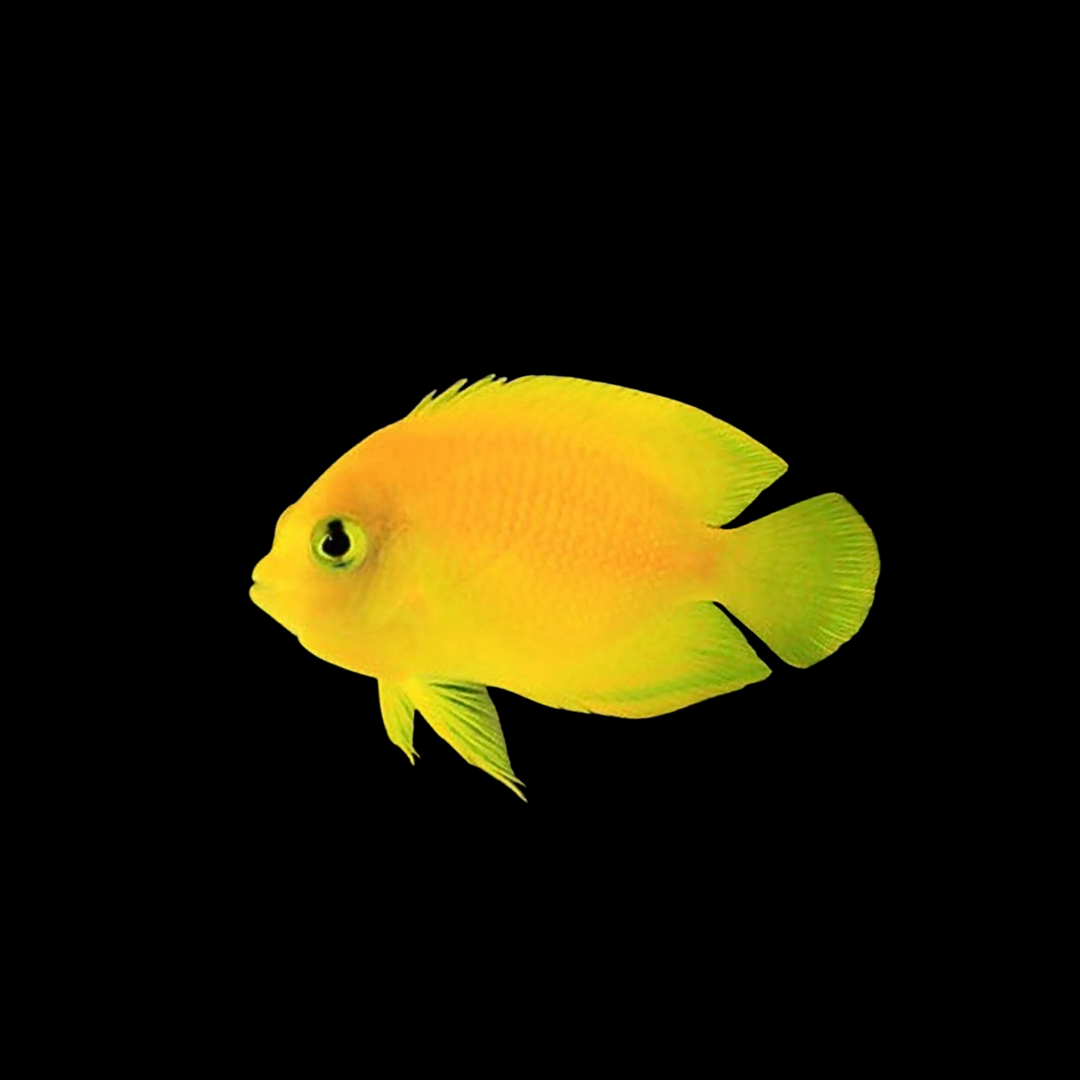
ヘラルドコガネヤッコは、全身が鮮烈な黄色一色に染まる非常に美しい海水魚です。サンゴ礁の外海に面した斜面などを好み、その明るい色彩は水中でもひときわ目を引きます。日本のマリンアクアリウム界では定番の小型ヤッコとして知られていますが、その飼育には「個体選び」と「環境への適応」という重要なステップがあります。環境に馴染んでしまえば非常に丈夫な魚ですが、導入初期の餌付けや水質管理には細心の注意が必要です。The Herald’s Angelfish is a remarkably beautiful marine fish, characterized by its entire body being dyed in a vivid, solid yellow. Preferring seaward reef slopes, its bright coloration stands out significantly even underwater. In the Japanese marine aquarium scene, it is known as a staple dwarf angelfish, but its keeping involves crucial steps: individual selection and environmental acclimation. While they become very hardy once settled, the initial phase of feeding and water quality management requires meticulous care.
西部太平洋から中央太平洋(日本南部、台湾、オーストラリア、マーシャル諸島など)Western to Central Pacific (Southern Japan, Taiwan, Australia, Marshall Islands, etc.)
最大体長 / Max Size
約10センチメートルから12センチメートルApproximately 10 cm to 12 cm
寿命 / Lifespan
約10年から15年(飼育下)Approximately 10 to 15 years (under aquarium conditions)
飼育環境 / Aquarium Environment
水槽サイズ / Tank Size
60センチメートル規格水槽(約60リットル)以上を推奨。長期飼育には90センチメートル水槽が理想。A standard 60 cm tank (approx. 60 liters) or larger is recommended. A 90 cm tank is ideal for long-term keeping.
水温 / Temperature
摂氏22度から27度(摂氏25度前後で安定させることが望ましい)22 to 27 degrees Celsius (it is desirable to stabilize around 25 degrees Celsius).
水質 / Water Quality
海水、比重1.020から1.025。プロテインスキマーの導入による高水質の維持が長期飼育の鍵。Saltwater, specific gravity 1.020 to 1.025. Maintaining high water quality with a protein skimmer is the key to long-term success.
レイアウト / Layout
複雑に組んだライブロック。落ち着ける隠れ家と、突くことができる藻類を発生させる。Complexly arranged live rock. Provide quiet hiding places and areas where algae can grow for pecking.
注意点 / Precautions
導入時は非常に臆病。鰓蓋の棘が網に絡まりやすいため、移動はプラケースで行う。They are very timid during introduction. Use plastic containers for movement as preopercular spines easily snag in nets.
餌と給餌 / Feeding
餌の種類 / Diet
草食性の強い雑食。導入初期は冷凍イサザアミなどで食欲を促し、徐々に植物性人工飼料へ移行。Primarily herbivorous omnivore. Use frozen mysis shrimp to stimulate appetite at first, then transition to plant-based pellets.
給餌のポイント / Feeding Tips
人工飼料への餌付けには個体差があり、苦労する場合もある。状態の良い個体を選ぶことが重要。There are individual differences in acclimating to artificial food, which can be challenging. Selecting a healthy individual is crucial.
性格と混泳 / Temperament and Tank Mates
性格 / Temperament
中程度の気の強さを持つ。慣れると他魚を追い回すこともあるため注意が必要。Possesses moderate aggression. Once settled, they may chase other fish, so caution is needed.
混泳の相性 / Compatibility
サンゴ(特にハードコーラル)を突く性質が強いため、サンゴ水槽での飼育は自己責任。Since they have a strong habit of pecking at corals (especially hard corals), keeping them in reef tanks is at your own risk.
病気と対策 / Diseases and Prevention
かかりやすい病気 / Common Diseases
白点病、ウーディニウム病。ストレスや水質悪化から頭部および側線浸食症(HLLE)を招く。Cryptocaryon irritans (White Spot) and Amyloodinium. Stress or poor water quality can lead to HLLE.
対策と予防 / Prevention
水質の安定とビタミン剤の添加。銅治療には非常に敏感なため、投与濃度には細心の注意を払う。Stabilize water quality and add vitamin supplements. Be extremely careful with copper treatment concentrations as they are sensitive.
増やし方(繁殖) / Breeding
雌雄の判別 / Sexing
オスは眼の周囲の暗色斑がより拡大し、メスに比べて体格が大きくなる傾向がある。Males tend to have larger dark patches around the eyes and a larger body size compared to females.
繁殖形態 / Reproduction
雌性先熟の性転換を行い、1匹のオスが複数のメスを率いるハレムを構成する。They undergo protogynous sex change, with one male leading a harem of several females.
繁殖のポイント / Breeding Tips
水槽内での産卵例はあるが、孵化した浮遊性卵から仔魚を育てるのは一般家庭では困難。Spawning in tanks has been recorded, but raising larvae from pelagic eggs is difficult in a home environment.
雑学と豆知識 / Trivia and Fun Facts
1. 学名に込められた先人への敬意 / 1. Respect for Pioneers Imbued in the Scientific Name
本種の学名 Centropyge heraldi は、アメリカの魚類学者アール・ヘラルド博士への献名です。彼はスタインハート水族館の館長を務めるなど、海洋生物学の教育と発展に尽力しました。調査中の事故で帰らぬ人となりましたが、その情熱はこの魚の名称として、今もアクアリウムの世界に生き続けています。The scientific name “Centropyge heraldi” is dedicated to the American ichthyologist Dr. Earl Herald. He devoted his life to the education and advancement of marine biology, notably as the director of the Steinhart Aquarium. Though he passed away in an accident during research, his passion lives on in the aquarium world through the name of this fish.
2. サンゴ礁の巧妙な擬態関係 / 2. Ingenious Mimicry in the Coral Reef
ヘラルドコガネヤッコは、他の魚の「お手本」になることがあります。ナメラハギの幼魚は、本種の鮮やかな黄色をそっくりに真似ることで、捕食者から逃れています。本種のようなヤッコ類は逃げ足が速くトゲもあるため、そのフリをすることで「食べにくそうな相手」に見せかけているのです。Herald’s Angelfish often serves as a “role model” for other fish. Juvenile Mimic Surgeonfish evade predators by imitating this species’ bright yellow color. Since angelfish like this one are fast and spiny, the mimicry makes the surgeonfish look like a “difficult target to eat.”
3. 過去の汚名と現代の評価 / 3. Past Stigma and Modern Evaluation
かつて「ヘラルドは弱い」と言われていた時期がありました。その原因は生体自体ではなく、当時の粗悪な採集・輸送環境にありました。現在ではハンドキャッチによる丁寧な採集と、高度な検疫・輸送技術により、適切な個体を選べば非常に長く付き合える丈夫な種類であることが証明されています。There was a time when it was said that “Herald’s are weak.” The cause was not the fish itself, but the poor collection and transport environments of the time. Today, thanks to careful hand-catching and advanced quarantine and shipping techniques, they are proven to be a hardy species that can live long lives if the right individual is chosen.
4. 希少な交雑個体「ブラックタイガー」 / 4. The Rare Hybrid “Black Tiger”
本種は近縁のナメラヤッコやエイブルズエンゼルと交雑することがあります。その際に稀に現れる、黄色い体に黒い縞模様が入る個体は「ブラックタイガー」と呼ばれます。これは独立した種ではなく、自然界での出会いが生んだ奇跡的な色彩変異であり、コレクターの間で非常に珍重されています。This species sometimes hybridizes with the closely related Halfblack or Eibl’s Angelfish. The rare individuals with black stripes on a yellow body are called “Black Tigers.” Not a separate species, this is a miraculous color variation born from natural encounters, highly prized among collectors.
まとめ / Conclusion
ヘラルドコガネヤッコは、その鮮明な黄色によって水槽内に圧倒的な存在感をもたらしてくれる魅力的な海水魚です。環境に馴染めば10年以上という長い歳月を共に過ごすことができますが、そのためには導入時の丁寧な餌付けと、プロテインスキマーなどを用いた安定した水質の確保が欠かせません。The Herald’s Angelfish is a captivating marine fish that brings an overwhelming presence to an aquarium with its vivid yellow. Once acclimated, they can spend over a decade with you, but this requires careful initial feeding and ensuring stable water quality using equipment like a protein skimmer.
サンゴへの食害リスクがあるため、リーフタンクへの導入は慎重な判断が求められます。しかし、そのリスクを理解した上で向き合えば、本種が見せる社会性や豊かな表情は、あなたのアクアリウムライフをより深いものにしてくれるはずです。Due to the risk of pecking at corals, careful judgment is required for introduction into reef tanks. However, if you face this challenge with an understanding of the risks, the social behavior and rich expressions this species shows will surely deepen your aquarium life.
Woods, L. P., & Schultz, L. P.(1953).
Description of Centropyge heraldi. In: Fishes of the Marshall and Marianas Islands. Bulletin of the United States National Museum, No. 202, Vol. 1. (原記載論文)
Kuwamura, T.(1987).
Nighttime shelter and spawning sites of the angelfish Centropyge heraldi at Yakushima Island, Japan. Japanese Journal of Ichthyology, Vol. 34, No. 3, pp. 398-401. (日本国内における本種の生息および繁殖行動に関する研究)
Gaither, M. R., et al.(2014).
The evolutionary history of the golden angelfishes (Centropyge flavissima complex): evidence for ecological speciation and adaptive introgression. Marine Biology, 161(3), 681-691. (本種を含む複合体の遺伝的解析)
FishBase.
Centropyge heraldi, Herald’s angelfish. Global Information System on Fishes. https://www.fishbase.se/summary/Centropyge-heraldi.html (世界標準の魚類データベース)
Pyle, R. L.(2003).
A systematic review of the Indo-Pacific angelfishes (Pomacanthidae). University of Hawaii at Manoa. (インド・太平洋産キンチャクダイ科の系統分類に関する包括的記述)



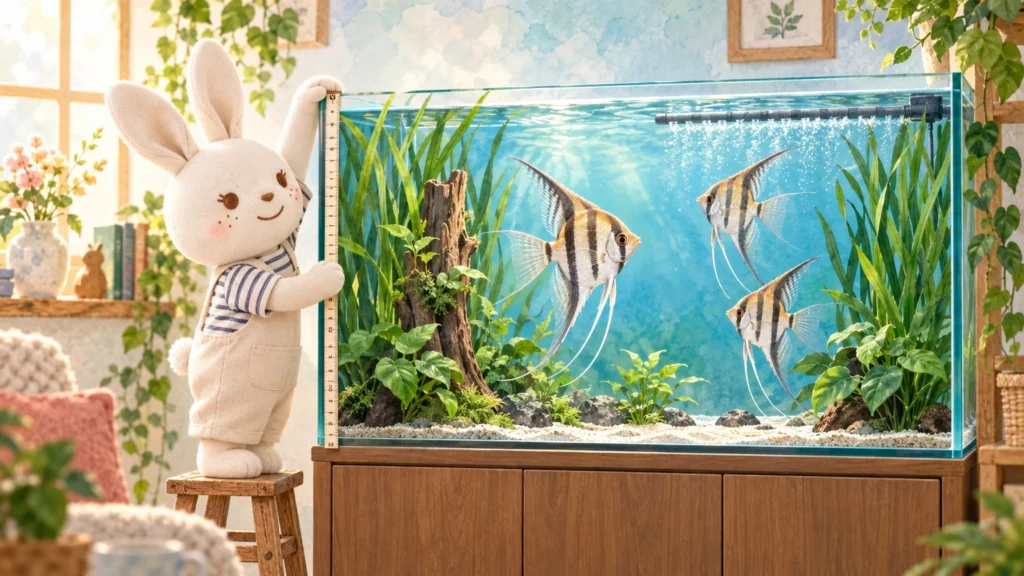 アイのアクアグッズ案内エンゼルフィッシュの飼育用品|高さのある水槽・ろ過・水草・餌の選び方道具の特徴や使い方、選ぶときのポイントをアイが紹介します。記事はコチラ →
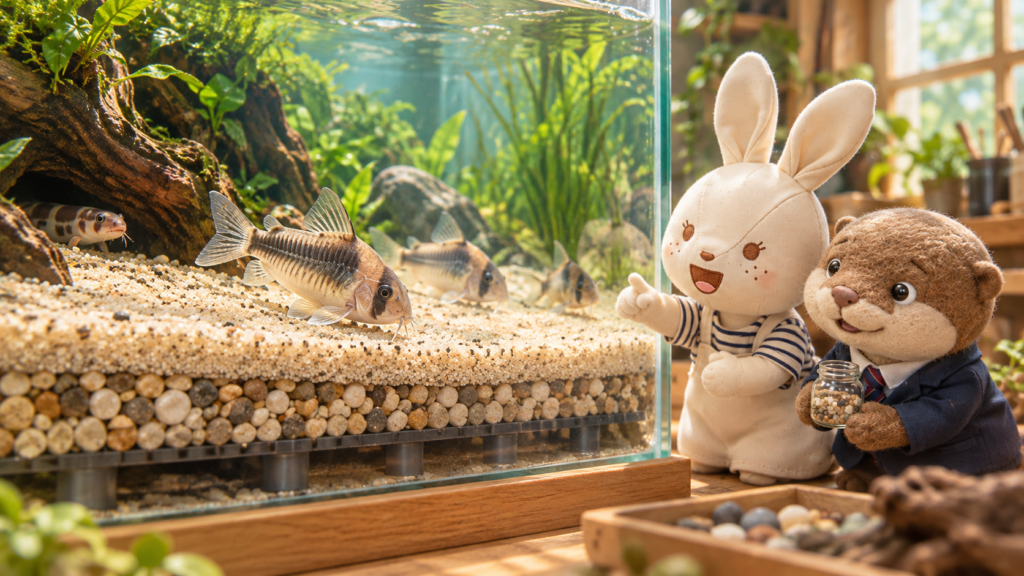 アイのアクアグッズ案内水槽の底砂の選び方|砂・砂利の違いとおすすめ商品道具の特徴や使い方、選ぶときのポイントをアイが紹介します。記事はコチラ →
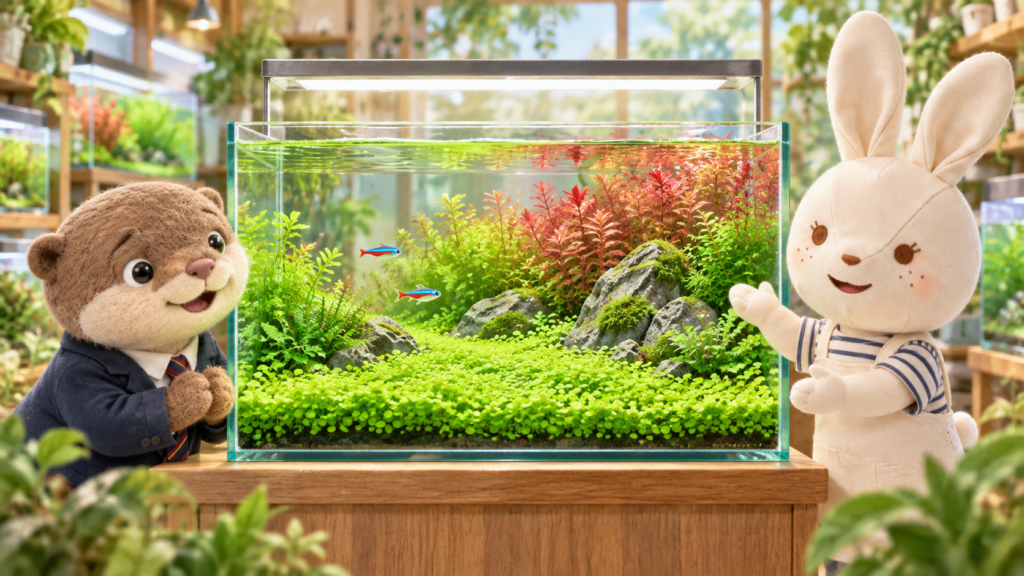 アイのアクアグッズ案内水草用ライトの選び方|緑の絨毯と赤い水草を楽しむ照明・植栽用品道具の特徴や使い方、選ぶときのポイントをアイが紹介します。記事はコチラ →
 アイのアクアグッズ案内プレコ飼育に必要なもの|餌・流木・ろ過・隠れ家・掃除用品道具の特徴や使い方、選ぶときのポイントをアイが紹介します。記事はコチラ →




コメント