

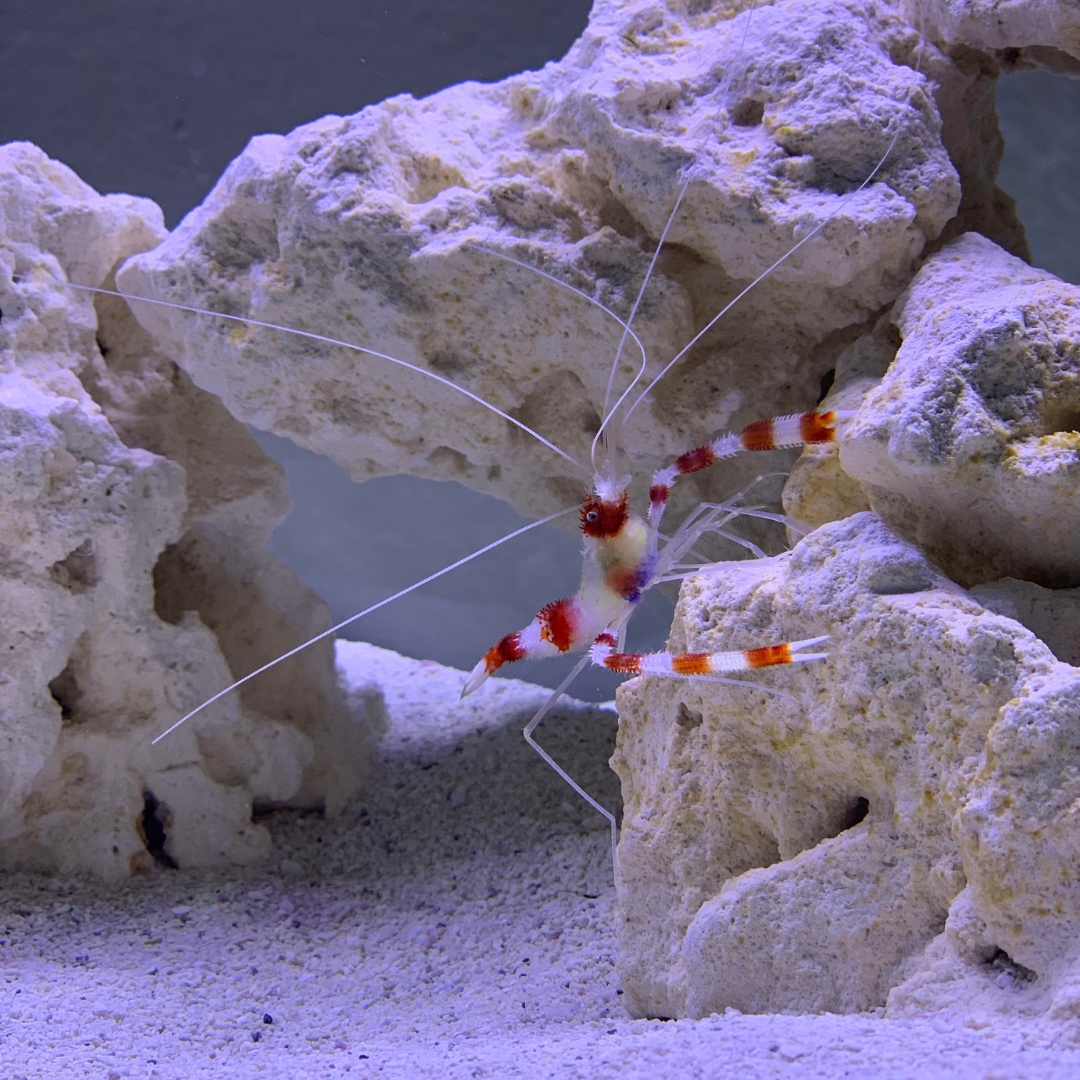
解説 / Description
オトヒメエビは、紅白の帯模様と長く白い触角、そして大きな鋏脚が印象的な海水性の甲殻類です。サンゴ礁や岩礁の洞窟、岩陰にすみ、大型魚の体表や口内から寄生虫や食べ残しをつまみ取る「クリーナー」としても知られています。水槽内では丈夫で見栄えがよく、ウミケムシ対策として語られることもありますが、同種や小型のエビ・魚に対しては攻撃的になることがあるため、混泳相手と隠れ家づくりが飼育成功の鍵になります。 The Banded Coral Shrimp is a marine crustacean admired for its red-and-white banding, long white antennae, and oversized chelae. In the wild, it lives in reef crevices, caves, and shaded rocky areas, where it is known as a cleaner that removes parasites and food debris from visiting fish. In aquariums it is hardy and highly decorative, and it is sometimes introduced as a bristleworm-control helper. However, because it can be territorial and aggressive toward conspecifics, small shrimps, and slow small fish, careful tank-mate selection and secure hiding places are essential.
基本情報 / Basic Information
| 学名 / Scientific Name | Stenopus hispidus |
|---|---|
| 通称 / Common Name | オトヒメエビ、バーバーポールシュリンプ、クリーナーシュリンプ、ボクサーシュリンプBanded Coral Shrimp, Barber-pole Shrimp, Cleaner Shrimp, Boxer Shrimp |
| 分類 / Family | 節足動物門 甲殻亜門 軟甲綱 十脚目 抱卵亜目 オトヒメエビ下目 オトヒメエビ科 オトヒメエビ属Phylum Arthropoda, Subphylum Crustacea, Class Malacostraca, Order Decapoda, Suborder Pleocyemata, Infraorder Stenopodidea, Family Stenopodidae, Genus Stenopus |
| 英名 / English Name | Banded Coral Shrimp |
| 分布 / Distribution | インド太平洋、紅海、東アフリカ、東南アジア、オーストラリア、ポリネシア、ハワイ、西部大西洋、カリブ海、メキシコ湾、ブラジル沿岸などの熱帯・亜熱帯海域。日本では房総半島以南の太平洋沿岸や琉球列島のサンゴ礁域で見られます。Tropical and subtropical seas across the Indo-Pacific, Red Sea, East Africa, Southeast Asia, Australia, Polynesia, Hawaii, the western Atlantic, the Caribbean, the Gulf of Mexico, and the coast of Brazil. In Japan, it occurs from around the Boso Peninsula southward, especially in reef habitats of the Ryukyu Islands. |
| 最大体長 / Max Size | 通常は体長4〜7cmほど。条件がよい環境では約9cmに達する個体も知られています。触角は体長を大きく超えて伸びます。Usually about 4–7 cm in body length, with some individuals reaching around 9 cm under favorable conditions. The antennae extend far beyond the body length. |
| 寿命 / Lifespan | 飼育下ではおおむね2〜3年が目安です。安定した水質、十分な隠れ家、脱皮を妨げない環境が整うと、より長期の飼育も期待できます。A typical aquarium lifespan is about 2–3 years. Longer maintenance is possible when water quality is stable, hiding places are abundant, and molting is not disturbed. |
飼育環境 / Aquarium Environment
| 水槽サイズ / Tank Size | 単独飼育なら40cm水槽、より余裕を見るなら45cm規格水槽以上が扱いやすいです。ペア飼育や混泳を考える場合は、縄張りを分けやすい60cm規格水槽以上を推奨します。A 40 cm tank can house a single specimen, while a standard 45 cm tank or larger is easier to manage. For a pair or community setup, a standard 60 cm tank or larger is recommended so territories and shelters can be arranged safely. |
|---|---|
| 水温 / Temperature | 22〜27℃、理想は25℃前後です。30℃を超える高水温や20℃以下の低水温は負担になりやすいため、夏場は水槽用クーラーや冷却ファンで安定させます。 22–27°C, ideally around 25°C. Temperatures above 30°C or below 20°C can be stressful, so use an aquarium chiller or cooling fan during hot seasons. |
| 水質 / Water Quality | 比重1.020〜1.026、pH8.0〜8.4、KH8〜12を目安に、アンモニアと亜硝酸は検出されない状態を維持します。硝酸塩は20ppm以下を目標に、定期的な換水と十分な生物ろ過を行います。Aim for a specific gravity of 1.020–1.026, pH 8.0–8.4, and KH 8–12, with ammonia and nitrite kept undetectable. Keep nitrate below about 20 ppm through regular water changes and strong biological filtration. |
| レイアウト / Layout | サンゴ砂やライブロックを使い、洞窟、岩の割れ目、オーバーハング状の隠れ家を複数つくります。日中は暗い場所に潜むため、開けた空間だけでなく、脱皮直後に身を守れる安全な退避場所を用意することが大切です。Use coral sand and live rock to create caves, crevices, and overhang-style shelters. Because the shrimp hides in shaded areas during the day, the layout should include secure retreats where it can remain protected immediately after molting. |
| 注意点 / Precautions | 甲殻類は銅成分に非常に弱いため、銅を含む魚病薬は使用できません。導入時は水温・比重・pHの急変に弱いため、1時間以上かけた点滴法で慎重に水合わせを行います。脱皮前後は刺激を与えず、混泳魚に追われない環境を保ちます。Crustaceans are highly sensitive to copper, so copper-based fish medications must not be used. During introduction, acclimate slowly with a drip method for at least one hour because sudden changes in temperature, salinity, or pH can be harmful. Avoid disturbing the shrimp around molting and keep it safe from harassing tank mates. |
餌と給餌 / Feeding
| 餌の種類 / Diet | 沈下性の人工飼料、海水魚用ペレット、冷凍イサザアミ、細かく刻んだアサリやイカ、魚の切り身などを食べます。自然界では小型無脊椎動物、デトリタス、魚体についた寄生虫や食べ残しなども利用します。It accepts sinking prepared foods, marine fish pellets, frozen mysids, finely chopped clam or squid, and small pieces of fish. In the wild, it also feeds on small invertebrates, detritus, parasites, and food debris removed from client fish. |
|---|---|
| 給餌のポイント / Feeding Tips | 週に2〜3回を目安に、食べ残しが出ない量を与えます。魚の餌だけで空腹を満たせる場合もありますが、極端な空腹は小型のエビや魚への攻撃につながることがあります。ウミケムシ対策として期待する場合でも、過度な絶食は水槽全体のトラブルになりやすいため、様子を見ながら調整します。Feed small portions two to three times per week, avoiding leftovers. It may scavenge uneaten fish food, but severe hunger can increase the risk of attacks on small shrimps or fish. Even when introduced to help control bristleworms, avoid excessive starvation and adjust feeding while observing the aquarium. |
性格と混泳 / Temperament and Tank Mates
| 性格 / Temperament | 見た目は優雅ですが、性格はかなり縄張り意識が強いタイプです。日中は岩陰に潜み、夜間に活動しやすく、長い触角と大きな鋏脚で周囲を探りながら餌を探します。確立したペア以外の同種には強い攻撃を示すことがあります。Despite its elegant appearance, it is strongly territorial. It usually hides during the day and becomes more active at night, using its long antennae and large chelae to explore for food. It may attack conspecifics unless they are an established pair. |
|---|---|
| 混泳の相性 / Compatibility | オトヒメエビを捕食しない温和な中型の遊泳魚とは比較的合わせやすい一方、ハタタテハゼなどの小型で動きの遅い魚、小型の観賞用エビ、同種の未ペア個体との混泳は危険です。モンガラカワハギ、大型肉食魚、タコ、ウツボなどは逆に本種を食べる可能性があるため避けます。サンゴへの被害は少ないため、基本的にはサンゴ水槽にも入れやすい種類です。It can often be kept with peaceful medium-sized swimming fish that will not prey on it. Avoid very small or slow fish, small ornamental shrimps, and unpaired conspecifics. Triggerfish, large predatory fish, octopuses, and moray eels may eat it and should be avoided. Because it rarely damages corals, it is generally considered suitable for reef aquariums. |
病気と対策 / Diseases and Prevention
| かかりやすい病気 / Common Diseases | 魚の白点病のような典型的な魚病よりも、水質悪化、浸透圧ショック、脱皮不全、輸送ストレス、外傷による衰弱が問題になりやすいです。脚や鋏を失うことがありますが、安定した環境では脱皮を重ねて再生することがあります。Rather than typical fish diseases such as marine ich, the main problems are poor water quality, osmotic shock, molting failure, shipping stress, and injuries. Legs or chelae may be lost, but they can regenerate through subsequent molts under stable conditions. |
|---|---|
| 対策と予防 / Prevention | アンモニアと亜硝酸を出さないろ過、定期的な換水、安定した比重、十分な酸素供給を維持します。脱皮に備えてヨウ素などの微量元素が不足しにくいよう、良質な人工海水と換水を基本に管理します。薬品を使う場合は、甲殻類に使用できるか必ず確認し、銅系薬剤は避けます。Maintain filtration that keeps ammonia and nitrite at zero, perform regular water changes, keep salinity stable, and provide good oxygenation. Use quality artificial sea salt and water changes to help prevent trace element deficiencies related to molting. Before using any medication, confirm that it is safe for crustaceans, and avoid copper-based treatments. |
増やし方(繁殖) / Breeding
| 雌雄の判別 / Sexing | 一般に雌は雄より大きくなりやすく、腹部の遊泳脚周辺が抱卵に適した広い印象になります。雄は鋏脚が目立つ傾向があります。抱卵した雌は腹部に青緑色の卵を抱えるため判別しやすくなります。Females are generally larger and have a broader abdominal area suited to carrying eggs, while males tend to show more prominent chelae. Gravid females are easy to identify because they carry blue-green eggs under the abdomen. |
|---|---|
| 繁殖形態 / Reproduction | 雌の脱皮直後に交尾が行われ、産卵後は雌が腹部の遊泳脚に卵を抱えます。卵は水温によりおよそ2〜3週間で孵化します。孵化後の幼生は長い浮遊幼生期を過ごすため、一般的な家庭水槽で稚エビまで育てるのは非常に難しいです。Mating occurs shortly after the female molts, and the female carries the eggs on her abdominal swimmerets. Depending on temperature, the eggs hatch in about two to three weeks. The larvae have a very long planktonic phase, making it extremely difficult to rear them to juvenile size in a typical home aquarium. |
| 繁殖のポイント / Breeding Tips | ペアが成立していれば抱卵までは観察できることがあります。ただし、孵化したゾエア幼生はフィルターやプロテインスキマーに吸い込まれやすく、さらに長期間にわたってワムシやアルテミア幼生などの微小な生き餌と高い水質管理が必要です。繁殖を狙う場合は親水槽とは別に、吸い込みのない専用育成水槽を準備する必要があります。If a stable pair is established, egg carrying may be observed. However, newly hatched zoea larvae are easily drawn into filters or protein skimmers, and they require tiny live foods such as rotifers and Artemia nauplii along with excellent water quality for an extended period. A dedicated larval-rearing tank without dangerous intake flow is needed for any serious breeding attempt. |
雑学と豆知識 / Trivia and Fun Facts
| 1. 名前に込められた姿の印象 / 1. A Name Inspired by Its Appearance | 和名の「オトヒメエビ」は、長く白い触角と紅白の華やかな姿が、浦島太郎の物語に登場する竜宮城の乙姫を思わせることに由来するとされています。一方、英名の「Barber-pole Shrimp」は、赤、白、青の配色が理容店のサインポールに似ることから生まれた呼び名です。同じ生き物でも、日本では物語性、英語圏では色彩の比喩が名前に表れている点が面白いところです。The Japanese name “Otohime-ebi” is said to come from its long white antennae and ornate red-and-white appearance, reminiscent of Princess Otohime from the legend of Urashima Taro. The English name “Barber-pole Shrimp” refers to its red, white, and bluish coloration, which resembles a barber’s pole. It is a charming example of how the same animal can be named through folklore in Japan and visual analogy in English-speaking regions. |
|---|---|
| 2. サンゴ礁の小さなクリーニングステーション / 2. A Tiny Cleaning Station on the Reef | オトヒメエビは、岩陰や洞窟の入口で触角を揺らしながら魚を招くような行動を見せます。別属のクリーナーシュリンプ Urocaridella sp. c では、空腹時ほどロッキングダンスが増え、魚への清掃サービスの合図として働くことが研究されています。この研究はオトヒメエビを対象にしたものではありません。魚は寄生虫や古い組織を取り除いてもらい、エビは栄養価の高い餌を得るため、サンゴ礁では双方に利益のある関係が成り立っています。The shrimp often positions itself near a crevice or cave entrance and waves its antennae as if advertising its service to fish. In the cleaner shrimp Urocaridella sp. c, which belongs to a different genus, rocking dances increase with hunger and advertise cleaning services to fish. This study did not examine Stenopus hispidus. The fish benefit from the removal of parasites and dead tissue, while the shrimp gains a nutritious meal, forming a mutually beneficial reef interaction. |
| 3. 脚を失っても再生できる甲殻類の力 / 3. The Regenerative Power of a Crustacean | 大きな鋏脚や歩脚を失った場合でも、オトヒメエビは脱皮を重ねながら少しずつ再生できます。最初の脱皮で出てくる脚は小さく半透明なことが多く、その後の脱皮でサイズと色が戻っていきます。これは単なる「治る」という現象ではなく、脱皮という成長システムと再生が結びついた、甲殻類ならではの見事な仕組みです。Even if it loses a large claw or walking leg, the shrimp can gradually regenerate the appendage through successive molts. The first regenerated limb is often small and translucent, with size and coloration improving over later molts. This is not merely wound healing; it is a remarkable crustacean system in which regeneration is linked to the molting cycle. |
| 4. 家庭水槽で産卵しても育成が難しい理由 / 4. Why Larval Rearing Is So Difficult at Home | ペアが安定していれば、家庭水槽でも抱卵までは観察できることがあります。しかし、孵化した幼生は非常に小さく、長い期間を浮遊しながら成長するため、一般的なフィルターや水流に巻き込まれやすく、餌も成長段階に合わせた微小な生き餌が必要になります。水槽内で産卵を見られることと、稚エビまで育てることの間には、大きな技術的な隔たりがあります。A stable pair may carry eggs even in a home aquarium. However, the larvae are extremely small and spend a long period drifting in the water column, making them vulnerable to filters and strong flow. They also require tiny live foods matched to their developmental stages. Observing egg carrying in the display tank and raising larvae to juvenile size are therefore very different challenges. |
| 5. ウミケムシ対策としての現実的な見方 / 5. A Realistic View of Bristleworm Control | オトヒメエビはウミケムシを食べることがあり、ライブロック水槽の「お掃除役」として紹介されることがあります。ただし、人工飼料や魚の食べ残しが十分にある水槽では、必ずしもウミケムシを優先して狙うとは限りません。大量発生時には、エビだけに頼らず、トラップやピンセットでの除去、ライブロック管理の見直しを組み合わせるのが現実的です。The Banded Coral Shrimp may eat bristleworms and is sometimes described as a cleanup helper for live-rock aquariums. However, if prepared foods and leftovers are abundant, it may not prioritize bristleworms. In a serious outbreak, it is more realistic to combine the shrimp’s help with traps, manual removal, and a review of live-rock and feeding management. |
まとめ / Conclusion
オトヒメエビは、鮮やかな体色、長い触角、クリーニング行動という見どころを持つ、海水水槽の定番ともいえる甲殻類です。飼育自体は比較的丈夫で、45cm規格水槽以上の安定した海水環境があれば楽しみやすい種類ですが、銅系薬剤、水質急変、脱皮時のストレスには注意が必要です。 The Banded Coral Shrimp is a classic marine aquarium crustacean, valued for its vivid coloration, long antennae, and cleaning behavior. It is relatively hardy and can be enjoyed in a stable marine setup of a standard 45 cm tank or larger, but copper medications, sudden water-quality changes, and stress around molting must be avoided.
混泳では、同種の未ペア個体や小型のエビ・遅い小魚との相性に注意し、十分な隠れ家を用意することが大切です。ウミケムシ対策やサンゴ礁らしい雰囲気づくりにも役立つ一方、強い縄張り意識を持つ生き物であることを理解して飼育すれば、長く観察を楽しめる魅力的な存在になります。 For community keeping, avoid unpaired conspecifics, small shrimps, and slow small fish, and provide plenty of shelters. It can contribute to bristleworm control and add a reef-like atmosphere, but it should be kept with an understanding of its strong territorial nature. With the right setup, it becomes a fascinating animal to observe over the long term.
気になる道具や飼い方を見つけてみませんか?
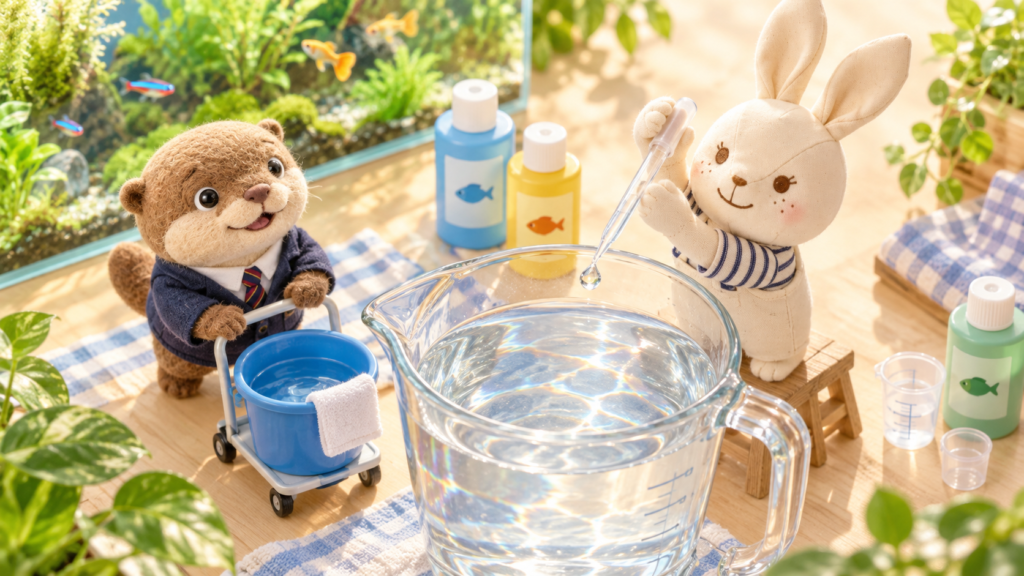 アイのアクアグッズ案内カルキ抜き・水質調整剤の選び方|水換えと水槽の種類に合わせて選ぶ道具の特徴や使い方、選ぶときのポイントをアイが紹介します。記事はコチラ →
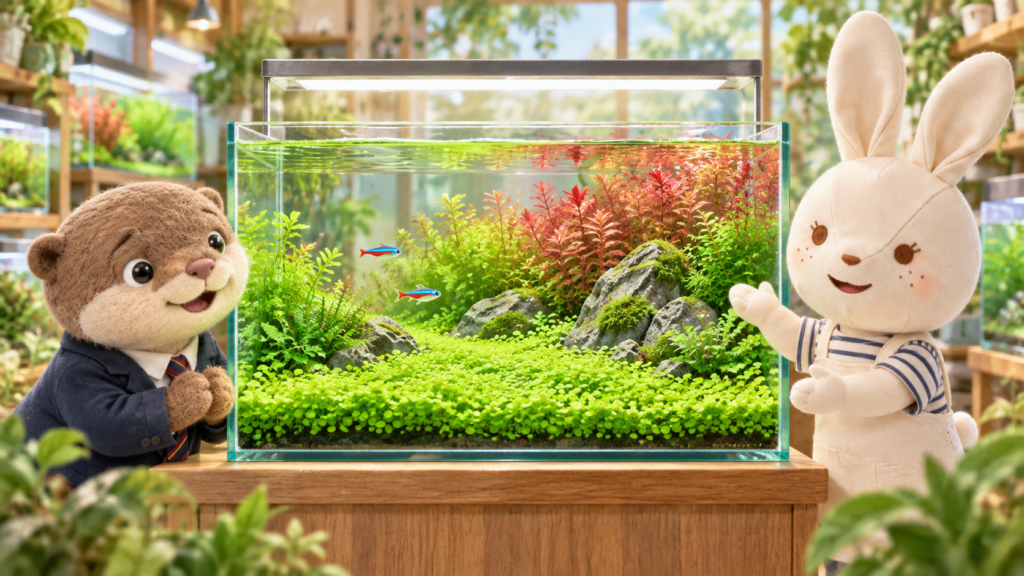 アイのアクアグッズ案内水草用ライトの選び方|緑の絨毯と赤い水草を楽しむ照明・植栽用品道具の特徴や使い方、選ぶときのポイントをアイが紹介します。記事はコチラ →
さまざまな飼育テーマをご紹介。リンク先の記事には広告・商品紹介が含まれます。
案内・紹介記事一覧へ →本記事では、店舗・通販サイト・個人ブログ・まとめサイトを参考文献から除外し、分類、分布、生息環境、飼育条件、繁殖、病気や注意点を支えるために、分類データベース、専門データベース、査読論文、公的機関資料を中心に選定しています。
Fransen, C. “Stenopus hispidus (Olivier, 1811).” World Register of Marine Species, AphiaID: 210370.
https://www.marinespecies.org/aphia.php?p=taxdetails&id=210370
用途:学名、著者名、分類上の位置づけ、シノニム確認の基礎資料。
SeaLifeBase. “Stenopus hispidus, Banded coral shrimp.” Edited by R. Froese and D. Pauly.
https://www.sealifebase.ca/summary/Stenopus-hispidus.html
用途:インド太平洋・西部大西洋にまたがる分布、1〜200mの水深範囲、岩礁・サンゴ礁・岩のくぼみ・オーバーハングで見られること、小型節足動物や海産無脊椎動物を主に食べること、クリーナーシュリンプとしての記述、推定適水温の確認。
Limbaugh, C., Pederson, H., and Chace, F. A. Jr. “Shrimps that clean fishes.” Bulletin of Marine Science of the Gulf and Caribbean, 11(2), 237–257, 1961.
https://www.ingentaconnect.com/content/umrsmas/bullmar/1961/00000011/00000002/art00005
用途:魚類の体表を掃除するエビ類のクリーニング共生を扱う古典的文献。オトヒメエビを「掃除屋」として紹介する際の基礎資料。
Becker, J. H. A., Curtis, L. M., and Grutter, A. S. “Cleaner shrimp use a rocking dance to advertise cleaning service to clients.” Current Biology, 15(8), 760–764, 2005.
https://doi.org/10.1016/j.cub.2005.02.067
用途:別属 Urocaridella sp. c のロッキングダンス研究を比較資料として参照。本種 Stenopus hispidus の行動を直接実証した研究ではありません。
Becker, J. H. A. and Grutter, A. S. “Cleaner shrimp do clean.” Coral Reefs, 24, 515–520, 2005.
https://doi.org/10.1007/s00338-005-0483-7
用途:クリーナーシュリンプ類が実際に寄生虫などを取り除く行動を示すことを補強する資料。
Johnson, V. R. Jr. “Individual recognition in the banded shrimp Stenopus hispidus (Olivier).” Animal Behaviour, 25, 418–428, 1977.
https://doi.org/10.1016/0003-3472(77)90014-3
用途:ペア形成、同種個体への反応、個体識別に関する記述の根拠。
Calado, R. “A rearing system for the culture of ornamental decapod crustacean larvae.” Aquaculture, 218(1–4), 329–339, 2003.
https://doi.org/10.1016/S0044-8486(02)00537-0
用途:観賞用の十脚甲殻類幼生を育成する際に、専用の幼生飼育システムや給餌管理が必要になることを説明するための補助資料。
U.S. Environmental Protection Agency. “Aquatic Life Ambient Freshwater Quality Criteria – Copper.” EPA-822-R-07-001, 2007.
https://www.epa.gov/wqc/aquatic-life-criteria-copper
用途:銅が水生生物に影響を与える金属であることの公的資料。海水水槽で甲殻類を扱う際に、銅系薬剤を安易に使わないという注意喚起の補助根拠。
販売価格、在庫、通販ページ、店舗ブログ、個人飼育ブログ、一般まとめサイト、出典の追跡が難しい水槽ノウハウ記事は、記事本文の参考にはなり得ても、この参考文献ブロックには含めていません。飼育条件については、自然環境データと甲殻類一般の水質リスクをもとに、本文側では「目安」「推奨」「避けたい条件」として慎重に扱う前提です。




コメント