

▶ 記事の生体をAMAZONで買う ▶ 記事の生体をYahooで買う
解説 / Description
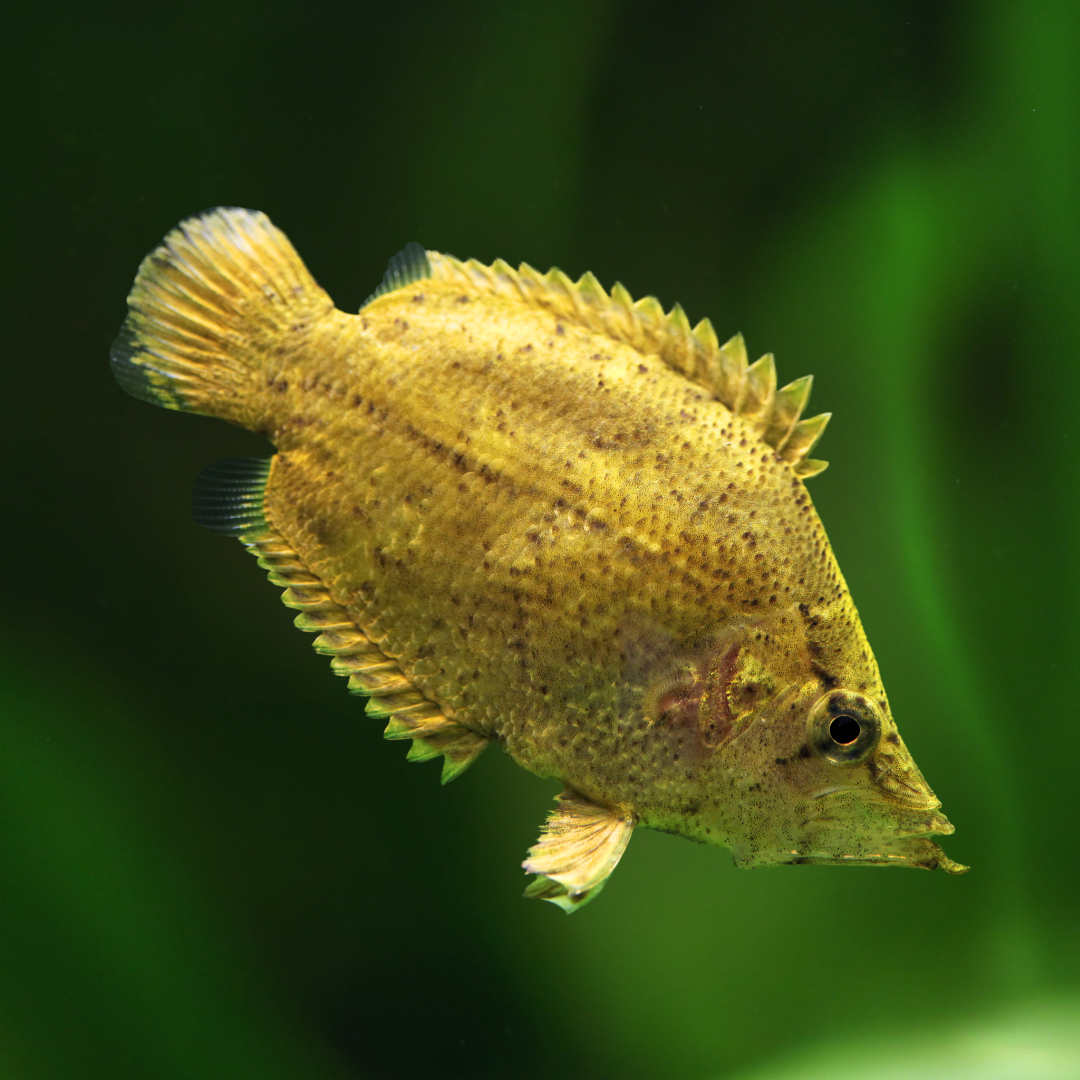
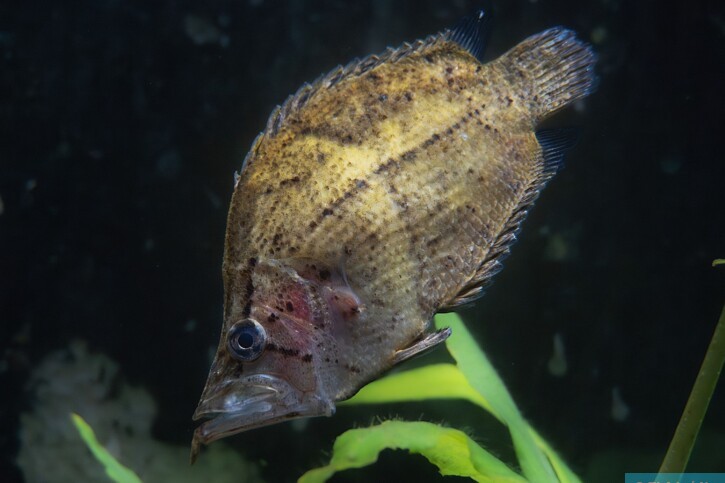
アマゾン・リーフフィッシュは、南米のアマゾン川・オリノコ川流域に生息する、枯れ葉への擬態で知られる小型の肉食魚です。平たく側扁した体、枯れ葉の葉柄のように見える下顎の突起、ゆらゆらと漂うような動きが特徴で、水槽内でも一枚の落ち葉のように静かに待ち伏せる姿を見せます。観賞魚としては非常に個性的な一方で、弱酸性の落ち着いた環境、生き餌中心の給餌、強い水流を避けた管理が必要になるため、飼育にはある程度の経験と準備が求められる魚です。 The Amazon leaffish is a small predatory fish from the Amazon and Orinoco basins of South America, best known for its remarkable dead-leaf mimicry. Its laterally compressed body, leaf-stalk-like chin filament, and drifting movement make it appear almost like a fallen leaf in the water. Although it is a highly distinctive aquarium fish, it requires soft acidic water, a calm environment, live-food-based feeding, and careful management, making it better suited to aquarists with some experience.
基本情報 / Basic Information
| 学名 / Scientific Name | Monocirrhus polyacanthus |
|---|---|
| 通称 / Common Name | アマゾン・リーフフィッシュ、リーフフィッシュAmazon leaffish, South American leaffish |
| 分類 / Family | ポリケントルス科Family Polycentridae |
| 英名 / English Name | Amazon leaffish |
| 分布 / Distribution | 南米のアマゾン川流域およびオリノコ川流域。ブラジル、ペルー、コロンビア、ボリビア、ベネズエラなどのブラックウォーター環境に分布します。Amazon and Orinoco river basins in South America, including blackwater habitats in Brazil, Peru, Colombia, Bolivia, and Venezuela. |
| 最大体長 / Max Size | 約8〜10cm。流通個体は5cm前後の若魚で見られることが多いです。About 8–10 cm. Juveniles around 5 cm are often seen in the aquarium trade. |
| 寿命 / Lifespan | 適切な環境では8年前後、状態よく維持できれば10年近く飼育されることもあります。Around 8 years under suitable conditions, and potentially close to 10 years with excellent long-term care. |
飼育環境 / Aquarium Environment
| 水槽サイズ / Tank Size | 単独飼育やペア飼育であれば60cm規格水槽でも飼育は可能ですが、水質を安定させやすい75cm水槽以上、または水量に余裕のある60cmワイド水槽を用意すると管理しやすくなります。活発に泳ぎ回る魚ではないものの、生き餌の残りや排泄物で水質が悪化しやすいため、水量に余裕を持たせることが大切です。A standard 60 cm tank can work for a single fish or a pair, but a 75 cm tank or a wider 60 cm setup is easier to manage because the larger water volume helps maintain stability. Although the species is not highly active, uneaten live food and waste can affect water quality, so extra water volume is important. |
|---|---|
| 水温 / Temperature | 23〜29℃前後。日本の冬季は水温低下に弱いため、信頼できるヒーターとサーモスタットで安定させてください。 Around 23–29°C. In winter, especially in Japan, stable heating with a reliable heater and thermostat is essential. |
| 水質 / Water Quality | 弱酸性から中性寄りの軟水を好みます。理想はpH5.0〜6.8前後の落ち着いた水で、マジックリーフやヤシャブシの実、ピートなどを使ってブラックウォーターを意識した環境にすると状態を維持しやすくなります。急激な水質変化には弱いため、一度に大きく変えるよりも、少量換水を中心に安定させる管理が重要です。This species prefers soft, slightly acidic to near-neutral water. A stable blackwater-style setup around pH 5.0–6.8, using botanicals such as Indian almond leaves, alder cones, or peat, is suitable. Sudden changes should be avoided; small, regular water changes are safer than drastic adjustments. |
| レイアウト / Layout | 流木、落ち葉、大きな葉を持つ水草を組み合わせ、身を隠せる陰影の多いレイアウトにします。強い照明は苦手なため、浮草などで光を和らげると落ち着きやすくなります。底床は暗めの色を選ぶと体色がなじみ、枯れ葉に擬態する本種らしい姿を観察しやすくなります。Use driftwood, leaf litter, and broad-leaved aquatic plants to create a shaded, secure layout. Strong lighting should be diffused with floating plants or subdued lamps. A dark substrate helps the fish blend into the environment and makes its leaf-like behavior easier to observe. |
| 注意点 / Precautions | 強い水流を非常に嫌うため、フィルターの排水は壁面に当てる、スプレーバーで勢いを分散するなどの調整が必要です。また薬品への耐性が高い魚ではないため、病気になってから治療するよりも、水質悪化やストレスを防ぐ管理を優先してください。落ち着ける環境を整え、手を入れる作業を最小限にすることが長期飼育の基本です。Strong current should be avoided. Filter outflow should be reduced by directing it toward the tank wall or using a spray bar. Because this species is not very tolerant of medication, prevention through stable water quality and low stress is preferable to treatment after disease appears. A calm setup and minimal disturbance are key to long-term success. |
餌と給餌 / Feeding
| 餌の種類 / Diet | 完全な肉食性で、飼育下ではメダカ、アカヒレ、小型の淡水エビなどの生き餌が中心になります。人工飼料や乾燥飼料、冷凍飼料に餌付く個体は少なく、基本的には生きた獲物に反応する魚と考えて準備しておく必要があります。It is a strict predator and is usually fed live foods such as small fish, white cloud mountain minnows, medaka, and small freshwater shrimp. Most individuals do not readily accept prepared, dried, or frozen foods, so live prey should be expected as the main diet. |
|---|---|
| 給餌のポイント / Feeding Tips | 餌用のメダカやアカヒレは、そのまま与えるだけでなく、別容器でしっかり状態を整え、栄養価の高い餌を食べさせてから与えると栄養管理がしやすくなります。食べ残しや弱った餌魚を放置すると水質悪化につながるため、給餌後の観察と回収も重要です。生き餌の確保と管理まで含めて飼育計画を立てることが必要です。Feeder fish should be maintained separately and gut-loaded with nutritious foods before being offered. Uneaten or weakened prey can quickly degrade water quality, so the tank should be observed after feeding and leftovers removed. Successful care requires planning not only for the fish itself but also for a steady supply and management of live food. |
性格と混泳 / Temperament and Tank Mates
| 性格 / Temperament | 待ち伏せ型の捕食魚で、普段は静かに漂うように過ごします。見た目ほど攻撃的に追い回す魚ではありませんが、口に入る大きさの魚やエビは獲物として認識します。臆病な面もあり、騒がしい環境や頻繁な水槽内作業では拒食につながることがあります。It is an ambush predator that usually remains still or drifts quietly. It does not usually chase tank mates aggressively, but any fish or shrimp small enough to fit in its mouth may be treated as prey. It can also be shy, and excessive disturbance may lead to stress and refusal to feed. |
|---|---|
| 混泳の相性 / Compatibility | 基本的には単独飼育、または同種のみの飼育が向いています。ネオンテトラなどの小型魚は捕食対象となり、スマトラや気の強いシクリッドのような活発な魚とはストレスやヒレかじりのリスクがあります。口に入らないサイズで、生活圏が異なる落ち着いた底生魚であれば候補になりますが、餌の管理と水質維持を考えると、本種を主役にした専用水槽が最も安心です。A species-only setup is usually the safest choice. Small fish such as neon tetras will be viewed as prey, while fast or aggressive fish may stress it or nip its fins. Larger, peaceful bottom dwellers may sometimes work, but considering feeding and water quality, a dedicated aquarium is generally best. |
病気と対策 / Diseases and Prevention
| かかりやすい病気 / Common Diseases | 水質悪化や急な水質変化、低水温、強い水流によるストレスが重なると、白点病、水カビ、細菌性の皮膚トラブル、拒食などが起こりやすくなります。特に導入直後は輸送ストレスが残っているため、落ち着いた環境で慎重に様子を見る必要があります。Poor water quality, sudden water parameter changes, low temperature, and stress from strong current can lead to ich, fungal issues, bacterial skin problems, and refusal to feed. Newly imported or recently transported individuals should be monitored carefully in a calm environment. |
|---|---|
| 対策と予防 / Prevention | 予防の中心は、安定した弱酸性の軟水、低い水流、清潔な底面環境、そして過剰な給餌を避けることです。生き餌由来の病気を持ち込まないよう、餌魚を別容器で観察してから与えると安全性が高まります。薬浴に頼る前に、日常管理で病気を出さない環境を作ることが重要です。Prevention depends on stable soft acidic water, gentle flow, a clean substrate, and controlled feeding. Feeder fish should be observed separately before use to reduce the risk of introducing disease. Creating a stable environment that prevents illness is more important than relying on medication. |
増やし方(繁殖) / Breeding
| 雌雄の判別 / Sexing | 通常時の雌雄判別は難しく、外見だけで確実に見分けるのは容易ではありません。繁殖期にメスの腹部がふっくらする、産卵管が確認できる、ペア行動が見られるといった変化を手がかりに判断します。繁殖を狙う場合は複数個体から自然に形成されたペアを見つける方法が現実的です。Sexing is difficult outside the breeding condition. Females may become noticeably fuller with eggs, and the ovipositor may be visible. Pair behavior can also provide clues. Keeping a small group and allowing a pair to form naturally is often the most practical approach. |
|---|---|
| 繁殖形態 / Reproduction | 平らな基質に粘着卵を産み付けるタイプです。幅の広い水草の葉裏や流木、石の下側などに産卵し、産卵後は主にオスが卵を守ります。メスは産卵後に卵への関心を失うため、オスの攻撃を避ける目的で隔離が必要になる場合があります。It lays adhesive eggs on flat surfaces such as the underside of broad leaves, driftwood, or stones. After spawning, the male typically guards the eggs. The female may lose interest after spawning and may need to be removed to prevent aggression from the guarding male. |
| 繁殖のポイント / Breeding Tips | 繁殖には、pH6.0〜6.5前後の弱酸性軟水、25℃以上の安定した水温、十分な生き餌でコンディションを上げることが重要です。孵化後の仔魚は非常に小さく、初期にはブラインシュリンプ幼生や微小なミジンコ類など、動く小型の生き餌が必要になります。成長差が出ると共食いが起こりやすいため、サイズごとの選別と水質管理を丁寧に行うことが大切です。Breeding requires stable soft acidic water around pH 6.0–6.5, temperatures above 25°C, and good conditioning with live foods. The fry are very small and require moving live foods such as newly hatched brine shrimp or tiny water fleas. As growth differences can lead to cannibalism, careful sorting by size and strict water quality management are important. |
雑学と豆知識 / Trivia and Fun Facts
| 1. 学名に込められた「一本のひげ」と「多くの棘」 / 1. A Name Meaning One Barbel and Many Spines | 学名のMonocirrhusは、下顎の先端にある一本の突起に由来するとされます。この突起は、枯れ葉の葉柄のように見える重要なパーツで、単なる飾りではなく擬態の完成度を高める役割を担っています。種小名のpolyacanthusは「多くの棘」を意味し、背ビレや尻ビレに並ぶ棘条の印象を反映した名前です。姿の不思議さだけでなく、名前そのものにも本種の特徴がよく刻まれています。The genus name Monocirrhus refers to the single filament on the lower jaw, a feature that helps complete its dead-leaf disguise. The species name polyacanthus means many-spined, reflecting the spiny appearance of the dorsal and anal fins. Even the scientific name captures the fish’s unusual form. |
|---|---|
| 2. 枯れ葉に「似ている」だけではない擬態 / 2. More Than Simply Looking Like a Leaf | アマゾン・リーフフィッシュの魅力は、体の形が枯れ葉に似ているだけではありません。体を大きく振って泳ぐのではなく、透明なヒレを細かく動かしながら、水流に流される葉のようにゆっくり姿勢を変えます。落ち葉の多いブラックウォーターでは、この静かな動きこそが獲物に気づかれないための大きな武器になります。水槽内でも、強い水流を避けて落ち着いた環境を作ると、この独特の漂うような行動を観察しやすくなります。The Amazon leaffish does not merely resemble a leaf in shape. It avoids obvious body movement and instead uses its transparent fins to drift slowly like a leaf carried by gentle water. In leaf-littered blackwater habitats, this quiet movement is a major part of its hunting strategy. In the aquarium, a calm setup without strong current allows this behavior to be seen more clearly. |
| 3. 一瞬で獲物を吸い込む待ち伏せの名手 / 3. A Master Ambush Predator | 本種は獲物を追い回すタイプの捕食魚ではなく、近づいてきた小魚を一瞬で吸い込む待ち伏せ型の捕食者です。大きく前に突き出る口と、急激に広がる口腔によって水ごと獲物を吸い込むため、攻撃は非常に素早く見えます。普段の静かな姿との落差が大きく、この瞬間的な捕食行動は本種を飼育する大きな見どころのひとつです。This species does not chase prey in the open. Instead, it waits for small fish to approach and then rapidly draws them in with a protrusible mouth and suction-feeding action. The contrast between its quiet resting posture and its sudden feeding strike is one of the most fascinating aspects of keeping this species. |
| 4. 日本での流通は珍魚寄り / 4. A Specialty Fish in the Japanese Aquarium Trade | アマゾン・リーフフィッシュは、極端に高価な魚というよりも、常時在庫されにくい専門性の高い魚と考えると分かりやすい存在です。生き餌を必要とし、長期ストックにも手間がかかるため、一般的な熱帯魚店でいつでも見られる魚ではありません。購入を考える場合は、入荷直後の状態、餌の内容、水質への慣れ具合を確認し、導入後に静かな環境で落ち着かせることが大切です。In Japan, the Amazon leaffish is best understood as a specialist fish rather than simply an expensive one. Because it requires live food and careful holding conditions, it is not always stocked in general aquarium shops. Before purchase, it is important to ask about its condition, feeding history, and acclimation, then provide a quiet environment after introduction. |
まとめ / Conclusion
アマゾン・リーフフィッシュは、枯れ葉に擬態する姿と待ち伏せ型の捕食行動が魅力の、非常に個性的な南米産熱帯魚です。水槽内では派手に泳ぎ回る魚ではありませんが、落ち着いたブラックウォーター風の環境で静かに漂う姿には、ほかの魚にはない独特の存在感があります。 The Amazon leaffish is a highly distinctive South American fish, admired for its dead-leaf mimicry and ambush predation. It is not an active display fish, but in a calm blackwater-style aquarium, its quiet drifting behavior gives it a unique presence unlike most other aquarium fish.
一方で、生き餌の確保、弱酸性の軟水管理、強い水流を避けたレイアウトなど、飼育には明確な準備が必要です。初心者向けの魚ではありませんが、その生態を理解して環境を整えれば、アマゾンの落ち葉に潜む捕食者の姿をじっくり観察できる、知的な楽しみの大きい魚です。 However, it requires clear preparation, including a steady supply of live food, soft acidic water, and a low-flow layout. It is not a beginner fish, but for aquarists who understand its needs, it offers the rare opportunity to observe a remarkable leaf-mimicking predator at close range.

気になる道具や飼い方を見つけてみませんか?
 アイのアクアグッズ案内エビのおうち、食べちゃっていいの!? コタロウと探る、不思議なエビのごはん道具の特徴や使い方、選ぶときのポイントをアイが紹介します。記事はコチラ →
 アイのアクアグッズ案内海水魚の底砂の選び方|サンゴ砂・ライブサンドとおすすめ商品道具の特徴や使い方、選ぶときのポイントをアイが紹介します。記事はコチラ →
さまざまな飼育テーマをご紹介。リンク先の記事には広告・商品紹介が含まれます。
案内・紹介記事一覧へ →参考文献・参照資料
本記事では、アマゾン・リーフフィッシュの分類、分布、水質条件、食性、繁殖、生態に関する情報を、以下の資料をもとに整理しています。
-
FishBase. “Monocirrhus polyacanthus, Amazon leaffish.” 分類、分布、最大体長、水質条件、食性、繁殖卵数、IUCN評価などの基本情報を確認するために参照。
Monocirrhus polyacanthus summary pagewww.fishbase.us -
Catarino, M. F. & Zuanon, J. (2010). “Feeding ecology of the leaf fish Monocirrhus polyacanthus (Perciformes: Polycentridae) in a terra firme stream in the Brazilian Amazon.” Neotropical Ichthyology, 8(1), 183–186. 野生下での食性、待ち伏せ型捕食、魚類・無脊椎動物の捕食傾向を確認するために参照。
![]() Feeding ecology of the leaf fish Monocirrhus polyacanthus (Perciformes: Polycentridae) in a terra firme stream in the Brazilian AmazonMonocirrhus polyacanthus (Polycentridae) is a remarkable leaf-mimicking fish that inhabits...www.scielo.br
Feeding ecology of the leaf fish Monocirrhus polyacanthus (Perciformes: Polycentridae) in a terra firme stream in the Brazilian AmazonMonocirrhus polyacanthus (Polycentridae) is a remarkable leaf-mimicking fish that inhabits...www.scielo.br -
Fishipedia. “Amazon leaffish — Monocirrhus polyacanthus.” 形態、擬態、分布、生息環境、繁殖行動、保全上の位置づけを確認するために参照。
![]() Amazon leaffish • Monocirrhus polyacanthus • Fish sheetwww.fishi-pedia.com
Amazon leaffish • Monocirrhus polyacanthus • Fish sheetwww.fishi-pedia.com -
Seriously Fish. “Monocirrhus polyacanthus.” 飼育環境、弱酸性軟水、低照度、混泳、生き餌中心の給餌など、アクアリウムでの管理情報を確認するために参照。
Monocirrhus polyacanthus (South American Leaf Fish, Amazon Leaf Fish) — Seriously Fishwww.seriouslyfish.com -
Ramos, F. M., Abe, H. A. & Fujimoto, R. Y. (2016). “Survival and growth of early life stages of leaf fish (Monocirrhus polyacanthus, Heckel 1840) cultured under different stocking densities and live food densities.” Journal of Applied Ichthyology, 32(5), 954–959. 仔魚育成におけるブラインシュリンプやミジンコ類などの生き餌、飼育密度と成長・生残に関する情報を確認するために参照。
Just a moment...doi.org - Britz, R. & Kullander, S. O. (2002). “Polycentridae (Leaffishes).” In Reis, R. E., Kullander, S. O. & Ferraris, C. J. Jr. (eds.), Checklist of the Freshwater Fishes of South and Central America, pp. 603–604. ポリケントルス科および南米産リーフフィッシュ類の分類学的背景を確認するために参照。









コメント