

解説 / Description
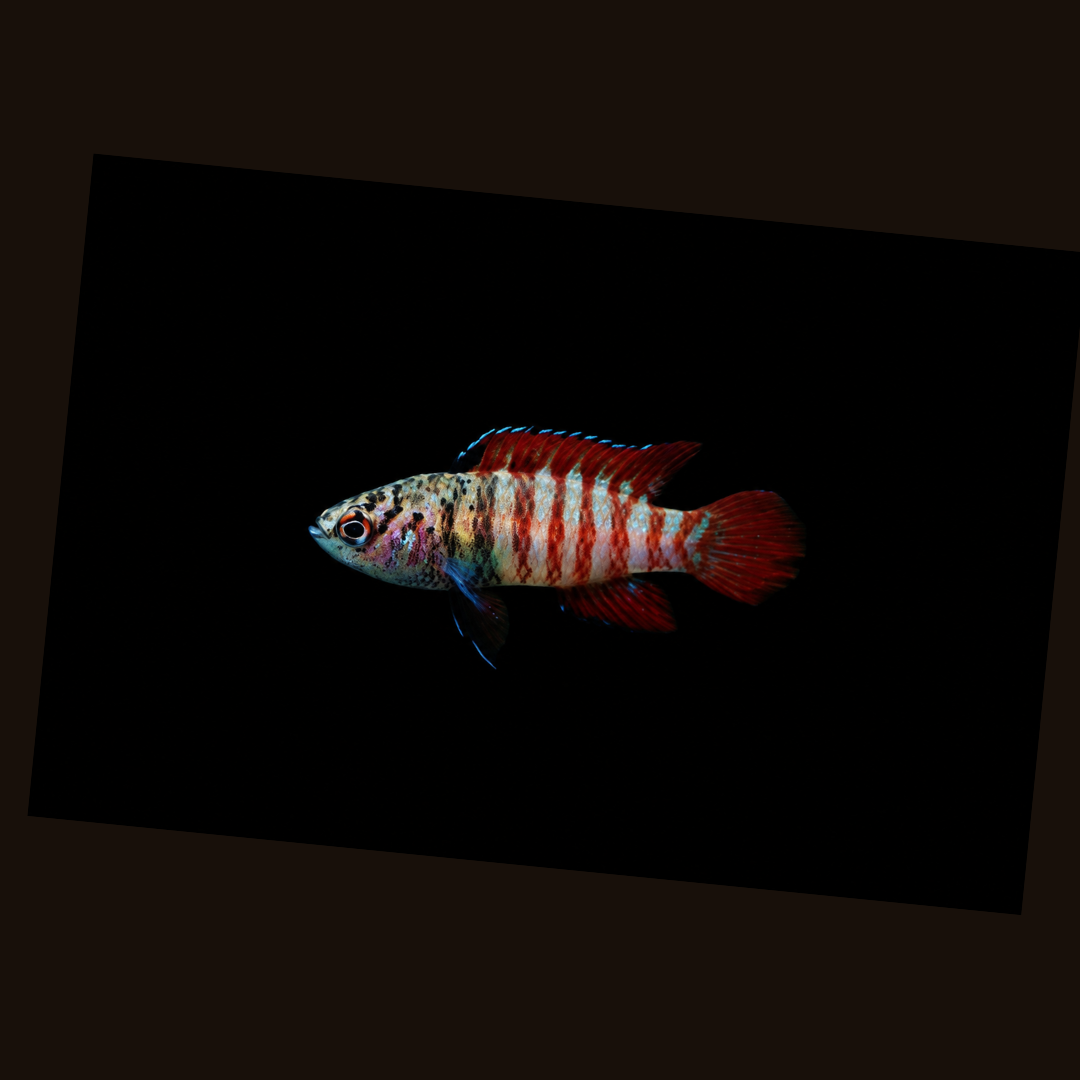
タイガーバジスは、ミャンマー北部に分布するダリオ属の超小型淡水魚です。成魚でもおよそ3cm前後ですが、成熟したオスは興奮すると灰黒色と朱色の縦縞を鮮明に浮かび上がらせ、頭部から背中には細かな黒斑が現れます。普段は水草や流木の陰で静かに獲物を待つ一方、縄張りを主張するときには各ひれを大きく広げ、体色を一変させます。小さな水槽でも飼育できますが、人工飼料を受け入れにくい個体が多く、餌を奪われやすいことから、給餌の観察と隠れ場所の確保が長期飼育の鍵になります。 Dario tigris is a miniature freshwater fish from northern Myanmar. Although adults are only around 3 cm long, a mature male can display striking vertical bands of dark gray and vivid orange-red, together with small black markings across the head and upper body. It usually waits quietly among plants and driftwood for tiny prey, but transforms dramatically when defending a territory, spreading its fins and intensifying its colors. The species can be kept in a small aquarium, yet long-term success depends on careful feeding because many individuals are reluctant to accept prepared foods and can easily be outcompeted by faster tank mates.
基本情報 / Basic Information
| 学名 / Scientific Name | Dario tigris |
|---|---|
| 通称 / Common Name | タイガーバジス、タイガーダリオ、ブラックフェイスダリオ、ブラックタイガーダリオ、ダリオ sp. ミャンマーTiger Badis, Tiger Dario, Black-face Dario, Black Tiger Dario, Dario sp. “Myanmar” |
| 分類 / Family | バディス科 ダリオ属Family Badidae, genus Dario |
| 英名 / English Name | Tiger Dario / Tiger Badis |
| 分布 / Distribution | ミャンマー北部カチン州、イラワジ川水系の浅く流れの緩やかな小川や水路Kachin State in northern Myanmar, in shallow, slow-flowing streams and channels of the Ayeyarwady River basin |
| 最大体長 / Max Size | 約2.5〜3.5cmApproximately 2.5–3.5 cm |
| 寿命 / Lifespan | 目安として2〜3年。安定した低めの水温と適切な給餌下では、さらに長く生きる例もあります。Typically around 2–3 years, with some individuals living longer under stable, moderately cool conditions and appropriate feeding. |
飼育環境 / Aquarium Environment
| 水槽サイズ / Tank Size | 単独またはペアなら30cmキューブ水槽程度が扱いやすい目安です。複数のオスや他種との混泳では、縄張りを分散できる60cm規格水槽以上が安心です。A 30 cm cube aquarium is a practical size for a single fish or a pair. For several males or a community setup, a standard 60 cm aquarium or larger is safer because it allows territories to be separated. |
|---|---|
| 水温 / Temperature | 22〜26℃を目安に管理します。28℃を超える高温が長く続くと消耗しやすいため、日本の夏は冷却ファンや水槽用クーラーを検討します。 Maintain approximately 22–26°C. Prolonged temperatures above 28°C can cause stress, so cooling fans or an aquarium chiller may be necessary during hot summers. |
| 水質 / Water Quality | 弱酸性から中性の軟水が適し、目安はpH6.0〜7.5です。急激な水質変化を避け、少量ずつ定期換水します。落ち葉やヤシャブシの実から溶け出すタンニンを利用した穏やかなブラックウォーター環境も相性がよいと考えられます。Soft, slightly acidic to neutral water is suitable, with a practical target of pH 6.0–7.5. Avoid sudden changes and perform regular small water changes. A gentle tannin-stained environment created with leaf litter or alder cones may also suit the species well. |
| レイアウト / Layout | 細かい砂を敷き、流木、石、落ち葉、ウィローモス、クリプトコリネ、アヌビアス、ミクロソリウムなどで隠れ場所を多く作ります。複数飼育では、水草の茂みや流木で互いの視線が通らない区画を複数用意してください。強い水流や明るすぎる照明は避けます。Use fine sand and provide many shelters with driftwood, stones, leaf litter, Java moss, Cryptocoryne, Anubias, and Microsorum. When keeping several fish, create multiple visually separated areas so males cannot constantly see one another. Avoid strong current and excessively bright lighting. |
| 注意点 / Precautions | 最大の注意点は餓死です。腹部がへこんでいないか、毎日実際に餌を口にしているかを確認します。オス同士は縄張り争いをするため、追われる個体が隠れ続ける場合は隔離します。移動時は体表を傷つけないよう、できれば網だけで持ち上げず、水ごと容器ですくいます。The greatest risk is gradual starvation. Check daily that each fish actually eats and that the abdomen is not becoming hollow. Males defend territories, so isolate any fish that remains hidden and continuously harassed. During transfers, avoid damaging the skin; whenever possible, move the fish in a container with water rather than lifting it in a net. |
餌と給餌 / Feeding
| 餌の種類 / Diet | 活イトミミズ、ミジンコ、ブラインシュリンプ幼生などの生餌、冷凍アカムシ、冷凍ブラインシュリンプなどが適します。小型の水生昆虫や甲殻類を狙う肉食性のため、一般的なフレークや顆粒をほとんど食べない個体も珍しくありません。水槽内のサカマキガイやラムズホーンなどのごく小さな稚貝をついばむこともあります。Suitable foods include live tubifex worms, daphnia, newly hatched brine shrimp, frozen bloodworms, and frozen brine shrimp. As a small predator of aquatic invertebrates, many individuals show little interest in ordinary flakes or pellets. They may also pick at very small juvenile pond snails or ramshorn snails in the aquarium. |
|---|---|
| 給餌のポイント / Feeding Tips | 冷凍餌は解凍してからスポイトで魚の目の前へゆっくり落とすと、動く獲物のように認識されやすくなります。混泳水槽では消灯前や他魚への給餌後に、隠れ場所へ狙って与えます。人工飼料へ慣らす場合は、よく食べる冷凍餌に微量を混ぜ、食べ残しを速やかに取り除きながら少しずつ比率を上げます。Thaw frozen food and release it slowly with a pipette directly in front of the fish so that it resembles moving prey. In a community tank, target-feed near shelters after the faster fish have eaten or shortly before lights-out. To train a fish onto prepared food, mix a tiny amount with a familiar frozen food and increase the proportion gradually while promptly removing leftovers. |
性格と混泳 / Temperament and Tank Mates
| 性格 / Temperament | 他種にはおおむね温和ですが、同種のオスには縄張り意識を示します。普段は臆病で物陰に留まり、獲物を見つけると短い距離を素早く進んで捕食します。落ち着いた環境では、オス同士のひれを広げた威嚇行動を観察できます。It is generally peaceful toward other species but territorial toward rival males. The fish is usually shy and remains close to cover, making short, quick movements when it detects prey. In a secure environment, males may display by spreading their fins and intensifying their colors. |
|---|---|
| 混泳の相性 / Compatibility | ボララス類や小型ラスボラ類、ピグミーコリドラス、オトシンクルスなど、攻撃性が低く口の小さな魚が候補になります。ただし、泳ぎが速く食欲旺盛な魚とは餌を奪われやすいため不向きです。ミナミヌマエビなどの稚エビは捕食される可能性が高く、エビの繁殖水槽には向きません。Possible tank mates include Boraras, other tiny rasboras, pygmy Corydoras, and Otocinclus, provided they are peaceful and small-mouthed. Fast, aggressive feeders are unsuitable because they can take all available food. Baby dwarf shrimp are likely to be eaten, so the species is not appropriate for a shrimp-breeding aquarium. |
病気と対策 / Diseases and Prevention
| かかりやすい病気 / Common Diseases | 輸送や網ずれによる傷をきっかけとした水カビ病、高水温と水質悪化が重なったときの尾ぐされ・口ぐされ症状、そして病気と見間違えやすい慢性的な痩せに注意します。小型魚のため、異常が見えてから進行するまでが速い傾向があります。Watch for fungal growth following transport or net injuries, fin or mouth erosion associated with warm, deteriorating water, and chronic wasting that can be mistaken for disease. Because this is a very small fish, visible problems may progress quickly. |
|---|---|
| 対策と予防 / Prevention | 新しい個体は落ち着いた隔離水槽で状態を確認し、水温と水質をゆっくり合わせます。過密飼育を避け、残餌を回収し、ろ過を安定させます。夏は水温上昇を抑え、傷がある個体や餌を食べない個体は早めに隔離してください。薬浴が必要な場合は、魚体が小さいため製品の用量を厳守し、十分な酸素供給を行います。Observe new fish in a calm quarantine aquarium and acclimate temperature and water chemistry gradually. Avoid crowding, remove uneaten food, and maintain stable filtration. Limit summer heat and isolate injured or non-feeding fish early. If medication is required, follow the product dosage precisely and provide strong aeration because the fish is very small. |
増やし方(繁殖) / Breeding
| 雌雄の判別 / Sexing | 成熟したオスは赤橙色と灰黒色の縦縞が鮮明になり、背びれや腹びれが伸び、ひれの縁に青白い光沢が出ます。メスは灰色から薄いベージュ色で、体がやや短く丸みを帯び、ひれは短めです。ただし、若いオスや状態を落としたオスはメスに似ることがあります。Mature males develop clear orange-red and dark gray vertical bands, extended dorsal and pelvic fins, and pale bluish iridescence along the fin margins. Females are gray to light beige, slightly shorter and rounder, with shorter fins. Juvenile or stressed males can resemble females. |
|---|---|
| 繁殖形態 / Reproduction | 水草や流木などへ粘着性の卵を産み付ける基質産卵型です。オスは縄張り内へメスを誘い、U字状に体を巻き付けるような抱擁を行って放卵・放精します。泡巣は作りません。産卵後のオスは周囲を防衛しますが、卵へ水を送るような積極的な育児は行わないと考えられています。This is a substrate-spawning species that deposits adhesive eggs among plants or on hard surfaces. The male invites a female into his territory and wraps around her in a U-shaped embrace during spawning. It does not build a bubble nest. The male may defend the surrounding territory, but is not considered to provide active egg care such as fanning. |
| 繁殖のポイント / Breeding Tips | ペアを生餌で十分に仕上げ、ウィローモスなど細かな水草を多く入れた繁殖水槽を用意します。産卵後は親が卵や稚魚を食べる可能性があるため、卵の付いたモスを別容器へ移す方法が安全です。25℃前後では卵は数日でふ化するとされます。遊泳直後の稚魚はブラインシュリンプ幼生でも大きすぎることがあるため、最初はインフゾリアやゾウリムシを用意し、成長後にブラインシュリンプ幼生へ切り替えます。Condition the pair well with live foods and provide a breeding tank containing abundant fine-leaved moss. Because adults may eat eggs or fry, moving the egg-covered moss to a separate container is the safer approach. At around 25°C, the eggs are reported to hatch within a few days. Newly free-swimming fry may be too small even for brine shrimp nauplii, so begin with infusoria or paramecia and introduce brine shrimp as the fry grow. |
雑学と豆知識 / Trivia and Fun Facts
| 1. 長く「名無し」だった観賞魚 / 1. An aquarium fish without a formal name | タイガーバジスは日本の観賞魚市場では2000年代から知られていましたが、学術上は長くダリオ sp. ミャンマーなどの仮称で扱われていました。色鮮やかな姿が先に愛好家へ知られ、正式な学名が後から追いついた魚です。標本の形態比較と遺伝情報の検討を経て、2022年にDario tigrisとして新種記載されました。水槽の中で親しまれてきた一匹が、分類学の上でも独立した種として認められるまでには、十数年に及ぶ観察と検証が必要だったことになります。The fish had been familiar to aquarists since the 2000s, yet for many years it was traded under provisional names such as Dario sp. “Myanmar.” Its colors became known in the aquarium world before science assigned it a formal identity. Following detailed comparisons of specimens and genetic evidence, it was described as Dario tigris in 2022. A tiny fish already valued in home aquariums therefore waited more than a decade for its place as a recognized species. |
|---|---|
| 2. 学名の「tigris」が示すもの / 2. The meaning of “tigris” | 種小名のtigrisはトラを意味し、成熟したオスに現れる赤橙色と暗色の縦縞を表しています。平常時には控えめなベージュ色に見える個体でも、縄張りを主張する瞬間には縞が濃くなり、ひれの縁の青白い光沢まで浮かび上がります。名前の由来は固定された標本の色だけではなく、生きた魚が見せる劇的な変化をよく捉えています。The species name tigris refers to a tiger and describes the alternating orange-red and dark bands of a mature male. A fish that appears subdued and beige at rest can suddenly deepen its bands and reveal pale blue-white iridescence along the fins when defending a territory. The name captures not only a preserved pattern, but the dramatic transformation of the living fish. |
| 3. 近縁種との見分け方 / 3. Distinguishing close relatives | 長く近縁のDario hysginonの色彩型とも考えられていましたが、タイガーバジスのオスは複数の明瞭な縦縞と、頭部から背側に並ぶ黒斑を備えます。D. hysginonは全身がより均一な赤褐色に見える傾向があります。さらに記載研究では、背びれの棘条数や脊椎骨数にも違いが示されています。水槽で見える色彩と、標本を詳しく調べて初めて分かる骨格の双方が、種の境界を支えています。For years it was suspected to be a color form of the related Dario hysginon. Male D. tigris, however, shows several distinct vertical bands and dark spotting over the head and upper body, whereas D. hysginon tends to appear more uniformly reddish brown. The formal description also identified differences in dorsal-fin spines and vertebral counts. Both the colors visible in an aquarium and skeletal details revealed through scientific study support the separation of the two species. |
| 4. 泡巣を作る魚ではない / 4. Not a bubble-nest builder | 産卵時にオスがメスへ巻き付く姿はベタやグラミーを連想させますが、タイガーバジスは泡巣を作りません。卵はモスや流木などの基質へ産み付けられます。似た動作が、系統の異なる魚で別々に見られることは、生き物の行動を外見だけで分類できない好例です。繁殖を試みる際は水面の泡ではなく、モスの奥や流木の陰に付いた微小な卵を探すことになります。The male’s embrace during spawning may resemble that of bettas or gouramis, but Dario tigris does not build a bubble nest. Its eggs are deposited among moss or on other submerged surfaces. Similar movements can occur in distantly related fishes, showing why behavior alone cannot determine classification. A breeder should therefore search among moss and shaded surfaces for tiny eggs rather than looking for foam at the water surface. |
| 5. 小さな巻貝を狙う待ち伏せ型の捕食者 / 5. An ambush predator of tiny snails | タイガーバジスは水草の葉や底床をじっと観察し、微小な動物を見つけると短い突進で捕らえます。殻の柔らかい稚貝や、殻から出た小さな巻貝をついばむことがあるため、結果として水槽内の小型巻貝が減る場合があります。ただし、巻貝対策だけを目的に導入すると、必要な生餌の確保や混泳魚との給餌競争を見落としやすくなります。小さな害貝を食べる性質は、あくまで本来の微小捕食者としての行動の一部です。Dario tigris watches leaves and the substrate carefully, then makes a short dash toward tiny animals. It may peck at soft juvenile snails or small snails extending from their shells, and snail numbers can decline as a result. Introducing the fish solely for snail control, however, can obscure its need for suitable live or frozen foods and protection from feeding competition. Snail predation is simply one expression of its natural role as a miniature predator. |
| 6. メスが見つかりにくい理由 / 6. Why females are difficult to find | 日本で販売される個体は、鮮やかに発色するオスへ偏ることがあります。メスは灰色がかった控えめな姿で、若い個体や発色していないオスとの判別も簡単ではありません。そのため、繁殖そのものより前に、確実なペアをそろえることが大きな関門になります。繁殖個体が国内で安定して増えれば、野生採集個体への依存を減らしながら、メスを含む健全な流通につながることが期待されます。Fish offered in Japan may be strongly biased toward brightly colored males. Females are subdued gray-beige, and they can be difficult to distinguish from juveniles or non-displaying males. As a result, assembling a confirmed pair may be a greater challenge than spawning the fish itself. More consistent captive breeding could reduce dependence on wild collection and improve the availability of healthy females as well as males. |
まとめ / Conclusion
タイガーバジスは、わずか数センチの体に、待ち伏せ捕食者としての静けさと、縄張りを守るオスの鮮烈な変身を併せ持つ魚です。水草と流木が入り組んだ落ち着いた環境を用意し、一匹ずつ確実に餌を食べているかを見守ることで、本来の色彩と行動を引き出しやすくなります。 Dario tigris combines the stillness of a miniature ambush predator with the brilliant transformation of a territorial male. A calm aquarium filled with plants and driftwood, together with close observation of each fish’s feeding, allows its natural colors and behavior to emerge.
決して手間の少ない魚ではありませんが、生餌を追う視線、物陰からそっと姿を現す瞬間、そしてひれを広げて虎縞を濃くする姿には、丁寧に世話をするほど深まる魅力があります。小さな水槽の中でも、静かな観察の時間を豊かにしてくれる存在です。 It is not a low-maintenance fish, but its focused gaze toward live prey, cautious emergence from cover, and tiger-like display reward careful husbandry. Even in a small aquarium, it can create a remarkably rich experience of quiet observation.

気になる道具や飼い方を見つけてみませんか?
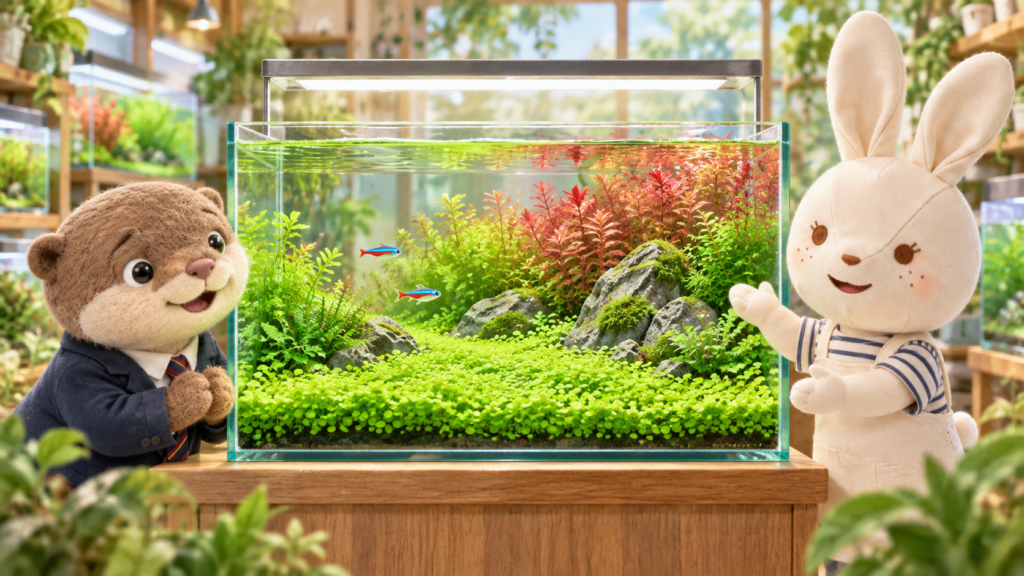 アイのアクアグッズ案内水草用ライトの選び方|緑の絨毯と赤い水草を楽しむ照明・植栽用品道具の特徴や使い方、選ぶときのポイントをアイが紹介します。記事はコチラ →
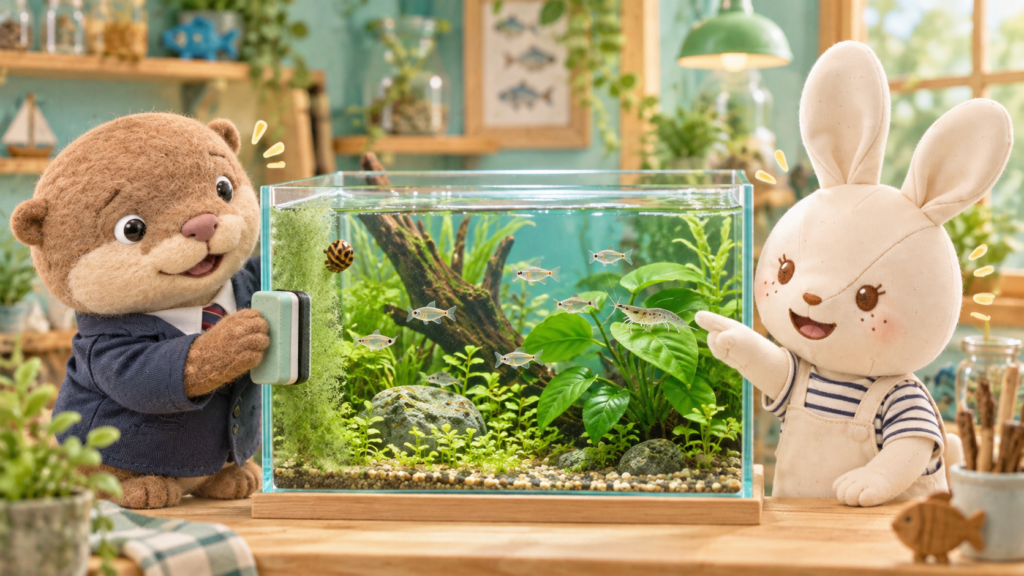 アイのアクアグッズ案内水槽のコケ掃除|道具の選び方とお掃除生体の得意・不得意道具の特徴や使い方、選ぶときのポイントをアイが紹介します。記事はコチラ →
さまざまな飼育テーマをご紹介。リンク先の記事には広告・商品紹介が含まれます。
案内・紹介記事一覧へ →分布マップ
タイガーバジスは、ミャンマー北部のカチン州にあるイラワジ川水系の、浅く流れの緩やかな小川や水路に分布します。
Google Earthで開くこの地図は、記事に記載された分布情報をもとに、カチン州のイラワジ川水系周辺を概略的に示したものです。表示位置や円の範囲は分布イメージ用であり、実際の採集地点や厳密な生息範囲を示すものではありません。
参考文献・参照資料
以下は、タイガーバジス(Dario tigris)の分類、分布、生息環境、飼育、繁殖、疾病予防に関する記述を確認するために選定した資料です。店舗、通販サイト、個人ブログ、一般的なまとめサイトは含めず、原記載、査読論文、公的機関の技術資料、獣医学の専門資料に限定しています。
資料を読む際の注意
本種を直接対象とした資料から確認できるのは、主に分類、形態的特徴、採集地点を含む分布情報です。最適水温、pH、寿命、水槽サイズ、疾病感受性、詳細な繁殖条件については、Dario tigrisだけを対象とした検証資料が不足しています。そのため、これらの飼育情報は近縁のダリオ属、バディス科、観賞魚一般の資料を用いた実用上の目安として扱う必要があります。
本種の分類・分布・識別形質を支える資料
-
本種を直接扱う原記載
Britz, R., Kullander, S. O. & Rüber, L. (2022). “Dario tigris and Dario melanogrammus, two new species of miniature chameleon fishes from northern Myanmar (Teleostei: Badidae).” Zootaxa, 5138(1), 1–16.
学名、タイプ産地、エーヤワディー川水系での分布、8本の縦帯、頭部背側の黒斑、背びれ棘条数、脊椎骨数、Dario hysginonとの識別を確認する中心資料です。
-
属・科の分類基盤
Kullander, S. O. & Britz, R. (2002). “Revision of the family Badidae (Teleostei: Perciformes), with description of a new genus and ten new species.” Ichthyological Exploration of Freshwaters, 13(4), 295–372.
ダリオ属の設立、バディス属との区別、ダリオ属に共通する小型化形質、形態比較、当時知られていたミャンマー産種の基礎情報を支える分類学的な主要文献です。
生息環境・縄張り・繁殖行動を補う資料
-
近縁種による補助資料
Thampy, D. R. & Shaji, C. P. (2018). “The ecology and distribution of percoid fish Dario neela from Wayanad in the Western Ghats of Kerala, India.” Journal of Threatened Taxa, 10(8), 12103–12107.
ダリオ属の近縁種について、山地性小河川、落ち葉や水草を利用する環境、個体ごとの縄張り、オスの誇示、U字状の抱擁、植物や落ち葉付近への産卵、産卵後の縄張り防衛を記録した査読資料です。本種固有の生態を直接証明する資料ではありません。
-
バディス科の行動・発生
Barlow, G. W., Liem, K. F. & Wickler, W. (1968). “Badidae, a new fish family—behavioural, osteological, and developmental evidence.” Journal of Zoology, 156(4), 415–447.
バディス科の設立根拠となった研究で、産卵時の抱擁行動、骨格、卵と仔魚の発生を扱います。泡巣を作るアナバス類との表面的な行動類似と、分類上の相違を整理する際の基礎資料です。
給餌・稚魚育成を支える資料
-
観賞魚の仔稚魚用生餌
Lim, L. C., Dhert, P. & Sorgeloos, P. (2003). “Recent developments in the application of live feeds in the freshwater ornamental fish culture.” Aquaculture, 227(1–4), 319–331.
口の小さい淡水観賞魚の仔魚に適したワムシ類、アルテミア幼生などの生餌と、成長段階に合わせた餌サイズの切り替えを扱う査読レビューです。タイガーバジスの初期飼料を考える際の一般的な根拠になります。
飼育管理・隔離・疾病予防を支える資料
-
獣医学的な飼育管理
Petty, B. D., Francis-Floyd, R. & Yanong, R. P. E. “Management of Aquarium Fish.” Merck Veterinary Manual. Full review May 2022; updated September 2024.
観賞魚の水質管理、隔離、バイオセキュリティ、診断の考え方、薬剤を安易に使用しない原則を確認する獣医師向け資料です。導入直後の観察、水質の安定、症状確認後の対処という記事内の注意点を支えます。
-
公的な隔離手順
Arthur, J. R., Bondad-Reantaso, M. G. & Subasinghe, R. P. (2008). Procedures for the Quarantine of Live Aquatic Animals: A Manual. FAO Fisheries Technical Paper No. 502. Rome: Food and Agriculture Organization of the United Nations.
新規導入個体を既存個体から分けて観察する意義、器具や水の交差を避ける考え方、隔離施設の基本を示す国際機関の技術資料です。家庭水槽向けにそのまま適用する規格ではありませんが、隔離と感染拡大防止の原則を支えます。
-
魚病診断の専門書
Noga, E. J. (2010). Fish Disease: Diagnosis and Treatment, 2nd ed. Wiley-Blackwell.
外傷、細菌、真菌、寄生虫、非感染性障害を含む魚病の鑑別と治療を体系的に扱う専門書です。タイガーバジスに特有の病気を示す資料ではなく、症状を病名だけで決めつけず、水質、栄養、外傷、感染症を切り分けるための基礎資料として選定しています。
選定日:2026年7月14日。今後、Dario tigrisを直接対象とした生息地の水質測定、飼育試験、繁殖研究、疾病報告が公表された場合は、近縁種や観賞魚一般の資料よりも優先して差し替えることが望まれます。




コメント