

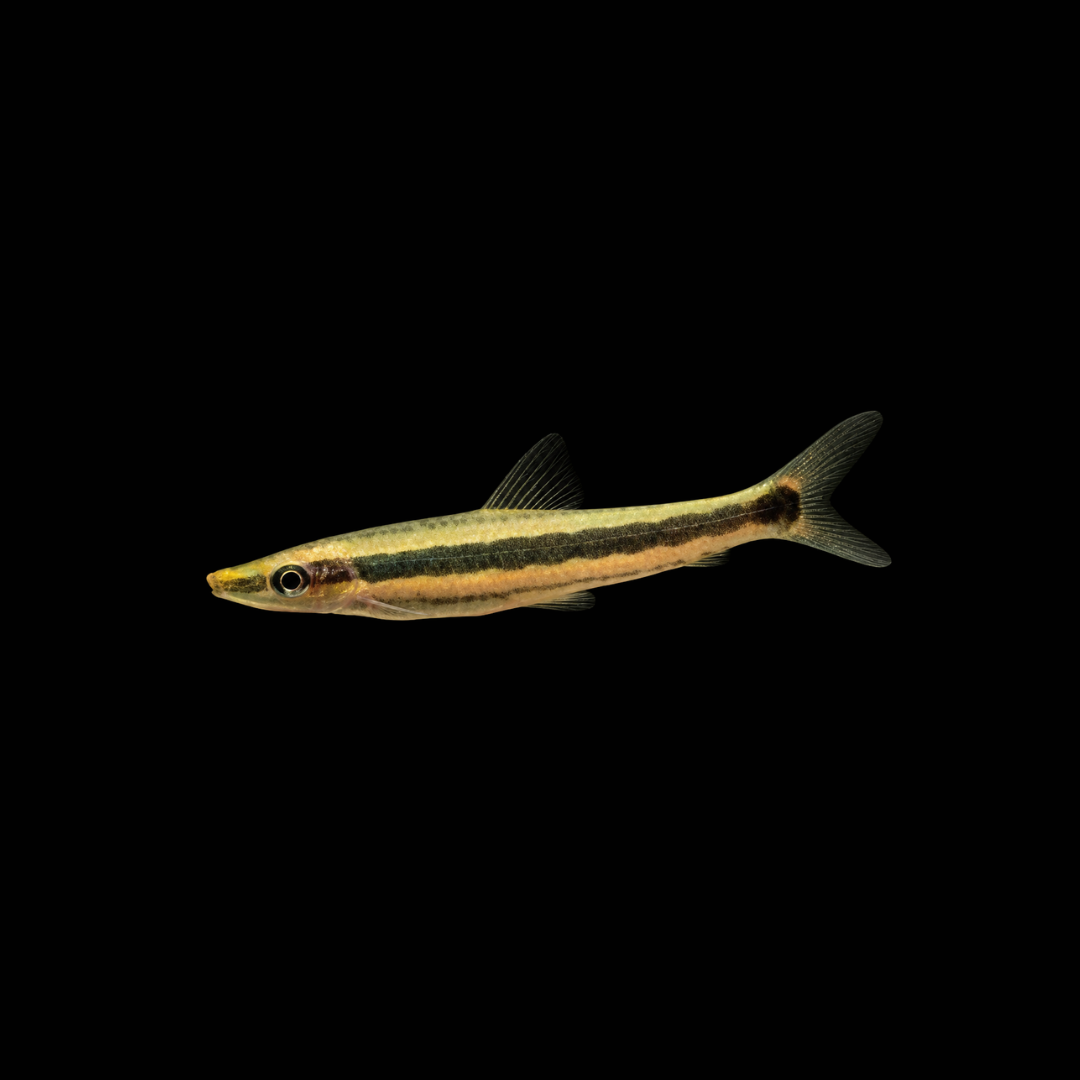
解説 / Description
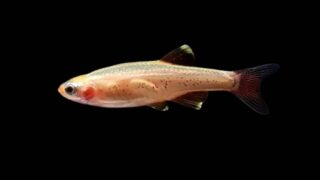
ブラックラインアノストムスは、南米の河川に分布するアノストムス科の中型カラシンです。体側を走る黒い縦ラインと、頭を斜め下に向けて泳ぐヘッドスタンダーらしい姿勢が特徴で、派手な色彩よりも、野性味のある動きと落ち着いた体色を楽しむ魚といえます。水槽内では流木や石の表面をついばむように移動し、流れのある場所を好んで泳ぐため、静かな見た目に反して存在感のある種類です。 The Blackline Anostomus is a medium-sized anostomid characin from South American river systems. It is known for the dark horizontal stripe along the body and the characteristic head-down posture typical of headstanders. Its appeal lies less in bright color and more in its wild movement, refined pattern, and distinctive behavior. In the aquarium it often grazes over wood and stones and swims confidently in current, giving it a stronger presence than its subdued appearance might suggest.
丈夫で環境への適応力はありますが、よく泳ぐ中型魚であり、強めのろ過、十分な酸素、水草への食害、同種間の小競り合いには注意が必要です。繊細な水草レイアウト水槽よりも、流木、丸石、砂利を組み合わせた南米河川風のビオトープ水槽でこそ、本種の行動と雰囲気が自然に引き立ちます。 It is generally hardy and adaptable, but it is an active medium-sized fish that needs strong filtration, high oxygen levels, and careful planning because it may eat plants and quarrel with its own kind. It is best shown not in a delicate planted aquascape, but in a South American river-style biotope using driftwood, rounded stones, and smooth gravel.
基本情報 / Basic Information
| 学名 / Scientific Name | Anostomus ternetzi Fernández-Yépez, 1949 |
|---|---|
| 通称 / Common Name | ブラックラインアノストムス、テルネッツ・ヘッドスタンダー、ゴールドストライプ・ヘッドスタンダーBlackline Anostomus, Ternetz’s Headstander, Gold-Striped Headstander |
| 分類 / Family | カラシン目 アノストムス科 アノストムス属Order Characiformes, family Anostomidae, genus Anostomus |
| 英名 / English Name | Ternetz’s Headstander, Gold-Striped Headstander, Goldstripe Headstander, Red-Mouth Headstander |
| 分布 / Distribution | 南米。オリノコ川、アラグアイア川、アマゾン川流域、ギアナ地方の沿岸河川などに広く分布します。記録国は文献により幅がありますが、ブラジル、コロンビア、ベネズエラ、ギアナ諸地域などが主な分布域として扱われます。South America, including the Orinoco, Araguaia, and Amazon basins, as well as coastal rivers of the Guianas. Recorded countries vary somewhat among references, but Brazil, Colombia, Venezuela, and the Guianas are commonly included in its range. |
| 最大体長 / Max Size | 全長12cm前後。飼育計画では、よく泳ぐ12cm級の中型魚として余裕を持った水槽を用意します。Around 12 cm in total length. For aquarium planning, treat it as an active medium-sized fish that needs more space than its length alone might suggest. |
| 寿命 / Lifespan | 種として確立された寿命データは多くありません。水質、餌、混泳ストレスを安定させることで、数年以上の長期飼育が期待できます。Published lifespan data for this species are limited. With stable water quality, a suitable diet, and low social stress, it can be expected to live for several years in the aquarium. |
飼育環境 / Aquarium Environment
| 水槽サイズ / Tank Size | 単独飼育でも90cm規格水槽以上を目安にします。複数匹で飼う場合は、120cm規格水槽以上、できれば奥行きのある120cmワイド水槽が向きます。体長だけを見ると小さめに感じますが、遊泳力があり、追い合いも起こるため、前面には広い遊泳スペースを残してください。For a single specimen, a standard 90 cm aquarium is a practical minimum. For a group, use at least a standard 120 cm tank, preferably a deeper 120 cm wide tank. Although it is not a large fish by length, it is active and may chase tankmates, so open swimming space should be left at the front. |
|---|---|
| 水温 / Temperature | 24〜28℃を中心に管理します。日本では秋から春にかけてヒーターを使用し、急な水温低下を避けます。 Maintain the water mainly between 24 and 28°C. In Japan, use a heater from autumn through spring and avoid sudden temperature drops. |
| 水質 / Water Quality | pH 5.8〜7.5、硬度8〜20 dH程度を目安にします。数値を過度に追い込むよりも、成熟したろ過、十分な酸素、低い硝酸塩濃度、急変の少ない安定した水質を維持することが重要です。Aim for about pH 5.8 to 7.5 and hardness around 8 to 20 dH. Rather than chasing exact numbers, prioritize mature filtration, abundant oxygen, low nitrate, and stable water conditions with minimal sudden changes. |
| レイアウト / Layout | 底床は細かい砂や角の取れた川砂利が適します。枝状流木、丸石、岩組みを組み合わせ、流れが当たる場所と身を隠せる場所を両方用意します。水草を使う場合は、アヌビアスやミクロソリウムのような硬い陰性水草を流木や石に活着させる程度が安全です。Use fine sand or smooth river gravel. Combine branchy driftwood, rounded stones, and rockwork to create both current-swept areas and cover. If plants are used, tough attached plants such as Anubias or Java fern are safer choices. |
| 注意点 / Precautions | 柔らかい有茎草や新芽は食べられやすいため、本格的な水草水槽への導入は慎重に判断してください。驚いたときに跳ねることがあるため、フタは隙間なく設置します。外部式フィルター、エアレーション、シャワーパイプ、水流ポンプを組み合わせ、酸欠と水質悪化を防ぎます。Soft stem plants and new shoots may be eaten, so adding this species to a carefully planted aquascape should be considered with caution. It may jump when startled, so use tight-fitting covers. Combine external filtration, aeration, spray bars, and circulation pumps to prevent low oxygen and declining water quality. |
餌と給餌 / Feeding
| 餌の種類 / Diet | 雑食性ですが、植物質をしっかり含めたメニューが適します。スピルリナ配合フード、草食魚用タブレット、アルジーウェーハを中心に、フレーク、顆粒、冷凍赤虫、ブラインシュリンプなどを補助的に与えます。ゆでたホウレンソウ、キュウリ、ズッキーニなどの野菜も副食として利用できます。It is omnivorous, but the diet should include plenty of plant matter. Base the menu on spirulina foods, herbivore tablets, and algae wafers, supplemented with flakes, granules, frozen bloodworms, and brine shrimp. Blanched spinach, cucumber, and zucchini can also be offered as vegetable foods. |
|---|---|
| 給餌のポイント / Feeding Tips | 動物性餌ばかりに偏らせず、植物質を日常的に与えることが大切です。沈下性の餌や野菜を流木や石の近くに置くと、頭を下げてついばむ本来の行動を観察しやすくなります。野菜は長時間放置せず、傷み始める前に取り出して水を汚さないようにします。Avoid relying only on animal-based foods and provide vegetable matter regularly. Sinking foods or vegetables placed near wood and stones make it easier to observe the natural head-down grazing behavior. Remove uneaten vegetables before they spoil and pollute the water. |
性格と混泳 / Temperament and Tank Mates
| 性格 / Temperament | 自然下では群れで見られる魚ですが、水槽内では同種同士で小競り合いが起こりやすい面があります。特に2〜4匹程度の少数飼育では、強い個体が弱い個体を追い回すことがあります。穏やかそうに見えても、テリトリー意識と押しの強さを持つ魚として扱うと失敗が少なくなります。Although it can be seen in shoals in nature, it may become quarrelsome with its own kind in the limited space of an aquarium. Small groups of two to four often lead to one dominant individual harassing weaker fish. Despite its calm appearance, it should be treated as an assertive fish with territorial tendencies. |
|---|---|
| 混泳の相性 / Compatibility | 基本は単独飼育、または120cm以上の大型水槽で8匹以上を同時導入して攻撃を分散させる方法が現実的です。混泳相手は、同等以上の大きさの中型カラシン、温和な中型シクリッド、ドラス科やロリカリア科のナマズ類などが候補になります。小型魚、動きの遅い魚、ヒレの長い魚、繊細な水草水槽の主役魚との混泳は避けます。The most practical approaches are keeping a single specimen or introducing a group of eight or more at the same time in a tank of 120 cm or larger to spread aggression. Suitable tankmates include similarly sized characins, peaceful medium cichlids, doradid catfish, and loricariid catfish. Avoid tiny fish, slow-moving fish, long-finned species, and delicate planted-tank communities. |
病気と対策 / Diseases and Prevention
| かかりやすい病気 / Common Diseases | 本種だけが特にかかりやすい病気は知られていませんが、導入直後の白点病、輸送時のスレから起こる細菌感染、水質悪化や酸欠による体調不良には注意します。ワイルド個体では、体表や消化管の寄生虫が問題になることもあります。No disease is especially specific to this species, but newly imported fish may develop white spot disease, bacterial infections from shipping abrasions, or stress-related problems caused by poor water quality or low oxygen. Wild-caught specimens may occasionally carry external or internal parasites. |
|---|---|
| 対策と予防 / Prevention | 導入時は隔離水槽で2〜4週間ほど観察し、痩せ、白点、呼吸の速さ、糞の異常を確認します。本水槽では成熟したろ過、定期的な換水、十分な酸素、植物質を含む餌を維持します。薬浴を行う場合は水温と酸素量の変化に注意し、治療中も水質を安定させてください。Quarantine new fish for about two to four weeks and watch for weight loss, white spots, rapid breathing, or abnormal feces. In the main tank, maintain mature filtration, regular water changes, abundant oxygen, and a diet that includes plant matter. During medication, pay close attention to temperature, oxygen levels, and overall water stability. |
増やし方(繁殖) / Breeding
| 雌雄の判別 / Sexing | 若魚の雌雄判別は非常に困難です。成熟したメスはやや大きく、腹部に丸みが出ることがありますが、外見だけで確実に判別できる情報は限られています。Sexing juveniles is very difficult. Mature females may become slightly larger and fuller-bodied, but reliable external sexing information is limited. |
|---|---|
| 繁殖形態 / Reproduction | 卵生で、水草が密生した場所や底床付近に産卵する卵散布型とされています。親魚による卵や稚魚の保護は行いません。It is an egg-laying species and is regarded as an egg scatterer, spawning among dense vegetation or near the bottom. The parents do not guard the eggs or fry. |
| 繁殖のポイント / Breeding Tips | 一般的な家庭水槽での繁殖例はほとんど知られておらず、再現性のある方法は確立されていません。挑戦する場合は、十分な広さ、状態のよい成熟個体、清浄で酸素の多い水、産卵床となる水草や産卵モップ、産卵後の親魚隔離が必要になると考えられます。Breeding in the home aquarium is very rarely reported, and no consistently repeatable method is established. An attempt would likely require ample space, well-conditioned mature fish, clean oxygen-rich water, spawning plants or mops, and removal of the adults after spawning. |
雑学と豆知識 / Trivia and Fun Facts
| 1. 学名に残る採集家の名前 / 1. A collector remembered in the name | 種小名のternetziは、南米で長く魚類採集を行ったカール・テルネッツにちなむ献名です。ブラックラインアノストムスという魚名の奥には、観賞魚としての魅力だけでなく、南米淡水魚の研究を支えた採集家たちの歴史も重なっています。The species name ternetzi honors Carl Ternetz, a naturalist and fish collector who worked extensively in South America. Behind the name lies not only the identity of an aquarium fish, but also part of the history of early South American freshwater fish exploration. |
|---|---|
| 2. 上向きの口と斜め泳ぎ / 2. Upturned mouth and angled swimming | 属名のAnostomusは、ギリシャ語で「上」を意味するanaと「口」を意味するstomaに由来します。一般的な上向きの口は水面の餌を連想させますが、本種では頭を下げた姿勢で岩や流木の表面をついばむ行動と結びついて見えます。水槽内で斜めに構えながら流木を探る姿は、体型と行動がひとつにまとまった魚らしさを感じさせます。The genus name Anostomus comes from Greek roots meaning “up” and “mouth.” An upturned mouth often suggests surface feeding, but in this species it appears closely tied to head-down grazing on rocks and wood. Watching it angle downward and inspect driftwood shows how its body form and behavior work together. |
| 3. 似た魚との見分け方 / 3. How to tell it from similar species | よく比較されるストライプド・ヘッドスタンダー、Anostomus anostomusは赤いヒレが目立つ大型寄りの種類です。一方、ブラックラインアノストムスはヒレの赤みが目立たず、黒い縦ラインとベージュから金色がかった体色を落ち着いて見せます。赤いヒレの派手さを楽しむ魚ではなく、渋い模様と行動の面白さで水槽に個性を加える魚です。The often-compared Striped Headstander, Anostomus anostomus, is a larger relative with conspicuous red fins. By contrast, Anostomus ternetzi has little obvious red on the fins and shows a calmer combination of a dark stripe over a beige to golden body. Its appeal is not flashy red coloration, but refined patterning and unusual behavior. |
| 4. 幼魚のラインは変化することがある / 4. Juvenile markings may change | 若い個体では、体側の太いラインの縁が波打ち、斑点がつながったように見えることがあります。成長すると直線的に整う個体が多い一方で、波打った印象を残す個体も見られます。この違いは雌雄差の可能性として語られることもありますが、確実な判別法として扱うには慎重さが必要です。Young individuals may show wavy edges to the broad side stripe, making it look as if several spots have merged. In many fish the stripe becomes straighter with age, while others retain a wavy impression. This has sometimes been discussed as a possible sexual difference, but it should not be treated as a reliable sexing method. |
| 5. 水草を食べる困りものではなく、環境をついばむ魚 / 5. Not just a plant eater, but an environmental grazer | 水草水槽では柔らかい葉を食べる魚として敬遠されがちですが、その性質は岩や流木に付く藻類、微生物膜、小さな餌を探る生活の延長でもあります。あえて石や流木を育てるようにレイアウトすると、単に餌を食べるだけでなく、環境を読み解きながらついばむ姿を観察できます。In planted tanks it may be avoided because it eats soft leaves, but this tendency is also an extension of its natural grazing on algae, biofilm, and small food items on surfaces. A layout that lets stones and wood mature brings out more than feeding behavior; it lets the fish search and interpret its environment. |
| 6. 奇数飼育の逸話は経験則として扱う / 6. The odd-number rule is best treated as a hobby anecdote | 愛好家の間では、同種間の争いを抑えるために奇数で飼うとよい、という話が語られることがあります。これは科学的に確立された法則というより、ペア同士の固定化を避け、力関係を複雑にするための経験則と見るのが自然です。実際の成功には、奇数か偶数かよりも、水槽の広さ、隠れ場所、個体数の多さ、同時導入のほうが大きく影響します。Some hobbyists say that keeping odd numbers helps reduce aggression among headstanders. This is better treated as practical anecdote rather than a scientific rule: the idea is to avoid fixed pair dynamics and make social relationships more complex. In practice, tank size, cover, group size, and simultaneous introduction matter more than whether the number is odd or even. |
まとめ / Conclusion
ブラックラインアノストムスは、強い水流、豊富な酸素、流木や石を組み合わせた環境で魅力を発揮する南米産の中型魚です。繊細な水草水槽には向きませんが、河川の岩場を思わせる水槽では、斜めに構えて表面をついばむ姿がよく映えます。 The Blackline Anostomus is a South American medium-sized fish that shows its best qualities in an aquarium with current, abundant oxygen, driftwood, and stones. It is not suited to delicate planted aquascapes, but in a river-style layout it looks especially convincing as it angles downward and grazes across surfaces.
十分な水槽サイズ、安定した水質、植物質を含む餌、そして無理のない混泳計画を整えることで、長く観察を楽しめる存在になります。派手な色で主張する魚ではありませんが、流れの中で自在に動き、石や流木を探るしぐさが、水槽に静かな野性味と奥行きを添えてくれます。 With adequate tank size, stable water quality, a diet that includes plant matter, and a realistic community plan, it can be enjoyed for many years. It is not a fish that relies on bright color to attract attention; instead, its confident movement in current and its habit of exploring stones and wood add quiet wildness and depth to the aquarium.

気になる道具や飼い方を見つけてみませんか?
 アイのアクアグッズ案内水槽用ヒーターの選び方|固定式・温度調節式と、水量に合うW数の考え方水槽の魚は冬に寒くない? アイとコタロウが水温計から固定式・温度調節式・分離式ヒーターまで比較。水量と室温に合うW数、設置場所、水換えや交換の注意点を、国内メーカーの商品とともに紹介します。記事はコチラ →
 アイのアクアグッズ案内テトラミンって、こんなにあるの? アイとコタロウのごはん探究旅道具の特徴や使い方、選ぶときのポイントをアイが紹介します。記事はコチラ →
 アイのアクアグッズ案内バルブの仲間に合わせる飼育用品|チェリーバルブ・スマトラ・中型種の水槽とろ過道具の特徴や使い方、選ぶときのポイントをアイが紹介します。記事はコチラ →
 アイのアクアグッズ案内グッピー・プラティ・モーリーを親子で楽しむ飼育用品|水槽・稚魚保護・ろ過・餌・水草道具の特徴や使い方、選ぶときのポイントをアイが紹介します。記事はコチラ →
さまざまな飼育テーマをご紹介。リンク先の記事には広告・商品紹介が含まれます。
案内・紹介記事一覧へ →分布マップ
ブラックラインアノストムスは、南米のオリノコ川、アラグアイア川、アマゾン川流域、ギアナ地方の沿岸河川などに広く分布するとされています。この地図では、分布イメージを示すため南米北部〜中部河川域の概略代表地点を表示しています。
このマーカーは分布欄の内容から作成した概略プロットです。実際の採集地点や厳密な生息範囲を示すものではありません。
参考文献・出典
ブラックラインアノストムス(Anostomus ternetzi)の参考文献
本欄では、記事内の分類、分布、生息環境、飼育条件、繁殖、病気や導入時の注意点を支える資料として、学術データベース、査読論文、獣医・大学Extension系の資料を中心に選定しています。店舗、通販ページ、個人ブログ、まとめサイトは参考文献から除外しています。
-
California Academy of Sciences. Eschmeyer’s Catalog of Fishes: Anostomus ternetzi.
支える項目:学名の有効性、記載者・記載年、タイプ産地、分類上の位置づけ、分布、淡水魚であること。
-
Froese, R. and Pauly, D. Editors. FishBase: Anostomus ternetzi Fernández-Yépez, 1949.
支える項目:分類、最大体長、水温、pH、硬度、分布、急流域の生息環境、食性、産卵場所、IUCN評価、観賞魚としての利用。
-
Sidlauskas, B. L. and Vari, R. P. 2008. Phylogenetic relationships within the South American fish family Anostomidae. Zoological Journal of the Linnean Society, 154(1): 70–210.
支える項目:アノストムス科の系統分類、Anostomus属周辺の分類整理、近縁群との関係、分類学的背景。
-
Planquette, P., Keith, P. and Le Bail, P.-Y. 1996. Atlas des poissons d’eau douce de Guyane. Tome 1. Collection du Patrimoine Naturel 22, MNHN and INRA, Paris.
FishBaseにおける本種の主要参照文献として採用。
支える項目:ギアナ地域を含む分布、生息環境、食性、産卵に関する基礎情報。
-
Merck Veterinary Manual. Disorders and Diseases of Fish.
支える項目:魚病の一般的要因、ストレス、水質悪化、過密、検疫不足、栄養管理、皮膚・鰓・寄生虫性疾患など、病気と予防の記述。
-
Yanong, R. P. E. Fish Health Management Considerations in Recirculating Aquaculture Systems—Part 3. University of Florida IFAS Extension.
UF/IFAS Extension publication FA101
支える項目:新規導入魚の検疫、隔離、病原体の持ち込み防止、衛生管理、給餌と飼料管理に関する注意点。
補足:流通価格、店舗での在庫状況、愛好家間の経験則、個別ショップによる飼育コメントは、変動性が高く出典の性質も異なるため、この参考文献欄には含めていません。




コメント