
解説 / Description
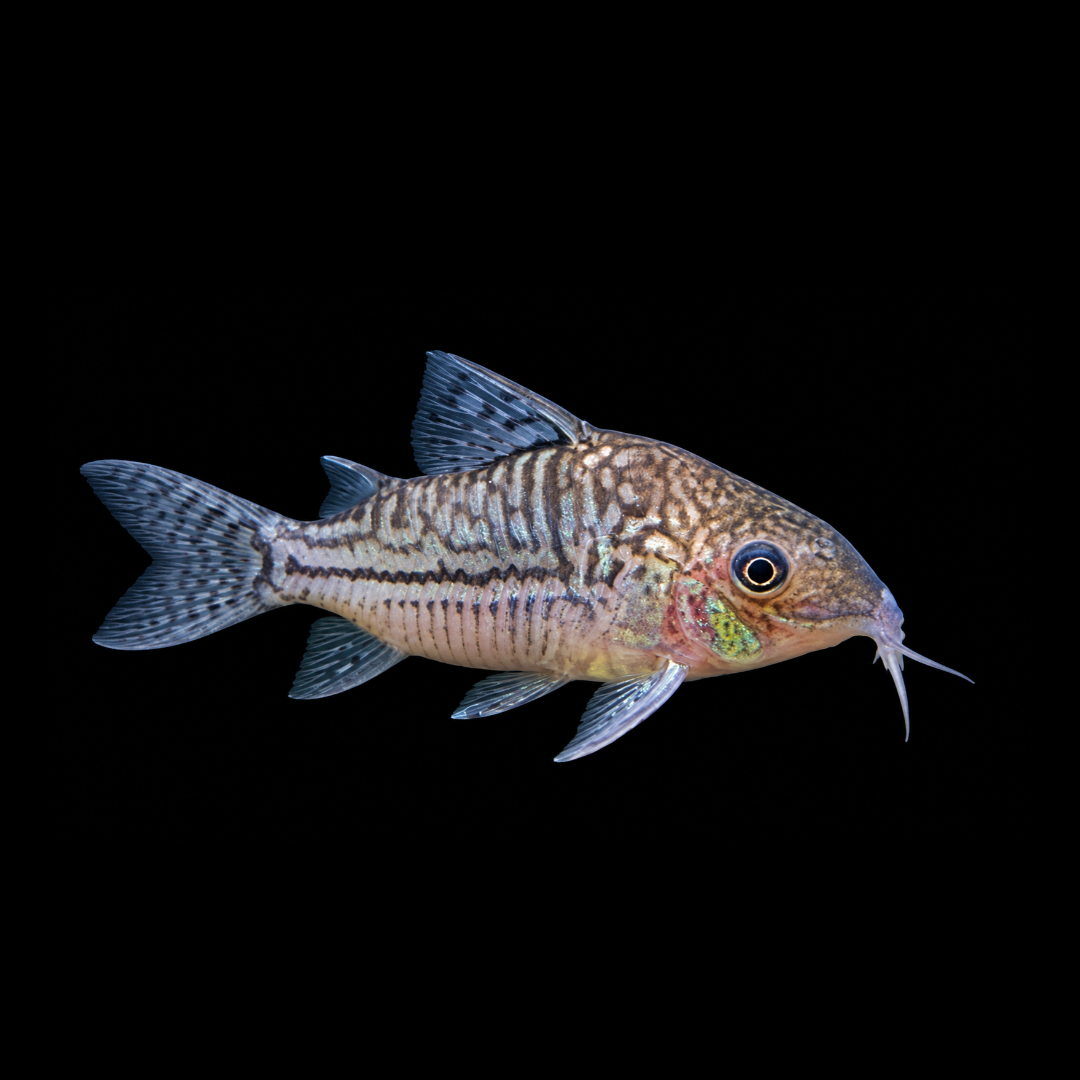
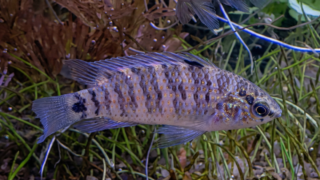
ブロキス・ソダリスは、銀灰色の体に細かな網目模様が広がる、南米アマゾン川水系原産の小型の底生魚です。日本では「コリドラス・ソダリス」の名前で親しまれてきましたが、2024年に公表された分類の再検討によって、ブロキス属に位置づけられました。体側には光の当たり方によって金属的な輝きが現れ、落ち着いた色合いの中にも繊細な美しさがあります。よく似たレティキュラータスと比べると、背びれにまとまった大きな黒斑がないことが見分ける手掛かりです。性格は穏やかで、仲間と砂を探りながら餌を食べる姿も魅力のひとつ。清潔な底床と十分な餌、安心して過ごせる仲間のいる環境を整えることで、その自然な振る舞いを楽しめます。 Brochis sodalis is a small bottom-dwelling catfish from the Amazon basin, distinguished by a fine network of dark markings across its silvery-gray body. Long familiar to Japanese aquarists as Corydoras sodalis, it was assigned to Brochis in a taxonomic revision published in 2024. Its flanks can show a metallic sheen as the light changes, adding subtle beauty to its restrained coloration. The absence of a large, clearly defined black blotch on the dorsal fin helps distinguish it from the similar network cory, Brochis reticulata. Peaceful behavior and the sight of several fish searching the sand together are equally appealing. A clean substrate, adequate food, and the company of its own species help it settle and display its natural behavior.
基本情報 / Basic Information
| 学名 / Scientific Name | Brochis sodalis (Nijssen & Isbrücker, 1986) |
|---|---|
| 通称 / Common Name | ブロキス・ソダリス、コリドラス・ソダリス。国内では、旧学名に由来する「コリドラス・ソダリス」という流通名も引き続き使われています。Sodalis cory, false network cory. In the Japanese aquarium trade, the name Corydoras sodalis remains in use alongside the updated genus name. |
| 分類 / Family | ナマズ目・カリクティス科・コリドラス亜科・ブロキス属。Order Siluriformes; family Callichthyidae; subfamily Corydoradinae; genus Brochis. |
| 英名 / English Name | False network catfish, False network cory |
| 分布 / Distribution | 南アメリカのアマゾン川水系。ペルー、ブラジル、コロンビアに分布します。基準産地(学名の基準となる標本の採集地)は、ペルー・ロレト県のヤバリ川水系にあるマタマタ湖につながる水路です。The Amazon River basin in South America, including Peru, Brazil, and Colombia. The type locality, where the specimen serving as the reference for the species name was collected, is a channel associated with Lago Matamata in the Río Yavarí drainage, Loreto, Peru. |
| 最大体長 / Max Size | 成魚の大きさは約5~6cmが目安です。尾びれを含まない標準体長では約4.9cmの記録があります。尾びれまで含めた全長とは測定範囲が異なるため、数値を比較するときは区別してください。Adults are approximately 5–6 cm long as a practical aquarium guide. A standard length of about 4.9 cm has been recorded. Standard length excludes the caudal fin, so it should not be directly compared with total length, which includes the tail. |
| 寿命 / Lifespan | 数年単位の長期飼育を見込んで迎えたい魚です。本種の平均寿命や最長寿命は十分に明らかになっておらず、飼育条件や導入時の年齢によって差があります。野生採集個体では、購入時点の年齢が分からないこともあります。Plan for a commitment lasting several years. A reliable species-specific average or maximum lifespan has not been established, and longevity varies with husbandry and age at acquisition. The age of a wild-caught fish may be unknown when it is purchased. |
飼育環境 / Aquarium Environment
| 水槽サイズ / Tank Size | 同種5~6匹を中心に飼う場合は、60cm規格水槽(幅60×奥行30×高さ36cm、約60L級)以上を目安にします。混泳魚を増やす場合や、採餌場所に余裕をもたせたい場合は、90cm規格水槽(幅90×奥行45×高さ45cm、約180L級)が選択肢になります。底で過ごす時間が長いため、水槽の高さだけでなく底面の広さを重視してください。実際の水量は、水位や底床、流木などによって少なくなります。For a group of five or six kept as the main inhabitants, a Japanese standard 60 cm aquarium measuring approximately 60 × 30 × 36 cm, in the roughly 60-liter class, is a practical starting point. A standard 90 cm aquarium measuring approximately 90 × 45 × 45 cm, in the roughly 180-liter class, is an option when adding more companions or providing extra foraging space. Prioritize floor area because these fish spend much of their time near the bottom. Actual water volume will be lower after allowing for the waterline, substrate, and decorations. |
|---|---|
| 水温 / Temperature | 22~26℃を日常管理の目安にします。夏は高水温が続かないよう、実測値に応じて室内冷房、冷却ファン、水槽用クーラーを使い分け、十分な酸素供給を確保します。冬はヒーターで保温し、換水時を含めて急な温度変化を避けてください。 Use 22–26°C as a routine husbandry guide. In summer, choose room air conditioning, a cooling fan, or an aquarium chiller according to measured temperatures, and maintain adequate oxygenation. Use a heater when needed in winter and avoid abrupt temperature changes, including during water changes. |
| 水質 / Water Quality | 弱酸性~中性付近の淡水を基本とし、軟水~中程度の硬度で安定させます。数値を合わせようとして、pHや硬度を急に変えることは避けてください。十分に立ち上がったろ過を使い、アンモニアと亜硝酸が検出されない状態を維持します。週1回、全水量の4分の1~3分の1程度の換水を目安に、飼育密度や測定結果に応じて調整してください。流木やモモタマナの葉で水を着色することは必須ではありません。Aim for stable, slightly acidic to near-neutral freshwater with soft to moderately hard conditions. Avoid sudden changes in pH or hardness made solely to reach a target number. Use mature biological filtration and keep ammonia and nitrite undetectable. Weekly changes of approximately one-quarter to one-third of the water provide a practical guide, adjusted to stocking and test results. Staining the water with wood or Indian almond leaves is optional. |
| レイアウト / Layout | 角のない細かな砂を厚さ1cm前後に敷き、口元を砂に差し込んで餌を探せる場所を広く残します。流木や水草は側面や奥にまとめ、薄暗い休息場所も用意すると落ち着きやすくなります。底床は粒の滑らかさと清潔さが大切で、砂利を使う場合も鋭い粒や汚れの蓄積を避けてください。ろ過器は外部式、上部式、スポンジ式などから水量と管理方法に合うものを選び、水面を穏やかに動かします。水面まで上がれる通り道を残し、飛び出しを防ぐふたも設置します。Provide a shallow layer of smooth, fine sand, around 1 cm deep, and leave a broad area where the fish can probe for food. Position wood and plants toward the sides and rear while providing shaded resting places. Smooth particles and cleanliness are important; if gravel is used, avoid sharp grains and accumulated waste. Choose a canister, overhead, sponge, or other suitable filter according to aquarium size and maintenance needs, with gentle surface movement. Keep a clear route to the surface and fit a lid to prevent jumping. |
| 注意点 / Precautions | 導入直後の魚では、腹部のへこみ、口元の傷み、呼吸の速さ、実際に餌を食べているかをよく観察します。移動時は長く追い回さず、胸びれや背びれの棘が網や袋に引っ掛からないように扱ってください。素手で強くつかむことも避けます。水温・水質の急変を避けて水合わせを行った後は、袋の水を水槽へ注ぎ込まず、魚を傷つけないように移します。高水温、過密、餌の残りすぎは、酸素不足や水質悪化につながるため注意が必要です。Watch newly acquired fish for a sunken abdomen, damage around the mouth, rapid breathing, and whether they are actually eating. Avoid prolonged chasing during capture, and prevent the pectoral and dorsal spines from becoming caught in nets or bags. Do not grip the fish tightly with bare hands. After acclimation without abrupt changes in temperature or water chemistry, transfer the fish carefully without pouring the shipping water into the aquarium. Excessive heat, crowding, and uneaten food can contribute to oxygen depletion and deteriorating water quality. |
餌と給餌 / Feeding
| 餌の種類 / Diet | 動物質をよく食べる雑食性です。コリドラス用などの沈下性の総合飼料を主食にし、口に合う小粒のペレットや、食べやすく崩れるタブレットを選びます。副食として冷凍赤虫やブラインシュリンプなどを適量組み合わせます。生き餌を使う場合は入手先と衛生状態に気を配り、特定の餌だけに偏らないようにしてください。An omnivore that readily eats animal foods. Use a nutritionally complete sinking food as the staple, choosing small pellets or tablets that soften and break apart into manageable pieces. Supplement with suitable portions of frozen bloodworms or brine shrimp. If live food is offered, consider its source and hygiene, and avoid relying on a single food type. |
|---|---|
| 給餌のポイント / Feeding Tips | 1日1~2回を目安に少量ずつ与え、すべての個体が食べられているかを確認します。混泳水槽では上層の魚に餌を取られやすいため、餌を落とす場所を分けたり、消灯前の落ち着いた時間に与えたりするとよいでしょう。底を探っていても十分に食べているとは限らないので、腹部のふくらみと体つきを継続して観察します。ほかの魚の食べ残しだけでは栄養が不足しやすいため、本種の分も用意してください。食べ残しは長時間放置せず、給餌量を調整します。Offer small portions once or twice daily as a starting routine and check that every fish receives food. In a community aquarium, distribute sinking food among several locations or feed during the quieter period before lights-out to reduce competition from fish above. Searching the substrate does not necessarily mean a fish is eating enough, so monitor abdominal fullness and body condition. Depending entirely on other fishes’ leftovers can lead to malnutrition, so provide food specifically for the corys. Remove uneaten food before it remains for long periods and adjust portions accordingly. |
性格と混泳 / Temperament and Tank Mates
| 性格 / Temperament | 穏やかで、同種の仲間と一緒に過ごす性質があります。5~6匹以上を目安に、無理なく飼える水槽を用意すると、寄り添って休む姿や連れ立って採餌する姿を観察しやすくなります。導入直後は物陰に隠れることもあるため、隠れ場所を確保し、強い振動や頻繁なレイアウト変更を控えて落ち着かせましょう。Peaceful and social with its own species. A group of five or six or more, housed in an appropriately sized aquarium, allows opportunities to observe resting together and shared foraging. Newly introduced fish may hide, so provide shelter and let them settle without strong vibrations or frequent rearrangement of the aquarium. |
|---|---|
| 混泳の相性 / Compatibility | 小型テトラやラスボラなど、水温・水質が合う穏やかな魚が候補になります。他のコリドラス類やオトシンクルスとも同居できますが、底面の広さとそれぞれへの給餌を確保してください。大型の肉食魚、ヒレをかじる魚、底層で強く縄張りを主張する魚との組み合わせは避けます。小型シクリッドでも繁殖期には底生魚を追い払うことがあるため、種類と個体の性質を見て判断します。魚卵や口に入る小さな稚エビは食べられる可能性があります。Small peaceful tetras and rasboras with compatible water requirements are suitable possibilities. Other corys and Otocinclus may also be kept with them if sufficient floor space and appropriate feeding are provided for each species. Avoid large predators, fin-nippers, and strongly territorial bottom dwellers. Even dwarf cichlids may chase bottom-dwelling fish while breeding, so assess both species and individual behavior. Fish eggs and very small shrimp may be eaten. |
病気と対策 / Diseases and Prevention
| かかりやすい病気 / Common Diseases | 白点病や、細菌感染に伴うヒレ・口元の傷みに注意します。ヒゲの短縮や欠損には、外傷や底床の衛生状態など複数の要因が関わるため、症状だけで原因を決めつけないことが大切です。導入魚では寄生虫などによる不調が見られる場合もありますが、痩せや食欲低下は給餌不足、水質の問題、混泳によるストレスでも起こります。呼吸が急に速くなったり、水面へ頻繁に浮上したりする場合は、酸素不足やアンモニア・亜硝酸の影響も確認してください。Watch for white spot disease and bacterial problems affecting the fins or mouth. Shortened or missing barbels can involve several factors, including injury and poor substrate hygiene, so their appearance alone does not establish the cause. Newly acquired fish may also carry parasites, but weight loss and poor appetite can result from inadequate feeding, water problems, or stress from tank mates. Rapid breathing or unusually frequent surface visits warrant checking oxygen conditions and ammonia and nitrite levels. |
|---|---|
| 対策と予防 / Prevention | 新しい魚は、ろ過の安定した隔離水槽で数週間観察してから合流させると安心です。日常は底床の汚れを吸い出し、適量の給餌と定期的な換水を続けます。不調時にはまず水温、水質、酸素供給を確認し、原因に応じて環境の改善や治療を行ってください。薬剤を使う場合は、対象魚種、成分、使用濃度、ろ過への影響を確認し、製品の用法に従います。原因が分からないまま複数の薬を併用したり、一律に高温へ上げたりすることは避け、症状が続く場合は観賞魚を診療できる獣医師などに相談しましょう。Observe new arrivals for several weeks in a quarantine aquarium with established filtration before introducing them to other fish. Keep the substrate clean, feed appropriate amounts, and maintain regular water changes. If a fish becomes unwell, first check temperature, water quality, and oxygen supply, then address the likely cause through environmental improvements or suitable treatment. Before using medication, verify its suitability for the fish, ingredients, dosage, and effects on filtration, and follow the product instructions. Avoid combining medications without a diagnosis or automatically raising the temperature. Consult a veterinarian experienced with ornamental fish if problems persist. |
増やし方(繁殖) / Breeding
| 雌雄の判別 / Sexing | 成熟した個体を上から見ると、雌は雄より体幅が広く、腹部がふっくらする傾向があります。雄は比較的細身で、繁殖時には雌を追う行動が見られます。若魚や痩せた個体では判別が難しく、体格だけで確定できない場合もあります。腹部のふくらみをすべて抱卵と判断せず、食欲や泳ぎ方も合わせて観察してください。Viewed from above, mature females tend to be broader and fuller through the abdomen, while males are generally slimmer. Males may pursue females during courtship. Juveniles and underweight individuals can be difficult to sex, and body shape alone is not always conclusive. Assess appetite and swimming behavior as well, rather than assuming every swollen abdomen indicates eggs. |
|---|---|
| 繁殖形態 / Reproduction | 粘着性の卵を水槽のガラス面や水草などに付着させる卵生魚で、飼育下での繁殖例があります。繁殖時には雌雄が体をT字形に合わせる「Tポジション」と呼ばれる姿勢をとり、雌は腹びれの間に卵を保持してから産み付けます。親による卵や稚魚の保護はなく、親魚や混泳魚が卵を食べることもあります。産卵数やふ化までの日数は、雌の状態や水温などによって変わります。An egg-laying species with documented aquarium breeding. Adhesive eggs are attached to glass, plants, or other surfaces. During spawning, the male and female adopt a characteristic T-shaped arrangement known as the T-position. The female holds the eggs between her pelvic fins before attaching them to a surface. There is no parental care, and adults or tank mates may eat the eggs. Egg numbers and incubation time vary with female condition, temperature, and other circumstances. |
| 繁殖のポイント / Breeding Tips | まず成熟した雌雄を良好な栄養状態に整え、沈下性の総合飼料に冷凍赤虫などを適量組み合わせます。複数の雌雄を育て、雌1匹に雄2匹程度を組み合わせる方法もあります。照明の点灯・消灯時刻を一定にし、清潔で酸素の多い水を保ちながら、水草や産卵モップなど、卵を付着させられる場所を用意しましょう。夜間に産卵する例もあるため、朝にガラス面や産卵床を確認すると発見につながります。換水は水温・水質を急変させない範囲で行い、大量の冷水換水を必須の操作とは考えないでください。 卵を見つけたら親魚を移すか、卵を傷めないよう別の育成容器へ移し、穏やかな水の流れやエアレーションを確保します。白濁して傷んだ卵や、水生菌が付いた卵は取り除きます。ふ化までは通常数日を要しますが、水温などによって前後します。ふ化した稚魚は、はじめに腹部に残る卵黄を栄養として使います。卵黄が吸収されたら、口に合う大きさのブラインシュリンプ幼生や稚魚用の微細な餌を少量ずつ与え、食べているかを確認してください。残餌と排泄物をこまめに吸い出し、水温を合わせた少量の換水を重ねることが育成の基本です。Begin with mature, well-conditioned adults, offering a balanced sinking staple supplemented with suitable portions of frozen bloodworms or similar foods. Keeping several mature fish provides options for pairing; approximately two males to one female is one possible arrangement. Maintain consistent lighting times, clean well-oxygenated water, and surfaces such as plants or spawning mops. Spawning may occur at night, so inspect glass and spawning sites in the morning. Make water changes without abrupt shifts in temperature or chemistry; large cold-water changes are not an essential requirement. Once eggs are found, remove the adults or carefully transfer the eggs to a separate rearing container with gentle water movement or aeration. Remove deteriorating opaque eggs and those affected by water mold. Hatching generally takes a few days, depending on temperature and other conditions. Newly hatched larvae initially use their yolk reserves. Once the yolk is absorbed, offer suitably small newly hatched brine shrimp or fine fry food in small portions, and check that the fry are eating. Frequent removal of uneaten food and waste, together with small temperature-matched water changes, forms the basis of successful rearing. |
雑学と豆知識 / Trivia and Fun Facts
| 1. 「仲間」という名前に残る、よく似た魚とのつながり / 1. A Name Meaning “Companion” | 種小名の「sodalis」は、ラテン語で「仲間」や「相棒」を意味します。砂の上で寄り添う姿を思い浮かべたくなる名前ですが、命名には、よく似たレティキュラータスとの関係が込められています。本種は1986年、魚類学者のNijssenとIsbrückerによって新種として記載されました。並べて見れば近い印象を受ける2種でも、背びれの黒斑などを丁寧に見ていくと違いが見えてきます。「仲間」という短い名前には、似ている魚を比較し、その中から別の種を見いだしていく分類学の仕事が映されています。The specific name sodalis is Latin for “companion” or “comrade.” Although it brings to mind fish resting together on the sand, the name refers to its resemblance to the network cory, Brochis reticulata. Nijssen and Isbrücker formally described the species in 1986. The two fish can look remarkably alike, yet careful attention to features such as the dorsal-fin blotch reveals useful differences. This short name preserves a small piece of taxonomic history: comparing similar fishes closely enough to recognize that they represent distinct species. |
|---|---|
| 2. コリドラスからブロキスへ変わった理由 / 2. From Corydoras to Brochis | 長くコリドラス属にまとめられてきた魚たちは、模様や体型が似ていても、進化の道筋まで同じとは限りません。DNAから進化上のつながりを調べた2011年の研究では、コリドラス亜科に9つの主要な系統が示され、ソダリスは従来「系統8」と呼ばれたグループに位置づけられました。その後、DNAと体の構造を比較した2024年の分類整理では、コリドラス亜科を7属として扱い、本種はブロキス属へ移されました。 かつてブロキスといえば、スプレンデンスなどの比較的大柄な魚を思い浮かべることが多かったものの、見直されたブロキス属には小型のソダリスも含まれます。鼻先の長さや体の大きさだけでは分からなかった血縁関係が、研究によって少しずつ整理された結果です。「コリドラス・ソダリス」という親しみのある呼び名には飼育の歴史が、新しい学名には進化についての理解が表れています。Fish long grouped together as Corydoras do not necessarily share the same evolutionary history simply because their patterns or body shapes look similar. A 2011 study using DNA to examine evolutionary relationships identified nine major lineages within Corydoradinae, placing sodalis in the group traditionally called lineage 8. A revision published in 2024 compared DNA and body structure, recognized seven genera within the subfamily, and reassigned this species to Brochis. Brochis was once mainly associated with relatively large fish such as the emerald cory, but its revised scope also includes the smaller sodalis. This reflects relationships that snout length and body size alone could not fully reveal. The familiar name Corydoras sodalis carries the history of aquarium keeping, while the updated scientific name reflects a developing understanding of the fish’s ancestry. |
| 3. 網目模様の似た魚を見分ける楽しみ / 3. Looking Beyond the Network Pattern | ソダリスによく似るレティキュラータスの現在の学名は、Brochis reticulataです。両種を見比べるときは、まず背びれに注目してみましょう。レティキュラータスには目立つ大きな黒斑があり、ソダリスはそのようにまとまった黒斑を欠きます。ただし、ソダリスの背びれに細かな暗色模様が現れることはあるため、「黒い部分が少しでもあれば別種」とは判断できません。 同じく網目状の模様で知られるトリリネアータスは、現在ではHoplisoma trilineatumとされ、別の属に含まれます。体側中央の濃い帯や背びれの黒斑などを合わせて見ることが、区別の助けになります。模様には個体差もあるので、ひとつの斑点だけで決めず、体全体の特徴を見比べると観察の楽しみが広がります。The similar network cory is currently named Brochis reticulata. When comparing it with sodalis, begin with the dorsal fin: reticulata has a conspicuous large dark blotch, whereas sodalis lacks that clearly defined patch. Fine dark markings may still occur on the dorsal fin of sodalis, so the presence of any dark pigment alone does not indicate a different species. The familiar three-lined cory is now Hoplisoma trilineatum and belongs to another genus. Features such as its dark midlateral stripe and dorsal-fin blotch help with comparison. Because markings vary among individuals, examining the overall combination of features is more useful than relying on a single spot and makes observing these fishes more rewarding. |
| 4. 水面へひと泳ぎするのは、空気を使う呼吸のため / 4. A Quick Trip to the Surface | 底で静かに過ごしていたソダリスが、急に水面まで泳ぎ上がり、すぐに戻ることがあります。これは、コリドラスの仲間にみられる腸呼吸に関わる行動です。口から取り込んだ空気を利用して、腸の一部で酸素を吸収するしくみは、赤コリや青コリなどの研究で詳しく調べられています。水中の酸素が少なくなる環境で生きるうえで、こうした能力が役立ちます。 水槽でも、ときどき空気を取りに上がるだけなら自然な行動の範囲に含まれます。浮草や器具で水面への通り道をふさがないようにしましょう。いつもより何度も浮上したり、ほかの魚まで呼吸が速くなったりしたときは、水温や酸素供給、水質を確認してください。A sodalis resting near the bottom may suddenly dart to the surface and immediately return. This is associated with intestinal air breathing, a behavior found among corys. Studies of species such as the bronze and peppered cory have examined how oxygen from swallowed air is absorbed through a specialized part of the intestine. This ability helps these fishes cope with environments where dissolved oxygen can become scarce. Occasional trips for air can be normal in an aquarium. Keep floating plants and equipment from blocking access to the surface. If surfacing becomes noticeably more frequent, especially when other fish are also breathing rapidly, check temperature, oxygen supply, and water quality. |
| 5. 小さな体を守る骨板と棘、移動時に気をつけたい分泌物 / 5. Armor, Spines, and Careful Handling | 穏やかなソダリスにも、身を守るための備えがあります。体側を覆う骨板と、背びれ・胸びれの硬い棘は、その代表です。コリドラスの仲間では、胸びれの付け根周辺にある腺や分泌物も研究されています。一部の種では、強い刺激を受けて放出した分泌物によって、狭い容器の中で魚自身に悪影響が出る「自家中毒」と呼ばれる現象が報告されています。 ただし、分泌物の成分や働きには未解明の点があり、ほかの種で分かった性質をそのままソダリスに当てはめることはできません。輸送中の不調には酸欠や水質悪化も関わるため、水の白濁だけで原因を決めつけないようにします。移動時には、捕獲のために長く追い回さず、過密な輸送を避け、輸送水を飼育水へ注ぎ込まないことが基本です。こうした性質を踏まえて扱うことが、魚の負担を減らすことにつながります。Despite its peaceful nature, sodalis has physical defenses: bony plates along its flanks and hard spines in the dorsal and pectoral fins. Research on corys has also examined glands and secretions near the pectoral-fin region. In some species, secretions released under severe stress have been reported to adversely affect the fish itself in a confined container, a phenomenon commonly called self-poisoning. The composition and functions of these secretions remain incompletely understood, and findings from other species cannot automatically be applied to sodalis. Oxygen depletion and deteriorating water conditions can also cause transport problems, so cloudiness alone does not establish the cause. Practical precautions include minimizing chasing, avoiding crowded transport, and keeping shipping water out of the aquarium. Handling these fishes with their characteristics in mind helps reduce stress. |
| 6. 似た模様とミューラー擬態の、興味深い関係 / 6. Similar Patterns and Müllerian Mimicry | 南米の水辺には、血縁の離れたコリドラスの仲間どうしが、よく似た模様をもち、同じ場所で群れる例があります。身を守る特徴を備えた魚たちがよく似た模様をもつと、捕食者がその模様を覚えて避けることで、複数の種がともに襲われにくくなると考えられています。このしくみは、ミューラー擬態として研究されてきました。また、似た外見の魚たちでも口先の形や餌の利用のしかたが異なり、餌をめぐる競争を抑えながら共存していることが示されています。 ただし、ソダリス自身の網目模様が、このしくみによって生じたと実証されているわけではありません。2011年の研究でも、本種は擬態群の構成種として扱われていません。模様の似かよりには共通祖先から受け継いだ特徴も関わるため、見た目が似ていること、血縁が近いこと、同じ場所で暮らすことは、それぞれ分けて考える必要があります。似た魚どうしの関係を丁寧にたどると、模様だけでは分からない進化のつながりが見えてきます。In South America, some distantly related corys share remarkably similar patterns and form mixed shoals. When fishes with defensive traits share a similar pattern, predators may learn to recognize and avoid that pattern, benefiting several species. This mechanism has been studied as Müllerian mimicry. Research has also shown that differences in snout shape and food use help similar-looking fishes coexist with reduced competition for food. However, the network pattern of sodalis has not been demonstrated to have evolved through this mechanism. The 2011 study did not classify it as a member of a mimicry ring. Similar patterns may also reflect shared ancestry, so visual resemblance, close relationship, and living in the same place need to be considered separately. Tracing these relationships reveals evolutionary connections that markings alone cannot explain. |
| 7. アマゾンから水槽へつながる、流通と地域の暮らし / 7. From the Amazon to the Aquarium | 日本で見かけるソダリスには、南米で採集された個体が多く含まれます。原産地や輸出経路は入荷便によって異なり、ペルーだけでなく、ブラジルやコロンビアからの流通も知られています。入荷魚の模様や体つきに違いが見えることもありますが、それだけで別種や地域ごとに固有の特徴をもつ集団と決めることはできません。購入時に産地や入荷後の管理、食べている餌を尋ねると、魚を迎える準備にも、その背景を知る楽しみにもつながります。 ペルーのイキトス周辺では、ARCOF(アマゾン観賞魚研究センター)が、観賞魚の持続可能な養殖技術や環境教育に取り組んでいます。こうした活動は、地域の暮らしと水辺の生き物の保全を両立させることを目指しています。魚の由来に関心をもち、迎えた一匹を健康に長く育てることは、日々の飼育の中で続けられる大切な姿勢です。Many sodalis offered in Japan are wild-caught fish from South America. Collection areas and export routes vary, with trade documented from Brazil and Colombia as well as Peru. Differences in the appearance of imported groups do not, by themselves, establish separate species or populations with distinctive geographical traits. Asking about origin, care since arrival, and accepted foods helps prepare for the fish and adds interest to its background. Near Iquitos in Peru, the Amazon Research Center for Ornamental Fishes, or ARCOF, works on sustainable ornamental-fish aquaculture and conservation education. These activities aim to support local livelihoods while conserving aquatic life. Taking an interest in a fish’s origin and caring for it well over the long term are worthwhile habits within everyday aquarium keeping. |
まとめ / Conclusion
ブロキス・ソダリスは、銀灰色の体に広がる網目模様と、仲間とともに砂を探る穏やかな姿が魅力の底生魚です。十分な底面積のある水槽、滑らかで清潔な底床、安定した水温・水質を保ち、すべての個体に餌が行き渡るようにすることが、健康を支える飼育の基本です。 Brochis sodalis is a peaceful bottom-dwelling catfish valued for the network pattern across its silvery-gray body and its gentle habit of exploring the sand with companions. Adequate floor space, a smooth and clean substrate, stable water conditions, and food that reaches every individual form the foundation of healthy aquarium care.
落ち着いて暮らす群れは、水槽の底に静かな動きを添えます。採餌や休息の様子を日々観察することで、体調の変化だけでなく、個体ごとの模様や行動の違いにも気づきやすくなります。繊細な模様と穏やかな振る舞いを、長く見守りたくなる魚です。 A settled group adds quiet movement to the bottom of an aquarium. Daily observation of feeding and resting behavior helps reveal changes in condition as well as differences in individual markings and habits. Its delicate pattern and peaceful behavior make it a rewarding fish to observe over the long term.
気になる道具や飼い方を見つけてみませんか?
 アイのアクアグッズ案内あい先生のアクアグッズ深堀り!|泡で汚れを取り出す? プロテインスキマーの歴史と仕組み道具の特徴や使い方、選ぶときのポイントをアイが紹介します。記事はコチラ →
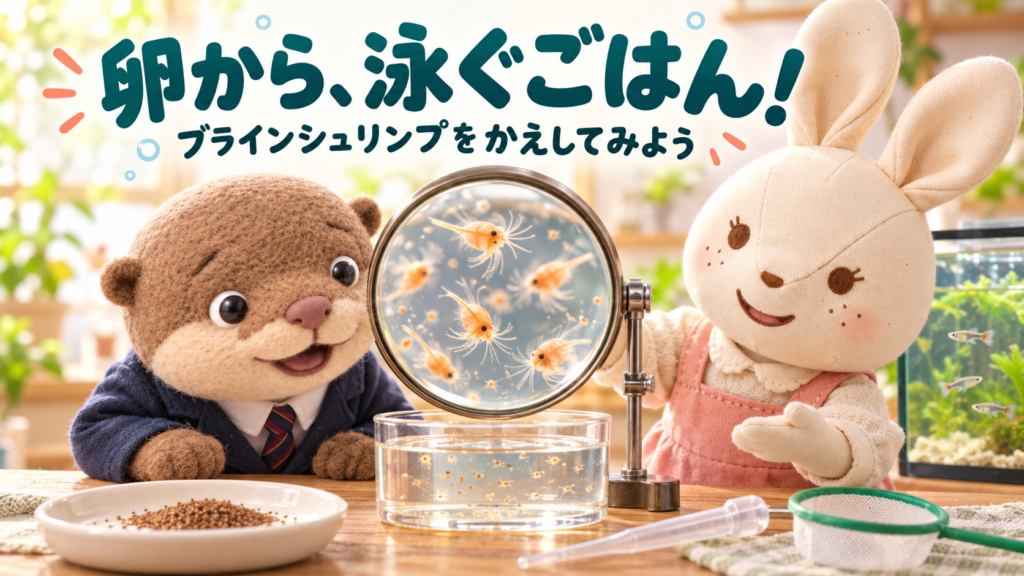 アイのアクアグッズ案内そのごはん、泳いでる! 卵から始めるブラインシュリンプの孵化と道具選び道具の特徴や使い方、選ぶときのポイントをアイが紹介します。記事はコチラ →
さまざまな飼育テーマをご紹介。リンク先の記事には広告・商品紹介が含まれます。
案内・紹介記事一覧へ →分布マップ
ブロードバンドアクセルロディ(CW169)は、南米コロンビアのメタ県グラナダ周辺やアリアリ川を産地とする個体が流通しています。
地図はグラナダ周辺とアリアリ川を含む地域の位置関係を示す概略表示です。マーカーはグラナダ付近に置いた代表地点であり、実際の採集地点ではありません。表示範囲全体に生息することを示すものではなく、詳しい採集地点と分布範囲には未確認の部分があります。
参考文献
-
原記載・形態・基準産地
Nijssen, H. & Isbrücker, I. J. H.(1986). Cinq espèces nouvelles de poissons-chats cuirassés du genre Corydoras Lacepède, 1803, du Pérou et de l’Equateur (Pisces, Siluriformes, Callichthyidae). Revue française d’Aquariologie Herpétologie, 12(3)[1985年分], 65–76.
ソダリスの新種記載、種小名の由来、近似種との形態比較、基準産地を扱った原著論文。
書誌情報(California Academy of Sciences) -
属の再分類・現在の学名
Dias, A. C., Tencatt, L. F. C., Roxo, F. F., da Costa Silva, G. D. S., Santos, S. A., Britto, M. R., Taylor, M. I. & Oliveira, C.(2025;2024年6月11日先行公開). Phylogenomic analyses in the complex Neotropical subfamily Corydoradinae (Siluriformes: Callichthyidae) with a new classification based on morphological and molecular data. Zoological Journal of the Linnean Society, 203(3), zlae053.
分子・形態データによるコリドラス亜科の分類再検討と、ブロキス属の再定義を扱った研究。
DOI: 10.1093/zoolinnean/zlae053
関連訂正:種小名の語尾に関する訂正(2025). 同誌, 203(4), zlaf035. DOI: 10.1093/zoolinnean/zlaf035
-
有効名・分布・基準標本
Fricke, R., Eschmeyer, W. N. & van der Laan, R.(編)(2026). Eschmeyer’s Catalog of Fishes: Genera, Species, References. California Academy of Sciences. Brochis sodalis 種レコード。
現在の有効名、旧学名、基準産地・標本、およびブラジル・コロンビア・ペルーのアマゾン川水系における分布情報。
種レコード(Eschmeyer’s Catalog of Fishes)閲覧日:2026年10月21日。
-
生息環境・体長・水温
Froese, R. & Pauly, D.(編)(2026). FishBase. Brochis sodalis (Nijssen & Isbrücker, 1986), species ID 46231.
淡水の底層に生息する性質、標準体長、水温などの種別情報を収録した魚類データベース。
種情報(FishBase)閲覧日:2026年10月21日。
-
系統関係・擬態・生態
Alexandrou, M. A., Oliveira, C., Maillard, M., McGill, R. A. R., Newton, J., Creer, S. & Taylor, M. I.(2011). Competition and phylogeny determine community structure in Müllerian co-mimics. Nature, 469(7328), 84–88.
コリドラス亜科の系統関係と、類似した体色をもつ種の共存や食物資源の使い分けを調べた比較研究。
DOI: 10.1038/nature09660 -
コリドラス類の飼育・給餌・繁殖
Chiang, A., Haine, S. S. S., Goldring, R., Jungwirth, A., Siddiqui, M., Wilkinson, G., Manica, A. & Riley, R. J.(2024). Comprehensive Husbandry Protocol for Corydoras Catfish and Many Other Amazonian Species. Journal of the American Association for Laboratory Animal Science, 63(5), 472–479.
複数のコリドラス類を対象とした、水質・ろ過管理、沈下性飼料と給餌、親魚の管理、卵・稚魚の育成に関する飼育プロトコル。
DOI: 10.30802/AALAS-JAALAS-24-039 全文(PubMed Central) -
腸呼吸の仕組み
Podkowa, D. & Goniakowska-Witalińska, L.(2002). Adaptations to the air breathing in the posterior intestine of the catfish (Corydoras aeneus, Callichthyidae). A histological and ultrastructural study. Folia Biologica (Kraków), 50(1–2), 69–82.
赤コリドラスの後腸を対象に、空気呼吸に適応した組織の構造を調べた研究。
書誌情報・要旨(PubMed) -
輸送時のストレスと分泌物
Kiehl, E., Rieger, C. & Greven, H.(2006). Axillary gland secretions contribute to the stress-induced discharge of a bactericidal substance in Corydoras sterbai (Callichthyidae, Siluriformes). Verhandlungen der Gesellschaft für Ichthyologie, 5, 111–115.
ステルバイを対象に、輸送時に水中へ放出される分泌物と胸びれ付近の腺との関係を調べた研究。
原著PDF(Heinrich Heine University Düsseldorf) -
魚類の健康管理・病気の予防
Francis-Floyd, R., Stilwell, N. K. & Yanong, R. P. E.(2025年6月改訂). Introduction to Fish Health Management. University of Florida, UF/IFAS Extension, CIR921/FA004.
魚類全般を対象とした、水質・栄養・衛生と病気の関係、不調時の水質確認、感染症と環境に由来する不調の考え方。
本文(University of Florida/UF/IFAS Extension) -
白点病・導入魚の隔離・感染予防
Francis-Floyd, R., Yanong, R. P. E. & Pouder, D. B.(2026年5月改訂). Ichthyophthirius multifiliis (White Spot) Infections in Fish. University of Florida, UF/IFAS Extension, CIR920/FA006.
淡水魚の白点病の原因と感染、導入魚の隔離観察、器具を介した感染の予防、魚種や水質に応じた治療の考え方。
本文(University of Florida/UF/IFAS Extension)




コメント