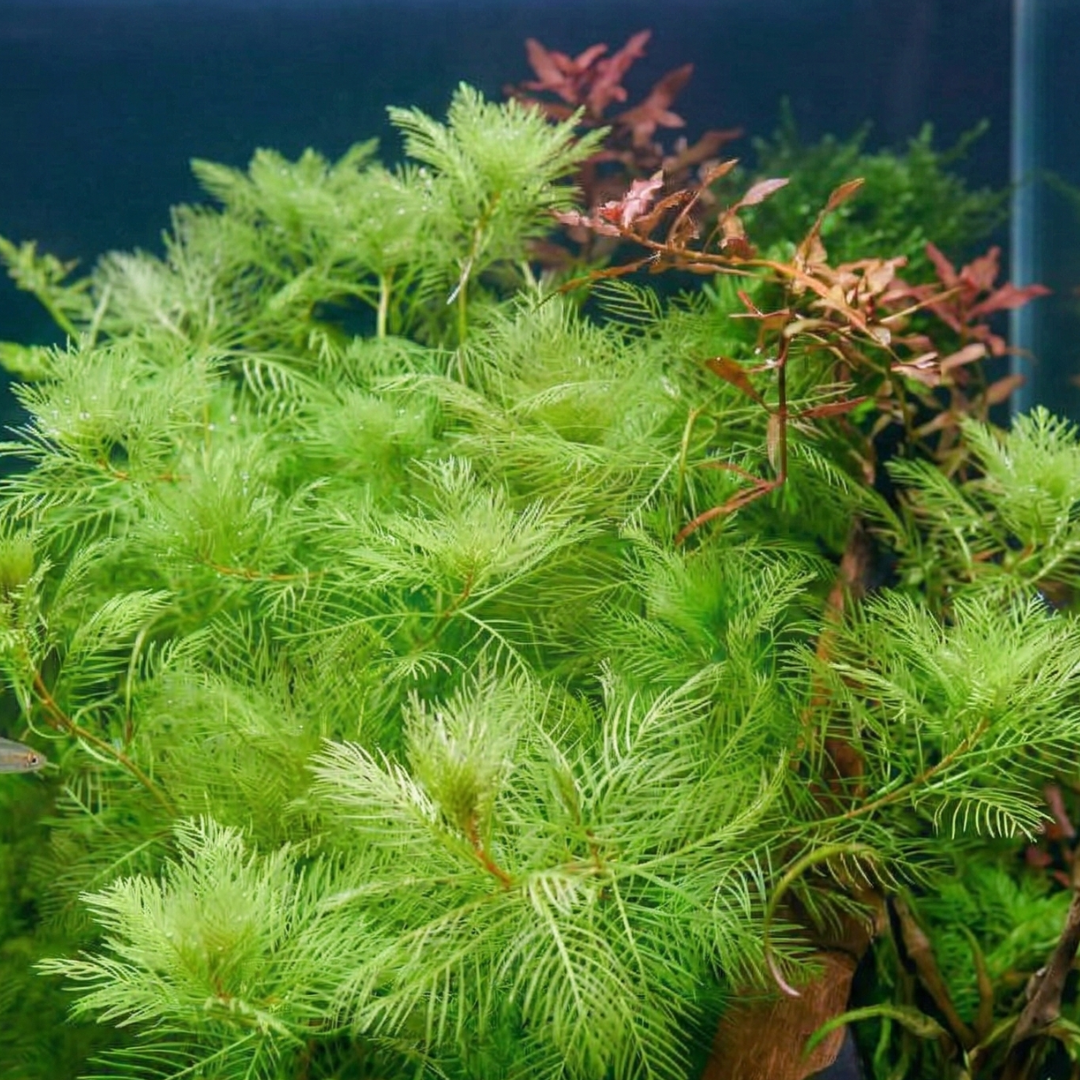
ミリオフィラム・マトグロッセンセは、南アメリカ大陸を原産とする非常に美しい沈水植物です。その最大の魅力は、細かく枝分かれした羽毛のような繊細な葉と、明るく爽やかなライトグリーンの色彩にあります。非常に成長が早く、水質浄化能力にも優れているため、初心者から上級者まで幅広く愛されています。光に向かって放射状に葉を広げる姿は、水景に柔らかなテクスチャーと圧倒的なボリューム感を与え、ネイチャーアクアリウムにおける後景の主役として欠かせない存在となっています。Myriophyllum mattogrossense is a stunningly beautiful aquatic plant native to the South American continent. Its greatest appeal lies in its delicate, feathery leaves and its bright, refreshing light green coloration. It is highly regarded by aquarists of all levels due to its rapid growth rate and excellent water purification capabilities. When it spreads its leaves radially toward the light, it adds a soft texture and immense volume to the aquascape, making it an indispensable choice for background placement in nature aquariums.
基本情報 / Basic Information
学名 / Scientific Name
Myriophyllum mattogrossense
通称 / Common Name
ミリオフィラム・マトグロッセンセMyriophyllum mattogrossense
分類 / Family
アリノトウグサ科 フサモ属Haloragaceae, Genus Myriophyllum
分布 / Distribution
南アメリカ(ブラジル・マトグロッソ州、エクアドルなど)South America (Mato Grosso in Brazil, Ecuador, etc.)
育成難易度 / Difficulty
容易(初心者の方にもおすすめの、非常に丈夫な種類です)Easy (A very hardy species recommended for beginners.)
育成環境 / Cultivation Environment
光量 / Light
中〜高(60cm規格水槽で20W蛍光灯2〜3灯相当以上。光が強いほど密に育ちます)Moderate to High (At least 2-3 standard 20W tubes for a 60cm tank. Stronger light leads to denser growth.)
CO2添加 / CO2 Injection
無くても育成可能ですが、添加することで葉の密度が増し、より美しく仕上がりますNot strictly necessary, but injection significantly increases leaf density and overall beauty.
水質 / Water Quality
弱酸性〜中性(pH 6.0〜7.0)、軟水〜中硬水。日本の水道水質に非常によく適合しますSlightly acidic to neutral (pH 6.0-7.0), soft to medium hard water. Well-suited to Japanese tap water.
底床 / Substrate
ソイル、大磯砂。栄養豊富なソイルを使用すると、成長スピードがさらに向上しますAqua soil or gravel. Using nutrient-rich soil further boosts its growth speed.
レイアウト / Layout
配置 / Positioning
中景〜後景。60cm規格水槽から120cm以上の大型水槽まで、ボリュームを出すのに最適ですMidground to Background. Ideal for creating volume in tanks ranging from 60cm standards to 120cm+ wide tanks.
注意点 / Precautions
成長が非常に早いため、放置するとすぐに水面を覆ってしまいます。定期的な管理が必要ですDue to its very fast growth, it can quickly cover the water surface if left unchecked. Regular maintenance is required.
増やし方(トリミング) / Propagation & Trimming
増やし方 / Propagation
差し戻し。トリミングで切り取った上部を底床に植え直すことで簡単に増殖できますRe-planting cuttings. The upper parts removed during trimming can be easily propagated by planting them back into the substrate.
トリミング / Trimming
ピンチカット。好みの高さで茎を切り揃えると、脇芽が出てより密な茂みになりますPinch cutting. Trimming the stems at the desired height encourages lateral bud growth, creating a denser bush.
病気と対策(コケなど) / Pests & Algae
かかりやすい病気 / Common Issues
鉄分不足による白化現象(新芽が白っぽくなる)、および下葉の脱落Chlorosis (whitening of new buds) due to iron deficiency and shedding of lower leaves.
対策と予防 / Prevention
液体肥料で微量元素を補い、トリミングで株の更新を行って下まで光を届けるようにしますSupplement trace elements with liquid fertilizers and ensure light reaches the lower parts by renewing stems through trimming.
雑学と豆知識 / Trivia and Fun Facts
1. 「赤」と「緑」の数奇な混同の歴史 / 1. A Strange History of Red and Green Confusion
アクアリウムの世界では、約20年もの間、別の赤い水草が本種の名前で誤って流通していました。1990年に研究家のクリステル・カッセルマンが南米で「真の緑色のマトグロッセンセ」を再発見したことで、ようやく本来の姿と「育てやすい緑の水草」という評価が確立されました。For about 20 years in the aquarium hobby, a different red aquatic plant was erroneously traded under this name. It wasn’t until 1990, when researcher Christel Kasselmann rediscovered the “true green Mattogrossense” in South America, that its original identity and reputation as an easy-to-grow green plant were established.
2. アジアでは「香辛料」として親しまれる一面も / 2. A Spice in Asian Culinary Culture
意外なことに、ベトナムなどの一部地域では本種が食用として利用されています。その風味はクミンやレモンに似ていると評され、香辛料のように料理のアクセントに使われることがあります。これは本種が独自の芳香成分を持っていることを示す、非常に興味深いエピソードです。Surprisingly, in some regions like Vietnam, this species is used for food. Its flavor is described as resembling cumin and lemon, and it is sometimes used as a culinary accent like a spice. This is a fascinating indicator that the plant possesses unique aromatic compounds.
3. 組織培養が変えたアクアリウムのスタンダード / 3. Tissue Culture: A New Standard for Aquariums
近年、日本では「BIO みずくさの森」などの組織培養カップでの流通が主流です。これにより、スネール(貝類)や農薬の持ち込みを100%防ぐことが可能になりました。また、置くだけで設置できる「佗び草」という形態もあり、現代の忙しいアクアリストにとって非常に扱いやすい存在となっています。In recent years, tissue-cultured cups like “BIO Mizukusa no Mori” have become the mainstream distribution method in Japan. This allows for the 100% prevention of unwanted snails or pesticides. Forms like “Wabi-Kusa,” which can be placed directly in the tank, have made it incredibly user-friendly for modern, busy aquarists.
4. 学名の由来とブラジルの大自然 / 4. Origin of the Name and Brazilian Nature
種小名の「mattogrossense」は、本種が最初に採集されたブラジルのマトグロッソ州に由来します。現地では雨季と乾季で水位が激しく変動しますが、本種は水中でも陸上(泥の上)でも形を変えて生き抜く驚異的な適応力を持っており、その強健さが飼育のしやすさに繋がっています。The specific epithet “mattogrossense” originates from the state of Mato Grosso in Brazil, where the species was first collected. In its natural habitat, water levels fluctuate wildly between wet and dry seasons, but the plant has an incredible adaptive ability to survive both underwater and on mud, which contributes to its hardiness in aquariums.
まとめ / Conclusion
ミリオフィラム・マトグロッセンセは、その柔らかな色彩と繊細な造形によって、どんな水景にも調和をもたらしてくれる素晴らしい水草です。日本国内の軟水環境とも非常に相性が良く、基本的な光量と肥料さえあれば、初心者の方でも見事な緑の茂みを再現することができるでしょう。Myriophyllum mattogrossense is a wonderful aquatic plant that brings harmony to any aquascape with its soft colors and delicate structure. It is highly compatible with Japan’s soft water environment, and with basic lighting and fertilization, even beginners can easily recreate a magnificent green bush.
成長の早さを活かした水質浄化や、トリミングによって自分好みの茂みを作り上げていく過程は、アクアリウムの醍醐味そのものです。ぜひ、あなたの水槽にもこの「南米の宝石」を迎え、爽やかなライトグリーンの世界を楽しんでみてください。Utilizing its rapid growth for water purification and the process of shaping your own thicket through trimming represents the true essence of the aquarium hobby. We highly recommend welcoming this “gem of South America” into your tank to enjoy its refreshing world of light green.
Grummes, W. (1994). Myriophyllum mattogrossense – eine neue, alte Aquarienpflanze. Aqua Planta, 19(4), 147-152.
Hoehne, F. C. (1915). Myriophyllum mattogrossense. In: Commissão de Linhas Telegraphicas Estratégicas de Matto-Grosso ao Amazonas, Historia Natural — Botânica, 6: 1–96.
Kasselmann, C. (2003). Aquarium Plants. Krieger Publishing Company.
Orchard, A. E. (1994). A revision of the genus Myriophyllum (Haloragaceae) in Australia. Australian Systematic Botany, 3(3), 477-504.
USDA APHIS. (2012). Weed Risk Assessment for Myriophyllum mattogrossense. United States Department of Agriculture, Animal and Plant Health Inspection Service.
国内流通・栽培技術資料 / Additional Resources
株式会社アクアデザインアマノ (ADA). BIO みずくさの森 / 佗び草 公式製品カタログ. (日本国内における商業的流通および組織培養技術の事例)



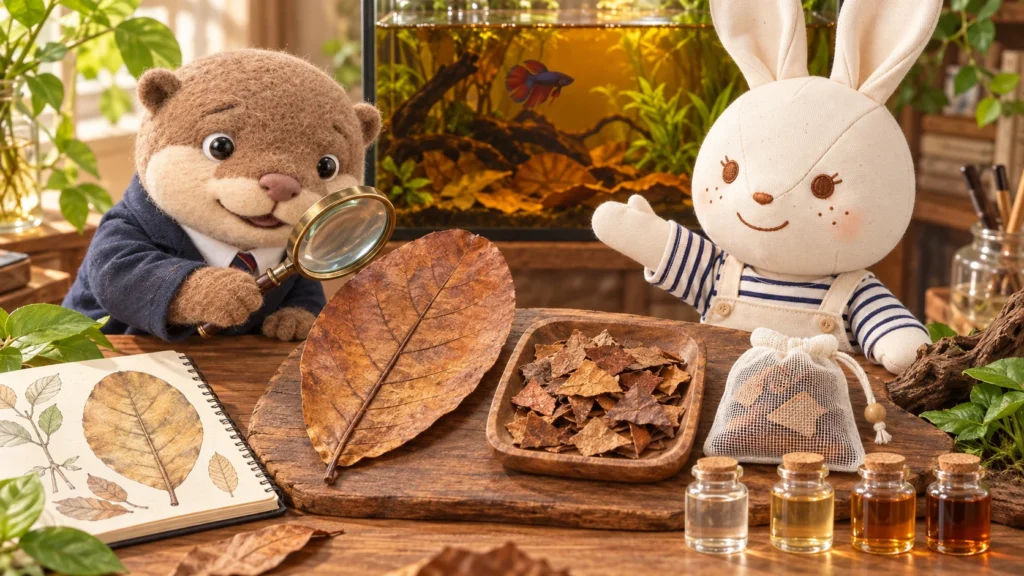 アイのアクアグッズ案内マジックリーフ物語|一枚の葉がアクアリウム用品になるまで道具の特徴や使い方、選ぶときのポイントをアイが紹介します。記事はコチラ →
 アイのアクアグッズ案内旅行中、お魚のごはんはどうする? 自動給餌器・使える餌・スマート水槽の選び方旅行中の魚の餌やりを助ける自動給餌器を、アイとコタロウが紹介。時間指定、おかわり給餌、対応するフレークや顆粒、設置台、スマホ管理、一体型水槽、留守番フードまで、使いどころと選び方を案内します。記事はコチラ →



コメント