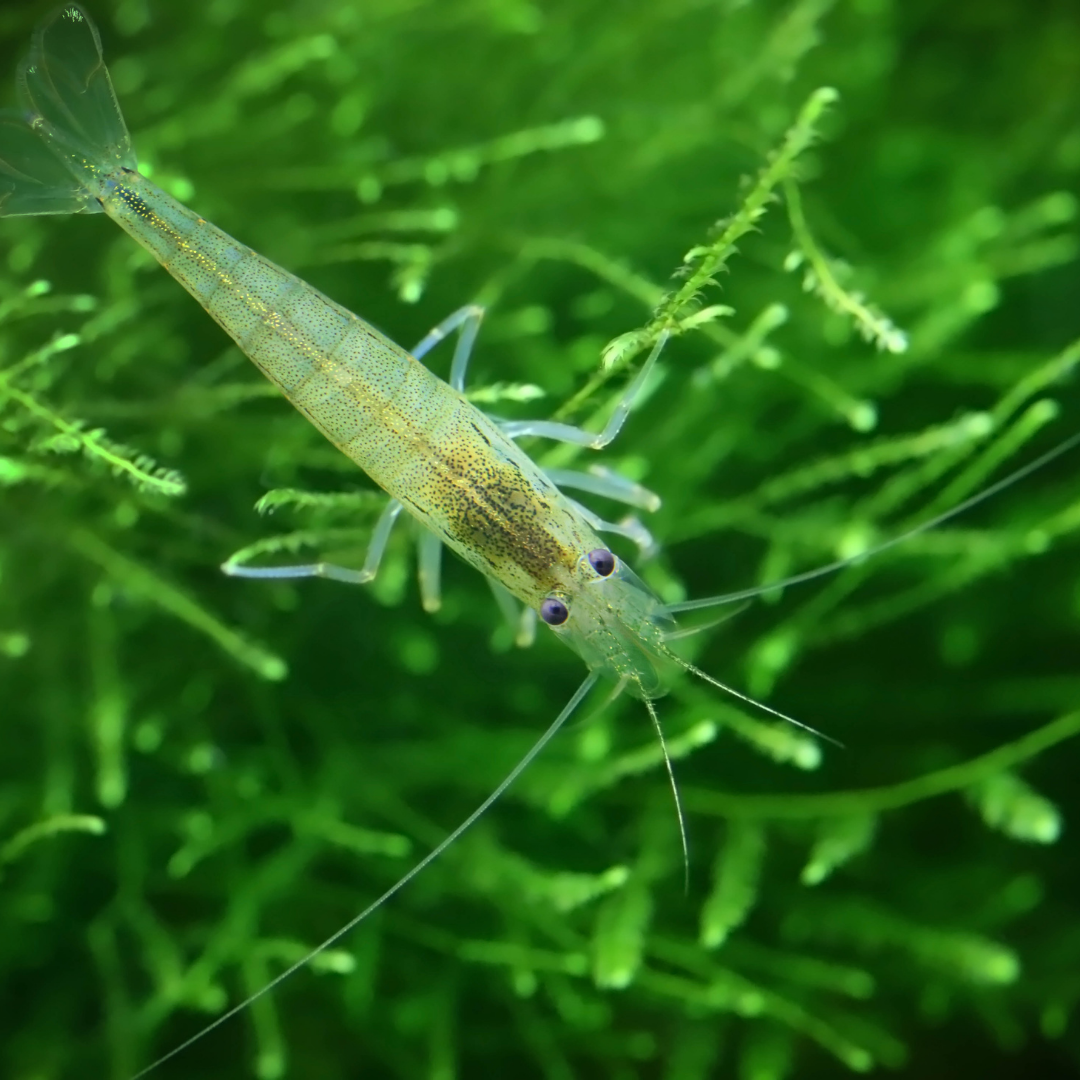
ヤマトヌマエビは、非常に高い藻類摂食能力を持つことから、多くのアクアリストに重宝されている代表的なコケ対策生体です。日本や台湾を原産とし、半透明の体に並ぶドットやダッシュ状の模様が特徴です。ネイチャーアクアリウムの提唱者である天野尚氏がその有用性を紹介したことで、世界的に「アマノシュリンプ」として知られるようになりました。水槽内の糸状藻類や珪藻を効率よく掃除し、美しく健康的な水草レイアウトを維持するために重要な役割を果たします。The Yamato Numa-ebi (Amano Shrimp) is a representative algae-eating shrimp highly valued by many aquarists for its excellent algae-eating capacity. Native to Japan and Taiwan, it is characterized by a translucent body with rows of dots or dash patterns. It became globally known as the “Amano Shrimp” after Takashi Amano, the founder of Nature Aquarium, introduced its utility. It plays an important role in maintaining beautiful and healthy aquascapes by efficiently cleaning up filamentous algae and diatoms.
基本情報 / Basic Information
学名 / Scientific Name
Caridina multidentata
通称 / Common Name
ヤマトヌマエビYamato Numa-ebi, Amano Shrimp
分類 / Family
十脚目ヌマエビ科ヒメヌマエビ属Atyidae, Caridina
英名 / English Name
Amano Shrimp, Yamato Shrimp
分布 / Distribution
日本各地(主に本州中部以西)、琉球列島、台湾Japan (mainly Central Honshu and West), Ryukyu Islands, Taiwan
約2年〜5年(飼育下での一般的な生存期間)Approx. 2 – 5 years (Common lifespan in captivity)
飼育環境 / Aquarium Environment
水槽サイズ / Tank Size
30cm規格水槽(約12L)以上。水質の安定を考慮すると、45cmから60cm規格水槽(約35Lから60L)での飼育が理想的です。30cm standard tank (approx. 12L) or larger. A 45cm to 60cm standard tank (approx. 35L to 60L) is ideal for maintaining stable water quality.
水温 / Temperature
20℃〜28℃(高水温に弱いため、夏季はファンやクーラーによる冷却対策が推奨されます)20°C – 28°C (Sensitive to high temperatures; cooling measures such as fans or chillers are recommended in summer)
水質 / Water Quality
中性〜弱酸性(pH 6.5〜7.5)、軟水〜中硬水。急激な水質や水温の変化を嫌う傾向があります。Neutral to slightly acidic (pH 6.5 – 7.5), soft to moderately hard water. They tend to dislike sudden changes in water quality or temperature.
レイアウト / Layout
水草が密生した環境や、流木・岩による隠れ家。脱皮直後の個体が身を隠せる場所を確保してください。Environment with dense aquatic plants or hideouts made of driftwood and rocks. Ensure places where molting individuals can hide.
注意点 / Precautions
高い登攀能力を持つため、隙間のない蓋が必須です。残留農薬や銅イオンなどの重金属に極めて脆弱なため注意が必要です。Due to their high climbing ability, a gapless lid is essential. Extreme caution is needed as they are very vulnerable to residual pesticides and heavy metals like copper ions.
餌と給餌 / Feeding
餌の種類 / Diet
付着藻類(糸状藻類、珪藻)、バイオフィルム、沈下性のエビ専用フード、魚の残り餌など。Attached algae (filamentous algae, diatoms), biofilm, sinking shrimp pellets, and leftover fish food.
給餌のポイント / Feeding Tips
藻類が豊富な水槽では給餌は不要ですが、コケが枯渇すると水草の新芽を食害することがあるため、その場合は適宜タブレットフードを与えてください。In tanks with abundant algae, feeding is unnecessary, but if algae run out, they may damage new sprouts of aquatic plants, so provide tablet food as appropriate in such cases.
性格と混泳 / Temperament and Tank Mates
性格 / Temperament
非常に活発で、餌を巡っては他のエビを追い払うような強さも見せますが、基本的には温和で他種を襲うことは少ないです。Very active and may show strength when competing for food, but basically peaceful and rarely attacks other species.
混泳の相性 / Compatibility
小型魚との混泳は良好です。ただし、大型魚やエビを捕食する魚との混泳は不向きです。また、稚エビを捕食する可能性がある点には注意してください。Compatible with small fish. However, they are not suitable for cohabitation with large or predatory fish that eat shrimp. Also, note that they may prey on tiny juvenile shrimp.
病気と対策 / Diseases and Prevention
かかりやすい病気 / Common Diseases
脱皮不全、筋肉壊死、寄生虫(ツリガネムシ等)、薬品による中毒。Molting failure, muscle necrosis, parasites (such as Vorticella), and chemical poisoning.
対策と予防 / Prevention
高水温や酸欠を避け、定期的な換水で適切な硬度を維持します。水草を導入する際は必ず無農薬であることを確認するか、処理剤を使用してください。Avoid high temperatures and oxygen deficiency, and maintain appropriate hardness through regular water changes. When introducing plants, ensure they are pesticide-free or use treatment agents.
増やし方(繁殖) / Breeding
雌雄の判別 / Sexing
体側の模様で判別可能です。オスは点列(ドット)状ですが、メスは破線(ダッシュ)状の模様になります。また成熟したメスは腹部が大きく膨らみます。Distinguishable by body patterns. Males have rows of dots, while females have broken line (dash) patterns. Mature females also have a significantly swollen abdomen.
繁殖形態 / Reproduction
両側回遊性。淡水で抱卵・孵化しますが、幼生(ゾエア)が成長するためには汽水から海水環境が必要となります。Amphidromy. They carry eggs and hatch in freshwater, but a brackish to marine environment is required for the larvae (zoea) to grow.
繁殖のポイント / Breeding Tips
孵化直後の幼生を人工海水へ移し、微小藻類を給餌しつつ約40日間管理し、稚エビへ変態した後に段階的に淡水へ戻すという非常に高度な工程を要します。A highly complex process is required: move zoea to artificial seawater, feed microalgae for about 40 days, and gradually return to freshwater after they metamorphose into juveniles.
雑学と豆知識 / Trivia and Fun Facts
1. 学名変更の歴史:Caridina japonicaから現在の名へ1. History of Scientific Name: From Caridina japonica to its Current Name
長らく「Caridina japonica」として親しまれてきましたが、2006年の研究により、小笠原諸島を模式産地として1860年に記載された「Caridina multidentata」と同一種であることが判明しました。命名規約の先取権により、より古い名称が有効名となりました。種小名の「multidentata」は、彼らの額角にある多くの歯(鋸歯)に由来しています。For a long time, it was known as “Caridina japonica,” but a 2006 study revealed it was the same species as “Caridina multidentata,” described in 1860 with the Ogasawara Islands as its type locality. Due to the principle of priority, the older name became the valid one. The specific epithet “multidentata” refers to the many teeth on their rostrum.
2. 天野尚氏と「アマノシュリンプ」の普及2. Takashi Amano and the Popularization of “Amano Shrimp”
世界的な通称である「Amano Shrimp」は、ネイチャーアクアリウムの提唱者、天野尚氏に由来します。1980年代、水草水槽のアオミドロ対策に悩んでいた天野氏は、ヤマトヌマエビの藻類摂食能力に着目しました。多数の個体を導入することで劇的なコケ取り効果を実証し、その手法を世界に広めたことで、水草レイアウトに欠かせない存在としての地位が確立されました。The global common name “Amano Shrimp” originates from Takashi Amano, the founder of Nature Aquarium. In the 1980s, while seeking solutions for filamentous algae in planted tanks, Amano focused on the algae-eating ability of Yamato Numa-ebi. By demonstrating dramatic effects through the introduction of large numbers of shrimp and sharing the method worldwide, he established its status as an essential part of aquascaping.
3. ヌマエビ類としての寿命と長期飼育の視点3. Lifespan as a Freshwater Shrimp and Long-term Keeping
ヌマエビ類としては比較的長寿で、飼育下では2年から5年ほど生存するとされています。まれにそれ以上の長期飼育例も報告されていますが、個体差や環境による影響が大きいです。ショップで販売されている大型の野生採集個体は、すでに自然界である程度の年月を経ている可能性があるため、長期飼育を目指す場合は若年個体を選ぶことが一つの目安となります。They are relatively long-lived for freshwater shrimp, typically living 2 to 5 years in captivity. While there are occasional reports of longer lifespans, it is greatly influenced by individual differences and environment. Large wild-caught individuals sold in shops may have already aged in nature, so choosing younger individuals is a good guideline for long-term keeping.
4. 繁殖特性による生態学的リスクの抑制4. Ecological Risk Mitigation Due to Breeding Characteristics
海流に乗って幼生が分散する「両側回遊」という特性により、日本国内の個体群は地域間の遺伝的差異が少ないと考えられています。また、この特性は、海へ移動できない内陸の淡水域では次世代が育たず、意図せず放流された場合でも侵略的外来種として定着しにくい要因の一つとして指摘されています。ただし、在来個体群への影響を避けるため、適切な管理が求められます。Due to their “amphidromous” nature where larvae disperse via ocean currents, Japanese populations are thought to have little genetic variation between regions. This characteristic also suggests that they are less likely to establish as invasive species in inland freshwater areas because they cannot reproduce without the sea. However, proper management is required to avoid impacting native populations.
5. 選別交配による流通例:スノーホワイト系5. Selective Breeding Examples: Snow White Type
近年では、白色化した個体を選別した「スノーホワイト系」と呼ばれる流通例も見られます。従来の地味な色合いとは異なる透明感のある白い体が特徴ですが、まだ商業的な流通は限定的です。観賞価値を高めつつ、彼ら特有の藻類摂食能力を維持した系統として、一部の愛好家の間で注目されています。In recent years, selective breeding has led to the appearance of “Snow White” types. These feature a translucent white body different from traditional coloring, though commercial distribution remains limited. They are gaining attention among some hobbyists as a strain that maintains its unique algae-eating ability while offering higher ornamental value.
まとめ / Conclusion
ヤマトヌマエビは、単なる「掃除役」という枠を超え、アクアリウムの生態系において重要な役割を果たすパートナーです。天野尚氏の情熱によってその実力が見出されて以来、ネイチャーアクアリウムという文化を支える基石となってきました。彼らの複雑な生活史や高い身体能力を知ることで、日々のメンテナンスに対する理解もより深まることでしょう。Yamato Numa-ebi is far more than just a “cleaner”; it is a partner that plays an important role in the aquarium ecosystem. Since its capabilities were discovered through Takashi Amano’s passion, it has become a cornerstone supporting the culture of Nature Aquarium. Understanding their complex life history and physical abilities will surely deepen your understanding of daily maintenance.
飼育にあたっては、脱走対策と薬品への配慮を適切に行えば、数年にわたって水槽を支えてくれる頼もしい存在となります。水槽という小さな空間で、ヤマトヌマエビがせっせとコケを食む姿は、生物の多様性と調和を感じさせてくれる光景です。日々の観察では、摂餌や脱皮の状態を確かめながら管理します。With proper escape prevention and chemical care, they will be a reliable presence supporting your tank for several years. The sight of Yamato Numa-ebi diligently eating algae in the small space of an aquarium is a scene that evokes the diversity and harmony of life. Observe feeding and molting regularly as part of routine care.
[Taxonomy]Cai, Y., Ng, P. K. L., Shokita, S., & Satake, K. (2006). “On the species of Japanese Atyid shrimps (Decapoda: Caridea) described by William Stimpson (1860)”. Journal of Crustacean Biology.(学名変更の根拠となった分類学的再評価)Cai, Y., et al. (2006). “On the species of Japanese Atyid shrimps described by William Stimpson”. Journal of Crustacean Biology. (The primary taxonomic study validating C. multidentata.)
[History]天野尚 (1992). 『ガラスの中の大自然』 マリン企画.(ネイチャーアクアリウムおよび本種の有用性を広めた原典)Takashi Amano (1994). “Nature Aquarium World”. TFH Publications. (The seminal work that introduced the utility of Amano Shrimp to the global community.)
[Genetics]Fujita, J., Zenimoto, K., Iguchi, A., Kai, Y., Ueno, M., & Yamashita, Y. (2016). “Comparative phylogeography to test for predictions of marine larval dispersal in three amphidromous shrimps”. Marine Ecology Progress Series.(日本国内個体群の遺伝的均一性に関する研究)Fujita, J., et al. (2016). “Comparative phylogeography to test for predictions of marine larval dispersal in three amphidromous shrimps”. Marine Ecology Progress Series. (Genetic study on larval dispersal.)
[Ecology]Kondo, S., Hamasaki, K., & Dan, S. (2021). “Larval performance of three amphidromous shrimp species in the genus Caridina (Decapoda: Caridea: Atyidae) under different temperature and salinity conditions”. Crustacean Research, 50, 41–54. DOI.(幼生の塩分耐性および発育条件に関する研究)Kondo, S., Hamasaki, K., & Dan, S. (2021). “Larval performance of three amphidromous shrimp species in the genus Caridina (Decapoda: Caridea: Atyidae) under different temperature and salinity conditions”. Crustacean Research, 50, 41–54. DOI. (Research on the larval performance and salinity tolerance.)
[Reproduction]Ohara, R., Nakamoto, Y., Dan, S., & Hamasaki, K. (2024). “Effects of temperature on reproduction of the atyid shrimp species Caridina multidentata and Caridina typus (Decapoda: Caridea: Atyidae) under laboratory conditions”. Aquatic Animals, 2024, AA2024-5. DOI.(繁殖特性に及ぼす水温の影響に関する研究)Ohara, R., et al. (2024). “Effects of temperature on reproduction of the atyid shrimp species Caridina multidentata and Caridina typus (Decapoda: Caridea: Atyidae) under laboratory conditions”. Aquatic Animals, 2024, AA2024-5. DOI. (Recent study on the reproductive ecology.)
[General]Practical Fishkeeping Magazine. “Amano shrimp gets new name” (2006).(一般アクアリスト向けに学名変更の経緯を報じた資料)Practical Fishkeeping Magazine. “Amano shrimp gets new name” (2006). (General hobbyist resource regarding the taxonomic update.)



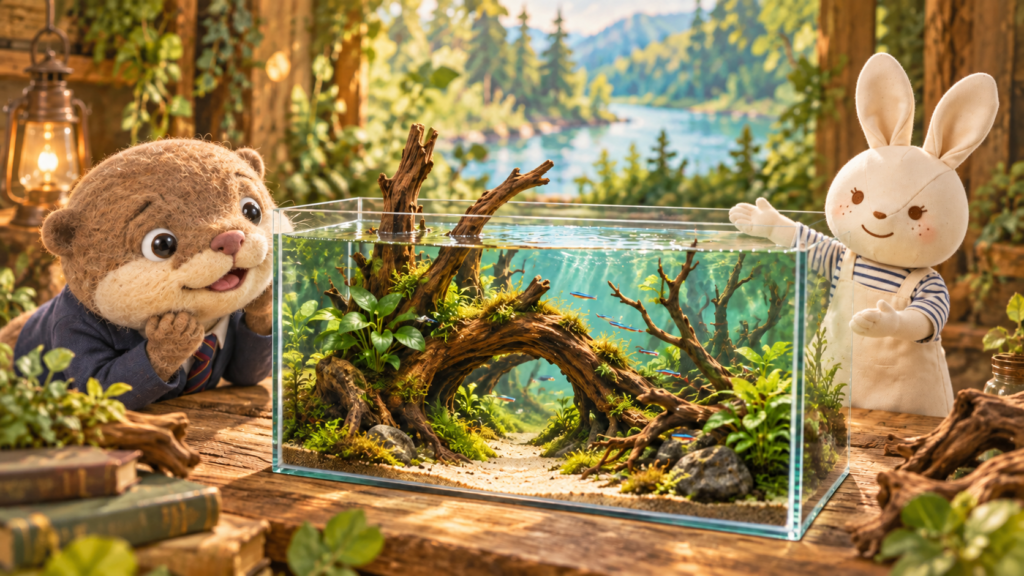 アイのアクアグッズ案内水槽の流木の選び方|枝・マングローブ・アク抜きとおすすめ商品水槽に小さな森を作る流木。枝流木やマングローブという名前の違いから、魚の隠れ家、水草の取り付け、浮く・水が茶色くなるときの準備まで、アイとコタロウが商品とともに案内します。記事はコチラ →
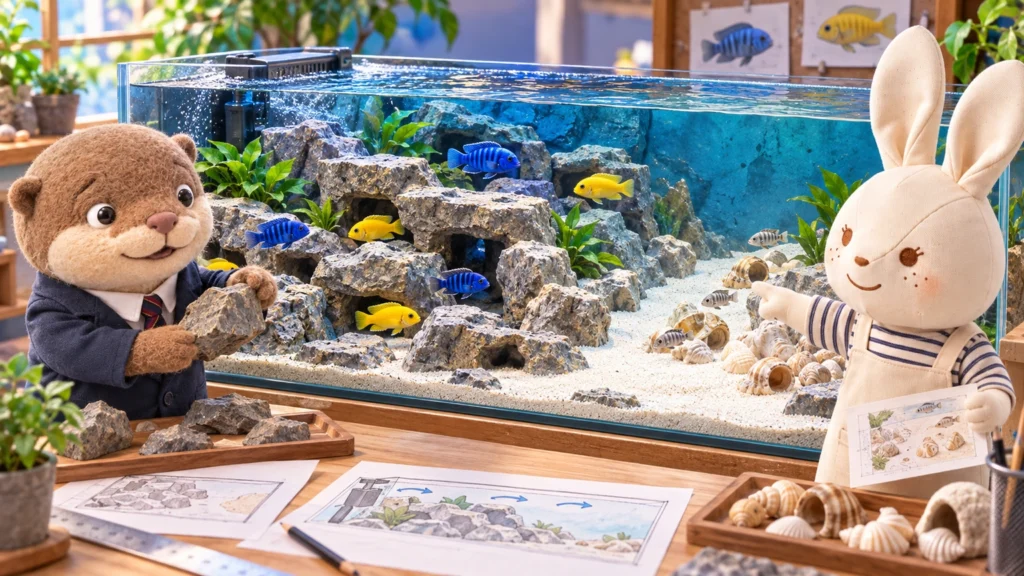 アイのアクアグッズ案内アフリカンシクリッドの飼育用品|水槽・ろ過・底砂・岩組み・餌の選び方道具の特徴や使い方、選ぶときのポイントをアイが紹介します。記事はコチラ →



コメント