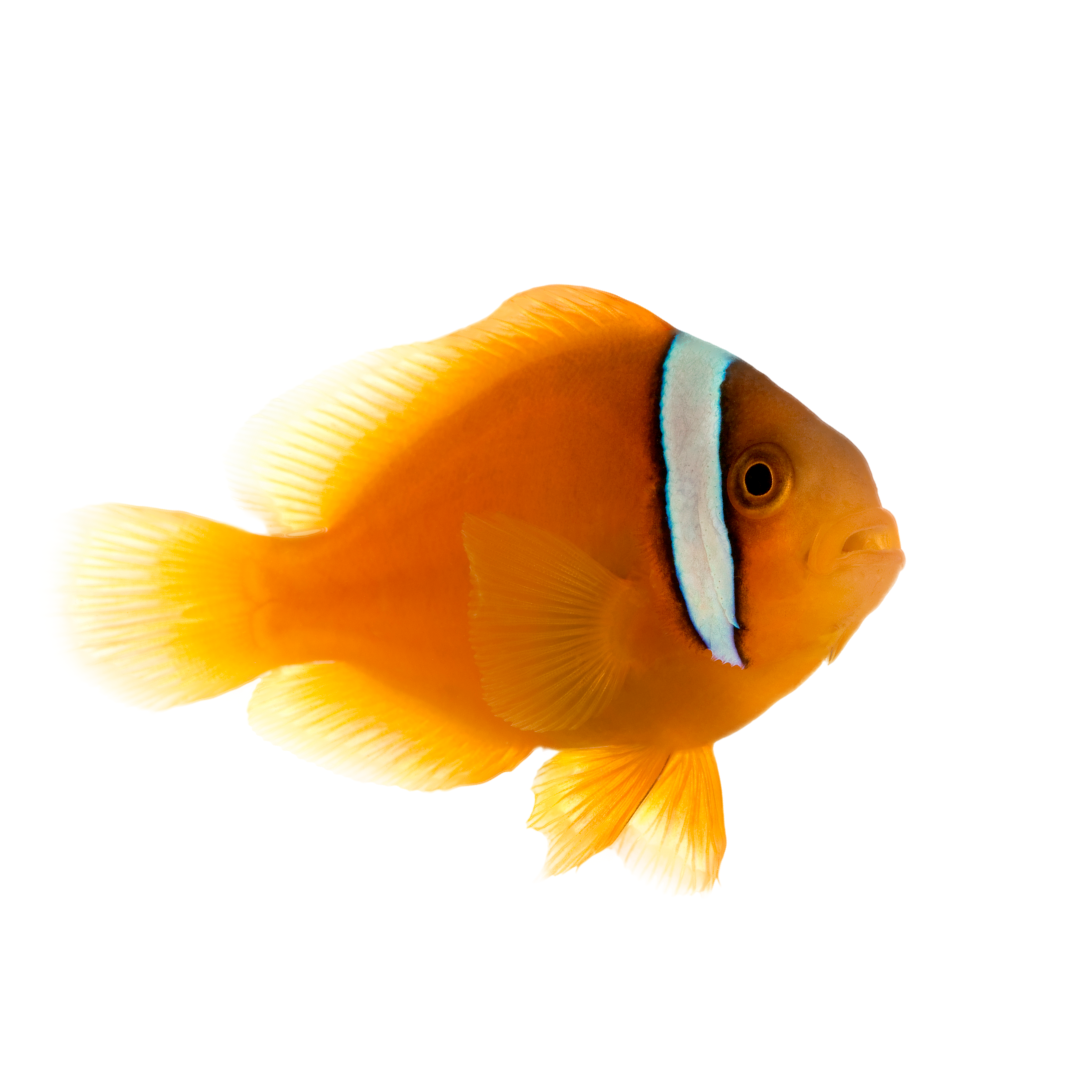
ハマクマノミは、鮮やかな赤色から深い赤褐色の体色が美しいスズメダイ科の海水魚です。頭部に一本の白い横帯が入るのが最大の特徴で、その姿が熟したトマトを連想させることから、英語ではトマト・クラウンフィッシュの名で親しまれています。非常に丈夫で環境適応能力が高いため、海水魚飼育の入門種としても最適です。また、サンゴイソギンチャクなどのイソギンチャクと共生する姿は、アクアリウムの醍醐味を教えてくれる素晴らしい光景となります。The Tomato Clownfish is a beautiful saltwater fish in the Pomacentridae family, known for its vibrant red to deep reddish-brown body. Its most distinctive feature is the single white vertical band on its head. Due to its hardiness and high adaptability, it is an ideal species for beginners in the marine aquarium hobby. The sight of them swimming among the tentacles of anemones, such as the Bulb-tip Anemone, provides a wonderful glimpse into the fascinating symbiotic relationships of the ocean.
西太平洋(日本の沖縄からインドネシア周辺、タイ湾など)Western Pacific, ranging from Okinawa, Japan to Indonesia and the Gulf of Thailand.
最大体長 / Max Size
約14センチメートル(メスの場合)Approximately 14 cm (for females).
寿命 / Lifespan
飼育下で10年以上Over 10 years in captivity.
飼育環境 / Aquarium Environment
水槽サイズ / Tank Size
60cm規格水槽(水量60リットル程度)以上を推奨Recommended tank size is 60 cm standard aquarium (approx. 60 liters) or larger.
水温 / Temperature
24度から26度24 to 26 degrees Celsius.
水質 / Water Quality
比重1.020から1.025の標準的な海水、硝酸塩の蓄積は抑えるStandard seawater with a specific gravity of 1.020 to 1.025; minimize nitrate accumulation.
レイアウト / Layout
ライブロックで十分な隠れ家を作り、サンゴイソギンチャクなどの共生対象を配置するProvide plenty of hiding spots with live rocks and include symbiotic partners like Bulb-tip Anemones.
注意点 / Precautions
成長に伴い非常に強い縄張り意識を持つため、レイアウトの変更時は注意が必要They develop strong territorial instincts as they grow, so be cautious when changing the tank layout.
餌と給餌 / Feeding
餌の種類 / Diet
雑食性。人工飼料(顆粒・フレーク)、冷凍ブラインシュリンプ、イサザアミなどOmnivorous. Accepts pellets, flakes, frozen brine shrimp, and mysis shrimp.
給餌のポイント / Feeding Tips
1日1回から2回、数分で食べ切る量を与える。人工飼料への餌付けは極めて容易Feed once or twice daily, an amount they can consume within a few minutes. They are very easy to wean onto artificial food.
性格と混泳 / Temperament and Tank Mates
性格 / Temperament
非常に気が強く、特に成熟した個体は好戦的になる傾向があるVery bold and can become aggressive, especially as they reach maturity.
混泳の相性 / Compatibility
同種や近縁種とは激しく争うため避ける。気の強いヤッコやハギ、スズメダイなどとの混泳が適しているAvoid housing with same or closely related species due to fighting. Suitable with semi-aggressive fish like angelfish, tangs, or other damselfish.
病気と対策 / Diseases and Prevention
かかりやすい病気 / Common Diseases
白点病、トリコディナ症(特にワイルド個体で導入初期に見られる)Cryptocaryon irritans (White Spot Disease) and Brooklynella hostilis (Clownfish Disease/Trichodina).
対策と予防 / Prevention
導入時のトリートメントを徹底し、殺菌灯の使用や定期的な水換えで清潔な環境を保つImplement thorough quarantine procedures and maintain clean water through regular changes and UV sterilizers.
増やし方(繁殖) / Breeding
雌雄の判別 / Sexing
メスは大きく体色が黒ずみ、オスは比較的小さく鮮やかな赤色を維持するFemales are larger and develop a darker, blackish body color, while males stay smaller and maintain a bright red color.
繁殖形態 / Reproduction
基質産卵型。岩の表面などに卵を産み付け、親が保護するSubstrate spawners. They lay eggs on flat surfaces like rocks, which are then guarded by the parents.
繁殖のポイント / Breeding Tips
仲の良いペアを作り、安定した環境と豊富な給餌を心がけることで、飼育下での産卵も期待できるBreeding in captivity is possible with a well-established pair, a stable environment, and a nutrient-rich diet.
雑学と豆知識 / Trivia and Fun Facts
1. 黒船来航とハマクマノミの数奇な関係1. The Tomato Clownfish and the Black Ships
ハマクマノミは、1856年にジェームズ・カーソン・ブレボートによって学名が記載されました。驚くべきことに、その際に使われたタイプ標本は、あのペリー提督率いるアメリカ海軍の日本遠征調査隊が、沖縄の那覇で採取したものだったのです。つまり、世界中の科学者がハマクマノミを語る際、その基準となるのは日本の沖縄の個体ということになります。黒船来航という歴史的事件が、アクアリウムの世界にも足跡を残しているのは非常に興味深い事実です。The scientific name of the Tomato Clownfish was described in 1856 by James Carson Brevoort. Remarkably, the type specimen used for this description was collected in Naha, Okinawa, by the American expeditionary force led by Commodore Perry. This means that the scientific standard for this species is based on a Japanese individual, linking a major historical event to the world of marine biology.
2. 日本独自の覚え方「1ハマ、2クマ、3カクレ」2. The Japanese Mnemonic: 1-Hama, 2-Kuma, 3-Kakure
日本のダイバーやアクアリストの間では、クマノミの仲間の見分け方として有名な数え歌のような言葉があります。それが「1ハマ、2クマ、3カクレ」です。これは体に入る白い帯の数を示しており、1本ならハマクマノミ、2本ならクマノミ(国産種)、3本ならカクレクマノミというように、瞬時に種類を判別するための知恵として長年親しまれてきました。In Japan, divers and hobbyists use a famous mnemonic to distinguish clownfish species: “1-Hama, 2-Kuma, 3-Kakure.” This refers to the number of white bands on their bodies: one for Tomato Clownfish (Hama-kumanomi), two for the Clark’s Anemonefish (Kumanomi), and three for the Ocellaris Clownfish (Kakure-kumanomi).
3. 劇的な色の変化と「性転換」のドラマ3. Dramatic Color Changes and the Drama of Sex Change
ハマクマノミはクマノミ類の中でも、特に雌雄による外見の変化が激しい種類です。すべての個体は最初はオスとして成熟しますが、群れで最も大きく強い個体がメスへと性転換します。メスになると体長はオスの倍近くまで大きくなり、さらに鮮やかだった赤色が徐々に黒褐色へと変化していきます。老成したメスのその堂々とした黒い姿は、厳しい自然界で家族を守り抜いてきた貫禄を感じさせてくれます。Among clownfish, the Tomato Clownfish shows one of the most dramatic differences between sexes. They follow a protandrous hermaphroditic pattern, where all individuals start as males and the dominant one transforms into a female. The female grows nearly twice as large as the male, and her bright red color gradually shifts to a deep blackish-brown, reflecting her status as the protector of the territory.
4. 水槽の外まで響く「鳴き声」の威嚇4. Territorial Warning: Sounds You Can Hear Outside the Tank
ハマクマノミを飼育していると、水槽から「カチッ」や「グッグッ」といった音が聞こえてくることがあります。これは彼らがアゴの骨を激しく擦り合わせて出す音で、縄張りに近づく者への威嚇の意味があります。特に自分の拠り所であるイソギンチャクを守る際には、自分より遥かに大きな魚や、時には飼育者の手に対しても音を鳴らして果敢に立ち向かっていきます。When keeping Tomato Clownfish, you might hear “clicking” or “grunting” sounds from the tank. They produce these sounds by grinding their jaw bones together to intimidate intruders. They are fiercely protective of their anemone homes and will even confront much larger fish or the keeper’s hand with these audible warnings.
まとめ / Conclusion
ハマクマノミは、その情熱的な赤い色彩と、歴史や生態に裏打ちされた深い物語を持つ、唯一無二の海水魚です。丈夫で飼いやすく、人工飼料にもすぐ慣れるため、海水アクアリウムの第一歩としてこれほど心強い存在はいません。サンゴイソギンチャクとの共生を観察できれば、自宅のリビングにいながらにして沖縄の豊かな海を感じることができるでしょう。The Tomato Clownfish is a unique marine fish, possessing both a passionate red coloration and a rich history and ecology. Hardy and easy to feed, they are one of the most reassuring species for taking the first step into marine aquariums. Watching them live in harmony with a Bulb-tip Anemone allows you to experience the vibrant seas of Okinawa right in your own living room.
ただし、その気の強さだけは忘れないでください。他魚との混泳には少し工夫が必要ですが、その分、一途に自分の場所を守る彼らの姿には深い愛着が湧くはずです。適切な環境を整えて、10年以上という長い年月を共に歩む素晴らしいパートナーとして迎えてみてはいかがでしょうか。However, do not forget their strong territorial nature. While mixing them with other fish requires some planning, their dedication to protecting their home will surely earn your affection. By providing the right environment, you can welcome them as wonderful partners to share your life for over a decade.
1. 学術的記載および歴史的背景
James Carson Brevoort (1856). “Notes on some figures of Japanese fish”. In: Narrative of the Expedition of an American Squadron to the China Seas and Japan, performed in the years 1852, 1853, and 1854, under the command of Commodore M.C. Perry.


 アイのアクアグッズ案内水草水槽のCO₂添加|3つの方式の選び方とおすすめ用品道具の特徴や使い方、選ぶときのポイントをアイが紹介します。記事はコチラ →
 アイのアクアグッズ案内小型カラシンの群れを楽しむ|餌と水換えから考える飼育用品ガイド小型カラシンの群れを眺める時間を、もっと楽しく。泳ぐ余白、餌の食べ方、続けやすい水換えを軸に、日本で揃えやすい用品の選び方を紹介します。記事はコチラ →
 アイのアクアグッズ案内エーハイムはおもちゃから始まった? 小さな噴水から水槽へ、アイとコタロウの探訪道具の特徴や使い方、選ぶときのポイントをアイが紹介します。記事はコチラ →
 アイのアクアグッズ案内コケを食べるコイの仲間に合わせる飼育用品|フライングフォックス・アルジイーター・ガラ道具の特徴や使い方、選ぶときのポイントをアイが紹介します。記事はコチラ →



コメント