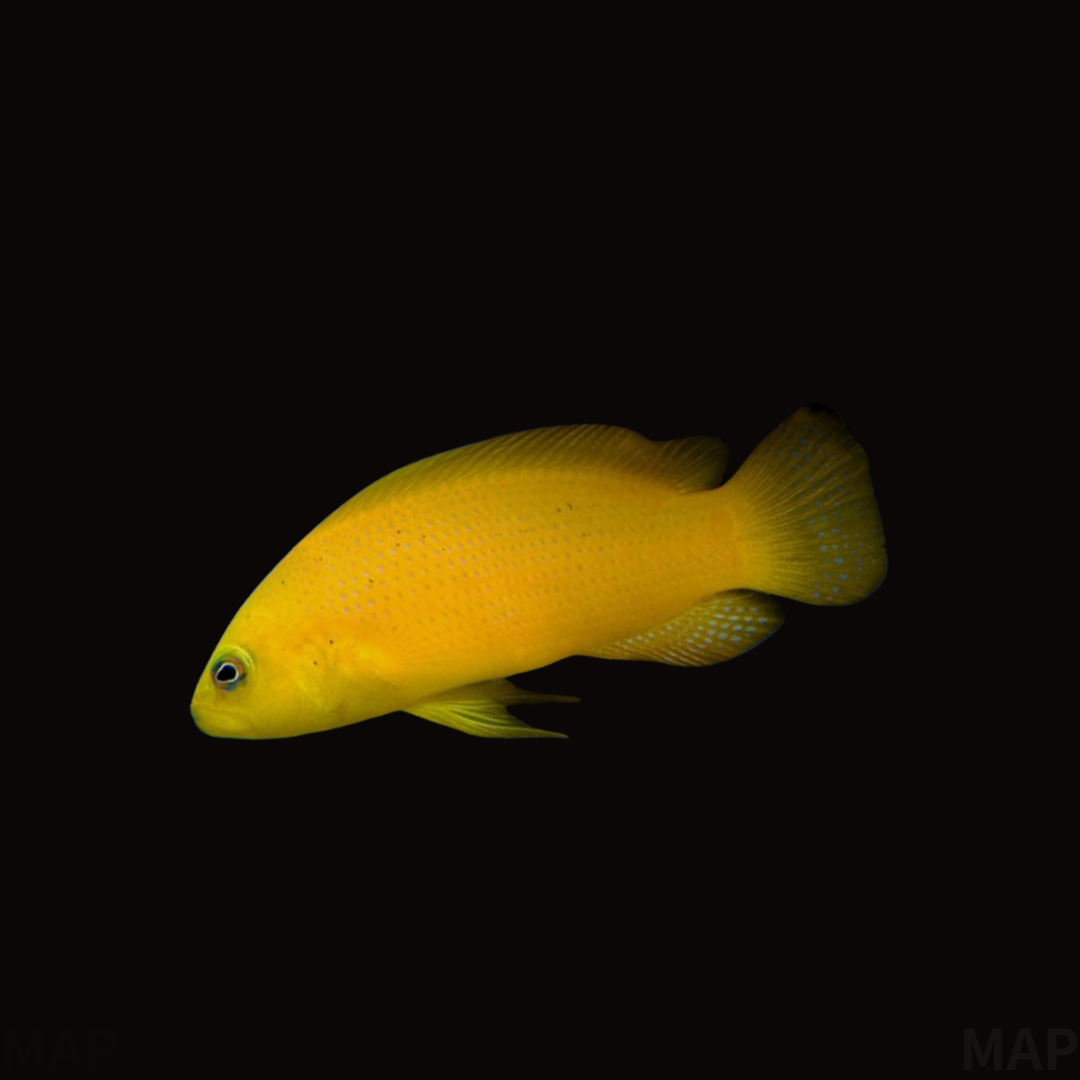
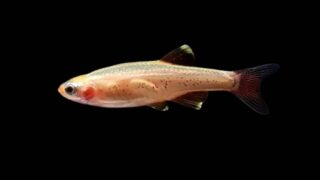
セダカニセメギスは、サンゴ礁に生息するメギス科の魚類の中でも、その鮮烈な色彩と驚異的な知能で知られる種です。最大の特徴は、周囲の環境や獲物の種類に合わせて自身の体色を自在に変化させる表現型可塑性です。鮮やかなカナリアイエローから落ち着いた暗褐色まで、あたかも魔法のように姿を変えるこの魚は、サンゴ礁の狡猾な狩人(プレデター)として君臨しています。飼育下でもその活発な動きと、一筋縄ではいかない強烈な個性が多くのアクアリストを魅了し続けています。The Dusky Dottyback (Pseudochromis fuscus) is a species of dottyback known for its vibrant coloration and remarkable intelligence. Its most striking feature is phenotypic plasticity, allowing it to change its body color to match the environment or its prey. From brilliant canary yellow to deep dusky brown, this fish rules the coral reefs as a cunning predator. In captivity, its active behavior and strong personality continue to fascinate many aquarists.
基本情報 / Basic Information
学名 / Scientific Name
Pseudochromis fuscus
通称 / Common Name
セダカニセメギス、セダカニセスズメ、イエロードッティーバックDusky Dottyback, Yellow Dottyback, Golden Dottyback
分類 / Family
スズキ目 メギス科 ニセスズメ亜科Order Perciformes, Family Pseudochromidae, Subfamily Pseudochrominae
英名 / English Name
Dusky Dottyback
分布 / Distribution
インド太平洋(スリランカからバヌアツ)、日本の南西諸島(奄美大島、石垣島など)Indo-West Pacific (Sri Lanka to Vanuatu), including the Ryukyu Islands of Japan (Amami Oshima, Ishigaki Island).
最大体長 / Max Size
約 9 cm ~ 10 cmApprox. 9 cm – 10 cm (TL)
寿命 / Lifespan
約 4 年 ~ 6 年(飼育環境による)Approx. 4 – 6 years (depending on the environment)
飼育環境 / Aquarium Environment
水槽サイズ / Tank Size
60cm規格水槽(約60L)以上。単独飼育であれば45cm水槽でも可能ですが、縄張り意識が強いため余裕のあるサイズが理想的です。A standard 60cm tank (approx. 60L) or larger is recommended. While a 45cm tank may suffice for a single specimen, a larger size is ideal due to their strong territorial instincts.
水温 / Temperature
23度 ~ 27度(夏季の水温上昇には水槽用クーラーが必要です)23°C – 27°C (73°F – 81°F). A chiller is necessary to prevent overheating during summer.
ライブロックや擬岩を複雑に組み、隠れ家となる洞窟や岩の隙間を多く作ってください。縄張りの境界線となるような起伏のある景観がストレス緩和に繋がります。Create complex structures using live rock or dry rock to provide plenty of caves and crevices. A rugged landscape that serves as territorial boundaries helps reduce stress.
注意点 / Precautions
驚いた際に水面から飛び出す習性(ジャンピング行動)があるため、水槽には隙間のない蓋が必須です。また、肉食性が強く水を汚しやすいため、高性能なプロテインスキマーの設置が望ましいです。They are prone to jumping out of the tank when startled, so a secure lid with no gaps is essential. Due to their carnivorous diet, a high-performance protein skimmer is recommended to maintain water quality.
餌と給餌 / Feeding
餌の種類 / Diet
動物性プランクトン食です。冷凍のイサザアミ(マイシス)やブラインシュリンプ、クリルを好みます。人工飼料にも慣れやすく、肉食魚用の沈下性ペレットも有効です。They are carnivorous. They prefer frozen mysis shrimp, brine shrimp, and krill. They easily adapt to prepared foods, such as sinking pellets for carnivores.
給餌のポイント / Feeding Tips
体色の維持には栄養バランスが重要です。色揚げ効果のあるビタミンやアスタキサンチン配合の人工飼料と、数種類の生餌・冷凍餌を組み合わせて与えてください。Nutritional balance is key to maintaining their vibrant colors. Provide a variety of live or frozen foods along with vitamin-enriched or color-enhancing pellets.
性格と混泳 / Temperament and Tank Mates
性格 / Temperament
非常に気が強く、強固な縄張り意識を持っています。他魚に対して攻撃を仕掛けることが多く、特に似た色彩や体型の種には熾烈な攻撃を見せます。Very bold and highly territorial. They often act aggressively toward other fish, especially those with similar colors or body shapes.
混泳の相性 / Compatibility
基本は単独飼育が推奨されます。混泳させる場合は、本種を必ず「最後に導入」してください。パートナーには中型のヤッコやハギなど、自己防衛能力が高い魚を選び、小型のエビ類は捕食対象となるため避けてください。Single-species tanks are generally recommended. If kept in a community tank, they must be the last fish introduced. Suitable tank mates include medium-sized angelfish or tangs with good defensive abilities. Avoid small shrimps as they will be preyed upon.
病気と対策 / Diseases and Prevention
かかりやすい病気 / Common Diseases
白点病やウーディニウム病に注意が必要です。また、輸送直後などは体力の消耗によるスレ傷からの二次感染のリスクがあります。Susceptible to Marine Ich (Cryptocaryon irritans) and Marine Velvet (Amyloodinium). Secondary infections from skin abrasions during transport are also a risk.
対策と予防 / Prevention
殺菌灯の設置や、安定した水温管理が予防の基本です。人工繁殖(ブリード)個体を選ぶことで、野生個体特有の寄生虫や病原菌の持ち込みリスクを大幅に軽減できます。Installing a UV sterilizer and maintaining stable water temperature are fundamental. Choosing captive-bred specimens significantly reduces the risk of introducing parasites or pathogens from the wild.
増やし方(繁殖) / Breeding
雌雄の判別 / Sexing
雌性先熟の性転換を行うため、成熟した個体の中で最も大きく優位なものがオスとなります。外見的な区別は困難ですが、ペア形成時の行動で見分けることが可能です。They are protogynous hermaphrodites; the largest, dominant individual in a group typically becomes male. While visual sexing is difficult, they can be identified by their behavior during pair formation.
繁殖形態 / Reproduction
岩の天井や隙間に卵塊を産み付ける基質産卵型です。産卵後はオスが献身的に卵を保護し、新鮮な水を送り続けて孵化まで管理します。They are substrate spawners, laying egg masses in caves or crevices. After spawning, the male diligently protects the eggs and fans them with fresh water until they hatch.
繁殖のポイント / Breeding Tips
水槽内にPVCパイプなどの産卵床を用意し、安定した環境を整えることが重要です。孵化後の仔魚には、栄養強化したワムシなどの微細な初期餌料が必要不可欠です。Providing spawning sites like PVC pipes and a stable environment is crucial. For the larvae, highly enriched micro-foods such as rotifers are essential for survival.
雑学と豆知識 / Trivia and Fun Facts
1. 変幻自在!色彩に隠された「攻撃擬態」の戦略 / 1. Color Shift! The Strategy of Aggressive Mimicry
セダカニセメギスは、自身の体色を「黄色」や「褐色」に変えることができます。これは単なるカモフラージュではなく、無害なスズメダイに姿を似せて獲物の稚魚に接近する「攻撃擬態」としての役割を果たしています。モデルとなるスズメダイの群れに紛れ込むことで、警戒心を解いた獲物を一瞬で仕留める、サンゴ礁の知略家なのです。The Dusky Dottyback can change its color between yellow and brown. This isn’t just camouflage; it’s “aggressive mimicry,” where it mimics harmless damselfish to approach unsuspecting prey. By blending into damselfish schools, this clever strategist catches its prey off guard.
2. 危険な匂いをチャンスに変える?驚異の探餌メカニズム / 2. Turning Danger into Opportunity? A Remarkable Foraging Mechanism
多くの小魚は仲間が襲われた際に出る「化学的警報シグナル」を感じて逃げ出しますが、本種はこの匂いを「弱った獲物が近くにいる合図」として利用します。本来は警告であるはずの匂いを、自身の食事の場所を探すためのガイドラインとして逆用する、究極のハンターとしての性質を備えています。While most small fish flee upon sensing “chemical alarm cues” from injured peers, this species uses these cues as a signal that weakened prey is nearby. It subverts a warning system into a foraging guide, marking it as an ultimate hunter.
3. 「メギスのニセモノ」?和名に隠された連想ゲームの歴史 / 3. A “Fake Megisu”? The Linked History Behind Its Japanese Name
和名の由来は非常にユニークです。まず食用魚の「ニギス」の別名が「メギス」であり、それに少し似ているスズメダイに似た魚ということで「ニセメギス」となり、さらにその中で背中が高い(セダカ)特徴からこの名が付きました。幾重にも重なる形態的類似性の連想から生まれた、日本独自の文化的な命名と言えるでしょう。The Japanese name “Sedaka-nisemegisu” has a unique origin. “Megisu” is a local name for the deep-sea fish “Nigisu.” A fish slightly resembling it (but actually like a damselfish) became “Nisemegisu” (Fake Megisu), and this species was named “Sedaka” (High-backed) for its profile. It’s a uniquely Japanese naming convention based on layers of morphological associations.
4. 性転換する社会構造:ハーレムを統べるリーダーの誕生 / 4. A Social Structure of Sex Change: The Birth of a Leader
本種はメスからオスへと性転換する「雌性先熟」の性質を持ちます。サンゴ礁では1匹のオスと複数のメスがハーレムを作りますが、オスが不在になると最も大きく強いメスが数日のうちにオスへと変貌し、群れを統率し始めます。限られたテリトリーで確実に子孫を残すための、洗練された生存戦略です。This species exhibits protogynous hermaphroditism, changing from female to male. In a harem of one male and multiple females, if the male is lost, the largest female transforms into a male within days to lead the group. This is a sophisticated survival strategy to ensure reproduction within a limited territory.
まとめ / Conclusion
セダカニセメギスは、その鮮やかな体色だけでなく、環境に適応し獲物を欺く高度な生態を持つ、知的好奇心を刺激してやまない魚類です。飼育にあたっては、その強い闘争心を理解し、適切なレイアウトと導入順序を守ることが成功への鍵となります。The Dusky Dottyback is a fascinating fish that stimulates intellectual curiosity, not only for its vibrant colors but also for its advanced ecological strategies in adapting to environments and deceiving prey. Success in keeping them lies in understanding their aggressive nature and adhering to proper layout and introduction protocols.
現在では環境負荷の低い人工繁殖個体も流通しており、日本のアクアリストにとってもより身近でエシカルな選択が可能になっています。サンゴ礁が生んだ究極の知将を、ぜひあなたの水槽でじっくりと観察してみてください。With the availability of eco-friendly captive-bred specimens, it has become a more accessible and ethical choice for Japanese aquarists. Observe this ultimate strategist of the coral reefs and discover its mysteries in your own aquarium.


 アイのアクアグッズ案内エンゼルフィッシュの飼育用品|高さのある水槽・ろ過・水草・餌の選び方道具の特徴や使い方、選ぶときのポイントをアイが紹介します。記事はコチラ →
 アイのアクアグッズ案内水草用ライトの選び方|緑の絨毯と赤い水草を楽しむ照明・植栽用品道具の特徴や使い方、選ぶときのポイントをアイが紹介します。記事はコチラ →



コメント