

解説 / Description
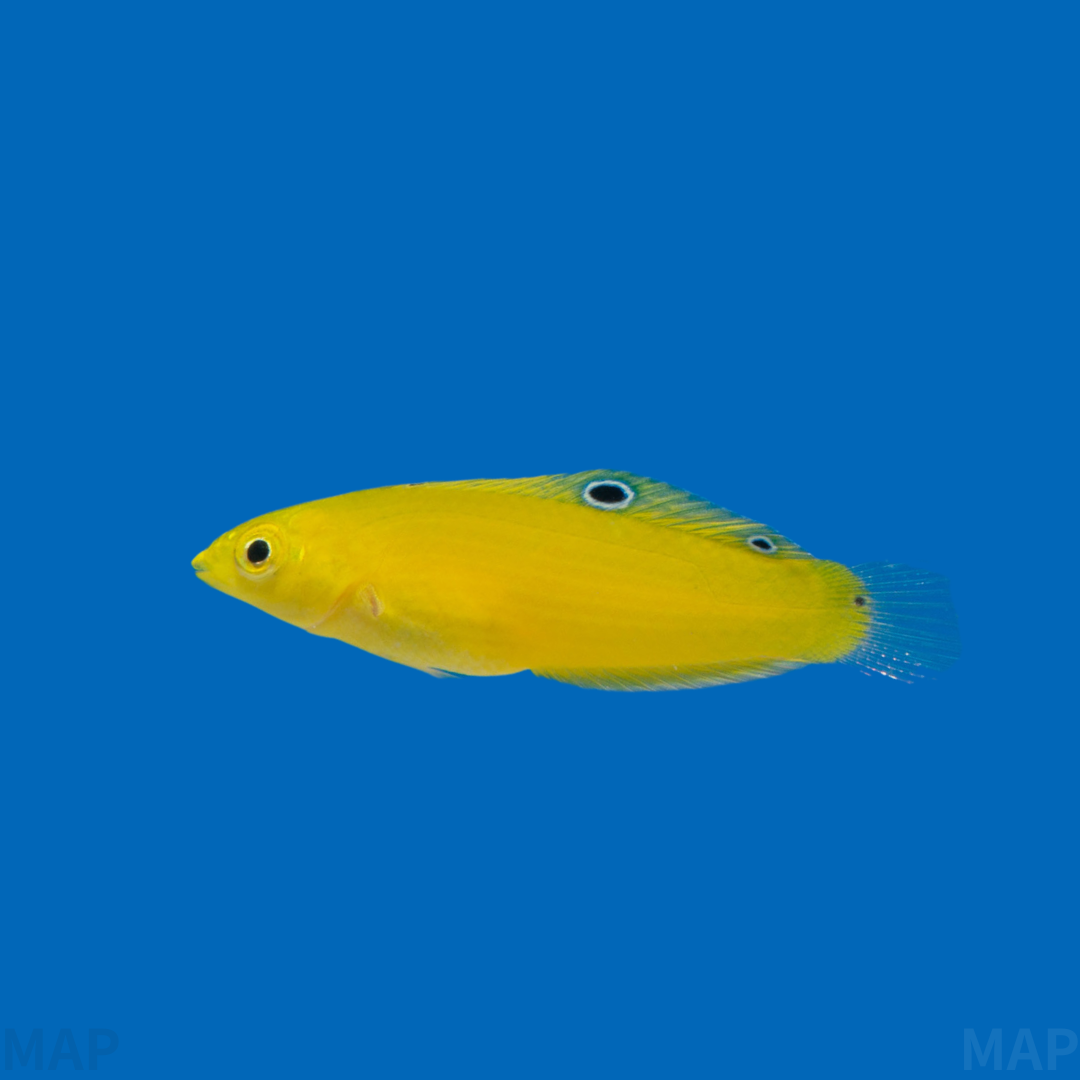
コガネキュウセンは、全身が鮮やかな山吹色に包まれた、非常に美しく活発な海水魚です。その親しみやすい外見から、海外では「ヒレを持ったバナナ」と形容されることもあります。本種は観賞価値が高いだけでなく、サンゴに害を及ぼすヒラムシや微小な巻貝を捕食するお掃除役の魚(ユーティリティフィッシュ)としての実用性が極めて高く、特にリーフタンクにおいて重宝されます。性格は温和で丈夫なため、初心者からベテランまで幅広く愛される、マリンアクアリウムの定番種といえる存在です。 Halichoeres chrysus, commonly known as the Canary Wrasse, is a vibrant and active marine fish characterized by its brilliant yellow coloration. Often described as a “banana with fins” due to its striking appearance, this species is highly valued not only for its beauty but also for its practical role as a utility fish in reef tanks, preying on pests like flatworms and small parasitic snails. Its peaceful temperament and hardiness make it a staple in the marine aquarium hobby, suitable for both beginners and experienced aquarists.
基本情報 / Basic Information
| 学名 / Scientific Name | Halichoeres chrysus |
|---|---|
| 通称 / Common Name | コガネキュウセン、イエローラスCanary Wrasse, Golden Wrasse, Yellow Wrasse |
| 分類 / Family | スズキ目ベラ科ホンベラ属Labridae: Halichoeres genus |
| 英名 / English Name | Canary Wrasse, Golden Rainbowfish |
| 分布 / Distribution | インド太平洋(日本、インドネシア、ソロモン諸島など)Central to Western Indo-Pacific (Japan, Indonesia, Solomon Islands, etc.) |
| 最大体長 / Max Size | 約12cmApprox. 12cm (4.7 inches) |
| 寿命 / Lifespan | 約5年から10年Approx. 5 to 10 years |
飼育環境 / Aquarium Environment
| 水槽サイズ / Tank Size | 60cm規格水槽(約60リットル)以上、推奨は90cm規格水槽(約150リットル)以上At least a 60cm standard tank (approx. 60L), with 90cm or larger (approx. 150L) recommended. |
|---|---|
| 水温 / Temperature | 22度から26度 22 to 26 degrees Celsius (72-78°F) |
| 水質 / Water Quality | pH 8.1から8.4、比重 1.020から1.025pH 8.1-8.4, Specific Gravity 1.020-1.025 |
| レイアウト / Layout | 最低3cmから5cm程度の厚さがある細かいサンゴ砂が必要。身を隠すためのライブロックも配置。Fine coral sand at least 3-5cm deep is essential. Provide live rock for hiding spots. |
| 注意点 / Precautions | 飛び出し事故が非常に多いため、水槽には隙間のない蓋が必須です。また、砂がない環境では強いストレスを受けます。A tight-fitting lid is essential as they are notorious jumpers. They suffer extreme stress in environments without sand. |
餌と給餌 / Feeding
| 餌の種類 / Diet | 肉食性。イサザアミ、アルテミア、肉食魚用の人工飼料など。Carnivorous. Mysis shrimp, brine shrimp, and high-quality pellets for carnivores. |
|---|---|
| 給餌のポイント / Feeding Tips | 人工飼料にも容易に餌付きます。栄養バランスを整えるため、乾燥餌と冷凍餌を併用し、1日2回程度与えるのが理想的です。Easily accepts dry food. Ideally, feed a mix of pellets and frozen food twice daily to maintain health and color. |
性格と混泳 / Temperament and Tank Mates
| 性格 / Temperament | 非常に温和ですが、同属のベラや似た体型の魚には小競り合いをすることもあります。Very peaceful, though they may show slight aggression toward other Halichoeres species or similar-looking fish. |
|---|---|
| 混泳の相性 / Compatibility | 多くの海水魚やサンゴと混泳可能ですが、小型のケヤリムシや極小のエビを食べてしまうことがあります。マンダリンフィッシュとは餌を競合するため注意が必要です。Compatible with most fish and corals. May eat small feather dusters or tiny shrimp. Caution with Mandarin fish due to dietary competition. |
病気と対策 / Diseases and Prevention
| かかりやすい病気 / Common Diseases | 白点病、ウーディニウム病、細菌感染症。Cryptocaryon irritans (White spot), Oodinium, and bacterial infections. |
|---|---|
| 対策と予防 / Prevention | 清浄な水質を維持し、適切な底砂(角のないもの)を用意することで擦り傷からの感染を防ぎます。ストレスを与えないことが最大の予防です。Maintain pristine water quality and provide soft, rounded sand to prevent abrasions. Minimizing stress is the best prevention. |
増やし方(繁殖) / Breeding
| 雌雄の判別 / Sexing | 成長に伴い変化します。雄は頭部に複雑な緑やピンクの筋模様が現れ、背鰭の黒斑が一つだけになります。Males develop complex green or pink markings on the head and typically retain only one black spot on the dorsal fin. |
|---|---|
| 繁殖形態 / Reproduction | 雌性先熟の性転換を行います。浮遊卵を放出するペラジック・スポウナーです。Protogynous hermaphrodites. They are pelagic spawners, releasing eggs into the water column. |
| 繁殖のポイント / Breeding Tips | 家庭水槽での繁殖例は極めて稀です。広いスペースと、浮遊する稚魚を育成するための高度な設備が必要となります。Breeding in home aquaria is extremely rare, requiring large spaces and specialized equipment for larval rearing. |
雑学と豆知識 / Trivia and Fun Facts
| 1. 学名の由来:砂を掘る「海の豚」 / 1. Etymology: The Sea Pig | 属名の「Halichoeres」は、ギリシャ語で「海」を意味するalsと「豚」を意味するchoirosを組み合わせた言葉です。これは、彼らが底砂を掘り返して獲物を探す様子が、まるで地面を漁る豚のように見えたことに由来しています。種小名の「chrysus」はそのまま「黄金」を意味し、その輝かしい体色を称えています。The genus name “Halichoeres” comes from the Greek words “als” (sea) and “choiros” (pig), referring to their pig-like behavior of rooting through the sand for food. The species name “chrysus” means “golden,” perfectly describing their brilliant yellow hue. |
|---|---|
| 2. 成長で消える「黒い点」の秘密 / 2. The Mystery of the Fading Spots | コガネキュウセンの背鰭と尾の付け根には、黒い目玉のような模様(眼状斑)があります。これは幼魚期に捕食者の目を欺くためのデコイ(囮)としての役割を持っています。成長して成熟した雄になると、尾の付け根の点は消え、頭部に鮮やかな模様が浮かび上がります。これは生存戦略が「防御」から「求愛と主張」へと変化した証なのです。Juveniles possess ocelli (eye spots) on their dorsal fin and tail base to confuse predators. As they mature into terminal phase males, the tail spot disappears, and vibrant facial markings appear, signaling a shift from defense to reproductive display. |
| 3. 歴史を変えた「守護者」としての評価 / 3. The Guardian of the Berlin System | 2000年代、日本でサンゴ飼育が高度化する中、ライブロックから侵入するヒラムシやシャコガイの寄生貝(吸血性巻貝)の被害が大きな悩みでした。薬品が使えないサンゴ水槽において、これらの有害生物を徹底的に駆除してくれるコガネキュウセンは、まさに救世主として脚光を浴びました。今や、健康なリーフタンクを維持するための「生物兵器」として、世界中のアクアリストに信頼されています。In the 2000s, as the Berlin System became popular in Japan, pests like flatworms and pyramidellid snails became major issues. Since medications could harm corals, the Canary Wrasse gained fame as a natural solution. Today, it is globally trusted as a biological control agent for maintaining healthy reef ecosystems. |
| 4. 実は水中で「おしゃべり」をしている? / 4. Talking Underwater? | 最新の研究によると、コガネキュウセンは水中で音を発する能力を持つ魚類の一種としてリストアップされています。ベラ科の魚は、咽頭歯を擦り合わせるなどして音を出し、仲間とのコミュニケーションや縄張りの主張を行っていると考えられています。鮮やかな見た目だけでなく、音響的な社会性も持ち合わせている興味深い魚なのです。Recent studies have categorized Halichoeres chrysus as an underwater sonifery-producing species. Wrasses are believed to use sound, possibly created by grinding pharyngeal teeth, for communication or territorial defense, suggesting a complex social life beyond visual displays. |
まとめ / Conclusion
コガネキュウセンは、その美しい山吹色の色彩で水槽を明るく彩るだけでなく、サンゴを害虫から守る実用的なパートナーとして、マリンアクアリウムにおいて欠かせない存在です。砂の中に潜って眠るという独特の生態を理解し、適切な厚みのサンゴ砂を用意してあげることが、彼らを健康に長生きさせる最大の秘訣となります。 The Canary Wrasse is an indispensable resident of the marine aquarium, offering both aesthetic brilliance and practical pest control. Understanding their unique biological need to bury themselves in the sand at night and providing a sufficient sand bed is the key to ensuring they live a long, healthy life as your reef’s golden guardian.
丈夫で人工飼料にも餌付きやすいため、海水魚飼育の入門種としても非常におすすめです。飛び出し防止の蓋をしっかりと閉め、彼らが元気に泳ぎ回る姿を楽しんでください。 Hardy and easy to wean onto prepared foods, they are highly recommended for beginners. Secure your tank with a tight lid, and enjoy the lively presence of this golden rainbow in your aquarium.

気になる道具や飼い方を見つけてみませんか?
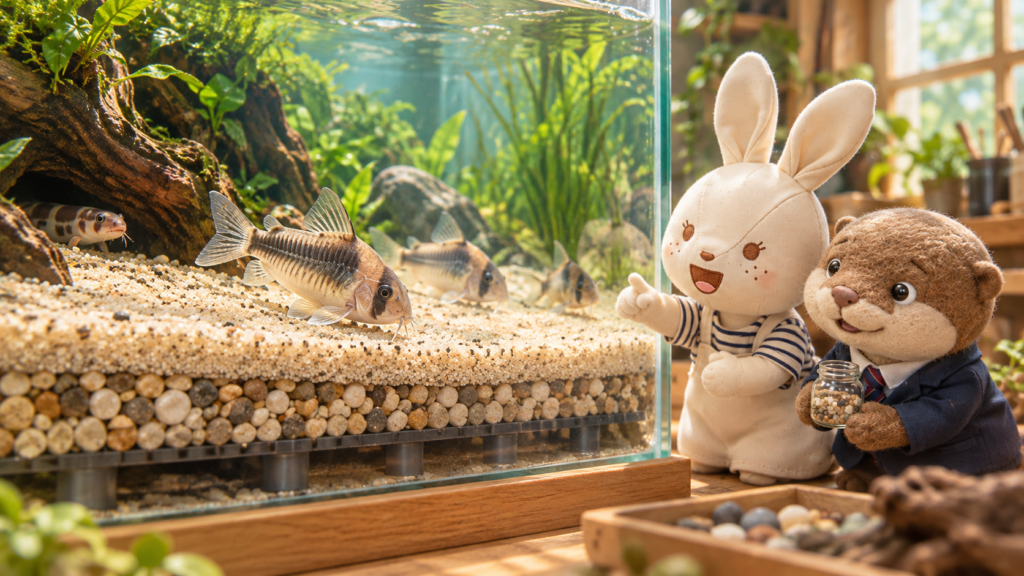 アイのアクアグッズ案内水槽の底砂の選び方|砂・砂利の違いとおすすめ商品道具の特徴や使い方、選ぶときのポイントをアイが紹介します。記事はコチラ →
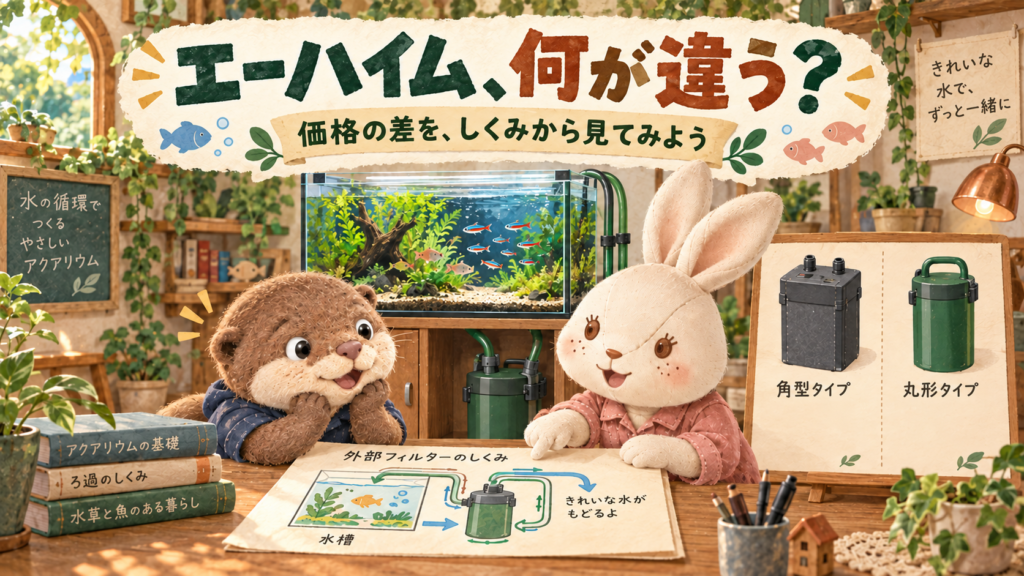 アイのアクアグッズ案内エーハイム、安いのと高いのは何が違う? コタロウと見比べる外部フィルター道具の特徴や使い方、選ぶときのポイントをアイが紹介します。記事はコチラ →
さまざまな飼育テーマをご紹介。リンク先の記事には広告・商品紹介が含まれます。
案内・紹介記事一覧へ →参考文献および引用資料
学術論文・原記載
- Randall, J. E. (1981). Two new Indo-Pacific labrid fishes of the genus Halichoeres, with notes on other species of the genus. Pacific Science, 34(4), 415-432.(本種の原記載論文)
- Sakai, Y. (1997). Alternative mating tactics and reproductive success of hermaphroditic wrasse, Halichoeres trimaculatus (Labridae). Japanese Journal of Ichthyology, 44(1), 23-30.(ホンベラ属の繁殖・性転換に関する生態研究)
- Looby, A., et al. (2023). Global inventory of species categorized by known underwater sonifery. Scientific Data, 10, 84.(水中発音行動のインベントリデータ)
専門書籍・飼育ガイド
- Kuiter, R. H. (2010). Labridae Fishes: Wrasses. TMC Publishing.(ベラ科魚類の分類および色彩変異に関する世界的権威)
- Michael, S. W. (2009). Wrasses & Parrotfishes (Reef Fishes Series). TFH Publications.(海水魚の飼育・混泳・生態に関する包括的なガイド)
- 日本の海水魚 (2013). 山溪カラー名鑑. 山と溪谷社.(国内流通における標準和名の典拠)
- マリンアクアリスト No.38 (2005). 特集:ベルリンシステムとナチュラルアクアリウム. エムピージェー.
オンラインデータベース・流通資料
- FishBase. Halichoeres chrysus (Randall, 1981). (https://www.fishbase.se/summary/Halichoeres-chrysus.html)
- カミハタビジネスオンライン. 生体情報:コガネキュウセン. 神畑養魚株式会社.
- World Register of Marine Species (WoRMS). Halichoeres chrysus Randall, 1981.




コメント