

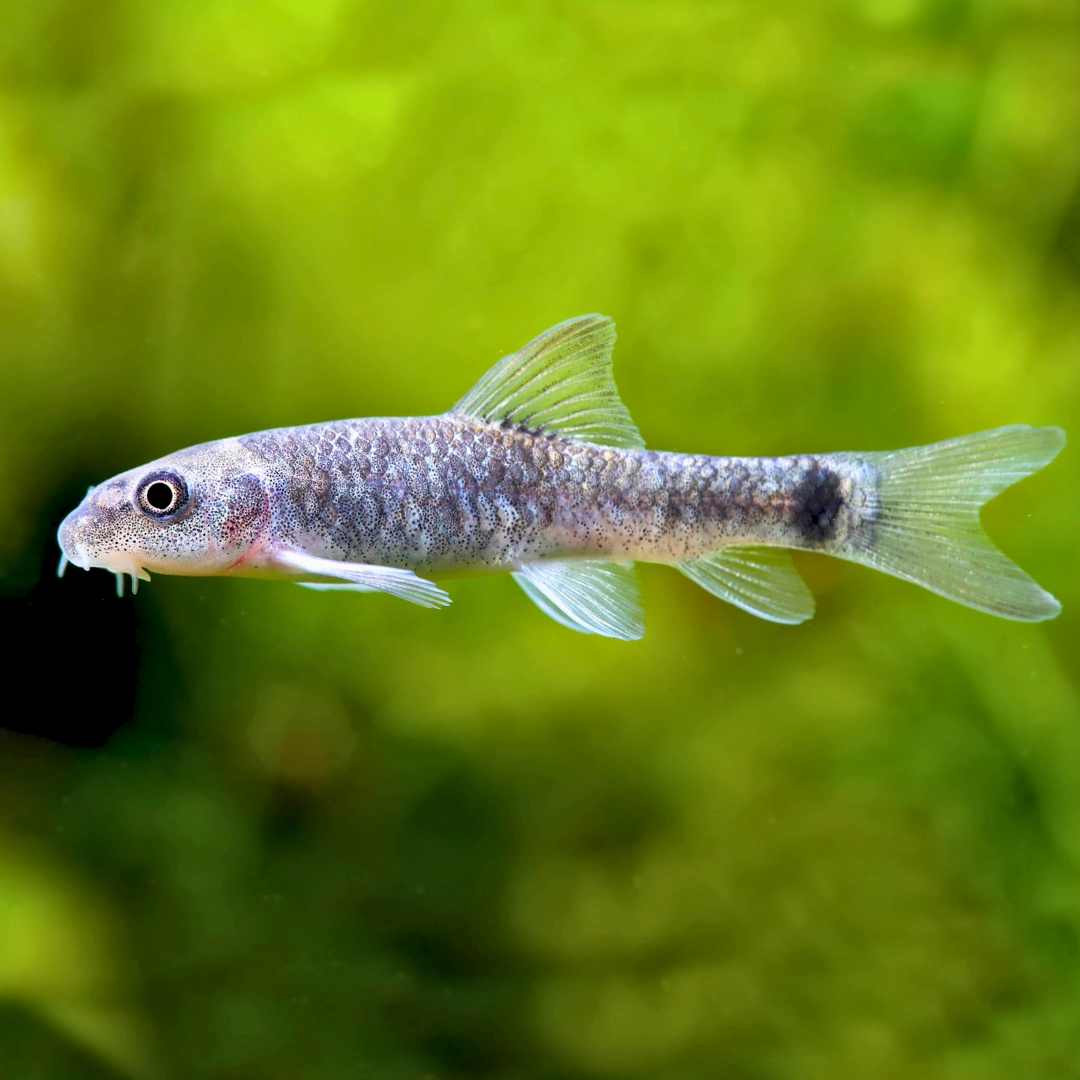
解説 / Description
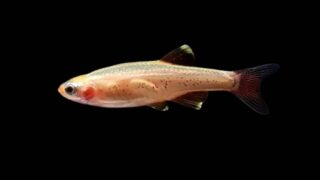
ガラ・ルーファは、トルコ、シリア、イラク、イラン周辺などの西アジアを中心に知られるコイ科ガラ属の淡水魚です。日本では「ドクターフィッシュ」の名で知られることが多く、吸盤状の口で人の皮膚表面をついばむ行動から、温浴施設やイベントで注目されてきました。ただし、本来は人の角質だけを食べて生きる魚ではなく、自然下では藻類、デトリタス、微生物、小型の水生生物などを食べる雑食性の底生魚です。 Garra rufa is a cyprinid freshwater fish known mainly from Western Asia, including areas around Türkiye, Syria, Iraq, and Iran. In Japan, it is often known as the “doctor fish” because of its habit of gently nibbling at the surface of human skin. However, it is not a fish that naturally survives on human skin alone; in the wild, it feeds on algae, detritus, microorganisms, and small aquatic animals.
観賞魚として見ると、派手な色彩を楽しむタイプではありませんが、底面や石の表面をついばみながら群れで動く様子には独特の愛嬌があります。丈夫で適応力が高い一方、成魚は10cmを超えることもあるため、小型水槽で多数飼育する魚ではありません。十分な水量、強めのろ過、酸素量、水槽からの飛び出し対策を整えることで、長期飼育しやすい魚になります。 As an aquarium fish, it is not a brightly colored show fish, but its social behavior and constant grazing on stones and surfaces give it a unique charm. Although hardy and adaptable, adults can exceed 10 cm in length, so they are not suitable for crowded small aquariums. With sufficient water volume, strong filtration, good oxygenation, and a secure lid, they can be maintained successfully for many years.
基本情報 / Basic Information
| 学名 / Scientific Name | Garra rufa (Heckel, 1843) |
|---|---|
| 通称 / Common Name | ガラ・ルーファ、ガラ・ルファ、ドクターフィッシュ、フィッシュセラピー用魚Garra rufa, doctor fish, nibble fish, red garra |
| 分類 / Family | コイ目 コイ科 ガラ属Order Cypriniformes, family Cyprinidae, genus Garra |
| 英名 / English Name | Doctor fish, Red garra, Nibble fish |
| 分布 / Distribution | トルコ、シリア、イラク、イラン周辺などを含む西アジアの淡水域。ティグリス川・ユーフラテス川水系などに関連して知られています。観賞魚として流通する個体は、原産地からの採集個体ではなく、養殖・ブリード個体が中心です。Freshwater habitats of Western Asia, including areas around Türkiye, Syria, Iraq, and Iran, especially river systems associated with the Tigris and Euphrates. Aquarium-trade individuals are mainly farmed or captive-bred rather than wild-caught from the original localities. |
| 最大体長 / Max Size | 文献上の最大体長は約14cm前後とされます。観賞魚として流通する若魚や飼育個体では10cm前後で扱われることも多いですが、長期飼育ではそれ以上のサイズを想定しておくと安心です。The documented maximum length is around 14 cm. In the aquarium trade, juveniles or captive specimens are often handled at around 10 cm, but long-term care should allow for larger adult size. |
| 寿命 / Lifespan | 飼育下では数年単位での飼育が可能です。一般的には5年前後をひとつの目安とし、水質、栄養、飼育密度が安定していればより長く維持できる場合もあります。It can be maintained for several years in captivity. Around five years is a practical guideline, and stable water quality, appropriate nutrition, and moderate stocking density can support longer-term care. |
飼育環境 / Aquarium Environment
| 水槽サイズ / Tank Size | 少数飼育でも60cm規格水槽以上を推奨します。成魚を複数匹でゆったり飼う場合は90cm規格水槽以上、底面積を広く取れる水槽が扱いやすいです。小型個体を一時的に飼う場合でも、成長後のサイズと活発な遊泳量を見越して計画する必要があります。A standard 60 cm aquarium or larger is recommended even for a small group. For multiple adults, a standard 90 cm aquarium or larger with a broad bottom area is easier to manage. Even when starting with juveniles, plan for their adult size and active swimming behavior. |
|---|---|
| 水温 / Temperature | 24〜28℃前後が通常飼育では扱いやすい範囲です。高水温への耐性で知られますが、30℃を超える環境では酸素不足や代謝負担が増えやすく、35℃以上での長期管理は通常飼育では避けた方が安全です。 Around 24–28°C is a practical range for ordinary aquarium care. Although the species is known for high-temperature tolerance, temperatures above 30°C can increase oxygen demand and metabolic stress, and long-term maintenance above 35°C is not recommended for ordinary aquariums. |
| 水質 / Water Quality | 弱酸性〜弱アルカリ性まで比較的広く適応しますが、中性付近から弱アルカリ性、pH6.8〜7.8程度を安定させると管理しやすいです。丈夫な魚ではあるものの、アンモニアや亜硝酸の蓄積には耐えられないため、立ち上がったろ過環境と定期的な換水が重要です。It adapts to a relatively wide range from slightly acidic to slightly alkaline water, but stable near-neutral to slightly alkaline conditions, around pH 6.8–7.8, are easy to manage. Although hardy, it cannot tolerate accumulated ammonia or nitrite, so mature filtration and regular water changes are essential. |
| レイアウト / Layout | 丸みのある石、流木、底砂を使い、表面をついばめる場所を多く作ると本種らしい行動を観察できます。底面を動き回るため、鋭利な石や角の立った素材は避けます。水流は弱すぎない方がよく、エアレーションやフィルター排水で酸素を十分に供給します。Use rounded stones, driftwood, and substrate to provide many grazing surfaces. Avoid sharp rocks or abrasive materials because the fish spends much of its time near the bottom. Moderate water movement and strong oxygenation from aeration or filter outflow are beneficial. |
| 注意点 / Precautions | 驚いたときや水流に反応したときに飛び出すことがあるため、水槽には隙間の少ないフタを設置してください。また、フィッシュセラピー目的で利用する場合は、観賞魚飼育とは別に、人の皮膚と水が直接接触する衛生管理、利用者の事前確認、魚の健康維持、商標や法令、地域の保健所への確認が必要です。A tight-fitting lid is important because the fish may jump when startled or when reacting to water current. If used for fish therapy, it requires more than ordinary aquarium care: hygiene control for direct contact between people and water, screening of users, fish welfare management, and confirmation of trademarks, local regulations, and public health requirements. |
餌と給餌 / Feeding
| 餌の種類 / Diet | 植物質を含む沈下性人工飼料、プレコ・コリドラス用タブレット、スピルリナ系フード、冷凍赤虫、ブラインシュリンプ、イトミミズ類などを補助的に組み合わせます。自然下では藻類やバイオフィルムをついばむため、水槽内の付着物を食べる様子も見られますが、それだけでは栄養が不足します。Offer sinking prepared foods, tablets for bottom-dwelling fish, spirulina-based foods, frozen bloodworms, brine shrimp, and other small animal foods as supplements. Although it grazes algae and biofilm in the aquarium, these alone are not nutritionally sufficient. |
|---|---|
| 給餌のポイント / Feeding Tips | 1日1〜2回、数分で食べ切れる量を与えます。角質をついばむ魚として知られますが、意図的に空腹状態を維持する飼い方は、魚の体力や免疫を落とし、水槽内の衛生状態を悪化させる原因になります。商業利用の場でも、魚を意図的に飢餓状態に置かず、営業時間外などに栄養バランスの取れた餌を与える管理が必要です。Feed once or twice a day, only as much as the fish can consume within a few minutes. Although known for nibbling skin, deliberately keeping the fish hungry is harmful to its health and may worsen hygiene in the system. Even in commercial settings, the fish should not be deliberately starved, and balanced feeding outside service hours is necessary. |
性格と混泳 / Temperament and Tank Mates
| 性格 / Temperament | 基本的には温和で、若い個体は群れで行動する傾向があります。成長した個体では同種間で小競り合いをする場合もありますが、強く攻撃的な魚というよりは、餌場や休む場所を活発に取り合うタイプです。It is generally peaceful, and juveniles tend to behave socially in groups. Mature individuals may have minor disputes with their own kind, but they are more active and competitive over feeding or resting spots than truly aggressive. |
|---|---|
| 混泳の相性 / Compatibility | 同程度の水温と水質を好む温和な中型魚との混泳に向きます。小さすぎる魚、動きの遅い魚、長いヒレを持つ魚、極端に気性の荒い魚との組み合わせは避けた方が無難です。底面を使う魚同士では餌の取り合いが起こりやすいため、給餌が全個体に行き渡るように調整します。It can be kept with peaceful medium-sized fish that prefer similar water conditions. Avoid very small fish, slow-moving fish, long-finned varieties, and highly aggressive tank mates. When kept with other bottom-oriented fish, make sure food reaches all individuals. |
病気と対策 / Diseases and Prevention
| かかりやすい病気 / Common Diseases | 丈夫な魚ですが、水質悪化や輸送ストレスが重なると、細菌感染、スレ傷からの炎症、体表の炎症、ヒレの傷み、食欲不振などが起こることがあります。白点病は一般的な熱帯魚同様に注意が必要ですが、高水温管理下では別の水質悪化や酸素不足の問題も起こりやすいため、単に温度に強い魚と考えすぎないことが大切です。Although hardy, it can suffer from bacterial infections, inflammation from abrasions, skin inflammation, fin damage, or appetite loss when water quality declines or transport stress is severe. Ich should be considered as with other tropical fish, but at higher temperatures, poor water quality and oxygen shortage can become more immediate concerns, so its heat tolerance should not be overestimated. |
|---|---|
| 対策と予防 / Prevention | ろ過を十分に効かせ、週1回を目安に20〜30%程度の換水を行い、底面の汚れをためないことが基本です。導入時は水温合わせと水合わせを丁寧に行い、スレ傷や赤みがある個体は隔離して観察します。体調不良時には、原因が水質か感染症かを見極め、必要に応じて隔離、水換え、塩水浴、薬浴を検討します。薬浴を行う場合は、コイ科魚類に使用できる薬剤かどうかを確認し、規定量を守ることが重要です。Maintain strong filtration, change about 20–30% of the water weekly, and prevent organic waste from building up on the bottom. Acclimate new fish carefully, and isolate any fish showing abrasions or redness. When illness occurs, identify whether poor water quality or infection is involved, and consider isolation, water changes, salt treatment, or medication as appropriate. When using medication, confirm that it is suitable for cyprinid fish and follow the recommended dosage. |
増やし方(繁殖) / Breeding
| 雌雄の判別 / Sexing | 成熟したオスは比較的スリムに見え、繁殖期には体色や行動がやや目立つことがあります。メスは腹部に丸みが出やすく、全体にふっくらした体型になります。ただし、若魚では差が分かりにくいため、成熟した複数個体を比較して判断します。Mature males may appear slimmer, and their coloration or behavior can become somewhat more noticeable during breeding condition. Females often have a rounder abdomen and fuller body shape. Juveniles are difficult to sex, so comparison among mature individuals is more reliable. |
|---|---|
| 繁殖形態 / Reproduction | 卵をばらまく卵散布型です。親魚は卵や稚魚を保護せず、産卵後に卵を食べてしまうこともあるため、繁殖を狙う場合は産卵床や隔離、水槽の分離が重要になります。It is an egg-scattering species. The parents do not guard eggs or fry and may eat the eggs after spawning, so spawning media, separation, and careful management are important for breeding. |
| 繁殖のポイント / Breeding Tips | 成熟個体に栄養価の高い餌を与えてコンディションを整え、水位変化、やや低めの新しい水の注水、照明変化などで季節変化に近い刺激を与えると産卵のきっかけになることがあります。孵化後の仔魚はしばらく卵黄嚢で育ち、自由遊泳を始めたらインフゾリア、グリーンウォーター、孵化直後のブラインシュリンプへ段階的に移行します。Condition mature fish with nutritious foods, then provide seasonal-style cues such as water-level changes, the addition of slightly cooler fresh water, and lighting changes. Newly hatched larvae rely on their yolk sac at first; once free-swimming, provide infusoria, green water, and then newly hatched brine shrimp. |
雑学と豆知識 / Trivia and Fun Facts
| 1. 「角質を食べる魚」になった背景 / 1. Why It Became Known as a Skin-Nibbling Fish | ガラ・ルーファが世界的に知られるきっかけになったのは、トルコのカンガル地方に代表される温泉地帯での利用です。高水温の環境では、通常の河川に比べて餌資源が限られる場面があり、人が水に入ったときに剥がれる古い角質をついばむ行動が目立つようになったと説明されることがあります。つまり、ガラ・ルーファは生まれつき人の皮膚だけを求める魚というより、環境条件や空腹度によってその行動が強く表れる魚として理解すると自然です。Garra rufa became famous through its use in warm spring areas such as Kangal in Türkiye. In high-temperature waters, food resources may be more limited than in ordinary rivers, and the fish’s tendency to nibble loosened dead skin from people in the water is often explained in that context. Rather than being a fish that inherently depends on human skin, it is better understood as a species whose grazing behavior can become prominent under certain environmental conditions and levels of hunger. |
|---|---|
| 2. 口の構造と安全性の考え方 / 2. Mouth Structure and Safety | 本種の口は下向きで吸盤状になっており、岩や底面に付着した藻類やバイオフィルムをこそげ取るように使われます。この構造が、人の皮膚に触れたときにも「噛み切る」というより「吸い付いてついばむ」感覚につながります。ただし、フィッシュセラピーの安全性は魚の性質だけで決まるものではありません。水槽のろ過、紫外線殺菌、利用前後の洗浄、傷や皮膚病がある人の利用制限など、施設側の管理があって初めてリスクを下げられます。This species has a downward-facing, sucker-like mouth used to graze algae and biofilm from rocks and bottom surfaces. This is why contact with human skin feels more like suction and nibbling than cutting or biting. However, safety in fish therapy is not determined by the fish alone. Filtration, UV sterilization, washing before and after use, and screening out users with wounds or skin infections are all essential parts of risk reduction. |
| 3. 「ドクターフィッシュ」という名前の扱い / 3. Handling the Name “Doctor Fish” | 日本では「ドクターフィッシュ」という呼び名が一般にも広く知られていますが、商業利用では商標や権利関係に注意が必要です。そのため、図鑑や一般的な説明では通称として紹介できても、施設名、広告、イベント看板などで使用する場合は、最新の商標状況や権利者の情報を確認する必要があります。アクアリウム図鑑としては、ガラ・ルーファという標準的な魚名を中心に据え、「ドクターフィッシュ」は通称として扱うのが安全です。In Japan, the name “doctor fish” is widely recognized, but commercial use may involve trademark and rights considerations. It can be introduced as a common name in a general encyclopedia context, but businesses should confirm the latest trademark status before using it in facility names, advertisements, or event signage. For an aquarium encyclopedia, it is safer to center the article on the standard fish name Garra rufa and treat “doctor fish” as a common nickname. |
| 4. 偽物問題と魚種確認の大切さ / 4. Misidentified Fish and the Importance of Species Verification | フィッシュセラピーの普及に伴い、ガラ・ルーファではない魚が同じ用途として扱われるケースがあると指摘されています。別種が使われると、皮膚への刺激や傷つけやすさ、衛生リスクの考え方が変わる可能性があります。観賞魚として飼うだけなら大きな問題になりにくい場面もありますが、人の皮膚に接触させる用途では、魚種の確認、仕入れ先の信頼性、施設管理の記録が非常に重要になります。As fish therapy spread, concerns have been raised that fish other than Garra rufa may be handled for the same purpose. If a different species is used, the degree of skin irritation, the chance of injury, and the public health risk profile may change. Misidentification may be less critical in ordinary aquarium keeping, but when fish are used in direct contact with human skin, species verification, reliable sourcing, and management records become extremely important. |
| 5. 外来魚としての責任 / 5. Responsibility as a Non-Native Fish | ガラ・ルーファは日本の自然環境にもともと分布していない外来の淡水魚です。観賞魚として流通していても、飼えなくなった個体を川、池、用水路、下水などに放すことは絶対に避けなければなりません。温泉地や温排水のある場所では、熱帯性の魚であっても一時的に生き延びる可能性を完全には否定できないためです。飼育を始める前に、寿命まで管理できるか、引き取り先を確保できるかを考えておくことが、生き物を扱ううえでの大切な責任です。Garra rufa is not native to Japan. Even though it is traded as an aquarium fish, unwanted individuals must never be released into rivers, ponds, canals, drains, or other natural or semi-natural waters. In warm spring areas or waters affected by thermal discharge, the temporary survival of tropical fish cannot be completely ruled out. Before keeping this species, it is important to consider whether it can be cared for throughout its life or responsibly rehomed if necessary. |
まとめ / Conclusion
ガラ・ルーファは、ドクターフィッシュとしての知名度が先行しがちですが、本来は西アジア周辺の淡水域に暮らす、藻類や微生物をついばむ底生性のコイ科魚です。丈夫で飼育しやすい面はあるものの、成魚では十分なサイズになり、酸素量とろ過能力も必要になるため、60cm規格水槽以上を基本に、余裕ある環境で飼育することが大切です。 Garra rufa is often known first as the doctor fish, but biologically it is a bottom-dwelling cyprinid from Western Asian freshwater habitats that grazes algae, microorganisms, and detritus. Although hardy and relatively easy to keep, adults require adequate space, oxygen, and filtration, so a standard 60 cm aquarium or larger should be considered the starting point for proper care.
フィッシュセラピーに関心が集まる魚ですが、観賞魚としての飼育と、人の皮膚に接触させる商業利用はまったく別の管理領域です。後者では魚の健康だけでなく、利用者の安全、衛生管理、商標、地域の法令確認まで含めた慎重な運用が求められます。ガラ・ルーファの魅力を正しく楽しむためには、「珍しい行動をする魚」としてだけでなく、ひとつの生き物として適切な環境と責任を持って向き合うことが重要です。 Although this species attracts attention for fish therapy, ordinary aquarium care and commercial use involving direct contact with human skin are completely different management fields. The latter requires careful attention not only to fish health but also to user safety, hygiene, trademarks, and local regulations. To appreciate Garra rufa properly, it should be treated not merely as a fish with unusual behavior, but as a living animal requiring responsible and appropriate care.
気になる道具や飼い方を見つけてみませんか?
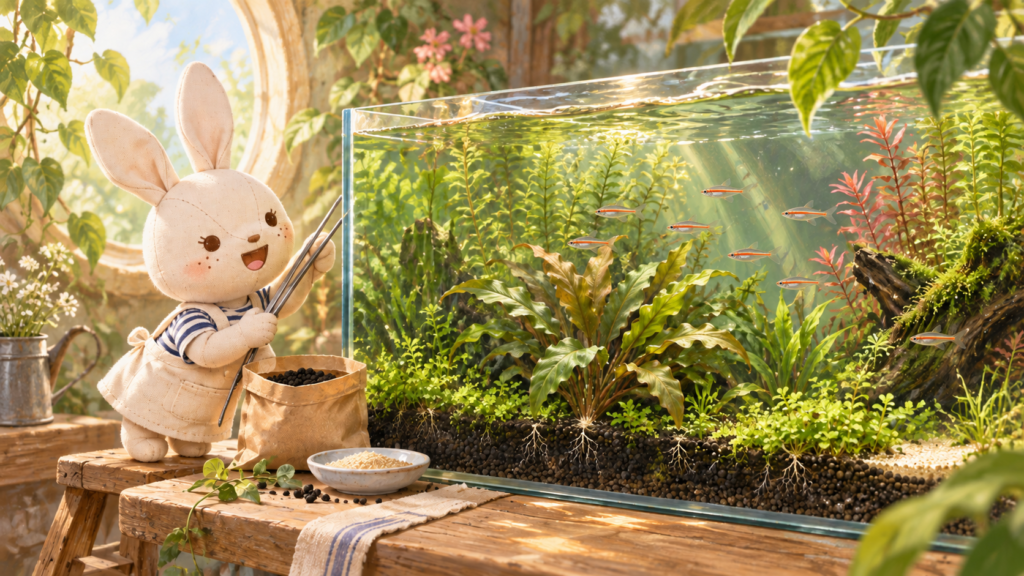 アイのアクアグッズ案内水草用ソイルの選び方|土・砂の違いとおすすめ商品道具の特徴や使い方、選ぶときのポイントをアイが紹介します。記事はコチラ →
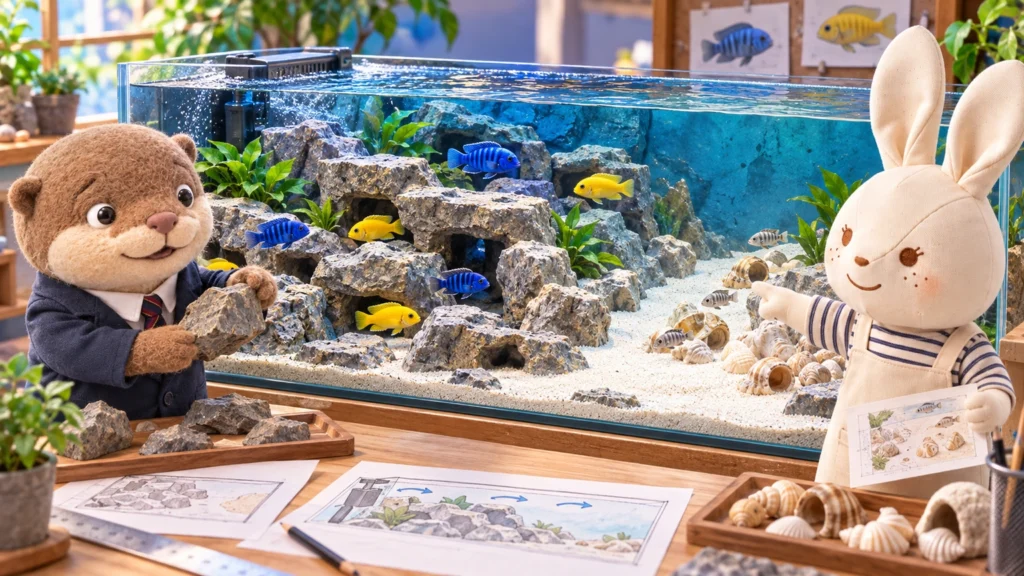 アイのアクアグッズ案内アフリカンシクリッドの飼育用品|水槽・ろ過・底砂・岩組み・餌の選び方道具の特徴や使い方、選ぶときのポイントをアイが紹介します。記事はコチラ →
さまざまな飼育テーマをご紹介。リンク先の記事には広告・商品紹介が含まれます。
案内・紹介記事一覧へ →▶ 記事の生体をAMAZONで買う ▶ 記事の生体をYahooで買う
参考文献・参照資料
本記事では、ガラ・ルーファの分類、分布、体長、飼育環境、フィッシュセラピー利用時の衛生管理、輸入防疫、外来種としての取り扱いに関する記述を確認するため、以下の資料を参照しました。
- Froese, R. and Pauly, D. Editors. FishBase. Garra rufa (Heckel, 1843), Red garra. 学名、分類、最大体長、基礎的な生物情報を確認するために参照しました。
- GBIF Secretariat. Garra rufa (Heckel, 1843). GBIF Backbone Taxonomy. 分類、シノニム、英名、原記載に関する情報を確認するために参照しました。
- U.S. Fish and Wildlife Service. Ecological Risk Screening Summary: Red Garra (Garra rufa). 分布、生態、フィッシュスパ産業での利用、外来魚としてのリスク評価を確認するために参照しました。
- Jarvis, P. L. Fisheries and Oceans Canada. Biological Synopsis of Garra rufa. 生物学的特徴、分布、生態、観賞魚・フィッシュスパ用途に関する背景情報を確認するために参照しました。
- Shimada, Y. et al. Potential of Garra rufa as a novel high-temperature resistant fish model. 高水温耐性、成長サイズ、飼育条件に関する近年の研究情報を確認するために参照しました。
- Abedi, M. et al. Reproductive biology and age determination of Garra rufa Heckel, 1843 in central Iran. 繁殖生態、雌雄差、産卵期、卵径などの繁殖関連情報を確認するために参照しました。
- United Kingdom Health Protection Agency. Guidance on the management of the public health risks from fish pedicures. フィッシュセラピーにおける感染症リスク、利用者のスクリーニング、施設管理、衛生管理の考え方を確認するために参照しました。
- 農林水産省 動物検疫所. Entry into Japan – Aquatic animals. 観賞魚を含む水産動物の日本への輸入時に関係する防疫手続きの概要を確認するために参照しました。
- 環境省. 侵略的な外来種. 外来種被害予防三原則である「入れない・捨てない・拡げない」の考え方を確認するために参照しました。




コメント