

▶ 記事の生体をAMAZONで買う ▶ 記事の生体をYahooで買う
解説 / Description
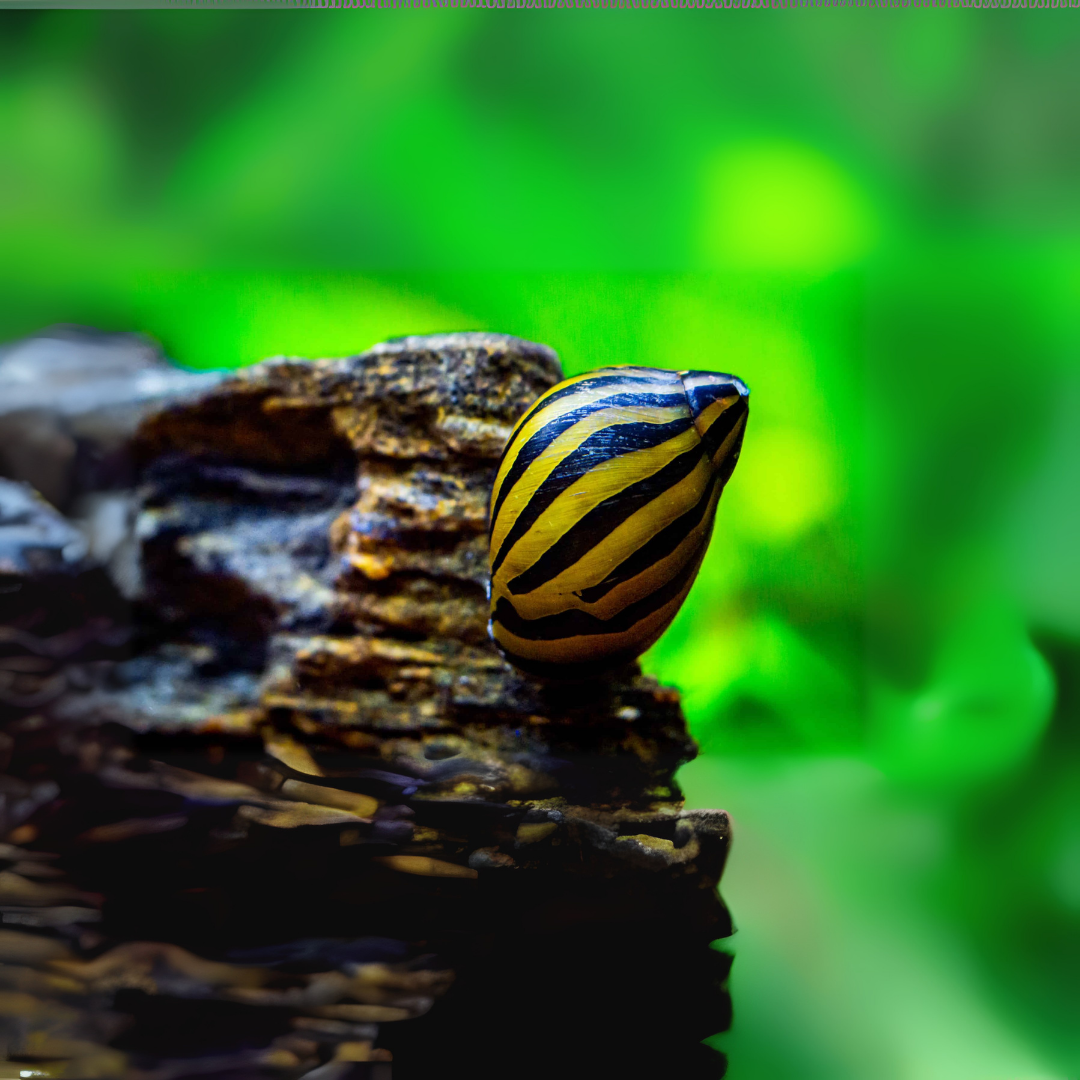
シマカノコガイは、その名の通り鹿の子模様やシマウマを連想させる規則的で美しい縞模様を持つ、アマオブネガイ科の巻貝です。水槽内のガラス面や流木に発生する頑固なコケ(微細藻類)を削り取るように食べてくれるため、日本のアクアリウムにおいて「非常に優秀なコケ取り能力を持つ貝」として高い人気を誇ります。しかし、彼らは単なるお掃除役にとどまらず、河川と海を行き来する壮大な両側回遊の生活史や、顕微鏡レベルで特化した複雑な摂食メカニズムを持つ、極めて魅力的な生物です。丈夫だと思われがちですが、本来の生息環境に由来する特有の水質要求があり、長く健康に飼育するためには彼らの生態を深く理解することが求められます。 The Zebra Nerite Snail is a highly popular freshwater snail in the aquarium hobby, recognized for its striking, zebra-like striped shell pattern. Widely regarded as a highly effective algae eater, it efficiently clears stubborn microalgae from aquarium glass and hardscape. However, beyond their utility, these snails possess a fascinating biology, including a complex amphidromous life cycle migrating between rivers and the ocean, and highly specialized biomechanical feeding structures. While often considered hardy, they have specific water parameter requirements linked to their natural habitat, and understanding their ecology is essential for long-term health in captivity.
基本情報 / Basic Information
| 学名 / Scientific Name | Vittina turrita (シノニム: Neritina turrita) |
|---|---|
| 通称 / Common Name | シマカノコガイ、シマカノコZebra Nerite Snail |
| 分類 / Family | アマオブネガイ科 Vittina属Family Neritidae, Genus Vittina |
| 英名 / English Name | Zebra Nerite Snail |
| 分布 / Distribution | マダガスカルから日本、西太平洋の島嶼部、およびインドネシアに至るインド太平洋地域の熱帯・亜熱帯沿岸域。日本では沖縄県の西表島などの南西諸島のマングローブ林や沿岸部に見られます。Tropical and subtropical coastal areas of the Indo-Pacific region, from Madagascar to Japan, Western Pacific islands, and Indonesia. In Japan, they inhabit mangrove forests and coastal areas of the Nansei Islands, such as Iriomote Island. |
| 最大体長 / Max Size | 約2cm以上(近縁の小型種と比較して大きく、存在感のあるサイズに成長します)Approximately 2 cm or more (Grows to a substantial size compared to related smaller species). |
| 寿命 / Lifespan | 適切な水質と豊富な天然藻類が維持された環境下では、9ヶ月から3年以上生きることが報告されています。Reported to live from 9 months to over 3 years under ideal conditions with appropriate water quality and abundant natural algae. |
飼育環境 / Aquarium Environment
| 水槽サイズ / Tank Size | 60cm規格水槽(約65L)以上を推奨します。これは生体の大きさよりも、主食となる天然藻類が持続的に発生する表面積を確保するためです。A 60cm standard tank (approx. 65 Liters / 17 Gallons) or larger is recommended. This is primarily to ensure a sufficient surface area for the continuous growth of natural algae, which is their main food source. |
|---|---|
| 水温 / Temperature | 18~29℃。一般的な熱帯魚水槽の温度に広く適応します。 18-29°C (65-85°F). Adaptable to standard tropical aquarium temperatures. |
| 水質 / Water Quality | pH6.5~8.5(弱アルカリ性の7.5以上が最適)。総硬度(gH)は12~18 dGH以上、カルシウム濃度70~90 ppmが要求される非常に硬水を好む種です。pH 6.5-8.5 (Slightly alkaline, 7.5 or higher is optimal). They prefer very hard water, requiring a total hardness (gH) of 12-18 dGH or higher and a calcium concentration of 70-90 ppm. |
| レイアウト / Layout | 適度な水流を好みます。滑らかな殻を持つため、狭い岩の隙間や流木の裏側などにも潜り込めます。天然藻類が付着しやすい硬質な素材(石や流木)の配置が適しています。Prefers moderate water flow. Their smooth shells allow them to access narrow crevices and the undersides of driftwood. A layout with hard materials (rocks and driftwood) where natural algae can easily grow is ideal. |
| 注意点 / Precautions | 長期飼育では、軟水・弱酸性環境により殻の侵食(白化・穴あき)が進行しやすくなります。特にソイルを使用した水槽ではpH低下と硬度不足に注意が必要です。殻の健康を維持するためには、水質管理には十分な注意が必要です。In long-term care, soft and slightly acidic environments can accelerate shell erosion (whitening and pitting). Particular attention to pH drops and insufficient hardness is required, especially in tanks using aquatic soil. Careful water parameter management is necessary to maintain shell health. |
餌と給餌 / Feeding
| 餌の種類 / Diet | 主にガラス面や石に付着した微細藻類やバイオフィルムを摂食します。水草の葉を食害することはほとんどありません。They primarily feed on microalgae and biofilms attached to glass surfaces and rocks. They rarely damage the leaves of aquatic plants. |
|---|---|
| 給餌のポイント / Feeding Tips | 人工飼料への反応は個体差が大きく、餌付かない個体も少なくありません。水槽内のコケがなくなると餓死のリスクがあるため、過剰な匹数の導入は避け、藻類の発生量とバランスをとることが最重要です。Their response to artificial feed varies greatly among individuals, and many may not accept it at all. Since there is a risk of starvation if the tank runs out of algae, it is crucial to avoid overstocking and balance their numbers with the natural algae growth rate. |
性格と混泳 / Temperament and Tank Mates
| 性格 / Temperament | 非常に平和的で、他魚や他の生き物を攻撃することは一切ありません。Very peaceful. They will absolutely not attack other fish or tank inhabitants. |
|---|---|
| 混泳の相性 / Compatibility | 性格的にはどの魚とも混泳可能ですが、水質の観点から注意が必要です。本種が健康に生きるための高硬度・高pHを好む魚(アフリカンシクリッドや卵胎生メダカなど)との混泳が理想的です。ビーシュリンプなど軟水を好む生き物との同居は生態学的に矛盾します。While behaviorally compatible with any fish, water quality requirements dictate suitable tank mates. Ideal companions are species that thrive in hard, high pH water (e.g., African cichlids, livebearers). Keeping them with soft water species like Crystal Red Shrimp is ecologically contradictory. |
病気と対策 / Diseases and Prevention
| かかりやすい病気 / Common Diseases | 最も多いトラブルは、軟水環境での飼育による殻の崩壊(白化・穴あき)と、コケ不足による餓死です。また、野生採集個体であるため、輸入時に吸虫類のセルカリア幼生などの寄生虫を持ち込むリスクがあります。The most common issues are shell degradation (whitening and pitting) due to soft water environments and starvation from a lack of algae. Additionally, being wild-caught, there is a risk of carrying parasites like trematode cercariae larvae upon import. |
|---|---|
| 対策と予防 / Prevention | 十分な硬度(ミネラル)のある水質を維持し、コケが常に存在する環境を作ることが最大の予防です。また、国内水系や水槽への病原体持ち込みを防ぐため、導入時には別水槽での厳格なトリートメントと検疫期間を設けることが強く推奨されます。Maintaining water with sufficient hardness (minerals) and ensuring a continuous supply of algae is the best prevention. To prevent introducing pathogens, a strict quarantine and treatment period in a separate tank is highly recommended before adding them to the main aquarium. |
増やし方(繁殖) / Breeding
| 雌雄の判別 / Sexing | 雌雄異体ですが、外見から雌雄を判別することは極めて困難です。They are gonochoric (separate sexes), but it is extremely difficult to sex them based on external appearance. |
|---|---|
| 繁殖形態 / Reproduction | 両側回遊(Amphidromy)という特殊な生態を持ちます。淡水環境で硬い石灰質の卵嚢を産み付けますが、孵化した幼生は海へ下り、プランクトンとして海中で長期間成長した後、再び淡水へと遡上します。They exhibit an amphidromous life cycle. Females lay hard, calcareous egg capsules in freshwater, but the hatched larvae must drift down to the ocean, develop as plankton in saltwater for an extended period, and then migrate back to freshwater as juveniles. |
| 繁殖のポイント / Breeding Tips | 一般的な淡水水槽では、幼生を成体まで育成することは極めて困難です。卵嚢は産み付けられますが、そこから幼生が育つことはありません。人工環境での育成には、緻密な塩分濃度のコントロールと特定の海洋微細藻類の培養など、極めて高度な専門設備が必要となります。Raising larvae to adulthood in a standard freshwater aquarium is extremely difficult. While they will lay egg capsules, larvae cannot develop in freshwater. Cultivating them in captivity requires highly specialized facilities, including precise salinity manipulation and the cultivation of specific marine microalgae. |
雑学と豆知識 / Trivia and Fun Facts
| 1. 分類学の変遷とDNAの罠 / 1. Taxonomic Shifts and the DNA Trap | シマカノコガイは長くアマオブネガイ属(Neritina)とされてきましたが、近年の包括的な研究によりVittina属として独立した地位を獲得しました。面白いことに、アマオブネガイ科では形態が酷似する種が多く、分子系統解析の分野でも継続的な分類の整理と議論が続いています。Long classified under the genus Neritina, recent comprehensive studies have elevated them to the independent genus Vittina. Interestingly, the family Neritidae contains many morphologically identical species, and continuous taxonomic organization and debate are ongoing even in the field of molecular phylogenetic analysis. |
|---|---|
| 2. 生体力学が明かす「歯舌」の秘密 / 2. The Biomechanics of the Radula | 彼らの驚異的なコケ取り能力の秘密は、口の中にある「歯舌(しぜつ)」と呼ばれるヤスリのような器官にあります。顕微鏡で観察すると、多数の微小な歯が規則正しく並んでいます。この歯は単なる硬い塊ではなく、キチン繊維とタンパク質が複雑に絡み合った高度な「複合材料」で構成されており、岩の表面の微小な凹凸に柔軟にフィットしながら、強い力で削り取っても欠けないような優れた生体力学的構造を持っています。The secret to their incredible algae-eating prowess lies in a file-like organ in their mouth called the radula. Under a microscope, it reveals numerous microscopic teeth arranged in regular rows. These teeth are not just hard lumps but advanced composite materials of interlaced chitin fibers and proteins. This excellent biomechanical structure allows the teeth to flexibly conform to the micro-textures of rocks while withstanding the intense force of scraping without breaking. |
| 3. 塩分濃度が握る孵化のトリガー / 3. Salinity as the Hatching Trigger | 卵から孵化した幼生が海へ旅立つタイミングは、どうやって決まるのでしょうか。一部の両側回遊性巻貝における研究では、塩分変化が孵化や分散行動に関与する可能性が示唆されています。自然界において、大雨や潮の満ち引きで河口の塩分が下がり、川の流れに乗って海へ下りやすくなった絶好のタイミングを感知する、驚くべき環境センサーの役割を果たしていると考えられています。How do the larvae know when to begin their journey to the sea? Research on some amphidromous snails suggests that changes in salinity may be involved in hatching and dispersal behaviors. In nature, this is believed to function as an incredible environmental sensor, allowing them to detect times of heavy rain or tidal shifts when the estuary salinity decreases, signaling the optimal time to ride the river currents down to the ocean. |
| 4. 美術品から食料まで:人間との関わり / 4. From Art to Food: Human Interaction | 英語で「Zebra Nerite Snail(シマウマの貝)」と呼ばれるその美しく滑らかな殻は、水槽に導入される遥か昔から、原産地の人々によって装飾品や美術工芸品の素材として大切にされてきました。大航海時代にはヨーロッパの収集家たちをも熱狂させたと言われています。同時に、生息密度が高い沿岸部の地域社会においては、古くから貴重なタンパク源として伝統的な食生活を支えてきた歴史的な側面も持ち合わせています。Long before being introduced to aquariums, their smooth, beautifully patterned shells—which earned them the English name “Zebra Nerite Snail”—were highly valued by indigenous peoples as materials for ornaments and artistic crafts. During the Age of Discovery, they are said to have fascinated European collectors. Concurrently, in coastal communities where they are abundant, they have historically served as a vital traditional source of protein. |
まとめ / Conclusion
シマカノコガイは、その際立った美しさと実用性から、多くのアクアリストに愛される存在です。しかし、現在流通する個体の大半は野生採集由来であり、彼らの持つ複雑な両側回遊の生態を人工環境で再現することは現在の技術では極めて困難です。 The Zebra Nerite Snail is beloved by many aquarists for its outstanding beauty and utility. However, the majority of commercially available individuals are wild-caught, and replicating their complex amphidromous life cycle in captivity remains extremely difficult with current technology.
彼らを水槽へお迎えする際は、日本の軟水環境とは異なる「ミネラル豊富な硬水」を必要とすること、そして人工飼料への反応には個体差があり、天然の藻類を確保する必要があることをぜひ思い出してください。彼らのユニークな生態に寄り添い、適切な環境を整えることで、小さなシマカノコガイは長きにわたり水槽の良きパートナーとなってくれることでしょう。 When welcoming them into your aquarium, please remember their strict requirements: they need mineral-rich hard water (unlike typical Japanese soft water setups) and need access to natural algae because acceptance of prepared foods varies. By accommodating their unique ecological needs, these small snails will be wonderful, long-lasting partners in your aquarium journey.

気になる道具や飼い方を見つけてみませんか?
 アイのアクアグッズ案内金魚を長く楽しむ飼育用品|水槽・フィルター・エアレーション・水換え道具の特徴や使い方、選ぶときのポイントをアイが紹介します。記事はコチラ →
 アイのアクアグッズ案内海水魚初心者の必需品|水槽・人工海水・比重計・水質検査道具の特徴や使い方、選ぶときのポイントをアイが紹介します。記事はコチラ →
さまざまな飼育テーマをご紹介。リンク先の記事には広告・商品紹介が含まれます。
案内・紹介記事一覧へ →▶ 記事の生体をAMAZONで買う ▶ 記事の生体をYahooで買う
- [1] Eichhorst, T. E. (2016). Neritidae of the World, Volume 1 & 2. ConchBooks. ※ アマオブネガイ科の包括的分類体系。Vittina属など近年の分類整理を理解するための重要文献。
- [2] Ng, T. H., Tan, S. K., Wong, W. H., Meier, R., Chan, S.-Y., Tan, H. H., & Yeo, D. C. J. (2016). Molluscs for Sale: Assessment of Freshwater Gastropods and Bivalves in the Ornamental Pet Trade. PLOS ONE, 11(8), e0161130. ※ シンガポールを中心とした観賞用淡水貝類の流通、外来化リスク、および野生採集種を含むアクアリウム市場の実態調査。
- [3] Dillon, R. T. (2000). The Ecology of Freshwater Molluscs. Cambridge University Press. ※ 淡水性軟体動物の生態・水質適応・殻形成に関する基礎文献。
- [4] Fretter, V. (1965). Functional studies of the anatomy of some neritid prosobranchs. Journal of Zoology, 147(1), 46-74. ※ アマオブネガイ類の複雑な歯舌(ラドゥラ)の微小解剖学と、岩盤からの摂食メカニズムに関する基礎研究。
- [5] Blanco, J. F., & Scatena, F. N. (2006). Hierarchical contribution of river–ocean connectivity, water chemistry, and substrate to the distribution of diadromous snails. Journal of the North American Benthological Society, 25(1), 82-98. ※ 両側回遊性巻貝の分布と、河川―海洋接続性・水質条件との関係を扱った生態学研究。




コメント