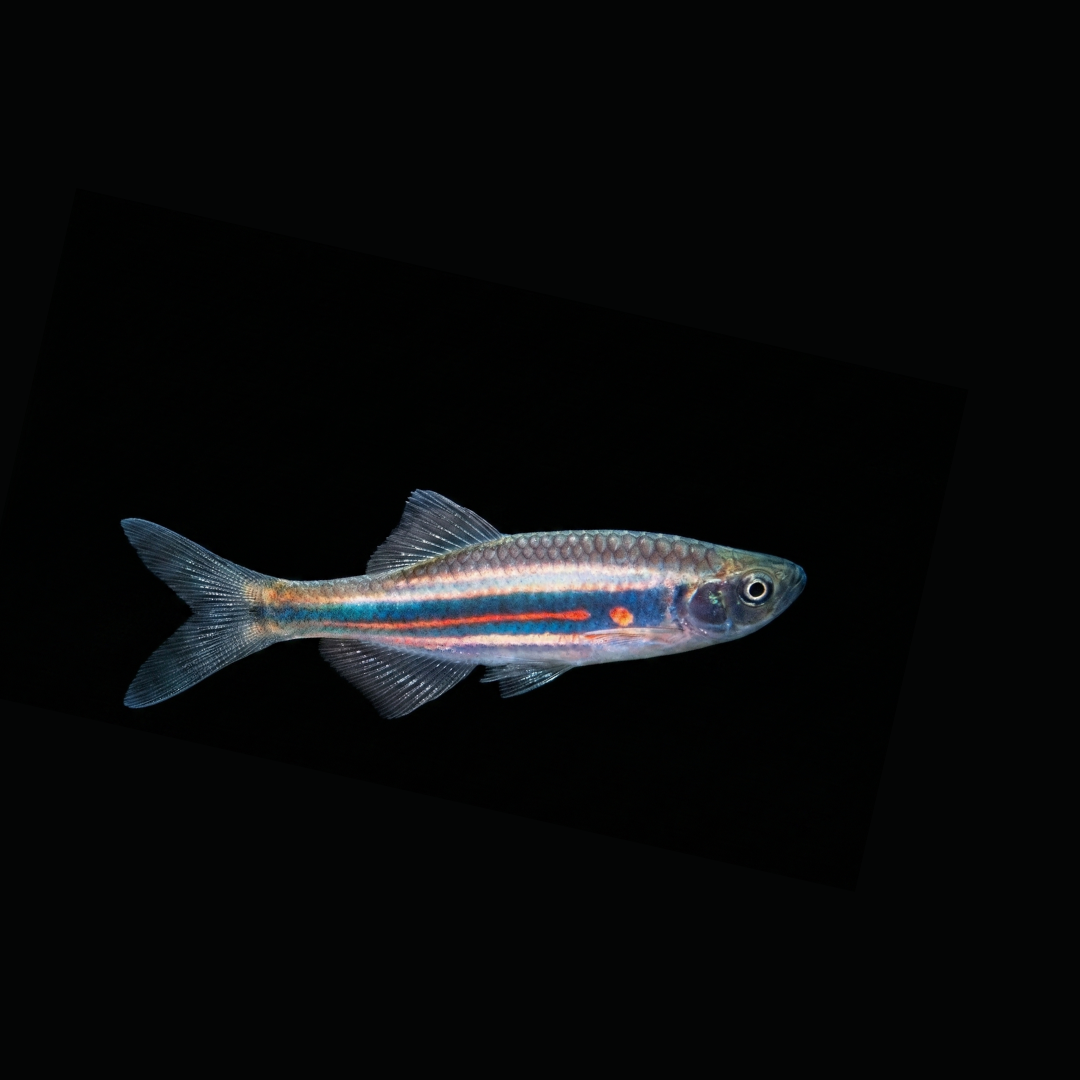
デバリオ・アッサムエンシスは、インド北東部のアッサム州や西ベンガル州、そしてブータンの清冽な流れに生息する、コイ科ダニオ亜科の美しい魚です。最大の特徴は、側線を貫く鮮烈な深紅のストライプで、その美しさから「ブラッドストライプ(血の縞)」や、生息地にちなんだ「ミリクレッド」という愛称でアクアリストに親しまれています。一般的なダニオよりも一回り大きく成長し、水槽内を力強く群れで泳ぐ姿は、まさにヒマラヤの急流を切り取ったかのような躍動感に満ちています。非常に希少な存在であり、その学術的な背景や生態を知ることは、本種を飼育する上での大きな醍醐味と言えるでしょう。Devario assamensis is a stunning freshwater fish belonging to the family Danionidae, native to the pristine streams of Assam and West Bengal in Northeast India, as well as Bhutan. Its most striking feature is the vivid deep-red stripe running along its lateral line, which has earned it popular names among aquarists such as “Blood Stripe Danio” or “Mirik Red.” Growing larger than typical danios, it displays powerful schooling behavior that brings the dynamic energy of Himalayan torrents into the aquarium. As a relatively rare species, understanding its scientific background and ecological needs is essential for appreciating its true beauty.
基本情報 / Basic Information
学名 / Scientific Name
Devario assamensis
通称 / Common Name
ブラッドストライプ・ダニオ、ミリクレッドBlood Stripe Danio, Mirik Red
分類 / Family
コイ目ダニオ科デバリオ属Cypriniformes, Danionidae, Devario
英名 / English Name
Assam Danio, Blood Stripe Danio
分布 / Distribution
インド(アッサム州、西ベンガル州)、ブータン(ブラマプトラ川水系)India (Assam, West Bengal), Bhutan (Brahmaputra River basin)
最大体長 / Max Size
約9センチメートルから15センチメートルApproximately 9 cm to 15 cm
寿命 / Lifespan
約3年から5年Approximately 3 to 5 years
飼育環境 / Aquarium Environment
水槽サイズ / Tank Size
90cm規格水槽(約155リットル)以上、可能であれば120cmワイド水槽推奨90cm standard tank (approx. 155L) or larger, 120cm wide tank recommended
pH 6.0から8.0(弱酸性から弱アルカリ性)、軟水から中硬水pH 6.0 – 8.0, soft to moderately hard water
レイアウト / Layout
広大な遊泳スペースを確保し、流木や丈の高い水草で避難場所を作る。強めの水流が理想。Ensure ample open swimming space with driftwood and tall plants for cover. Moderate to strong water flow is ideal.
注意点 / Precautions
日本の夏の高水温には非常に弱いため、水槽用クーラーが必須。飛び出し事故を防ぐ蓋も重要。Extremely sensitive to high temperatures during Japanese summers; a chiller is essential. A tight lid is necessary to prevent jumping.
深紅の発色を維持するため、動物性タンパク質とカロチノイドを含む餌をバランスよく与える。Provide a balanced diet rich in animal protein and carotenoids to maintain its vivid red coloration.
性格と混泳 / Temperament and Tank Mates
性格 / Temperament
非常に活発で社会性が高い。単独ではなく、必ず6匹以上の群れで飼育すること。Highly active and social. Must be kept in a group of 6 or more individuals.
混泳の相性 / Compatibility
遊泳力の高い中型バルブやドジョウ類と相性が良い。大人しい魚やヒレの長い魚は避ける。Good with active medium-sized barbs or loaches. Avoid slow-moving or long-finned fish.
病気と対策 / Diseases and Prevention
かかりやすい病気 / Common Diseases
白点病、カラムナリス症、高水温による酸欠および熱ストレスIch, Columnaris, and heat stress or oxygen depletion due to high temperatures
対策と予防 / Prevention
水温を24度以下に保つことが最大の予防。定期的な換水で硝酸塩の蓄積を防ぎ、高水質を維持する。Maintaining water temperature below 24°C is the best prevention. Regular water changes are essential to keep nitrate levels low.
増やし方(繁殖) / Breeding
雌雄の判別 / Sexing
オスはスレンダーで発色が鮮やか。メスは抱卵すると腹部が丸く膨らみ、体高が高くなる。Males are slender and more colorful. Females become noticeably rounder and deeper-bodied when carrying eggs.
繁殖形態 / Reproduction
卵ばらまき型。水草の茂みなどに粘着性の低い卵を産み落とす。Egg scatterers. They scatter non-adhesive eggs among fine-leaved plants.
繁殖のポイント / Breeding Tips
親魚が卵を食べてしまうため、ビー玉やメッシュを敷いた専用の産卵水槽を使用し、産卵後は親魚を隔離する。Since adults eat their own eggs, use a breeding tank with marbles or mesh on the bottom and remove parents immediately after spawning.
雑学と豆知識 / Trivia and Fun Facts
1. 「義兄」という名を持つデバリオ1. The “Brother-in-Law” Fish
属名である「デバリオ」は、ベンガル語で「debari」という現地名に由来しています。この言葉は地域で魚を指すと同時に、なんと「義兄」という意味も持っています。アッサム州の清流で泳ぐこの魚は、現地の人々にとって親しみ深く、どこか家族のような存在感を放っていたのかもしれません。種小名の「アッサムエンシス」はその名の通りアッサム州産であることを示しており、合わせて「アッサムの義兄」という、なんともユニークな背景を持つ名前なのです。The genus name “Devario” comes from the Bengali word “debari,” which is a local name for these fishes. Interestingly, this word also means “brother-in-law.” To the people living along the streams of Assam, these fish might have been seen as familiar, almost familial presences. Combined with the species name “assamensis,” it literally translates to “the brother-in-law from Assam,” a truly unique cultural nuance.
2. 科学者を悩ませた分類の迷宮2. A Taxonomic Puzzle
この魚が最初に採集されたのは1939年でしたが、正式に新種として記載されたのはその45年後、1984年のことでした。しかしその後も、別の種類のシノニム(同種異名)として扱われたり、独立種として復活したりと、分類学的な歴史は波乱に満ちています。2001年にようやく現在の「デバリオ・アッサムエンシス」として再定義されましたが、こうした混乱の裏には、ヒマラヤ周辺に生息するダニオ類の多様性と、それらを正確に見分けることの難しさが隠されています。Although first collected in 1939, it took 45 years until 1984 for this fish to be formally described. Even then, its status shifted between being a synonym for other species and being recognized as independent. It wasn’t until 2001 that its current status as Devario assamensis was firmly established. This long history of confusion highlights the incredible diversity and complexity of Danio species found around the Himalayas.
3. 「ミリクレッド」と失われゆく故郷3. “Mirik Red” and a Fragile Homeland
アクアリストの間で特に美しいとされる個体群は、西ベンガル州のミリク湖周辺で採集されるため「ミリクレッド」と呼ばれます。しかし、この美しい故郷はいま、危機に瀕しています。急速な開発による水質汚染や森林伐採による土砂の流入が、彼らの産卵場所である岩の隙間を埋め尽くしているのです。国際自然保護連合(IUCN)でも「危急種」に指定されており、私たちが水槽で目にする一匹一匹は、非常に貴重な自然の遺産であることを忘れてはなりません。The population known as “Mirik Red,” prized for its intense color, originates from near Mirik Lake in West Bengal. Sadly, this beautiful habitat is under threat. Rapid development, water pollution, and siltation from deforestation are clogging the rocky crevices where they spawn. Listed as “Vulnerable” by the IUCN, each individual we see in our aquariums represents a precious piece of natural heritage that we must cherish.
まとめ / Conclusion
デバリオ・アッサムエンシスは、その燃えるようなブラッドストライプと、ダイナミックな群泳で見る者を圧倒する、ヒマラヤの至宝とも言える存在です。飼育において最も重要なのは、彼らが冷涼な急流の住人であることを理解し、特に日本の厳しい夏場において水温を24度以下に保つ適切な設備を用意することにあります。Devario assamensis is a true treasure of the Himalayas, overwhelming observers with its fiery blood-red stripe and dynamic schooling behavior. The key to success in keeping them lies in understanding their origins as mountain stream dwellers; providing proper equipment to keep water temperatures below 24°C, especially during harsh Japanese summers, is the most crucial requirement.
希少なワイルド個体への過度な依存を避け、欧州などで成功している人工繁殖個体を選択することは、この素晴らしい魚を絶滅の危機から守る持続可能なアクアリウム文化への第一歩となります。適切に管理された水槽で、彼らが繰り広げる「遊泳のトーナメント」は、あなたのアクアリウムライフにこれまでにない刺激と感動を与えてくれるはずです。Choosing captive-bred individuals, which are successfully produced in Europe, rather than relying solely on rare wild populations, is a step toward a sustainable aquarium culture that protects this magnificent species. In a well-managed tank, the “swimming tournaments” they display will surely bring unprecedented excitement and inspiration to your aquarium life.
Barman, R. P. (1984). A new freshwater fish of the genus Danio Hamilton (Pisces: Cyprinidae) from Assam, India. Journal of the Bombay Natural History Society, 81(3), 673-675.
Kullander, S. O. (2001). Phylogeny and species of opercular-spotted Danio, and a revision of Devario (Teleostei: Cyprinidae). Ichthyological Exploration of Freshwaters, 12(3), 251-272.
Kottelat, M. (2013). The fishes of the inland waters of Southeast Asia: A catalogue and core bibliography of the fishes known to occur in freshwaters, mangroves and estuaries. The Raffles Bulletin of Zoology, Supplement No. 27, 1-663.
Talwar, P. K., & Jhingran, A. G. (1991). Inland Fishes of India and Adjacent Countries. Vol. 1 & 2. Oxford & IBH Publishing Co., New Delhi.
IUCN Red List of Threatened Species (2010). Devario assamensis. Version 2010.4.
Aquarium Glaser GmbH. (n.d.). Devario assamensis (Commercial and Taxonomic Database).
Tilak, R., & Jain, S. (1987). On the collection of fish from district Dharampur (Assam). Records of the Zoological Survey of India, 84(1-4), 169-174.



 アイのアクアグッズ案内エビのおうち、食べちゃっていいの!? コタロウと探る、不思議なエビのごはん道具の特徴や使い方、選ぶときのポイントをアイが紹介します。記事はコチラ →
 アイのアクアグッズ案内水槽のろ材の選び方|ウール・リング・活性炭の違いとおすすめ商品フィルターの中の綿や石は何をしている? アイとコタロウが、ウール・スポンジ・セラミック・焼結ガラス・活性炭・ゼオライトを比較。機種との相性、入れ方、洗い方と交換まで商品とともに紹介します。記事はコチラ →



コメント