

解説 / Description
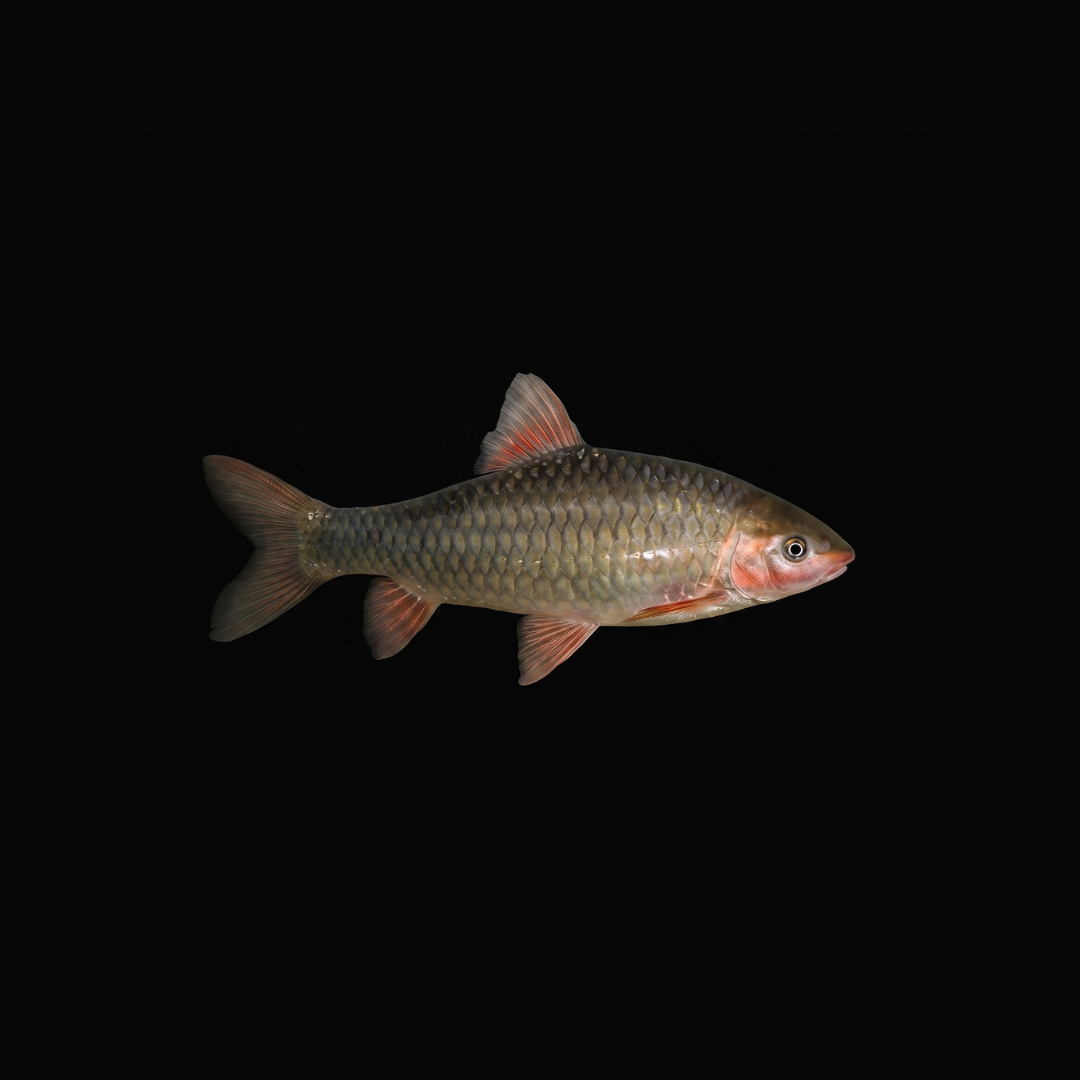
フェニックスバルブは、中国南部からベトナムにかけての広大な河川に生息する大型のコイ科魚類です。この魚の最大の魅力は、何と言ってもその劇的な成長過程にあります。流通しやすい小さな幼魚の頃はオリーブ色や灰色の地味な姿をしていますが、数年という歳月をかけて成長すると、頭部からヒレにかけて燃え上がるような鮮烈な真紅へと姿を変えます。その神々しいまでの変化から「不死鳥」の名が与えられました。非常に丈夫で幅広い水温に適応できる力強さを持ちながら、ベトナムなどの原産国では神聖な魚として大切に保護されている地域もあるなど、ロマンあふれる背景を持つ素晴らしい観賞魚です。 The Phoenix Barb is a large cyprinid fish native to the vast river systems from southern China to Vietnam. The greatest appeal of this fish lies in its dramatic growth process. While juveniles commonly found in the trade sport a dull olive or grey coloration, they transform into a blazing, brilliant red from their head to their fins over several years of growth. This divine transformation earned them the name Phoenix. They are incredibly hardy, capable of adapting to a wide range of temperatures, and are even protected as sacred fish in certain regions of their native countries like Vietnam, making them a fantastic aquarium fish with a highly romantic background.
基本情報 / Basic Information
| 学名 / Scientific Name | Spinibarbus denticulatus |
|---|---|
| 通称 / Common Name | フェニックスバルブ、チャイニーズ・フェニックスバルブChinese Phoenix Barb, Ca bong |
| 分類 / Family | コイ科 スピニバルブス属Cyprinidae (Spinibarbinae) |
| 英名 / English Name | Chinese Phoenix Barb |
| 分布 / Distribution | 中国南部(珠江水系、長江水系など)、ラオス、ベトナム北部から中部の広大な淡水系に分布しています。Distributed in vast freshwater systems across southern China (Pearl River and Yangtze River basins), Laos, and northern to central Vietnam. |
| 最大体長 / Max Size | 水槽内や一般的な野生個体では40cmから45cm程度ですが、野生下では最大で体重30kgに達する巨大な個体の記録もあります。Typically 40cm to 45cm in aquariums and common wild individuals, but there are records of giant specimens reaching up to 30kg in the wild. |
| 寿命 / Lifespan | 明確な寿命の記録は少ないですが、メスが成熟するまでに5年を要することから、適切な飼育環境下では少なくとも10年を超える長い寿命を持つと考えられます。While explicit records are scarce, considering females take 5 years to mature, they are believed to have a long lifespan exceeding 10 years under proper care. |
飼育環境 / Aquarium Environment
| 水槽サイズ / Tank Size | 最終的には横幅180cm以上の大型水槽(180cm規格水槽など、水量約1100リットル以上)が必要です。運動空間を広く取ることが、美しい赤色を引き出す秘訣です。Ultimately requires a large tank over 180cm in width (e.g., standard 180cm tank, minimum volume of 1100 liters). Providing ample swimming space is key to bringing out their beautiful red coloration. |
|---|---|
| 水温 / Temperature | 野生では9度から30度まで耐えますが、健康と代謝を維持するため、飼育下では年間を通じて23度から26度の安定した水温をおすすめします。 Although they can tolerate 9 to 30 degrees Celsius in the wild, a stable temperature between 23 and 26 degrees Celsius year-round is recommended in captivity to maintain health and metabolism. |
| 水質 / Water Quality | pH 6.8から7.8の弱酸性から弱アルカリ性の水質を好みます。アルカリ度(硬度)は50ppmから140ppmの中硬水が適しています。Prefers slightly acidic to slightly alkaline water with a pH of 6.8 to 7.8. Moderate hardness between 50ppm and 140ppm is suitable. |
| レイアウト / Layout | 旺盛な植物食性のため、水草はあっという間に食べられてしまいます。暗色の底砂を敷いたシンプルなレイアウトにすると、魚が落ち着き、体色がより鮮やかに映えます。Due to their strong herbivorous nature, aquatic plants will be quickly consumed. A simple layout with dark substrate helps the fish feel secure and makes their colors pop out more vividly. |
| 注意点 / Precautions | 遊泳力が非常に高く、何かに驚いて水槽から飛び出す事故が起きやすいため、重くて隙間のない頑丈なガラスフタなどを必ず設置してください。They are powerful swimmers and prone to jumping out of the tank when startled, so a heavy, tightly fitting, and sturdy glass lid or canopy is absolutely essential. |
餌と給餌 / Feeding
| 餌の種類 / Diet | 野生では川底の苔や水没した植物を食べているため、飼育下でもスピルリナや海藻、野菜類を豊富に含んだ植物性主体の大粒ペレット(人工飼料)を主食とします。As they graze on algae and submerged plants in the wild, their captive diet should consist mainly of large plant-based pellets rich in spirulina, seaweed, and vegetables. |
|---|---|
| 給餌のポイント / Feeding Tips | とてもよく食べますが、動物性タンパク質(魚粉など)が多い餌を与えすぎると肥満や消化不良を起こすことがあります。また、排泄量が非常に多いため、水質の悪化に注意しながら適量を与えてください。They are eager eaters, but an excess of animal protein (like fish meal) can lead to obesity and indigestion. Since they produce a lot of waste, feed in moderation while monitoring water quality. |
性格と混泳 / Temperament and Tank Mates
| 性格 / Temperament | 基本的には温和な性格をしており、自分と同じくらいかそれ以上の大きさの魚に対しては攻撃的になることはあまりありません。Generally peaceful in temperament, they are rarely aggressive towards fish of similar or larger sizes. |
|---|---|
| 混泳の相性 / Compatibility | 口に入るサイズの小型魚(小さなカラシンなど)は餌と間違えて食べてしまうため混泳できません。同程度の大きさの温和な中大型シクリッドや、底を泳ぐ大型ナマズなどとの混泳が適しています。Cannot be kept with small fish (like small tetras) as they will be eaten. Suitable tank mates include peaceful medium-to-large cichlids of similar size, or large bottom-dwelling catfish. |
病気と対策 / Diseases and Prevention
| かかりやすい病気 / Common Diseases | 原産国の病原体に対する耐性も高く、非常に丈夫な魚であるため特筆すべきかかりやすい病気はありません。ただし、大食漢ゆえの水質悪化による一般的な感染症には注意が必要です。They are incredibly hardy and highly resistant to pathogens in their native regions, so there are no specific diseases to note. However, caution is needed against common infections caused by water quality deterioration due to their heavy eating habits. |
|---|---|
| 対策と予防 / Prevention | 大量の排泄物を処理するため、大容量の外部式フィルターやオーバーフロー水槽などの強力な濾過システムが必須です。週に1割、または隔週で4分の1程度の大がかりな水換えと底砂の掃除を習慣にしてください。To handle their massive waste output, powerful filtration systems like large canister filters or overflow setups are mandatory. Make it a habit to perform large water changes of about 10% weekly or 25% bi-weekly, along with thorough gravel cleaning. |
増やし方(繁殖) / Breeding
| 雌雄の判別 / Sexing | 成熟したオスは、顔の周りやエラに「追星」と呼ばれるザラザラとした突起が現れ、体色が緑赤色に変化します。メスは卵を持つとお腹が大きく膨らみ、生殖孔に白い突起が見られるようになります。Mature males develop rough, pearl-like organs on their faces and gills, and their bodies turn a greenish-red hue. Females develop a noticeably swollen abdomen when carrying eggs, and a white fleshy protrusion covers their genital pore. |
|---|---|
| 繁殖形態 / Reproduction | 卵生です。野生環境では、春(4月頃)と秋(10月頃)の年に2回、産卵のピークを迎えます。一度に数万粒の卵を産みます。Oviparous (egg-laying). In the wild, they have bi-modal spawning peaks occurring twice a year, in spring (around April) and autumn (around October), laying tens of thousands of eggs at a time. |
| 繁殖のポイント / Breeding Tips | オスは孵化から3年、メスに至っては5年という長い年月を経ないと成熟しません。巨大な水槽が必要になることと、成熟までの期間の長さから、一般家庭の水槽での繁殖は極めて困難です。専門の施設ではホルモン剤を使用した人工催卵が行われています。Males take 3 years to mature, and females a lengthy 5 years. Due to the requirement of massive tanks and the long maturation period, breeding in home aquariums is extremely difficult. Specialized facilities utilize hormone treatments for artificial spawning. |
雑学と豆知識 / Trivia and Fun Facts
| 1. 不死鳥の名を冠する劇的な変貌 / 1. The Dramatic Transformation of the Phoenix | フェニックスバルブという英名は、この魚が成長に伴って見せる見事な体色の変化に由来します。ショップで見かける10センチ前後の幼魚は、捕食者から身を隠すため、オリーブ色や灰色といった川底に溶け込むような保護色をしています。しかし、数年の歳月を経て性成熟が近づくと、オスの気を引くため、あるいは仲間内での強さを示すために、頭からヒレにかけて炎のような鮮烈な真紅へと染まり上がります。じっくりと時間をかけて育て上げた飼育者だけが、この不死鳥が羽ばたくような美しい姿を堪能することができるのです。The English name Phoenix Barb comes from the stunning color transformation this fish undergoes as it grows. Juveniles around 10 cm, often seen in shops, sport protective camouflage colors like olive or grey to hide from predators. However, after several years, as they reach sexual maturity, they flush with a blazing, fiery red from head to fins—likely to attract mates or assert dominance. Only dedicated keepers who patiently raise them can witness this beautiful form reminiscent of a rising phoenix. |
|---|---|
| 2. 王族を魅了した「五大貴重水産物」 / 2. The Five Precious Seafoods that Captivated Royalty | ベトナムの歴史において、このフェニックスバルブ(現地名:Ca bong)は、他の希少な魚たちと共に「五大貴重水産物」の一つに数えられていました。コケや水草を主食とする厳格な草食性であるため、淡水魚特有の泥臭さが一切なく、身は引き締まって独特の甘みを持っています。そのため、古くはベトナム王朝の王族や高位の貴族にだけ献上が許された、まさに至高の高級食材だったのです。現在でも特別な日のお祝いとして、レモンの酸味を効かせた伝統的なサラダなどで供され、食通たちを唸らせています。In Vietnamese history, the Phoenix Barb (locally known as Ca bong) was listed among the Five Precious Seafoods, alongside other rare fishes. Being strictly herbivorous and feeding mainly on algae and aquatic plants, its meat is firm, uniquely sweet, and completely lacks the muddy taste typical of freshwater fish. Thus, it was an ultimate luxury food, historically permitted to be offered only to Vietnamese royalty and high nobility. Even today, it is served on special occasions, such as in a traditional salad with a hint of lemon, continuously delighting gourmets. |
| 3. カムルオン村に伝わる「神の魚」伝説 / 3. The Divine Fish Legend of Cam Luong Village | 食材として珍重される一方で、ベトナムのタインホア省カムルオン村などの特定の地域では、この魚は「神の魚」として強烈な信仰の対象となっています。大昔、村人が大切に育てた蛇の化身として現れ、村に平和と豊作をもたらしたという神秘的な伝承が語り継がれているのです。この地域では、フェニックスバルブを捕まえたり食べたりすることはタブーとされており、そのおかげで小川には巨大な個体を含む数千匹もの群れが手厚く保護されています。昼間は洞窟から出てきて小川で遊び、夜には再び洞窟の奥へと帰っていくという不思議な生態は、今では世界中から観光客を集めるエコツーリズムの目玉となっています。While highly prized as food elsewhere, in specific regions like Cam Luong village in Vietnam’s Thanh Hoa province, this fish is fiercely revered as a Divine Fish. A mystical legend tells that they appeared as incarnations of a snake lovingly raised by villagers, bringing peace and bountiful harvests to the land. Catching or eating Phoenix Barbs is strictly taboo here, which acts as a robust conservation system, protecting thousands of them, including giant specimens, in the local stream. Their mysterious behavior of swimming out of caves during the day and returning deep inside at night has now become a major ecotourism attraction drawing visitors worldwide. |
| 4. 分子生物学で解き明かす成長の秘密 / 4. Unlocking the Secrets of Growth via Molecular Biology | フェニックスバルブは成長がゆっくりなことで知られていますが、最近の最先端の科学研究により、そのメカニズムが遺伝子レベルで解明されつつあります。成長の早い個体を調べたところ、若い頃は成長ホルモンや細胞を増やすためのスイッチ(シグナル伝達経路)が活発に働いていることが分かりました。そして少し大きくなると、今度はエネルギーを作り出すための代謝の仕組みが活発になるなど、成長のステージに合わせて体内を器用に変化させているのです。こうした研究は、将来的に養殖業を発展させるだけでなく、私たちが水槽で魚をより健康に育てるためのヒントも与えてくれます。Phoenix Barbs are known for their slow growth, but recent cutting-edge scientific research is unraveling this mechanism at the genetic level. Studies on fast-growing individuals revealed that during their youth, switches (signaling pathways) related to growth hormones and cell proliferation are highly active. As they grow slightly older, their metabolic systems for energy production become more active instead. They masterfully adapt their internal workings according to their growth stage. Such research not only aids the future development of aquaculture but also provides hints on how we can raise healthier fish in our aquariums. |
| 5. 日本で飼育するための心構えと未来 / 5. Mindset for Keeping them in Japan and Future Outlook | フェニックスバルブは日本の河川の温度(9度から30度)にも容易に適応してしまう強靭さを持っています。そのため、万が一にも野外に逃がしてしまうと、日本の生態系を壊してしまう恐れがあります。飼育にあたっては、最後まで責任を持って飼いきる覚悟と、飛び出しを防ぐための厳重な設備が不可欠です。また、国際的なルールを守るためにも、正規のルートで養殖された個体をお迎えすることが大切です。幼い頃の地味な姿から、数年の月日をかけて真紅の姿へと育て上げる喜びは、他では味わえない素晴らしい体験になるはずです。Phoenix Barbs are hardy enough to easily adapt to the temperatures of Japanese rivers (9 to 30 degrees). Therefore, accidentally releasing them into the wild poses a severe risk to the local ecosystem. Keeping them requires an unwavering commitment to care for them for their entire life, along with strict preventative measures against them jumping out. Furthermore, to comply with international regulations, it is crucial to acquire aquacultured individuals through legitimate channels. The joy of raising them from their humble, dull beginnings over several years into their magnificent crimson form is a truly unparalleled and rewarding experience. |
まとめ / Conclusion
フェニックスバルブは、地味な幼魚時代から数年の歳月をかけて燃え上がるような真紅の姿へと変貌を遂げる、まさに「不死鳥」の名にふさわしいロマンあふれる大型コイ科魚類です。 The Phoenix Barb is a deeply romantic large cyprinid fish that truly lives up to the name Phoenix, transforming from a dull juvenile stage into a blazing crimson form over the course of several years.
非常に大きくなるため大型の設備が必要となり、最後まで飼いきる責任感も求められますが、その成長の過程と、王族や神話にまつわる歴史的な背景を知りながら飼育する喜びは、アクアリストにこの上ない達成感をもたらしてくれることでしょう。 Because they grow very large, they require substantial equipment and a strong sense of responsibility to keep them for life. However, the joy of keeping them while understanding their growth process and the historical background tied to royalty and mythology will surely provide an aquarist with an unparalleled sense of accomplishment.

気になる道具や飼い方を見つけてみませんか?
 アイのアクアグッズ案内小型カラシンの群れを楽しむ|餌と水換えから考える飼育用品ガイド小型カラシンの群れを眺める時間を、もっと楽しく。泳ぐ余白、餌の食べ方、続けやすい水換えを軸に、日本で揃えやすい用品の選び方を紹介します。記事はコチラ →
 アイのアクアグッズ案内金魚を長く楽しむ飼育用品|水槽・フィルター・エアレーション・水換え道具の特徴や使い方、選ぶときのポイントをアイが紹介します。記事はコチラ →
さまざまな飼育テーマをご紹介。リンク先の記事には広告・商品紹介が含まれます。
案内・紹介記事一覧へ →分布マップ
フェニックスバルブは、中国南部の珠江水系・長江水系、ラオス、ベトナム北部から中部にかけての広い淡水域に分布するとされています。地図では、分布イメージを示すため、中国南部からベトナム北部周辺を概略代表地点として表示しています。
この地図は記事中の分布欄をもとにした概略プロットです。表示地点は分布イメージ用の代表地点であり、実際の採集地点や厳密な生息範囲を示すものではありません。
参考文献・出典
- Oshima, M. (1926). Notes on a collection of fishes from Hainan, obtained by Prof. S. F. Light. Annotationes Zoologicae Japonenses, 11(1), 1-25. 本種の原記載文献。海南島産の標本に基づき新種(Spinibarbus denticulatus)として同定。
- Liu, J., et al. (2011). Study on the Growth and Age of Spinibarbus denticulatus denticulatus in Pearl River System. International Journal of Biology, 3(1), 136-143. 珠江水系における年齢査定(鱗の年輪形成)および季節的な成長動態の根拠。
- Chen, Y., et al. (2023). Transcriptome analysis of the muscle of fast- and slow-growing phoenix barb (Spinibarbus denticulatus denticulatus). Journal of Fish Biology, 102(2), 504-515. 筋肉組織の網羅的解析による、成長速度の個体差とGH/IGF軸等の関連性の根拠。
- Yang, Y., et al. (2024). Comparative Transcriptomic Profiling of Brain and Liver in Phoenix Barbs (Spinibarbus denticulatus denticulatus) with Differential Growth Rates. Fishes, 9(10), 411. 脳および肝臓組織における代謝経路(解糖系、糖新生等)と成長制御の関連性の根拠。
- Nguyen, K. S., et al. (2001). Species composition and some biological characteristics of fish in the stream of Cam Luong, Thanh Hoa. Journal of Biology (Vietnam), 23(3), 1-7. カムルオン村の「神の魚」の正体およびその生態学的・民俗学的背景に関する調査報告。




コメント