
解説 / Description
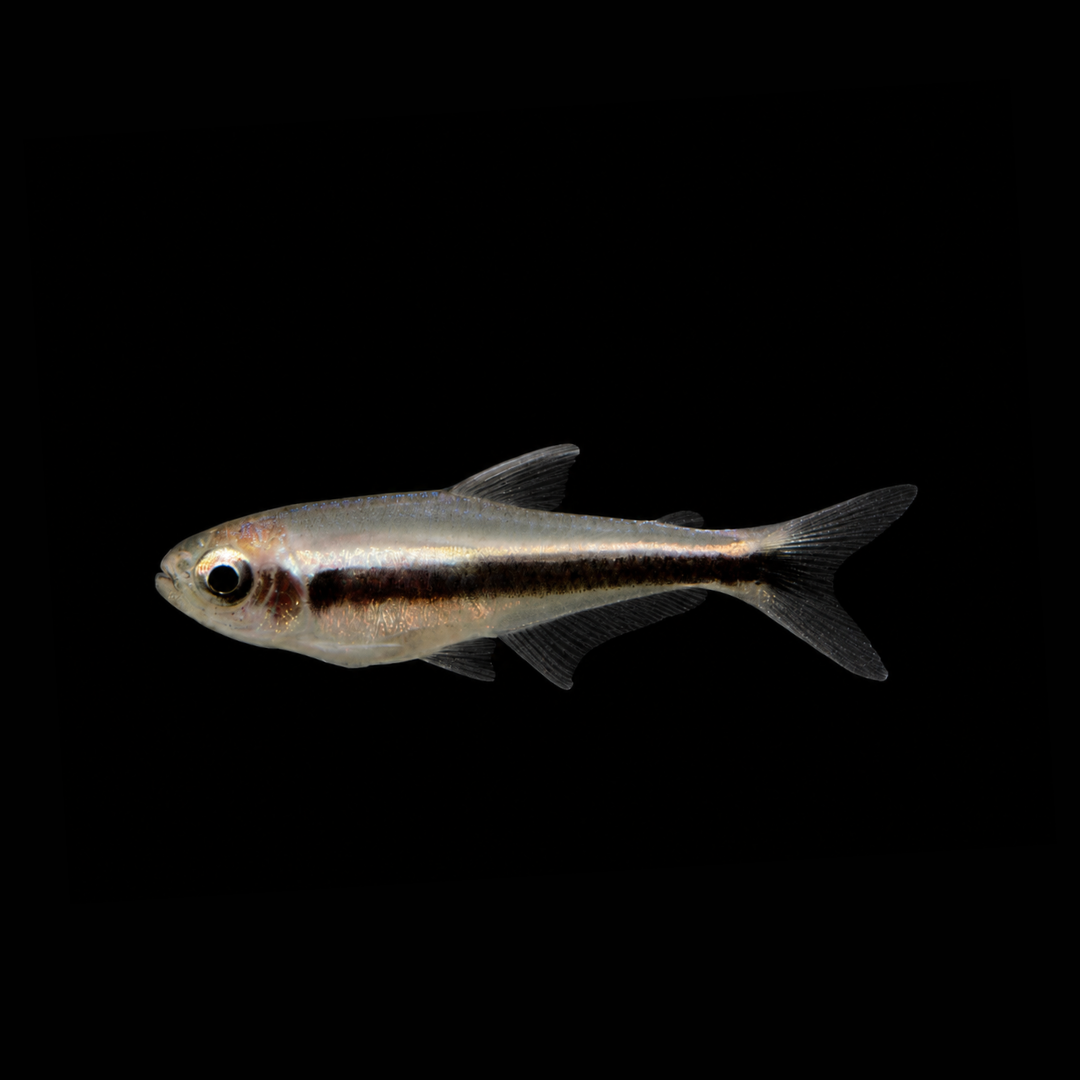
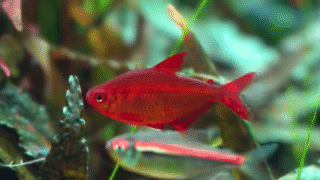
モンクホーシャ・ファエノタは、体側をまっすぐ走る太い黒帯が印象的な南米産の小型カラシンです。派手な赤や青で目立つ魚ではありませんが、光の角度によって背部に淡い青緑色の輝きがのり、落ち着いた水景の中で上品な存在感を見せます。日本では「珍カラ」として扱われることがあり、一般的な養殖テトラとは少し違う、野性味と渋さを楽しむ魚です。 Moenkhausia phaeonota is a small South American characin recognized by its bold, straight dark lateral stripe. Rather than relying on bright red or blue coloration, it shows a refined beauty, with a subtle bluish green sheen on the back depending on the angle of the light. In Japan, it is sometimes appreciated as a rare characin, valued for its wild character and understated elegance.
基本情報 / Basic Information
| 学名 / Scientific Name | Moenkhausia phaeonota Fink, 1979 |
|---|---|
| 通称 / Common Name | モンクホーシャ・ファエノタ、モンクホーシャ・ファエオノタ。国内流通では「phaenota」と表記されることもありますが、現在の有効な学名表記は phaeonota です。Moenkhausia phaeonota. In the aquarium trade, the spelling “phaenota” may occasionally appear, but the currently valid scientific spelling is phaeonota. |
| 分類 / Family | カラシン目 Acestrorhamphidae科 Stichonodontinae亜科。古い資料ではカラシン科 Characidae として扱われることもあります。Order Characiformes, family Acestrorhamphidae, subfamily Stichonodontinae. Older references may place it in Characidae. |
| 英名 / English Name | Moenkhausia phaeonota, rare striped Moenkhausia |
| 分布 / Distribution | ブラジルのアマゾン川流域、マットグロッソ州周辺。タイプ産地はリオ・アリノスの「リオ・ドス・ペイシェス下流」に位置する島の岸辺とされています。流域レベルでは上部タパジョス水系を中心に扱われることが多く、近年の調査では上部シングー流域でも本種として報告された記録があります。Amazon River basin, Brazil, especially around Mato Grosso. The type locality is the shore of an island in the Rio Arinos, below Rio dos Peixes. It is commonly associated with the upper Tapajós drainage, and recent stream surveys have also reported this species from the upper Xingu region. |
| 最大体長 / Max Size | 最大で標準体長約5.6cm。観賞魚として流通する個体は、3〜5cm前後で見かけることが多いです。Up to about 5.6 cm standard length. Aquarium specimens are often seen at around 3–5 cm. |
| 寿命 / Lifespan | 本種単独の確実な寿命データは限られます。飼育下では、近縁の小型カラシンと同様に、安定した環境で3〜5年程度を目安に考えるとよいでしょう。Reliable species-specific lifespan data are limited. In aquaria, a general expectation of around 3–5 years is reasonable, similar to many small characins kept under stable conditions. |
飼育環境 / Aquarium Environment
| 水槽サイズ / Tank Size | 群れで飼うなら60cm規格水槽以上が扱いやすく、混泳や複雑なレイアウトを楽しむなら90cm規格水槽以上が安心です。小型魚ではありますが、泳ぐスペースと逃げ場の両方を確保すると落ち着きます。A standard 60 cm tank or larger is recommended for a small group, while a standard 90 cm tank or larger is safer for mixed communities and more complex layouts. Although small, it benefits from both swimming space and hiding places. |
|---|---|
| 水温 / Temperature | 23〜26℃を中心に管理します。短期的には22〜28℃程度まで対応できることがありますが、日本の夏場に高水温が続く場合は冷却ファンや水槽用クーラーで26℃前後を目指すと安心です。 Aim for 23–26°C. It may tolerate roughly 22–28°C for short periods, but during hot Japanese summers, cooling fans or an aquarium chiller are recommended to keep the water around 26°C. |
| 水質 / Water Quality | 弱酸性〜中性の軟水が向いています。目安はpH5.8〜7.0、できれば硬度を低めに保つことです。導入直後は水質変化に敏感になりやすいため、急なpH変動や大量換水を避け、少量ずつ安定して管理します。Soft, slightly acidic to neutral water is preferred. A practical target is pH 5.8–7.0 with low hardness. Newly imported or newly introduced specimens can be sensitive, so avoid sudden pH shifts and large water changes. |
| レイアウト / Layout | 流木、落ち葉、陰性水草を使った薄暗いレイアウトと相性がよいです。水草はアヌビアス、ミクロソリウム、ボルビティスなど葉の硬い種類が扱いやすく、繊細な有茎草の新芽は齧られることがあります。水面を少し暗くし、流木の陰に逃げ込める場所を作ると発色と行動が落ち着きます。A dim layout with driftwood, leaf litter, and shade-tolerant plants suits this species well. Tough-leaved plants such as Anubias, Microsorum, and Bolbitis are easier to manage, while delicate stem-plant shoots may be nipped. Providing shaded areas and retreats among driftwood helps the fish settle and show better behavior. |
| 注意点 / Precautions | 導入初期は警戒して物陰へ突っ込むことがあるため、鋭利な石や隙間に挟まりやすいレイアウトは避けます。飛び出し防止のフタも有効です。また、流通個体はワイルド由来の場合があるため、購入後は隔離水槽で状態を確認してから本水槽へ合流させると安全です。Newly introduced fish may dash into cover when startled, so avoid sharp rocks or gaps where they could become trapped. A lid is also useful to prevent jumping. Because specimens may be wild-caught, quarantine and careful observation before adding them to the main aquarium are strongly recommended. |
餌と給餌 / Feeding
| 餌の種類 / Diet | 人工飼料、冷凍アカムシ、冷凍ブラインシュリンプ、イトメなどをよく食べます。植物質を含むフレークや顆粒もローテーションに加えると、栄養バランスを取りやすくなります。It usually accepts quality prepared foods, frozen bloodworms, frozen brine shrimp, and tubifex-type foods. Adding flakes or granules that contain plant matter helps provide a balanced diet. |
|---|---|
| 給餌のポイント / Feeding Tips | 食いが速く、混泳水槽ではほかの魚の餌を先取りしやすいタイプです。少量を複数回に分け、底層魚や臆病な魚にも餌が届いているか観察します。冷凍飼料だけに偏ると水を汚しやすいため、人工飼料を主軸にして補助的に冷凍飼料を使うと管理しやすいです。It can feed quickly and may outcompete slower tank mates. Feed small amounts in multiple portions and make sure shy fish and bottom dwellers receive food. Frozen foods are useful, but a prepared-food base with frozen foods as supplements makes water quality easier to manage. |
性格と混泳 / Temperament and Tank Mates
| 性格 / Temperament | 活発で、やや気の強さを見せることがあります。落ち着くと中層を堂々と泳ぎますが、少数飼育では個体間の追いかけ合いが目立つことがあります。複数匹で飼い、視線を遮る流木や水草を配置すると、過度な小競り合いを抑えやすくなります。Active and sometimes assertive. Once settled, it swims confidently in the midwater, but small groups may show more chasing. Keeping several individuals and breaking lines of sight with wood and plants helps reduce excessive aggression. |
|---|---|
| 混泳の相性 / Compatibility | 同程度以上のサイズで遊泳力のあるカラシン、ラスボラ類、生活圏が異なるコリドラスやロリカリア系の小型ナマズなどと相性を見ながら混泳できます。ヒレの長い魚、非常に小さいテトラ、動きの遅い魚は追われたり齧られたりする可能性があるため注意します。It can be kept with similarly sized or larger active characins, rasboras, and bottom-dwelling fishes such as Corydoras or small loricariids, provided compatibility is monitored. Avoid very small tetras, slow-moving fish, and long-finned species that may be chased or nipped. |
病気と対策 / Diseases and Prevention
| かかりやすい病気 / Common Diseases | 本種に特有の病気として広く知られるものは確認しにくいですが、一般的な小型カラシンと同様に、白点病、輸送後の肌荒れ、細菌性のヒレ傷み、痩せには注意が必要です。ワイルド個体では、輸入直後の疲労や寄生虫の持ち込みにも気を配ります。No widely recognized species-specific disease is known, but like other small characins it may suffer from ich, transport-related skin irritation, bacterial fin damage, and wasting. Wild-caught specimens also require attention for stress and possible parasites after import. |
|---|---|
| 対策と予防 / Prevention | 購入後2〜4週間の隔離観察、急な水質変化を避けた水合わせ、過密を避けた飼育、定期的な少量換水が基本です。薬浴を行う場合はカラシン類に強すぎる薬量を避け、説明書に従いながら酸欠にも注意します。Quarantine new fish for 2–4 weeks, acclimate them slowly, avoid overcrowding, and maintain stable water quality with regular small water changes. When medication is necessary, avoid overdosing sensitive characins and ensure good oxygenation. |
増やし方(繁殖) / Breeding
| 雌雄の判別 / Sexing | 確実な判別情報は多くありません。一般的には、成熟したメスは腹部に丸みが出やすく、オスはややスリムで発色やヒレの張りが強く見えることがありますが、個体差があるため断定は避けます。Reliable sexing information is limited. Mature females may appear rounder in the abdomen, while males may look slimmer and show stronger fin posture or coloration, but individual variation makes this uncertain. |
|---|---|
| 繁殖形態 / Reproduction | 小型カラシン類の一般的な傾向から、卵を水草や底面にばらまくタイプと考えて管理します。親が卵や稚魚を守る行動は期待しにくく、産卵後に卵を食べる可能性があります。Based on the general pattern of small characins, it should be managed as an egg-scattering species. Parental care should not be expected, and adults may eat eggs after spawning. |
| 繁殖のポイント / Breeding Tips | 本種の家庭繁殖例は多くないため、狙う場合は別水槽で行います。弱酸性の軟水、薄暗い照明、ウィローモスや産卵モップ、ビー玉などで卵を親から隠す構造を用意します。産卵が確認できたら親を戻し、稚魚が泳ぎ出したらインフゾリアや微細な稚魚用飼料から始め、成長に合わせてブラインシュリンプ幼生へ移行します。Captive breeding reports are scarce, so use a dedicated breeding tank if attempting it. Provide soft, slightly acidic water, dim lighting, and fine plants, spawning mops, or marbles to protect eggs from the adults. Remove the adults after spawning, then feed free-swimming fry with infusoria or very fine fry food before moving on to newly hatched brine shrimp. |
雑学と豆知識 / Trivia and Fun Facts
| 1. 学名表記は「phaeonota」 / 1. The correct spelling is “phaeonota” | 国内流通では「ファエノタ」という読みから「phaenota」と書かれることがありますが、学術的に有効な種小名は phaeonota です。小さな綴りの違いでも、検索や文献確認では別の情報にたどり着くことがあるため、学名で調べるときはこの表記を使うと確実です。In the aquarium trade, the spelling “phaenota” may appear because of the Japanese common pronunciation, but the valid scientific spelling is phaeonota. This small spelling difference matters when searching scientific databases and literature. |
|---|---|
| 2. モンクホーシャ属内での位置づけは慎重に扱いたい魚 / 2. A species whose placement deserves caution | モンクホーシャ属は、古典的には完全な側線や尾鰭基部の小鱗などの形態をもとにまとめられてきました。しかし近年の系統研究では、属全体が単純な一つのまとまりではないことが示されており、本種のように独特な黒帯をもつ魚は、将来的な再検討の対象になり得ます。飼育魚として眺める黒い一本線の奥に、分類学の未解決部分が残っているところも、この魚の面白さです。Moenkhausia has traditionally been grouped by morphological traits such as a complete lateral line and small scales on the caudal-fin base. Recent phylogenetic studies, however, suggest that the genus is not a simple natural unit. A species with such a distinctive stripe may therefore be important in future taxonomic revisions, adding scientific intrigue to its visual appeal. |
| 3. 似た黒帯をもつ近縁種との見分け / 3. Similar striped relatives | Moenkhausia eurystaenia、Moenkhausia heikoi、Moenkhausia rubra など、太い黒帯をもつ近縁・類似種が知られています。見た目だけで判断すると混同しやすいため、専門的には臀鰭の分岐条数、尾柄部の黒斑、背鰭や臀鰭前方の暗色部などを組み合わせて確認します。観賞魚としては「黒い線があるモンクホーシャ」でひとまとめにせず、産地名や学名表記まで確認すると、より深く楽しめます。Several related or similar species also show a broad dark stripe, including Moenkhausia eurystaenia, Moenkhausia heikoi, and Moenkhausia rubra. Identification may require characters such as the number of branched anal-fin rays, the shape of the caudal-peduncle mark, and dark pigmentation on the anterior dorsal and anal fins. For aquarists, checking locality and scientific spelling makes this group much more rewarding. |
| 4. 生息環境データは「読み替え」が大切 / 4. Habitat data should be interpreted carefully | マットグロッソ周辺の源流域調査では、本種が記録された小河川において、森林に覆われた区間は低導電率・弱酸性・高い樹冠被覆・豊富な落ち葉や有機物をもつことが示されています。ただし、これらの数値は特定地域・特定調査での測定値であり、すべての産地を完全に代表するものではありません。飼育では、極端な低pHを追い込みすぎるよりも、軟水寄りで清潔、薄暗く、隠れ家の多い安定環境を目指すことが現実的です。Stream surveys around Mato Grosso show that forested headwater reaches where this species has been recorded can have very low conductivity, slightly acidic water, high canopy cover, and abundant leaf litter and coarse organic matter. These values, however, come from specific studies and should not be treated as universal for every locality. In aquaria, it is more practical to aim for clean, stable, soft water with dim light and plenty of cover rather than pushing water parameters to extremes. |
| 5. 「鳴くテトラ」を思わせる行動 / 5. Behavior reminiscent of croaking tetras | 観賞魚業界では、本種の泳ぎや水面付近でのふるまいが、いわゆるクローキング・テトラ類を思わせると語られることがあります。ただし、本種に発音器官や発音行動が確認されているわけではありません。ここは断定せず、観察者の印象として楽しむのがよい部分です。水面下で一瞬止まり、黒いラインを揃えて群れる姿には、たしかに独特の雰囲気があります。In the aquarium trade, its swimming style and behavior near the surface have sometimes been compared to croaking tetras. However, there is no confirmed evidence that this species has sound-producing organs or produces sounds. It is best treated as an observational impression rather than a proven biological fact. Even so, the way it pauses just below the surface and aligns its dark stripe in a group is striking. |
| 6. 日本で好まれる「渋い珍カラ」らしさ / 6. A refined rare characin for Japanese aquarists | モンクホーシャ・ファエノタの魅力は、強い発色で水槽の主役になるタイプとは少し違います。流木の影から現れたとき、黒帯が一直線に通り、背中に淡い金属光沢がのる。その控えめな美しさが、水草水槽やブラックウォーター風レイアウトの中でよく映えます。派手さよりも雰囲気を重視する飼育者にとって、長く眺めるほど味わいが増す魚です。The appeal of Moenkhausia phaeonota is different from that of brightly colored centerpiece fish. When it emerges from the shadow of driftwood, the straight black stripe and subtle metallic sheen across the back create a quiet but memorable impression. It suits planted tanks and blackwater-style layouts especially well, rewarding aquarists who appreciate atmosphere over flashiness. |
まとめ / Conclusion
モンクホーシャ・ファエノタは、正しい学名表記や分布の扱いに少し注意が必要な、知れば知るほど奥行きのある小型カラシンです。飼育では、弱酸性寄りの軟水、落ち着いた照明、流木や葉の陰を意識すると、黒いラインと青緑の光沢が自然に引き立ちます。 Moenkhausia phaeonota is a small characin with more depth than its simple appearance first suggests, especially when its correct spelling and distribution are handled carefully. In the aquarium, soft, slightly acidic water, subdued lighting, driftwood, and shaded cover help bring out its dark stripe and subtle bluish green sheen.
水槽の中でこの魚は、派手に主張するというより、群れの動きと一本の黒帯で空間を引き締めてくれます。環境に慣れた個体が流木の前を静かに泳ぐ姿には、アマゾンの小さな流れを思わせる落ち着きがあり、丁寧に飼い込むほどその魅力が深まっていきます。 In the aquarium, this species does not dominate with flashy color; instead, it sharpens the aquascape through group movement and a single clean black stripe. Once settled, its calm passage in front of driftwood evokes the quiet headwater streams of Amazonian Brazil, and its charm grows the longer it is kept with care.
気になる道具や飼い方を見つけてみませんか?
 アイのアクアグッズ案内水槽のエアーポンプの選び方|水深・音・泡で選ぶおすすめ用品道具の特徴や使い方、選ぶときのポイントをアイが紹介します。記事はコチラ →
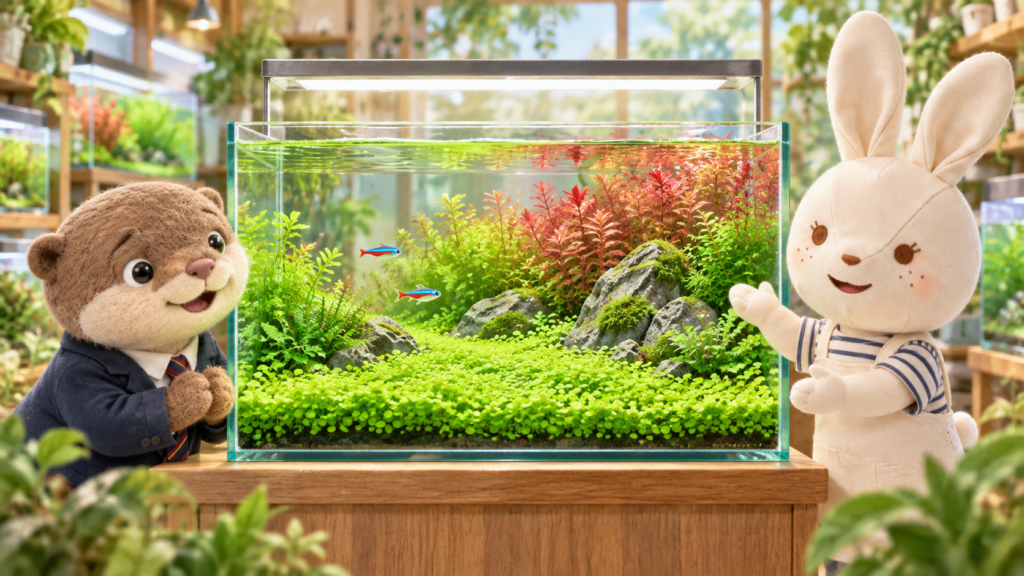 アイのアクアグッズ案内水草用ライトの選び方|緑の絨毯と赤い水草を楽しむ照明・植栽用品道具の特徴や使い方、選ぶときのポイントをアイが紹介します。記事はコチラ →
 アイのアクアグッズ案内ローチの仲間に合わせる飼育用品|クーリー・流水性・ボーシャの水槽と底砂道具の特徴や使い方、選ぶときのポイントをアイが紹介します。記事はコチラ →
 アイのアクアグッズ案内海水魚初心者の必需品|水槽・人工海水・比重計・水質検査道具の特徴や使い方、選ぶときのポイントをアイが紹介します。記事はコチラ →
さまざまな飼育テーマをご紹介。リンク先の記事には広告・商品紹介が含まれます。
案内・紹介記事一覧へ →分布マップ
ブラジルのアマゾン川流域、マットグロッソ州周辺、特に上部タパジョス水系のリオ・アリノス周辺を分布イメージの代表地点として示しています。
この地図は分布欄の情報をもとにした概略プロットです。実際の採集地点や厳密な生息範囲を示すものではありません。
参考文献・参照資料
この参考文献リストは、モンクホーシャ・ファエノタの分類、分布、生息環境、飼育条件、繁殖、病気や導入時の注意点を確認するための資料に絞っています。店舗販売ページ、通販ページ、個人ブログ、まとめサイトは除外し、一次記載、学術データベース、査読論文、獣医学資料、行政資料を中心に選定しています。
-
分類・一次記載・形態
Fink, W. L. (1979). A new species of Moenkhausia from the Mato Grosso region of Brazil (Pisces: Characidae). Breviora, 450, 1–12.
本種の新種記載、タイプ標本、タイプ産地、体側の暗色縦帯など、分類と形態記述の基礎資料です。 -
分類・有効名・タイプ産地
Fricke, R., Eschmeyer, W. N. & Van der Laan, R. (eds.). Eschmeyer’s Catalog of Fishes: Moenkhausia phaeonota.
有効名、命名者、現在の分類、タイプ産地、標本情報を確認するための主要な魚類分類データベースです。 -
分布・体長・水質目安
Froese, R. & Pauly, D. (eds.). FishBase: Moenkhausia phaeonota.
上部タパジョス川流域での分布、最大体長、水温、pH、硬度など、水槽条件を組み立てる際の基礎情報として参照しています。 -
類似種比較・色彩パターン
Marinho, M. M. F. (2010). A new species of Moenkhausia Eigenmann (Characiformes: Characidae) from the rio Xingu basin, Brazil. Neotropical Ichthyology, 8, 655–659.
Moenkhausia eurystaenia の記載論文で、M. phaeonota や M. heikoi との暗色縦帯、臀鰭条数、尾柄斑の比較に関わります。 -
近縁種・上部タパジョス水系
Pastana, M. N. L. & Dagosta, F. C. P. (2014). Moenkhausia rubra, a new species from rio Juruena, upper rio Tapajós basin, Brazil (Characiformes: Characidae). Neotropical Ichthyology, 12(2), 389–396.
上部タパジョス川流域の類似種 M. rubra の記載論文で、黒色斑や鰭条数など、近縁・類似種との識別情報を補強します。 -
現地魚類相・生息水域
Lima, L. B. et al. (2017). Fish fauna in tributaries of the Suiá-Miçú River, upper Xingu River basin, in the Cerrado-Amazon transition zone, eastern Mato Grosso, Brazil. Check List.
マットグロッソ州の小河川・支流域における魚類相調査として、Moenkhausia phaeonota を含む現地の生息環境理解に役立つ資料です。 -
生息環境・森林伐採影響
Ilha, P. et al. (2019). Effects of deforestation on headwater stream fish assemblages in the Upper Xingu River Basin, Southeastern Amazonia. Neotropical Ichthyology, 17(1), e180099.
森林被覆、導電率、水温、水深、粗大有機物など、上部シングー流域の源流環境と森林伐採の影響を確認するための査読論文です。記事では原産地全体へ単純化せず、周辺域の環境傾向を示す補助資料として扱います。 -
繁殖・カラシン類の一般傾向
Azevedo, M. A. (2010). Reproductive characteristics of characid fish species (Teleostei, Characiformes) and their relationship with body size and phylogeny. Iheringia, Série Zoologia.
本種そのものの繁殖研究が限られるため、小型カラシン類の繁殖傾向、産卵様式、繁殖期、親による保護の有無を考える際の補助資料として参照しています。 -
飼育管理・水質・隔離
Petty, B. D., Francis-Floyd, R. & Yanong, R. P. E. Management of Aquarium Fish. Merck Veterinary Manual.
水温が魚の生理へ与える影響、水質問題、検疫・バイオセキュリティ、導入直後の管理を支える獣医学資料です。 -
病気・予防・導入時注意
Francis-Floyd, R. & Petty, B. D. Disorders and Diseases of Fish. MSD Veterinary Manual.
魚病の多くがストレス、水質悪化、過密、新規導入魚の隔離不足と関係する点を確認するための獣医学資料です。 -
輸入防疫・国内制度
農林水産省 動物検疫所「水産動物の検査について」
日本国内への生きた水産動物の輸入許可、検査証明書、書類検査、現物検査、異状時の扱いなど、輸入・導入時の注意点を確認するための行政資料です。
補足:モンクホーシャ・ファエノタ単独の飼育・繁殖・魚病に関する査読文献は限られるため、種特異的な情報は一次記載、Catalog of Fishes、FishBase、現地魚類相研究を優先し、水槽管理・病気・繁殖については小型カラシン類および観賞魚医学の一般資料で慎重に補完しています。

コメント