

解説 / Description
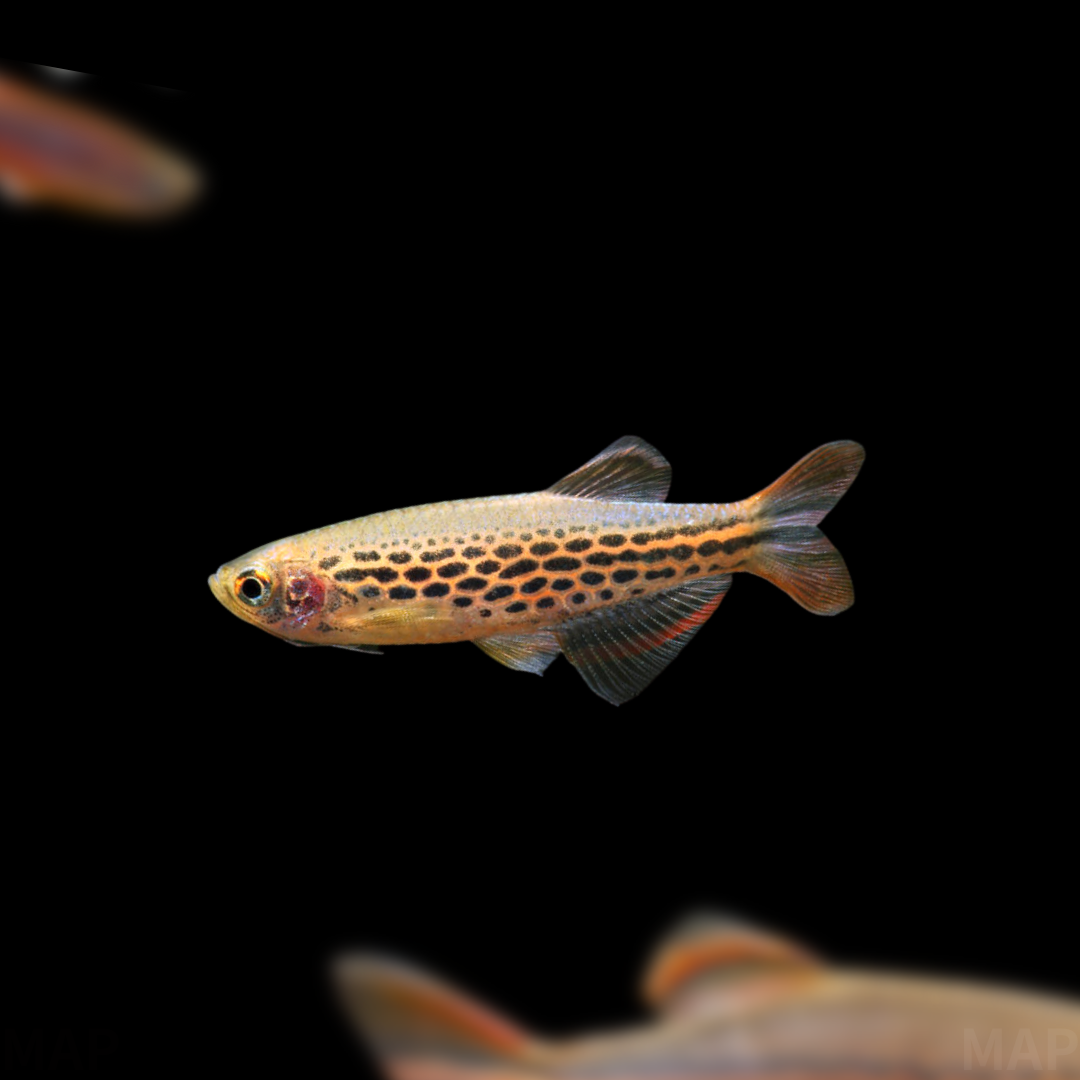
ダニオ・キャスィトは、ミャンマー北部の流れのある小川に分布する小型のダニオです。体側に並ぶスポット状の模様と、成熟したオスのヒレに出る赤みを帯びたオレンジ色が魅力で、群れで水流に向かって泳ぐ姿は軽快です。丈夫で人工飼料にも慣れやすい魚ですが、本来は清浄で酸素の多い水を好むため、高水温が続く環境や急な水質変化は避けます。広い遊泳スペース、落ち着ける隠れ場所、しっかりしたフタを用意すると、活発さと美しい模様の両方を楽しみやすくなります。 Danio kyathit is a small danionin fish from flowing streams in northern Myanmar. Its spotted flank pattern and the reddish-orange fins of mature males make it especially appealing, and a group swimming into a gentle current creates a lively display. It is hardy and readily accepts prepared foods, but it does best in clean, oxygen-rich water, so prolonged high temperatures and abrupt water-quality changes should be avoided. Open swimming space, sheltered areas, and a secure lid help bring out both its active behavior and attractive patterning.
基本情報 / Basic Information
| 学名 / Scientific Name | Danio kyathit Fang, 1998 |
|---|---|
| 通称 / Common Name | ダニオ・キャスィト、オレンジフィンダニオ、オセロットダニオOrange-finned Danio, Orangefin Danio, Ocelot Danio |
| 分類 / Family | コイ目 ダニオ科 ダニオ亜科 ダニオ属。資料によっては、従来通りコイ科として扱われる場合もあります。Order Cypriniformes, family Danionidae, subfamily Danioninae, genus Danio. Some references still treat the species within Cyprinidae in a broader traditional sense. |
| 英名 / English Name | Orange-finned Danio / Orangefin Danio / Ocelot Danio |
| 分布 / Distribution | ミャンマー北部。ミッチーナ周辺のイラワジ川上流域に関係する支流、Hpa-Lap Chaung、モガウン川、チンドウィン川上流域などから記録されています。Northern Myanmar. It is recorded from upper Ayeyarwady-associated tributaries around Myitkyina, including Hpa-Lap Chaung, the Mogaung River, and the upper Chindwin drainage. |
| 最大体長 / Max Size | 記載上の最大は標準体長で約3.5cmです。水槽内で見た全長では、おおむね4〜5cm前後を目安にします。The recorded maximum is about 3.5 cm standard length. In aquaria, total length is generally around 4 to 5 cm. |
| 寿命 / Lifespan | 飼育下では3〜5年程度が目安です。安定した水温、清浄な水、群れでの飼育が長期維持につながります。A practical aquarium estimate is about 3 to 5 years. Stable temperatures, clean water, and group housing support long-term health. |
飼育環境 / Aquarium Environment
| 水槽サイズ / Tank Size | 6〜10匹以上の群れで飼う場合は、最低でも60cm規格水槽、約57〜60Lを目安にします。よく泳ぐ魚なので、余裕があれば60cmワイド水槽や90cmスリム水槽など、横方向の距離を確保できる水槽がより適しています。For a group of 6 to 10 or more, a 60 cm standard aquarium of about 57 to 60 liters is a good minimum. Because this is an active swimmer, a 60 cm wide tank or a 90 cm slim tank that provides more horizontal space is even better. |
|---|---|
| 水温 / Temperature | 通常管理は18〜25℃、発色と安定性を考えると22〜25℃前後が扱いやすい範囲です。低めの水温にも比較的強いとされますが、急な変化は避けます。日本の夏場に26〜28℃を超える状態が続く場合は、冷却ファンやエアレーションで酸欠を防ぎます。 A usual maintenance range is 18 to 25°C, with about 22 to 25°C being easy to manage for stable condition and coloration. It is regarded as relatively tolerant of cooler water, but sudden changes should be avoided. During Japanese summers, if water remains above 26 to 28°C, use cooling fans and aeration to prevent heat and oxygen stress. |
| 水質 / Water Quality | 弱酸性〜中性付近、pH 6.0〜7.5、軟水〜中硬水を目安にします。アンモニアと亜硝酸塩が検出されない、よく成熟したろ過環境が大切です。週1回10〜20%、または1〜2週間ごとに20〜30%程度の水換えを行い、硝酸塩や有機物をためすぎないようにします。Aim for slightly acidic to neutral water, around pH 6.0 to 7.5, and soft to moderately hard conditions. A mature biological filter with undetectable ammonia and nitrite is important. Change about 10 to 20% weekly, or 20 to 30% every one to two weeks, to avoid excessive nitrate and organic buildup. |
| レイアウト / Layout | 暗めの底床、流木、石、ミクロソリウムやアヌビアスなどの陰性水草を使うと落ち着きやすく、体色も引き立ちます。背面や側面に隠れ場所をつくり、中央には広い遊泳スペースを残します。フィルターの吐出口などで水槽全体にゆるやかな流れを作ると、流れに向かって泳ぐ姿を観察しやすくなります。A darker substrate, driftwood, stones, and shade-tolerant plants such as Microsorum and Anubias help the fish settle and enhance its colors. Provide cover along the back and sides while leaving open swimming space in the center. A gentle overall current from the filter outlet encourages natural swimming into the flow. |
| 注意点 / Precautions | 跳躍力が強いため、ガラス蓋などで水槽上部の隙間をしっかりふさぎます。導入時は点滴法などで慎重に水合わせを行い、急な温度差やpH差を避けます。高水温、酸欠、過密、強すぎる照明はストレスにつながりやすいため、夏場と導入直後は特に観察を増やします。This species can jump strongly, so cover all gaps at the top of the aquarium with a glass lid or similar cover. Acclimate carefully, preferably by drip acclimation, and avoid abrupt temperature or pH differences. Prolonged heat, low oxygen, overcrowding, and overly intense lighting can cause stress, so observe carefully during summer and soon after introduction. |
餌と給餌 / Feeding
| 餌の種類 / Diet | 口に入るサイズのフレークフード、微小な顆粒フード、半沈下性の小型魚用飼料を主食にできます。コンディション維持と色揚げには、冷凍アカムシ、ブラインシュリンプ、ミジンコなどを補助的に与えると効果的です。Fine flake foods, micro pellets, and small semi-sinking foods are suitable staples. Frozen bloodworms, brine shrimp, and daphnia can be offered as supplements to support condition and coloration. |
|---|---|
| 給餌のポイント / Feeding Tips | 水面から中層で素早く食べるため、餌が底に沈みすぎる前に食べ切れる量を与えます。1回量は1〜2分で食べ切れる程度にし、必要に応じて少量を1日1〜2回に分けます。繁殖を狙う時期は、冷凍餌やブラインシュリンプを増やして親魚の状態を整えます。Because it feeds quickly from the surface to midwater, offer amounts that can be eaten before too much food sinks. Keep each feeding to what the fish can finish in 1 to 2 minutes, once or twice daily as needed. When preparing for breeding, increase frozen foods and brine shrimp to condition the adults. |
性格と混泳 / Temperament and Tank Mates
| 性格 / Temperament | 活発でよく泳ぐ群泳性の魚です。単独や少数では落ち着かず、追い回しが目立つことがあるため、6匹以上、できれば10匹前後の群れで飼うと自然な行動が出やすくなります。成熟したオス同士が軽く張り合うことはありますが、十分な群れと遊泳空間があれば大きな問題になりにくい魚です。It is an active, shoaling fish. Individuals kept alone or in very small numbers may become nervous or chase more noticeably, so keep at least 6, and preferably around 10, to encourage natural behavior. Mature males may spar lightly, but this is usually not a serious problem when the group and swimming space are adequate. |
|---|---|
| 混泳の相性 / Compatibility | 同程度の大きさで、やや涼しい水温と清浄な水を好む温和な小型魚と相性が良いです。小型テトラ、ラスボラ、コリドラス、オトシンクルス、小型ローチ類などが候補になります。一方、ベタ、グッピーのロングフィン、エンゼルフィッシュなど、動きが遅い魚や長いヒレを持つ魚はストレスやヒレかじりのリスクがあるため避けた方が無難です。繁殖や系統維持を意識する場合は、近縁のダニオ属との混泳は交雑や識別混乱を避けるため控えます。It suits peaceful small fishes of similar size that appreciate clean water and slightly cooler conditions. Small tetras, rasboras, Corydoras, Otocinclus, and small loaches are possible tank mates. Slow-moving or long-finned fishes such as bettas, long-finned guppies, and angelfish are best avoided because of stress and possible fin nipping. If breeding or maintaining pure lines is important, avoid mixing with closely related Danio species to reduce hybridization or identification confusion. |
病気と対策 / Diseases and Prevention
| かかりやすい病気 / Common Diseases | 本種だけに特有の病気が知られているわけではありませんが、導入直後や水質悪化時には白点病、コショウ病、尾ぐされ、ヒレの傷みなど一般的な小型コイ目魚類のトラブルが出ることがあります。輸送後の擦れ、急な水温差、高水温による酸欠は発症のきっかけになります。No disease is uniquely associated with this species, but after introduction or during water-quality problems it may show common small-cypriniform issues such as ich, velvet, fin rot, or damaged fins. Shipping abrasions, abrupt temperature differences, and low oxygen during warm conditions can trigger problems. |
|---|---|
| 対策と予防 / Prevention | 購入後は必要に応じて隔離期間を取り、点滴法でゆっくり水合わせします。普段から過密を避け、ろ過を安定させ、定期的な水換えと十分な溶存酸素を保つことが最も大切です。白点などが疑われる場合は、早めに隔離し、症状に合った観賞魚用薬を用います。薬浴時も酸欠になりやすいため、エアレーションを強めます。After purchase, quarantine when possible and acclimate slowly by drip method. Avoid overcrowding, keep filtration stable, and maintain regular water changes and good dissolved oxygen. If ich or another disease is suspected, isolate early and use an aquarium medication appropriate to the symptoms. Increase aeration during medication because oxygen demand can rise. |
増やし方(繁殖) / Breeding
| 雌雄の判別 / Sexing | 成熟したオスは比較的スリムで、背ビレ、尻ビレ、尾ビレに赤みを帯びたオレンジ色が出やすくなります。メスは体高がややあり、抱卵すると腹部が丸く見えます。若魚や状態が落ちている個体では見分けにくいことがあります。Mature males are generally slimmer and more likely to show reddish-orange tones on the dorsal, anal, and caudal fins. Females are somewhat deeper-bodied and become rounder when carrying eggs. Juveniles or fish in poor condition can be difficult to sex. |
|---|---|
| 繁殖形態 / Reproduction | 卵をばらまく卵散布型です。親魚は卵や稚魚を保護せず、産卵後に食卵することがあるため、確実に増やすには専用の繁殖水槽を用意します。It is an egg-scattering spawner. The parents do not guard eggs or fry and may eat the eggs, so a separate breeding tank is recommended for reliable results. |
| 繁殖のポイント / Breeding Tips | 10〜20L程度の小型水槽にスポンジフィルターを入れ、底にビー玉、産卵用メッシュ、ウィローモスなどを敷いて卵を親から隔離できるようにします。親魚を冷凍餌やブラインシュリンプでよく仕上げ、抱卵したメスと発色したオスを夕方に入れると、翌朝に産卵することがあります。産卵後は親を戻し、稚魚が自由遊泳を始めたらインフゾリアや市販の微細な稚魚用フードから始め、成長に合わせてブラインシュリンプ幼生へ移行します。稚魚期は水質悪化に弱いため、少量の水換えをこまめに行います。Use a small 10 to 20 liter breeding tank with a sponge filter and place marbles, spawning mesh, or Java moss on the bottom so eggs can fall out of reach of the adults. Condition the adults with frozen foods and brine shrimp, then introduce a ripe female and colorful males in the evening; spawning may occur the following morning. Remove the adults after spawning. Once fry become free-swimming, start with infusoria or very fine commercial fry food, then move gradually to newly hatched brine shrimp as they grow. Fry are sensitive to poor water quality, so perform small, frequent water changes. |
雑学と豆知識 / Trivia and Fun Facts
| 1. 「キャスィト」という名前の由来 / 1. Meaning of the name “kyathit” | 種小名のkyathitは、ビルマ語でヒョウを意味するとされます。体側に並ぶ暗色のスポットは、小さな体の中に野生動物を思わせる力強い印象を与えます。英名や流通名にオセロットやオレンジフィンという表現が使われるのも、この斑点模様とヒレの色彩が強く印象に残るためです。The specific name kyathit is reported to mean “leopard” in Burmese. The dark spots along the flank give this small fish a surprisingly wild character. Trade names such as Ocelot Danio and Orange-finned Danio also reflect the strong visual impression of the spots and fin color. |
|---|---|
| 2. 縞模様の近縁種、ダニオ・クアッガ / 2. The striped relative, Danio quagga | かつては、スポット模様の個体と縞模様の個体が同じ種の色彩型として扱われることがありました。その後、縞模様の個体群は2009年にダニオ・クアッガとして記載され、ダニオ・キャスィトとは別種として扱われています。水槽で眺める模様の違いは、単なる見た目の個性ではなく、分類と進化の歴史にもつながっています。Spotted and striped forms were once treated by some sources as color forms of the same species. The striped form was later described in 2009 as Danio quagga and is now treated as distinct from D. kyathit. The difference seen in the aquarium is therefore not just a matter of appearance, but also a clue to taxonomy and evolutionary history. |
| 3. 模様研究で注目される小さな魚 / 3. A small fish important for pattern research | ダニオ・キャスィトのスポット模様は、ゼブラダニオの突然変異だけでは説明しきれない自然の模様進化を考える上で興味深い対象です。ダニオ・クアッガとの比較研究では、若い時期には似た配置から始まり、その後の色素細胞の増え方や並び方の違いによって、縞と斑点へ分かれていくことが示されています。水槽の中の小さな斑点は、発生生物学と進化の物語を静かに映しています。The spotted pattern of D. kyathit is an interesting model for understanding natural pattern evolution beyond laboratory zebrafish mutants alone. Comparative studies with D. quagga show that the patterns begin from similar early arrangements and later diverge through differences in pigment-cell number and organization, producing stripes in one species and spots in the other. The small spots in the aquarium quietly reflect a story of development and evolution. |
| 4. ゲノム研究でも扱われる種 / 4. A species represented in genome research | 近年、ダニオ・キャスィトでは染色体レベルのゲノムアセンブリも報告されています。観賞魚として親しまれる一方で、ゼブラダニオに近い仲間として、色素模様や近縁種の多様化を考える研究基盤にもなっています。小さく丈夫で、見た目の違いがはっきりしていることが、研究対象としての魅力にもつながっています。A chromosome-level genome assembly has recently been reported for D. kyathit. While it is familiar as an aquarium fish, it is also a close relative of the zebrafish and provides a useful foundation for studying pigment patterns and diversification among related species. Its small size, hardiness, and visually clear pattern differences add to its value as a research subject. |
| 5. 涼しさと流れを好む、水草水槽の名脇役 / 5. A cool-water, current-loving accent for planted aquaria | 本種は極端な高水温よりも、やや涼しく酸素の多い水で調子を上げやすい魚です。暗めの底床と水草の緑を背景にすると、細かなスポットとオレンジ色のヒレがよく映えます。派手さで主役を奪う魚ではありませんが、群れが水流に向かって泳ぐ姿は、水槽全体に自然な動きと清流感を添えてくれます。This species often looks its best in slightly cooler, oxygen-rich water rather than persistently hot conditions. Against a darker substrate and green aquatic plants, its fine spots and orange fins stand out beautifully. It is not a fish that overwhelms the aquarium, but a group swimming into the current adds natural movement and a clear-stream atmosphere. |
まとめ / Conclusion
ダニオ・キャスィトは、スポット模様、オレンジ色のヒレ、俊敏な群泳が一体となって魅力を放つ小型ダニオです。丈夫で飼いやすい一方、広い遊泳空間、清浄な水、十分な酸素、飛び出し対策を整えることで、その本来の軽やかさがより自然に表れます。 Danio kyathit is a small danio whose appeal comes from the combination of spotted patterning, orange fins, and agile shoaling behavior. It is hardy and manageable, but its natural grace is best expressed when given open swimming space, clean water, abundant oxygen, and reliable jump prevention.
水草の陰から群れが現れ、水流の中で細かな斑点をきらめかせる姿は、ミャンマー北部の小川を思わせる静かな存在感があります。落ち着いた環境で複数匹を迎えれば、日々の水槽に清流魚らしい躍動と、見飽きない奥行きを添えてくれる魚です。 When the group emerges from the plants and glitters with fine spots in the current, it brings a quiet impression of northern Myanmar streams into the aquarium. Kept in a calm environment as a proper group, it adds clear-stream energy and lasting depth to everyday aquascapes.

気になる道具や飼い方を見つけてみませんか?
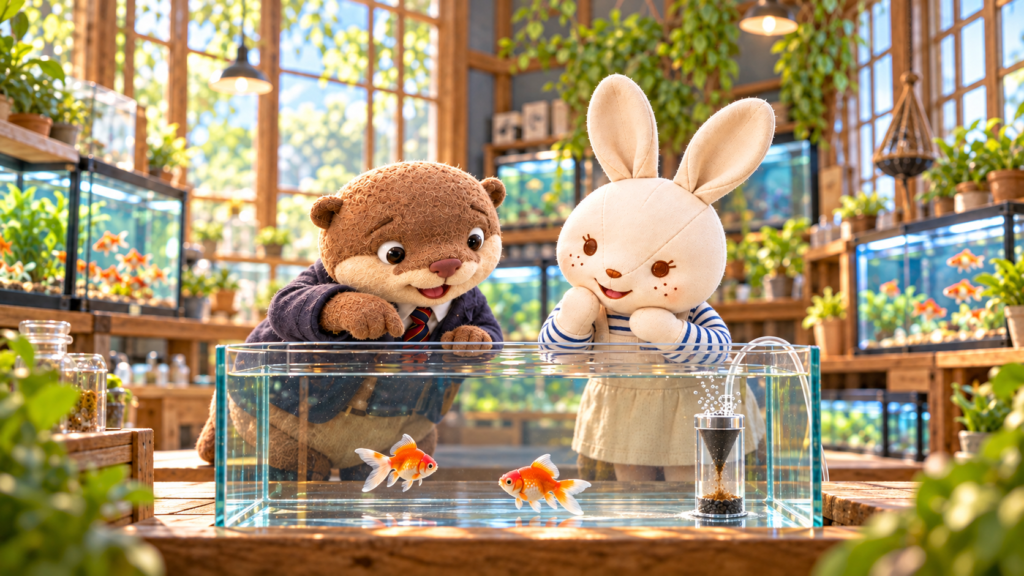 アイのアクアグッズ案内水槽の中に掃除機がある!? コタロウと探る、フィッシュレットの仕掛け道具の特徴や使い方、選ぶときのポイントをアイが紹介します。記事はコチラ →
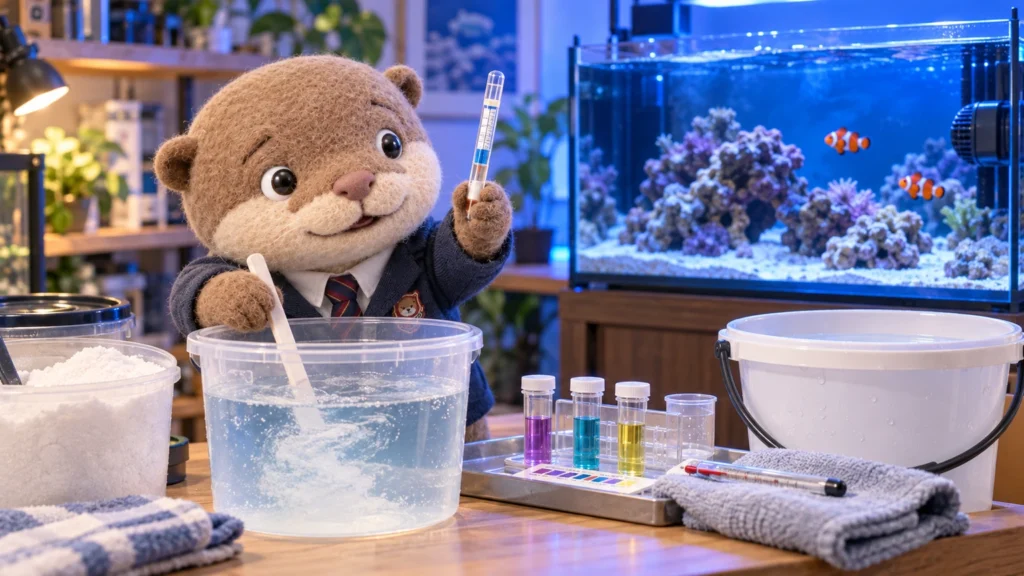 アイのアクアグッズ案内海水魚初心者の必需品|水槽・人工海水・比重計・水質検査道具の特徴や使い方、選ぶときのポイントをアイが紹介します。記事はコチラ →
さまざまな飼育テーマをご紹介。リンク先の記事には広告・商品紹介が含まれます。
案内・紹介記事一覧へ →参考文献・出典
この記事の分類、分布、生息環境、飼育条件、繁殖、病気や注意点を支えるために、店舗・通販・個人ブログ・まとめサイトを除外し、原記載論文、分類データベース、保全評価、魚類飼育・魚病に関する標準的資料を中心に選定しました。
選定方針:ダニオ・キャスィト固有の分類・分布・形態・生息環境は、できるだけ本種に直接関係する文献とデータベースを採用しました。
補足方針:飼育、繁殖、稚魚育成、病気予防については本種専用の学術的飼育資料が限られるため、近縁のゼブラダニオを中心とした魚類飼育・魚病資料を、一般原則の補助根拠として使っています。
-
Fang, F. (1998). Danio kyathit, a new species of cyprinid fish from Myitkyina, northern Myanmar. Ichthyological Exploration of Freshwaters, 8(3), 273-280.
支える内容:学名、原記載、模式産地、形態的特徴、ミャンマー北部の小川に関する生息環境記述。
-
Froese, R. and Pauly, D. (eds.). FishBase: Danio kyathit Fang, 1998.
支える内容:分類体系、淡水・中底層性の環境区分、分布、最大標準体長、識別形質、生息環境、IUCN評価への参照。
-
GBIF Secretariat. Danio kyathit Fang, 1998. GBIF Backbone Taxonomy.
支える内容:分類階級、原記載の書誌確認、英名・通称確認。FishBaseとの科レベル表記差を確認する補助資料。
-
Kullander, S. O., Liao, T.-Y. and Fang, F. (2009). Danio quagga, a new species of striped danio from western Myanmar (Teleostei: Cyprinidae). Ichthyological Exploration of Freshwaters, 20(3), 193-199.
支える内容:縞模様個体群をダニオ・クアッガとして扱う分類上の整理、ダニオ・キャスィトとの模様・ヒゲの長さなどの識別点。
-
Vishwanath, W. (2010). Danio kyathit. The IUCN Red List of Threatened Species 2010.
支える内容:保全状況、Near Threatened評価、分布域や野生個体群への注意を述べる際の根拠。
-
Westerfield, M. The Zebrafish Book: A guide for the laboratory use of zebrafish Danio rerio. ZFIN, University of Oregon.
支える内容:水質の重要性、繁殖におけるビー玉の利用、親による食卵への対策、稚魚へのインフゾリア・ブラインシュリンプ給餌など、近縁ダニオ類の飼育・繁殖一般。
Water Detailed Methods for Breeding Over Marbles A Simple Method for Raising Babies
-
Aleström, P. et al. (2020). Zebrafish: Housing and husbandry recommendations. Laboratory Animals, 54(3), 213-224.
支える内容:小型ダニオ類を長期維持するうえでの水質管理、群れでの飼育、飼育密度、福祉面の考え方。ダニオ・キャスィト専用ではなく、近縁モデル魚の標準飼育資料として補助的に参照。
-
Merck Veterinary Manual. Disorders and Diseases of Fish.
支える内容:白点病などの外部寄生虫、カラムナリスなどの細菌性疾患、過密・水質悪化・隔離導入の重要性など、病気と予防に関する一般的根拠。
注記:水温、pH、繁殖手順、病気対策は、野生生息環境の記録と近縁ダニオ類の飼育知見を組み合わせた実用的な整理です。紹介した条件は飼育上の目安であり、すべてがダニオ・キャスィトを対象とした実験で確立された基準ではありません。




コメント