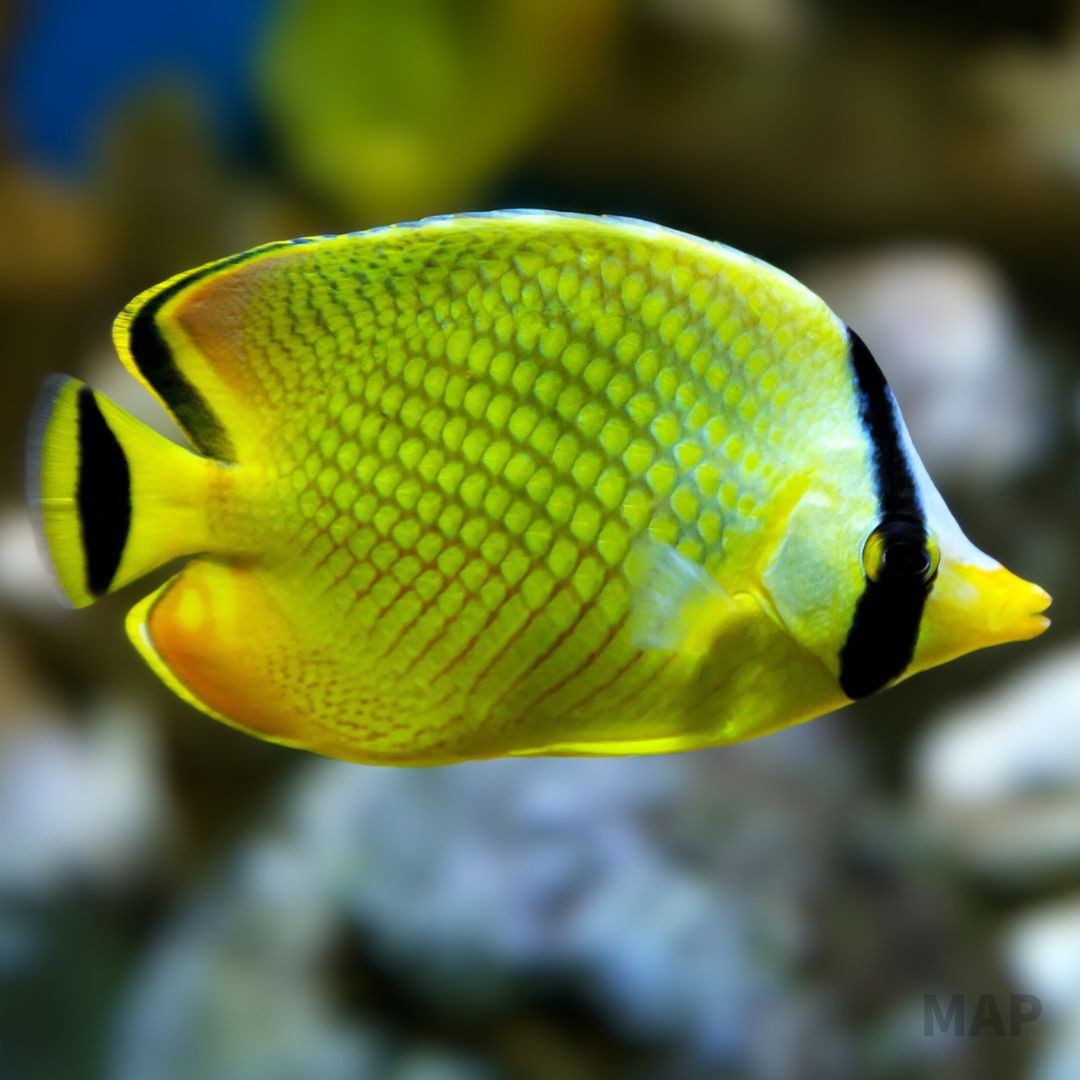
アミチョウチョウウオは、鮮やかな黄色の体色に黒い網目模様(格子状の模様)が特徴的なチョウチョウウオの仲間です。インド洋から太平洋のサンゴ礁に広く生息し、サンゴの隙間をひらひらと優雅に泳ぎます。アクアリウムではその美しさだけでなく、厄介な害虫であるカーリー(セイタカイソギンチャク)を食べてくれるお掃除役としてお迎えされることもあります。しかし、観賞用のサンゴまでかじってしまうこともあるため、飼育には少し工夫が必要です。おちょぼ口で一生懸命に餌をついばむ姿はとても愛らしく、サンゴ礁の生態系を知る上でも非常に魅力的なお魚です。The Latticed butterflyfish is a striking marine fish characterized by its bright yellow body and distinctive black crosshatch or lattice pattern. Widely distributed across the coral reefs of the Indo-Pacific, its elegant swimming behavior among coral branches is a joy to observe. In the aquarium hobby, they are appreciated not only for their beauty but also for their potential to act as biological controls against pest anemones like Aiptasia. However, since they may also nip at corals, they require specific care. Watching them eagerly pick at food with their tiny mouths is endearing, and they are fascinating creatures that help us understand coral reef ecosystems.
スズキ目(またはニザダイ目)チョウチョウウオ科チョウチョウウオ属Order Perciformes (or Acanthuriformes), Family Chaetodontidae, Genus Chaetodon
英名 / English Name
Latticed butterflyfish, Raffles’ butterflyfish
分布 / Distribution
インド洋から太平洋。日本南部(琉球列島など)からオーストラリア、ミクロネシア、ポリネシアまで広大なサンゴ礁域に生息します。Indo-Pacific region, from southern Japan to Australia, Micronesia, and Polynesia.
最大体長 / Max Size
最大15 cmほどで、流通サイズは約7.5から10.5 cmです。Maximum size is about 15 cm, and the common market size is 7.5 to 10.5 cm.
寿命 / Lifespan
少なくとも数年程度は生きると推測されています。It is estimated to live for at least several years in the wild.
飼育環境 / Aquarium Environment
水槽サイズ / Tank Size
遊泳力が高いため、一般的に120cm規格水槽(約200リットル強)以上が推奨されますが、長期飼育を考えると理想的には120cmワイド水槽や150cm規格水槽(約300から450リットル)以上の大型水槽が良いでしょう。Due to their active swimming nature, a minimum of a standard 120cm tank (over 200 liters) is generally recommended, but ideally a 120cm wide or 150cm tank (300 to 450 liters) or larger is better for long-term care.
水温 / Temperature
23から27度23 to 27 degrees Celsius
水質 / Water Quality
比重1.020から1.025、pH8.1から8.4(標準的な海水環境)Specific gravity 1.020 to 1.025, pH 8.1 to 8.4 (Standard marine environment)
レイアウト / Layout
ライブロック(岩組)をしっかりと組み、夜間や驚いた時に安全に隠れられる複雑な隙間をたくさん作ってあげてください。Provide plenty of live rock to create a complex structure with hiding places for them to retreat at night or when startled.
注意点 / Precautions
サンゴのポリプやシャコガイの外套膜、ケヤリムシなどをかじってしまう性質があるため、サンゴをメインとしたリーフタンクでの飼育は避けた方が安全です。They have a tendency to nip at coral polyps, Tridacna clams, and feather duster worms, so it is safer to avoid keeping them in reef tanks with corals.
餌と給餌 / Feeding
餌の種類 / Diet
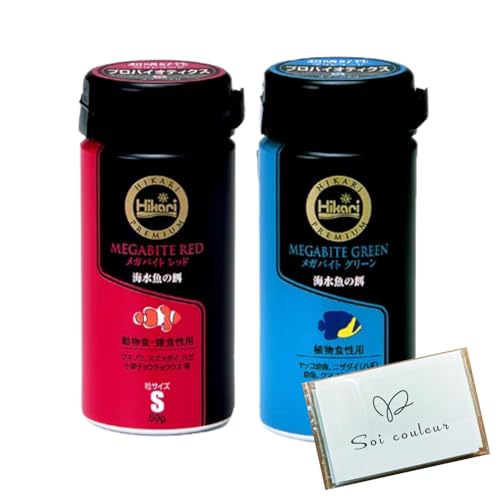
自然環境では、サンゴのポリプや岩の隙間に潜む小動物などを中心に食べます。飼育下では、殻付きのアサリやムール貝、ペースト状の人工飼料(マスティック)、冷凍のイサザアミ、最終的にはフレーク状の人工飼料などを与えます。In their natural environment, they mainly feed on coral polyps and small benthic animals hiding in rocks. In captivity, feed them half-shell clams, mussels, paste-like foods (Masstick), frozen mysis shrimp, and eventually flake foods.
給餌のポイント / Feeding Tips
お迎えした直後は人工飼料を食べないことが多いため、スーパーで買える殻付きのアサリを与えたり、岩にペースト状の餌を塗りつける「給餌石」を用意して、自然な捕食本能を引き出すのが餌付けのコツです。They often refuse artificial foods at first. The key to acclimatizing them is to stimulate their natural foraging instincts by offering half-shell clams or using “feeding stones” smeared with food paste.
性格と混泳 / Temperament and Tank Mates
性格 / Temperament
非常に温和で、少し臆病(シャイ)な性格です。Very peaceful and somewhat shy.
混泳の相性 / Compatibility
気が優しいため、攻撃的な大型魚との混泳は避けてあげてください。水槽が十分広ければ、同種でのペア飼育も可能です。Avoid keeping them with aggressive, larger fish due to their gentle nature. If the tank is spacious enough, they can be kept in pairs of the same species.
病気と対策 / Diseases and Prevention
かかりやすい病気 / Common Diseases
白点病など一般的な海水魚の病気にかかる可能性があります。また、長距離の輸送ストレスで一時的に体色が黒ずんでしまうことがあります。Susceptible to common marine fish diseases like marine ich. They may also temporarily darken in color due to stress from transportation.
対策と予防 / Prevention
お迎え直後は別の水槽でしっかりとトリートメント(検疫と初期の餌付け)を行い、落ち着いた環境で新しいお水に順応させてから本水槽へ移すことが、最も効果的な予防策です。The most effective prevention is to quarantine them in a separate tank immediately after purchase, allowing them to acclimate to the new water and feeding regime before introducing them to the main display tank.
増やし方(繁殖) / Breeding
雌雄の判別 / Sexing
外見の特徴からオスとメスを見分けることは、専門家でも非常に困難です。It is extremely difficult, even for experts, to distinguish between males and females based on external characteristics.
繁殖形態 / Reproduction
卵生です。ペアで寄り添うように泳ぎ、水中に卵と精子を同時に放出する「漂泳性産卵(ばらまき型の産卵)」を行います。Oviparous. The pair swims close together and releases eggs and sperm simultaneously into the water column, known as pelagic spawning.
繁殖のポイント / Breeding Tips
水槽内での繁殖は極めて困難です。自然界では孵化後、硬い骨板で頭部が覆われた「トリクチス」と呼ばれる特殊な浮遊幼生期を経て成長するため、現在の飼育技術ではこの時期の赤ちゃんを育成することができません。Breeding in aquariums is extremely difficult. In the wild, they go through a specialized pelagic larval stage called “Tholichthys,” where their heads are covered in bony plates, which cannot be successfully raised with current captive breeding techniques.
雑学と豆知識 / Trivia and Fun Facts
1. 偉大なる探検家とアミチョウチョウウオ / 1. The Great Explorer and the Latticed Butterflyfish
アミチョウチョウウオの学名である rafflesii は、近代シンガポールの創設者であり、熱心な博物学のパトロンでもあったトーマス・スタンフォード・ラッフルズ卿に由来しています。19世紀の探検時代、彼の情熱的な標本収集ネットワークによって、この美しいお魚が西洋の科学界に初めて紹介されました。歴史のロマンを感じる素敵なエピソードですね。The scientific name rafflesii is named in honor of Sir Thomas Stamford Raffles, the founder of modern Singapore and an enthusiastic patron of natural history. During the 19th-century age of exploration, his passionate specimen collection network introduced this beautiful fish to Western science. It’s a wonderful episode full of historical romance.
2. 人間の目には見えない秘密のメッセージ / 2. The Secret Message Invisible to Human Eyes
一部のチョウチョウウオの仲間では、顔の青い斑紋や模様の周辺が紫外線を反射するようにできており、大型魚には見えづらく、仲間内での識別に使われていることがわかっています。アミチョウチョウウオも、同様の機能を持つ可能性が指摘されています。In some butterflyfish species, the blue patches and areas around their facial patterns reflect ultraviolet light, which is invisible to large predators but used for recognition among peers. It is suggested that the Latticed butterflyfish may also possess a similar function.
3. 過酷な海を生き抜くための特別な「鎧」 / 3. Special Armor for Surviving the Harsh Ocean
チョウチョウウオの仲間は、卵からかえった後の赤ちゃんの時期に「トリクチス」という特別な姿になります。なんと頭全体が硬い骨の板(鎧)で覆われ、後ろに向かって鋭いトゲが生えているのです。これは、危険がいっぱいの外洋で敵から身を守るための素晴らしい進化の工夫です。無事に居心地の良いサンゴ礁にたどり着くと、その鎧は不思議なことに消えてなくなります。Butterflyfish go through a unique larval stage called Tholichthys, where their entire head is covered in bony plates or armor with sharp spines. This is a brilliant evolutionary adaptation to protect themselves from predators in the dangerous open ocean. Once they safely reach a comfortable coral reef, this armor mysteriously disappears.
4. サンゴ礁の健康診断をするお医者さん / 4. The Doctors Diagnosing the Health of Coral Reefs
アミチョウチョウウオは、サンゴ礁の変化に敏感な種の代表例として知られており、サンゴ礁の健康状態を知る手がかりの一つと考えられています。水温の上昇などでサンゴが弱ってしまうと、彼らは生き残るために食べるものを変えたり、住処を移動したりすることがあります。The Latticed butterflyfish is known as a representative species sensitive to changes in coral reefs, and is considered one of the clues to understanding reef health. If corals weaken due to rising temperatures, they may change their diet or move to survive.
5. 各地で愛されるユニークな呼び名 / 5. Unique Nicknames Loved in Various Regions
その美しい幾何学的な模様から、世界中で面白い名前が付けられています。沖縄地方では、ひらひらと泳ぐ姿が木の葉に見えることから「カーサ(葉っぱ)」と呼ばれて親しまれています。一方、インドネシアやマレーシアでは、黄色くて網目模様があることから「パイナップル」を意味する言葉が含まれた名前で呼ばれているそうです。国によって見立てが違うのも面白いですね。Because of their beautiful geometric patterns, they have interesting nicknames worldwide. In Okinawa, Japan, they are affectionately called Casa (leaf) because their fluttering swimming style resembles falling leaves. In Indonesia and Malaysia, their yellow color and lattice pattern have earned them names that include the word for pineapple. It’s interesting how different cultures perceive them differently.
まとめ / Conclusion
アミチョウチョウウオは、歴史的な背景や紫外線を使ったコミュニケーションなど、知れば知るほど魅力があふれるサンゴ礁の住人です。飼育環境を整え、餌付けのコツさえ掴めば、ご家庭の水槽でもその優雅な姿を長く楽しむことができます。The Latticed butterflyfish is a fascinating coral reef resident, full of charm the more you learn about its historical background and ultraviolet communication. By providing the right environment and mastering feeding techniques, you can enjoy their elegant presence in your home aquarium for a long time.
美しい網目模様と、おちょぼ口で一生懸命にご飯を食べる愛らしい姿は、日々の疲れを癒してくれる最高のパートナーになってくれるはずです。ぜひ、しっかりと準備をして、素晴らしいアクアリウムライフを迎えてあげてくださいね。Their beautiful lattice pattern and endearing way of eagerly picking at food with their tiny mouths will surely make them the best partners to soothe your daily fatigue. Please prepare well and welcome them to a wonderful aquarium life.
Froese, R. and D. Pauly. Editors. FishBase. Chaetodon rafflesii. (参照日: 2026年4月)
The IUCN Red List of Threatened Species. Chaetodon rafflesii. (参照日: 2026年4月)
Siebeck, U. E., Parker, A. N., Sprenger, D., Mathger, L. M., & Wallis, G. (2010). A species of reef fish that uses ultraviolet patterns for covert face recognition. Current Biology, 20(5), 407-410. (紫外線通信に関する知見として)
Wikipedia contributors. Chaetodon rafflesii. Wikipedia, The Free Encyclopedia.

 ポチップ
ポチップ




コメント