スポンサーリンク

アカモンガラの飼い方と図鑑情報

|海水魚図鑑
スポンサーリンク
▶ 記事の生体をAMAZONで買う ▶ 記事の生体をYahooで買う

アカモンガラの飼育ガイド|赤い歯と青紫の体色が美しい大型海水魚 | アクアリウム図鑑

解説 / Description

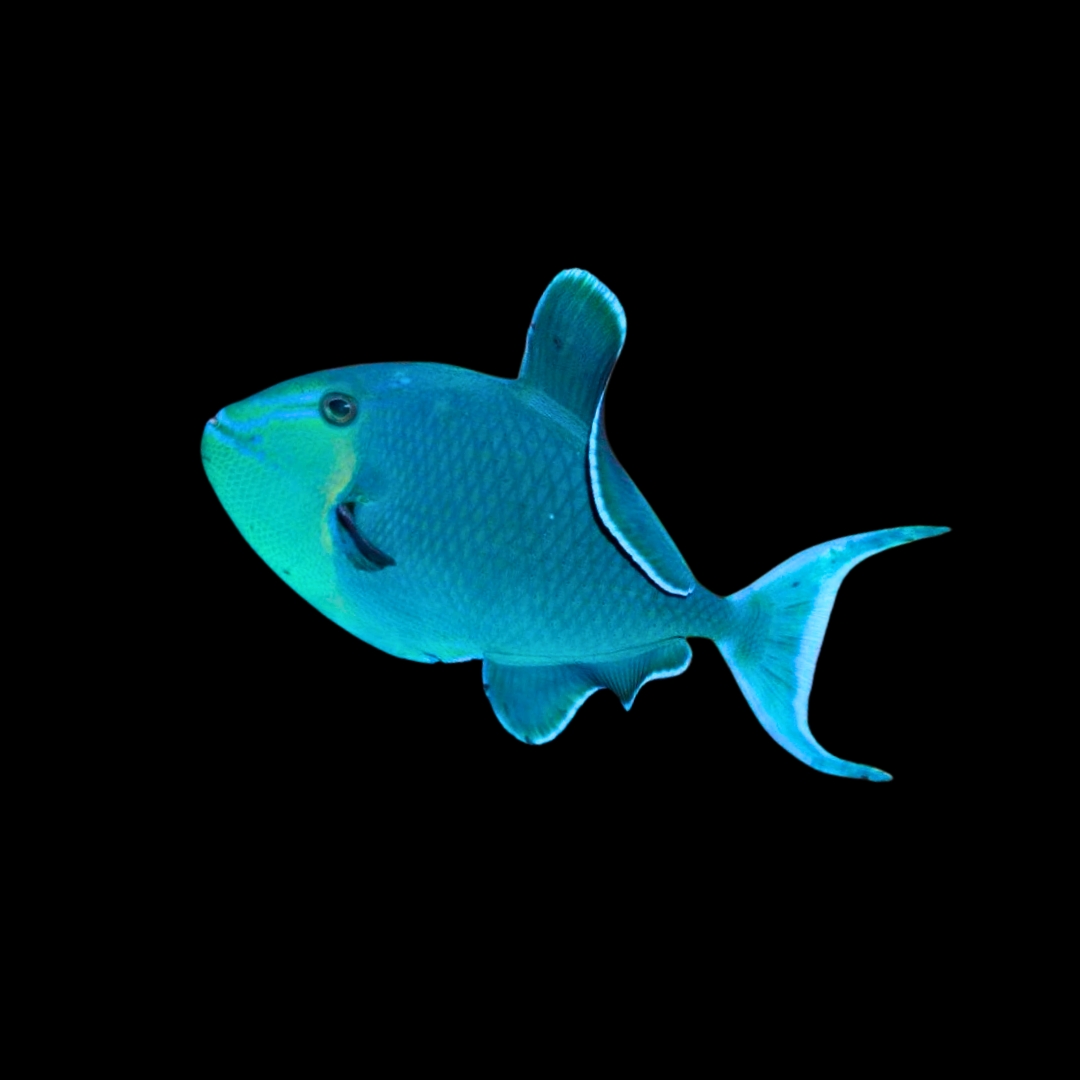
アカモンガラは、インド太平洋の潮通しの良いサンゴ礁域に広く分布するモンガラカワハギ科の海水魚です。青紫から青緑色に見える体、尾びれや背びれを縁取る明るいブルー、そして口元に見える赤い歯が大きな魅力です。自然下では群れをつくり、流れに乗ってくる動物プランクトンなどを利用します。観賞魚としても流通しますが、よく見られるサイズでも30cm前後に育つため、小型水槽向きの魚ではありません。長期飼育では、十分な遊泳スペース、強めの水流、安定した水質、頑丈な隠れ家を用意することが大切です。 The redtoothed triggerfish is a marine triggerfish widely distributed in current-swept coral reef habitats across the Indo-Pacific. It is admired for its blue-purple to teal body, bright blue fin margins, and visible red teeth. In the wild, it often forms groups and feeds on drifting zooplankton and other available foods. Although it is traded as an aquarium fish, it is not suitable for small tanks because commonly encountered adults are around 30 cm. Long-term care requires ample swimming room, strong water movement, stable water quality, and sturdy shelters.

基本情報 / Basic Information

学名 / Scientific Name Odonus niger
通称 / Common Name アカモンガラ、赤歯モンガラRedtoothed triggerfish, Redfang triggerfish, Niger triggerfish
分類 / Family フグ目 モンガラカワハギ科 アカモンガラ属Order Tetraodontiformes, family Balistidae, genus Odonus
英名 / English Name Redtoothed Triggerfish / Redfang Triggerfish / Niger Triggerfish
分布 / Distribution 紅海・東アフリカから、北部オーストラリア、ライン諸島、マルキーズ諸島、ソシエテ諸島、日本南部にかけてのインド太平洋。強い潮流が当たるサンゴ礁外縁、リーフチャンネル、斜面などで見られます。Indo-Pacific waters from the Red Sea and East Africa to northern Australia, the Line Islands, Marquesas Islands, Society Islands, and southern Japan. It is found around current-swept seaward reefs, reef channels, and slopes.
最大体長 / Max Size 最大で全長約50cmの記録があります。一般的によく見られるサイズは全長約30cmです。Reported up to about 50 cm total length. A commonly encountered size is about 30 cm total length.
寿命 / Lifespan 標準的な寿命について、公開されている確実な数値情報は限られます。丈夫な大型海水魚として長期飼育を目指せますが、実際の飼育年数は水槽サイズ、水質、水温、餌、混泳ストレスに大きく左右されます。Reliable, standardized lifespan data are limited in public sources. It can be kept long-term as a hardy large marine fish, but actual longevity depends strongly on tank size, water quality, temperature stability, diet, and social stress.

飼育環境 / Aquarium Environment

水槽サイズ / Tank Size 幼魚の一時飼育を除き、長期飼育では少なくとも120cm規格水槽以上を前提にします。よく泳ぎ、成長後は30cm前後になるため、可能であれば120cmワイド水槽から180cm級の大型水槽の方が余裕を持たせやすいです。Except for temporary juvenile care, long-term housing should be planned around at least a 120 cm-class aquarium. Because it swims actively and commonly reaches around 30 cm, a 120 cm wide tank to a 180 cm-class large aquarium provides a safer margin when possible.
水温 / Temperature 24〜28℃前後を目安に安定させます。熱帯性の海水魚ですが、高水温では酸欠や水質悪化が進みやすいため、日本の夏は水槽用クーラーの使用も検討してください。 Keep the temperature stable at around 24–28°C. Although this is a tropical marine fish, excessive heat can worsen oxygen and water-quality issues, so an aquarium chiller should be considered during hot Japanese summers.
水質 / Water Quality 一般的な海水魚水槽と同様に、比重1.020〜1.025前後、pH 8.1〜8.4前後を目安にします。大食いで排泄量も増えやすいため、強力なろ過、プロテインスキマー、定期的な換水で硝酸塩の蓄積を抑えます。Use typical marine aquarium conditions, roughly specific gravity 1.020–1.025 and pH 8.1–8.4. Because this fish feeds heavily and produces substantial waste, strong filtration, a protein skimmer, and regular water changes are important to control nitrate accumulation.
レイアウト / Layout 前面や中央に広い遊泳スペースを残し、背面や側面に頑丈なライブロック、サンゴ岩、塩ビパイプなどの隠れ家を配置します。モンガラカワハギの仲間は背びれの棘を使って岩の隙間に体を固定するため、夜間や驚いた時に落ち着ける場所を用意すると安心です。Leave broad open swimming space at the front or center, and place sturdy shelters such as live rock, coral rock, or PVC pipes along the back or sides. Triggerfish can wedge themselves into crevices with their dorsal spine mechanism, so secure resting places help the fish settle at night or when startled.
注意点 / Precautions 強い水流を好む一方で、レイアウトが不安定だと崩れる危険があります。岩組みは倒れないように固定し、コードやチューブ類はかじられたり動かされたりしない配置にしてください。アクリル面への傷や、小型の無脊椎動物への被害にも注意が必要です。It appreciates strong water movement, but unstable rockwork can collapse. Secure the layout and route cords or tubes so they cannot easily be bitten or moved. Also be careful of scratches on acrylic panels and potential harm to small invertebrates.

餌と給餌 / Feeding

餌の種類 / Diet 自然下では群れで動物プランクトンを食べるほか、海綿なども利用することが知られています。飼育下では海水魚用ペレット、冷凍イサザアミ、冷凍ブラインシュリンプ、オキアミ、エビ、イカ、貝類などを組み合わせ、偏りを避けます。In the wild it forms groups and feeds on zooplankton, and it is also known to use foods such as sponges. In captivity, offer a varied diet of marine pellets, frozen mysid-type foods, frozen brine shrimp, krill, shrimp, squid, and shellfish.
給餌のポイント / Feeding Tips 餌付きは良いことが多い魚ですが、食べ残しは水質悪化につながります。少量を様子を見ながら与え、ろ過能力に合わせて量を調整してください。モンガラカワハギの仲間は硬い餌を噛む力が強いため、殻付きアサリや殻付きエビなど、噛み応えのある餌を時々取り入れると自然な採餌行動を引き出しやすくなります。ただし、歯の伸び方や処置については個体差もあるため、異常があれば海水魚に詳しい専門店や獣医師に相談してください。It often accepts prepared foods readily, but leftovers can quickly degrade water quality. Feed modest portions and adjust the amount to match filtration capacity. Triggerfish have strong jaws, so occasional hard foods such as half-shell clams or shelled shrimp can encourage natural biting behavior. Tooth condition can vary by individual, so consult an experienced marine fish shop or veterinarian if abnormal growth or feeding difficulty appears.

性格と混泳 / Temperament and Tank Mates

性格 / Temperament モンガラカワハギ科の中では比較的おとなしい部類として紹介されることがありますが、一般的な小型海水魚と比べると力が強く、好奇心も旺盛です。成長に伴って自己主張が強まることがあるため、半攻撃的な大型魚として扱うのが安全です。It is often described as one of the milder triggerfish, but compared with small community marine fishes it is powerful and inquisitive. Since assertiveness may increase with age, it is safest to treat it as a semi-aggressive large marine fish.
混泳の相性 / Compatibility 混泳相手は、サイズが近く、泳ぎが速く、気の弱すぎない大型海水魚が候補になります。小型魚、動きの遅い魚、観賞用エビやカニ、巻貝などの無脊椎動物は攻撃や捕食の対象になり得ます。同種同士は水槽内で争う可能性があるため、一般家庭の水槽では単独飼育を基本に考えてください。Suitable tank mates are typically robust, similarly sized, active marine fishes that are not overly timid. Small fishes, slow-moving fishes, ornamental shrimp, crabs, snails, and other invertebrates may be attacked or eaten. Conspecifics may fight in aquaria, so keeping one individual is the usual recommendation for home systems.

病気と対策 / Diseases and Prevention

かかりやすい病気 / Common Diseases 特定の病気に極端に弱い魚ではありませんが、導入直後のストレス、水質悪化、外傷がきっかけで、白点病、細菌感染、リムフォシスティス様の症状などが見られることがあります。食欲低下、呼吸の荒さ、体表の白点や傷、隠れっぱなしになる行動には注意します。It is not known as an especially delicate species, but stress after introduction, poor water quality, or injuries can lead to marine ich, bacterial infection, or lymphocystis-like symptoms. Watch for loss of appetite, rapid breathing, white spots, wounds, or persistent hiding.
対策と予防 / Prevention 可能であれば導入前に検疫・トリートメントを行い、水温や比重を急変させないように水合わせします。強力なろ過、定期換水、安定した水温、十分な隠れ家、適切な混泳相手の選定が予防の基本です。症状が出た場合は、サンゴや無脊椎動物の有無に応じて隔離水槽で治療するなど、海水魚の治療に詳しい専門家の助言を受けてください。Quarantine and conditioning are recommended when possible, and acclimation should avoid sudden changes in temperature or salinity. Strong filtration, regular water changes, stable temperature, sufficient shelter, and careful tank-mate selection are the foundation of prevention. If symptoms appear, seek advice from an experienced marine fish specialist and consider treatment in a separate hospital tank depending on whether corals or invertebrates are present.

増やし方(繁殖) / Breeding

雌雄の判別 / Sexing 外見だけで雌雄を安定して見分けるのは難しい魚です。繁殖期の行動や縄張り形成などから推測されることはありますが、一般的な観賞魚飼育では判別は容易ではありません。Reliable visual sexing is difficult. Sex may sometimes be inferred from breeding behavior or territory formation, but it is not easy in ordinary aquarium care.
繁殖形態 / Reproduction 卵生です。自然下ではペア形成が見られ、砂底などに卵を産みます。雌が卵の世話をし、雌雄が卵を守るとされています。It is oviparous. In the wild it forms pairs and lays eggs on the bottom, such as sandy substrate. Females tend the eggs, while both parents guard them.
繁殖のポイント / Breeding Tips 家庭水槽での繁殖は一般的ではありません。大型の成熟個体、広い繁殖スペース、縄張り、底質、孵化後の仔魚を育てるための微細な初期餌など、多くの条件が必要になると考えられます。図鑑記事としては、飼育下繁殖を狙う魚というより、自然下の繁殖生態を理解して楽しむ魚として紹介するのが現実的です。Breeding in home aquaria is not common. It would likely require mature large individuals, extensive breeding space, territories, suitable substrate, and very fine first foods for larvae after hatching. For a general care article, it is more realistic to present this as a species whose wild reproductive ecology is interesting rather than as a practical home-breeding target.

雑学と豆知識 / Trivia and Fun Facts

1. 赤い体ではなく、赤い歯が名前の主役 / 1. The red teeth are the highlight of the name アカモンガラという名前だけを見ると赤い魚を想像しがちですが、実際の体色は青紫から青緑色が中心です。目立つ赤色は口元の歯にあり、英名のRedtoothed TriggerfishやRedfang Triggerfishも同じ特徴に注目しています。水槽内で正面を向いたときに見える赤い歯は、かわいらしさと迫力が同居する本種ならではの表情をつくります。The Japanese name may suggest a red fish, but the body is usually blue-purple to teal. The conspicuous red is found on the teeth, and the English names Redtoothed Triggerfish and Redfang Triggerfish focus on the same feature. When the fish faces the front glass, those red teeth give it a uniquely charming yet powerful expression.
2. トリガーフィッシュの「引き金」構造 / 2. The trigger mechanism behind triggerfish モンガラカワハギの仲間は、第一背びれの棘を立て、後方の小さな棘で固定できることで知られます。岩の隙間に入り、この棘を使って体を固定する行動は、外敵から身を守るための重要な仕組みです。水槽でも、夜間や驚いたときに隠れ家へ入るため、体格に合った安全な隙間を用意しておくと落ち着きやすくなります。Triggerfish are known for their ability to raise the first dorsal spine and lock it with a smaller spine behind it. By entering a crevice and bracing themselves in place, they gain an important defense against predators. In aquaria, a properly sized shelter helps the fish settle when it rests at night or becomes startled.
3. モンガラカワハギ科では珍しい群れのプランクトン食 / 3. A schooling planktivore among triggerfish モンガラカワハギの仲間には底生の硬い餌をかじる種類が多い一方、アカモンガラは潮流のある場所で群れをつくり、動物プランクトンを食べる姿がよく知られています。この生態を考えると、水槽内でも止水のような環境より、適度に強い水流と広い遊泳スペースを用意した方が、本来の姿を引き出しやすくなります。Many triggerfish are associated with biting hard benthic foods, but the redtoothed triggerfish is well known for forming groups in current-swept areas and feeding on zooplankton. This ecology explains why stronger water movement and open swimming space are more suitable than a stagnant, cramped setup.
4. 学名にも歯のイメージが残る / 4. The scientific name also hints at teeth 属名のOdonusは、ギリシャ語で歯を意味する語に由来するとされます。赤い歯が和名や英名だけでなく、学名の背景にもつながっている点は興味深いところです。一方、種小名のnigerは黒を意味し、青紫の生体を見慣れたアクアリストには少し意外に感じられるかもしれません。The genus name Odonus is explained as deriving from a Greek word for teeth. It is interesting that the red teeth connect not only to the Japanese and English common names, but also to the background of the scientific name. The species name niger means black, which may feel surprising to aquarists familiar with the living fish’s blue-purple appearance.
5. 魚食用・観賞用の両面を持つ魚 / 5. A fish with both aquarium and fisheries relevance アカモンガラは観賞魚として流通するだけでなく、地域によっては食用や加工原料としても利用される魚です。生息域が広く、群れをつくる性質を持つため、人との関わり方も一つではありません。水槽で飼うときは、美しさだけでなく、野生ではサンゴ礁の潮流と結びついて暮らす大型魚であることを意識すると、設備計画の重要性が見えてきます。The redtoothed triggerfish is not only traded as an aquarium fish; in some regions it is also used as food or processing material. Because it has a wide range and forms aggregations, its relationship with people is varied. In aquaria, remembering that it is a large fish tied to current-swept reef habitats helps explain why thoughtful system planning is so important.

まとめ / Conclusion

アカモンガラは、赤い歯、青紫の体色、群れで潮流に向かう生態が魅力の海水魚です。比較的丈夫で餌付きやすい個体が多い一方、成長すると大型化し、強い水流、広い遊泳空間、頑丈な隠れ家、安定した水質管理が必要になります。小さな水槽で気軽に長期飼育する魚ではなく、最初から大型海水魚として迎える計画が大切です。 The redtoothed triggerfish is attractive for its red teeth, blue-purple coloration, and current-facing schooling ecology. It is often hardy and willing to feed, but it becomes a large fish that requires strong water movement, generous swimming room, sturdy shelter, and stable water-quality management. It should not be treated as an easy long-term fish for a small tank; it should be planned for as a large marine species from the beginning.

飼育の鍵は、十分な水槽サイズを確保すること、食べ残しを出さない給餌を行うこと、硬めの餌も取り入れて自然な噛む行動を維持すること、そして混泳相手を慎重に選ぶことです。条件を満たせる環境であれば、アカモンガラは美しさと行動の面白さを兼ね備えた、主役級の海水魚として楽しめます。 The keys to care are providing sufficient tank size, feeding without leaving excess waste, including some firm foods to maintain natural biting behavior, and choosing tank mates carefully. In a suitable system, the redtoothed triggerfish can become a centerpiece marine fish with both visual beauty and fascinating behavior.


ジュン (JUN)
¥4,180 (2026/06/17 00:30時点 | Amazon調べ)

▶ 記事の生体をAMAZONで買う ▶ 記事の生体をYahooで買う

参考文献・主要参照資料

本記事では、店舗・通販サイト、個人ブログ、まとめサイトを参考文献から除外し、分類、分布、生息環境、飼育条件、繁殖、病気や注意点の根拠として利用しやすい公的データベース、博物館・保全機関、査読論文、獣医学系資料を中心に選定しました。

  1. FishBase: Odonus niger, Red-toothed triggerfish
    分類、学名、分布、水深、最大体長、通常体長、生息環境、群れ、食性、卵生・ペア形成、保全状況など、記事全体の基礎データを確認するための中心資料です。アカモンガラが海水性・サンゴ礁関連種で、インド太平洋に広く分布し、強い潮流のある礁斜面や水路で群れを作り、動物プランクトンや海綿を食べるという記述の根拠として使用できます。
    https://www.fishbase.se/summary/Odonus-niger.html
  2. “`
  3. WoRMS: Odonus niger (Rüppell, 1836)
    海産生物の分類データベースで、現在有効な学名、分類上の位置づけ、シノニム確認に適しています。記事内の「フグ目・モンガラカワハギ科・アカモンガラ属・アカモンガラ」という分類情報を補強する資料です。
    https://www.marinespecies.org/aphia.php?p=taxdetails&id=219883
  4. Catalog of Fishes, California Academy of Sciences: Odonus niger
    原記載者、命名、分類史、シノニムの確認に使える魚類分類学の専門データベースです。記事内で学名や命名の由来に触れる場合の確認資料として適しています。
    https://researcharchive.calacademy.org/research/ichthyology/catalog/fishcatget.asp?spid=23544
  5. IUCN Red List: Odonus niger
    保全状況、分布域、個体群評価、脅威の有無を確認するための資料です。記事内で「広い分布域を持つ」「現時点で絶滅危惧として扱われていない」といった表現を使う場合の根拠になります。
    https://www.iucnredlist.org/species/193651/2254048
  6. Australian Museum: Redtooth Triggerfish, Odonus niger
    博物館による種解説で、外見的特徴、分布、体色、赤い歯、尾鰭の形、サンゴ礁域での生態などを確認する補助資料として有用です。形態や一般的な生態を読者向けに説明する際の裏取りに適しています。
    https://australian.museum/learn/animals/fishes/redtooth-triggerfish-odonus-niger-ruppell-1837/
  7. Suyani, N. K., Rajesh, M. & Rajesh, K. M. First report on the diet and reproductive biology of red-toothed triggerfish Odonus niger from the south-eastern Arabian Sea. Journal of the Marine Biological Association of the United Kingdom, 2021.
    胃内容物、食性、繁殖生態などを扱う査読論文です。記事内の「動物プランクトンを中心に、甲殻類・海綿なども利用する」「繁殖期の行動や成熟に関する記述」を支える専門資料として選定できます。
    Cambridge Core 著者検索ページ
  8. Kawase, H. Simplicity and diversity in the reproductive ecology of triggerfish (Balistidae) and filefish (Monacanthidae). Fisheries Science, 2002.
    モンガラカワハギ科魚類の繁殖生態を扱う研究で、巣作り、卵保護、親魚による防衛行動など、アカモンガラを含む近縁群の繁殖記述を補強する資料として有用です。
    SpringerLink 検索ページ
  9. Merck Veterinary Manual: Parasitic Diseases of Fish
    海水魚の白点病に関わるCryptocaryon、ベルベット病に関わるAmyloodinium、外部寄生虫、診断、隔離・治療時の注意点を確認できる獣医学系資料です。記事内の病気、検疫、導入時の注意、水質悪化やストレス管理に関する説明を支える資料として使用できます。
    https://www.merckvetmanual.com/exotic-and-laboratory-animals/aquarium-fish/parasitic-diseases-of-fish
  10. “`

補足: 水槽サイズや混泳可否などの飼育実務は、野外での最大体長、遊泳性、強い潮流域に生息すること、半攻撃的になり得るモンガラカワハギ類の性質をもとに安全側へ寄せて記述しています。店舗の商品ページや通販価格は参考文献として採用していません。

::: ​​

コメント

タイトルとURLをコピーしました