

解説 / Description
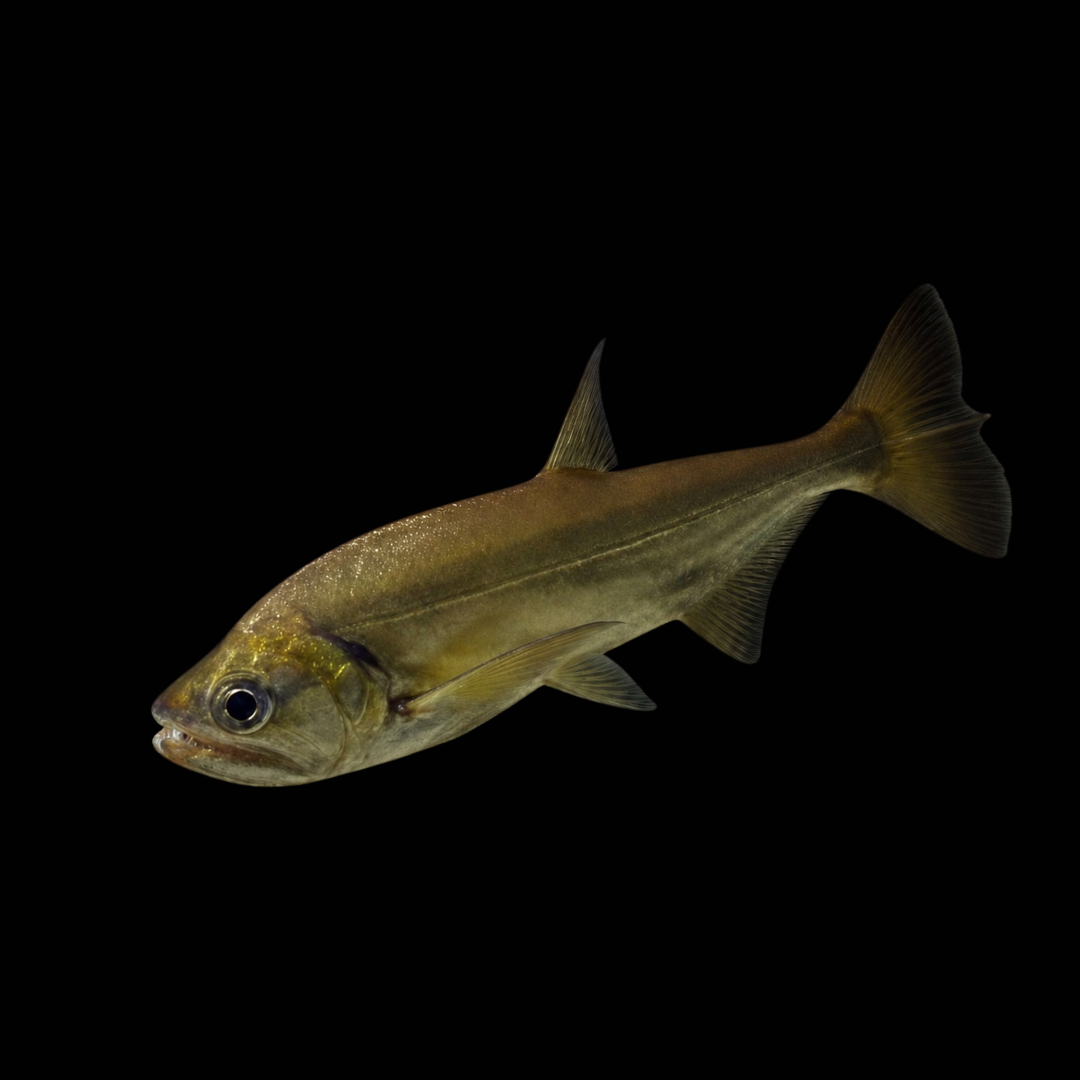
アルマータスカショーロは、南米のアマゾン川、オリノコ川、ガイアナ地方の河川に分布する大型の肉食性カラシンです。下顎から上へ伸びる長い犬歯状の牙がよく知られ、観賞魚の流通名ではパヤラ、カショーロ、ヴァンパイアフィッシュなどとも呼ばれます。銀色の体と重厚な頭部を持ち、尾びれと尻びれに見られる黒い帯と細い白縁は、本種を見分けるうえで重要な手がかりになります。 Hydrolycus armatus is a large predatory characiform fish distributed in the Amazon Basin, Orinoco Basin, and rivers of the Guianas in South America. It is known for the long canine-like fangs rising from the lower jaw, and it is traded under names such as payara, cachorra, and vampire fish. Its silver body, heavy head, and the black band with narrow white margin on the caudal and anal fins are important clues for identifying the species.
迫力のある姿から人気がありますが、長期飼育の難度は非常に高い魚です。大型化すること、遊泳力が強いこと、水質悪化や輸送ダメージに弱いことから、導入時のサイズだけで判断して飼育を始めるべきではありません。成魚を想定した大型水槽、強力な濾過、十分な酸素、衝突を防ぐ水槽設計、そして終生飼育を前提とした住環境の準備が必要です。 Although its dramatic appearance makes it attractive, this species is very demanding in long-term care. Because it becomes large, swims powerfully, and is sensitive to poor water quality and shipping damage, it should not be chosen based only on its small size at import. A large aquarium planned for adult size, powerful filtration, ample oxygen, collision-preventive design, and a home environment suitable for lifelong care are required.
基本情報 / Basic Information
| 学名 / Scientific Name | Hydrolycus armatus |
|---|---|
| 通称 / Common Name | アルマータスカショーロ、アルマータス、パヤラ、カショーロ、ヴァンパイアフィッシュArmatus payara, payara, cachorra, vampire fish |
| 分類 / Family | カラシン目 シノドン科 Hydrolycus属Order Characiformes, family Cynodontidae, genus Hydrolycus |
| 英名 / English Name | Payara, Armatus Payara, Vampire Fish |
| 分布 / Distribution | 南米のアマゾン川流域、オリノコ川流域、ガイアナ地方の河川に分布します。自然下では本流域や支流、流れのある水域などで見られますが、生息環境の詳細は地域によって差があります。It occurs in the Amazon Basin, Orinoco Basin, and rivers of the Guianas in South America. In nature it is found in main river channels, tributaries, and flowing waters, although habitat details vary by region. |
| 最大体長 / Max Size | FishBaseでは最大89cm TL、最大体重8.5kgが掲載されています。観賞魚として飼育する場合は、90cm級に成長する大型魚として扱い、余裕を持って1m級に備える水槽計画が現実的です。FishBase lists a maximum size of 89 cm total length and a maximum published weight of 8.5 kg. In aquariums, it should be treated as a fish capable of reaching around 90 cm, and planning with enough margin for a near-meter-class predator is realistic. |
| 寿命 / Lifespan | 本種の確実な寿命データは多くありません。大型魚として長期飼育を目指すべき魚ですが、実際の飼育下では導入時のダメージ、水質悪化、衝突による外傷などで短命に終わる例もあります。Reliable lifespan data for this species is limited. It should be managed as a large fish intended for long-term care, but in captivity some specimens die early due to introduction stress, poor water quality, or collision injuries. |
飼育環境 / Aquarium Environment
| 水槽サイズ / Tank Size | 幼魚の一時的な育成でも120cm規格水槽以上を目安とし、長期飼育では180cmから200cm以上の大型水槽が望まれます。水量は少なくとも1000リットル級を視野に入れ、体長だけでなく突進時の遊泳距離も確保します。水槽、台、濾過槽、水を含めると総重量は非常に大きくなるため、設置前に床の耐荷重を確認し、必要に応じて専門業者に相談します。Even for temporary juvenile grow-out, a tank of at least the 120 cm standard class should be regarded as a starting point. For long-term care, a large aquarium of 180 to 200 cm or more is preferable. A system of around 1,000 liters or more should be considered, with attention not only to body length but also to swimming distance during sudden bursts. Because the aquarium, stand, filtration, and water become extremely heavy, floor load capacity must be checked before installation, and professional advice should be sought when needed. |
|---|---|
| 水温 / Temperature | 23から28度を基本範囲とします。高めの水温で管理する場合は酸素が不足しやすくなるため、エアレーションと水流を十分に確保します。急な水温変化は白点病や体調不良のきっかけになりやすいため避けます。 The basic range is 23 to 28°C. If the fish is kept at the warmer end of the range, sufficient aeration and water movement are important because oxygen becomes less available. Sudden temperature changes should be avoided because they can trigger ich or general stress. |
| 水質 / Water Quality | pHは6.0から8.0前後、硬度は36から268ppm程度が目安です。アンモニアや亜硝酸の検出は避け、硝酸塩も溜め込まない管理が必要です。強力な濾過と定期的な換水を基本とし、大量換水と濾過槽清掃を同日に行わないなど、濾過バクテリアを急に減らさない管理を心がけます。A pH around 6.0 to 8.0 and hardness around 36 to 268 ppm are useful targets. Ammonia and nitrite should remain undetectable, and nitrate should not be allowed to accumulate excessively. Strong filtration and regular water changes are essential. Avoid large water changes and filter cleaning on the same day, so that beneficial bacteria are not reduced too abruptly. |
| レイアウト / Layout | ベアタンクが最も扱いやすいレイアウトです。流木、石、角のある飾り、粗い底床は、突進時の衝突や鱗の剥離、吻部の損傷につながることがあります。水位をやや下げ、隙間のない頑丈な蓋を設置すると、跳ね上がりや蓋への激突のリスクを下げやすくなります。照明は強すぎない方が落ち着きやすく、薄暗い環境や控えめなスポット照明が向いています。A bare-bottom tank is the most practical layout. Driftwood, rocks, sharp decorations, and coarse substrate may cause collision injuries, scale loss, or snout damage. Keeping the water level slightly lower and using a heavy, tightly fitted lid helps reduce the risk of jumping and impact against the cover. Subdued lighting or modest spot lighting is usually better than overly bright illumination. |
| 注意点 / Precautions | 導入直後は特に慎重な管理が必要です。輸送中の擦れ、吻部の腫れ、ヒレの荒れ、アンモニアによるダメージが残っている場合があります。水合わせは丁寧に行い、しばらくは人通りや急な点灯、夜間の物音を避けられる静かな環境で観察します。また、日本では外来生物法などの規制に関わる魚種が混泳候補に含まれる場合があるため、導入前に最新の法令と自治体情報を確認します。New arrivals require especially careful management. Shipping may leave abrasions, snout swelling, fin damage, or ammonia-related stress. Acclimation should be slow and careful, and the fish should be observed in a quiet location away from heavy foot traffic, sudden lights, and nighttime disturbances. In Japan, some potential tank mates may be subject to invasive species regulations, so current laws and local guidance should be checked before acquisition. |
餌と給餌 / Feeding
| 餌の種類 / Diet | 魚食性が強く、導入直後はメダカ、小赤、姉金などの生きた小魚に反応しやすい傾向があります。ただし、生餌は寄生虫や病原菌の持ち込み、栄養の偏り、コスト増につながるため、長期飼育では冷凍魚、魚の切り身、肉食魚用の人工飼料へ少しずつ移行する管理が望まれます。This species is strongly piscivorous, and newly imported specimens often respond most readily to live feeder fish. However, live food can introduce parasites or pathogens, cause nutritional imbalance, and increase running costs. For long-term care, it is better to gradually train the fish onto frozen fish, pieces of fish, and prepared foods for carnivorous fish. |
|---|---|
| 給餌のポイント / Feeding Tips | 人工飼料への切り替えでは、軽い空腹状態を作り、餌を水面の少し上から落として動きに反応させる方法が使われます。魚の切り身に人工飼料を隠す、餌に魚の匂いを移す、人工飼料に慣れた大型魚の摂餌行動を見せる方法も有効です。幼魚期に餌を極端に絞ると、成長不良や体形の崩れにつながるおそれがあるため避けます。When switching to prepared food, keep the fish lightly hungry and drop food from just above the water surface so the movement triggers a strike. Hiding pellets in fish pieces, adding fish scent to prepared food, or allowing it to observe pellet-trained large fish feeding can also help. Severe underfeeding during the juvenile stage should be avoided because it may lead to poor growth or body deformity. |
性格と混泳 / Temperament and Tank Mates
| 性格 / Temperament | 口に入る魚に対しては明確な捕食者ですが、飲み込めないサイズの相手には関心を示さないこともあります。ただし、神経質で驚きやすく、同種や近縁種に対しては攻撃的になる場合があります。落ち着いているように見える個体でも、給餌時や夜間の驚きで急に突進することがあります。It is a clear predator toward fish that fit in its mouth, but it may ignore tank mates too large to swallow. However, it is nervous, easily startled, and may become aggressive toward its own kind or closely related species. Even a calm-looking specimen can suddenly dash during feeding or when startled at night. |
|---|---|
| 混泳の相性 / Compatibility | 混泳させる場合は、口に入らない大きさと体高があり、遊泳層が大きく重ならない魚を選びます。候補としては、大型のアロワナ類、淡水エイ類、シルバーダラー類、大型バルブ類などが挙げられますが、いずれも十分な水槽サイズと個体同士の相性が前提です。気性の荒いシクリッド、夜間に激しく動く大型ナマズ、口に入るサイズの魚、同種や近縁種との混泳は避ける方が安全です。ガー科魚類は日本で特定外来生物に指定されているため、新規導入や譲渡、販売などは規制対象となります。混泳候補として扱う場合でも、必ず法令上の扱いを確認してください。Tank mates should be too large and deep-bodied to swallow, and should occupy different levels of the aquarium. Possible choices include large arowanas, freshwater stingrays, silver dollars, and large barbs, but any combination requires a sufficiently large system and careful observation of individual compatibility. Aggressive cichlids, large nocturnal catfish that may startle the fish, any fish small enough to be eaten, and conspecifics or close relatives are safer to avoid. Gar species are designated as invasive alien species in Japan, so new acquisition, transfer, and sale are regulated. If they are ever considered in a compatibility context, their legal status must be checked first. |
病気と対策 / Diseases and Prevention
| かかりやすい病気 / Common Diseases | 導入直後の白点病、輸送や衝突による外傷、吻部の擦れ、鱗の剥離、ヒレの荒れ、水カビ、尾ぐされ、慢性的な水質悪化に伴う皮膚トラブルに注意します。特に白点病は、水温変化や輸送ストレス、導入直後の免疫低下が重なったときに発生しやすくなります。Common concerns include ich after introduction, injuries from shipping or collisions, snout abrasions, scale loss, damaged fins, fungal infections, fin rot, and skin problems caused by chronic water quality deterioration. Ich is especially likely when temperature fluctuation, shipping stress, and reduced immunity after introduction occur together. |
|---|---|
| 対策と予防 / Prevention | 最も重要な予防策は、水質を安定させ、酸素を十分に保ち、衝突しにくい水槽にすることです。薬浴が必要な場合は、マラカイトグリーン系薬剤やメチレンブルー系薬剤が使われることがありますが、本種は鱗や粘膜を傷めやすいため、規定量を機械的に入れるのではなく、状態を観察しながら慎重に扱います。治療中は酸欠を避けるため、エアレーションを強め、薬剤の使用説明を必ず確認します。The most important prevention is stable water quality, ample oxygen, and a tank design that reduces collision risk. If medicated treatment is necessary, malachite green based or methylene blue based medications may be used, but this species can be sensitive because its scales and mucus layer are easily damaged. Medication should be handled cautiously while observing the fish, rather than added mechanically. During treatment, strengthen aeration and always follow the medication instructions. |
増やし方(繁殖) / Breeding
| 雌雄の判別 / Sexing | 外見だけで雌雄を確実に判別することは難しい魚です。観賞魚として流通する個体では、一般の飼育者が利用できる明確な判別ポイントはほとんど知られていません。Reliable sexing by external appearance is difficult. For specimens in the aquarium trade, there are few clear traits that ordinary keepers can use with confidence. |
|---|---|
| 繁殖形態 / Reproduction | 卵生の魚と考えられます。自然下では河川環境や水位変動との関係が示唆されますが、繁殖に関する詳しい情報は限られています。家庭水槽での安定した繁殖例は一般的ではありません。It is considered an egg-laying fish. In nature, reproduction may be associated with river conditions and water-level changes, but detailed information is limited. Stable breeding in home aquariums is not commonly reported. |
| 繁殖のポイント / Breeding Tips | 家庭水槽での繁殖は非常に難しいと考えられます。成熟個体を複数確保すること自体が難しく、広大な遊泳空間、水流、季節変化を再現できる大規模な設備が必要になる可能性があります。一般的な飼育では、繁殖よりも健康な長期飼育を目標に管理します。Breeding in a home aquarium is considered extremely difficult. Obtaining multiple mature specimens is itself challenging, and large-scale facilities capable of providing extensive swimming space, current, and seasonal changes may be required. In ordinary care, healthy long-term maintenance is a more realistic goal than breeding. |
雑学と豆知識 / Trivia and Fun Facts
| 1. 「水の狼」と「武装した魚」 / 1. A “water wolf” and an “armed” fish | 属名のHydrolycusは、水を意味するhydroと狼を意味するlykosに由来するとされます。種小名のarmatusは、武装したという意味を持つラテン語に由来します。鋭い牙を備えた姿を思えば、この名前は見た目の印象をそのまま表したものと言えます。現地名や流通名として使われるパヤラ、カショーロ、ヴァンパイアフィッシュという呼び名も、牙のある大型捕食魚としての存在感をよく伝えています。The genus name Hydrolycus is generally interpreted as deriving from hydro, meaning water, and lykos, meaning wolf. The species name armatus comes from Latin and means armed. Considering the long fangs, the name fits the visual impression very well. Trade and local names such as payara, cachorra, and vampire fish also capture its presence as a large fanged predator. |
|---|---|
| 2. 識別に役立つ白い縁取り / 2. The white fin margin used for identification | Hydrolycus属の仲間は流通名が似ており、観賞魚店でも混同されることがあります。アルマータスカショーロでは、尾びれと尻びれに黒い帯が入り、その外側に細い白い縁取りが見られる点が重要です。この白縁は、近縁種と見分けるためのわかりやすい特徴として紹介されることが多く、幼魚を選ぶ際にも確認したいポイントです。Species of Hydrolycus often share similar trade names and may be confused in the aquarium trade. In Hydrolycus armatus, the caudal and anal fins show a black band with a narrow white margin outside it. This white margin is often mentioned as a useful character for distinguishing it from related species, and it is worth checking when selecting juveniles. |
| 3. 牙は噛み砕くためだけの道具ではない / 3. The fangs are not simply tools for chewing | 本種の牙は、獲物を噛み砕くためというより、突進して小魚を確実に捕らえるための構造として理解すると自然です。長い牙を持つ魚では、口を閉じたときに牙をどのように収めるかも大きな問題になります。アルマータスカショーロの頭部は、その迫力ある牙を受け入れるために形作られた、機能的な造形美を持っています。The fangs are better understood not simply as tools for chewing, but as structures that help the fish seize smaller fish during a rapid strike. For any fish with long fangs, where those fangs fit when the mouth closes becomes an important anatomical problem. The head of Hydrolycus armatus has a functional beauty shaped around accommodating its impressive teeth. |
| 4. 飼育の難しさは「大きさ」だけではない / 4. Its difficulty is not only its size | 大型魚というと、水槽の長さだけに目が向きがちです。しかしアルマータスカショーロでは、急な突進、蓋への衝突、吻部の損傷、輸送後の立ち上げ、水質の安定、酸素量の確保まで含めて考える必要があります。幼魚の時点では細く小さく見えても、成長後の姿と行動を想定した準備ができているかどうかが、飼育の成否を大きく左右します。When people think of large fish, they often focus only on tank length. With Hydrolycus armatus, however, sudden dashes, impact against the lid, snout injuries, post-shipping recovery, stable water quality, and oxygen supply must all be considered. Even if a juvenile looks slim and manageable, success depends on whether the keeper has prepared for the adult fish and its behavior. |
| 5. 終生飼育を前提に迎える魚 / 5. A fish that must be chosen for lifelong care | アルマータスカショーロは、販売時には小さな幼魚として見かけることがあります。しかし、本来は90cm級の大型魚として扱うべき存在です。水槽の移動、床の強度、餌代、換水量、混泳相手の選定まで、飼育者の生活環境に大きく関わります。迎える前に、現在の水槽で飼えるかではなく、成魚を最後まで管理できるかを基準に判断することが大切です。Hydrolycus armatus may be seen for sale as a small juvenile, but it should be treated as a fish capable of reaching around 90 cm. Moving the aquarium, floor strength, food costs, water-change volume, and tank mate selection all affect the keeper’s living environment. Before acquiring it, the key question is not whether it fits the current tank, but whether the adult fish can be managed responsibly for life. |
まとめ / Conclusion
アルマータスカショーロは、巨大な牙だけで語り尽くせる魚ではありません。南米の大型捕食魚らしい力強い体つき、銀色の体色、独特のひれ模様、そして一瞬で加速する遊泳力が合わさり、大型魚の中でも特別な存在感を持っています。 Hydrolycus armatus cannot be described by its huge fangs alone. Its powerful body, silver coloration, distinctive fin pattern, and sudden acceleration combine to give it a special presence even among large predatory fish.
その一方で、飼育には大きな責任が伴います。成魚を想定した水槽、安定した水質、十分な酸素、衝突を防ぐ環境、法令を含めた混泳相手の確認がそろって初めて、本種の魅力を安全に引き出すことができます。幼魚の美しさや迫力だけで選ぶのではなく、終生飼育の見通しを立てたうえで向き合いたい、上級者向けの大型肉食魚です。 At the same time, keeping it carries significant responsibility. Its appeal can only be brought out safely when the keeper can provide an adult-sized aquarium, stable water quality, ample oxygen, a collision-conscious environment, and careful selection of tank mates with legal considerations included. It is an advanced large predatory fish that should be approached with a plan for lifelong care, not chosen only for the beauty or impact of a juvenile.

気になる道具や飼い方を見つけてみませんか?
 アイのアクアグッズ案内水草トリミングの道具とやり方|ハサミ・ピンセットを水草に合わせて選ぼう伸びすぎた水草は切っていい? 有茎草の差し戻し、前景草の絨毯、流木のモスを整える場面から、水草用ハサミ・ピンセット・ゴミ取りネットの選び方と片付けを紹介します。記事はコチラ →
 アイのアクアグッズ案内ローチの仲間に合わせる飼育用品|クーリー・流水性・ボーシャの水槽と底砂道具の特徴や使い方、選ぶときのポイントをアイが紹介します。記事はコチラ →
 アイのアクアグッズ案内水槽のろ材の選び方|ウール・リング・活性炭の違いとおすすめ商品フィルターの中の綿や石は何をしている? アイとコタロウが、ウール・スポンジ・セラミック・焼結ガラス・活性炭・ゼオライトを比較。機種との相性、入れ方、洗い方と交換まで商品とともに紹介します。記事はコチラ →
 アイのアクアグッズ案内エーハイムはおもちゃから始まった? 小さな噴水から水槽へ、アイとコタロウの探訪道具の特徴や使い方、選ぶときのポイントをアイが紹介します。記事はコチラ →
さまざまな飼育テーマをご紹介。リンク先の記事には広告・商品紹介が含まれます。
案内・紹介記事一覧へ →分布マップ
アルマータスカショーロは、南米のアマゾン川流域、オリノコ川流域、ガイアナ地方の河川に分布します。この地図では、分布イメージを示すため、南米北部の広域分布を概略範囲として表示しています。
この地図は記事内の分布欄をもとにした概略プロットです。実際の採集地点、厳密な生息範囲、個体群の分布境界を示すものではありません。
参考文献・参照資料
この記事では、店舗・通販ページ、個人ブログ、まとめサイトを参考文献から除外し、分類、分布、生息環境、飼育条件、繁殖、病気、注意点を支える資料に絞って選定しています。飼育条件については、学術情報だけでは不足するため、専門データベースと獣医学系資料を組み合わせ、断定しすぎない目安として扱っています。
-
分類・学名・分布・最大サイズ・保全状況
FishBase. Hydrolycus armatus (Jardine, 1841)
カラシン目シノドン科としての分類、南米のアマゾン川・オリノコ川・ガイアナ河川への分布、淡水・表中層性、最大89.0cm TL・8.5kg、IUCN低懸念評価の確認に使用。
-
分類学上の有効名・原記載・タイプ産地
学名の有効性、原記載名、タイプ産地、現在の有効名がHydrolycus armatusであること、Cynodontidae所属の確認に使用。
-
Hydrolycus属の分類・近縁種との識別
Hydrolycus属の改訂、近縁種との比較、アルマータスカショーロを種として扱う根拠、尾びれ・尻びれの特徴など形態的識別の根拠として使用。
-
自然下の生息環境・大型魚群集内での位置づけ
ベネズエラの氾濫原河川における大型魚群集と生息場所利用を支える資料として採用。記事内では、自然下の生息環境や捕食魚としての位置づけを補強する目的で使用。
-
生活史・繁殖に関する慎重な記述
Xingu川流域の魚類の個体群・生活史パラメータを扱う論文。繁殖情報が限られること、成熟個体や生活史に関する記述を過度に断定しないための補助資料として使用。
-
飼育条件・餌・水質範囲の補助資料
Seriously Fish. Hydrolycus armatus — Payara.
24-28度、pH6.0-8.0、硬度36-268ppm、魚食性、導入直後の餌付きにくさなど、アクアリウム上の目安を確認するために使用。店舗・通販ではない専門データベースだが、学術論文ではないため、飼育目安として扱う。
-
水質悪化・酸欠・アンモニアなどの注意点
Merck Veterinary Manual. Environmental Diseases of Aquatic Animals in Aquatic Systems.
低溶存酸素と高アンモニアが魚に直接的な危険をもたらすこと、淡水魚の一般的な水質管理、アンモニア・亜硝酸・溶存酸素への注意を説明する根拠として使用。
-
白点病の症状・診断・治療時の注意
白点病の原因生物、白点状病変、食欲低下や活動低下などの症状、顕微鏡での確認が望ましいこと、早期対応の重要性を支える資料として使用。
-
日本国内での混泳候補・法令上の注意
ガー科全種が特定外来生物として掲載されていることを確認し、混泳候補として安易に挙げないための日本国内向け注意喚起に使用。
最終確認日: 2026年7月1日。分類・保全状況・法令は更新される可能性があるため、公開前には各リンク先の最新版を確認してください。





コメント