

解説 / Description
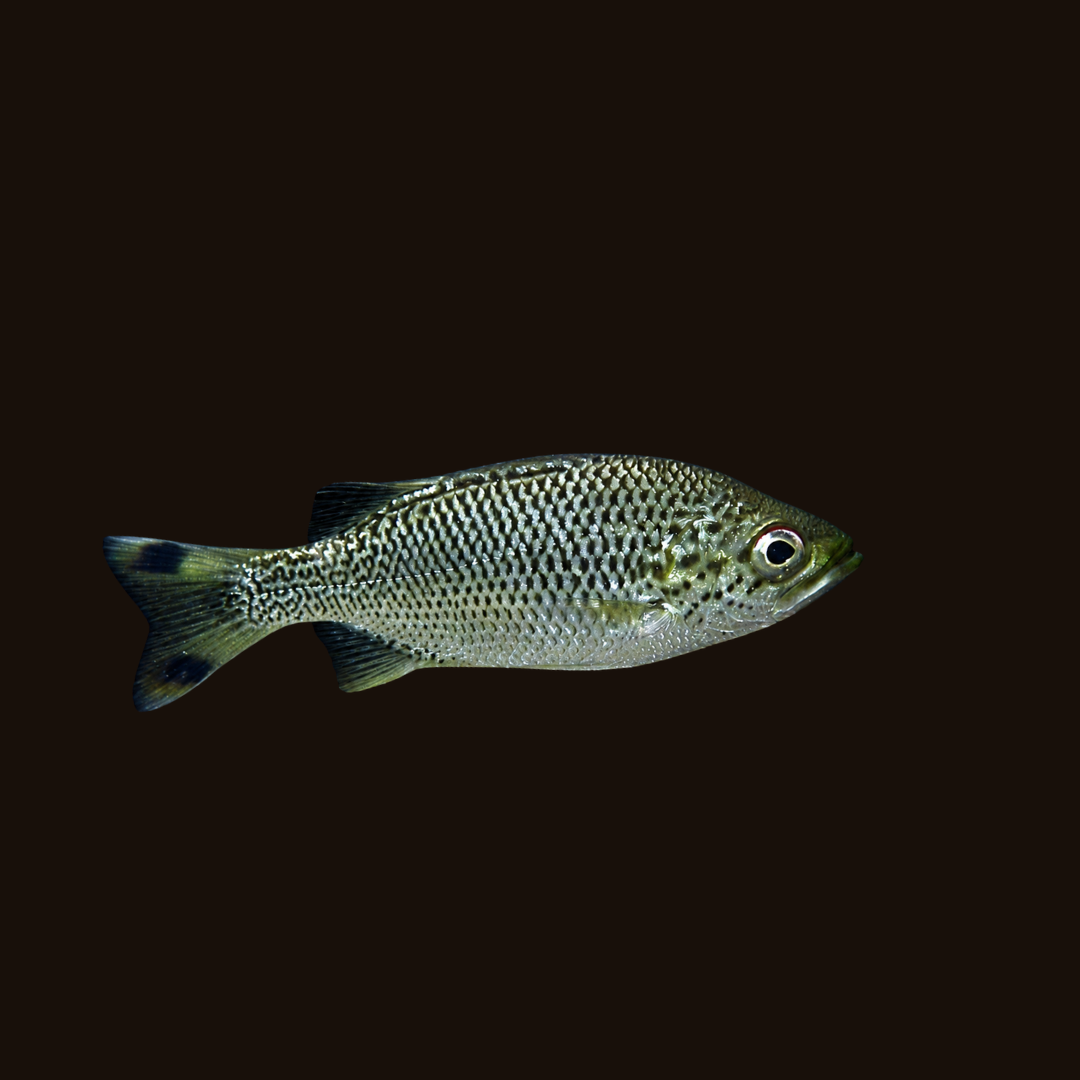
オオクチユゴイは、銀白色の体、大きな眼、斜め上方へ開く幅広い口を特徴とするユゴイ科の魚です。主な生活場所は熱帯・亜熱帯の河川で、流れのある清澄な区間や岩の多い淵、滝壺などに生息します。川で成長し、繁殖時には海へ移動する降河回遊魚であり、淡水と海を結ぶ生活史を持っています。水面へ落ちた昆虫や小魚に素早く反応する一方、周囲の変化には敏感で、驚くと勢いよく跳ねます。最大で全長約45cmに達するため、終生飼育には大型水槽、強力なろ過、十分な酸素供給、確実な飛び出し対策が必要です。 Kuhlia rupestris is a flagtail characterised by a silvery body, large eyes, and a broad oblique mouth. It lives mainly in tropical and subtropical rivers, especially clear, flowing reaches, rocky pools, and plunge pools below waterfalls. The species grows in freshwater and migrates to the sea to reproduce, linking river and marine environments through a catadromous life cycle. It strikes quickly at insects and small fishes near the surface, but it is also alert and prone to jumping when startled. With a maximum total length of about 45 cm, it requires a large aquarium, powerful filtration, high oxygen availability, and a secure cover for long-term care.
基本情報 / Basic Information
| 学名 / Scientific Name | Kuhlia rupestris (Lacépède, 1802) |
|---|---|
| 通称 / Common Name | ジャングルパーチ、ロックフラッグテイルJungle perch, rock flagtail |
| 分類 / Family | ユゴイ科(Kuhliidae)ユゴイ属(Kuhlia)Family Kuhliidae, genus Kuhlia |
| 英名 / English Name | Jungle Perch / Rock Flagtail |
| 分布 / Distribution | 東アフリカ沿岸からインド洋、西・中央太平洋の島々、オーストラリア北東部、日本南部にかけて広く分布します。日本では主に琉球列島や奄美群島で見られます。黒潮の影響を受ける本州・四国・九州の沿岸河川からも記録がありますが、温帯域の記録には一時的に加入した幼魚が含まれます。Widely distributed from the east coast of Africa across the Indian Ocean and the western and central Pacific to northeastern Australia and southern Japan. In Japan, it is found mainly in the Ryukyu and Amami island groups. Records also exist from coastal rivers of Honshu, Shikoku, and Kyushu influenced by the Kuroshio Current, although some temperate records represent temporarily recruited juveniles. |
| 最大体長 / Max Size | 最大で全長約45cm。一般に見られる個体はこれより小さいものの、飼育設備は成魚の大きさと高い遊泳力を基準に選ぶ必要があります。Up to about 45 cm in total length. Most individuals are smaller, but aquarium planning should be based on adult size and strong swimming ability. |
| 寿命 / Lifespan | 野外では15年ほどに達するとする文献がありますが、観賞魚としての標準的な飼育寿命は十分に整理されていません。短期間で飼い切る魚ではなく、長期飼育を前提に迎える必要があります。Some literature reports a potential wild lifespan of about 15 years, but a standard lifespan in aquariums has not been well established. It should be regarded as a long-term commitment. |
飼育環境 / Aquarium Environment
| 水槽サイズ / Tank Size | 幼魚は90cm規格水槽で育成できますが、あくまで一時的な環境です。終生飼育では、最低でも120cmワイド水槽(幅120×奥行60cm程度)、できれば幅150cm以上の大型水槽を用意します。これは公的な飼育基準ではなく、最大体長と活発な遊泳性から見た実用上の目安です。奥行きと旋回スペースにも余裕を持たせてください。Juveniles can be grown in a standard 90 cm aquarium, but only temporarily. For an adult, provide at least a 120 cm wide tank with about 60 cm of front-to-back depth, and preferably a tank 150 cm or longer. This is a practical husbandry estimate rather than an official standard, based on maximum size and active swimming behaviour. Adequate depth and turning space are equally important. |
|---|---|
| 水温 / Temperature | 24〜26℃を飼育の目安とします。公的な種苗生産マニュアルでも、淡水へ移した幼魚は主にこの範囲で管理されています。短期間であれば22℃前後まで下がる例も示されていますが、家庭では急な変化を避け、通年安定させることを優先します。 Use 24–26°C as a practical target. An official fingerling production manual maintained juveniles transferred to freshwater mainly within this range. Temperatures around 22°C were recorded for short periods, but in home aquariums stability should take priority over testing lower limits. |
| 水質 / Water Quality | 通常の飼育は純淡水で行えます。清浄で酸素に富む水を保ち、アンモニアと亜硝酸が検出されない状態を維持してください。適応可能なpHや硬度の厳密な範囲は十分に確立されていないため、中性付近の安定した水質を基本とし、数値そのものより急変を避けることを重視します。ろ過装置と水流ポンプは、水量と個体サイズに見合う能力を確保します。Routine maintenance can be carried out in full freshwater. Keep the water clean and well oxygenated, with ammonia and nitrite remaining undetectable. Precise pH and hardness limits are not well established, so stable water near neutral is a sensible basis, with avoidance of sudden change more important than chasing a particular number. Filtration and circulation should match both tank volume and fish size. |
| レイアウト / Layout | 中央から前面に広い遊泳空間を残し、側面や背面に丸みのある岩、太い流木、丈夫な水草などをまとめて配置します。鋭い石や細い枝は、驚いた個体が衝突した際に外傷の原因となるため避けます。水流は一方向へ流れる区間だけでなく、休息できる緩流部も作ります。照明はタイマーで管理し、急な点灯や消灯を避けると落ち着きやすくなります。Leave a broad swimming area through the centre and front, while grouping rounded rocks, substantial driftwood, and robust plants along the sides and rear. Avoid sharp stones and thin branches that could injure a startled fish. Create both a directional current and calmer resting areas. Timed lighting that avoids abrupt changes can also reduce panic. |
| 注意点 / Precautions | 最も重要なのは飛び出し対策です。種苗生産施設では、全長25〜30mmの幼魚でも高く跳ね、小さな隙間を通り抜けることが報告されています。配管やコードの周囲まで隙間のないフタで覆い、必要に応じて固定してください。大型化すると排せつ量も増えるため、ろ過能力には十分な余裕が必要です。繁殖期には高塩分環境を利用しますが、日常の淡水飼育で塩分を加える必要はありません。Jump prevention is the most important precaution. Hatchery work has shown that juveniles only 25–30 mm long can jump high and pass through very small gaps. Cover all openings around pipes and cables and secure the lid where necessary. Waste production increases substantially with growth, so filtration requires a generous safety margin. Although the species uses high-salinity water for reproduction, routine freshwater care does not require added salt. |
餌と給餌 / Feeding
| 餌の種類 / Diet | 肉食傾向の強い雑食性です。主食には中大型魚用の良質な浮上性または緩沈下性ペレットを用い、冷凍エビ、オキアミ、イサザアミ、赤虫、昆虫類などを副食として組み合わせます。種苗生産された幼魚は人工飼料に餌付きやすいことが報告されています。野生では小魚、甲殻類、昆虫に加えて落下した果実を食べる例もありますが、飼育下で果物を積極的に与える必要はありません。生きた小魚の常用は、寄生虫の持ち込みや栄養の偏り、偏食の原因となるため避けます。It is an omnivore with a strong predatory tendency. Use a good-quality floating or slow-sinking pellet for medium to large fishes as the staple, supplemented with frozen shrimp, krill, mysids, bloodworms, and suitable insects. Hatchery-reared juveniles have been reported to accept manufactured feeds readily. Wild fish also consume small fishes, crustaceans, insects, and occasionally fallen fruit, but fruit does not need to be offered routinely in captivity. Avoid frequent use of live feeder fish because of parasite risk, nutritional imbalance, and the development of food refusal. |
|---|---|
| 給餌のポイント / Feeding Tips | 幼魚は少量を1日2〜3回に分け、成長後は体格と活動量に合わせて回数を減らします。毎回、短時間で食べ切れる量にとどめ、腹部が不自然に張るほど与えないようにしてください。水面への反応が速いため、給餌中もフタを大きく開けたままにしないことが大切です。複数飼育では投入位置を分け、すべての個体が食べられているかを確認します。Offer juveniles small portions two or three times daily, then reduce frequency as they grow according to body condition and activity. Provide only what is consumed promptly and avoid feeding until the abdomen is excessively distended. Because the species reacts rapidly at the surface, do not leave the cover widely open during feeding. In groups, distribute food and confirm that every fish is able to eat. |
性格と混泳 / Temperament and Tank Mates
| 性格 / Temperament | 活発で警戒心が強く、人影、振動、急な照明変化などによく反応します。捕食時は大胆ですが、導入直後や環境を変更した後は物陰に入り、餌を食べなくなることがあります。落ち着くと水槽の中層から上層を広く泳ぎ、水流に向かって定位する姿が見られます。Active and highly alert, it responds readily to shadows, vibration, and sudden lighting changes. It may be bold while feeding but hide and refuse food after introduction or major environmental changes. Once settled, it swims widely through the middle and upper levels and often holds position in the current. |
|---|---|
| 混泳の相性 / Compatibility | 口に入る小型魚やエビは捕食対象となるため、混泳できません。観賞魚としての混泳例は体系的に整理されていないため、単独飼育が最も管理しやすい方法です。混泳させる場合は、同程度以上の大きさで遊泳力があり、過度に攻撃的でない魚を候補とします。同種間でも追尾や順位争いが起こる可能性があるため、十分に広い水槽と退避場所を用意し、問題が生じた際に隔離できる設備を準備してください。Small fishes and shrimp that fit in its mouth are likely to be eaten. Because aquarium compatibility has not been systematically documented, keeping a single specimen is the easiest approach to manage. If tank mates are attempted, choose fishes of similar or greater size that are capable swimmers and not excessively aggressive. Conspecifics may chase or establish dominance, so group keeping requires substantial space, refuge, and a ready means of separation. |
病気と対策 / Diseases and Prevention
| かかりやすい病気 / Common Diseases | 本種に特有の疾病傾向は十分に整理されていません。一般的な淡水魚と同様に、導入時の白点病、野生採集個体が持ち込む外部・内部寄生虫、水質悪化に伴う細菌性の皮膚炎やヒレの損傷に注意します。また、飛び出しやパニックによる口先、眼、鱗の外傷も起こりやすい問題です。呼吸が速い、体をこすり付ける、食欲が落ちる、ヒレをたたむといった変化を早めに見つけます。Species-specific disease patterns have not been well documented. As with other freshwater fishes, watch for ich after introduction, external or internal parasites in wild-caught specimens, and bacterial skin or fin damage associated with poor water quality. Trauma to the snout, eyes, and scales from jumping or panic is another important risk. Rapid breathing, flashing, reduced appetite, and clamped fins should be investigated early. |
|---|---|
| 対策と予防 / Prevention | 新しい個体は別水槽で2〜4週間ほど観察し、餌食い、排せつ物、呼吸、体表の状態を確認してから本水槽へ移します。水温、水質、塩分の急変を避け、換水時は水温差を小さくしてください。塩水浴や薬浴を一律に行うのではなく、症状と原因を見極めて処置します。大型魚では投薬量の計算ミスが大きな影響につながるため、可能であれば魚病に詳しい獣医師や経験豊富な専門店へ相談します。Observe new specimens in a separate quarantine tank for about two to four weeks, checking feeding, faeces, respiration, and the body surface before transfer. Avoid sudden changes in temperature, water chemistry, or salinity, and closely match replacement-water temperature. Salt baths and medication should not be used automatically; treatment should follow a reasoned assessment of symptoms and cause. Dosing errors can have serious consequences in large-fish systems, so consult an aquatic veterinarian or experienced specialist retailer where possible. |
増やし方(繁殖) / Breeding
| 雌雄の判別 / Sexing | 外見だけで確実に判別することは困難です。研究施設では、生殖孔からのカニュレーションによる卵母細胞の確認や、放精の有無によって雌雄を判定しています。成熟した雌は雄より大型化する傾向がありますが、体格だけでの判別はできません。Reliable sexing by external appearance is difficult. Research facilities identify sex by examining oocytes through cannulation or by confirming the expression of milt. Mature females tend to grow larger than males, but body size alone is not diagnostic. |
|---|---|
| 繁殖形態 / Reproduction | 淡水域で成長し、繁殖時に海へ移動する降河回遊魚です。現在の研究では、河口の低塩分域ではなく、海水に近い高塩分環境で産卵する可能性が高いと考えられています。卵は海水中で浮性を示し、仔魚は海で約1〜2か月の浮遊期を過ごした後、河川へ加入します。河口から上流までの連続した水域が、生活史の成立に欠かせません。This is a catadromous species that grows in freshwater and migrates to the sea to reproduce. Current research suggests that spawning is more likely to occur in near-full-strength seawater than in low-salinity estuarine water. The eggs are pelagic in seawater, and larvae spend roughly one to two months in the marine environment before recruiting into rivers. Continuous access from estuary to upstream habitat is essential to the life cycle. |
| 繁殖のポイント / Breeding Tips | 一般家庭の水槽での繁殖は極めて困難です。研究施設では、親魚の成熟管理、ホルモンによる産卵誘導、淡水または低塩分水から海水への移行、浮性卵の回収、微小な初期餌料の培養を組み合わせています。オーストラリアの研究では、対象とした系群の受精卵を32〜36pptで管理すると、浮力と孵化率が高まりました。ただし、地域個体群によって適した塩分が異なる可能性も指摘されています。ホルモン剤を含む繁殖手法は、専門設備と適切な法令・動物福祉管理を必要とするため、家庭で再現する方法ではありません。Breeding in an ordinary home aquarium is exceptionally difficult. Research facilities combine broodstock conditioning, hormonal spawning induction, transfer from freshwater or low-salinity water to seawater, collection of floating eggs, and culture of microscopic first foods. In an Australian study, fertilised eggs from the tested populations showed improved buoyancy and hatch rates at 32–36 ppt, although geographic variation in suitable salinity may occur. Hormone-based breeding requires specialist facilities and appropriate legal and animal-welfare oversight and is not a home-aquarium procedure. |
雑学と豆知識 / Trivia and Fun Facts
| 1. 学名に残る博物学者と岩場の環境 / 1. A Naturalist and a Rocky Habitat in the Name | 属名Kuhliaは、ドイツの博物学者ハインリヒ・クールにちなみます。種小名rupestrisは、ラテン語で岩場に関係する意味を持つ語です。流れのある河川の岩陰や滝壺を利用する本種の生息環境を思わせる名前ですが、学名は生態を説明する文章ではなく、分類学上の固有名です。1802年にCentropomus rupestrisとして記載され、その後の分類学的整理を経て現在の学名となりました。The genus name Kuhlia commemorates the German naturalist Heinrich Kuhl. The species name rupestris is derived from a Latin word associated with rocky places. It evokes the rocky pools and flowing river habitats used by the species, although a scientific name is a formal taxonomic identifier rather than a complete ecological description. The fish was described in 1802 as Centropomus rupestris and later moved to its present genus. |
|---|---|
| 2. 受精を成立させる海の塩分 / 2. Marine Salinity Enables Successful Reproduction | オオクチユゴイは淡水で長く暮らせるにもかかわらず、繁殖には海の環境が深く関わります。雄の精子は淡水では運動せず、高い塩分に触れて初めて活発に動きます。さらに、受精卵は十分な塩分を持つ海水中で浮きやすくなります。川で育つ魚が繁殖の段階だけ海を必要とするという事実は、本種の飼育繁殖が難しい理由を端的に示しています。Although jungle perch spend much of their lives in freshwater, reproduction depends strongly on the marine environment. Male sperm are not motile in freshwater and become active only at higher salinity. Fertilised eggs also become more buoyant in sufficiently saline seawater. The need for the sea at one critical stage explains much of the difficulty involved in captive breeding. |
| 3. 尾びれの黒色斑は成長とともに変化する / 3. The Dark Tail Pattern Changes with Growth | 若い個体では、尾びれの上下の葉に白く縁取られた黒色斑が目立ちます。成長した個体では黒い部分が広がり、上下の斑がつながって縦帯のように見えることがあります。ただし、模様の出方には個体差があり、尾びれだけで正確な年齢や性別を判断することはできません。幼魚から成魚へ移る過程で模様が変化していく様子は、長期飼育ならではの観察対象です。Young fish show conspicuous black marks, often edged in white, on the upper and lower lobes of the tail. In older fish, the dark areas may expand and fuse into a vertical bar. Individual variation is substantial, so the tail pattern cannot determine exact age or sex. Watching the markings change from juvenile to adult is one of the distinctive rewards of long-term observation. |
| 4. 「浄ノ池」とオオクチユゴイを結び付ける際の注意 / 4. A Caution When Linking the Species to Jō-no-ike | 静岡県伊東市にかつて存在した浄ノ池は、温泉の影響で南方系魚類が越冬できる特異な場所でした。1922年に特有魚類生息地として国の天然記念物に指定され、1958年の狩野川台風や湧水環境の変化を経て魚類相が失われ、1982年に指定が解除されています。当時の資料には「ゆごひ」などの名称が見られますが、古い地方名や総称が現代のオオクチユゴイという種と完全に一致するとは限りません。そのため、浄ノ池に本種が確実に生息していたと断定するより、ユゴイ類を含む南方系魚類が見られた歴史として紹介するのが適切です。Jō-no-ike, a former pond in Ito City, Shizuoka, was an unusual warm-water habitat where fishes of southern origin could survive winter. It was designated a national Natural Monument in 1922, lost its distinctive fish community after the 1958 Kanogawa Typhoon and changes to the spring environment, and had its designation removed in 1982. Historical records include names such as “yugoi,” but old local or collective names do not necessarily correspond exactly to the modern species Kuhlia rupestris. It is therefore more accurate to describe the site as part of the history of southern fishes, including flagtails, rather than claim a fully verified record of this exact species. |
| 5. 「ミキユー」はユゴイ類の混称として使われる / 5. “Mikiyu” May Be Used for More Than One Flagtail | 沖縄では、ユゴイ類を「ミキユー」や「ミキイユ」と呼ぶ例があります。ただし、沖縄県の資料では近縁のユゴイ類をまとめた混称として扱われる場合があり、オオクチユゴイだけの固有名とは限りません。語源についても確定した学術的説明は確認されていないため、三毛猫や神酒に由来するといった説を事実として示すことは避ける必要があります。地方名は厳密な種同定とは別に、地域と川魚との関わりを伝える文化的な手がかりとして捉えられます。In Okinawa, flagtails may be called “Mikiyu” or “Mikiiyu.” However, Okinawan sources sometimes treat the term as a collective local name for related flagtail species rather than a name exclusive to Kuhlia rupestris. No firmly established scholarly etymology was confirmed, so stories connecting the name to calico cats or sacred rice wine should not be presented as fact. The name is best understood as cultural evidence of a regional relationship with river fishes, separate from precise species identification. |
| 6. 広い分布域と、川ごとに異なる保全課題 / 6. A Wide Range, but Local Conservation Challenges | オオクチユゴイはインド太平洋に広く分布し、IUCNでは低危険種と評価されています。一方、河口と上流を往来できなければ生活史を完結できないため、ダムや堰による分断、水質悪化、河畔環境の改変は、川ごとの個体群に大きな影響を与えます。オーストラリアのクイーンズランド州では漁獲サイズや持ち帰り数が規制されています。日本で採集や販売を行う場合も、全国一律の説明だけで判断せず、保護区域、漁具、採捕方法、販売に関する最新の地域規則を確認する必要があります。Kuhlia rupestris is widely distributed across the Indo-Pacific and is assessed as Least Concern by the IUCN. Nevertheless, each river population depends on access between the estuary and upstream habitat, so dams, weirs, declining water quality, and alteration of riparian habitat can have major local effects. Queensland regulates the size and number of jungle perch that may be retained. Collection or sale in Japan should likewise be based on current local rules concerning protected areas, permitted gear, collection methods, and commerce rather than on a single nationwide assumption. |
まとめ / Conclusion
オオクチユゴイは、銀白色の体と力強い遊泳、素早い捕食行動を備えた、インド太平洋を代表する河川性のユゴイ類です。淡水で成長しながら、繁殖には海の高塩分環境を必要とする生活史は、川と海が連続していることの重要性をよく示しています。岩の多い清流で暮らす生態は、水槽内でも広い遊泳空間、十分な水流、清浄で酸素に富む水を求めます。 Kuhlia rupestris is a characteristic Indo-Pacific river flagtail, combining a silvery body with powerful swimming and rapid predatory strikes. Its life cycle, in which growth takes place in freshwater but reproduction depends on high-salinity marine conditions, clearly illustrates the importance of continuity between rivers and the sea. Its association with clear, rocky streams is reflected in the aquarium by a need for open swimming space, suitable current, and clean, oxygen-rich water.
最大で全長約45cmに達し、跳躍力も強いため、一般的な小型熱帯魚と同じ感覚で飼える魚ではありません。成魚まで収容できる設備を整え、由来の明確な個体を責任を持って長期飼育することが、この魚の魅力を損なわずに楽しむための前提となります。適切な環境で落ち着いた個体が水流に向かって泳ぐ姿は、森林河川と外洋を結ぶ本種の生態を、水槽の中に静かに映し出します。 With a maximum length of about 45 cm and a strong tendency to jump, this is not a fish that can be managed like a typical small tropical species. Housing suitable for the adult, traceable sourcing, and responsible long-term care are essential to appreciating it without compromising its welfare. In a well-planned aquarium, a settled individual holding position in the current becomes a vivid expression of a life shaped by both forest rivers and the open sea.

気になる道具や飼い方を見つけてみませんか?
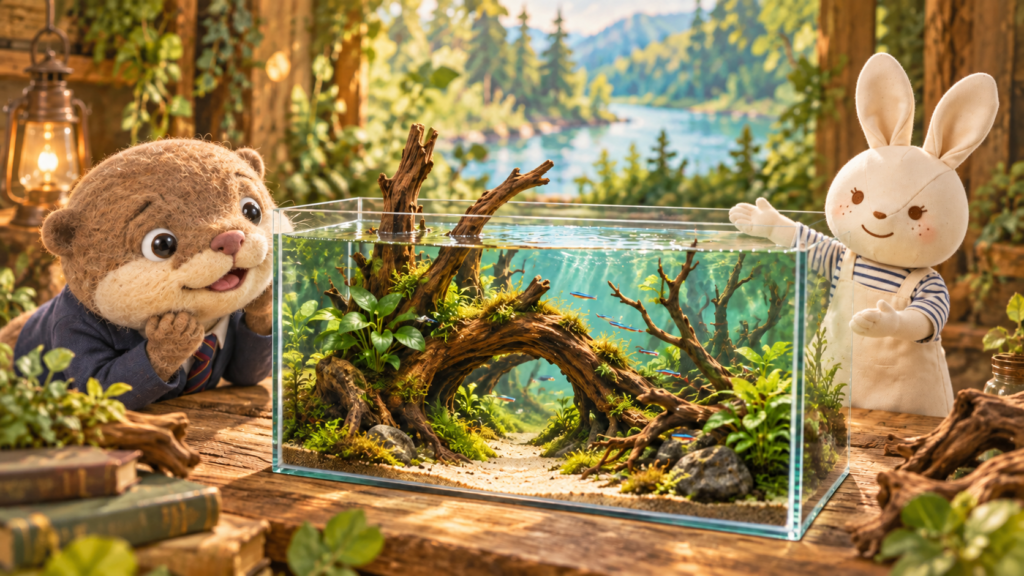 アイのアクアグッズ案内水槽の流木の選び方|枝・マングローブ・アク抜きとおすすめ商品水槽に小さな森を作る流木。枝流木やマングローブという名前の違いから、魚の隠れ家、水草の取り付け、浮く・水が茶色くなるときの準備まで、アイとコタロウが商品とともに案内します。記事はコチラ →
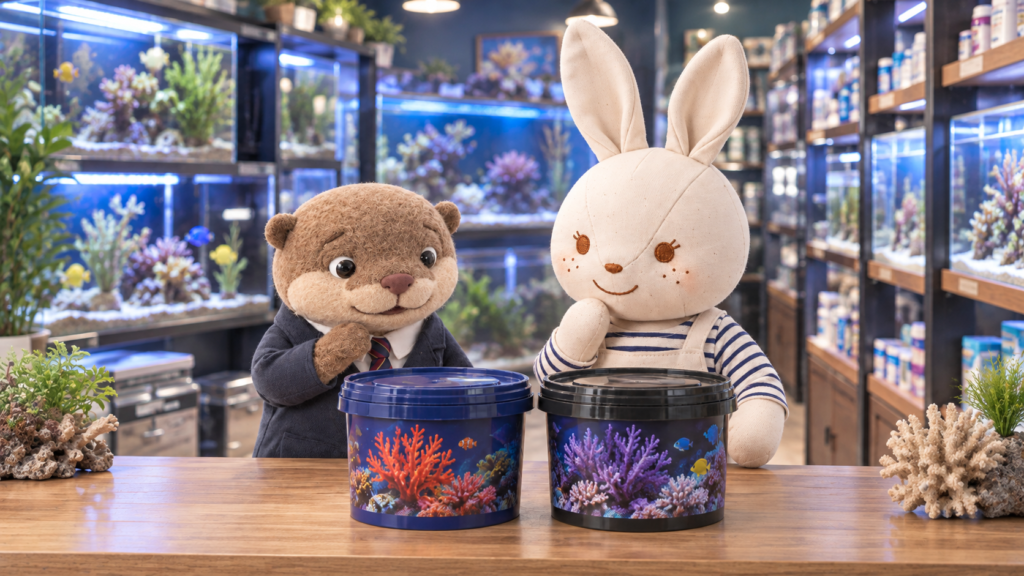 アイのアクアグッズ案内ショップで見かけるカラフルなバケツ。いったい何が入ってる?道具の特徴や使い方、選ぶときのポイントをアイが紹介します。記事はコチラ →
さまざまな飼育テーマをご紹介。リンク先の記事には広告・商品紹介が含まれます。
案内・紹介記事一覧へ →分布マップ
オオクチユゴイは、東アフリカ沿岸からインド洋、西・中央太平洋の島々、オーストラリア北東部、日本南部にかけて広く分布します。日本では主に琉球列島や奄美群島で見られ、黒潮の影響を受ける本州・四国・九州の沿岸河川からも記録があります。
この地図の点は、分布域全体を見渡すためにインド太平洋の中央付近へ置いた概略代表位置です。実際の採集地点、個体の確認地点、厳密な生息範囲を示すものではありません。
参考文献・根拠資料
オオクチユゴイの記事内容を、分類学データベース、公的機関資料、査読論文、大学・研究機関の紀要、獣医学的資料から再確認したうえで選定しています。店舗、通販サイト、個人ブログ、一般向けまとめサイトは含めていません。
飼育情報を読む際の注意
オオクチユゴイについては、家庭用観賞魚水槽を対象とした標準飼育規格が確立されていません。記事中の120cmワイド水槽以上という目安、レイアウト、給餌頻度、混泳判断は、最大体長、遊泳性、跳躍性、研究施設での飼育条件を基にした実用上の提案です。各文献に同じ水槽寸法や混泳魚種が明記されているわけではありません。
分類・学名・分布・大きさ
-
1
Fricke, R., Eschmeyer, W. N. & Van der Laan, R. (eds.). Eschmeyer’s Catalog of Fishes: Genera, Species, References. California Academy of Sciences, online database.
主に支える内容:有効学名 Kuhlia rupestris、命名者と記載年、原記載名、ユゴイ科への所属、異名関係。
データベースを開く -
2
Queensland Government. “Jungle perch.” Fish species guide.
主に支える内容:最大体長約45cm、一般的な大きさ、オーストラリアでの公的な魚種情報。最大体長に基づく飼育設備検討の基礎資料。
公的魚種案内を開く -
3
岩坪洸樹・橋口 亘・本村浩之(2017)「九州初記録のユゴイ科魚類オオクチユゴイ」『Nature of Kagoshima』43:189–192。
主に支える内容:日本国内での分類・同定形質、琉球列島および本州・四国・九州周辺からの記録、鹿児島県本土における標本に基づく初記録。
論文PDFを開く
生息環境・食性・回遊生活史
-
4
Gelineau, Y., Saget, M., Brault, V., Anamparéla, B., Aboulker, C., Martinet, J., Maeda, K. & Feutry, P. (2020). “Biology of jungle perch, Kuhlia rupestris, identification of threats and knowledge gaps to improve local and global management.” Cybium, 44(1), 45–55. DOI: 10.26028/cybium/2020-441-006.
主に支える内容:インド太平洋の島嶼河川における分布、生息域、食性、降河回遊、寿命・成長に関する既往知見、河川分断などの保全上の課題。
DOIから論文情報を開く -
5
Feutry, P., Valade, P., Ovenden, J. R., Lopez, P. J. & Keith, P. (2012). “Pelagic larval duration of two diadromous species of Kuhliidae (Teleostei: Percoidei) from Indo-Pacific insular systems.” Marine and Freshwater Research, 63, 397–402. DOI: 10.1071/MF11243.
主に支える内容:海洋で過ごす仔魚期の長さ、海と河川を結ぶ通し回遊性、河川加入までの初期生活史。
DOIから論文情報を開く
飼育条件・跳躍対策・人工繁殖
-
6
Hutchison, M. (2016). Jungle perch Kuhlia rupestris fingerling production manual. Queensland Department of Agriculture and Fisheries / Fisheries Research and Development Corporation, FRDC Project 2012/213.
主に支える内容:循環ろ過、強いエアレーション、水温管理、淡水・低塩分での親魚管理、ペレットへの餌付け、幼魚の跳躍力、フタと隙間対策、産卵誘導、仔魚・稚魚育成。記事の飼育条件を支える中心資料。
生産マニュアルPDFを開く -
7
Hogan, A. E. & Nicholson, J. C. (1987). “Sperm motility of sooty grunter, Hephaestus fuliginosus, and jungle perch, Kuhlia rupestris, in different salinities.” Australian Journal of Marine and Freshwater Research, 38, 523–528. DOI: 10.1071/MF9870523.
主に支える内容:精子運動性と塩分の関係、淡水域で成長する本種が繁殖時に高塩分環境を必要とする生理学的根拠。
DOIから論文情報を開く -
8
Hutchison, M., Norris, A. & Nixon, D. (2022). “The effect of salinity on jungle perch Kuhlia rupestris egg buoyancy and larval hatch rates.” Aquaculture Research, 53, 4486–4492. DOI: 10.1111/are.15868.
主に支える内容:受精卵の浮力と孵化率に対する塩分の影響、32ppt以上での孵化管理、36pptで高い浮力・孵化率が得られた実験結果、地域個体群差を考慮すべき点。
査読論文を開く
病気・寄生虫・導入時の衛生管理
-
9
Nagasawa, K. & Katahira, H. (2019). “Lernaea cyprinacea (Copepoda: Lernaeidae) infecting a rock flagtail, Kuhlia rupestris (Kuhliidae), in a subtropical river, southern Japan.” Nature of Kagoshima, 46, 13–15.
主に支える内容:石垣島の野生オオクチユゴイからイカリムシが確認された種特異的な記録。野生採集個体を導入する際に外部寄生虫を確認する必要性。
論文PDFを開く -
10
World Organisation for Animal Health (WOAH). Aquatic Animal Health Code. / Merck Veterinary Manual. “Parasitic Diseases of Fish” and “Bacterial Diseases of Fish.”
主に支える内容:新規導入魚を既存個体群から隔離して観察する検疫の考え方、器具を介した病原体伝播、白点病の臨床徴候と診断、細菌性疾患で見られる潰瘍・出血・ヒレ損傷。薬剤は症状だけで決めず、診断と専門家の助言を優先すべきこと。
オンライン資料の最終確認日:2026年7月15日。リンク先の改訂・移動に備え、論文については著者名、年、誌名、巻号、ページ、DOIも併記しています。




コメント