

▶ 記事の生体をAMAZONで買う ▶ 記事の生体をYahooで買う
解説 / Description
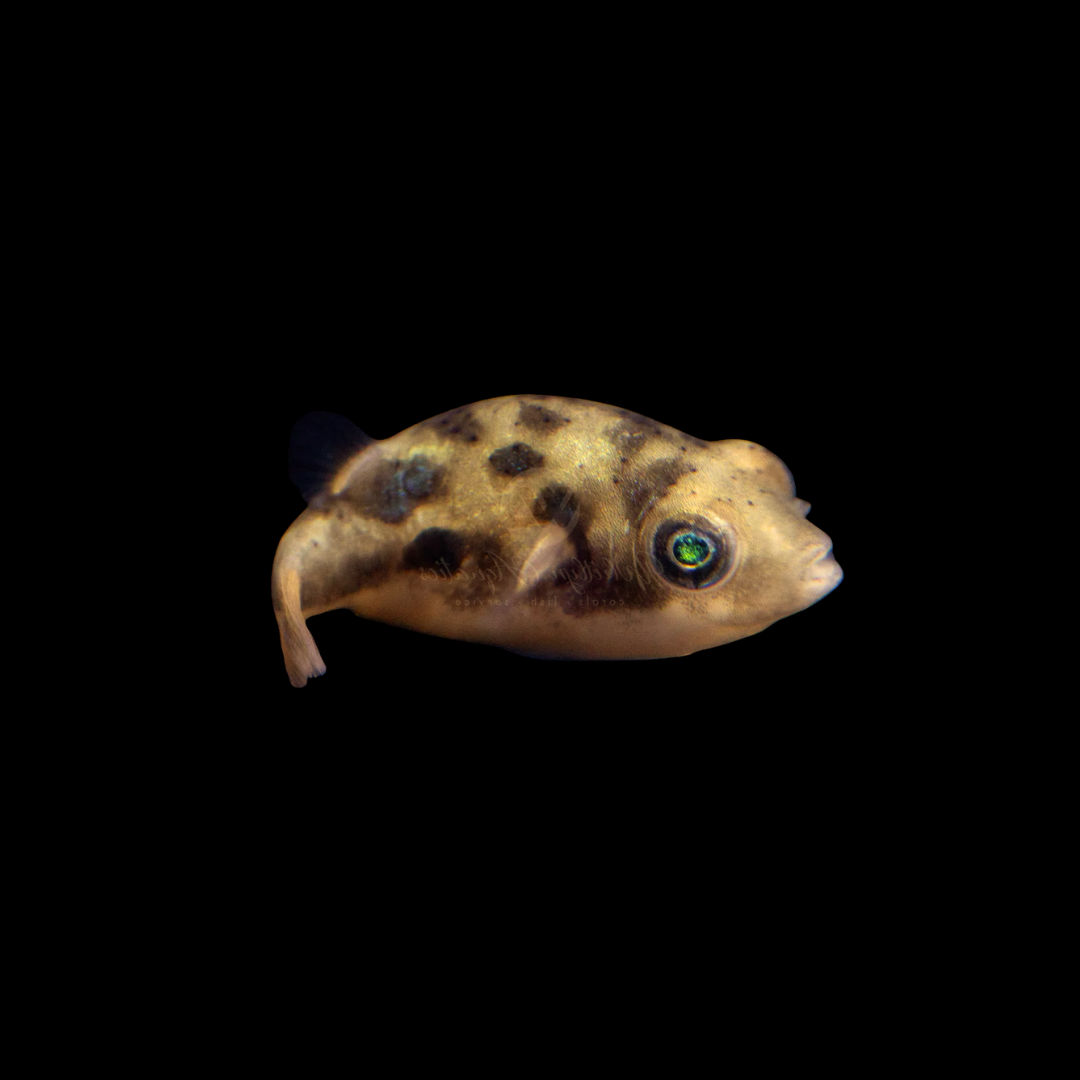
アベニーパファーは、インド南西部に分布する完全淡水性の小型フグです。成魚でも数cmほどにとどまる丸みのある体、よく動く大きな目、飼い主を観察するような知的な仕草から、日本のアクアリウムでも非常に人気があります。小さな魚ではありますが、フグらしい好奇心と個性を備えており、長く飼うには水質・餌・社会性を丁寧に整えることが大切です。 The pea puffer is a tiny fully freshwater pufferfish from southwestern India. Although it remains only a few centimeters long as an adult, it has a rounded body, expressive moving eyes, and an intelligent-looking behavior that makes it highly popular in aquariums. Despite its small size, it has the curiosity and individuality typical of puffers, so long-term success depends on careful water quality management, suitable foods, and an understanding of its social behavior.
基本情報 / Basic Information
| 学名 / Scientific Name | Carinotetraodon travancoricus |
|---|---|
| 通称 / Common Name | アベニーパファー、インドマメフグ、ドワーフパファーPea puffer, Dwarf pufferfish, Malabar pufferfish, Pygmy pufferfish |
| 分類 / Family | フグ目フグ科トラヴァンコアフグ属Family Tetraodontidae, genus Carinotetraodon |
| 英名 / English Name | Pea puffer / Dwarf pufferfish / Malabar pufferfish |
| 分布 / Distribution | インド南西部の西ガーツ山脈周辺に分布します。主な生息域はケララ州やカルナータカ州南部の河川、水草の多い緩流域、池沼、淡水化したバックウォーターなどです。Native to southwestern India around the Western Ghats, especially Kerala and southern Karnataka, where it inhabits rivers, slow-moving vegetated waters, ponds, and fully freshwater backwater habitats. |
| 最大体長 / Max Size | 約3〜3.5cm。成熟個体では、2cm前後でも繁殖に関わることがあります。About 3 to 3.5 cm. Some mature individuals may breed at around 2 cm. |
| 寿命 / Lifespan | 一般的には約3〜5年が目安です。清浄で安定した水質、十分な餌、ストレスの少ない環境を整えることで、より長く飼育できる場合があります。Typically about 3 to 5 years. With clean, stable water, appropriate feeding, and low-stress conditions, some individuals may live longer. |
飼育環境 / Aquarium Environment
| 水槽サイズ / Tank Size | 単独飼育なら30cmキューブ水槽程度でも飼育は可能です。ただし、本種の社会性を考えると、6匹前後からの群れ飼育を基本に、45cm規格水槽以上、できれば60cm規格水槽を用意した方が扱いやすくなります。小型魚でも水を汚しやすく、餌も生餌・冷凍餌中心になるため、水量には余裕を持たせることが重要です。A single fish can be kept in a tank around the size of a 30 cm cube, but considering its social nature, a group of around six or more is preferable. A 45 cm standard tank or larger is recommended, and a 60 cm standard tank is easier to manage. Even though the fish is small, meaty foods can pollute the water, so extra water volume is helpful. |
|---|---|
| 水温 / Temperature | 25〜28℃前後が目安です。日本の冬はヒーターを使い、夏場は高水温になりすぎないよう冷却ファンなどで調整します。急変を避け、26℃前後で安定させると飼育しやすいでしょう。 Around 25 to 28°C. Use a heater during winter in Japan, and cooling fans or other methods in summer to prevent overheating. Keeping the temperature stable around 26°C is generally easy to manage. |
| 水質 / Water Quality | 飼育は純淡水で行います。pHは中性付近から弱アルカリ性寄りまで対応しますが、数値を追いかけるより急変させない管理が大切です。アンモニアと亜硝酸は0を維持し、硝酸塩も低めに保ちます。導入はろ過が安定した水槽で行い、週1回程度の換水を基本に清浄な水を維持しましょう。Keep it in pure freshwater. It tolerates water from near-neutral to slightly alkaline, but stability is more important than chasing a specific number. Ammonia and nitrite should remain at zero, and nitrate should be kept low. Introduce the fish only to a mature, biologically stable aquarium, and maintain clean water with regular weekly water changes. |
| レイアウト / Layout | 水草、流木、石、落ち葉などを使い、視線を遮れる場所を多く作ります。ミクロソリウム、アヌビアス、モス類、カボンバなどを組み合わせると、隠れ家と探索場所を兼ねた環境になります。強い水流は苦手なので、排水を弱めて緩やかな流れにしておくと安心です。Create many visual barriers with aquatic plants, driftwood, stones, and leaf litter. Plants such as Microsorum, Anubias, mosses, and Cabomba can provide both shelter and foraging areas. Strong current is not ideal, so diffuse the filter outflow and keep the flow gentle. |
| 注意点 / Precautions | 汽水フグと混同し、塩分を加えないようにします。また、フグは水上に出されると空気を飲み込む危険があるため、移動時は網で持ち上げるより、水ごとすくえる容器を使う方が安全です。膨らむ行動は強いストレス反応なので、意図的に驚かせて膨らませることは避ける必要があります。Do not add salt as if it were a brackish puffer. When moving puffers, avoid lifting them out of water with a net because they may swallow air; using a small container to move them with water is safer. Inflating is a severe stress response, so never intentionally frighten the fish to make it puff up. |
餌と給餌 / Feeding
| 餌の種類 / Diet | 冷凍赤虫、ブラインシュリンプ、ミジンコ、イトメ、小さな淡水性巻貝など、動物質の餌を中心に与えます。人工飼料には慣れにくい個体が多いため、導入直後は冷凍餌や生餌を用意しておくと安心です。歯の伸びすぎを防ぐ補助として、ラムズホーンやサカマキガイなどの小さな巻貝も役立ちます。Feed mainly meaty foods such as frozen bloodworms, brine shrimp, daphnia, tubifex worms, and small freshwater snails. Many individuals do not readily accept dry prepared foods, so frozen or live foods should be prepared when introducing them. Small freshwater snails such as ramshorn snails or bladder snails can help wear down the beak-like teeth. |
|---|---|
| 給餌のポイント / Feeding Tips | フグ類は消化器官の構造が特殊で、食べだめさせるよりも少量をこまめに与える管理に向いています。1日1〜2回、腹部が軽く丸くなる程度を目安にし、食べ残しは水質悪化の原因になるため早めに取り除きます。冷凍赤虫だけに偏ると栄養バランスが崩れやすいため、複数の餌をローテーションすることが大切です。アサリやカキなどの海産二枚貝は、日常的な餌としては避けた方が安全でしょう。Because puffers have specialized digestive anatomy, they tend to do better with small, frequent meals rather than large, infrequent feedings. Feed once or twice a day, just enough for the belly to become slightly rounded, and remove leftovers quickly to prevent water pollution. Avoid relying only on bloodworms; rotate several food types for better nutrition. Marine bivalves such as clams or oysters are not recommended as routine foods. |
性格と混泳 / Temperament and Tank Mates
| 性格 / Temperament | 好奇心が強く、個体ごとの性格もはっきり出やすい魚です。従来は単独飼育向きと説明されることもありましたが、適切な広さと隠れ家がある水槽では、複数匹で飼うことで攻撃が分散し、落ち着いた行動を見せやすくなります。ただし、狭い水槽や隠れ家の少ない環境では、追い回しやヒレかじりに注意が必要です。It is curious and often shows clear individual personalities. It has sometimes been described as a fish for solitary keeping, but in a suitably spacious and well-structured aquarium, keeping a group can distribute aggression and encourage calmer behavior. In cramped tanks or setups with few hiding places, chasing and fin nipping are more likely. |
|---|---|
| 混泳の相性 / Compatibility | 基本はアベニーパファーだけの専用水槽がおすすめです。グッピーやベタなどヒレの長い魚はかじられやすく、素早い小型魚と混泳すると餌を取られて痩せることがあります。オトシンクルスやクーリーローチ、ヤマトヌマエビなどとの成功例はありますが、個体差が大きいため「必ず安全」とは考えない方がよいでしょう。A species-only aquarium is generally recommended. Long-finned fish such as guppies or bettas are easily nipped, and fast small fish may outcompete pea puffers for food. Some keepers succeed with Otocinclus, kuhli loaches, or Amano shrimp, but individual differences are large, so no tank mate can be considered completely safe. |
病気と対策 / Diseases and Prevention
| かかりやすい病気 / Common Diseases | 白点病、痩せ、拒食、細菌性の皮膚トラブルのほか、輸入個体では内部寄生虫が疑われるケースもあります。特に入荷直後の個体は、長距離輸送や餌不足で体力を落としていることがあるため、腹部のへこみ、呼吸の速さ、体表の白濁、泳ぎの異常をよく確認してください。Possible problems include ich, emaciation, refusal to feed, bacterial skin issues, and suspected internal parasites in some imported individuals. Newly imported fish may be weakened by transport and lack of food, so check for sunken bellies, rapid breathing, cloudy skin, or abnormal swimming. |
|---|---|
| 対策と予防 / Prevention | 安定した水質、低い硝酸塩、十分な隠れ家、偏りの少ない給餌が予防の基本です。導入時は可能であれば隔離水槽で様子を見て、餌食いと便の状態を確認してから本水槽へ移します。薬浴を行う場合、フグ類は薬剤に敏感なことがあるため、使用量や水質変化に注意しながら慎重に進める必要があります。Prevention starts with stable water, low nitrate, sufficient hiding places, and a varied diet. If possible, observe new fish in a quarantine tank and check feeding response and feces before introducing them to the main aquarium. When medication is needed, proceed cautiously because puffers can be sensitive to some treatments and sudden water changes. |
増やし方(繁殖) / Breeding
| 雌雄の判別 / Sexing | 成熟したオスは腹部の中央に暗色のラインが出やすく、体側の模様がややつながって見え、目の後ろに青緑色の細い模様が出ることがあります。メスは腹部がふっくらし、模様は細かいスポット状に見える傾向があります。若い個体では判別が難しいため、ある程度成長してから確認するのが基本です。Mature males often develop a dark line along the center of the belly, more connected body markings, and sometimes fine blue-green lines behind the eyes. Females tend to have rounder bellies and finer spotted markings. Juveniles are difficult to sex and usually need to grow before reliable differences appear. |
|---|---|
| 繁殖形態 / Reproduction | 水草やモスの茂みに卵をばらまく散卵型です。卵は非常に小さく、親が食べてしまうこともあるため、繁殖を狙う場合はウィローモスなどを多めに入れます。卵を回収するか、産卵後に親魚を別水槽へ移す方法を取るとよいでしょう。It is an egg-scattering species that deposits tiny eggs among plants or moss. The parents may eat the eggs, so breeders often use dense moss such as Java moss and either collect the eggs or move the adults to another tank. |
| 繁殖のポイント / Breeding Tips | オス1匹に対してメス2〜3匹ほどの比率にすると、メスへの追尾圧が分散しやすくなります。高栄養の餌を十分に与え、27〜28℃前後の安定した水温、細かい葉の水草やモスを用意します。孵化後の稚魚は非常に小さいため、初期餌としてインフゾリアやごく小さな微生物を確保し、その後ブラインシュリンプ幼生へつなげる準備が必要です。A ratio of one male to two or three females helps spread the male’s attention and reduce stress on individual females. Provide nutritious foods, a stable temperature around 27 to 28°C, and fine-leaved plants or moss. The fry are extremely small, so prepare tiny first foods such as infusoria or microorganisms, followed later by newly hatched brine shrimp. |
雑学と豆知識 / Trivia and Fun Facts
| 1. 日本だけの名前「アベニーパファー」 / 1. The Japanese name “Abeni puffer” | 英語圏では本種はPea pufferやDwarf pufferfishと呼ばれますが、日本では「アベニーパファー」という独自の名前で広く定着しています。この名前は学名や産地から直接作られたものではなく、輸入初期の観賞魚業界のエピソードに由来するとされています。親しみやすい名前で人気が広がった一方、海外情報を調べる際はPea pufferや学名のCarinotetraodon travancoricusも併せて使うと、より多くの資料にたどり着けます。In English-speaking countries this species is usually called the pea puffer or dwarf pufferfish, while in Japan the unique name “Abeni puffer” has become widely established. This name is not directly derived from the scientific name or locality, but is considered to come from an early episode in the aquarium trade. The familiar name helped its popularity in Japan, but using “Pea puffer” or the scientific name Carinotetraodon travancoricus when searching can lead to much broader information. |
|---|---|
| 2. 世界最小級でも、ただの小型魚ではない / 2. Tiny, but not a simple small fish | アベニーパファーは世界最小級のフグとして知られますが、その行動はとても複雑です。左右の目を別々に動かしながら周囲を観察し、水草の間をホバリングするように泳ぎ、小さな獲物を探します。小さな体の中に、フグらしい観察力と狩りの能力が詰まっている点が、本種の大きな魅力です。The pea puffer is known as one of the smallest puffers in the world, but its behavior is far from simple. It observes its surroundings with independently moving eyes, hovers among aquatic plants, and searches for tiny prey. Much of its charm comes from the fact that a tiny body contains the keen observation and hunting abilities typical of puffers. |
| 3. 「単独飼育向き」という思い込みの見直し / 3. Rethinking the idea that it must live alone | 以前は「気が強いので単独飼育」と語られることが多かった魚ですが、近年は隠れ家の多い十分な水槽で複数匹を飼う考え方も重視されています。攻撃性そのものが消えるわけではありませんが、群れの中で行動が分散され、特定の個体だけが追われ続ける状況を避けやすくなります。小さな水槽に少数だけ入れるより、余裕のある水槽に複数匹を入れ、視線を切れるレイアウトを作ることが大切です。It was once often described as a fish best kept alone because of its assertive nature, but modern husbandry increasingly values group keeping in a spacious, well-structured aquarium. Aggression does not disappear entirely, but social pressure is distributed within the group, making it easier to avoid one individual being constantly targeted. Rather than keeping only a few in a cramped tank, it is important to provide a roomy aquarium with multiple individuals and many visual barriers. |
| 4. 眠るときは葉や砂の上で休む / 4. Resting on leaves or sand | アベニーパファーは休むとき、水草の広い葉や底床のくぼみに体を預け、尾を体側に巻くような姿勢でじっとしていることがあります。初めて見ると体調不良に見えることもありますが、照明を落とした後や夜間に見られる場合は、自然な休息行動であることが多いです。もちろん、日中も沈んだままで呼吸が荒い、体色が悪い、餌を食べないといった症状があれば注意が必要です。When resting, pea puffers may settle on broad plant leaves or shallow depressions in the substrate, sometimes curling the tail along the side of the body. This can look alarming at first, but if it occurs after lights-out or at night, it is often normal resting behavior. However, caution is needed if the fish remains on the bottom during the day with rapid breathing, poor color, or loss of appetite. |
| 5. 保全と国内繁殖の重要性 / 5. Conservation and the importance of captive breeding | 本種は原産地の環境変化や観賞魚採集の影響が懸念される魚でもあります。日本で安定して楽しみ続けるためには、野生採集個体に頼りきるのではなく、国内での繁殖技術を広げていくことが重要です。飼育者が正しい環境を整え、繁殖個体の流通を選ぶことは、小さなフグを長く楽しむための現実的な保全にもつながります。This species is also a fish of conservation concern because of habitat change and collection for the aquarium trade. To enjoy it sustainably in Japan, it is important not to rely only on wild-caught fish, but to improve and share captive-breeding techniques. When aquarists provide proper conditions and choose captive-bred individuals when available, they contribute to practical conservation while continuing to enjoy this tiny puffer. |
まとめ / Conclusion
アベニーパファーは、小さな体にフグらしい知性と個性を備えた、とても魅力的な淡水魚です。ただし、一般的な小型魚のように何でも食べ、どんな混泳にも向く魚ではありません。清浄で安定した淡水、肉食性に合った餌、視線を遮れる水草や流木、そして本種の社会性を考えた飼育計画が必要です。 The pea puffer is a fascinating freshwater fish with the intelligence and personality typical of puffers packed into a tiny body. However, it is not a general-purpose small fish that accepts any food or suits any community tank. It requires clean and stable freshwater, suitable meaty foods, plants and driftwood that break lines of sight, and a keeping plan that considers its social nature.
適切な環境を整えれば、アベニーパファーは水草の間を探検し、飼い主を見つめ、群れの中で複雑な行動を見せてくれます。かわいらしさだけでなく、生態や保全の背景まで理解して飼育することで、本種の魅力をより深く楽しめるでしょう。 With the right conditions, pea puffers explore among plants, watch their keeper, and display complex behavior within the group. By understanding not only its cuteness but also its ecology and conservation background, aquarists can appreciate this species much more deeply.

気になる道具や飼い方を見つけてみませんか?
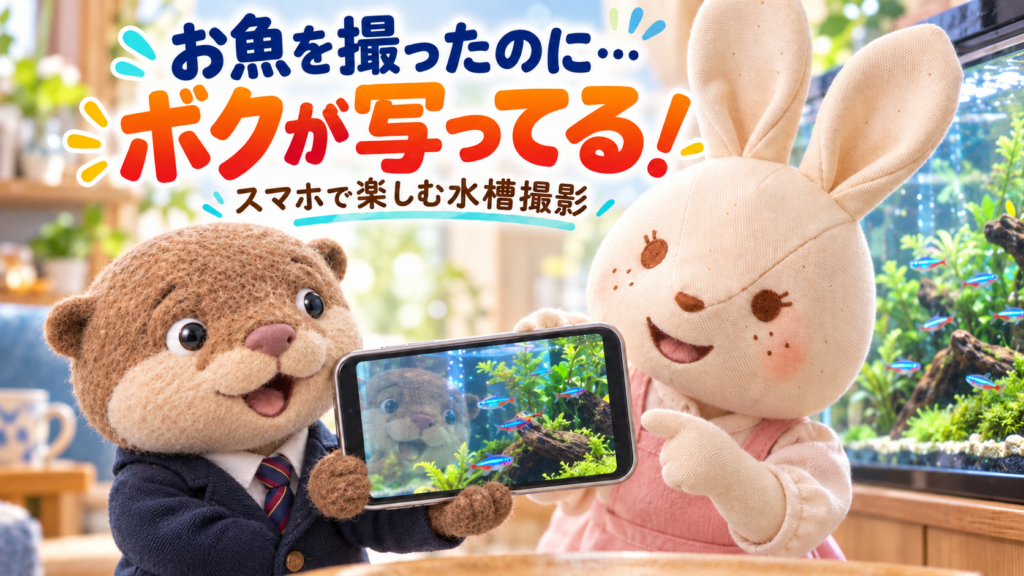 アイのアクアグッズ案内お魚を撮ったのに、ボクが写ってる! スマホで楽しむ水槽撮影と便利な道具道具の特徴や使い方、選ぶときのポイントをアイが紹介します。記事はコチラ →
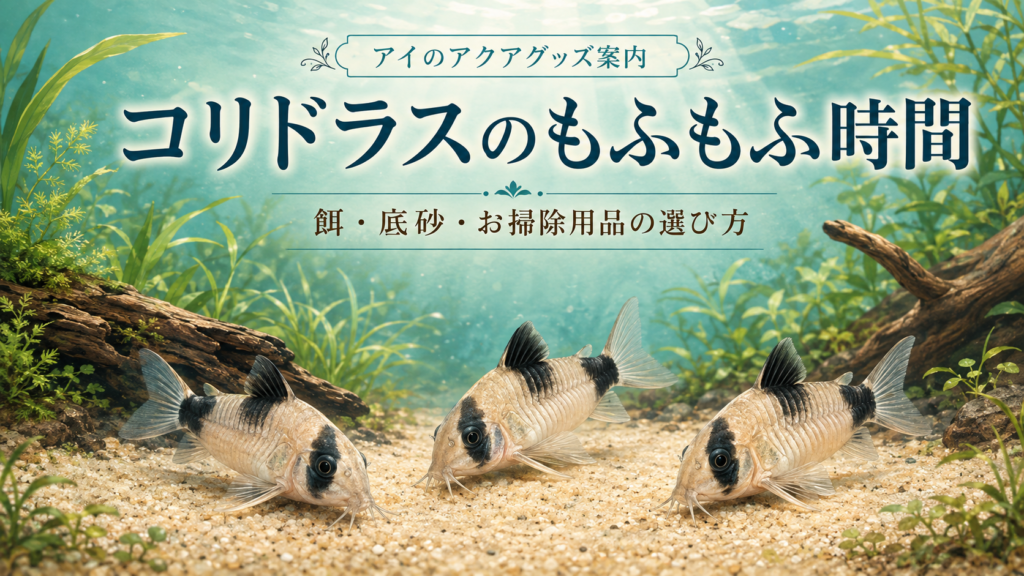 アイのアクアグッズ案内コリドラスのもふもふ時間を楽しむ|餌・底砂・お掃除用品の選び方コリドラスのもふもふする食事風景を楽しむために。沈む餌2種類の違い、口元に配慮した底砂、食べ残しを回収する道具を、アクアグッズナビゲーターのアイが紹介します。記事はコチラ →
さまざまな飼育テーマをご紹介。リンク先の記事には広告・商品紹介が含まれます。
案内・紹介記事一覧へ →▶ 記事の生体をAMAZONで買う ▶ 記事の生体をYahooで買う
参考文献・参照資料
本記事では、アベニーパファーの分類、分布、最大体長、水質、繁殖、保全状況、和名の由来、飼育管理に関する記述を確認するため、以下の資料を参照しました。
- Froese, R. and Pauly, D. Editors. FishBase. Carinotetraodon travancoricus, Malabar pufferfish. 学名、分類、淡水性、分布、最大体長、水温・pH、IUCNの危急種評価などの基礎情報を確認。
- 市立しものせき水族館 海響館. No,009:アベニーパファー. 日本名「アベニーパファー」の由来、雌雄差、パンバ川の水質、飼育下での産卵・孵化記録などを確認。
- Chandana, B. L., Sanal, A., Raghavan, R. and Varghese, B. 2024. Embryonic development of the world’s smallest puffer fish, Carinotetraodon travancoricus – a threatened freshwater fish of the Western Ghats Biodiversity Hotspot. Zygote, 32(4): 320–327. 世界最小級の淡水フグとしての位置づけ、卵径、孵化時間、仔魚サイズ、繁殖特性、保全上の重要性を確認。
- Anupama, K. M., Hari Sankar, H. S., Rithin Raj, M. and Harikrishnan, M. 2019. Reproductive Biology of Malabar Pufferfish Carinotetraodon travancoricus (Tetraodontidae). Journal of Ichthyology, 59: 545–554. 成熟サイズ、雌雄差、繁殖期、産卵生態など、繁殖関連の記述を補強。
- Doi, H., Sakai, H., Yamanoue, Y., Sonoyama, T. and Ishibashi, T. 2015. Spawning of eight Southeast Asian brackish and freshwater puffers of the genera Tetraodon and Carinotetraodon in captivity. Fisheries Science, 81: 291–299. フグ類の飼育下産卵、卵・仔魚の記録、家庭水槽で繁殖を狙う際の前提情報を確認。
- Britz, R. and Kottelat, M. 1999. Carinotetraodon imitator, a new freshwater pufferfish from India. Journal of South Asian Natural History, 4(1): 39–47. 近縁種との関係、属の特徴、成熟オスに見られるキールなど、分類学的背景の確認に使用。
- Seriously Fish. Carinotetraodon travancoricus (Dwarf Puffer). 水槽サイズ、水草を多く使ったレイアウト、餌、混泳注意など、観賞魚飼育での実用的な管理情報を確認。
- Pufferfish Enthusiasts Worldwide. Pea Puffers: Frequently Asked Questions. 群れ飼育、60L前後での複数飼育、視線を遮るレイアウト、社会行動に関する近年の飼育知見を確認。




コメント