

解説 / Description
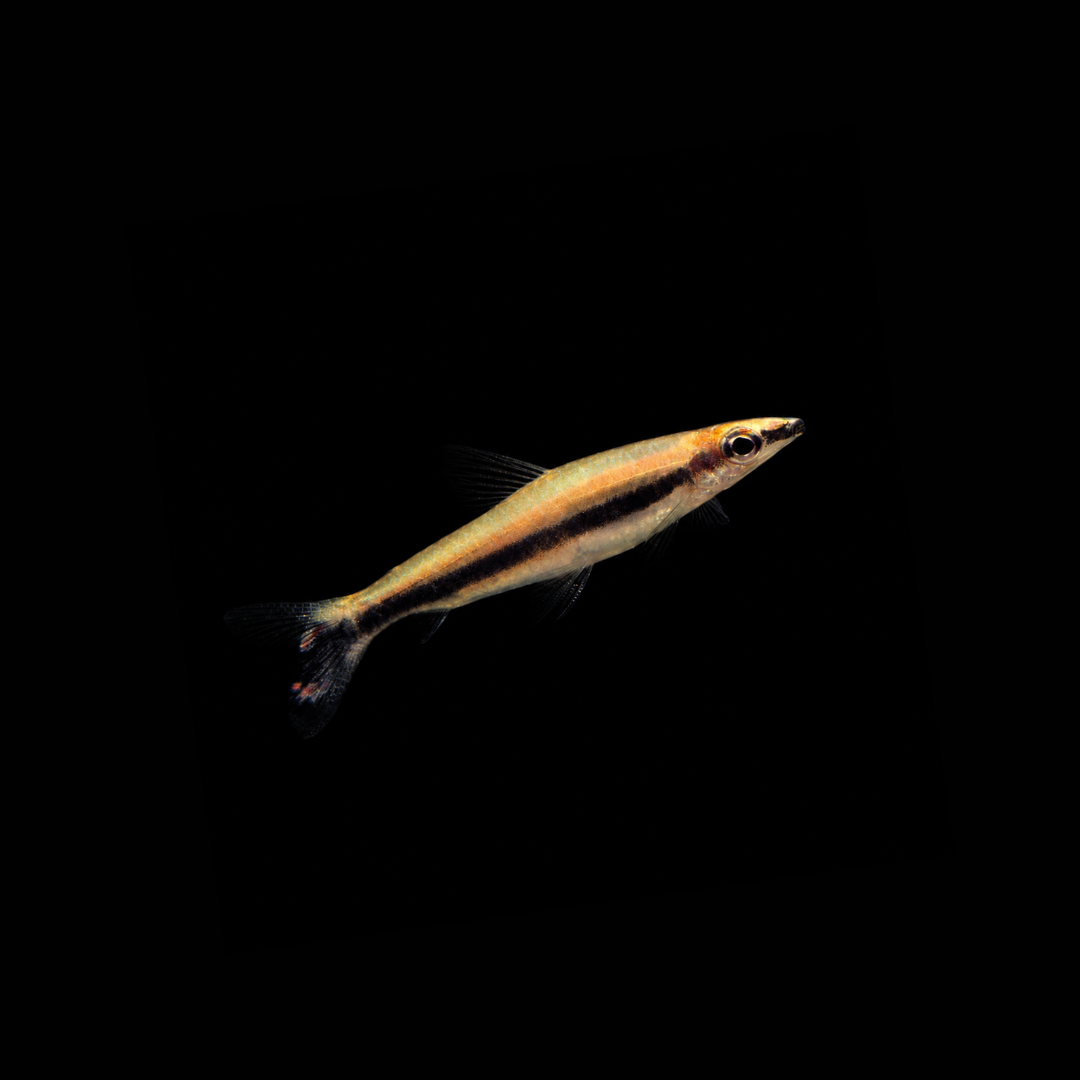
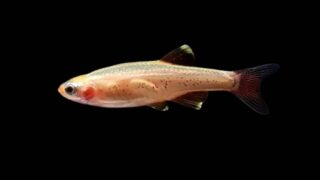
ワンラインペンシルは、南米のアマゾン水系の一部、ベネズエラのオリノコ川上流域、ガイアナなどに分布する小型のペンシルフィッシュです。吻の先から尾ビレ方向へ伸びる一本の黒いラインと、頭をやや水面へ向けて静止・遊泳する独特の斜め姿勢が大きな特徴です。強い色彩で目を引く魚ではありませんが、水草や流木の陰にすっと浮かぶ姿には、南米小型カラシンらしい静かな美しさがあります。 The One-lined Pencilfish is a small pencilfish found in parts of the Amazon drainage, the upper Orinoco drainage of Venezuela, and Guyana. Its most recognizable features are the single black line running from the snout toward the caudal fin and its distinctive head-up, oblique swimming posture. It is not a strongly colored show fish, but its quiet presence among plants and driftwood gives an aquascape the subtle elegance typical of South American small characins.
日本国内ではワイルド個体として流通する例が多く、入荷量や産地名は時期によって変わります。常時大量に並ぶ定番種というより、専門店や輸入便で出会う機会を楽しむ魚と考えるとよいでしょう。水に慣れれば比較的丈夫ですが、導入直後は輸送疲れや水質変化の影響を受けやすいため、清潔で落ち着いた軟水、穏やかな水流、十分な隠れ家を整えることが大切です。 In Japan, this species is often sold as wild-caught stock, and availability and listed localities vary by shipment. Rather than a constantly abundant staple, it is best regarded as a fish to look for through specialty shops and import arrivals. Once settled, it can be fairly hardy, but newly imported fish are sensitive to transport stress and water-quality changes, so clean, calm, soft water, gentle flow, and plenty of cover are important.
基本情報 / Basic Information
| 学名 / Scientific Name | Nannostomus unifasciatus |
|---|---|
| 通称 / Common Name | ワンラインペンシル、ワンライン・ペンシルフィッシュOne-lined Pencilfish, Oneline Pencilfish |
| 分類 / Family | カラシン目 レビアシナ科 ピルリナ亜科 ナノストムス属Order Characiformes, family Lebiasinidae, subfamily Pyrrhulininae, genus Nannostomus |
| 英名 / English Name | One-lined Pencilfish |
| 分布 / Distribution | 南米。アマゾン水系の一部(ボリビア、ブラジル、コロンビア周辺を含むとされる範囲)、ベネズエラのオリノコ川上流域、ガイアナなど。流通上はペルー、ガイアナ、ブラジル、コロンビアなどの産地名で扱われることがあります。トリニダードの個体群は移入由来と考えられることがあります。South America. Reported from parts of the Amazon drainage, including areas around Bolivia, Brazil, and probably Colombia, the upper Orinoco drainage of Venezuela, and Guyana. In the aquarium trade, locality names such as Peru, Guyana, Brazil, and Colombia may appear. Trinidad populations are often considered likely introduced. |
| 最大体長 / Max Size | 標準体長で約3.8cm。尾ビレを含めた見た目の全長では4〜5cm前後を目安にします。古い飼育資料や販売表記ではこれより大きめに記される場合もありますが、図鑑値としては控えめに扱うのが安全です。About 3.8 cm standard length. Including the caudal fin, aquarists can expect a visible total length around 4–5 cm. Some older hobby literature and shop listings may state larger figures, but a conservative profile value is safer. |
| 寿命 / Lifespan | 飼育下ではおおむね3〜5年程度を目安として扱われます。入荷状態や導入時の落ち着かせ方、水質の安定度によって差が出ます。In aquaria, a general expectation is around 3–5 years, though this varies with import condition, acclimation, and long-term water stability. |
飼育環境 / Aquarium Environment
| 水槽サイズ / Tank Size | 最低でも60cm規格水槽、余裕を持つなら75×30cm以上または80L前後の水量を確保すると安定します。小型魚ですが、群れで落ち着かせること、同種間の小競り合いを分散させること、表層から中層をゆったり泳がせることを考えると、横幅のある水槽が扱いやすいです。A 60 cm standard tank is the practical minimum; for greater stability, a footprint of around 75 × 30 cm or about 80 L is preferable. Although small, this fish benefits from being kept in a group, having enough space to diffuse minor disputes, and swimming calmly in the upper to middle water layers. |
|---|---|
| 水温 / Temperature | 24〜28℃を目安にします。安定管理では25〜27℃前後が扱いやすく、夏場は高水温による酸欠と水質悪化に注意します。 Aim for 24–28°C. For stable routine care, around 25–27°C is easy to manage. In hot seasons, watch for low oxygen and water deterioration. |
| 水質 / Water Quality | 弱酸性から中性付近の軟水が基本です。pHは5.5〜7.0、硬度は低めを目安にします。ブラックウォーター風にする場合は、ソイル、流木、マジックリーフなどを用い、急に極端な酸性へ傾けず、少しずつ安定させます。Soft, slightly acidic to near-neutral water is ideal. Use pH 5.5–7.0 and low hardness as general targets. To create a blackwater-inspired environment, use aquasoil, driftwood, and botanicals such as Indian almond leaves, but avoid sudden extreme acidification. |
| レイアウト / Layout | 水草、流木、浮き草、落ち葉を組み合わせた、陰影のある落ち着いたレイアウトが向いています。水流は弱めにし、シャワーパイプなどで穏やかに拡散させると体力を消耗しにくくなります。表層付近に安心して留まれる空間と、水草の茂みに逃げ込める場所の両方を用意するとよいでしょう。A calm, shaded layout with aquatic plants, driftwood, floating plants, and leaf litter suits this species well. Keep the current gentle, using a spray bar or similar outlet to diffuse flow and reduce fatigue. Provide both open upper-water space and dense plant cover where the fish can retreat. |
| 注意点 / Precautions | 驚くと水面から飛び出すことがあるため、ガラス蓋やスクリーンを隙間なく設置します。ワイルド個体は輸送後の消耗が残ることがあるので、導入時は点滴法などでゆっくり水合わせを行い、初期は強い照明や活発すぎる混泳魚を避けて落ち着かせます。サンゴ砂のように水を硬くアルカリ性に傾ける底床は不向きです。This fish may jump when startled, so keep the tank tightly covered with a glass lid or screen. Wild-caught specimens may be weakened after transport, so acclimate slowly by drip method and avoid harsh lighting or overly active tank mates during the early settling period. Substrates such as coral sand that harden the water and raise pH are unsuitable. |
餌と給餌 / Feeding
| 餌の種類 / Diet | 細かく砕いたフレーク、超小粒のマイクロペレット、冷凍ブラインシュリンプ、ミジンコ、小さめの赤虫、ボウフラなどを与えます。自然下では小さな無脊椎動物、昆虫、甲殻類などを食べ、流木や落ち葉の表面にある微生物や付着物をついばむ行動も見られるとされています。Offer finely crushed flakes, very small micro-pellets, frozen brine shrimp, daphnia, small bloodworms, and mosquito larvae. In nature, it feeds on small invertebrates, insects, and crustaceans, and it is also reported to pick at microorganisms and growth on wood and leaf surfaces. |
|---|---|
| 給餌のポイント / Feeding Tips | 口が小さく、素早く大量に食べるタイプではありません。1日2〜3回、少量を水面付近に広く散らすように与えると、群れ全体に行き渡りやすくなります。活発な混泳魚がいると餌を先取りされるため、給餌位置を分ける、沈みにくい細かな餌を使うなどの工夫が役立ちます。繁殖を狙う場合は、冷凍餌や活餌を織り交ぜて親魚のコンディションを高めます。The mouth is small, and the fish does not feed in large, rapid bursts. Feed small portions 2–3 times per day, spreading food widely near the surface so the whole group can feed. Fast tank mates may outcompete it, so separate feeding areas and fine, slow-sinking foods help. For breeding attempts, include frozen and live foods to condition the adults. |
性格と混泳 / Temperament and Tank Mates
| 性格 / Temperament | 基本的には温和で、やや臆病な魚です。単独よりも6〜10匹以上のグループで飼うと落ち着きやすくなります。オス同士が小さな縄張りを主張して追い合うことはありますが、十分な数と水草の茂みがあれば深刻な争いにはなりにくいです。It is generally peaceful and somewhat shy. A group of 6–10 or more is better than keeping it singly. Males may chase one another over small territories, but with enough individuals and plant cover, serious aggression is uncommon. |
|---|---|
| 混泳の相性 / Compatibility | 小型テトラ、ラスボラ、オトシンクルス、小型コリドラス、クーリーローチ、アピストグラマなど、サイズが近く穏やかな魚と相性が良いです。特に底層魚とは生活圏が重なりにくく、混泳しやすい組み合わせです。ヒレをかじる魚、動きが極端に速い魚、中型以上のシクリッドなど、本種を萎縮させる相手は避けます。小型シクリッドの警戒心を和らげるディザーフィッシュとしても使いやすい魚です。It mixes well with similarly sized, calm fish such as small tetras, rasboras, Otocinclus, small Corydoras, kuhli loaches, and Apistogramma. Bottom-dwelling fish are especially suitable because they occupy a different zone. Avoid fin-nippers, extremely fast feeders, and medium or large cichlids that may intimidate it. It can also work well as a dither fish for small cichlids. |
病気と対策 / Diseases and Prevention
| かかりやすい病気 / Common Diseases | 特定の病気に極端に弱い魚ではありませんが、輸入直後の白点病、外部寄生虫、尾ぐされ、肌荒れ、痩せには注意が必要です。水質の急変、強すぎる水流、餌不足、混泳魚によるストレスが続くと、体色がくすみ、群れから離れて弱ることがあります。This species is not exceptionally prone to one specific disease, but newly imported specimens should be watched for ich, external parasites, fin rot, skin irritation, and wasting. Sudden water changes, excessive current, insufficient food, or stress from tank mates can lead to dull coloration and individuals separating from the group. |
|---|---|
| 対策と予防 / Prevention | 導入直後は可能であれば隔離水槽で観察し、少量の換水をこまめに行って清潔な軟水を保ちます。薬浴を行う場合は、小型カラシンであることを考慮し、薬剤の使用量や水質変化に慎重になります。日常管理では、過密を避け、硝酸塩をためすぎず、穏やかな水流と十分な隠れ家を維持することが最大の予防になります。After purchase, observe the fish in a quarantine tank if possible and maintain clean, soft water with small, regular water changes. When medication is necessary, dose cautiously because this is a small characin and may react poorly to strong treatments or sudden water changes. In routine care, avoid overcrowding, prevent nitrate buildup, maintain gentle flow, and provide ample cover. |
増やし方(繁殖) / Breeding
| 雌雄の判別 / Sexing | 成熟したオスはメスよりややスレンダーで、尻ビレが発達し、ヒレや体側の赤みが強く出る傾向があります。メスは全体に丸みがあり、抱卵すると腹部がふっくらします。状態が上がった個体を上から観察すると、体型差が分かりやすくなります。Mature males tend to be slimmer, with a more developed anal fin and stronger reddish coloration on the fins and body. Females are rounder, especially when carrying eggs. Viewing well-conditioned fish from above often makes the difference easier to see. |
|---|---|
| 繁殖形態 / Reproduction | 卵を水草や底床の隙間へばらまく散乱産卵型と考えられます。親魚が卵を食べる可能性があるため、繁殖水槽ではビー玉、鉢底ネット、ウィローモス、産卵モップなどを用い、卵が親の口から逃げ込める構造を作ります。It is treated as an egg-scattering species, releasing eggs among plants and substrate gaps. Because adults may eat the eggs, a breeding tank should include marbles, raised mesh, Java moss, or spawning mops to allow eggs to fall out of reach. |
| 繁殖のポイント / Breeding Tips | 飼育下繁殖は難しい部類です。成功を狙う場合は、10〜20L程度の小型繁殖水槽を用意し、軟水で弱酸性、薄暗い照明、エアレーション中心の弱い水流を整えます。親魚はブラインシュリンプやミジンコなどでよく仕上げ、1〜2ペアを移して早朝の産卵を狙います。産卵後は速やかに親を戻します。仔魚は非常に小さいと考えられるため、初期飼料としてインフゾリアや微細な稚魚用飼料を事前に用意しておくことが重要です。Captive breeding is challenging. For an attempt, prepare a small 10–20 L breeding tank with soft, acidic water, dim lighting, and only gentle aeration for flow. Condition the adults well with brine shrimp, daphnia, and other rich foods, then move one or two pairs to encourage early-morning spawning. Remove the adults promptly after spawning. The fry are expected to be very small, so prepare infusoria and extremely fine fry food in advance. |
雑学と豆知識 / Trivia and Fun Facts
| 1. ペンシルフィッシュという名前の原点 / 1. The origin of the name pencilfish | ワンラインペンシルは、1876年にフランツ・シュタインダハナーによって記載された古い歴史を持つ種です。属名のNannostomusは、小さい口を意味する語源に由来し、ナノストムス属らしい小さな口を表しています。種小名のunifasciatusは、一本の帯を持つという意味で、体側をまっすぐ貫く黒いラインをそのまま学名に刻んだものです。観賞魚として知られるようになった当初、その鉛筆の芯を思わせる細い黒線と、斜めに浮かぶ姿からペンシルフィッシュという呼び名が結びつき、やがてこの名前はナノストムス属全体を指す言葉として広まっていきました。The One-lined Pencilfish has a long scientific history, having been described by Franz Steindachner in 1876. The genus name Nannostomus refers to the small mouth typical of the genus. The species name unifasciatus means having a single band, directly referring to the black line along the body. When the fish became known in the aquarium hobby, its graphite-like stripe and oblique posture helped link it with the name pencilfish, a name that later became associated with the whole genus. |
|---|---|
| 2. N. equesとの長い混同 / 2. A long history of confusion with N. eques | ワンラインペンシルとエクスペンシルは、どちらも頭を上にした斜め姿勢で泳ぐため、古いアクアリウム文献ではしばしば混同されました。現在は別種として扱われ、見分けるときは、エクスペンシルに見られる鱗の暗色斑点や、ワンラインペンシルで確認されることがある尾ビレ上葉の眼状斑などが手がかりになります。似ているからこそ、じっくり観察する楽しみが生まれる魚でもあります。The One-lined Pencilfish and Nannostomus eques were often confused in older aquarium literature because both swim in a head-up, oblique posture. They are now treated as separate species. Dark spots on the scales of N. eques and the caudal ocellus sometimes seen in the One-lined Pencilfish can help distinguish them. Their similarity makes careful observation part of the enjoyment. |
| 3. 夜になると模様が変わる魚 / 3. A fish that changes its pattern at night | ナノストムス属の多くは、昼と夜で体色パターンを変えます。ワンラインペンシルでも、昼間は一本線が目立ちますが、暗くなるとその印象が薄れ、まだら状の暗色斑が浮かび上がることがあります。メラトニンと色素胞の反応については近縁種で研究されており、本種の夜間パターンも同じ属に見られる生理的な体色変化の一例として理解するとよいでしょう。昼のラインは同種間の認識に、夜のまだら模様は落ち葉や水草の陰に紛れる迷彩に役立つ可能性があります。Many Nannostomus species change their color pattern between day and night. In the One-lined Pencilfish, the daytime single stripe may become less prominent in darkness, while mottled dark markings can appear. Melatonin and chromatophore responses have been studied in related pencilfishes, so the night pattern of this species is best understood as part of the physiological color-change behavior seen in the genus. The daytime stripe may aid recognition among conspecifics, while the night pattern may help camouflage the fish among leaves and plants. |
| 4. 染色体から見える進化のドラマ / 4. Evolutionary drama seen through chromosomes | ワンラインペンシルは、近縁種と比べても染色体数が非常に少ない魚として知られています。本種では2n=22という核型が報告されており、染色体同士が融合するロバートソン型転座が関与したと考えられています。こうした染色体構造の変化は、アマゾン水系の複雑な種分化を考えるうえで重要な手がかりになります。小さな体の中に、地質時代から続く進化の履歴が刻まれているのです。The One-lined Pencilfish is notable for having a very low chromosome number compared with related species. A karyotype of 2n=22 has been reported, and Robertsonian translocations, in which chromosomes fuse, are thought to have played a role. Such chromosomal rearrangements offer important clues for understanding diversification in the complex Amazonian drainage. Within this small fish lies a record of evolutionary history stretching across geological time. |
| 5. 隠れた多様性を持つ可能性 / 5. Possible hidden diversity | 一見すると同じワンラインペンシルに見える個体でも、産地によって尾ビレの赤みや眼状斑の出方が変わることがあります。さらにDNAバーコーディング研究では、本種名で扱われる個体群の中に深く分かれた系統が見つかっており、隠れた多様性が示唆されています。水槽内で見る一本の黒線はシンプルですが、その背後には、アマゾンの水系変化や地域ごとの隔離が重なってきた長い歴史があるのかもしれません。Individuals that look like the same One-lined Pencilfish can vary by locality, especially in caudal-fin red coloration and ocellus development. DNA barcoding studies have also found deeply divergent lineages within specimens identified under this species name, suggesting hidden diversity. The single black stripe seen in the aquarium may look simple, but behind it may lie a long history shaped by Amazonian drainage changes and regional isolation. |
| 6. ゴールデンやプラチナ表記を見るときの注意 / 6. A note on golden and platinum labels | 流通上、金色や白金色に見える個体がゴールデン、プラチナなどの呼称で扱われることがあります。ただし、こうした表現は固定された改良品種を意味するとは限らず、個体差、状態、光の当たり方、あるいは小型カラシン類で知られる寄生虫由来の金色化に類する現象など、複数の要因が考えられます。購入時は呼称だけで判断せず、痩せ、肌荒れ、泳ぎ方、餌食いを確認し、観賞価値と健康状態の両方を見て選ぶのが安心です。In the trade, unusually golden or platinum-looking individuals may be sold under labels such as golden or platinum. These labels do not necessarily indicate a fixed captive-bred strain. Individual variation, condition, lighting, and phenomena similar to parasite-associated golden coloration known in some small characins may all be involved. When purchasing, judge the fish by body condition, skin quality, swimming, and feeding response as well as appearance. |
まとめ / Conclusion
ワンラインペンシルは、一本の黒いラインと斜め泳ぎという分かりやすい個性を持ちながら、派手さよりも余韻で魅せる魚です。水草の陰で小さな群れが静かに浮かび、水面近くをゆっくり漂う姿は、水槽に落ち着いた奥行きを与えてくれます。清潔な軟水、穏やかな水流、臆病さに配慮した混泳、細かな餌を丁寧に整えることで、本種らしい繊細な美しさが長く保たれます。 The One-lined Pencilfish has a clear identity through its single black stripe and oblique swimming posture, yet its appeal is quiet rather than flashy. A small group hovering among plant shadows and drifting near the surface brings calm depth to an aquarium. Clean soft water, gentle flow, peaceful tank mates, and carefully sized foods help preserve its delicate beauty over the long term.
その小さな体には、南米の緩やかな水辺、古い分類の歴史、夜に変わる体色、染色体から読み取れる進化の痕跡が重なっています。ワンラインペンシルは、主役として強く前へ出る魚ではありません。それでも、落ち着いた水景の中に迎えると、静かな存在感で全体を引き締め、南米淡水魚の奥深さをそっと感じさせてくれる一種です。 Within its small body are layers of South American quiet waters, taxonomic history, nighttime color change, and evolutionary traces visible through chromosomes. The One-lined Pencilfish is not a fish that dominates the aquarium as a bold centerpiece. Even so, when placed in a calm aquascape, it gives the whole scene structure and quietly reveals the depth of South American freshwater fishes.

気になる道具や飼い方を見つけてみませんか?
 アイのアクアグッズ案内ラスボラ・ボララスの群泳を楽しむ飼育用品|水槽・ろ過・ヒーター・餌・水草道具の特徴や使い方、選ぶときのポイントをアイが紹介します。記事はコチラ →
 アイのアクアグッズ案内小型カラシンの群れを楽しむ|餌と水換えから考える飼育用品ガイド小型カラシンの群れを眺める時間を、もっと楽しく。泳ぐ余白、餌の食べ方、続けやすい水換えを軸に、日本で揃えやすい用品の選び方を紹介します。記事はコチラ →
 アイのアクアグッズ案内水槽フィルターの選び方|外掛け・外部・上部から小型オーバーフローまで道具の特徴や使い方、選ぶときのポイントをアイが紹介します。記事はコチラ →
 アイのアクアグッズ案内水草トリミングの道具とやり方|ハサミ・ピンセットを水草に合わせて選ぼう伸びすぎた水草は切っていい? 有茎草の差し戻し、前景草の絨毯、流木のモスを整える場面から、水草用ハサミ・ピンセット・ゴミ取りネットの選び方と片付けを紹介します。記事はコチラ →
さまざまな飼育テーマをご紹介。リンク先の記事には広告・商品紹介が含まれます。
案内・紹介記事一覧へ →分布マップ
ワンラインペンシルは、南米のアマゾン水系の一部、ベネズエラのオリノコ川上流域、ガイアナなどに分布するとされます。この地図では、その広い分布イメージを概略の代表地点として示しています。
※このマップの表示点と範囲は、分布欄の記述をもとにした概略イメージです。実際の採集地点や厳密な生息範囲を示すものではありません。
参考文献・出典
ワンラインペンシル(Nannostomus unifasciatus)の記事内容を支えるため、店舗・通販サイト、個人ブログ、まとめサイトは除外し、分類、分布、生息環境、飼育条件、繁殖、病気や注意点の根拠として使いやすい資料に絞っています。飼育下繁殖については、本種単独の再現性ある公開情報が限られるため、ナノストムス属の形態・繁殖行動に関する専門文献を補助的に参照しています。
-
分類・有効学名・シノニム・分布の基準Fricke, R., Eschmeyer, W. N. & van der Laan, R. (eds.). Eschmeyer’s Catalog of Fishes: Nannostomus unifasciatus.
California Academy of Sciences, Eschmeyer’s Catalog of Fishes
学名の有効性、Steindachner 1876、タイプ産地、Poecilobrycon / Nannobrycon などの扱い、南米における分布確認の基準資料として使用。 -
分類、分布、最大体長、水質、食性、観賞魚利用Froese, R. & Pauly, D. (eds.). FishBase: Nannostomus unifasciatus, Oneline pencilfish.
FishBase species summary
カラシン目・レビアシナ科・ピルリナ亜科、pH 5.5–7.0、硬度の低い淡水、25–28℃、最大標準体長3.8cm、餌生物、南米分布、観賞魚としての利用を確認する中核資料。 -
ナノストムス属の分類整理と識別形質Weitzman, S. H. & Cobb, J. S. (1975). A revision of the South American fishes of the genus Nannostomus Günther (Family Lebiasinidae). Smithsonian Contributions to Zoology, 186.
Smithsonian Institution Repository
旧属名の整理、N. equesとの比較、斜め泳ぎ、体側ストライプ、尾ビレ形状、雄の尻ビレ形態など、記事内の分類・形態解説の根拠として使用。 -
南米淡水魚相における分類リストWeitzman, M. & Weitzman, S. H. (2003). Lebiasinidae (Pencil fishes). In Reis, R. E., Kullander, S. O. & Ferraris, C. J. Jr. (eds.), Check List of the Freshwater Fishes of South and Central America. EDIPUCRS.
Google Books bibliographic record
南米・中米淡水魚のチェックリストとして、レビアシナ科とペンシルフィッシュ類の分類、分布整理を補強する資料。 -
生息環境、食性、隠れた多様性Benzaquem, D. C. et al. (2015). DNA Barcoding in Pencilfishes (Lebiasinidae: Nannostomus) Reveals Cryptic Diversity across the Brazilian Amazon. PLOS ONE, 10(2), e0112217.
PLOS ONE
ナノストムス類が小河川、湖沼、氾濫林、浮草帯、リーフリター周辺を利用すること、微小無脊椎動物や藻類を摂ること、N. unifasciatus内に深い遺伝的分岐があることの根拠として使用。 -
ワンラインペンシルの系統地理Sistrom, M. J., Chao, N. L. & Beheregaray, L. B. (2009). Population history of the Amazonian one-lined pencilfish based on intron DNA data. Journal of Zoology, 279, 287–298.
Wiley Online Library
リオ・ネグロ流域を中心としたN. unifasciatusの系統地理、複数系統の存在、隠蔽的な多様性を述べる際の補助資料。 -
染色体数と進化史に関する発展的根拠Sember, A. et al. (2020). Centric Fusions behind the Karyotype Evolution of Neotropical Nannostomus Pencilfishes (Characiforme, Lebiasinidae): First Insights from a Molecular Cytogenetic Perspective. Genes, 11(1), 91.
Genes
N. unifasciatusの2n=22、二腕染色体中心の核型、ロバートソン型転座が関与した可能性など、雑学・進化史部分の根拠として使用。 -
繁殖に関する補助文献Weitzman, S. H. & Weitzman, M. (2002). Breeding Coral Red Pencilfish and Other Pencilfishes. Tropical Fish Hobbyist.
本種固有の繁殖成功例を強く断定する根拠ではなく、ナノストムス属の繁殖傾向、親魚の仕上げ、卵や稚魚が小さい点を扱う際の補助資料として位置づける。 -
水質管理と導入時の注意点Merck Veterinary Manual. Providing a Home for Fish.
Merck Veterinary Manual
pH、温度、塩素、換水、フィルター管理など、水質の継続的な確認が魚病予防に重要であることを支える一般獣医学資料。 -
病気、ストレス、過密、隔離の根拠Francis-Floyd, R. & Petty, B. D. Disorders and Diseases of Fish. Merck Veterinary Manual.
Merck Veterinary Manual
魚病の多くがストレス、水質悪化、過密、隔離不足と関連すること、細菌・原虫・真菌・寄生虫感染が起こりうることを支える資料。




コメント