

.png)
解説 / Description
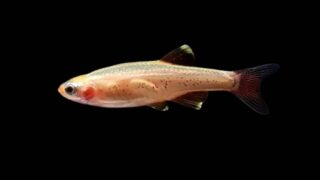
アピストグラマ・パウルムエルレリは、ペルー北東部ロレト県のアマゾン川水系にある小さな森林河川から記載された小型シクリッドです。日本では正式記載以前から「ペルーレガニ」や「アパッチ」などの名で流通してきました。尾ビレ基部をほぼ縦断する大きな黒斑、腹部の4本のストライプ、丸みのある尾ビレ、低い背ビレが識別の手掛かりで、成熟オスでは頬や鰓蓋に赤色と明るい青からターコイズ色の模様が現れます。さらに、威嚇や求愛、育児などの状態に応じて黒い帯模様や地色が大きく変化します。原記載では飼育自体は比較的容易とされる一方、有機的な水の汚れには敏感と報告されています。極端な水質値の再現だけにこだわらず、清浄で安定した水と、砂、流木や根、隠れ場所のある環境を整えることが重要です。 Apistogramma paulmuelleri is a small cichlid described from a small forest stream in the Amazon River system of Loreto, northeastern Peru. In the Japanese aquarium trade it was known under names such as “Peru-regani” and “Apache” before its formal description. A large black band-like spot at the base of the caudal fin, four abdominal stripes, a rounded caudal fin, and a low dorsal fin are useful identification features, while mature males develop bright red and light blue to turquoise markings on the cheeks and gill covers. Its dark pattern and ground color can also change markedly during aggression, courtship, and brood care. The original description regarded the species as comparatively easy to maintain in captivity but noted sensitivity to organic pollution. Rather than chasing extreme water values, the priority should be clean, stable water together with sand, wood or roots, and adequate shelter.
基本情報 / Basic Information
| 学名 / Scientific Name | Apistogramma paulmuelleri Römer, Beninde, Duponchelle, Dávila, Díaz & Renno, 2013 |
|---|---|
| 通称 / Common Name | ペルーレガニ、マスケン(Masken)、アパッチなど。これらは正式記載以前から使われた流通名・仮称です。「アパッチ」は本種以外の個体群にも使われた例があるため、販売名だけで本種と断定することはできません。Peru-regani, Masken, Apache, and related trade names. These names were used before the formal description. “Apache” has also been applied to other Apistogramma populations, so the trade name alone is not sufficient for identification. |
| 分類 / Family | シクリッド目 Cichliformes、シクリッド科 Cichlidae、ゲオファーグス亜科 Geophaginae、アピストグラマ属 Apistogramma。2013年の原記載ではスズキ目 Perciformes として記載されましたが、現在のFishBaseでは Cichliformes に置かれています。原記載ではエウノータス・コンプレックス内、レガニ・リネージの一員と考えられています。Order Cichliformes, family Cichlidae, subfamily Geophaginae, genus Apistogramma. The 2013 original description used Perciformes, whereas FishBase currently places the species in Cichliformes. The original description regarded it as a member of the A. eunotus complex within the A. regani lineage. |
| 英名 / English Name | Masken Apistogramma / Masked Apistogramma (aquarium-trade names; no standardized English common name confirmed) |
| 分布 / Distribution | 南米ペルー、ロレト県。2013年の原記載は、イキトスから約80km南、イキトス―ナウタ道路付近にあるアマゾン川の無名支流の小さな森林河川を模式産地とします。原記載時に確認された地点は互いに近い限られた範囲で、FishBaseでもロレト県の小河川からのみ知られる種として扱われています。Loreto, Peru, South America. The 2013 description is based on a small forest stream in the catchment of a nameless tributary of the Amazon River, about 80 km south of Iquitos near the Iquitos–Nauta road. The confirmed localities in the original study were close to one another, and FishBase continues to list the species as known only from a small river in Loreto. |
| 最大体長 / Max Size | 原記載の28標本では最大標準体長41.3mm、最大全長56.6mmでした。飼育下ではこれを上回る例があり、近年の観賞魚資料では成熟オス全長約8cm、メス約5cmが目安とされています。Among the 28 type specimens, the maximum standard length was 41.3 mm and the maximum total length was 56.6 mm. Captive fish can grow larger; recent aquarium references give about 8 cm total length for mature males and about 5 cm for females. |
| 寿命 / Lifespan | 本種固有の寿命を示す信頼できる資料は確認されていません。飼育年数は個体や環境によって変わるため、具体的な年数は示せません。Reliable species-specific lifespan data could not be confirmed. Longevity varies with the individual and husbandry conditions, so a specific number of years cannot be stated with confidence. |
飼育環境 / Aquarium Environment
| 水槽サイズ / Tank Size | ペアの単独飼育では45cm規格水槽(45×30×30cmなら約40L)以上を目安にします。原記載では成熟オスが広い縄張りを防衛し、育児中のメスも周囲の魚を追い払う行動が記録されているため、繁殖を考える場合は水量だけでなく底面積と逃げ場を重視します。30cmキューブなどの小型水槽で管理する場合は、雌雄をすぐ分けられる予備水槽や仕切りを用意しておく方が安全です。For a pair kept on their own, a standard 45 cm aquarium (about 40 L at 45 × 30 × 30 cm) or larger is a practical target. The original description reports large territories defended by adult males and brood-defense by females, so floor area and escape routes matter as much as water volume when breeding. If a smaller aquarium such as a 30 cm cube is used, a spare tank or divider should be ready in case the pair must be separated. |
|---|---|
| 水温 / Temperature | 飼育では22〜26℃程度を基本に、急変させず安定させるのが扱いやすいです。原記載の採集地点では25.2〜30.2℃が測定されていますが、これは現地での観測値であり、水槽で30℃近くを常用すべきことを意味しません。高温の長期化と急な温度変化を避けます。 A stable range of roughly 22–26°C is practical for routine aquarium care. The original collecting sites measured 25.2–30.2°C, but these are field observations and do not mean that an aquarium should be kept near 30°C continuously. Avoid prolonged high temperatures and sudden changes. |
| 水質 / Water Quality | 弱酸性の軟水を基本にし、通常飼育ではpH5〜7程度を目安とします。原記載の採集地点ではpH4.5〜5.6、導電率6〜149µS/cmという酸性で低ミネラルの水が記録されています。飼育下ではより広い範囲に適応する報告があり、繁殖例ではpH5.5〜6.0の軟水が使われています。つまり、野外の最低pHを無理に再現するより、水質を急変させず清浄に保つことが重要です。水道水を使う場合は地域差があるため、pHと硬度を確認してください。Soft, acidic water is a sensible starting point, with about pH 5–7 practical for routine care. At the original collecting sites, pH 4.5–5.6 and conductivity of 6–149 µS/cm were recorded, showing acidic, low-mineral water. Captive fish are reported to adapt to a wider range, and successful breeding has been reported around pH 5.5–6.0 in soft water. In practice, stable and clean water is more important than forcing the aquarium down to the lowest wild pH. If tap water is used, check local pH and hardness because they vary by region. |
| レイアウト / Layout | 底床には角のない細かな砂を用い、流木や根、落ち葉、シェルターなどで複数の隠れ場所と視線を遮る場所を作ります。原記載の生息地では底部の密なカバーや細かなヤシの根が重要な構造になっており、育児中のメスも洞窟状になった根の周辺を縄張りの中心にしていました。水草を密植すること自体が必須というより、底層に落ち着ける構造を作ることが重要です。繁殖水槽では稚魚を吸い込みにくいスポンジフィルターなどが扱いやすいでしょう。Use smooth fine sand and create several shelters and broken lines of sight with driftwood, roots, leaf litter, and small caves. In the original habitat, dense bottom cover and fine palm roots formed important structure, and a brooding female used a cave-like area among the roots as the center of her territory. Dense aquatic planting is therefore less important than providing secure structure near the bottom. For breeding tanks, a sponge filter is convenient because it reduces the risk of drawing in fry. |
| 注意点 / Precautions | 最も重視したいのは水の清浄さと繁殖期の縄張り関係です。原記載では飼育自体は比較的容易だった一方、有機的な水の汚れに敏感で、硝酸塩やリン酸塩が急速に増えた際に予期しない死亡が起きたと報告されています。十分に成熟した濾過を使い、過剰給餌を避け、定期的な換水で水質を安定させてください。また、産卵・育児期には雌雄や同居魚への追い払いが強くなることがあるため、必要に応じて隔離できる準備をしておきます。The two main concerns are clean water and territorial behavior during reproduction. The original description found the species comparatively easy to keep, but sensitive to organic pollution; rapid increases in nitrate or phosphate were associated with unexpected losses in the laboratory. Use mature filtration, avoid overfeeding, and maintain stable water through regular water changes. During spawning and brood care, be prepared to separate fish if territorial chasing becomes excessive. |
餌と給餌 / Feeding
| 餌の種類 / Diet | 本種の野外での食性を直接調べた詳しいデータは確認できません。飼育下では適口サイズの一般的な観賞魚用飼料を食べるとされ、冷凍アカムシ、ブラインシュリンプ、ミジンコなどの動物質飼料も利用できます。単一の餌だけに偏らせず、個体が確実に食べるものを組み合わせます。Detailed species-specific data on the natural diet could not be confirmed. In captivity the fish is reported to accept standard ornamental-fish foods of suitable size, and animal-based foods such as frozen bloodworms, brine shrimp, and daphnia can also be used. Offer a varied diet rather than relying on a single food. |
|---|---|
| 給餌のポイント / Feeding Tips | 1日1〜2回、食べ残しが出ない量を基本にします。本種は水の有機的な汚れに敏感と報告されているため、量を増やすよりも、少量を確実に食べさせることを優先します。繁殖前の親魚には冷凍餌や生き餌も組み合わせ、稚魚が自由遊泳を始めたら孵化直後のブラインシュリンプを少量ずつ与えると管理しやすいです。Feed once or twice daily in amounts that leave little or no waste. Because the species has been reported to be sensitive to organic pollution, it is safer to feed small portions that are eaten completely rather than heavy meals. Frozen or live foods can be used to condition adults, and newly hatched brine shrimp are convenient once fry become free-swimming. |
性格と混泳 / Temperament and Tank Mates
| 性格 / Temperament | 通常時は比較的落ち着いて管理できますが、縄張り意識は明確です。原記載では成熟オスが大きな縄張りを防衛し、その中には通常1匹の成熟メスだけを受け入れるとされています。野外では育児中のメスが同種個体や他種シクリッドを追い払う行動も観察されました。飼育下では全体として一夫一妻的な行動が多い一方、一夫多妻も少数例で確認されています。The species can be relatively calm in routine care but is clearly territorial. The original description reports adult males defending large territories and usually accepting only one mature female within them. In the wild, brooding females were also observed driving away conspecifics and other cichlids. Captive behavior is generally monogamous, although occasional polygamy has been observed. |
|---|---|
| 混泳の相性 / Compatibility | 十分な広さと隠れ場所があれば、繁殖期以外は適切な小型魚との混泳も可能です。ただし、底層で縄張りを競うシクリッド類を狭い水槽に複数入れると衝突しやすくなります。繁殖を優先する場合はペア単独飼育が最も管理しやすく、産卵後は普段問題のない同居魚も追い払いの対象になることがあります。魚同士の距離と行動を見ながら、必要なら分けてください。With adequate space and shelter, the species can be kept with suitable small fishes outside the breeding period. However, several territorial bottom-dwelling cichlids in a confined aquarium are more likely to conflict. A dedicated pair setup is easiest when breeding is the priority, and after spawning even normally tolerated tank mates may be chased. Watch spacing and behavior and separate fish when necessary. |
病気と対策 / Diseases and Prevention
| かかりやすい病気 / Common Diseases | 本種に特有の好発疾病を示す信頼できる資料は確認できません。種として明確に報告されている飼育上の弱点は、病名そのものより、有機的な水の汚れや水質変化に対する敏感さです。食欲、呼吸、体色、ヒレの状態に変化がないか日常的に観察してください。Reliable evidence for diseases uniquely common to this species could not be confirmed. The clearest species-specific husbandry concern reported in the literature is sensitivity to organic pollution and changing water chemistry rather than a particular named disease. Monitor appetite, respiration, coloration, and fin condition routinely. |
|---|---|
| 対策と予防 / Prevention | 十分に成熟した濾過を使い、過密と過剰給餌を避け、水温と水質を急変させないことが基本です。新しく導入する魚は可能なら別水槽で状態を観察し、異常が出た場合は症状を確認してから原因に合った治療を選びます。病気を決めつけて薬剤を先に入れるのではなく、まず水質と飼育環境を確認することが大切です。Use mature filtration, avoid overcrowding and overfeeding, and prevent sudden changes in temperature or water chemistry. When possible, observe newly introduced fish separately. If symptoms appear, identify the likely cause before selecting treatment. Check water quality and husbandry conditions first rather than assuming a particular disease and medicating immediately. |
増やし方(繁殖) / Breeding
| 雌雄の判別 / Sexing | 成熟オスはメスよりおおむね大型で、原記載では成魚オスが通常約20%大きいとされています。オスは頬や鰓蓋の鮮やかな赤色と明るい青色の模様が目立ちます。背ビレにはカカトゥオイデスのような顕著な伸長はなく、尾ビレも基本は丸型です。メスは小型で、育児時には黄色みを強め、黒い模様が際立ちます。若魚では色彩差が弱いため、早い段階での判定は難しいことがあります。Mature males are generally larger; the original description states that adult males are usually about 20% larger than females. Males show conspicuous bright red and light blue markings on the cheeks and gill covers. The dorsal fin lacks the dramatic extensions seen in species such as A. cacatuoides, and the caudal fin is basically rounded. Females are smaller and become more yellow with stronger black markings during brood care. Juveniles can be difficult to sex before these differences develop. |
|---|---|
| 繁殖形態 / Reproduction | メスが中心となって子を守る保護型です。野外では、細かなヤシの根が作る洞窟状の構造を中心に、メスが小さな稚魚を保護する様子が観察されています。飼育下での繁殖実績もあり、全体として一夫一妻的な行動が多いものの、一夫多妻も少数例で確認されています。産卵場所そのものについては、原記載に詳しい記録がありません。This is a guarding species in which the female takes the leading role in brood care. In the wild, a female was observed caring for small fry around a cave-like structure formed by fine palm roots. The species has also been bred repeatedly in captivity and usually shows broadly monogamous behavior, although occasional polygamy has been observed. The original description does not provide detailed observations of the actual egg-laying site. |
| 繁殖のポイント / Breeding Tips | 細かな砂、流木や根、複数の隠れ場所を用意し、軟水で水質を安定させます。飼育下の繁殖例ではpH5.5〜6.0前後の軟水が使われています。親魚の状態を良質な餌で整え、育児中のメスがオスを強く追う場合は隔離します。稚魚が自由遊泳を始めたら孵化直後のブラインシュリンプを少量ずつ与え、水質を急変させないよう小まめに管理します。Provide fine sand, wood or roots, and several secure shelters, and keep the water soft and stable. Successful captive breeding has been reported at around pH 5.5–6.0 in soft water. Condition the adults with good-quality food, and separate the male if a brooding female persistently drives him away. Once fry become free-swimming, offer small portions of newly hatched brine shrimp and maintain water quality without abrupt changes. |
雑学と豆知識 / Trivia and Fun Facts
| 1. 観賞魚として知られてから約30年後に正式記載 / 1. Formally Described About 30 Years After Entering the Hobby | 本種の写真は1980年代初頭には観賞魚の世界で紹介され、その後「Rotwangen」「Masken」「Apache」など複数の仮称で扱われました。2010〜2011年の現地調査では、イキトス南方の森林河川から比較研究に使える標本と生息地データが集められ、2013年にApistogramma paulmuelleriとして正式記載されました。観賞魚としての認知が学術的な命名より先行した例であり、流通名と正式な分類名が必ずしも同時に整うわけではないことをよく示しています。Photographs of this fish appeared in the aquarium hobby in the early 1980s, and it was subsequently circulated under provisional names including “Rotwangen,” “Masken,” and “Apache.” Field work in 2010–2011 obtained specimens and habitat data suitable for comparative study from forest streams south of Iquitos, allowing the species to be formally described as Apistogramma paulmuelleri in 2013. Its history is a clear example of aquarium recognition preceding formal taxonomic naming. |
|---|---|
| 2. 「paulmuelleri」は生物地理学者への献名 / 2. The Name paulmuelleri Honors a Biogeographer | 種小名paulmuelleriは、生物地理学者パウル・ミュラー(Paul Müller, 1940–2010)に献名されたものです。ミュラーは新熱帯区の生物地理やシクリッドの起源を考えるうえで重要な研究を残しました。この学名は魚の色や形を表した言葉ではなく、南米の生物がどこに分布し、どのように多様化してきたのかを研究した人物の名を残しています。The specific name paulmuelleri honors the biogeographer Paul Müller (1940–2010), whose work contributed to understanding Neotropical biogeography and the origins of cichlids. The name does not describe the fish’s color or shape; instead, it preserves the name of a researcher who studied how South American organisms are distributed and diversified. |
| 3. 仮称が多く、「アパッチ」だけでは同定できない / 3. Many Provisional Names, and “Apache” Is Not Diagnostic | 正式記載以前の本種には、「ペルーレガニ」「マスケン」「アパッチ」など複数の流通名が使われてきました。ただし、原記載では「アパッチ」として別の採集地から流通した個体の中に、本種ではない別種が含まれていたことも指摘されています。そのため、古い販売名だけで判断せず、尾ビレ基部の大きな帯状黒斑、腹部の4本のストライプ、背ビレや尾ビレの形など、複数の特徴を組み合わせて見る必要があります。Before the formal description, this fish circulated under several names, including “Peru-regani,” “Masken,” and “Apache.” The original description also noted that specimens sold as “Apache” from other localities included fishes assignable to different species. Historical trade names therefore cannot identify the species by themselves; the broad caudal-base spot, four abdominal stripes, and fin shape need to be considered together. |
| 4. 威嚇や求愛で見える「バンドパターンの反転」 / 4. Band-Pattern Reversal During Aggression and Courtship | 原記載で本種の特徴として挙げられた「バンドパターンの反転」は、単に色が濃くなる現象ではありません。威嚇や求愛の場面では通常の縦バーが目立たなくなり、その間に位置する体側の黒斑が強く見えるため、模様の配置そのものが入れ替わったような印象になります。メスも育児に入ると黄色みを増し、黒い模様とのコントラストが強くなります。つまり、本種の体色は固定された装飾ではなく、社会的な状態を映す視覚信号として大きく変化します。The “reversal of the band pattern” described for this species is more than a simple darkening of color. During aggression and courtship, the usual vertical bars can fade while dark lateral spots between them become more conspicuous, creating the impression that the arrangement of the pattern has reversed. Females also become more yellow with stronger black contrast during brood care. In other words, the color pattern is a dynamic visual signal linked to social state rather than a fixed ornament. |
| 5. 日本の愛好家文化に残る「魚肉」という愛称 / 5. The Japanese Hobby Nickname “Gyoniku” | 日本の一部のアピストグラマ愛好家の間では、本種を「魚肉」と呼ぶ例があります。これは標準和名でも学術用語でもなく、愛好家文化の中で使われる呼び方です。とくに、顔から腹部にかけて現れる強い原色とは少し異なる、淡い朱色や柔らかな赤みを語るときに使われています。生物学的な形質名として扱うのではなく、日本の鑑賞文化から生まれた愛称として理解するのが適切です。Among some Japanese Apistogramma hobbyists, the fish has been nicknamed “gyoniku.” This is neither an official Japanese name nor a scientific term, but a piece of hobby culture. It is used particularly when discussing the soft, pale vermilion or reddish wash that can appear from the face toward the abdomen. It is best understood as an aquarium-hobby nickname rather than a biological trait name. |
| 6. 「腹赤」は愛好家が注目する色彩表現 / 6. “Red Belly” as a Hobbyist Color Expression | ワイルド個体の中には、顔だけでなく腹部まで広く赤みを帯びる個体が見られ、日本の一部愛好家はこれを「腹赤」と呼んでいます。こうした個体を選んで累代繁殖を試みる楽しみもありますが、本種の腹部の赤みについて、遺伝性の強さや餌・環境の影響を切り分けた十分な研究は確認されていません。親子や世代ごとの発色を比べることは興味深い観察になりますが、固定された遺伝形質として断定しないことが大切です。Some wild individuals show red coloration extending well beyond the face and onto the abdomen, a hobbyist expression sometimes called “red belly” in Japan. Selective breeding of such fish can be interesting, but adequate research separating inheritance from dietary and environmental effects has not been confirmed for this species. Comparing coloration across parents and generations is worthwhile observation, but the trait should not be presented as a genetically fixed characteristic without evidence. |
| 7. 限られた生息地とデータ不足という評価 / 7. Restricted Known Habitat and a Data Deficient Assessment | 原記載では、本種が確認された森林河川の一部で伐採による環境改変が進み、水温条件にも影響が出ている可能性が指摘されました。一方で、野外の個体群や生態に関する情報そのものが少なく、FishBaseに掲載されているIUCN情報では2014年評価で「データ不足(DD)」とされています。これは安全が確認されたという意味ではなく、絶滅リスクを判断できるだけの情報が足りないという位置づけです。限られた生息地が知られている魚だからこそ、断定的に危機を語るのではなく、分かっている範囲と分かっていない範囲を分けて捉える必要があります。The original description reported habitat alteration from clearing at some known localities and suggested that the resulting temperature regime may have been disturbed. At the same time, field information on the species remains limited. The IUCN information listed by FishBase records a 2014 assessment of Data Deficient (DD). This does not mean the species is known to be secure; it means that available information is insufficient for a confident extinction-risk assessment. Because the known habitat is restricted, it is important to distinguish documented concerns from what is still unknown. |
まとめ / Conclusion
アピストグラマ・パウルムエルレリは、尾ビレ基部の大きな黒斑、腹部の4本のストライプ、成熟オスの赤と青の顔模様、そして社会状態に応じて変わる体色が印象的な小型シクリッドです。飼育下では比較的順応しやすい一方、汚れた水には敏感です。軟水寄りの安定した水、細かな砂、流木や根、十分な隠れ場所を整えることで、威嚇や求愛、育児まで本種らしい行動を落ち着いて観察できます。 Apistogramma paulmuelleri is a small cichlid distinguished by its large caudal-base spot, four abdominal stripes, red and blue facial markings in mature males, and dramatic color changes linked to social state. It is comparatively adaptable in captivity but sensitive to dirty water. Stable soft water, fine sand, wood or roots, and adequate shelter provide the conditions in which its territorial, courtship, and brood-care behavior can be observed naturally.
長く仮称で親しまれたのち2013年に正式記載された経緯も、この魚の特徴の一つです。数値だけを追って原産地を過度に再現するより、清浄な水を保ち、繁殖期の縄張り関係をよく観察することが長期飼育の基本になります。丈夫さと繊細さの両方を持ち、飼うほどに色彩と行動の変化を楽しめるアピストグラマです。 Its history is also distinctive: after many years under provisional aquarium names, the species was formally described in 2013. Long-term care depends less on chasing extreme habitat numbers than on keeping the water clean and watching territorial relationships closely during breeding. It combines adaptability with sensitivity and continues to reward careful observation through changing color and behavior.

気になる道具や飼い方を見つけてみませんか?
 アイのアクアグッズ案内水草トリミングの道具とやり方|ハサミ・ピンセットを水草に合わせて選ぼう伸びすぎた水草は切っていい? 有茎草の差し戻し、前景草の絨毯、流木のモスを整える場面から、水草用ハサミ・ピンセット・ゴミ取りネットの選び方と片付けを紹介します。記事はコチラ →
 アイのアクアグッズ案内水槽用ヒーターの選び方|固定式・温度調節式と、水量に合うW数の考え方水槽の魚は冬に寒くない? アイとコタロウが水温計から固定式・温度調節式・分離式ヒーターまで比較。水量と室温に合うW数、設置場所、水換えや交換の注意点を、国内メーカーの商品とともに紹介します。記事はコチラ →
 アイのアクアグッズ案内水槽のコケ掃除|道具の選び方とお掃除生体の得意・不得意道具の特徴や使い方、選ぶときのポイントをアイが紹介します。記事はコチラ →
 アイのアクアグッズ案内水槽の流木の選び方|枝・マングローブ・アク抜きとおすすめ商品水槽に小さな森を作る流木。枝流木やマングローブという名前の違いから、魚の隠れ家、水草の取り付け、浮く・水が茶色くなるときの準備まで、アイとコタロウが商品とともに案内します。記事はコチラ →
さまざまな飼育テーマをご紹介。リンク先の記事には広告・商品紹介が含まれます。
案内・紹介記事一覧へ →分布マップ
Apistogramma paulmuelleri は、南米ペルー北東部のロレト県に分布し、イキトスから約80km南のイキトス―ナウタ道路周辺にあるアマゾン川水系の小さな森林河川から知られています。確認されている分布は比較的限られた範囲です。
※この地図は記事の分布情報をもとにした概略表示です。表示範囲は本種の厳密な分布境界を示すものではありません。マーカーは分布地域を把握しやすくするために設定した代表地点であり、実際の採集地点を示すものではありません。
参考文献
-
Römer, U., Beninde, J., Duponchelle, F., García Dávila, C. R., Vela Díaz, A. & Renno, J.-F. (2013). “Description of Apistogramma paulmuelleri sp. n., a new geophagine cichlid species (Teleostei: Perciformes) from the Amazon river basin in Loreto, Peru.” Vertebrate Zoology, 63(1), 15–34. DOI: 10.3897/vz.63.e31410.参照範囲:原記載、識別形質、模式産地と分布、生息地の構造、現地水温・pH・導電率、縄張り行動、育児、飼育下での繁殖観察、水質悪化への感受性。Vertebrate Zoology
-
Froese, R. & Pauly, D. (eds.). FishBase. “Apistogramma paulmuelleri Römer, Beninde, Duponchelle, Dávila, Díaz & Renno, 2013.”参照範囲:現在受容されている学名と分類、ペルー・アマゾン川流域での分布、標本に基づく最大標準体長、野外で確認された育児個体、IUCN評価情報への照合。FishBase
-
Meza-Vargas, V., Faustino-Fuster, D. R., Chuctaya, J., Hidalgo, M. & Ortega Torres, H. (2021). “Checklist of freshwater fishes from Loreto, Peru.” Revista Peruana de Biología, 28(especial). DOI: 10.15381/rpb.v28iespecial.21911.参照範囲:ロレト県における本種の記録、地域魚類相の中での分類学的位置づけ、科学コレクションと文献記録に基づく分布確認。SciELO / Revista Peruana de Biología
-
Merck Veterinary Manual. “Management of Aquarium Fish.”参照範囲:成熟した生物濾過の必要性、新規導入魚の隔離と観察、アンモニア・亜硝酸の管理、過剰給餌を避けること、水質確認を病気対策の基本とする一般的な観賞魚管理。Merck Veterinary Manual
-
Francis-Floyd, R., Yanong, R. P. E. & Petty, B. D. “Environmental Diseases of Aquatic Animals in Aquatic Systems.” Merck Veterinary Manual.参照範囲:水質悪化を原因とする魚類の健康障害、アンモニア・亜硝酸など窒素化合物の影響、pHと水温による毒性変化、生物濾過と換水を含む予防管理。Merck Veterinary Manual




コメント