

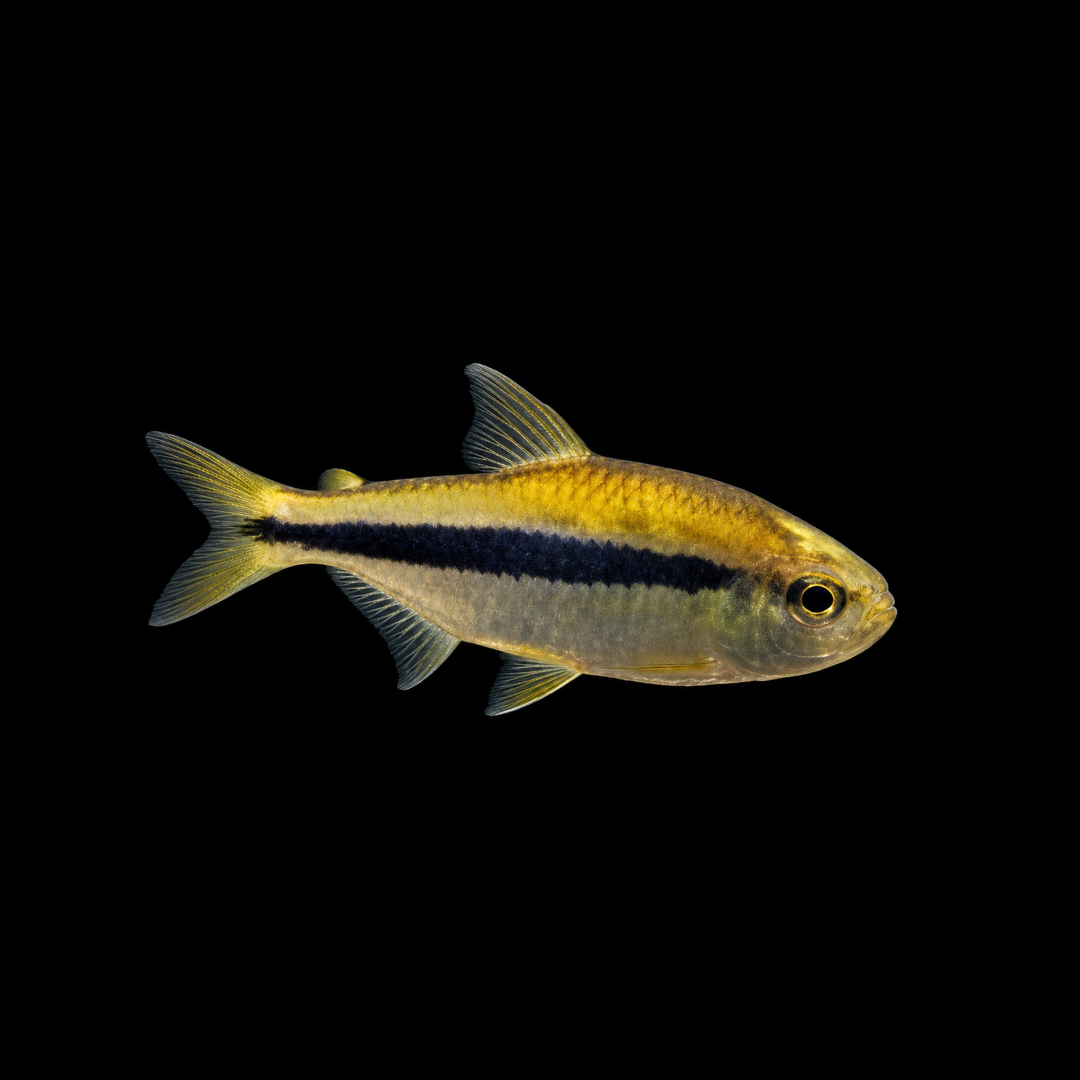
解説 / Description
レモンラピステトラは、ラピステトラに近い仲間として国内で流通することがある、黄色味の強い小型の南米産カラシンです。目の後方から尾ビレに向かって走る太い黒い縦帯、背中から体側にかけてのレモンイエロー、光の角度で淡く青みを帯びる反射が合わさり、小さな水槽の中でもよく目を引きます。流通名には「レモン」と付きますが、一般的なレモンテトラとは別の魚として扱います。 The Lemon Lapis Tetra is a yellow-toned small South American characiform occasionally seen in the aquarium trade as a close relative or form of the Lapis Tetra. Its bold black longitudinal stripe, lemon-yellow coloration over the back and flanks, and subtle bluish reflections give it a striking presence even in a modest aquarium. Although “lemon” appears in its trade name, it should not be confused with the common Lemon Tetra.
本種は、学術的にはHyphessobrycon cyanotaeniaに近い未確定の型として扱われることが多く、正確な同定や産地情報には慎重さが必要です。その一方で、弱酸性の軟水、落ち着いた照明、群れでの飼育に応えるように発色が深まり、長く飼い込むほど魅力が増していくタイプの魚でもあります。 Scientifically, this fish is usually treated cautiously as a form close to Hyphessobrycon cyanotaenia, and precise identification or locality information should be handled with care. In aquariums, however, it rewards stable soft acidic water, subdued lighting, and group maintenance with deeper color and a calmer, more natural appearance over time.
基本情報 / Basic Information
| 学名 / Scientific Name | Hyphessobrycon cf. cyanotaenia Hyphessobrycon cyanotaeniaに近い個体群または流通型として扱われます。「cf.」は、似ているが同一種と断定しない比較同定の表記です。Treated as a population or trade form close to Hyphessobrycon cyanotaenia. The abbreviation “cf.” indicates a cautious comparative identification rather than a definitive species-level identification. |
|---|---|
| 通称 / Common Name | レモンラピステトラ、ゴールドラピステトラ、イエローラピステトラLemon Lapis Tetra, Gold Lapis Tetra, Yellow Lapis Tetra |
| 分類 / Family | カラシン目、アケストロラムフス科 Acestrorhamphidae、Hyphessobryconinae 亜科。古い文献や流通表記では、広義のカラシン科 Characidae として紹介されることもあります。Order Characiformes, family Acestrorhamphidae, subfamily Hyphessobryconinae. Older literature and aquarium trade references may still list it under the broad traditional Characidae. |
| 英名 / English Name | Lemon Lapis Tetra / Gold Lapis Tetra / Lapis Tetra form |
| 分布 / Distribution | 基準となるHyphessobrycon cyanotaeniaは、ブラジル・マットグロッソ州のタパジョス川水系上流部、特にジュルエナ川上流域や、マデイラ川水系に含まれるグアポレ川流域との関係が知られています。レモンラピスとして流通する黄色味の強い個体については、入荷ごとに産地名や同定精度が異なる可能性があるため、詳細産地は販売時の情報を確認します。The reference species Hyphessobrycon cyanotaenia is associated with Mato Grosso, Brazil, including the upper Rio Juruena in the upper Tapajós basin and the Rio Guaporé in the Madeira basin. Yellow trade forms sold as Lemon Lapis may vary in locality information and identification precision, so the collection data provided at the time of sale should be checked. |
| 最大体長 / Max Size | およそ3〜4cm。状態よく育った個体では4cm台に見えることもありますが、基本的には小型種として扱います。Approximately 3–4 cm. Well-conditioned individuals may appear slightly larger, but this is essentially a small tetra-like species. |
| 寿命 / Lifespan | 目安は3〜5年程度です。安定した水質、過密を避けた群れ飼育、急な水温変化を避ける管理が長期維持につながります。Around 3–5 years. Stable water quality, appropriate group size, and avoidance of abrupt temperature changes support long-term maintenance. |
飼育環境 / Aquarium Environment
| 水槽サイズ / Tank Size | 群れで落ち着く魚のため、10匹前後を目安に60cm規格水槽以上での飼育が扱いやすいです。少数を45cm規格水槽で飼うこともできますが、発色や行動をじっくり楽しむなら遊泳スペースと隠れ場所に余裕を持たせます。As a shoaling fish, it is easiest to keep around ten individuals in a standard 60 cm aquarium or larger. A small group can be kept in a standard 45 cm tank, but extra swimming space and cover help bring out better color and more natural behavior. |
|---|---|
| 水温 / Temperature | 24〜26℃を中心に管理します。短期的には23〜28℃程度まで対応できますが、28℃前後の高水温が長く続く環境や、急な温度変化は避けます。 Maintain mainly around 24–26°C. The fish can tolerate roughly 23–28°C for limited periods, but prolonged high temperatures around 28°C and sudden temperature swings should be avoided. |
| 水質 / Water Quality | 弱酸性から中性寄りの軟水が適しています。目安はpH5.5〜6.8、GH1〜6程度です。現地環境はさらに酸性に傾く場合がありますが、飼育下では数値を急に動かさず、安定を優先します。アンモニアと亜硝酸は0を維持し、硝酸塩も低めに保ちます。Soft water from acidic to near-neutral is suitable. A practical target is pH 5.5–6.8 and GH 1–6. Natural habitats may be more acidic, but in aquariums stability is more important than chasing extreme values. Keep ammonia and nitrite at zero and nitrate as low as practical. |
| レイアウト / Layout | 流木、落ち葉、細かい葉を持つ水草、浮草を組み合わせた、やや薄暗いレイアウトが向いています。マジックリーフ、ヤシャブシの実、ピートなどでタンニンを穏やかに加えると、黒帯と黄色のコントラストが引き締まりやすくなります。A slightly dim layout with driftwood, leaf litter, fine-leaved plants, and floating plants is ideal. Indian almond leaves, alder cones, or peat can gently add tannins, helping the black stripe and yellow body color appear more defined. |
| 注意点 / Precautions | 水質変化に強い魚として扱うより、導入初期はデリケートな珍カラとして慎重に管理します。点滴法などでゆっくり水合わせを行い、入荷直後は隔離水槽で観察すると安心です。過度なブラックウォーター化や急激なpH下降は、慣れていない個体には負担になるため避けます。It is best treated as a delicate rare tetra during introduction rather than as a hardy community fish. Slow acclimation, such as drip acclimation, and quarantine observation are recommended. Excessive blackwater treatment or abrupt pH drops can stress unacclimated fish and should be avoided. |
餌と給餌 / Feeding
| 餌の種類 / Diet | 高品質な細粒の人工飼料、フレーク、マイクロペレットを主食にできます。副食として冷凍ブラインシュリンプ、冷凍ミジンコ、冷凍アカムシなどを少量ずつ与えると、痩せの防止や発色維持に役立ちます。High-quality fine granules, flakes, and micro pellets can be used as staple foods. Small portions of frozen brine shrimp, frozen daphnia, or frozen bloodworms help prevent emaciation and support coloration. |
|---|---|
| 給餌のポイント / Feeding Tips | 一度に多く与えず、1〜2分で食べ切れる量を少量ずつ与えます。ワイルド個体や入荷直後の個体は人工飼料への反応が弱いこともあるため、冷凍餌をきっかけにして徐々に人工飼料へ慣らします。残餌は水質悪化に直結するため、食べ残しは早めに取り除きます。Feed small portions that can be eaten within 1–2 minutes. Wild-caught or newly imported specimens may initially ignore prepared foods, so frozen foods can be used to encourage feeding before gradually transitioning to dry foods. Remove uneaten food promptly to prevent water deterioration. |
性格と混泳 / Temperament and Tank Mates
| 性格 / Temperament | 基本的には温和で、群れを作って中層を泳ぎます。成熟したオス同士がヒレを広げて見せ合うことはありますが、十分な匹数と隠れ場所があれば深刻な争いにはなりにくいです。Generally peaceful and shoaling, swimming mainly in the middle layer. Mature males may display to one another, but serious conflict is unlikely when the group is large enough and sufficient cover is provided. |
|---|---|
| 混泳の相性 / Compatibility | 同じように弱酸性軟水を好む小型魚と相性がよく、ネオンテトラ、グリーンネオンテトラ、小型コリドラス、オトシンクルス、小型アピストグラマなどが候補になります。大型魚、気性の荒い魚、素早く餌を独占する魚、口に入るサイズ差のある魚との混泳は避けます。Compatible with small fish that prefer similar soft acidic water, such as Neon Tetras, Green Neon Tetras, small Corydoras, Otocinclus, and small Apistogramma species. Avoid large, aggressive, overly competitive, or predatory tank mates. |
病気と対策 / Diseases and Prevention
| かかりやすい病気 / Common Diseases | 本種だけに特有の病気がよく知られているわけではありませんが、導入直後や水質が不安定な環境では、白点病、尾ぐされ、肌荒れ、痩せ、細菌性の感染症に注意します。ワイルド個体では輸送ストレスが残っている場合もあります。No disease is known to be unique to this fish, but newly introduced or stressed individuals may be prone to ich, fin rot, skin irritation, emaciation, and bacterial infections. Wild-caught specimens may retain transport stress after arrival. |
|---|---|
| 対策と予防 / Prevention | 予防の基本は、立ち上がったろ過、安定した水質、過密を避けた群れ飼育、導入時の隔離観察です。薬浴が必要な場合、小型カラシンは薬剤に敏感なことがあるため、用量を守り、エアレーションを強め、状態をこまめに確認します。Prevention depends on mature filtration, stable water quality, appropriate stocking density, and quarantine observation. If medication is necessary, small tetras can be sensitive to some treatments, so follow dosage instructions, increase aeration, and observe carefully. |
増やし方(繁殖) / Breeding
| 雌雄の判別 / Sexing | オスは発色が強く、体がやや締まり、尻ビレや背ビレの黒い縁取りが目立ちやすい傾向があります。メスは腹部に丸みが出やすく、抱卵時には上から見た体幅が広く見えます。ただし個体差があるため、複数匹を比較して判断します。Males tend to show stronger coloration, a slimmer body, and more visible dark edging on the anal or dorsal fins. Females are usually rounder in the abdomen and appear broader from above when carrying eggs. Individual variation is common, so compare several fish when sexing. |
|---|---|
| 繁殖形態 / Reproduction | 近縁の小型テトラ類と同じく、卵をばらまくタイプと考えられます。親魚は卵を保護せず、産卵後に卵を食べることがあるため、繁殖を狙う場合は親魚と卵を分ける工夫が必要です。Like related small tetras, it is considered an egg-scattering fish. The parents do not guard the eggs and may eat them after spawning, so eggs and adults should be separated when breeding is attempted. |
| 繁殖のポイント / Breeding Tips | 40〜60L程度の繁殖用水槽を用意し、軟水、弱酸性、やや暗い照明、ウィローモスや産卵モップを用意します。底にビー玉や粗めのネットを敷くと、卵が親魚の口から逃れやすくなります。産卵後は親魚を取り出し、稚魚が泳ぎ出したらインフゾリアから始め、成長に合わせてブラインシュリンプ幼生へ移行します。初期育成では、餌切れを防ぎながら水質を悪化させない管理が重要です。Prepare a 40–60 L breeding tank with soft, acidic water, subdued lighting, and fine spawning media such as Java moss or spawning mops. Marbles or coarse mesh on the bottom help eggs fall out of reach of the adults. Remove the parents after spawning. Once fry become free-swimming, start with infusoria and later move to newly hatched brine shrimp. The key challenge is providing constant tiny foods while keeping the water clean. |
雑学と豆知識 / Trivia and Fun Facts
| 1. 「cf.」に残された同定の余白 / 1. The Taxonomic Caution Behind “cf.” | Hyphessobrycon cf. cyanotaeniaの「cf.」は、H. cyanotaeniaに似ているが完全には断定しない、という意味を持ちます。南米の小河川では、見た目が近い個体群が水系ごとに少しずつ違うことが珍しくありません。流通名としては同じレモンラピステトラでも、産地やロットによって体色、体高、ヒレの色味に差が出る可能性があります。The “cf.” in Hyphessobrycon cf. cyanotaenia means that the fish resembles H. cyanotaenia but is not identified with complete certainty. In South American tributaries, similar-looking populations can differ subtly from one drainage to another. Even under the same trade name, different shipments may vary in coloration, body depth, and fin markings. |
|---|---|
| 2. レモンテトラとは別の魅力 / 2. Different from the Common Lemon Tetra | 古くから知られるレモンテトラ、Hyphessobrycon pulchripinnisとは、名前の印象が似ていても別の魚です。レモンテトラは透明感のある黄と黒い背ビレのアクセントが魅力ですが、レモンラピステトラは太い黒帯とラピス系の体色変化に個性があります。流通名の「レモン」は、分類上の近さというより、黄色味の強い見た目を表した呼び名と考えると分かりやすいです。This fish is different from the classic Lemon Tetra, Hyphessobrycon pulchripinnis, despite the similar impression created by the name. The common Lemon Tetra is known for translucent yellow tones and black dorsal-fin markings, while the Lemon Lapis Tetra is defined by a bold black stripe and Lapis-like color variation. Here, “lemon” is best understood as a visual trade description rather than a sign of close taxonomic relationship. |
| 3. 分子系統で変わる小型カラシンの見方 / 3. Molecular Phylogeny Changed the View of Small Tetras | 小型テトラ類は長く広い意味のカラシン科として親しまれてきましたが、近年の分子系統研究では、従来ひとまとめにされていたグループが複数の科へ再整理されています。Hyphessobryconの多くは、現在ではアケストロラムフス科の枠組みで扱われる方向にあります。飼育者にとっては「小型カラシン」という呼び名が今でも自然ですが、学術的な分類は少しずつ更新されているのです。Small tetras were long familiar as members of the broad Characidae, but recent molecular studies have reorganized this large assemblage into multiple families. Many Hyphessobrycon species are now treated within Acestrorhamphidae. For aquarists, “small tetra” remains a natural and practical name, while scientific classification continues to be refined. |
| 4. プラチナ個体の輝きは断定しすぎない / 4. Interpreting Platinum Sheen with Caution | 体表が金属的に輝く「プラチナ」や「ゴールド」の個体は、観賞価値の高いものとして扱われることがあります。ただし、本種でその原因が十分に検証されているわけではありません。近い話題として、ゴールデンテトラでは寄生虫への反応に伴うグアニン沈着が金属光沢に関係すると説明される例がありますが、それをそのまま本種へ当てはめることはできません。飼育下で輝きが薄れることもあるため、固定された改良品種ではなく、野生由来の体表状態や個体差として理解しておくとよいでしょう。Metallic “platinum” or “gold” individuals can be highly valued in the aquarium trade, but the exact cause in this fish has not been firmly demonstrated. In the better-known Gold Tetra, metallic sheen is often explained as guanine deposition associated with a reaction to parasites, but that mechanism cannot simply be assumed for this species. Because the shine may fade in captivity, it is safer to understand it as a wild-derived body-surface condition or individual variation rather than a fixed domestic strain. |
| 5. 体高と色は飼い込みで印象が変わる / 5. Body Depth and Color Develop with Conditioning | レモンラピステトラは、入荷直後の状態だけで判断しきれない魚です。落ち着いた水質、適度な群れ、流木や水草で区切られた環境に慣れると、黒帯が締まり、黄色味やヒレの色がはっきりしてきます。背中が盛り上がるように見える個体もいますが、その理由を筋肉発達や性差だけで説明するには情報が不足しています。水槽内で時間をかけて仕上がっていく姿こそ、この魚の楽しみ方のひとつです。This is not a fish that should be judged only by its appearance on arrival. Once settled in stable water, an appropriate group, and a layout divided by driftwood and plants, the black stripe sharpens and the yellow body and fin colors become clearer. Some individuals may appear high-backed, but there is not enough evidence to explain this solely by muscle development or sexual dimorphism. Watching the fish develop through patient care is one of its greatest pleasures. |
まとめ / Conclusion
レモンラピステトラは、明るい黄色と太い黒帯だけでなく、未確定の分類、産地ごとの違い、流通名に込められた観賞魚文化まで含めて味わいたい小型美魚です。派手さを急いで引き出すより、弱酸性の軟水、落ち着いた照明、ゆとりある群れを整え、日々の変化を静かに観察することで本来の魅力が見えてきます。 The Lemon Lapis Tetra is a small jewel-like fish to be appreciated not only for its bright yellow color and bold black stripe, but also for its uncertain taxonomy, local variation, and the aquarium culture reflected in its trade name. Rather than forcing instant color, its real appeal appears through soft acidic water, subdued lighting, a relaxed group, and careful daily observation.
水槽の中で群れがふっと向きをそろえ、黒帯が光を受けて締まり、黄色の体が流木の陰から浮かび上がる瞬間には、南米の小さな支流を切り取ったような奥行きがあります。知識を持って慎重に迎え、時間をかけて状態を育てるほど、この魚は飼育者に深い満足を返してくれる存在です。 When the group turns together, the black stripe catches the light, and the yellow body emerges from the shade of driftwood, the aquarium gains the depth of a small South American tributary. With informed, patient care, this fish rewards the keeper with a quiet but lasting sense of satisfaction.

気になる道具や飼い方を見つけてみませんか?
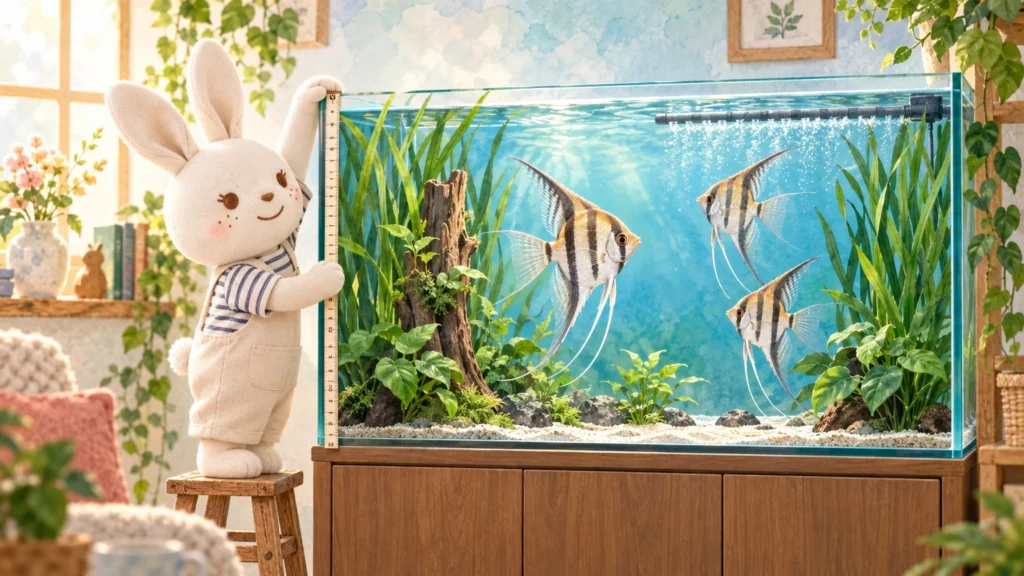 アイのアクアグッズ案内エンゼルフィッシュの飼育用品|高さのある水槽・ろ過・水草・餌の選び方道具の特徴や使い方、選ぶときのポイントをアイが紹介します。記事はコチラ →
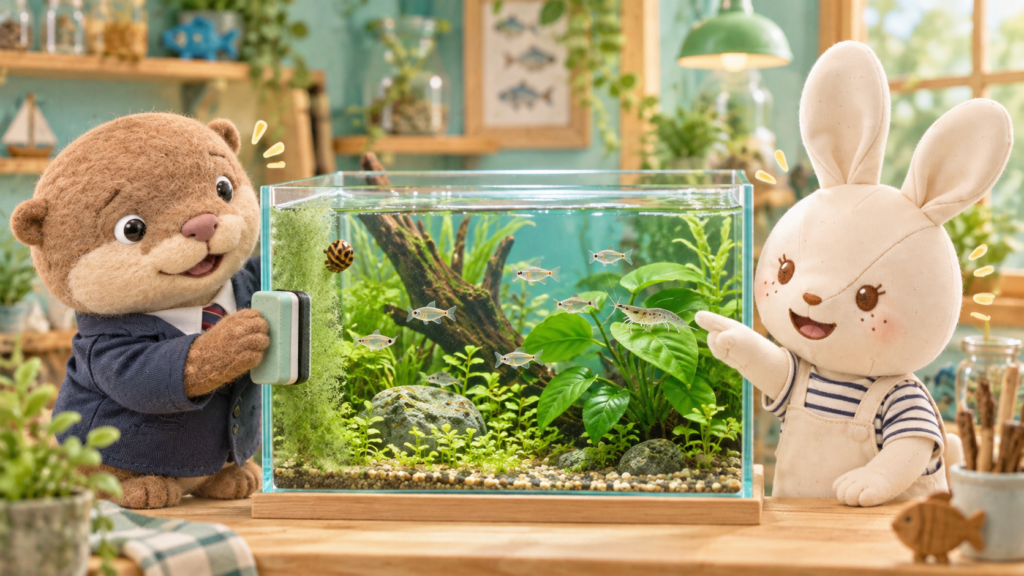 アイのアクアグッズ案内水槽のコケ掃除|道具の選び方とお掃除生体の得意・不得意道具の特徴や使い方、選ぶときのポイントをアイが紹介します。記事はコチラ →
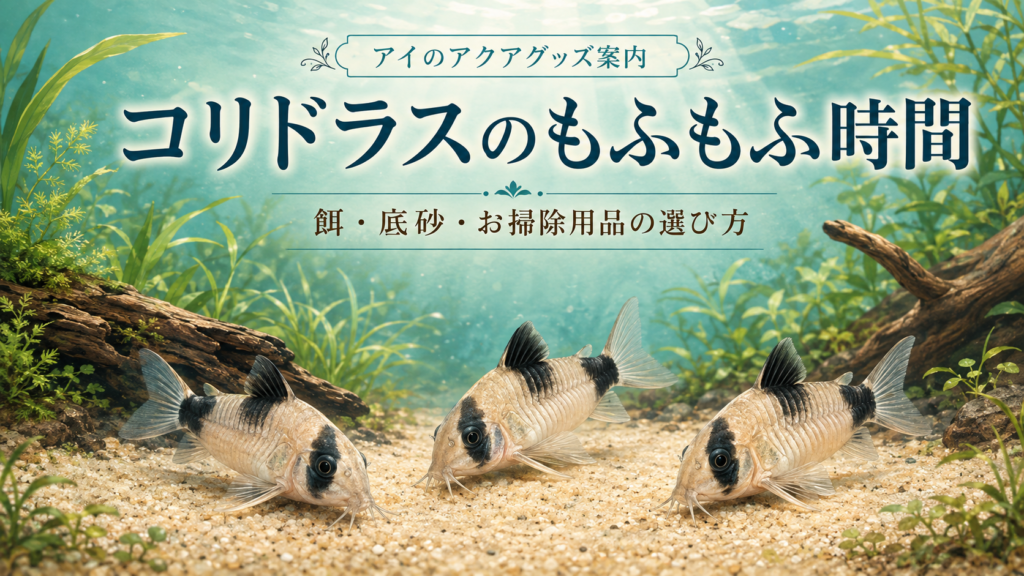 アイのアクアグッズ案内コリドラスのもふもふ時間を楽しむ|餌・底砂・お掃除用品の選び方コリドラスのもふもふする食事風景を楽しむために。沈む餌2種類の違い、口元に配慮した底砂、食べ残しを回収する道具を、アクアグッズナビゲーターのアイが紹介します。記事はコチラ →
 アイのアクアグッズ案内水草の肥料の選び方|底床用・液肥・メネデールの使い分け道具の特徴や使い方、選ぶときのポイントをアイが紹介します。記事はコチラ →
さまざまな飼育テーマをご紹介。リンク先の記事には広告・商品紹介が含まれます。
案内・紹介記事一覧へ →分布マップ
レモンラピステトラの基準となる近縁種は、ブラジル・マットグロッソ州のタパジョス川水系上流部、特にジュルエナ川上流域や、マデイラ川水系に含まれるグアポレ川流域との関係が知られています。この地図では、記事中の分布情報をもとに、分布イメージ用の概略代表地点として表示しています。
このマップの表示位置は、分布イメージを示すための概略代表地点です。実際の採集地点や厳密な生息範囲を示すものではありません。レモンラピステトラとして流通する個体は、入荷ごとに産地名や同定精度が異なる可能性があります。
参考文献・根拠資料
レモンラピステトラの分類、分布、生息環境、飼育管理などに関する参考文献です。店舗、通販、個人ブログ、まとめサイトは除外し、学術論文、公的・研究機関系データベース、大学・獣医学・水産系の専門資料に絞っています。なお、レモンラピステトラは国内流通名であり、学術的には Hyphessobrycon cyanotaenia に近い未確定の流通型として扱うため、種レベルで断定できない内容は近縁種および小型テトラ類一般の根拠資料として参照します。
-
Melo, B. F. et al. (2024). Phylogenomics of Characidae, a hyper-diverse Neotropical freshwater fish lineage, with a phylogenetic classification including four families. Zoological Journal of the Linnean Society, 202(1), zlae101.
根拠範囲:旧カラシン科の分子系統解析、Acestrorhamphidae を含む科レベル再編、Hyphessobrycon 周辺の分類整理。
“`
-
Fricke, R., Eschmeyer, W. N. & van der Laan, R. (eds.). Eschmeyer’s Catalog of Fishes. California Academy of Sciences.
根拠範囲:魚類の学名、著者名、分類階級、科名・属名の標準的な確認。記事中の分類表記を最新の体系に寄せるための基礎資料。
-
Zarske, A. & Géry, J. (2006). Beschreibung einer neuen Salmler-Gattung und zweier neuer Arten (Teleostei: Characiformes: Characidae) aus Peru und Brasilien. Zoologische Abhandlungen, Staatliche Naturhistorische Sammlungen Dresden, Museum für Tierkunde, 55, 31–49.
根拠範囲:Hyphessobrycon cyanotaenia の原記載、形態的特徴、記載年、記載者。オンライン本文への安定した公開リンクが限られるため、書誌情報として掲載します。
-
Dagosta, F. C. P., Marinho, M. M. F., Camelier, P. & Lima, F. C. T. (2016). A new species of Hyphessobrycon from the upper Rio Juruena basin, Central Brazil, with a redescription of H. cyanotaenia. Copeia, 104(1), 250–259.
根拠範囲:H. cyanotaenia の再記載、上部ジュルエナ川流域との関連、観賞魚由来標本の産地情報を扱う際の注意点。
-
Froese, R. & Pauly, D. (eds.). FishBase: Hyphessobrycon cyanotaenia.
根拠範囲:淡水性、熱帯性、ブラジル分布、最大体長、診断形質、主要文献、IUCN評価など、種情報を横断的に確認するためのデータベース。
-
Freshwater Ecoregions of the World. Tapajos – Juruena, Ecoregion 320.
根拠範囲:タパジョス・ジュルエナ水系の地理、ブラジル楯状地由来のクリアウォーター、低導電率、pH幅、急流・瀬、季節的な水位変動など、生息環境の背景。
-
Junk, W. J., Soares, M. G. M. & Bayley, P. B. (2007). Freshwater fishes of the Amazon River basin: their biodiversity, fisheries, and habitats. Aquatic Ecosystem Health & Management, 10(2), 153–173.
根拠範囲:アマゾン川流域の淡水魚多様性、流域環境、氾濫・季節変動と魚類生態の一般的背景。
-
Hill, J. E. & Yanong, R. P. E. Freshwater Ornamental Fish Commonly Cultured in Florida. UF/IFAS Extension, FA054.
根拠範囲:観賞魚としてのテトラ類の一般的な食性、卵と精子をばらまく繁殖様式、親魚による保護が乏しいという繁殖管理の基本。
-
MSD Veterinary Manual. Environmental Diseases of Aquatic Animals in Aquatic Systems.
根拠範囲:水質悪化と疾病・死亡リスク、アンモニア、亜硝酸、硝酸塩、pH、温度、溶存酸素の重要性。記事中の病気予防・急変回避・水換え管理の根拠。
-
Yanong, R. P. E. (2012). Biosecurity in Aquaculture, Part 1: An Overview. Southern Regional Aquaculture Center, SRAC Publication No. 4707.
根拠範囲:導入魚の隔離・観察・検疫、輸送ストレス、良好な水質・栄養・ハンドリングが疾病予防に重要であること。ワイルド個体や新規導入魚の注意点の補強資料。
-
Sink, T. D. & Francis-Floyd, R. (2015). Investigating a Fish Die-Off and Submitting a Sample for Toxicology or Disease Diagnosis. Southern Regional Aquaculture Center, SRAC Publication No. 472.
根拠範囲:魚が不調なときに温度、溶存酸素、総アンモニア、pH、亜硝酸などを速やかに確認する必要性。突然死や不調時の初期確認項目の根拠。
“`
補足:体表のプラチナ表現、国内の流通価格、入荷ロットごとの産地名などは、学術文献だけで安定して裏取りしにくい領域です。そのため、この参考文献欄では記事の基礎事実を支える資料に限定し、流通上の観察や市場価格を根拠資料としては採用していません。




コメント