

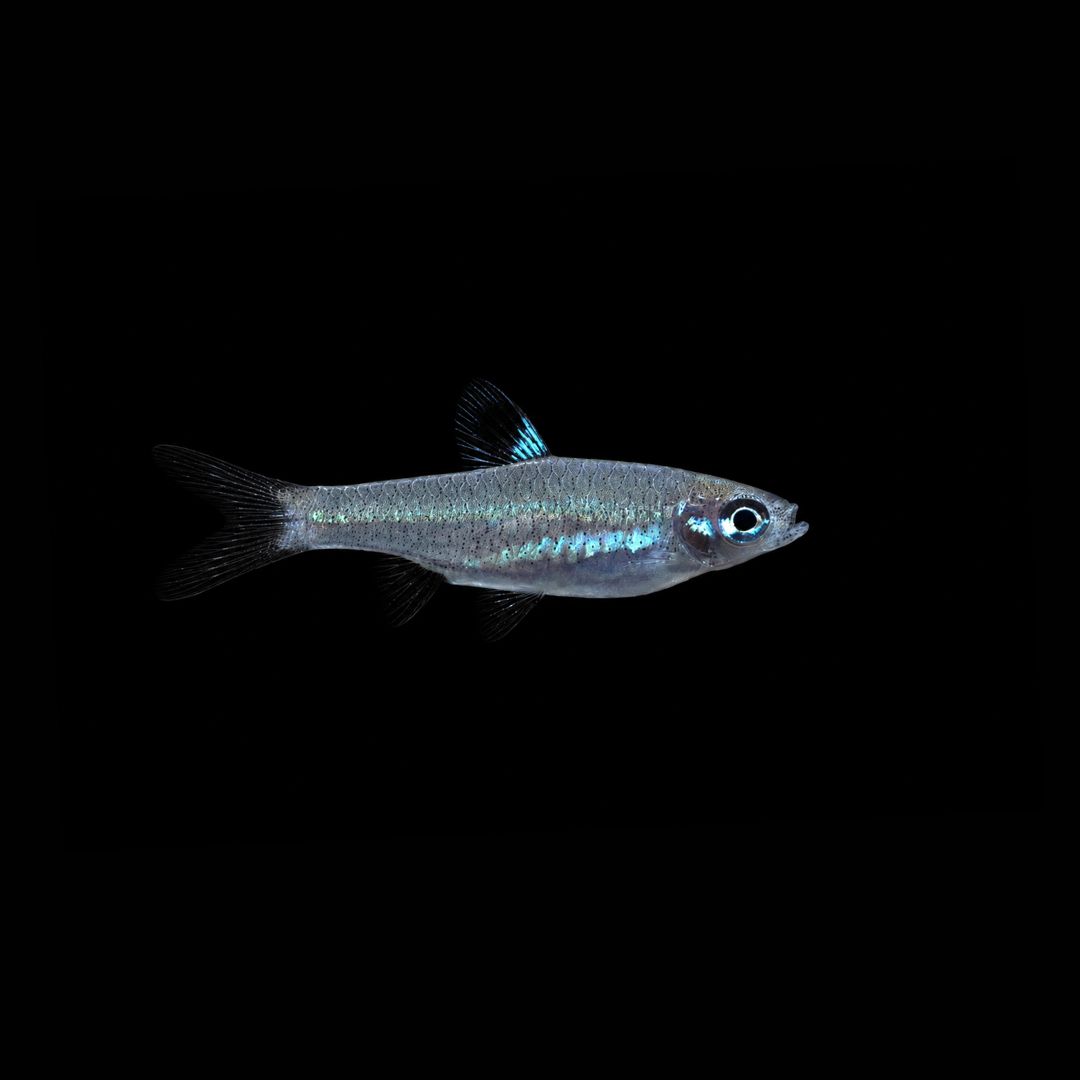
解説 / Description
アイスポットラスボラは、背びれに浮かぶ白黒の眼状紋が目を引く、東南アジア原産の小型コイ目魚です。銀色を基調とした体色は一見控えめですが、群れで中層から上層を泳ぐと、目元の青緑色の反射と背びれの斑紋が水草の緑やブラックウォーターの落ち着いた色合いによく映えます。性格はとても温和で、同じくらいの大きさの小型魚と混泳しやすく、落ち着いた群泳魚として長く親しまれてきました。 The eyespot rasbora is a small Southeast Asian cypriniform fish known for the black-and-white eye-like mark on its dorsal fin. Its silvery body may look modest at first, but in a group it shows a refined beauty, with blue-green reflections around the eyes and the dorsal mark standing out against aquatic plants or blackwater-inspired aquascapes. It is very peaceful and has long been appreciated as a calm schooling fish for community aquariums.
基本情報 / Basic Information
| 学名 / Scientific Name | Brevibora dorsiocellata (Duncker, 1904) |
|---|---|
| 通称 / Common Name | アイスポットラスボラ、ハイスポットラスボラ、エメラルドアイラスボラ、ラスボラ・ドルシオセラータEyespot rasbora, hi-spot rasbora, emerald-eye rasbora, Rasbora dorsiocellata |
| 分類 / Family | コイ目 ダニオ科 ラスボラ亜科。古い文献や観賞魚流通では、広義のコイ科、またはラスボラ属として扱われている表記も見られます。Order Cypriniformes, family Danionidae, subfamily Rasborinae. Older aquarium literature and trade labels may still place it in a broader Cyprinidae concept or under Rasbora. |
| 英名 / English Name | Eyespot rasbora, Ocellated rasbora, Hi-spot rasbora |
| 分布 / Distribution | マレー半島、スマトラ島、ボルネオ島を中心とする東南アジア。文献によってはタイ南部やシンガポール周辺の記録にも触れられます。主に泥炭湿地林に関わる、流れの緩やかな小川やブラックウォーター環境に生息します。Southeast Asia, mainly the Malay Peninsula, Sumatra, and Borneo. Some references also mention southern Thailand and the Singapore area. It is associated with slow-flowing streams and blackwater habitats connected to peat swamp forests. |
| 最大体長 / Max Size | 標準体長で約2.3cm。水槽内で見た全長の目安としては、およそ3cm前後と考えると扱いやすいです。About 2.3 cm standard length. In aquarium terms, a practical guide is roughly around 3 cm total length. |
| 寿命 / Lifespan | 一般的には3〜5年ほどが目安です。急な水質変化や高水温を避け、群れで落ち着いて飼育できる環境では、より長く楽しめることもあります。A typical guide is around 3 to 5 years. Individuals may live longer when kept in a stable group with gentle water management and without prolonged high temperatures. |
飼育環境 / Aquarium Environment
| 水槽サイズ / Tank Size | 少数なら30cm水槽から飼育できますが、水質の安定と群泳の見応えを考えると45cm水槽以上が安心です。8〜10匹以上で泳がせるなら、60cm規格水槽が特に扱いやすく、前面に遊泳スペースを取りながら自然な群れの動きを楽しめます。A small group can be kept from a 30 cm aquarium, but a 45 cm tank or larger is more stable and more rewarding. For 8 to 10 or more fish, a standard 60 cm aquarium is especially practical and allows open swimming space for natural schooling behavior. |
|---|---|
| 水温 / Temperature | 20〜28℃。日常管理では24〜26℃前後が扱いやすい範囲です。30℃を超える高水温が長く続くと負担になりやすいため、夏季は冷却ファンや室温管理で対策します。 20 to 28°C. Around 24 to 26°C is a practical daily range. Prolonged temperatures above 30°C can be stressful, so cooling fans or room temperature control are useful in summer. |
| 水質 / Water Quality | 弱酸性〜中性の軟水が適しています。目安はpH 6.0〜7.0前後、硬度は低めから中程度までです。養殖個体は比較的幅広い水に慣れますが、ソイル、ピート、ヤシャブシの実、落ち葉などで少しタンニンを含んだ水にすると落ち着きやすく、体色も引き出しやすくなります。Soft, slightly acidic to neutral water is suitable. As a guide, aim for around pH 6.0 to 7.0 with low to moderate hardness. Farmed fish are fairly adaptable, but lightly tannin-stained water created with aquasoil, peat, alder cones, or leaf litter often improves confidence and coloration. |
| レイアウト / Layout | 中層から上層を泳ぐため、前面や中央には遊泳スペースを残し、背面や側面に有茎草、陰性水草、流木、落ち葉を配置すると落ち着きます。強い照明だけの開けた水槽より、浮草や背の高い水草で明暗ができるレイアウトに向いています。Leave swimming space in the front or center, as it often uses the middle and upper levels. Stem plants, shade-tolerant plants, driftwood, and leaf litter along the back or sides help it feel secure. It suits layouts with shaded areas from floating or tall plants better than bare, brightly lit tanks. |
| 注意点 / Precautions | 小さすぎる群れでは臆病になりやすく、急な物音や振動で水槽下部へ逃げ込むことがあります。導入直後は照明を抑え、時間をかけて水合わせを行ってください。小型で身軽な魚なので、飛び出し防止のためフタの使用もおすすめです。Very small groups may become timid, and sudden noise or vibration can make them dart downward. Keep lighting subdued during introduction and acclimate them slowly. Because they are small and agile, a lid is recommended to prevent jumping. |
餌と給餌 / Feeding
| 餌の種類 / Diet | 細かく砕いたフレーク、極小粒の顆粒、浮上性またはゆっくり沈む小型魚用フードを主食にできます。状態を上げたいときは、ブラインシュリンプ、ミジンコ、サイクロプス、細かくした冷凍アカムシなどを補助的に与えます。Finely crushed flakes, very small granules, and floating or slow-sinking foods for small fish work well as staples. For conditioning, supplement with baby brine shrimp, daphnia, cyclops, or finely chopped frozen bloodworms. |
|---|---|
| 給餌のポイント / Feeding Tips | 口が小さいため、餌は細かめにします。水面から中層で食べることが多いので、沈下が速すぎる餌だけに偏らないようにしましょう。1回量は数分で食べ切れる程度に抑え、少量を1日1〜2回、繁殖を狙う時期は生餌や冷凍餌を組み合わせて栄養状態を整えます。Because the mouth is small, use fine food particles. It often feeds near the surface and midwater, so avoid relying only on rapidly sinking foods. Offer small portions that are eaten within a few minutes, once or twice daily. When preparing for breeding, use live or frozen foods to improve condition. |
性格と混泳 / Temperament and Tank Mates
| 性格 / Temperament | 非常に温和で、同種同士で強く争うことはほとんどありません。単独や少数では不安定になりやすいため、まとまった数で飼育すると前に出やすくなり、群れとしての魅力も増します。It is very peaceful and rarely shows serious aggression toward its own kind. Single fish or very small groups can become insecure, so keeping a proper group encourages them to come forward and display their schooling behavior. |
|---|---|
| 混泳の相性 / Compatibility | 小型テトラ、ボララス類、他の小型ラスボラ、ピグミー系コリドラス、オトシンクルス、クーリーローチ、小型グラミー、ヤマトヌマエビなどと相性が良いです。大型魚、気性の荒い魚、餌を独占するほど活発な魚との混泳は避けます。稚エビは食べられる可能性があるため、エビの繁殖を優先する水槽では注意してください。Suitable tank mates include small tetras, Boraras, other small rasboras, pygmy Corydoras, Otocinclus, kuhli loaches, small gouramis, and Amano shrimp. Avoid large, aggressive, or overly boisterous fish that outcompete it for food. Very small shrimp fry may be eaten, so caution is needed in shrimp-breeding aquariums. |
病気と対策 / Diseases and Prevention
| かかりやすい病気 / Common Diseases | 基本的には丈夫な小型魚ですが、輸送直後の疲れ、急な水質変化、スレ傷、水質悪化が重なると、白点病、尾ぐされ病、カラムナリス症、細菌性の体表トラブルが出ることがあります。It is generally hardy, but shipping stress, sudden water changes, abrasions, or poor water quality can lead to ich, fin rot, columnaris-like symptoms, and other bacterial skin problems. |
|---|---|
| 対策と予防 / Prevention | 予防の基本は、過密を避け、ろ過を安定させ、週1回を目安に20〜30%程度の換水を行うことです。導入時は水合わせを丁寧に行い、状態が不安定な個体は隔離して観察します。薬浴が必要な場合は、小型魚であることを考慮し、症状と反応を見ながら慎重に対応してください。Prevention is based on avoiding overcrowding, maintaining stable filtration, and changing about 20 to 30 percent of the water weekly. Acclimate new fish carefully and quarantine or observe weak individuals when possible. If medication is necessary, treat cautiously because this is a small fish, and monitor symptoms and reactions closely. |
増やし方(繁殖) / Breeding
| 雌雄の判別 / Sexing | 成熟したメスは腹部がふっくらし、全体に丸みを帯びやすくなります。オスはやや細身で、状態が上がると体や尾びれに淡い赤みが差すことがあります。ただし小型で差は分かりにくいため、複数匹を群れで管理して自然に繁殖行動を促す方が確実です。Mature females are usually fuller-bodied, especially when carrying eggs. Males tend to be slimmer and may show a slight reddish tint on the body or caudal fin when in breeding condition. Because differences are subtle, keeping a group is the most reliable approach. |
|---|---|
| 繁殖形態 / Reproduction | 卵生で、親が卵や稚魚を保護しないばらまき型です。細葉の水草や産卵モップの周辺で産卵しますが、親魚が卵を食べることがあるため、採卵を狙う場合は産卵後に親を取り出します。It is an egg-scattering species that provides no parental care. Spawning occurs around fine-leaved plants or spawning mops, and adults may eat eggs, so remove the parents after spawning if you want to raise the fry. |
| 繁殖のポイント / Breeding Tips | 繁殖水槽は浅めにし、弱酸性の軟水、薄暗い照明、ウィローモスや産卵モップを用意します。ブラインシュリンプやミジンコなどで親魚を仕上げた後、少量のやや冷たい新水を加えると、雨季に近い刺激となって産卵のきっかけになることがあります。卵はおよそ1〜2日で孵化し、仔魚は数日間ぶら下がるように過ごしてから泳ぎ出します。初期餌はインフゾリアやパラメシウムなどの微小餌が重要で、成長に合わせて孵化したてのブラインシュリンプへ移行します。Use a shallow breeding tank with soft, acidic water, subdued lighting, and Java moss or spawning mops. Condition the adults with baby brine shrimp, daphnia, and similar foods, then small additions of slightly cooler fresh water may act as a rain-season cue. Eggs hatch in roughly one to two days, and larvae may remain hanging for several days before becoming free-swimming. Very small first foods such as infusoria or paramecia are essential, followed by newly hatched brine shrimp as the fry grow. |
雑学と豆知識 / Trivia and Fun Facts
| 1. 背びれの眼状紋が名前の由来 / 1. The dorsal eyespot behind the name | アイスポットラスボラという通称は、背びれにある黒い斑紋に由来します。白く抜けた部分に黒い楕円が重なる模様は、小さな魚の体にもう一つの目が付いているようにも見えます。この模様が捕食者の狙いをずらす働きを持つ可能性は考えられますが、観賞魚としては、控えめな体色の中に一点だけ強いアクセントを置く、非常に印象的な特徴です。The common name “eyespot rasbora” comes from the dark mark on the dorsal fin. The black oval set against a pale patch looks almost like an extra eye on a tiny fish. It may help distract predators, but in the aquarium it is most appreciated as a striking accent on an otherwise subtle silvery body. |
|---|---|
| 2. ラスボラ属から独立した分類学の歴史 / 2. A taxonomic history beyond Rasbora | 本種は長いあいだ Rasbora dorsiocellata として親しまれてきましたが、2010年の系統解析をきっかけに Brevibora 属へ移されました。Brevibora という属名には「短いラスボラ」という意味合いがあり、背びれ前方の脊椎骨数が少ないことなどが背景にあります。古い本やショップの表示でラスボラ・ドルシオセラータという名前を見かけるのは、この分類史の名残です。For many years this species was known as Rasbora dorsiocellata, but a 2010 phylogenetic study placed it in Brevibora. The genus name suggests a “short rasbora,” referring to characters such as the relatively low number of predorsal vertebrae. Older books and shop labels using Rasbora dorsiocellata reflect this taxonomic history. |
| 3. 同属種は少数派の小さなグループ / 3. A small genus with only a few members | Brevibora 属には、アイスポットラスボラのほか、Brevibora cheeya と Brevibora exilis が知られています。B. cheeya は完全な側線などで本種と区別され、B. exilis はボルネオ島中部の水系から知られる、より細身の種類です。似た雰囲気の小型ラスボラであっても、側線や鱗数、体型といった細部が分類の鍵になります。The genus Brevibora includes the eyespot rasbora as well as Brevibora cheeya and Brevibora exilis. B. cheeya is distinguished by characters such as a complete lateral line, while B. exilis is a more slender species known from central Borneo. Even among similar small rasboras, details such as the lateral line, scale counts, and body shape are important for classification. |
| 4. ブラックウォーターに寄り添う小さな群泳魚 / 4. A small schooling fish of blackwater habitats | 原産地の代表的な環境は、落ち葉や倒木からタンニンやフミン酸が溶け込む泥炭湿地林の水域です。水は茶色く染まり、ミネラル分が少なく、弱酸性から酸性に傾きます。水槽で落ち葉や流木、ヤシャブシの実を使うと、単に見た目が自然になるだけでなく、本種が落ち着きやすい水の雰囲気にも近づけられます。Its natural habitats include peat swamp waters where leaf litter and wood release tannins and humic substances. The water becomes tea-colored, low in minerals, and acidic to slightly acidic. In aquariums, leaves, driftwood, and alder cones do more than create a natural look; they help reproduce the subdued conditions in which this species feels secure. |
| 5. Rasbora macrophthalma という名前の名残 / 5. The lingering name Rasbora macrophthalma | 観賞魚ルート由来の標本に基づき、1951年に Rasbora dorsiocellata var. macrophthalma という名前が使われたことがあります。現在は一般に B. dorsiocellata のシノニムとして扱われますが、流通名や古い資料の中では、エメラルドアイ系の呼び方と結びついて見かけることがあります。名前が変わっても、古い流通名が残り続けるのは観賞魚ならではの面白さです。A name based on aquarium-trade material, Rasbora dorsiocellata var. macrophthalma, was used in 1951. It is now generally treated as a synonym of B. dorsiocellata, but related names may still appear in older sources or trade contexts, often connected with emerald-eye forms. The persistence of old names is part of the character of aquarium history. |
| 6. 見かけやすい魚だからこそ保全も意識したい / 6. A familiar aquarium fish with conservation context | 日本のショップでは比較的見かけやすい一般種ですが、野生下では泥炭湿地林の開発、排水、土地利用の変化などの影響を受けやすい魚です。流通個体には養殖由来も多いと考えられますが、価格や在庫、野生個体と養殖個体の比率は時期や輸入ルートで変わります。手に取りやすい小型魚であっても、その背後には失われつつある湿地環境があることを忘れずに向き合いたい種類です。It is a familiar and often available aquarium fish in Japan, but wild populations are linked to peat swamp habitats vulnerable to drainage, development, and land-use change. Many traded fish are thought to be farmed, but price, availability, and the balance between wild and farmed stock vary by season and supply route. Even a small fish that is easy to obtain has a natural background worth respecting. |
まとめ / Conclusion
アイスポットラスボラは、強い色彩で主役を奪う魚ではなく、群れのまとまりと繊細な光で水景の空気を整えてくれる魚です。背びれの眼状紋、銀色の体、角度によって青緑色にきらめく目元が重なると、小さな体ながら水槽全体に落ち着いた奥行きを生み出します。 The eyespot rasbora is not a fish that dominates a layout with intense color. Instead, it refines the atmosphere of the aquarium through schooling movement and delicate reflections. Its dorsal eyespot, silvery body, and blue-green glimmer around the eyes give the tank a calm sense of depth despite its small size.
長く美しく付き合うための要点は、まとまった数で迎えること、急な水質変化を避けること、そして少し暗がりのある柔らかな環境を用意することです。水草の陰やタンニンを含む水の中で群れがゆっくりそろう姿は、入門種という言葉だけでは語りきれない、静かで奥深い魅力を見せてくれます。 The essentials for keeping it healthy and beautiful are to keep it in a proper group, avoid sudden water changes, and provide a soft, gently shaded environment. When a school moves quietly through plant shadows and tannin-stained water, this species reveals a subtle depth that goes far beyond the simple label of a beginner fish.
気になる道具や飼い方を見つけてみませんか?
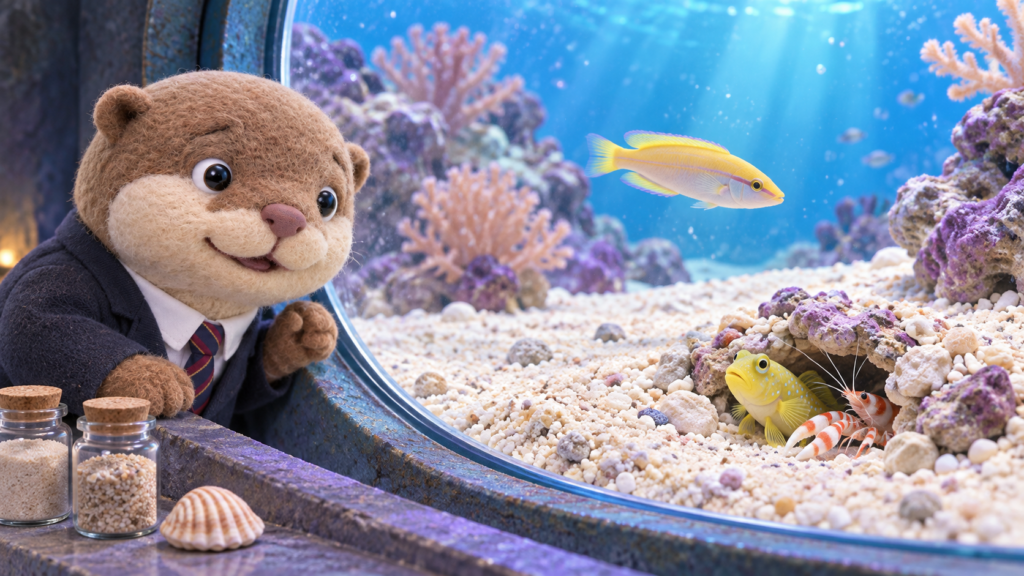 アイのアクアグッズ案内海水魚の底砂の選び方|サンゴ砂・ライブサンドとおすすめ商品道具の特徴や使い方、選ぶときのポイントをアイが紹介します。記事はコチラ →
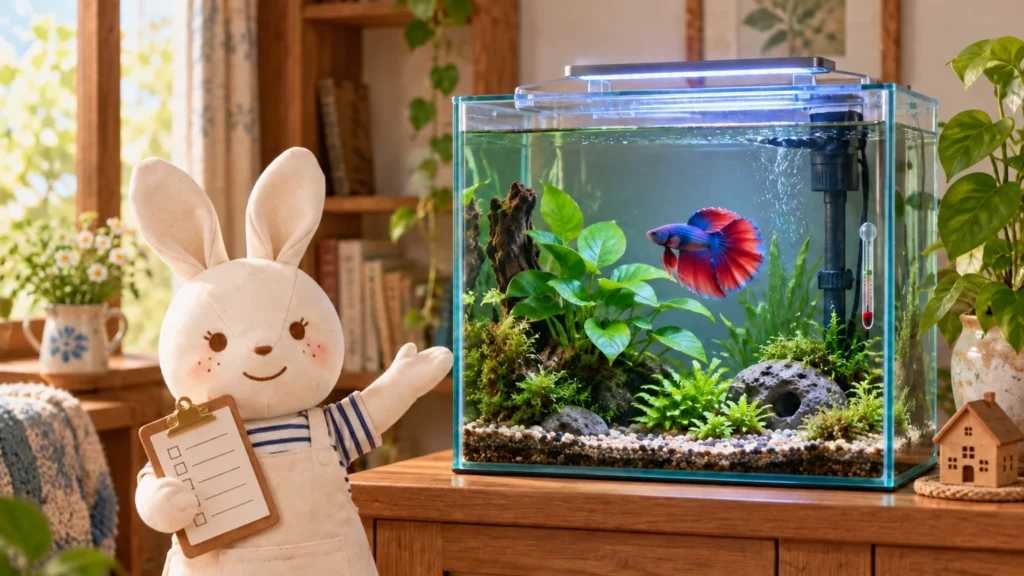 アイのアクアグッズ案内ベタの一匹飼いを楽しむ|水槽・ヒーター・ふた・フィルターの選び方ベタの一匹飼いに向く水槽容量、ふたと空気層、ヒーターと水温計、弱い水流のフィルターを、コタロウとアイの会話で分かりやすく解説します。記事はコチラ →
 アイのアクアグッズ案内水槽用ヒーターの選び方|固定式・温度調節式と、水量に合うW数の考え方水槽の魚は冬に寒くない? アイとコタロウが水温計から固定式・温度調節式・分離式ヒーターまで比較。水量と室温に合うW数、設置場所、水換えや交換の注意点を、国内メーカーの商品とともに紹介します。記事はコチラ →
 アイのアクアグッズ案内水槽のろ材の選び方|ウール・リング・活性炭の違いとおすすめ商品フィルターの中の綿や石は何をしている? アイとコタロウが、ウール・スポンジ・セラミック・焼結ガラス・活性炭・ゼオライトを比較。機種との相性、入れ方、洗い方と交換まで商品とともに紹介します。記事はコチラ →
さまざまな飼育テーマをご紹介。リンク先の記事には広告・商品紹介が含まれます。
案内・紹介記事一覧へ →分布マップ
アイスポットラスボラは、マレー半島、スマトラ島、ボルネオ島を中心とする東南アジアに分布し、泥炭湿地林に関わる流れの緩やかな小川やブラックウォーター環境に生息するとされています。この地図では、その広い分布イメージを代表地点で概略表示しています。
Google Earthで開くこのマップのプロットは、分布欄に記載された地域をもとにした概略代表地点です。実際の採集地点や厳密な生息範囲を示すものではありません。
参考文献
この記事の分類、分布、生息環境、飼育条件、繁殖、病気や注意点を支えるために、店舗・通販サイト、個人ブログ、一般的なまとめサイトを除外し、学術文献、公的・国際的データベース、魚病学・観賞魚飼育の専門資料を中心に選定しました。水槽サイズや給餌の細部は学術論文だけでは直接規定しにくいため、専門図鑑・専門データベースを補助資料として扱っています。
-
Fricke, R., Eschmeyer, W. N. & Van der Laan, R. eds. Eschmeyer’s Catalog of Fishes. California Academy of Sciences.
学名、命名者、シノニム、現在の分類学的位置づけを確認するための基礎資料。記事内の Brevibora dorsiocellata という有効名、旧名 Rasbora dorsiocellata、Rasbora dorsiocellata var. macrophthalma の扱いを支える資料として参照。
Eschmeyer’s Catalog of Fishes -
Liao, T. Y., Kullander, S. O. & Fang, F. 2010. Phylogenetic analysis of the genus Rasbora (Teleostei: Cyprinidae). Zoologica Scripta, 39(2): 155–176.
広義のラスボラ属が再検討され、Brevibora 属が設立された背景を確認するための主要文献。分類学的変遷、属名の由来、形態形質に関する説明の根拠として参照。
DOI: 10.1111/j.1463-6409.2009.00409.x -
Froese, R. & Pauly, D. eds. FishBase: Brevibora dorsiocellata.
最大体長、分布、環境情報、水温の目安などを確認するための国際的魚類データベース。基本情報と飼育環境の数値を整える際の参照資料。
FishBase species summary -
IUCN Red List of Threatened Species. Brevibora dorsiocellata.
野生個体群の保全状況、分布域、泥炭湿地林などの生息環境、土地利用変化や湿地開発に関わる脅威を確認するための公的保全資料。記事内の保全上の注意喚起を支える資料として参照。
IUCN Red List search result -
Ng, P. K. L., Tay, J. B. & Lim, K. K. P. 1994. Diversity and conservation of blackwater fishes in Peninsular Malaysia, particularly in the North Selangor peat swamp forest. Hydrobiologia, 285: 203–218.
マレー半島のブラックウォーター魚類相、泥炭湿地林の水質・環境特性、保全上の重要性を理解するための学術文献。生息環境、ブラックウォーター、弱酸性軟水、湿地環境への言及を支える資料として参照。
DOI: 10.1007/BF00005665 -
Kottelat, M. & Widjanarti, E. 2005. The fishes of Danau Sentarum National Park and the Kapuas Lakes Area, Kalimantan Barat, Indonesia. Raffles Bulletin of Zoology, Supplement 13: 139–173.
ボルネオ島西部、カプアス水系周辺の淡水魚相と湿地環境を確認するための地域魚類相資料。分布域や原産地環境を説明する際の補助資料として参照。
PDF: Raffles Bulletin of Zoology Supplement -
Riehl, R. & Baensch, H. A. 1991. Aquarium Atlas, Volume 1. Mergus Verlag.
観賞魚としての飼育条件、混泳、餌、繁殖の実践的情報を確認するための専門図鑑。学術データベースだけでは補いにくい飼育実務面の裏付けとして参照。 -
Seriously Fish. Brevibora dorsiocellata species profile.
水槽サイズ、水質、レイアウト、給餌、混泳、繁殖に関する実践的条件を確認するための専門データベース。店舗・通販情報ではなく、分類文献も併記する魚種別データベースとして補助的に参照。
Seriously Fish species profile -
Noga, E. J. 2010. Fish Disease: Diagnosis and Treatment, 2nd edition. Wiley-Blackwell.
白点病、細菌性皮膚病、尾ぐされ様症状、薬浴時の注意など、観賞魚の疾病対策を一般論として確認するための魚病学専門書。病気と対策の基礎資料として参照。
Publisher page -
MSD Veterinary Manual. Diseases of Fish.
小型観賞魚にも関わる白点病、細菌感染、輸送・水質悪化によるストレス性疾患などを確認するための獣医学系資料。導入時の観察、隔離、薬剤使用時の慎重な対応といった注意点の補助資料として参照。
MSD Veterinary Manual




コメント