

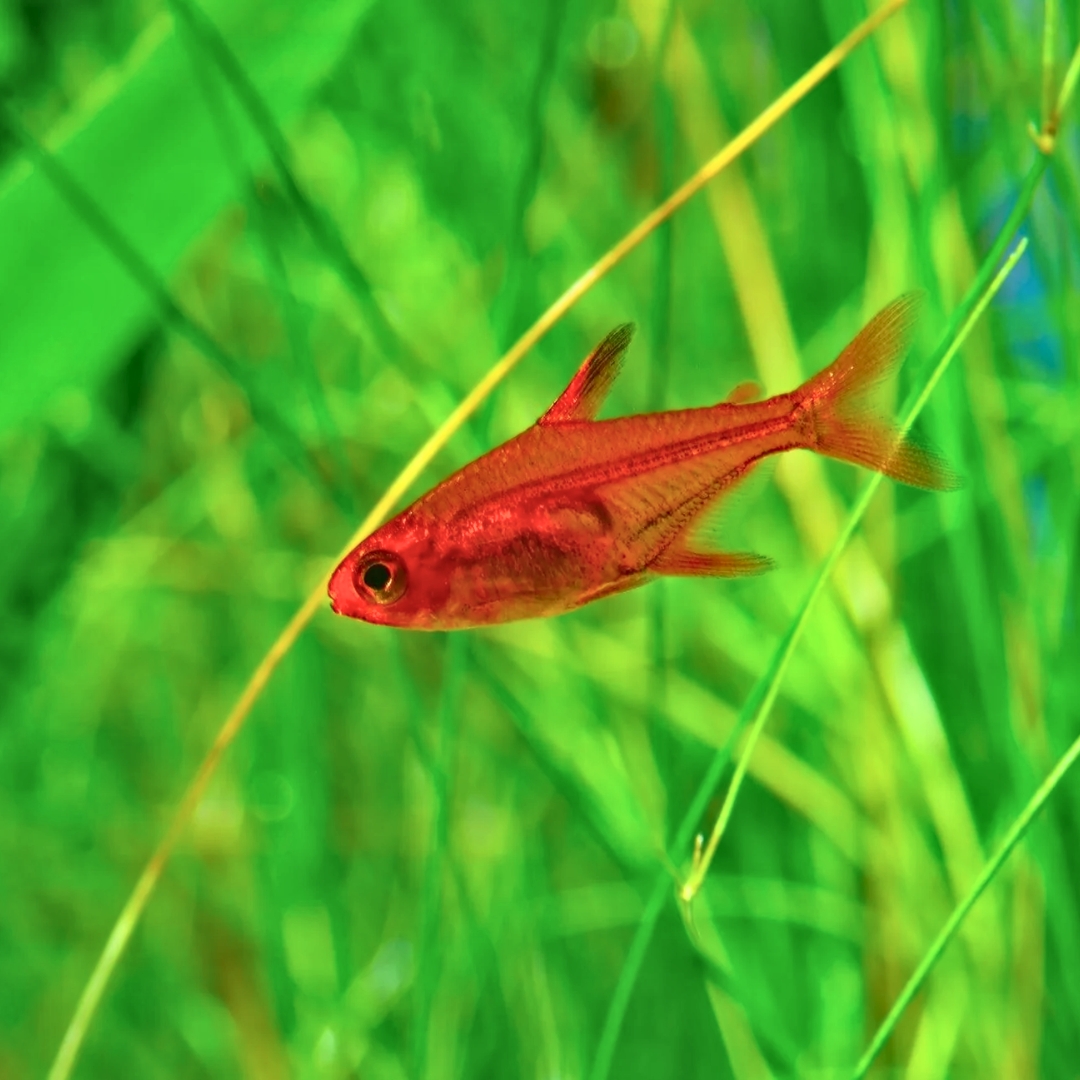
解説 / Description
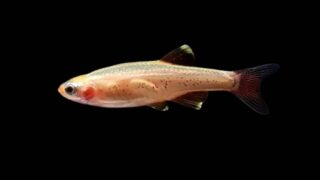
ファイヤーテトラは、南米ブラジルのアラグアイア川流域に分布する、非常に小型で美しいカラシンの仲間です。学術データベースでは標準体長の最大値が約2.0cmとされる小魚で、飼育下では個体差や測り方によって2cm前後からやや大きく見えることもあります。体全体に広がる赤橙色は、まるで水草の間を小さな火の粉が漂うような印象を与えます。温和で群れを好み、水草水槽との相性がたいへん良いため、日本国内でも小型水槽やネイチャーアクアリウムで親しまれています。 The ember tetra is a very small and beautiful characin from the Araguaia River basin in Brazil, South America. Scientific databases list its maximum standard length at about 2.0 cm, although aquarium individuals may appear around 2 cm or slightly larger depending on individual variation and measurement method. Its warm reddish-orange body color gives the impression of tiny embers drifting among aquatic plants. Because it is peaceful, social, and highly compatible with planted aquariums, it is well loved in Japan for nano tanks and nature-style aquariums.
基本情報 / Basic Information
| 学名 / Scientific Name | Hyphessobrycon amandae |
|---|---|
| 通称 / Common Name | ファイヤーテトラ、レッドテトラ、エンバーテトラEmber tetra |
| 分類 / Family | カラシン目 アケストロラムフス科 ヒフェソブリコン亜科 ヒフェソブリコン属。旧来の観賞魚表記では、広義のカラシン科として紹介されることもあります。Order Characiformes, family Acestrorhamphidae, subfamily Hyphessobryconinae, genus Hyphessobrycon. In older or hobby-oriented aquarium literature, it may still be referred to broadly as a characin in the family Characidae. |
| 英名 / English Name | Ember tetra |
| 分布 / Distribution | 南米ブラジルのアラグアイア川流域。記載上のタイプ産地はマトグロッソ州のダス・モルテス川とされます。観賞魚向けの飼育情報では、流れの緩やかな支流や植物の多い水域に適した魚として扱われます。South America: the Araguaia River basin in Brazil. The type locality is the Rio das Mortes in Mato Grosso. In aquarium care, the species is best treated as a fish suited to gentle, plant-rich waters rather than strong currents. |
| 最大体長 / Max Size | 学術データでは最大約2.0cm標準体長。観賞魚としては全長で2cm前後、個体差により2.5cm程度に見える場合があります。Scientific data list a maximum of about 2.0 cm standard length. In aquariums, they are usually seen around 2 cm total length, and some individuals may appear around 2.5 cm depending on variation and measurement method. |
| 寿命 / Lifespan | 一般的な飼育下では約2〜4年が目安です。水質、餌、導入時の状態が良ければ、より長く維持できる場合もあります。In typical aquarium care, about 2 to 4 years is a practical guideline. With stable water, suitable feeding, and good initial condition, some individuals may be maintained longer. |
飼育環境 / Aquarium Environment
| 水槽サイズ / Tank Size | 最低でも30cmキューブ水槽、約25L程度から飼育しやすくなります。群泳の美しさと水質の安定を考えると、60cm規格水槽、約60Lで10匹以上を泳がせると魅力がよく引き出せます。10L前後の超小型水槽でも物理的な維持は可能ですが、水温と水質の変動が大きくなるため、初めての飼育では余裕のある水量をおすすめします。A 30 cm cube aquarium of about 25 L is a practical starting point. For better schooling behavior and water stability, a standard 60 cm aquarium of about 60 L with 10 or more individuals brings out their charm well. Very small tanks of around 10 L can physically house them, but the water volume is less forgiving, so a larger and more stable setup is recommended for first-time keepers. |
|---|---|
| 水温 / Temperature | 24〜28℃を目安にし、通常飼育では25〜26℃前後で安定させると扱いやすいです。冬場はオートヒーター、夏場は冷却ファンや水槽用クーラーを使い、急な上下を避けます。 Aim for about 24 to 28°C, with routine care easiest around a stable 25 to 26°C. Use an aquarium heater in winter and a cooling fan or chiller in summer to avoid sudden changes. |
| 水質 / Water Quality | 弱酸性から中性付近、目安としてpH 5.5〜7.0、軟水を好みます。より良い発色と落ち着いた行動を狙うなら、アクアソイル、ヤシャブシの実、マジックリーフ、ピートモスなどを活用し、弱酸性・軟水寄りに整えるとよいでしょう。ただし急激なpH調整は避け、現在の水質から少しずつ近づけることが大切です。They prefer soft water from slightly acidic to near neutral, roughly pH 5.5 to 7.0. For better coloration and calmer behavior, aquasoil, alder cones, Indian almond leaves, or peat can be used to create slightly acidic, soft water. Avoid sudden pH changes; adjust conditions gradually from the current aquarium water. |
| レイアウト / Layout | 水草を多めに植え、流木や落ち葉を使って陰影のある環境を作ると落ち着きます。強い水流は好まないため、外部式フィルターの場合はシャワーパイプで水流を分散させ、スポンジフィルターなどの穏やかな濾過も適しています。深い緑の水草を背景にすると、赤橙色の体色が非常によく映えます。A densely planted layout with driftwood and leaf litter helps them feel secure. They do not appreciate strong currents, so a spray bar on an external filter or a gentle sponge filter is suitable. Their reddish-orange color stands out beautifully against dark green aquatic plants. |
| 注意点 / Precautions | 体が非常に小さいため、フィルターの給水口には必ず細目のストレーナースポンジを装着します。急な水質変化や水温差に弱いため、換水は週1回20〜30%程度を基本にし、新しい水はカルキを抜き、飼育水との温度差をできるだけ小さくします。過密飼育や強い照明のみで隠れ家がない環境では、退色や隠れがちになることがあります。Because they are very small, always cover filter intakes with a fine pre-filter sponge. They are sensitive to sudden changes in water quality and temperature, so weekly partial water changes of about 20 to 30% are recommended, using dechlorinated water close to the aquarium temperature. Overstocking, overly bright lighting, or a lack of hiding places may cause fading and reclusive behavior. |
餌と給餌 / Feeding
| 餌の種類 / Diet | 雑食性ですが、自然下では小さな無脊椎動物や動物プランクトンなどを食べる微小捕食者としての性質が強い魚です。飼育下では小型カラシン用の微細な人工飼料、細かく砕いたフレークフード、ブラインシュリンプの幼生、ミジンコ、冷凍の微細飼料などが適しています。赤橙色を保つ補助として、カロテノイドを含む色揚げフードを組み合わせるのも有効です。They are omnivorous, but in nature they are best understood as micro-predators feeding on tiny invertebrates and zooplankton. In aquariums, fine micro pellets for small characins, crushed flake food, newly hatched brine shrimp, daphnia, and fine frozen foods are suitable. Color-enhancing foods containing carotenoids can also be useful as part of a varied diet. |
|---|---|
| 給餌のポイント / Feeding Tips | 口と消化器官が小さいため、1日2回程度、2分ほどで食べきれる量を少量ずつ与えるのが基本です。成長期や繁殖前のコンディション作りでは、少量を1日2〜3回に分けてもよいでしょう。底に沈んだ餌を積極的に拾うタイプではないため、ゆっくり沈む細かな餌を選び、食べ残しを出さないことが水質維持につながります。Because their mouths and digestive systems are tiny, feeding small amounts about twice a day, each finished within about two minutes, is a good basic routine. During growth or breeding conditioning, very small portions can be offered two to three times daily. They are not strong bottom scavengers, so fine, slow-sinking foods are ideal, and avoiding leftovers helps maintain water quality. |
性格と混泳 / Temperament and Tank Mates
| 性格 / Temperament | 非常に温和で、他魚を攻撃することはほとんどありません。単独や少数では不安を感じやすく、水草の陰に隠れたり体色が薄くなったりするため、最低6匹、できれば10〜15匹以上の群れで飼育すると本来の行動と発色を楽しめます。They are extremely peaceful and rarely attack other fish. When kept singly or in very small numbers, they may become nervous, hide among plants, and lose color. Keep at least six, preferably 10 to 15 or more, to enjoy their natural behavior and coloration. |
|---|---|
| 混泳の相性 / Compatibility | ネオンテトラ、ハナビ、コリドラス・ピグミー、オトシンクルス、小型ラスボラ、ミナミヌマエビ、ヤマトヌマエビなど、同程度の大きさで温和な生体との相性が良好です。エンゼルフィッシュ、大型シクリッド、中・大型カラシン、肉食魚など、ファイヤーテトラを口に入れられる魚とは混泳させないでください。捕食されなくても、大型魚の存在そのものが強いストレスになることがあります。They are compatible with similarly sized, peaceful tank mates such as neon tetras, celestial pearl danios, pygmy corydoras, otocinclus, small rasboras, Neocaridina shrimp, and Amano shrimp. Avoid angelfish, larger cichlids, medium to large characins, and predatory fish that could swallow them. Even without direct predation, the presence of large fish can cause serious stress. |
病気と対策 / Diseases and Prevention
| かかりやすい病気 / Common Diseases | 水温低下や急変による白点病、水質悪化やストレスをきっかけとする尾ぐされ病、カラムナリス症状などに注意が必要です。体が小さく体力の余裕が少ないため、発症後は進行が早く見えることがあります。Watch for white spot disease triggered by low or rapidly changing temperatures, as well as fin rot and columnaris-like bacterial problems associated with poor water quality and stress. Because they are tiny and have limited energy reserves, disease may appear to progress quickly. |
|---|---|
| 対策と予防 / Prevention | 安定した水温、定期的な部分換水、食べ残しの管理、過密を避けることが最も重要です。購入直後は可能であれば隔離水槽で数日から10日ほど様子を見てから本水槽へ移すと安全です。薬浴を行う場合は、製品ごとの注意書きを確認し、隔離水槽で魚の反応を見ながら慎重に行います。小型魚は薬剤や塩分変化の影響を受けやすいため、自己判断で強い薬浴や高濃度の塩水浴を急に行うことは避けてください。The best prevention is stable temperature, regular partial water changes, careful control of leftovers, and avoiding overcrowding. Newly purchased fish are safer if observed in a quarantine tank for several days to about 10 days before introduction. If medication is needed, check the instructions for the specific product and treat carefully in a separate tank while observing the fish. Small fish can be sensitive to medication and salinity changes, so avoid sudden strong treatments or high-concentration salt baths without appropriate guidance. |
増やし方(繁殖) / Breeding
| 雌雄の判別 / Sexing | オスは比較的スリムで、状態が良いと赤橙色が濃く出る傾向があります。メスは腹部に丸みがあり、抱卵時には体高が目立ちます。ただし小型魚のため、若魚や痩せた個体では判別が難しいことがあります。Males tend to be slimmer and often show stronger reddish-orange coloration when in good condition. Females usually have rounder bellies and become noticeably fuller when carrying eggs. However, sexing can be difficult in young or thin individuals. |
|---|---|
| 繁殖形態 / Reproduction | 水草や産卵モップの中に卵をばら撒く、ばら撒き型の産卵を行います。親は卵や稚魚を保護せず、食卵することがあるため、計画繁殖では親魚と卵を物理的に分ける仕組みが重要です。They are egg scatterers, releasing eggs among plants or spawning mops. The parents do not guard eggs or fry and may eat them, so a planned breeding setup should physically separate adults from the eggs. |
| 繁殖のポイント / Breeding Tips | 10〜20L程度の繁殖水槽を用意し、弱酸性・軟水寄り、水温26〜28℃程度に整えます。ウィローモスやジャワモス、産卵モップ、鉢底ネット、ビー玉などを使って、卵が親魚の口に届かない場所へ落ちる構造を作ると成功率が上がります。産卵後は親魚を戻し、卵は暗めの環境で管理します。孵化までの時間は水温に左右されますが、自由遊泳後の稚魚は非常に小さいため、最初はインフゾリアや極微細な初期飼料を与え、成長に合わせてブラインシュリンプの幼生へ移行します。Prepare a 10 to 20 L breeding tank with soft, slightly acidic water and a temperature around 26 to 28°C. Java moss, spawning mops, mesh, or glass marbles can help eggs fall beyond the reach of the adults. Remove the adults after spawning and keep the eggs in subdued light. Hatching time varies with temperature, and newly free-swimming fry are extremely small, so start with infusoria or ultra-fine first foods, then gradually move to newly hatched brine shrimp as they grow. |
雑学と豆知識 / Trivia and Fun Facts
| 1. 名前に込められた物語 / 1. The story behind the name | 本種は1987年にGéryとUjによって記載された種で、現在も有効な学名として扱われています。属名Hyphessobryconは、古代ギリシャ語に由来する「より小さい」という意味合いを含む語と、カラシン類に関わる語から説明されることがあります。種小名amandaeは、ホロタイプを採集したとされるヘイコ・ブレハーの母、アマンダ・ブレハーに由来するとされています。英名のEmber tetraは「残り火のテトラ」という意味で、炎そのものよりも、暗い水辺にふっと残る赤い光を思わせる名前です。日本でよく使われるファイヤーテトラという呼び名も、その小さな体に宿る暖かな赤橙色の印象をよく表しています。This species was described by Géry and Uj in 1987 and is still treated as a valid scientific name. The genus name Hyphessobrycon is often explained from ancient Greek roots including the idea of being smaller, combined with a term associated with characins. The species name amandae is understood to honor Amanda Bleher, mother of Heiko Bleher, who is recorded as having collected the holotype. The English name Ember tetra evokes not a roaring flame, but a small red glow lingering in dark water. The Japanese name Fire tetra also captures the warm reddish-orange impression carried in its tiny body. |
|---|---|
| 2. 赤さは餌と環境で磨かれる / 2. The red color is refined by food and environment | ファイヤーテトラの赤橙色は、栄養状態、環境への安心感、照明や背景とのコントラストが重なって美しく見えます。カロテノイドを含む餌は色揚げに役立つと考えられますが、餌だけで発色が決まるわけではありません。群れの数が少ない、水流が強い、隠れ家が足りない、水質が不安定といった状況では、同じ餌を与えていても色が淡く見えることがあります。赤くならない場合は、まず魚が安心して前に出てこられる水景になっているかを見直すとよいでしょう。The reddish-orange color of the ember tetra is enhanced by nutrition, a sense of security, and contrast with lighting and background. Foods containing carotenoids are considered useful for color support, but diet alone does not determine coloration. If the group is too small, current too strong, cover insufficient, or water unstable, the fish may look pale even on a good diet. If the color does not develop well, first check whether the aquascape allows the fish to feel secure and swim openly. |
| 3. ブラックウォーターに似合う小さな光 / 3. A tiny light suited to blackwater | 原産地そのものの詳細な微小環境は、観賞魚資料ではしばしばブラックウォーター的に語られますが、確実に言えるのは、本種が南米ブラジルのアラグアイア川流域に由来する淡水魚であるという点です。飼育では、落ち葉や流木、ソイルなどで弱酸性・軟水寄りの落ち着いた環境を作ると、ファイヤーテトラの繊細な赤橙色がよく映えます。水草や落ち葉の陰を群れで移動する姿は、派手というよりも繊細で、静かな水辺に灯る小さな信号のようです。Aquarium literature often describes the species in relation to blackwater-like habitats, while the firmly established point is that it is a freshwater fish from the Araguaia River basin in Brazil. In aquariums, a calm, soft, slightly acidic setup using leaves, driftwood, or aquasoil can make its delicate reddish-orange color stand out beautifully. When a group moves through plants and leaf litter, the effect is not simply flashy; it resembles a small signal glowing in quiet water. |
| 4. 分類は更新されてきた / 4. Its classification has been updated | かつて観賞魚の世界では、ファイヤーテトラを含む多くの小型テトラが広く「カラシン科」として紹介されてきました。しかし近年の分類体系では、本種はアケストロラムフス科のヒフェソブリコン亜科として扱われるデータベースもあります。これは昔の呼び方がすぐに間違いになるというより、研究の進展に合わせて分類の枠組みが細かく更新されているということです。飼育書と分類データベースで名前が違うときは、出版年や採用されている分類体系を確認すると理解しやすくなります。In aquarium literature, many small tetras including the ember tetra were long introduced broadly as characins in the family Characidae. In recent classifications, some databases place this species in the family Acestrorhamphidae, subfamily Hyphessobryconinae. This does not mean every older aquarium term instantly becomes useless; rather, it shows that classification is being refined as research progresses. When aquarium books and databases use different names, checking their dates and classification systems can help explain the difference. |
| 5. 手に取りやすいからこそ丁寧に飼いたい魚 / 5. Easy to obtain, worth keeping carefully | ファイヤーテトラは日本でも流通量が多く、比較的手に取りやすい小型魚です。そのため初心者向けとして紹介されることもありますが、本来の魅力を十分に引き出すには、弱酸性・軟水寄りの安定した環境、水流の弱いレイアウト、十分な群れ、細かな餌、そして急変を避ける管理が大切です。手軽に買える魚でありながら、丁寧に向き合うほど、体色や行動で応えてくれる奥行きのある魚といえます。The ember tetra is commonly available in Japan and is a relatively accessible small fish. For that reason it is often recommended to beginners, but bringing out its true appeal requires stable, soft, slightly acidic water, gentle current, a proper group, fine food, and careful avoidance of sudden changes. It may be easy to buy, but the more thoughtfully it is kept, the more it rewards the aquarist through color and behavior. |
まとめ / Conclusion
ファイヤーテトラは、小型水槽でも楽しみやすい温和な群泳魚でありながら、弱酸性・軟水寄りの安定した環境、細やかな給餌、十分な群れを整えることで、より美しい赤橙色と自然な行動を見せてくれます。水草水槽では、緑の背景の中に小さな火の粉が舞うような印象を生み、控えめながら強い存在感を放ちます。 The ember tetra is a peaceful schooling fish that can be enjoyed even in smaller aquariums, yet it shows finer reddish-orange color and natural behavior when provided with stable, soft, slightly acidic conditions, fine feeding, and a proper group. In planted aquariums, it creates the impression of tiny embers drifting through a green underwater landscape, giving a subtle but memorable presence.
入手しやすい魚ではありますが、体が小さいぶん水質悪化や急な温度変化、強い薬剤には敏感です。30cmキューブ水槽以上、できれば60cm規格水槽で余裕を持って群れを作り、穏やかな水流と安定した環境を維持することが長期飼育の鍵になります。丁寧に管理された水槽では、ファイヤーテトラは日常の水景に、南米の静かな水辺を思わせる温かな輝きを添えてくれるでしょう。 Although it is easy to obtain, its small body makes it sensitive to poor water quality, sudden temperature changes, and strong medication. A 30 cm cube or larger aquarium, ideally a standard 60 cm tank, allows the group to feel secure, while gentle flow and stable conditions are the keys to long-term success. In a carefully maintained aquarium, the ember tetra adds a warm glow reminiscent of quiet South American waters.
気になる道具や飼い方を見つけてみませんか?
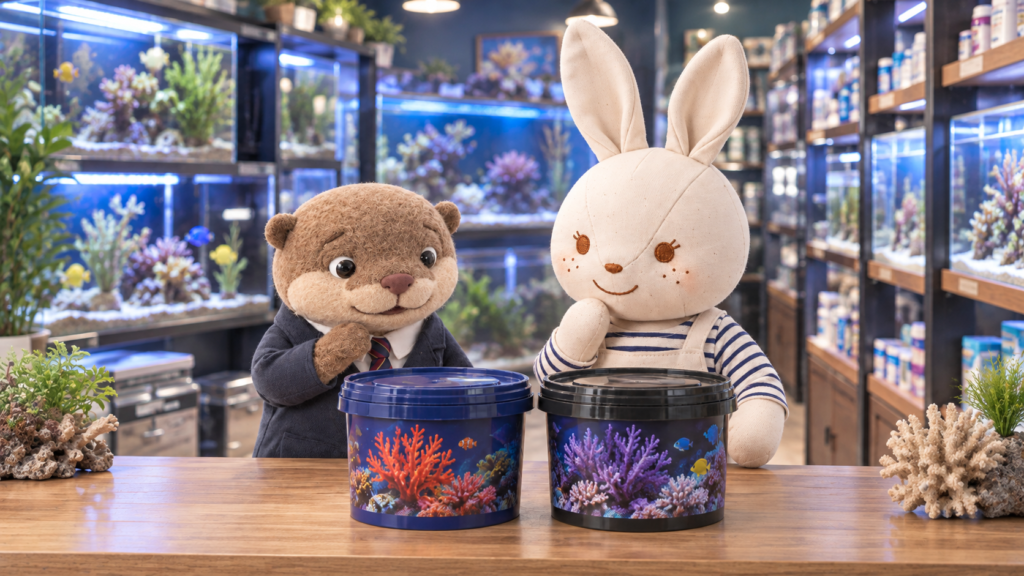 アイのアクアグッズ案内ショップで見かけるカラフルなバケツ。いったい何が入ってる?道具の特徴や使い方、選ぶときのポイントをアイが紹介します。記事はコチラ →
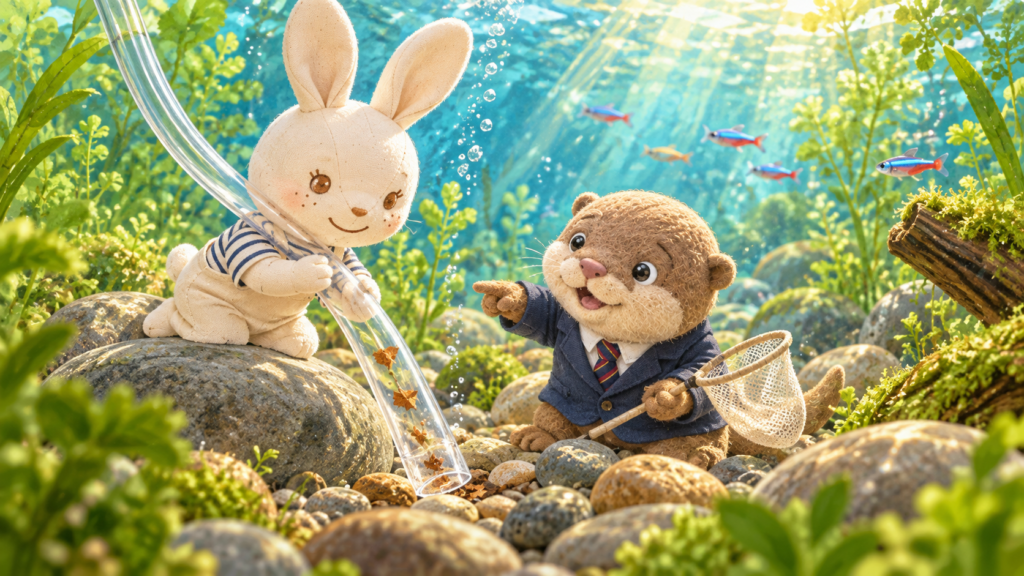 アイのアクアグッズ案内水換え・底砂掃除の道具の選び方|砂利・砂・ソイルに合うクリーナーとポンプ道具の特徴や使い方、選ぶときのポイントをアイが紹介します。記事はコチラ →
さまざまな飼育テーマをご紹介。リンク先の記事には広告・商品紹介が含まれます。
案内・紹介記事一覧へ →分布マップ
ファイヤーテトラは、南米ブラジルのアラグアイア川流域に分布し、記載上のタイプ産地はマトグロッソ州のダス・モルテス川とされています。この地図では、分布イメージを示すため、同流域周辺の概略代表地点を表示しています。
※このマーカーは、分布欄の内容から作成した概略代表地点です。実際の採集地点や厳密な生息範囲を示すものではありません。
本記事では、学名、分類、分布、最大体長、水温、命名由来、分類上の補足、ならびに飼育環境に関する記述を確認するため、以下の非店舗系資料を参照しました。
-
Eschmeyer’s Catalog of Fishes. “Hyphessobrycon amandae Géry & Uj 1987.” California Academy of Sciences.
現行の有効学名、記載者、分類、分布、淡水魚であることの確認に使用。
https://researcharchive.calacademy.org/research/ichthyology/catalog/fishcatget.asp?spid=7876 -
Géry, J. and A. Uj. 1987. “The ember tetra: a new pygmy characid tetra from the Rio das Mortes, Brazil, Hyphessobrycon amandae sp. n. (Pisces, Characoidei).” Tropical Fish Hobbyist, 35(5): 58-61, 65.
本種の原記載、タイプ産地、記載年、命名の基礎情報の確認に使用。
https://researcharchive.calacademy.org/research/ichthyology/catalog/getref.asp?id=8089 -
Froese, R. and D. Pauly, Editors. FishBase. “Hyphessobrycon amandae, Ember tetra.”
英名、分類、分布、最大体長、熱帯性淡水魚としての水温目安、語源情報の確認に使用。
https://www.fishbase.se/summary/Hyphessobrycon-amandae -
GBIF Backbone Taxonomy. “Hyphessobrycon amandae Géry & Uj, 1987.” Global Biodiversity Information Facility.
分類群名、原記載文献、データベース上の学名扱いの照合に使用。
https://www.gbif.org/species/2354525 -
Scharpf, C. “Family ACESTRORHAMPHIDAE Eigenmann 1907.” The ETYFish Project Fish Name Etymology Database.
種小名amandaeの献名由来、Amanda Bleherに関する語源情報の確認に使用。
https://etyfish.org/acestrorhamphidae/ -
Weitzman, S. H. and L. Palmer. 1997. “A new species of Hyphessobrycon (Teleostei: Characidae) from the Neblina region of Venezuela and Brazil, with comments on the putative ‘rosy tetra clade’.” Ichthyological Exploration of Freshwaters, 7(3): 209-242.
Hyphessobrycon属をめぐる分類学的補足、ロージーテトラ・クレードに関する背景理解の補助資料として使用。
https://research.si.edu/publication-details/?id=95421 -
Seriously Fish. “Hyphessobrycon amandae – Ember Tetra.”
飼育環境、温和な性質、群れでの飼育、水草水槽との相性など、アクアリウム実用面の補助確認に使用。
https://www.seriouslyfish.com/species/hyphessobrycon-amandae/




コメント