

▶ 記事の生体をAMAZONで買う ▶ 記事の生体をYahooで買う
解説 / Description
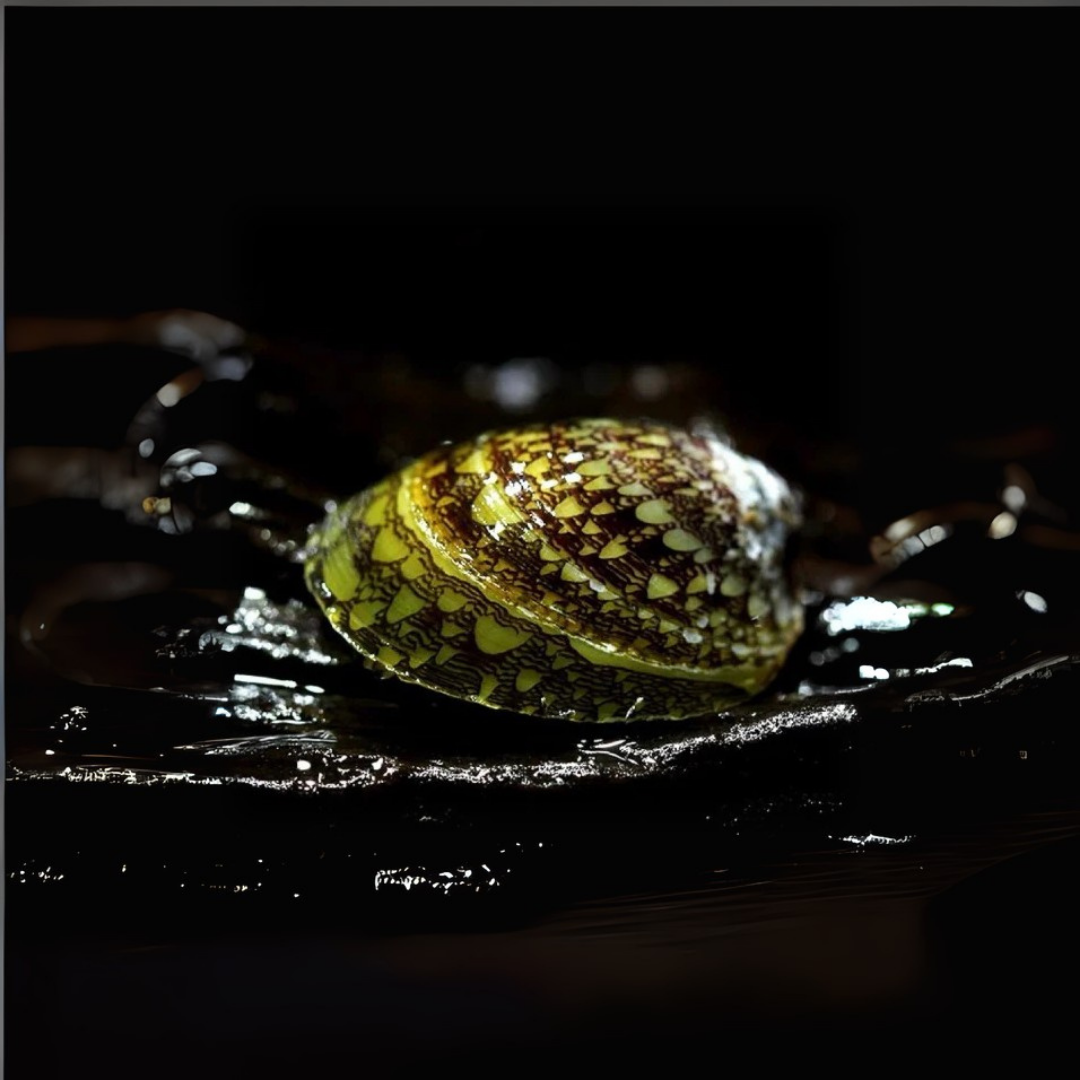
フネアマガイは、インド太平洋の熱帯・亜熱帯域に広く分布するアマオブネガイ科の巻貝です。日本の淡水アクアリウムにおいては、非常に優秀なコケ取り生体として重宝されています。一般的な巻貝のような螺旋状の殻を持たず、カサガイのような扁平で流線型の殻へと進化したその姿は、急流環境への高度な適応例と言えるでしょう。水槽のガラス面や石、流木に強固に張り付き、他の貝では処理しづらいような硬いスポット状の藻類をも削り取る優れた摂食能力を誇ります。その反面、ひっくり返ると自力で起き上がることが困難であるといった繊細な一面も持ち合わせており、飼育には彼らの性質を理解した細やかな気配りが必要です。 Septaria porcellana, commonly known as the Porcelain Limpet, is a gastropod in the Neritidae family distributed across the tropical Indo-Pacific. In the Japanese aquarium hobby, it is highly valued as an exceptionally effective algae eater. Having abandoned the typical coiled shell of most snails, it evolved a flat, streamlined limpet-like shell—a remarkable example of adaptation to rapid currents. It clings firmly to glass, rocks, and driftwood, boasting an excellent ability to scrape off tough green spot algae that can be difficult for other snails to manage. However, it also has a delicate side, such as being unable to easily flip itself back over, requiring attentive care from the aquarist.
基本情報 / Basic Information
| 学名 / Scientific Name | Septaria porcellana |
|---|---|
| 通称 / Common Name | フネアマガイ(船海女貝)Porcelain Limpet / Limpet Nerite |
| 分類 / Family | アマオブネガイ科 フネアマガイ属Neritidae, Genus Septaria |
| 英名 / English Name | Porcelain Limpet |
| 分布 / Distribution | インド太平洋地域。日本では琉球列島から九州、四国、紀伊半島南部の河川下流域。Indo-Pacific region. In Japan, found from the Ryukyu Islands to the southern parts of Honshu (e.g., Kii Peninsula). |
| 最大体長 / Max Size | 約3cm 〜 4cmApproximately 3cm – 4cm (1.2 – 1.6 inches) |
| 寿命 / Lifespan | 約2年 〜 3年(飼育下)Approximately 2 to 3 years under appropriate care. |
飼育環境 / Aquarium Environment
| 水槽サイズ / Tank Size | 45cm規格水槽(約35L)以上を推奨。小型水槽では餌となる藻類の不足が懸念されます。Minimum 45cm standard tank (approx. 35L) recommended. Food scarcity is a risk in smaller tanks. |
|---|---|
| 水温 / Temperature | 21℃ 〜 30℃(最適水温は24℃ 〜 28℃) 21°C – 30°C (Best between 24°C – 28°C) |
| 水質 / Water Quality | 中性 〜 弱アルカリ性(pH 7.0〜8.2)。殻を維持するために高めの硬度(GH 12以上)が理想的です。Neutral to slightly alkaline (pH 7.0-8.2). High hardness (GH 12+) is ideal for shell maintenance. |
| レイアウト / Layout | 彼らが張り付きやすい硬い石や流木を配置し、酸素が豊富な水流のある環境を好みます。Provide hard stones and driftwood for attachment. They prefer oxygen-rich environments with moderate water flow. |
| 注意点 / Precautions | ひっくり返ると自力で起き上がることが難しく、放置すると衰弱や捕食の原因となります。発見次第、正しい向きに戻してください。無理に剥がすと足部を傷つける恐れがあります。They cannot easily flip themselves back over; failure to do so results in starvation or predation. Correct their position manually if found upside down. Do not force them off surfaces, as this may injure their foot. |
餌と給餌 / Feeding
| 餌の種類 / Diet | 付着藻類(バイオフィルム、緑藻)、沈下性の植物性人工飼料(プレコ用タブレットなど)。Attached algae (biofilm, green algae), sinking herbivorous pellets (e.g., pleco wafers). |
|---|---|
| 給餌のポイント / Feeding Tips | 立ち上げ直後の清潔すぎる水槽では餓死の危険が高いため、藻類が十分に発生した成熟した水槽への導入が適しています。In newly established, extremely clean tanks, there is a risk of starvation. Introduce them to mature tanks with ample algae growth. |
性格と混泳 / Temperament and Tank Mates
| 性格 / Temperament | 非常に温和で、他の生体を攻撃することはありません。Extremely peaceful and will not harass other tank mates. |
|---|---|
| 混泳の相性 / Compatibility | 小型魚やエビ類とは非常に相性が良いです。ただし、大型のフグや攻撃的なシクリッド、貝を食べる魚(バジス類など)との混泳は避けてください。Great with small fish and shrimp. Avoid housing with large puffers, aggressive cichlids, or snail-eating fish (like Badis). |
病気と対策 / Diseases and Prevention
| かかりやすい病気 / Common Diseases | 酸性水質による殻の腐食、餌不足による餓死。Shell erosion caused by acidic water, and starvation due to lack of food. |
|---|---|
| 対策と予防 / Prevention | サンゴ砂をろ材に用いるなどしてpHと硬度を維持し、常にガラス面に薄く藻類が残るよう給餌環境を整えてください。Maintain pH and hardness by using coral sand, and ensure a constant supply of algae or supplemental food. |
増やし方(繁殖) / Breeding
| 雌雄の判別 / Sexing | 雌雄異体ですが外見での判別は困難です。大型個体ほどメスの可能性があるという説もありますが、確実な判別法は確立されていません。They are gonochoric, but external identification is difficult. Some suggest larger individuals are more likely to be female, but no definitive method exists. |
|---|---|
| 繁殖形態 / Reproduction | 「両側回遊(りょうそくかいゆう)」という生活史を持ち、孵化した幼生は海へ降り、海洋で浮遊生活を送った後に稚貝として川へ戻ります。They exhibit an “amphidromous” lifecycle; larvae drift to the sea, develop in marine environments, and return to rivers as juveniles. |
| 繁殖のポイント / Breeding Tips | 一般的な淡水水槽での繁殖は極めて困難です。水槽内に白い卵嚢を産み付けますが、孵化した幼生が淡水で生存し成長することはありません。Breeding in standard freshwater aquariums is considered extremely difficult. While they lay white egg capsules, larvae cannot survive or grow in freshwater. |
雑学と豆知識 / Trivia and Fun Facts
| 1. 「陶磁器」を意味する名 / 1. Named for Porcelain | 学名の種小名「porcellana」は、「陶磁器」を意味するラテン語系の言葉に由来します。これは、殻の内側が陶器のように滑らかで美しい乳白色から黄色の光沢を放っていることを表していると考えられています。 The species epithet “porcellana” derives from a Latin-root word for “porcelain,” likely referring to the smooth, glossy, milky-white to yellowish interior of the shell. |
|---|---|
| 2. 蓋の退化と強力な吸着力 / 2. Vestigial Operculum and Suction | 多くの巻貝は身を守るための「蓋」を持ちますが、フネアマガイの蓋は著しく退化し、足の組織に埋もれています。これは殻を閉じる防御を捨て、代わりに岩に完璧に密着する強力な筋肉を発達させた結果です。この高度な適応により、急流という過酷な環境下でも流されることなく生き抜くことができます。 While most snails have a functional operculum for defense, Septaria’s operculum is vestigial and buried in tissue. They traded the ability to seal their shell for strong muscles that allow them to adhere perfectly to rocks—a specialized adaptation for life in rapid currents. |
| 3. 効率的な藻類の処理システム / 3. Efficient Algae Processing System | フネアマガイは胃の内部に、摂取した微細な藻類を効率的に処理する器官を持っています。摂取した食物から「消化できる粒子」と「そうでないもの」を素早く仕分けるメカニズムを備えていると考えられており、このシステムによって栄養価の低いバイオフィルムなどからも効率よくエネルギーを得ることができます。 They possess internal organs specialized for efficiently processing ingested algae. They are thought to have a mechanism in their stomach to quickly sort digestible particles, allowing them to extract energy efficiently even from low-nutrient biofilms. |
| 4. 黒潮に乗る幼生の旅 / 4. Larval Journey on the Kuroshio Current | 両側回遊という生活史は、種の分布を広げる戦略でもあります。孵化した幼生は海流に乗って数百キロ以上旅をすることもあり、これにより別の川や島へと分布を広げます。和歌山など本州で見られる個体も、はるか南の島から運ばれてきた「旅人」である可能性があります。 Their amphidromous lifestyle is a strategy to expand their distribution. Larvae can travel hundreds of kilometers on ocean currents, colonizing distant rivers and islands. Individuals found in mainland Japan may be “travelers” carried from far southern islands. |
まとめ / Conclusion
フネアマガイは、単なるコケ取り役という以上に、急流環境という特定の条件下で生き抜くために高度な進化を遂げた興味深い軟体動物です。その平坦な殻や強力な吸着力、そして海と川を繋ぐ壮大なライフサイクルは、自然の奥深さを物語っています。 The Porcelain Limpet is more than just an algae eater; it is a fascinating mollusk that has undergone advanced evolution to survive in the specific conditions of rapid currents. Its flat shell, immense suction power, and the grand lifecycle connecting rivers and oceans reflect the profound complexity of nature.
水槽に迎える際は、彼らが好む硬度の高い水質や、十分な食料(藻類)がある環境を整えてあげてください。ひっくり返った際のフォローなど、少しの手間をかけることで、この「小さな旅人」はあなたの水槽を美しく保つ素晴らしいパートナーになってくれるでしょう。 When adding them to your aquarium, ensure high water hardness and an environment with ample food. By providing a little assistance, such as checking if they’ve flipped over, these “little travelers” will become excellent partners in maintaining the beauty of your tank.

気になる道具や飼い方を見つけてみませんか?
 アイのアクアグッズ案内水槽のエアーポンプの選び方|水深・音・泡で選ぶおすすめ用品道具の特徴や使い方、選ぶときのポイントをアイが紹介します。記事はコチラ →
 アイのアクアグッズ案内ラスボラ・ボララスの群泳を楽しむ飼育用品|水槽・ろ過・ヒーター・餌・水草道具の特徴や使い方、選ぶときのポイントをアイが紹介します。記事はコチラ →
さまざまな飼育テーマをご紹介。リンク先の記事には広告・商品紹介が含まれます。
案内・紹介記事一覧へ →▶ 記事の生体をAMAZONで買う ▶ 記事の生体をYahooで買う
参考資料・分類学文献
- The reproductive patterns of the five Fijian species of Septaria (Prosobranchia: Neritidae). Journal of Molluscan Studies, 58(1), 13–20.繁殖生理・性差
- Major adaptive radiation in neritopsine gastropods estimated from 28S rRNA sequences and fossil records. Proceedings of the Royal Society B, 269(1508), 2457–2465. DOI.系統学・両側回遊
- Observations on the shells of some fresh-water neritid gastropods from Hawaii and Guam. Micronesica, 5(1), 155–164.殻形態・生態適応
- Contributions to the Morphology of the Group Neritacea of Aspidobranch Gastropods. Part I. The Neritidae. Proceedings of the Zoological Society of London, 78(4), 810–887.解剖学・古典資料
- レッドデータブック2014 -日本の絶滅のおそれのある野生生物-(貝類) 国内の分布および保全状態に関する基本資料国内分布・保全
- Septaria porcellana (Linnaeus, 1758) Taxonomic database for marine and brackish species分類データベース




コメント