

解説 / Description
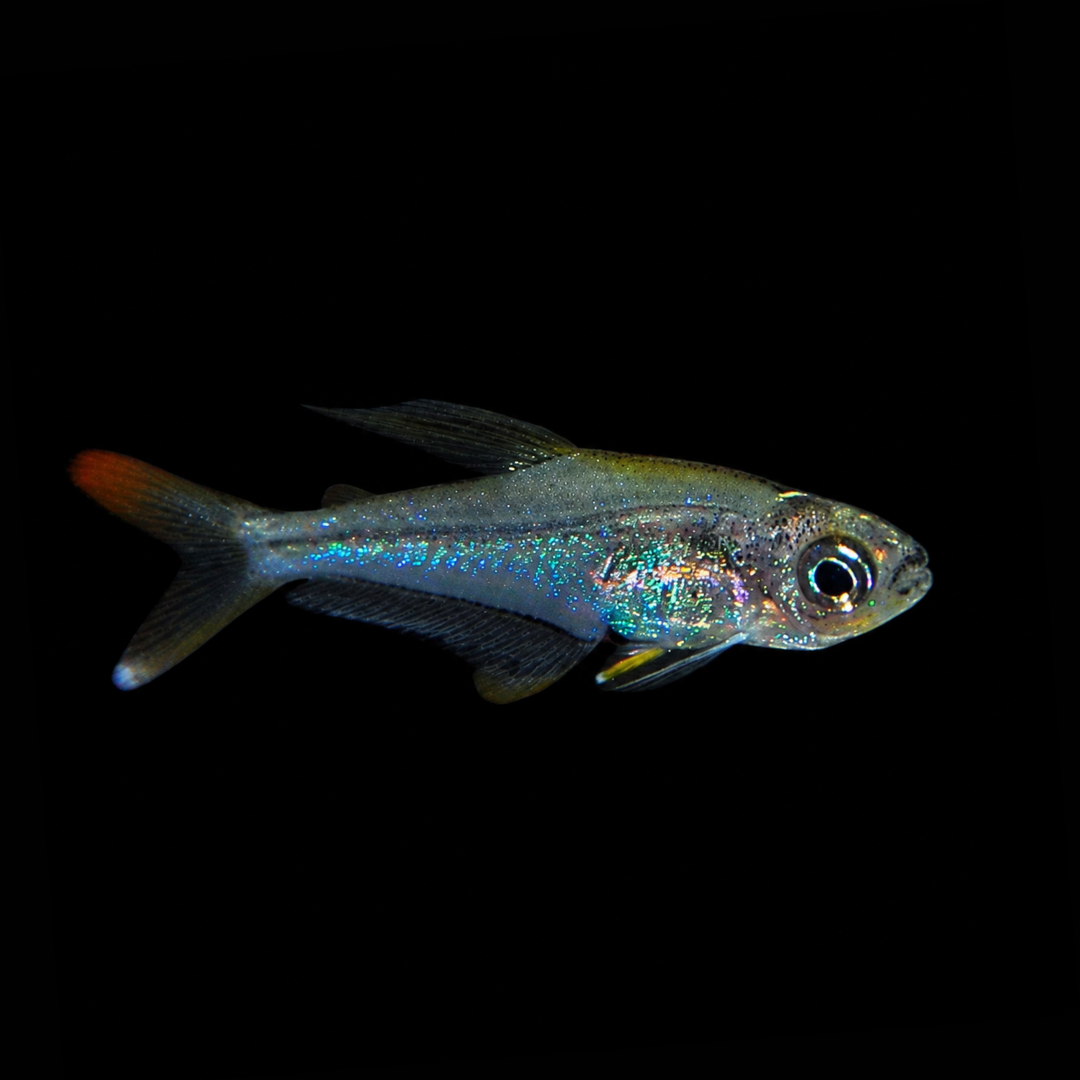
レインボークリスタルテトラは、南米ペルーから知られる、成魚でも2cmに満たない非常に小さなカラシンの仲間です。透明感のある体に青や虹色の光沢が浮かび、成熟した雄では伸びた背鰭や色づいた腹鰭がよく目立ちます。小さな体をふわりと止めるように泳ぐ姿から、英名ではハミングバードテトラとも呼ばれます。 The Rainbow Crystal Tetra is an exceptionally small characiform fish known from Peru in South America, remaining under 2 cm as an adult. Its transparent body can show blue to rainbow-like reflections, and mature males develop an elongated dorsal fin and colorful pelvic fins. Because of its tiny size and hovering style of swimming, it is also known as the Hummingbird Tetra.
一方で、国内の一般的な水槽で気軽に長期維持できる魚ではありません。現地に近い弱酸性の軟水、低い硝酸塩、穏やかな水流、細かな餌、導入時の慎重な水合わせが重要です。とくに輸入直後の個体では状態差が出やすいため、購入時の観察と導入後の安定管理が、この魚の美しさを引き出す大きな分かれ目になります。 At the same time, it is not a species that can be maintained casually in a typical community aquarium. Soft, acidic water, low nitrate, gentle flow, suitably fine foods, and slow acclimation are important. Newly imported fish can vary greatly in condition, so careful selection and stable management after purchase are often decisive for bringing out the beauty of this species.
基本情報 / Basic Information
| 学名 / Scientific Name | Trochilocharax ornatus |
|---|---|
| 通称 / Common Name | レインボークリスタルテトラ、ハミングバードテトラ、クリスタルレインボーテトラRainbow Crystal Tetra, Hummingbird Tetra, Crystal Rainbow Tetra |
| 分類 / Family | カラシン目 Acestrorhamphidae 科 Trochilocharacinae 亜科。記載当初や一部データベースでは旧来の Characidae として扱われることがありますが、近年の分子系統解析を反映した体系では Acestrorhamphidae に置かれます。Order Characiformes, family Acestrorhamphidae, subfamily Trochilocharacinae. Some older references and databases still list it under Characidae, but classifications reflecting recent molecular phylogenetic work place it in Acestrorhamphidae. |
| 英名 / English Name | Hummingbird Tetra, Rainbow Crystal Tetra, Crystal Rainbow Tetra |
| 分布 / Distribution | 南米ペルー。観賞魚としてはイキトス周辺のペルー産個体として流通してきました。アンピヤク川やナナイ川などの水系との関連が示されることがありますが、野外での詳しい分布には不明な点が残ります。Peru, South America. In the aquarium trade it has been known as a Peruvian species associated with the Iquitos region. The Ampiyacu and Nanay systems are often mentioned, but detailed field distribution remains insufficiently resolved, so very precise locality claims should be treated cautiously. |
| 最大体長 / Max Size | 標準体長で約1.7cm。観賞上は尾鰭を含めて2cm弱に見えることがあります。雄は雌より大きく見え、背鰭が伸長します。Approximately 1.7 cm standard length. In aquarium observation it may appear just under 2 cm including the caudal fin. Males appear larger than females and develop an elongated dorsal fin. |
| 寿命 / Lifespan | 信頼できる公開データは少なく、明確な年数は情報なしとして扱うのが安全です。飼育下では輸入時の状態と導入後の水質安定が大きく影響するため、まずは状態を崩さず1年以上維持できる環境づくりを目標にします。Reliable published lifespan data are limited, so it is safest to treat the exact lifespan as unknown. In captivity, import condition and water stability after introduction are major factors, so the first practical goal is to maintain healthy fish for more than a year without destabilizing the environment. |
飼育環境 / Aquarium Environment
| 水槽サイズ / Tank Size | 単独種中心なら30cmキューブ水槽から飼育可能ですが、水質安定と群れの落ち着きを考えると45cm規格水槽以上が扱いやすいです。混泳を考える場合は60cm規格水槽程度を目安にすると、隠れ場所と遊泳空間を両立しやすくなります。A species-focused setup can start from a 30 cm cube, but a standard 45 cm tank or larger is easier for stable water and group behavior. For community setups, a standard 60 cm aquarium is a practical target because it allows both cover and swimming space. |
|---|---|
| 水温 / Temperature | 飼育可能範囲としては20〜28℃程度が示されます。日本の水槽では24〜26℃前後で安定させると扱いやすく、夏季に28℃以上が続く場合は冷却ファンや水槽用クーラーを検討します。 A commonly cited range is about 20 to 28°C. In Japanese aquaria, keeping the water stable around 24 to 26°C is a practical approach. If temperatures remain above 28°C in summer, consider cooling fans or an aquarium chiller. |
| 水質 / Water Quality | 弱酸性の軟水を好みます。目安はpH4.0〜6.5、硬度18〜143ppm程度です。通常管理では急激にpHを下げるより、RO水などをベースに低硬度で安定した水を作る方が安全です。アルダーコーンや落ち葉、流木はタンニンを含む落ち着いた環境づくりに役立ちます。Soft, acidic water is preferred. A practical guideline is pH 4.0 to 6.5 and hardness around 18 to 143 ppm. Rather than forcing pH down abruptly, it is safer to prepare stable low-hardness water using RO water as a base. Alder cones, leaf litter, and driftwood help create a calm tannin-rich environment. |
| レイアウト / Layout | 細かな水草、浮き草、落ち葉、流木を使った、陰のあるブラックウォーター風レイアウトが向いています。強すぎる照明や強い水流は避け、ゆっくり泳げる中層から上層の空間を残します。底床や石材は水質をアルカリ性に傾けにくい素材を選びます。A shaded blackwater-style layout with fine plants, floating plants, leaf litter, and driftwood is suitable. Avoid overly bright lighting and strong current, while leaving open mid-to-upper swimming space. Choose substrate and stones that do not push the water toward alkaline conditions. |
| 注意点 / Precautions | 導入時の急変が最大のリスクです。購入後は袋の水と水槽水の差を意識し、点滴法でゆっくり水合わせします。輸入直後や店頭で体の白濁、痩せ、ふらつきが見られる個体は避けます。国内流通はワイルド個体が中心と考えられますが、ロットや店舗によって状態差があるため、入荷直後よりも落ち着いた個体を選ぶ方が安全です。Sudden changes during introduction are the main risk. After purchase, assume that the bag water may differ greatly from the aquarium water and acclimate slowly by drip method. Avoid fish showing cloudy white areas, emaciation, or unstable swimming in shop tanks. The Japanese trade appears to rely mainly on wild-caught imports, but condition varies by batch and shop, so settled individuals are safer than newly arrived fish. |
餌と給餌 / Feeding
| 餌の種類 / Diet | ブラインシュリンプ幼生、冷凍ベビーブラインシュリンプ、ミジンコ、細かく砕いた極小粒の人工飼料などを与えます。十分に落ち着いた個体では小さな人工飼料も受け入れることがありますが、導入初期や痩せた個体には活き餌や冷凍餌を併用すると立ち上げやすくなります。Offer newly hatched brine shrimp, frozen baby brine shrimp, daphnia, and very finely crushed micro pellets or powdered foods. Settled individuals may accept suitably small prepared foods, but live or frozen foods are useful during the initial settling period and for thin fish. |
|---|---|
| 給餌のポイント / Feeding Tips | 口が小さく、一度に多く食べる魚ではありません。少量を1日2回程度、残餌が出ない量で与えます。混泳水槽では餌負けしやすいため、浮遊性の細かな餌を複数箇所に落とし、全個体が食べられているか確認します。The mouth is tiny and the fish does not eat large meals at once. Feed small portions around twice per day, avoiding leftovers. In a community tank it can be outcompeted, so distribute fine suspended foods in several spots and check that all individuals are feeding. |
性格と混泳 / Temperament and Tank Mates
| 性格 / Temperament | 基本的には温和で、同種同士でゆるい群れを作ります。成熟した雄は場所を主張し、鰭を広げて見せ合うことがあります。小型水槽で雄が多すぎると追い合いが目立つため、複数個体をまとめて飼い、隠れ場所と視線を切る構造を用意します。It is generally peaceful and forms loose groups with its own kind. Mature males may hold small positions and display to each other. In small tanks with too many males, chasing can become noticeable, so keep a group and provide cover and visual breaks. |
|---|---|
| 混泳の相性 / Compatibility | 同じように小型で温和な魚が候補です。ボララス類、小型の温和なテトラ、ペンシルフィッシュ類、オトシンクルス、小型コリドラスなどが合わせやすい相手になります。中型以上のテトラ、活発に泳ぎ回る魚、捕食性の強いシクリッドや甲殻類は避けます。アピストグラマ類などと組み合わせる場合は、口に入らないサイズ差、十分な隠れ場所、餌の行き渡りを慎重に確認します。Suitable companions are similarly small and peaceful species such as Boraras, small gentle tetras, pencilfishes, Otocinclus, and dwarf Corydoras. Avoid medium or large tetras, highly active fish, predatory cichlids, and predatory crustaceans. If combined with dwarf cichlids such as Apistogramma, confirm that the tetras cannot be swallowed, that cover is sufficient, and that feeding remains fair. |
病気と対策 / Diseases and Prevention
| かかりやすい病気 / Common Diseases | 飼育者の間では、体の一部が白く濁るように見える白色化症状が特に問題視されます。これは正式な病名として確立されたものではなく、浸透圧ストレス、輸送ストレス、水質急変、外傷後の二次感染などが重なって起こる可能性が考えられます。白点病や細菌感染など、一般的な小型魚の病気にも注意が必要です。Aquarists often report a whitening or cloudy appearance in part of the body as a major problem. This is not an established formal disease name, and it may involve a combination of osmotic stress, shipping stress, sudden water changes, and secondary infection after minor injury. Common small-fish problems such as ich and bacterial infections should also be watched for. |
|---|---|
| 対策と予防 / Prevention | 治療より予防を優先します。白濁や痩せのない個体を選び、導入は点滴法で行い、導入後しばらくは水質を急変させずに小まめな少量換水を続けます。RO水の使用、重金属を無害化できる水質調整剤、十分に成熟したろ過環境が有効です。UV殺菌灯は万能ではありませんが、水中を漂う微生物を抑える補助として役立つ場合があります。Prevention is more important than treatment. Choose fish without cloudy patches or emaciation, acclimate by drip method, and after introduction continue small careful water changes without causing abrupt shifts. RO water, a conditioner that detoxifies heavy metals, and a mature filtration system are useful. A UV sterilizer is not a cure-all, but it may help as supplementary control for free-floating microorganisms. |
増やし方(繁殖) / Breeding
| 雌雄の判別 / Sexing | 雄は雌より大きく見え、背鰭が伸び、腹鰭に赤や黄色の色彩が出やすくなります。成熟した雄の尾柄部には袋状鱗と呼ばれる特殊な構造が見られます。雌は体つきが丸く、抱卵時には腹部のふくらみが目立ちます。Males appear larger than females, develop an elongated dorsal fin, and often show red or yellow color in the pelvic fins. Mature males have a specialized pouch scale near the caudal peduncle. Females are rounder, especially when carrying eggs. |
|---|---|
| 繁殖形態 / Reproduction | 本種はカラシンとしては珍しい体内受精を行うと報告されています。ただし、交尾の細部には未解明な部分も残ります。雄と同居した雌が、後に雄がいない状態でも水草の葉や根に受精卵を産み付ける例が報告されています。This species is reported to use internal insemination, an unusual trait among tetras, although details of the mating mechanism remain incompletely understood. Females kept with males have been reported to later deposit fertilized eggs on plant leaves or roots even without males present. |
| 繁殖のポイント / Breeding Tips | 繁殖を狙う場合は、20〜30L程度の小型水槽に極低硬度の弱酸性水を用意し、ウィローモスなどの細かな水草、浮き草、落ち葉を多めに入れます。親魚は卵を保護しないため、産卵後は隔離します。稚魚は非常に小さいため、初期餌にはインフゾリアやワムシなどの微小な餌を用意し、成長後にブラインシュリンプ幼生へ移行します。For breeding attempts, prepare a 20 to 30 L tank with very soft acidic water and plenty of fine plants such as moss, floating plants, and leaf litter. Adults do not guard the eggs, so remove them after spawning. The fry are extremely small, so prepare microscopic foods such as infusoria or rotifers before later transitioning them to newly hatched brine shrimp. |
雑学と豆知識 / Trivia and Fun Facts
| 1. 名前に込められた「ハチドリ」のイメージ / 1. The hummingbird image behind the name | 属名のTrochilocharaxは、ハチドリを連想させる語とカラシン類を示すCharaxを組み合わせた名前です。水中でふわりと静止するような泳ぎ、小さな体、光の角度で青や虹色に変わる体色は、まさに水中の小鳥を思わせます。種小名ornatusは「飾られた」「装飾された」という意味を持ち、強い体色ではなく透明な体に浮かぶ光沢の美しさをよく表しています。The genus name Trochilocharax combines a word associated with hummingbirds and Charax, a name used in characin taxonomy. Its hovering style of swimming, tiny body, and blue to rainbow sheen evoke a small bird underwater. The species name ornatus means adorned or decorated, fitting a fish whose beauty comes from reflections on a transparent body rather than bold pigmentation. |
|---|---|
| 2. 観賞魚流通が学術記載に先行した魚 / 2. Known in the hobby before formal description | 本種は2003年にペルーからヨーロッパへ輸入され、当初はHeterocharax sp.やTyttocharax sp.などの仮称で扱われました。正式にTrochilocharax ornatusとして記載されたのは2010年です。アクアリウムの世界で先に注目され、その後に学術名が整ったという流れは、観賞魚が未知の生物多様性を人の目に触れさせる一例でもあります。This species was imported from Peru to Europe in 2003 and was initially traded under provisional names such as Heterocharax sp. or Tyttocharax sp. It was formally described as Trochilocharax ornatus in 2010. The fact that it attracted attention in the aquarium hobby before receiving its scientific name shows how ornamental fish sometimes reveal overlooked biodiversity. |
| 3. 最新分類では位置づけが変わった / 3. Its classification has changed | 本種は記載時には広い意味でのカラシン科に置かれていましたが、2024年に発表された大規模な分子系統解析では、従来のカラシン科が複数の科へ再編されました。その体系では、本種はAcestrorhamphidae科Trochilocharacinae亜科に置かれます。古い資料と新しい資料で科名が違って見えるのは、この分類の更新が背景にあります。When described, this species was placed within Characidae in the broad traditional sense. A large molecular phylogenetic study published in 2024 reorganized former Characidae into multiple families. Under that system, this species is placed in Acestrorhamphidae, subfamily Trochilocharacinae. This is why older and newer references may show different family names. |
| 4. 鱗を失い、雄だけが特殊な袋状鱗を持つ / 4. A scaleless body and a special male pouch scale | 本種の体はほとんど鱗を持たず、内部の輪郭が透けるような透明感があります。その一方で、成熟した雄の尾柄部には袋状鱗と呼ばれる特殊な構造が発達します。この器官は繁殖行動と関係する可能性があると考えられており、単なる見た目の珍しさではなく、本種の生態を理解する手がかりにもなっています。This species is essentially scaleless, giving it a transparency through which internal outlines may be visible. In contrast, mature males develop a specialized pouch scale near the caudal peduncle. This organ is thought to be associated with reproductive behavior, making it not only a visual curiosity but also a clue to the species’ biology. |
| 5. 体内受精という珍しい繁殖戦略 / 5. An unusual strategy of internal insemination | 多くのテトラは水中に卵と精子を放つ体外受精を行います。しかし本種では、雌が雄から受け取った精子を保持し、後に水草の葉や根へ受精卵を産み付けると報告されています。小さな体の中に、一般的なテトラとは異なる繁殖戦略が隠れている点も、本種が研究対象として興味深い理由のひとつです。Most tetras reproduce by releasing eggs and sperm into the water for external fertilization. In this species, however, females are reported to retain sperm received from males and later deposit fertilized eggs on plant leaves or roots. This unusual strategy hidden in such a tiny body is one reason the species is biologically fascinating. |
| 6. 「きれいな水」だけでなく「変わらない水」が大切 / 6. Stable water matters as much as clean water | 本種の飼育では、硝酸塩を抑えた清潔な水が大切です。しかし、急な水換えや大きな水質差を伴う導入は、かえって負担になることがあります。現地を思わせる弱酸性軟水を目指しつつ、pHや導電率を急に動かさないことが、透明な体と繊細な輝きを長く楽しむための基本になります。Clean water with low nitrate is important, but sudden water changes or large differences during acclimation can be harmful. The goal is soft acidic water reminiscent of its natural conditions, while avoiding abrupt swings in pH and conductivity. This stability is the foundation for enjoying its transparent body and delicate sheen over time. |
まとめ / Conclusion
レインボークリスタルテトラは、透明な体に青い光をまとい、落ち葉や水草の陰を静かに漂う、きわめて繊細な小型カラシンです。最大体長はわずか1.7cmほどですが、鱗をほとんど持たない体、雄の袋状鱗、体内受精とされる繁殖様式など、その小さな姿には驚くほど多くの個性が詰まっています。 The Rainbow Crystal Tetra is an exceptionally delicate small characin, drifting quietly among leaves and plants with a blue sheen over its transparent body. Although it reaches only about 1.7 cm standard length, its nearly scaleless body, male pouch scale, and reported internal insemination give this tiny fish a remarkable biological character.
この魚と長く向き合うには、弱酸性軟水、穏やかな環境、細かな餌、そして急変を避ける丁寧な管理が欠かせません。整えられたブラックウォーター水槽の中でふと光を返す姿は、派手さではなく静けさの中にある美しさを教えてくれます。小さな水景に奥行きを与えてくれる、上級者にとっても挑戦しがいのある一種です。 Keeping this species well requires soft acidic water, a calm environment, fine foods, and careful management that avoids sudden change. In a well-prepared blackwater aquarium, the moment it catches the light reveals a beauty found not in boldness but in quiet detail. It is a rewarding species for experienced aquarists who want to give depth and subtle life to a small aquatic landscape.
気になる道具や飼い方を見つけてみませんか?
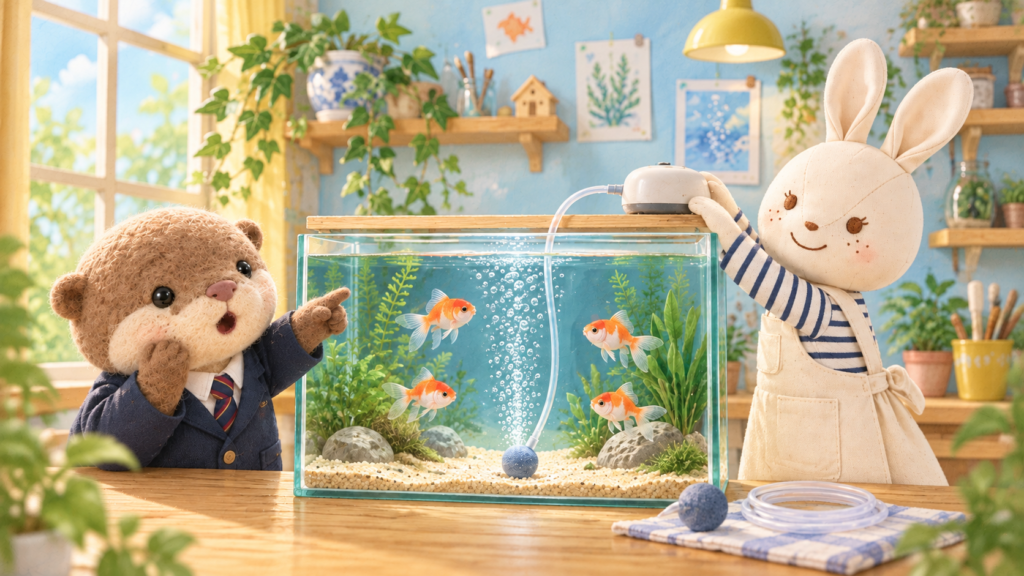 アイのアクアグッズ案内水槽のエアーポンプの選び方|水深・音・泡で選ぶおすすめ用品道具の特徴や使い方、選ぶときのポイントをアイが紹介します。記事はコチラ →
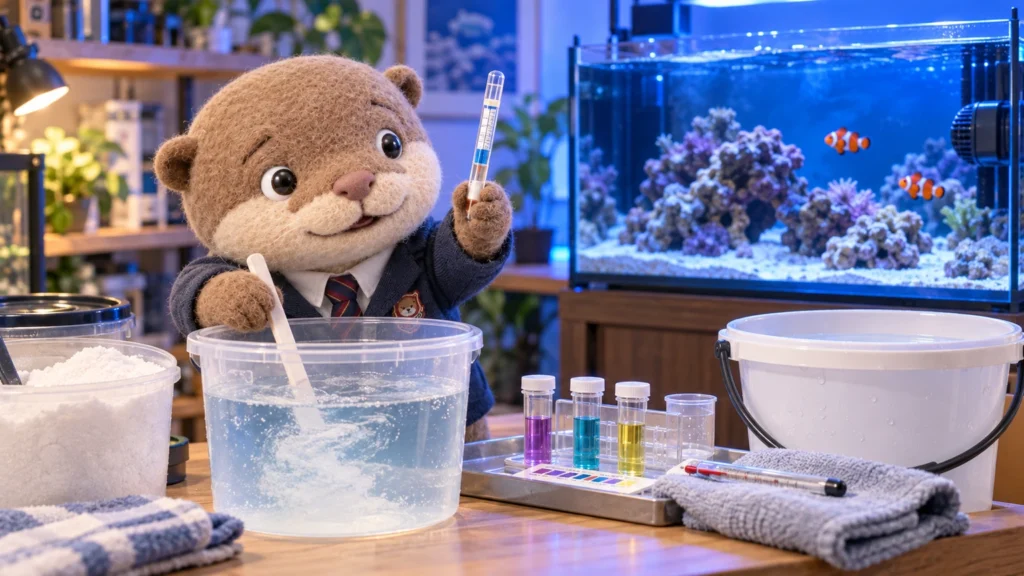 アイのアクアグッズ案内海水魚初心者の必需品|水槽・人工海水・比重計・水質検査道具の特徴や使い方、選ぶときのポイントをアイが紹介します。記事はコチラ →
 アイのアクアグッズ案内コケを食べるコイの仲間に合わせる飼育用品|フライングフォックス・アルジイーター・ガラ道具の特徴や使い方、選ぶときのポイントをアイが紹介します。記事はコチラ →
 アイのアクアグッズ案内水槽用浄水器の選び方|水換えを楽にするタイプとROの違い道具の特徴や使い方、選ぶときのポイントをアイが紹介します。記事はコチラ →
さまざまな飼育テーマをご紹介。リンク先の記事には広告・商品紹介が含まれます。
案内・紹介記事一覧へ →分布マップ
レインボークリスタルテトラは南米ペルー、特にイキトス周辺のペルー産個体として流通してきた小型カラシンです。アンピヤク川やナナイ川などの水系との関連が示されることがありますが、詳細な野外分布は十分に整理されていないため、下の地図ではイキトス周辺を概略代表地点として表示しています。
地図を読み込み中です。
この地図は分布欄の内容から作成した概略プロットです。実際の採集地点や厳密な生息範囲を示すものではありません。
参考文献
本リストは、レインボークリスタルテトラ(Trochilocharax ornatus)の分類、分布、生息環境、飼育条件、繁殖、病気や注意点に関する記述を支えるため、学術論文、学術データベース、獣医学・水産系の公的または専門資料に絞って選定したものです。店舗、通販サイト、個人ブログ、まとめサイトは含めていません。
-
Zarske, A. (2010). Der Kolibrisalmler – Trochilocharax ornatus gen. et spec. nov. – ein neuer Salmler aus Peru (Teleostei: Characiformes: Characidae). Vertebrate Zoology, 60(2), 75–98.本種の原記載。学名、ペルー産であること、標準体長約17.0mm、無鱗の体、成熟雄にみられる袋状鱗、臀鰭のフック、体内授精が示唆される繁殖形態など、記事の分類・形態・繁殖に関する基礎資料として使用。
-
Melo, B. F. et al. (2024). Phylogenomics of Characidae, a hyper-diverse Neotropical freshwater fish lineage, with a phylogenetic classification including four families (Teleostei: Characiformes). Zoological Journal of the Linnean Society, 202(1), zlae101.従来の広義CharacidaeをSpintherobolidae、Stevardiidae、Characidae、Acestrorhamphidaeに再編し、Acestrorhamphidae内にTrochilocharacinaeを置く最新系統分類の根拠として使用。
-
Melo, B. F. (2024). Data from: Phylogenomics of Characidae, a hyper-diverse Neotropical freshwater fish lineage, with a phylogenetic classification including four families (Teleostei: Characiformes). Dryad Dataset.Melo et al. (2024)のUCE解析に対応するデータセット。1348 UCE遺伝子座、538,472塩基対に基づく解析であることなど、分類更新の裏付けを確認する補助資料として使用。
-
Fricke, R., Eschmeyer, W. N. & van der Laan, R. (eds.) (2026). Eschmeyer’s Catalog of Fishes: Genera, Species, References. California Academy of Sciences.魚類の学名・原記載・分類上の扱いを確認するための標準的な分類データベース。学名表記、記載者、分類名の妥当性を確認する補助資料として使用。
-
Froese, R. & Pauly, D. (eds.) (2026). FishBase: Trochilocharax ornatus Zarske, 2010.Acestrorhamphidae / Trochilocharacinae、最大体長1.7cm SL、淡水・中底層性、分布が南米ペルーであること、IUCNのData Deficient情報など、基本情報の確認資料として使用。
-
Ríos-Villamizar, E. A., Piedade, M. T. F., Da Costa, J. G., Adeney, J. M. & Junk, W. J. (2013). Chemistry of different Amazonian water types for river classification: a preliminary review. WIT Transactions on Ecology and the Environment, 178, 17–28.アマゾンの白水・黒水・清水という水型分類、水質化学、ブラックウォーターの低pH・低導電率・腐植物質に関する背景を支える資料として使用。
-
Junk, W. J., Piedade, M. T. F., Schöngart, J., Cohn-Haft, M., Adeney, J. M. & Wittmann, F. (2011). A classification of major naturally-occurring Amazonian lowland wetlands. Wetlands, 31(4), 623–640.アマゾン低地の湿地・水域分類、ブラックウォーター環境の水文化学的特徴、イガポーを含む氾濫林環境の理解を補強する資料として使用。
-
Burns, J. R., Weitzman, S. H., Grier, H. J. & Menezes, N. A. (1995). Internal fertilization, testis and sperm morphology in glandulocaudine fishes (Teleostei, Characidae, Glandulocaudinae). Journal of Morphology, 224(2), 131–145.内部授精型カラシン類の生殖形態、精子貯蔵、雄の特殊器官に関する比較背景を支える資料。本種そのものの繁殖記述はZarske (2010)を主資料とし、本資料は近縁・類似群の生殖様式を理解するための補助資料として使用。
-
Petty, B. D., Francis-Floyd, R. & Yanong, R. P. E. (2024). Management of Aquarium Fish. Merck Veterinary Manual, Professional Version.観賞魚の管理、治療時の注意、種ごとの感受性、薬剤・塩分・水質管理上の慎重さを支える獣医学資料。デリケートな小型魚で薬剤や環境変化を慎重に扱うべきという注意喚起の補助資料として使用。
-
MSD Veterinary Manual. Bacterial Diseases of Fish. MSD Veterinary Manual, Professional Version.魚類の細菌性疾患が、過密、悪い水質、有機物負荷、輸送・ハンドリング、急な温度変化、低酸素などのストレス条件で発生しやすくなることを示す資料。記事内の白濁・衰弱・導入時リスクの記述について、特定病名を断定せず予防重視で説明する根拠として使用。
-
Arthur, J. R., Bondad-Reantaso, M. G. & Subasinghe, R. P. (2008). Procedures for the quarantine of live aquatic animals: a manual. FAO Fisheries Technical Paper No. 502. Food and Agriculture Organization of the United Nations.生体導入時の隔離・検疫・リスク管理に関する国際機関の資料。輸入魚・新規導入魚では、到着直後の隔離、観察、衛生管理を重視するべきという注意点の背景資料として使用。
注記:本種の飼育条件は、原記載および魚類データベースに直接記載された自然史情報、アマゾンのブラックウォーター環境に関する水文化学資料、観賞魚・水産動物の獣医学的管理資料を組み合わせた目安です。この参考文献一覧には、販売店や個人の飼育記録は含まれていません。




コメント